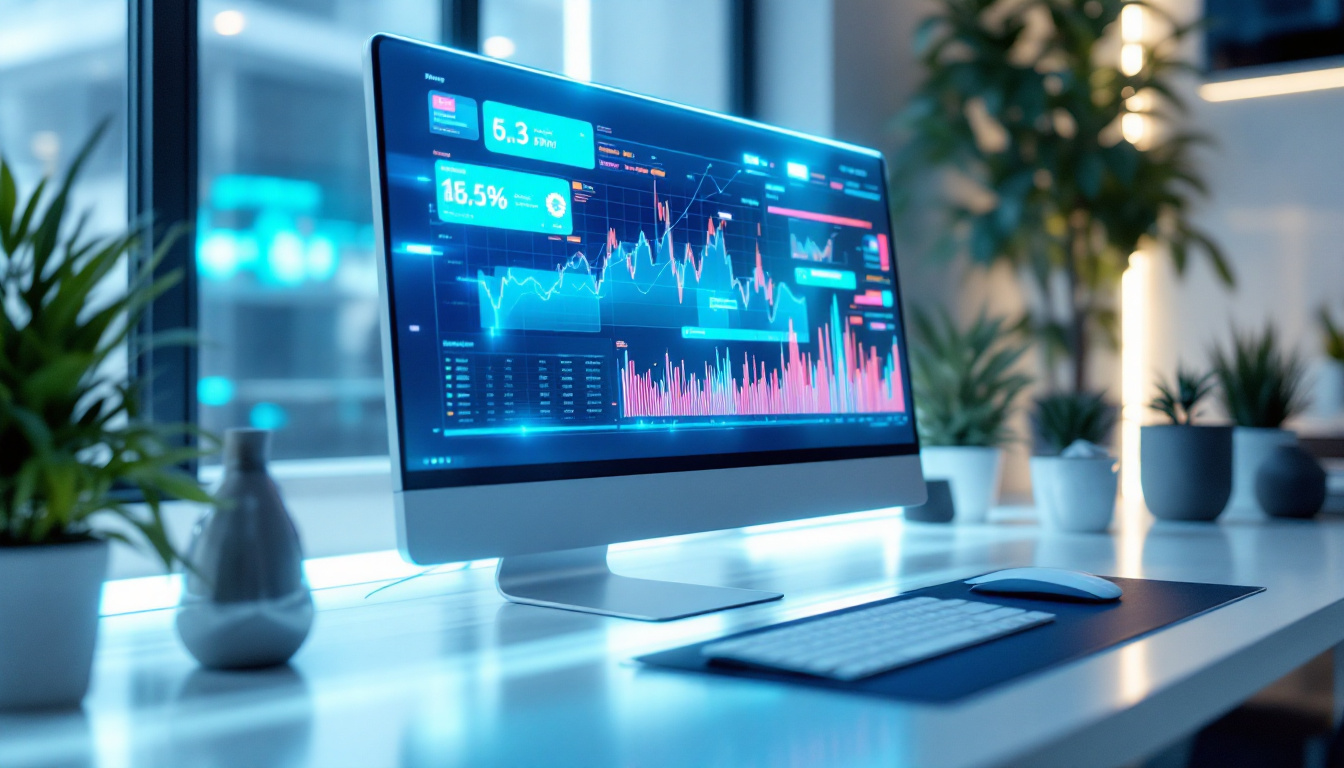
In today’s digital age, LED displays are everywhere—from the smartphones in our pockets to the massive billboards lighting up cityscapes. Despite their ubiquity, many users have only a basic understanding of how these screens work and why certain characteristics, such as refresh rate and brightness, matter so much. This article dives deep into the technology behind LED displays, explaining key concepts and exploring how advancements continue to shape the visual experiences we often take for granted.
Understanding LED Display Technology
What is an LED Display?
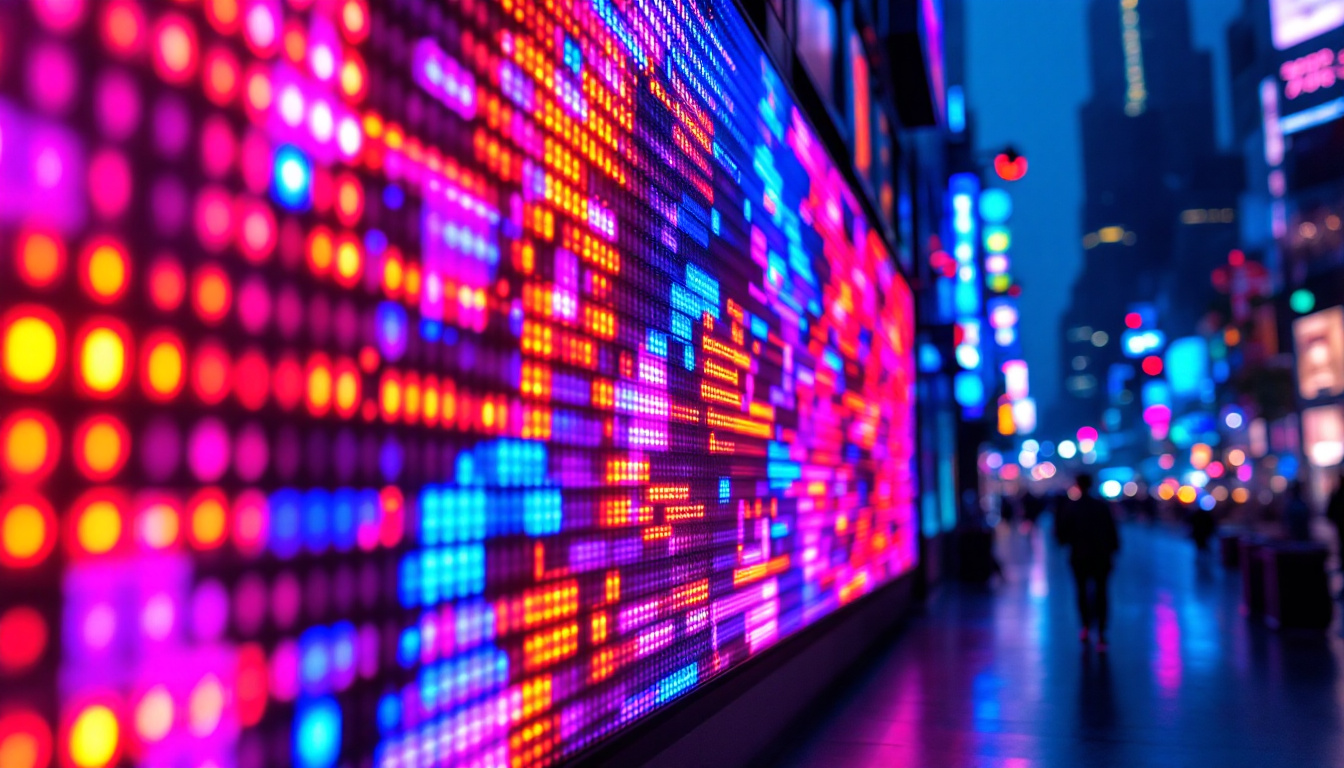
LED stands for Light Emitting Diode, a semiconductor device that emits light when an electric current passes through it. An LED display is essentially a flat panel that uses these tiny diodes as pixels to create images. Unlike traditional LCD screens that rely on backlighting, LED displays use the diodes themselves to produce light, which allows for greater brightness, contrast, and energy efficiency.
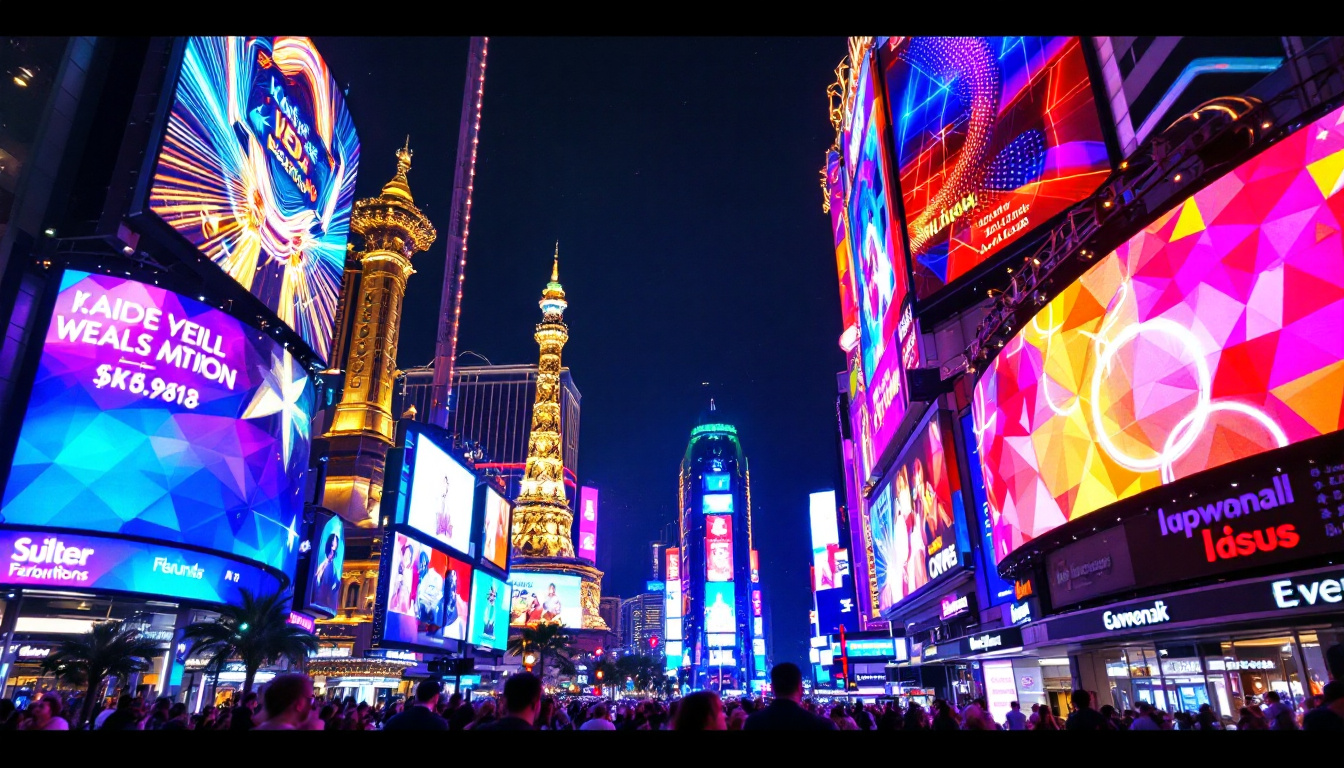
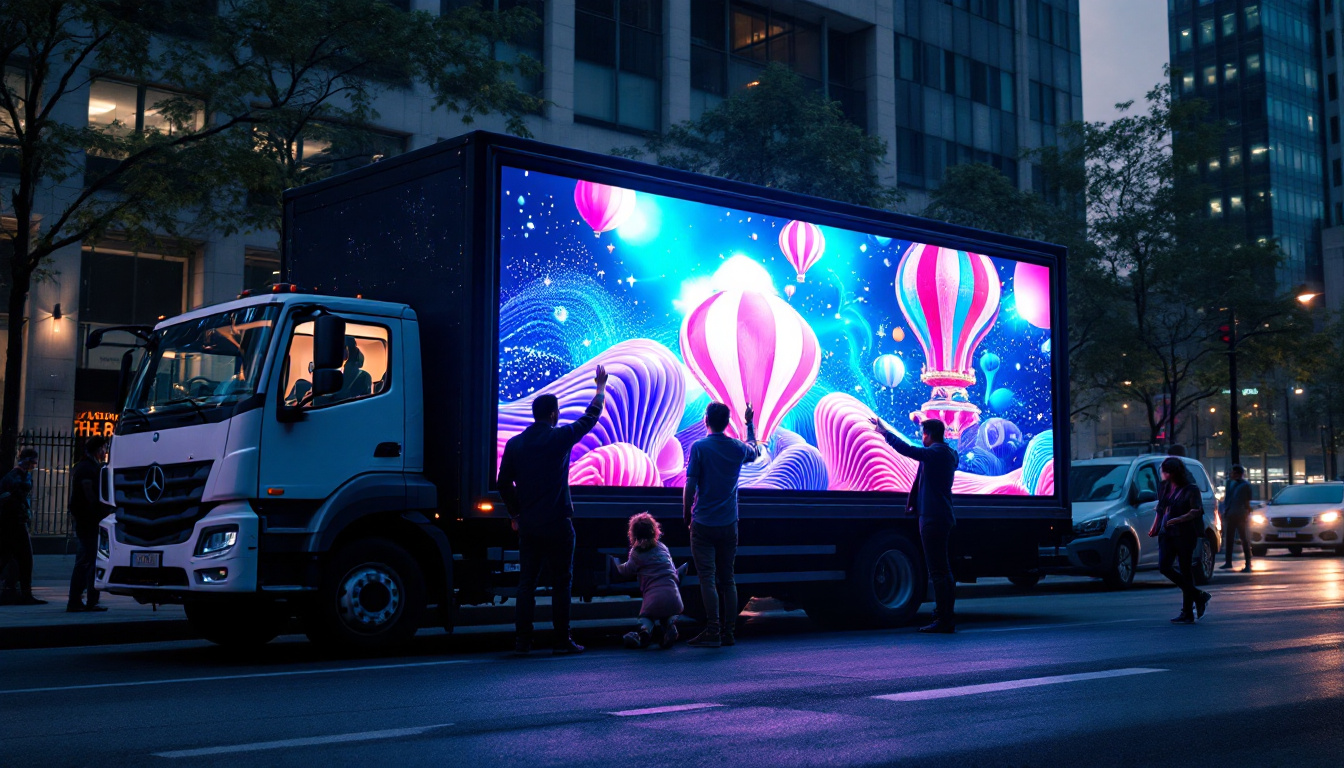
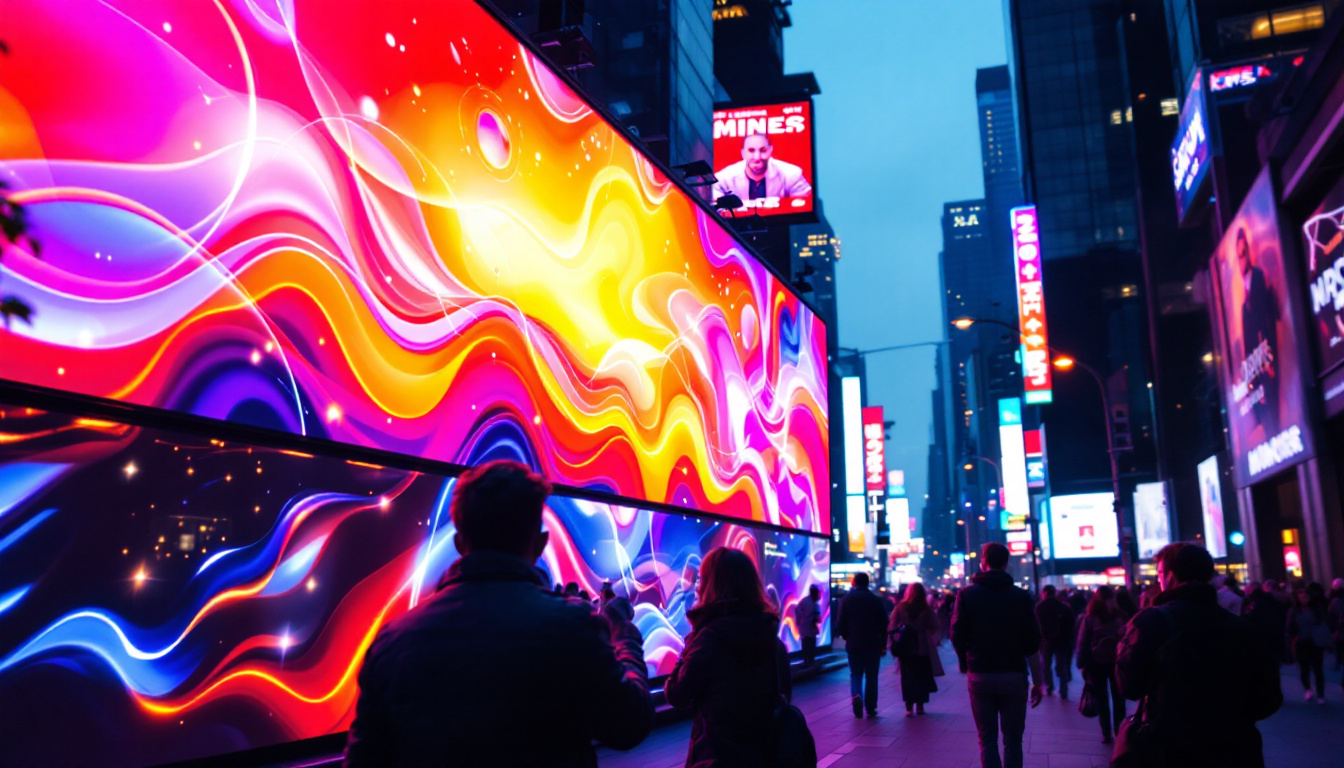
There are two main types of LED displays: direct-view LED and LED-backlit LCD. Direct-view LED displays use LEDs as the actual pixels, making them ideal for large-scale applications such as stadium screens or digital billboards. LED-backlit LCDs, on the other hand, are common in consumer devices like TVs and monitors, where LEDs provide the backlight behind an LCD panel. The versatility of LED technology has led to its adoption in a variety of settings, from retail environments showcasing vibrant advertisements to art installations that push the boundaries of visual creativity. Furthermore, the durability and longevity of LED displays make them a cost-effective choice for both temporary and permanent installations.
How LEDs Generate Images
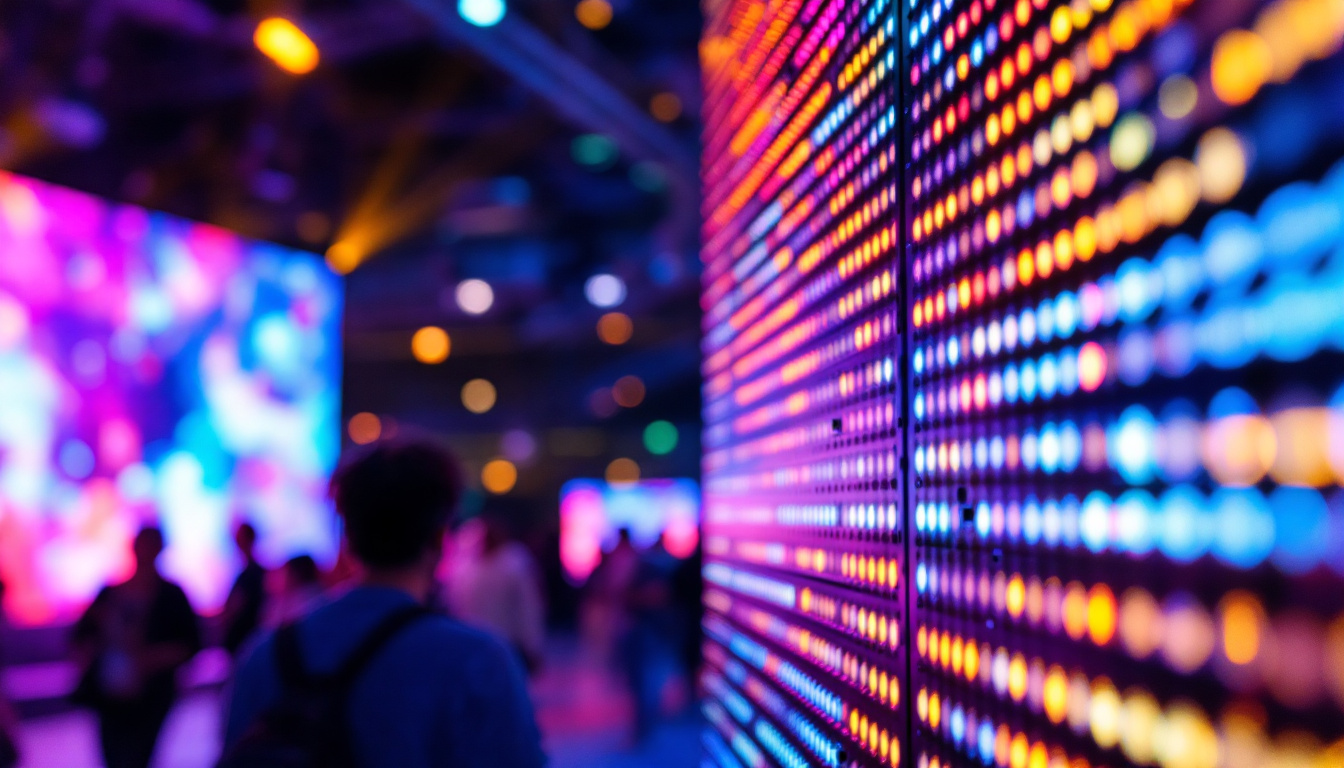
Each pixel on an LED display is made up of sub-pixels—typically red, green, and blue LEDs. By varying the intensity of these sub-pixels, the display can produce a full spectrum of colors. This RGB color mixing is fundamental to how all modern digital displays work. The ability to manipulate these colors with precision allows for stunning visuals that can captivate audiences, whether in a darkened theater or a brightly lit convention center.
The precision with which these sub-pixels are controlled determines the image quality. Advances in LED manufacturing have allowed for smaller, more densely packed diodes, enabling higher resolutions and more vibrant colors. For instance, microLED technology, which uses microscopic LEDs, promises even greater brightness and contrast ratios compared to traditional LED displays. Additionally, the integration of smart technology and advanced processing algorithms allows for real-time adjustments to color and brightness, ensuring that the display maintains optimal performance under varying lighting conditions. This adaptability is particularly beneficial in environments where ambient light can fluctuate, such as outdoor venues or exhibition spaces, making LED displays a preferred choice for dynamic visual presentations.
The Importance of Screen Refresh Rate
What is Refresh Rate?
Refresh rate refers to how many times per second a display updates its image, measured in hertz (Hz). For example, a 60Hz refresh rate means the screen refreshes 60 times per second. This metric is crucial because it directly impacts the smoothness and clarity of motion on the screen.
Higher refresh rates reduce motion blur and screen flicker, which can significantly enhance user experience, especially in fast-paced environments like gaming or video playback. Modern LED displays often feature refresh rates of 120Hz or even 240Hz, providing exceptionally fluid visuals. This increased refresh rate is particularly beneficial for competitive gamers who rely on quick reflexes and precise movements, as it allows for a more immersive experience where every frame is rendered with greater accuracy.
How Refresh Rate Affects User Experience
A low refresh rate can cause noticeable flickering or ghosting effects, which not only degrade image quality but can also lead to eye strain and headaches over prolonged use. This is particularly important for professionals who spend long hours in front of screens and for gamers who require precise, real-time visual feedback. In fact, studies have shown that higher refresh rates can improve overall comfort and reduce fatigue, making it easier for users to maintain focus and productivity during extended sessions.
In addition to refresh rate, response time—the speed at which a pixel changes color—also plays a role in motion clarity. LED displays typically have faster response times compared to LCDs, making them preferable for dynamic content. Furthermore, advancements in technology have led to the development of adaptive sync technologies, such as NVIDIA’s G-Sync and AMD’s FreeSync, which synchronize the refresh rate of the display with the frame rate of the graphics card. This eliminates screen tearing and stuttering, providing a seamless visual experience that is especially critical in competitive gaming scenarios.
Moreover, the benefits of higher refresh rates extend beyond gaming. In the realm of professional video editing and graphic design, a higher refresh rate can facilitate smoother playback of high-resolution footage, allowing editors to make more precise adjustments. Similarly, for those who enjoy watching fast-paced sports or action films, a display with a high refresh rate can enhance the viewing experience by presenting clearer, more fluid motion, making every scene more engaging and lifelike.
Brightness and Contrast: Key Visual Metrics
Why Brightness Matters
Brightness, measured in nits (candelas per square meter), determines how well a display performs under various lighting conditions. LED displays are known for their high brightness levels, which can exceed 1,000 nits in many consumer-grade models and reach several thousand nits in professional or outdoor displays.
High brightness is essential for visibility in bright environments, such as outdoor digital signage or rooms with abundant natural light. It also enhances HDR (High Dynamic Range) content, allowing for more lifelike images with deeper highlights. The ability to produce vivid colors and details in bright scenes is crucial for applications like gaming and photography, where every nuance matters. Additionally, displays with higher brightness levels can help reduce eye strain, as they allow users to comfortably view content without having to squint or adjust their position to avoid glare.
The Role of Contrast Ratio
Contrast ratio is the difference between the brightest white and the darkest black a display can produce. LED displays excel in this area because LEDs can be turned off completely to produce true blacks, unlike LCDs that rely on backlighting and often suffer from light bleed.
Higher contrast ratios contribute to richer images and better depth perception, making content more engaging and easier to view. This is particularly beneficial for video editing, graphic design, and cinematic experiences. In these fields, the ability to distinguish between subtle shades and tones can significantly impact the quality of the final product. Furthermore, a high contrast ratio enhances the viewing experience in dark environments, where the depth of blacks can create a more immersive atmosphere. For instance, in a darkened theater, the contrast between the bright colors of a film and the deep blacks of the screen can draw viewers into the narrative, making every scene more impactful.
Advancements in LED Display Technologies
MicroLED: The Next Frontier
MicroLED technology represents a significant leap forward by using microscopic LEDs as individual pixels. This approach offers several advantages, including superior brightness, contrast, and energy efficiency, along with longer lifespan compared to OLED and traditional LED displays.
Although still emerging in the consumer market due to manufacturing complexities and cost, MicroLED displays are gaining traction in premium TVs and augmented reality devices. Industry experts predict MicroLED could become mainstream within the next five to ten years, revolutionizing how screens are designed and used.
Flexible and Transparent LED Displays
Innovations have also led to flexible LED displays that can bend or curve without losing image quality, opening new possibilities for wearable devices, automotive dashboards, and creative advertising formats. Transparent LED displays are another exciting development, enabling screens that can display digital content while remaining see-through, ideal for retail windows and architectural applications.
Practical Considerations When Choosing an LED Display
Application and Environment
When selecting an LED display, understanding the intended use and environment is critical. For example, outdoor signage requires high brightness and weather resistance, whereas indoor monitors prioritize color accuracy and refresh rate.
Size and resolution are also important factors. A large billboard may not need ultra-high resolution because viewers are far away, while a smartphone screen demands high pixel density for sharp images at close range.
Energy Efficiency and Longevity
LED displays are generally more energy-efficient than other display types, but efficiency varies based on technology and usage. Choosing displays with energy-saving features can reduce operational costs, especially for large installations.
Longevity is another consideration; LED displays typically have longer lifespans than LCDs or OLEDs, but factors like heat management and usage patterns influence durability.
The Future of LED Displays
Integration with AI and IoT
As smart technologies advance, LED displays are becoming more integrated with artificial intelligence (AI) and the Internet of Things (IoT). Intelligent displays can adjust brightness and color temperature automatically based on ambient light or user preferences, enhancing comfort and reducing energy consumption.
IoT connectivity also allows for remote management of large display networks, enabling dynamic content updates and maintenance alerts, which are invaluable for advertising and public information systems.
Environmental Impact and Sustainability
With growing awareness of environmental issues, manufacturers are focusing on sustainable materials and production methods for LED displays. Energy-efficient designs, recyclable components, and reduced hazardous substances are becoming standard in new models, aligning with global efforts to minimize electronic waste.
Consumers and businesses alike are encouraged to consider sustainability when purchasing and disposing of display technologies to support a greener future.
Conclusion
LED displays have transformed the way people interact with digital content, offering bright, vibrant, and energy-efficient screens across countless applications. Understanding the underlying technology, including refresh rates, brightness, and contrast, helps users make informed decisions whether buying a new TV, setting up a digital signage system, or developing cutting-edge devices.
As innovations like MicroLED and flexible displays continue to evolve, the future promises even more immersive and versatile visual experiences. Staying informed about these advancements ensures that consumers and professionals alike can leverage the full potential of LED display technology in their daily lives and work.
Explore Cutting-Edge LED Displays with LumenMatrix
Ready to elevate your visual experience with the latest in LED display technology? LumenMatrix is at the forefront of innovation, offering a wide range of LED display solutions tailored to your needs. From Indoor and Outdoor LED Wall Displays to specialized options like Vehicle, Sports, and Floor LED Displays, our products are designed to captivate and engage. Discover how LumenMatrix can transform your brand visibility and communication. Check out LumenMatrix LED Display Solutions today and step into the future of digital signage.