In today’s visually driven world, LED display technology has revolutionized the way information and advertising are presented in public spaces, stadiums, retail environments, and corporate settings. The term “Screens Wall” often refers to large-scale LED display installations that create vibrant, dynamic visual experiences. This article delves into the fundamentals of LED screens, exploring their technology, types, applications, and future trends to provide a comprehensive understanding of what makes LED display walls a powerful communication tool.
Understanding LED Display Technology
What is an LED Display?
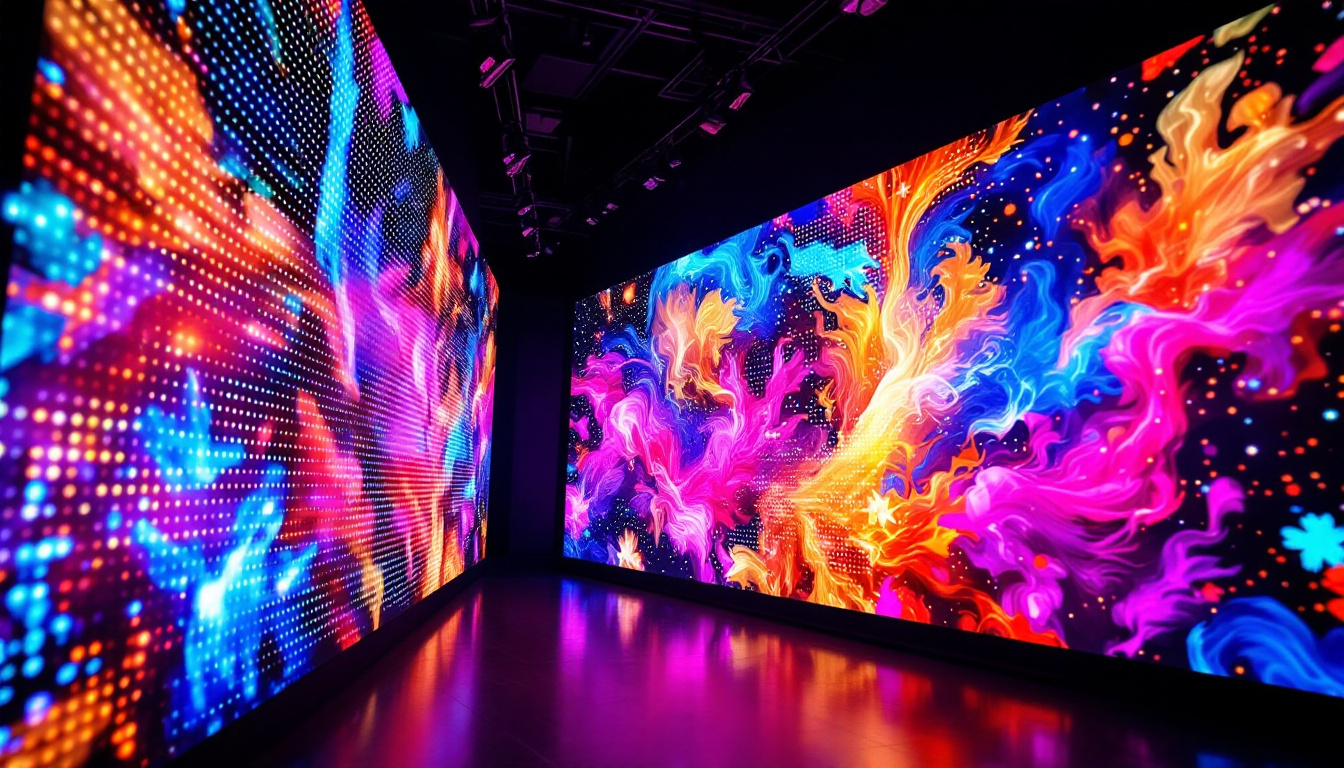
LED stands for Light Emitting Diode, a semiconductor device that emits light when an electric current passes through it. An LED display is composed of thousands to millions of these tiny LEDs arranged in a matrix to form images, videos, or text. Unlike traditional LCD or projection screens, LED displays are self-illuminating, meaning each diode emits its own light, resulting in brighter and more vivid visuals.
The core advantage of LED technology lies in its ability to produce high brightness levels, excellent color accuracy, and wide viewing angles. This makes LED displays ideal for both indoor and outdoor environments, where visibility under various lighting conditions is crucial. Additionally, LED displays are energy-efficient, consuming less power compared to older technologies, which not only reduces operational costs but also minimizes environmental impact. This efficiency is particularly beneficial for large-scale installations, such as billboards and stadium screens, where energy consumption can be significant.
How LED Screens Work
LED screens work by controlling the intensity and color of individual diodes. Each pixel on the screen consists of three sub-pixels: red, green, and blue LEDs. By adjusting the brightness of these sub-pixels, the display can produce a full spectrum of colors. The control system sends signals to the LEDs to turn on or off at precise intervals, creating the desired images or video frames.
Modern LED walls use advanced driver ICs (Integrated Circuits) and sophisticated software to manage color calibration, refresh rates, and synchronization. These features ensure smooth motion, reduce flickering, and maintain consistent image quality across large surfaces. Furthermore, innovations in LED technology have led to the development of flexible and transparent displays, allowing for creative applications in architectural design and advertising. These new forms of LED displays can be integrated into windows or curved surfaces, providing an immersive experience that captivates audiences in ways traditional displays cannot. As the technology continues to evolve, we can expect even more groundbreaking applications that push the boundaries of visual communication.
Types of LED Display Walls
Indoor LED Displays
Indoor LED walls are designed for environments such as conference rooms, retail stores, airports, and museums. They typically have a higher pixel density (smaller pixel pitch) to deliver crisp images at close viewing distances. Pixel pitch refers to the distance between the centers of two adjacent LEDs, and smaller pitches mean higher resolution.
For example, indoor LED displays often feature pixel pitches ranging from 0.9mm to 4mm. These displays offer excellent color uniformity and brightness levels optimized for indoor lighting conditions, usually between 800 to 1500 nits. The ability to produce vibrant colors and sharp images makes them ideal for presentations, advertisements, and interactive displays. Furthermore, many indoor LED walls come equipped with advanced features such as touch interactivity and seamless video wall capabilities, allowing for a more engaging experience for viewers.
Moreover, the installation of indoor LED displays can be tailored to fit various configurations, whether it’s a single large screen or a series of smaller panels arranged to create a larger visual experience. This versatility not only enhances the aesthetic appeal of a space but also maximizes the impact of the content being displayed, making it a popular choice for brands looking to captivate their audience.
Outdoor LED Displays
Outdoor LED walls are built to withstand harsh weather conditions such as rain, wind, and extreme temperatures. They have a larger pixel pitch, typically between 4mm and 20mm, as viewers tend to observe them from greater distances. Outdoor displays are much brighter than indoor ones, often exceeding 5,000 nits, to remain visible even under direct sunlight.
Durability is paramount for outdoor LED screens. They are encased in weatherproof housings with IP65 or higher ratings, ensuring protection against dust and water. Additionally, these screens incorporate cooling systems and anti-glare coatings to maintain performance and longevity. The robust design of outdoor LED displays also includes features like UV protection to prevent fading and deterioration from sun exposure, ensuring that the visuals remain vibrant and eye-catching over time.
These displays are commonly used for a variety of applications, including digital billboards, sports arenas, and public event displays. Their ability to convey dynamic content in real-time makes them an invaluable tool for advertisers and event organizers, allowing for timely updates and engaging promotions that capture the attention of passersby.
Flexible and Transparent LED Displays
Innovations in LED technology have led to the development of flexible and transparent LED screens. Flexible LED walls can be curved or bent to fit unique architectural designs, making them popular for creative installations in retail and entertainment venues. This adaptability allows designers to push the boundaries of traditional display formats, creating immersive environments that draw in viewers and enhance the overall experience.
Transparent LED displays allow light to pass through, enabling their use on glass surfaces such as windows and facades without obstructing natural light. This technology is gaining traction in modern building designs and advertising, offering a futuristic aesthetic combined with functionality. By integrating transparent displays into storefronts or office buildings, businesses can showcase advertisements or information while maintaining visibility into and out of the space, striking a balance between marketing and transparency.
Furthermore, the lightweight nature of these displays makes installation easier and less intrusive, allowing for innovative applications in both temporary and permanent settings. As the demand for unique and engaging visual experiences continues to grow, flexible and transparent LED displays are poised to revolutionize how brands communicate with their audience, merging art and technology in stunning new ways.
Applications of LED Screen Walls
Advertising and Digital Signage
One of the most widespread uses of LED walls is in advertising. Digital billboards and signage have replaced traditional static posters due to their ability to display dynamic content that captures attention more effectively. According to recent market research, the global digital signage market is expected to reach $32 billion by 2028, driven largely by LED technology adoption.
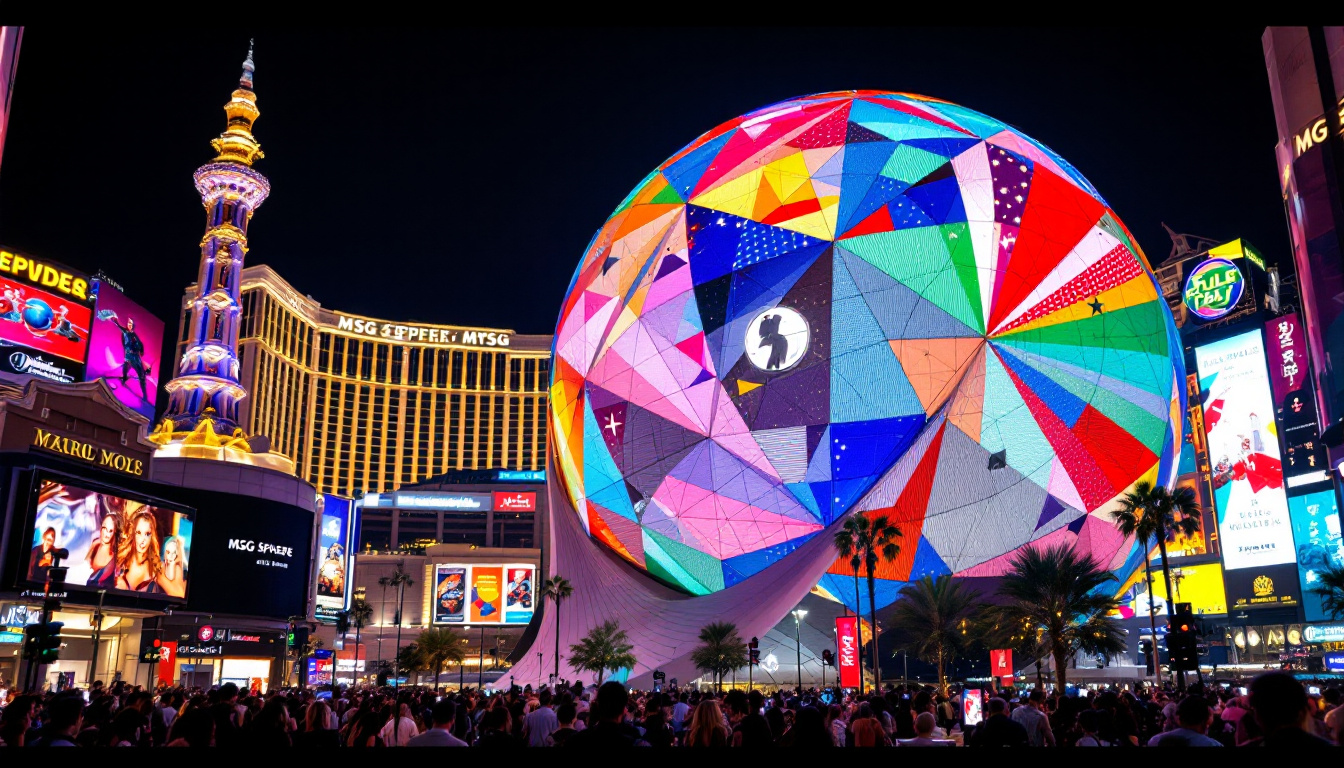
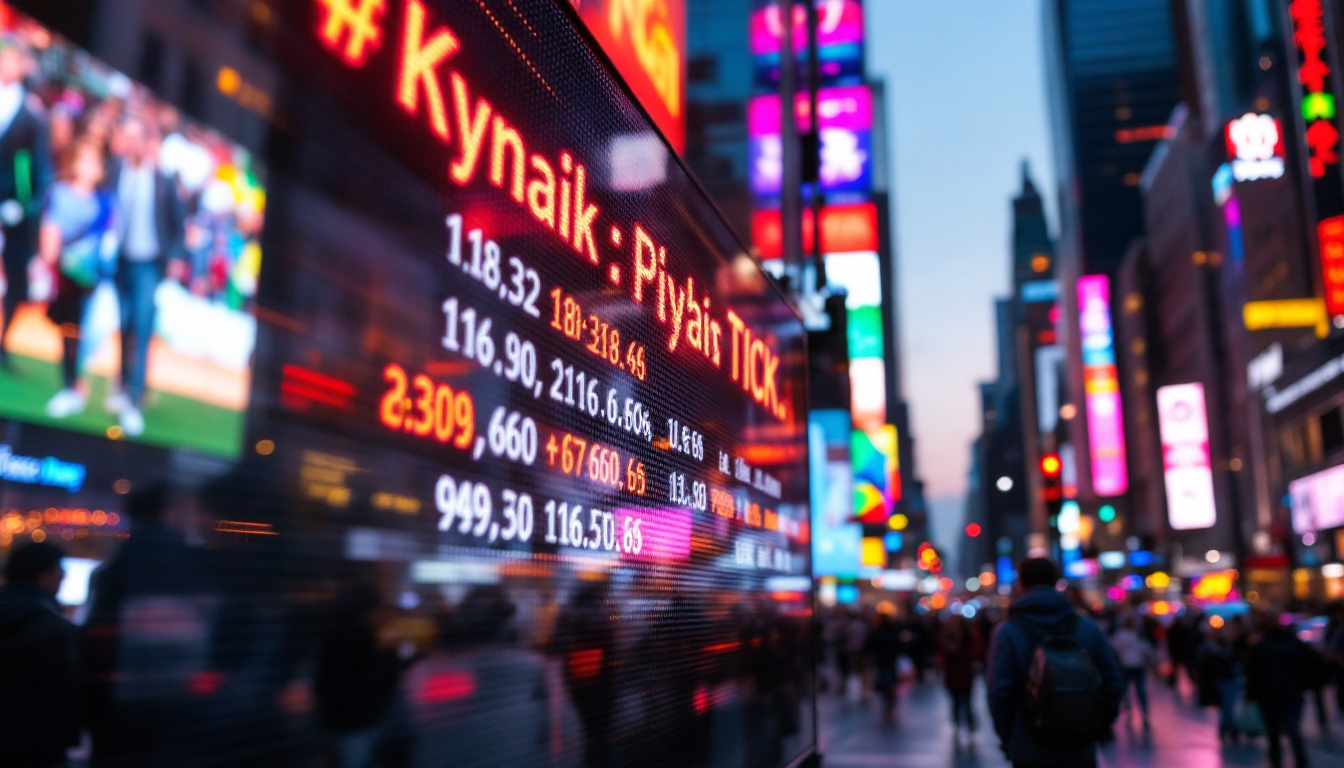
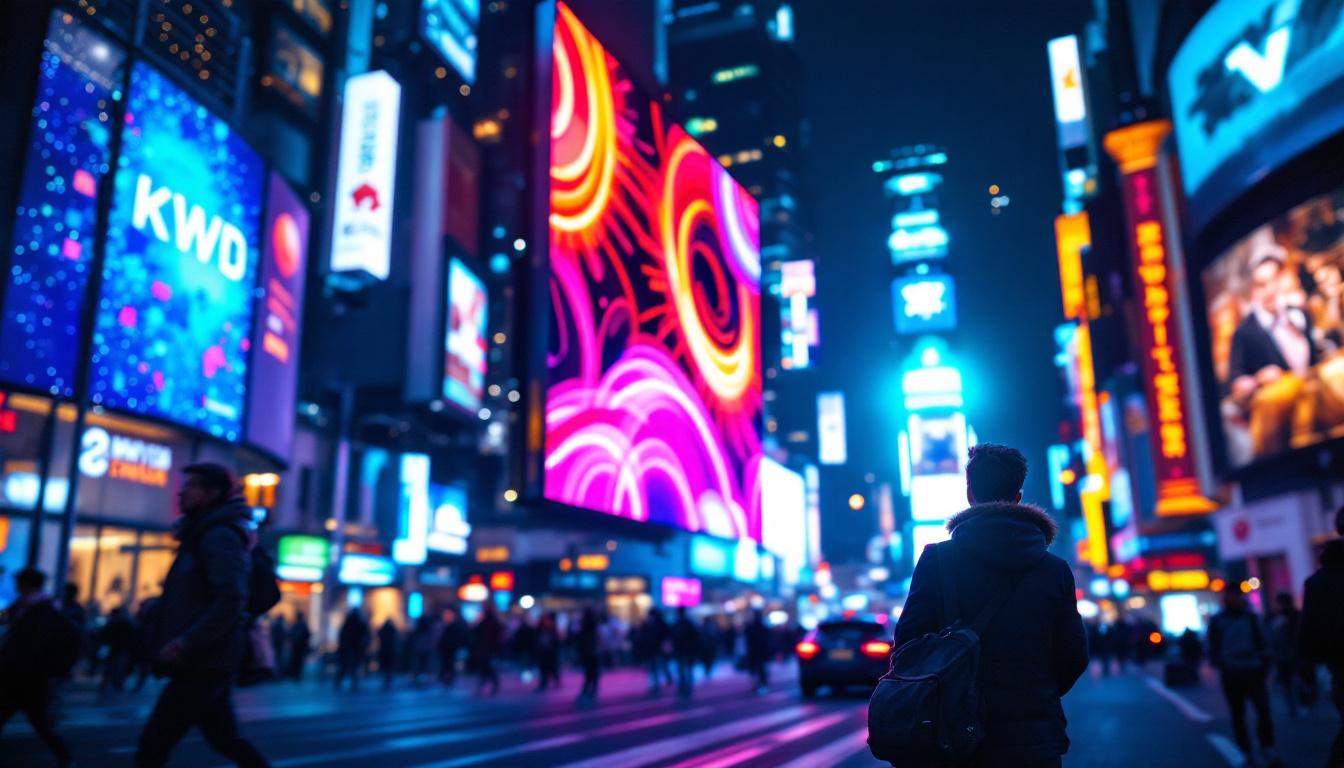
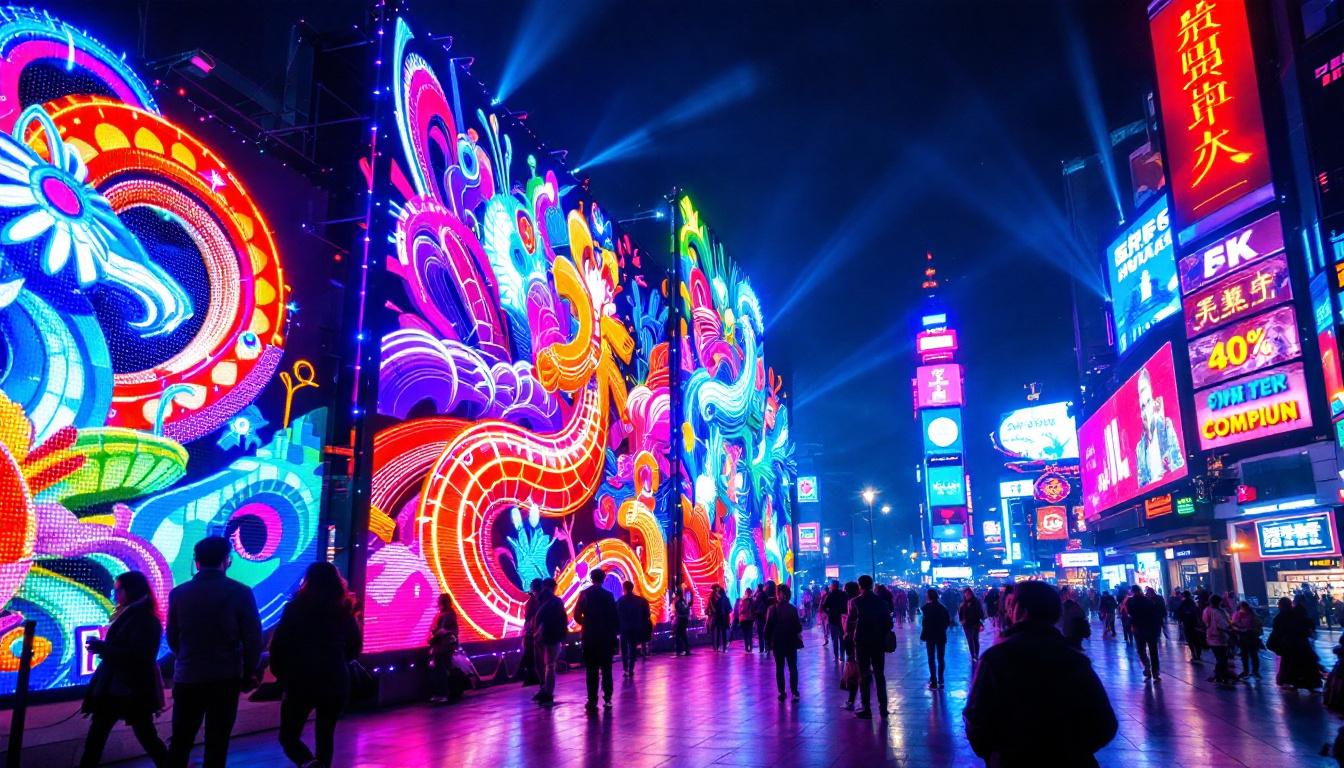
LED walls allow advertisers to update content remotely and instantly, schedule campaigns, and tailor messages based on time of day or audience demographics. High-profile examples include Times Square in New York City and Piccadilly Circus in London, where massive LED screens create iconic urban landscapes.
Events and Entertainment
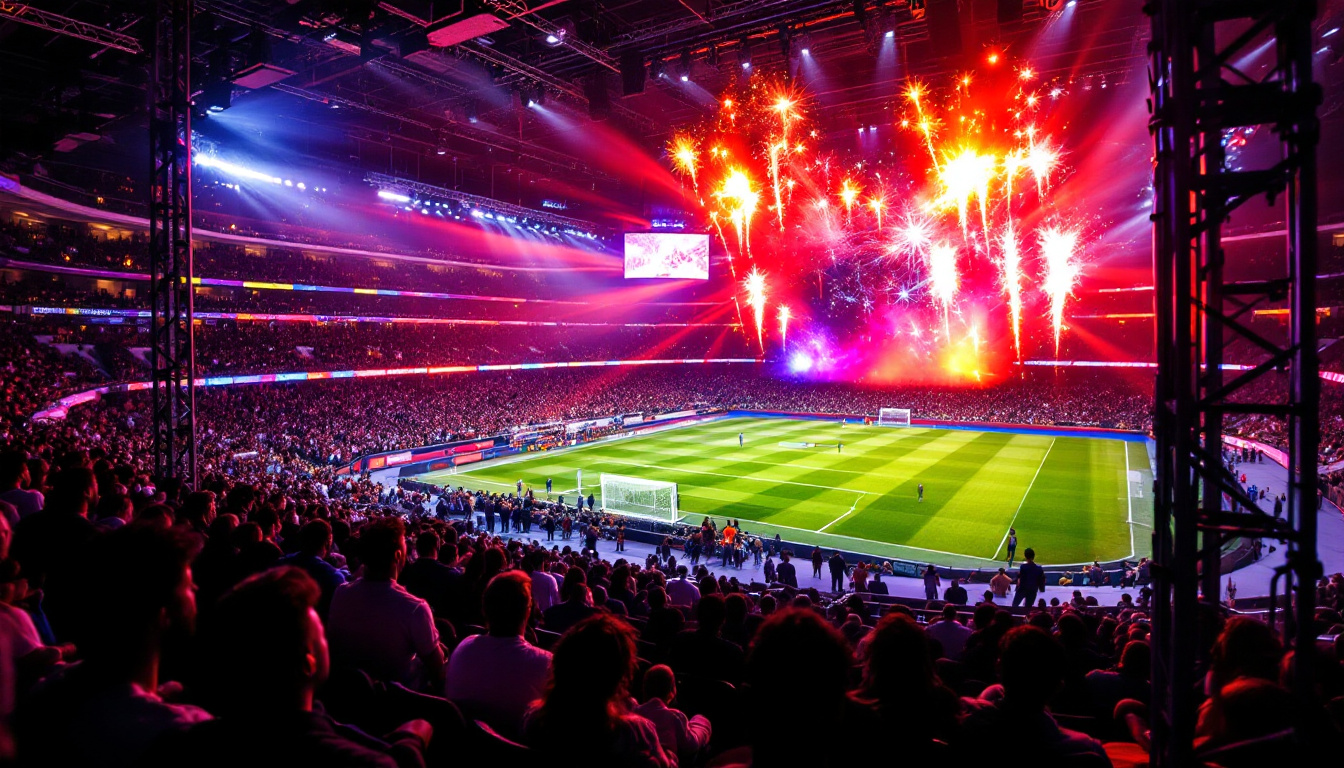
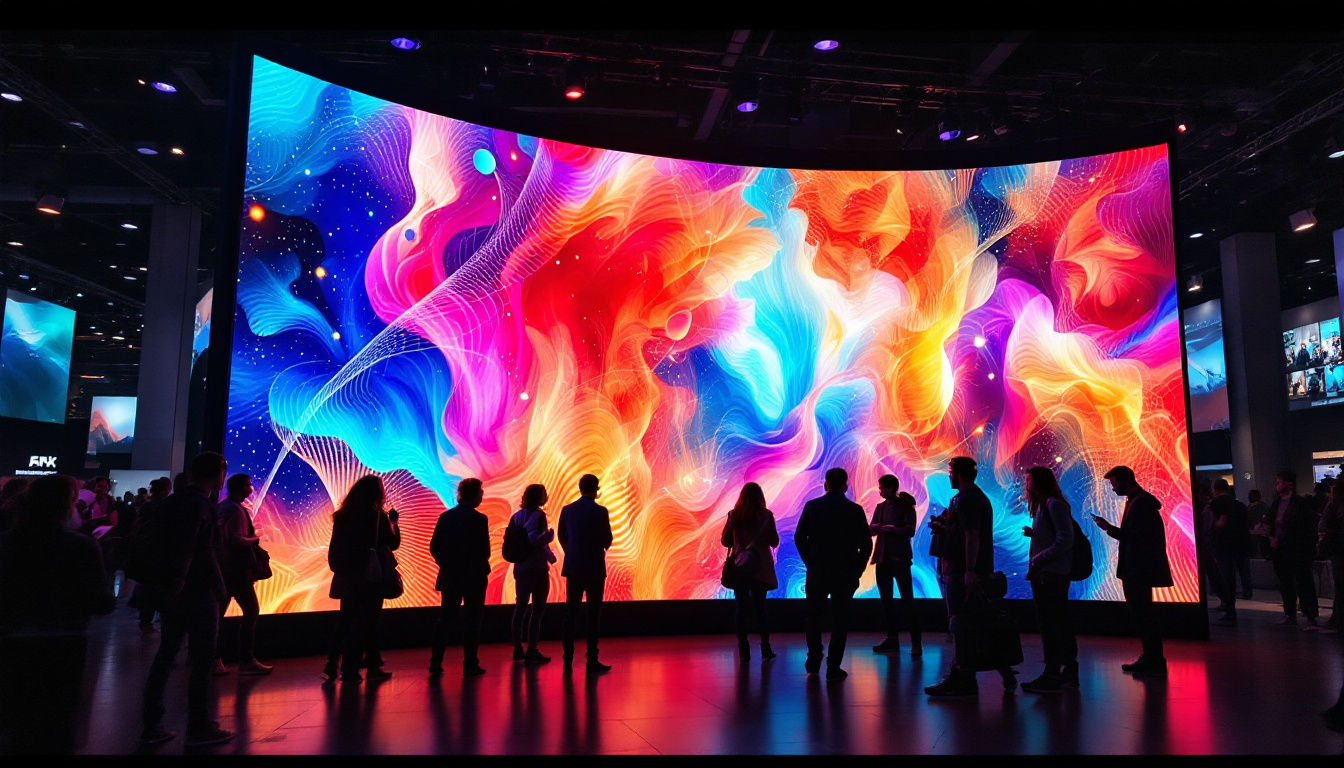
Concerts, sports arenas, and festivals utilize LED display walls to enhance audience engagement. These screens provide live video feeds, graphics, and interactive content that elevate the overall experience. The ability to create immersive environments with synchronized visuals and lighting effects has transformed live entertainment production.
For instance, the Super Bowl halftime shows often feature giant LED walls that serve as dynamic backdrops, enabling spectacular visual storytelling. Similarly, esports tournaments rely on LED screens to broadcast gameplay and statistics to large audiences both onsite and online.
Corporate and Control Rooms
In corporate settings, LED walls are used for presentations, video conferencing, and branding. Their high resolution and brightness make them ideal for boardrooms and lobbies where first impressions matter. Control rooms in industries such as transportation, utilities, and security use LED video walls to monitor multiple data streams simultaneously, facilitating quick decision-making.
These installations often require seamless displays with minimal bezels to create a continuous viewing surface. The scalability of LED walls allows organizations to customize screen sizes according to their operational needs.
Key Considerations When Choosing an LED Display Wall
Resolution and Pixel Pitch
The choice of resolution and pixel pitch depends largely on the viewing distance and application. For close-up viewing, such as in retail stores or conference rooms, a high-resolution display with a small pixel pitch is essential to avoid visible pixelation. Conversely, for large outdoor billboards viewed from hundreds of feet away, a larger pixel pitch is sufficient and more cost-effective.
Brightness and Contrast
Brightness is measured in nits, and it determines how well the display performs under different lighting conditions. Outdoor LED walls require high brightness to combat sunlight glare, while indoor displays can operate at lower brightness levels to reduce eye strain. Contrast ratio, the difference between the brightest and darkest parts of the image, is also critical for image clarity and depth.
Durability and Maintenance
LED walls are long-term investments, so durability is a major factor. Outdoor displays must have robust weatherproofing and cooling systems to prevent damage. Indoor screens should be designed for ease of maintenance, with modular panels that can be replaced quickly to minimize downtime.
Additionally, energy efficiency is becoming increasingly important. Many modern LED displays incorporate power-saving technologies that reduce operational costs and environmental impact.
Future Trends in LED Display Technology
MicroLED and MiniLED Innovations
Emerging technologies like MicroLED and MiniLED are set to push LED displays to new heights. MicroLED uses microscopic LEDs that are smaller than traditional ones, enabling even higher resolution and better color accuracy. This technology promises thinner, lighter, and more energy-efficient screens with superior brightness and contrast.
MiniLED, which uses smaller LEDs than conventional displays but larger than MicroLED, offers improved local dimming capabilities, enhancing contrast and HDR performance. These advancements are expected to influence both consumer electronics and large-scale LED walls.
Integration with AI and IoT
Artificial Intelligence (AI) and the Internet of Things (IoT) are transforming how LED walls are managed and utilized. AI-powered content management systems can analyze audience behavior and environmental conditions to optimize display content in real-time. IoT connectivity allows for remote monitoring, predictive maintenance, and seamless integration with other smart building systems.
Sustainability and Eco-Friendly Designs
As environmental concerns grow, manufacturers are focusing on sustainable LED display solutions. This includes using recyclable materials, reducing power consumption, and designing for longer product lifespans. Some LED walls now incorporate solar power options and advanced heat dissipation techniques to further reduce their carbon footprint.
Conclusion
LED display walls have become an indispensable part of modern visual communication, offering unparalleled brightness, flexibility, and impact across numerous industries. Understanding the technology behind LED screens, their types, and applications helps businesses and organizations make informed decisions when investing in this dynamic medium.
As the technology continues to evolve with innovations like MicroLED, AI integration, and sustainable design, LED walls will play an even more prominent role in shaping the future of advertising, entertainment, and information sharing. Whether for captivating audiences in a stadium or delivering critical data in a control room, LED display walls provide a versatile and powerful platform for visual storytelling.
Illuminate Your Space with LumenMatrix
Ready to transform your environment with the most advanced LED display technology? LumenMatrix is at the forefront of creating immersive visual experiences that captivate and engage. From vibrant Indoor and Outdoor LED Wall Displays to innovative solutions like Vehicle LED Displays, LED Posters, and Transparent LED Displays, we have the perfect fit for your unique needs. Elevate your brand visibility, enhance audience engagement, and communicate your message with unparalleled clarity. Check out LumenMatrix LED Display Solutions today and step into the future of digital storytelling.