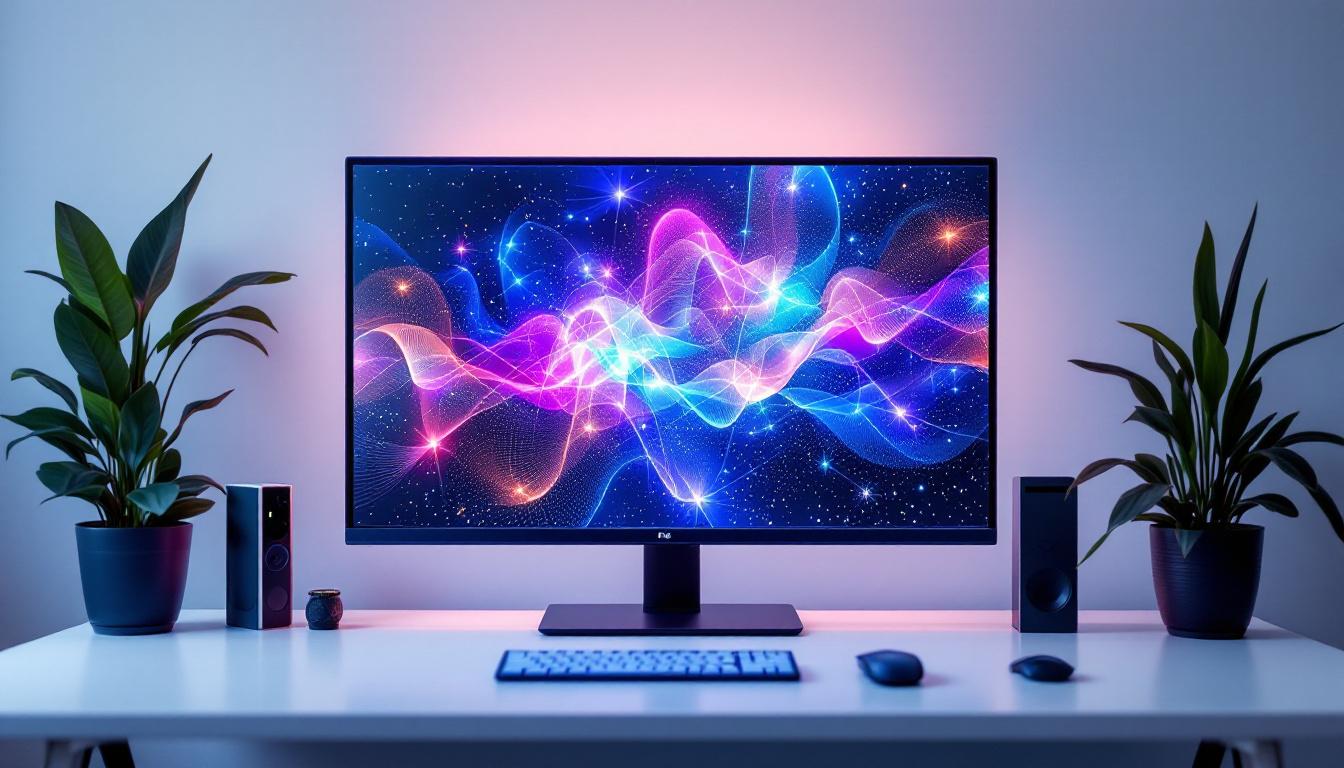
In recent years, see-through computer monitors have captured the imagination of tech enthusiasts and professionals alike. These transparent displays, often leveraging advanced LED technology, promise a futuristic blend of functionality and aesthetic appeal. But what exactly are see-through LED monitors, how do they work, and what potential do they hold for everyday users and industries? This article delves into the technology behind see-through LED displays, their applications, benefits, and challenges, providing a comprehensive understanding of this emerging innovation.
Understanding See-Through LED Displays
What Is a See-Through Computer Monitor?
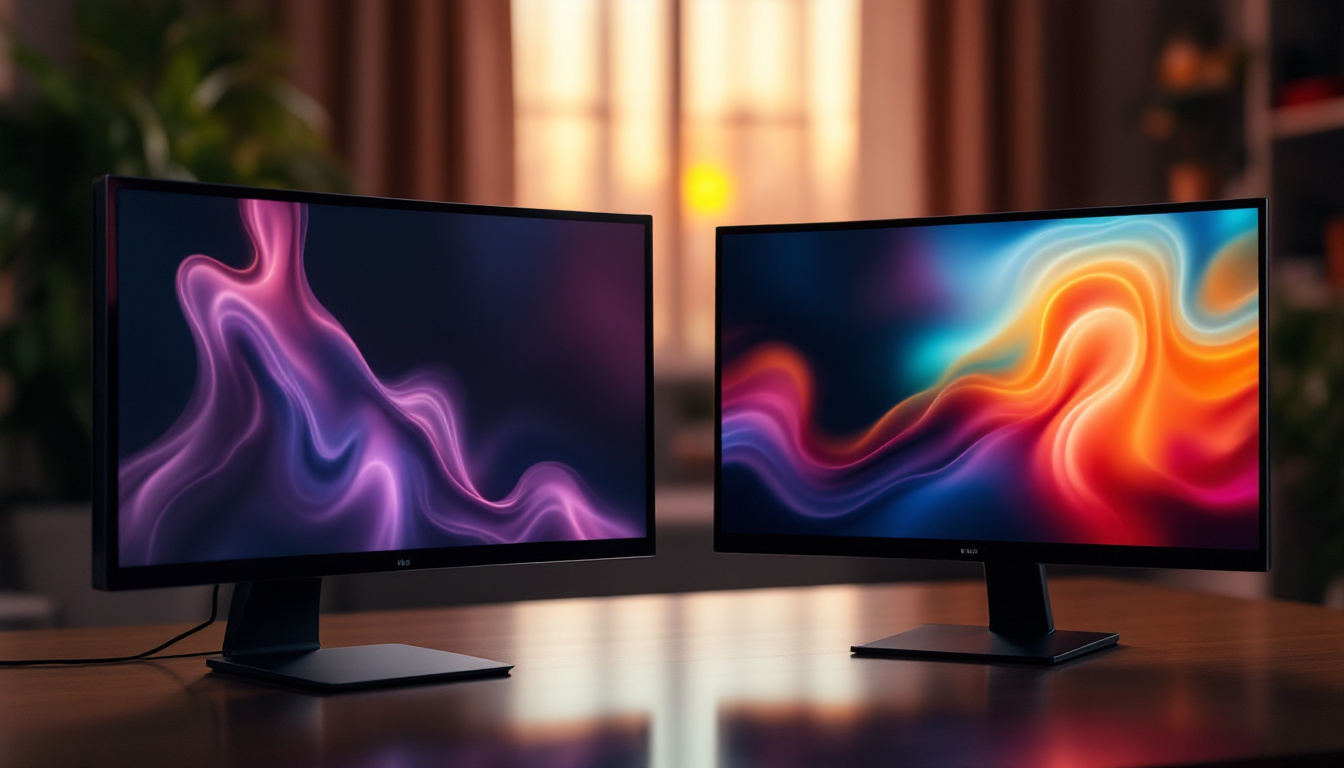
A see-through computer monitor is a display device that allows users to view digital content while simultaneously seeing through the screen to objects behind it. Unlike traditional opaque monitors, these transparent displays blend digital imagery with the physical environment, creating an augmented visual experience.
Typically, these monitors use LED (Light Emitting Diode) technology arranged in a way that permits light transmission through the screen. This transparency can range from partial to nearly complete, depending on the design and intended use. The applications for see-through monitors are diverse, spanning from retail displays that showcase products while providing digital information to innovative uses in architecture and interior design, where they can serve as windows that also deliver interactive content.
Moreover, the potential for see-through monitors extends into the realm of augmented reality (AR). By integrating real-time data overlays with the physical world, these displays can enhance user engagement and provide valuable information in various contexts, such as navigation, education, and entertainment.
The Technology Behind Transparent LED Displays
At the core of see-through monitors is transparent LED technology. Unlike conventional LED displays, which use a solid backplane, transparent LED displays integrate LEDs onto a transparent substrate such as glass or acrylic. This substrate allows light to pass through the screen when the LEDs are off, while the LEDs themselves emit light to produce images when activated.
The LEDs are often arranged in a grid with gaps between each diode, enabling a certain percentage of light to pass through. The “transparency rate” — the proportion of the screen that remains see-through — typically ranges between 30% and 70%, balancing display brightness and clarity with transparency. This design not only enhances the aesthetic appeal of the display but also allows for creative applications in environments where maintaining visibility is crucial, such as in vehicle windshields or smart home windows.
Advancements in micro-LED technology have further enhanced the resolution and brightness of transparent displays, making them more viable for computer monitors and other interactive applications. These improvements have led to a growing interest in the commercial sector, where businesses are exploring the use of see-through displays for advertising, information kiosks, and immersive experiences. As the technology continues to evolve, we may soon see even more innovative uses that blend the digital and physical worlds in ways we have yet to imagine.
How See-Through LED Monitors Work
Light Emission and Transparency Balance
The fundamental challenge in designing see-through LED monitors is achieving a balance between image visibility and transparency. When displaying content, the LEDs emit light to form images, but the gaps between LEDs allow background light to pass through, maintaining transparency.
To optimize this balance, manufacturers carefully calibrate the LED density, brightness, and pixel pitch (distance between LEDs). Higher LED density improves image resolution but reduces transparency, while lower density increases transparency but may compromise image quality. This intricate dance between visibility and transparency is crucial, especially in applications such as augmented reality, where users need to see both digital information and the physical world simultaneously. As technology advances, researchers are exploring new materials and designs that can enhance the transparency of displays without sacrificing image quality, potentially leading to even more innovative applications in fields like automotive displays and smart windows.
Integration with Computer Systems
See-through monitors connect to computers similarly to traditional monitors, using standard interfaces like HDMI, DisplayPort, or USB-C. However, due to their unique display characteristics, they often require specialized drivers or software to optimize color calibration and contrast for transparent backgrounds.
Operating systems and graphics cards treat these monitors much like any other display, but users may need to adjust settings to enhance readability depending on the environment’s lighting and background visuals. Additionally, the integration of see-through monitors into existing systems can open up new avenues for user interaction. For instance, designers and engineers can overlay digital schematics directly onto physical objects, allowing for real-time modifications and assessments. This capability not only enhances productivity but also fosters a more intuitive design process, bridging the gap between digital and physical realms in a seamless manner. As industries continue to adopt this technology, the potential for innovative applications seems limitless, from retail environments displaying interactive advertisements to medical fields where surgeons can visualize critical data during operations without losing sight of the procedure at hand.
Applications of See-Through LED Displays
Commercial and Retail Environments
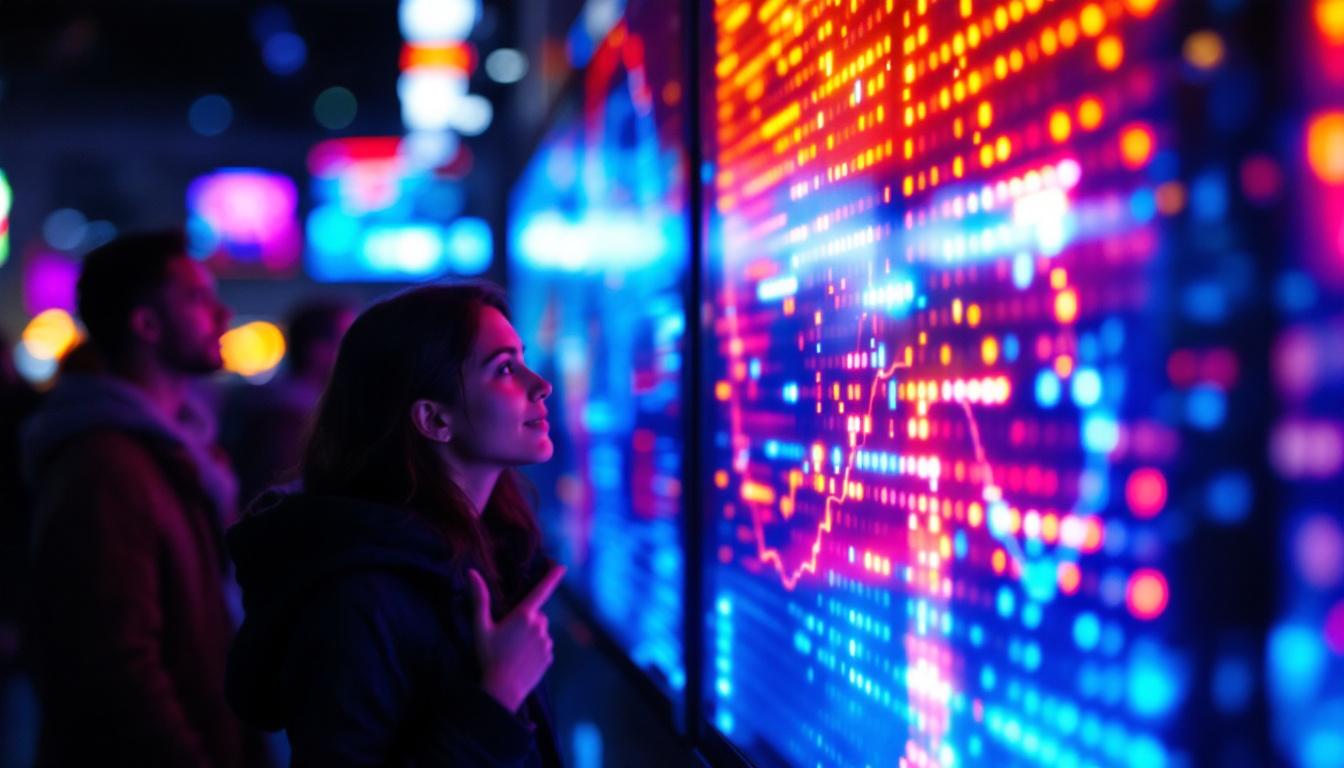
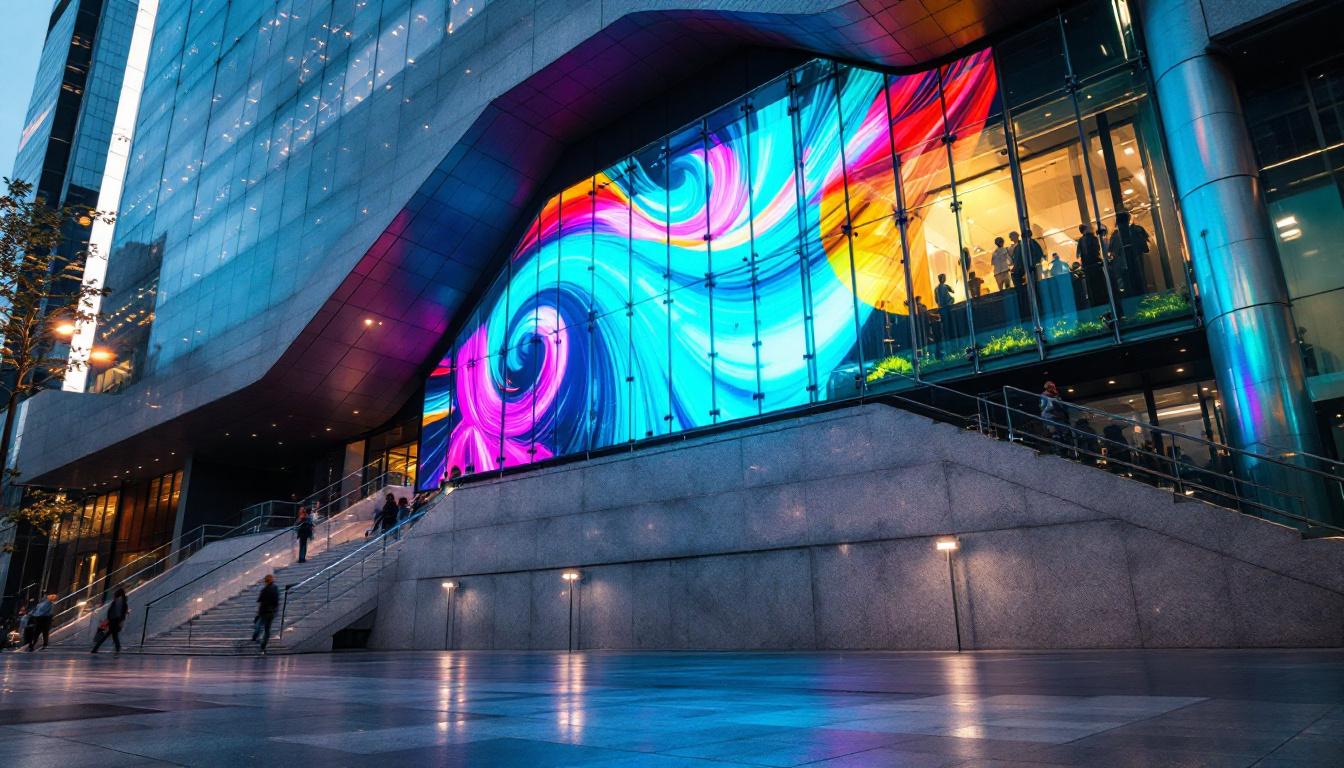
One of the most prominent uses of transparent LED displays is in retail and advertising. Storefront windows equipped with see-through screens can display dynamic advertisements and product information while allowing customers to see inside the store. This dual functionality enhances customer engagement without obstructing the view.
For example, luxury brands have adopted transparent displays to showcase products alongside digital content, creating immersive shopping experiences that blend physical and virtual elements.
Industrial and Professional Use Cases
In industrial settings, see-through monitors can be integrated into machinery or control panels, allowing operators to monitor data overlays without losing sight of the equipment itself. This capability improves situational awareness and operational efficiency.
Architects and designers also benefit from transparent displays when reviewing 3D models or blueprints overlaid on physical prototypes or environments, facilitating better spatial understanding and collaboration.
Consumer and Gaming Markets
While still niche, transparent LED monitors have begun to attract interest from consumers and gamers seeking novel visual experiences. The futuristic aesthetic and potential for augmented reality (AR) applications make these displays appealing for immersive gaming setups and creative workstations.
However, widespread adoption in this segment remains limited due to cost and technical constraints, which are gradually improving as the technology matures.
Advantages of See-Through LED Monitors
Enhanced Visual Experience and Aesthetics
Transparent monitors offer a unique visual appeal that traditional displays cannot match. Their ability to blend digital content with the real world creates engaging and futuristic environments, enhancing both aesthetics and user interaction.
This feature is particularly valuable in retail and public spaces, where attracting attention and delivering impactful messaging are crucial.
Space Efficiency and Versatility
Because see-through monitors do not fully block the view, they can be integrated into environments where space is limited or where maintaining visibility is important. For example, transparent screens can serve as partitions or windows while simultaneously functioning as digital displays.
This versatility opens up new possibilities for interior design and workspace optimization, especially in modern offices and collaborative areas.
Potential for Augmented Reality Integration
See-through LED technology aligns naturally with augmented reality applications. By overlaying digital information on physical objects, transparent monitors can enhance user interaction without the need for wearable AR devices.
This capability is particularly promising for sectors like education, healthcare, and manufacturing, where real-time data visualization can improve outcomes and efficiency.
Challenges and Limitations
Cost and Accessibility
One of the primary barriers to widespread adoption of see-through LED monitors is cost. Transparent LED technology is more complex and expensive to manufacture than traditional displays. As a result, prices remain high, limiting accessibility mainly to commercial and specialized professional markets.
However, ongoing research and economies of scale are expected to reduce costs over time, making these displays more affordable for broader consumer use.
Brightness and Contrast Constraints
Maintaining high brightness and contrast on a transparent display is challenging because ambient light passes through the screen, potentially washing out images. This issue is especially pronounced in brightly lit environments or outdoor settings.
Manufacturers mitigate this through high-brightness LEDs and adaptive brightness controls, but these solutions can increase power consumption and heat generation.
Resolution and Pixel Density Trade-offs
To preserve transparency, see-through monitors often have lower pixel density compared to conventional displays. This trade-off can result in less sharp images and reduced detail, impacting applications that require high-resolution visuals.
Advances in micro-LED and nanotechnology are gradually improving pixel density without sacrificing transparency, but these remain areas of active development.
The Future of See-Through LED Displays
Emerging Trends and Innovations
Research in transparent display technology is progressing rapidly. Innovations such as flexible transparent OLEDs, quantum dot enhancements, and micro-LED arrays promise to enhance image quality, transparency, and energy efficiency.
Moreover, integration with artificial intelligence and smart environments could enable see-through monitors to adapt dynamically to user needs and environmental conditions, further expanding their utility.
Potential Impact on Various Industries
As technology matures and costs decrease, see-through LED monitors are poised to transform multiple industries. In retail, they could revolutionize window displays and in-store marketing. In healthcare, transparent displays might provide surgeons with real-time data overlays during procedures.
Education and entertainment sectors could also benefit from immersive, interactive transparent displays that blend learning and play seamlessly.
Consumer Adoption Outlook
While currently a niche product, transparent LED monitors may become mainstream as part of smart home and office ecosystems. Their unique blend of form and function aligns with growing consumer interest in innovative, space-saving, and visually striking technology.
As augmented reality and mixed reality applications expand, see-through monitors could serve as a vital interface bridging digital and physical worlds.
Conclusion
See-through computer monitors utilizing LED display technology represent a fascinating convergence of innovation, design, and functionality. By enabling transparent digital displays, they open new avenues for interaction, visualization, and aesthetic expression across a variety of fields.
Despite current challenges related to cost, brightness, and resolution, ongoing advancements in LED and related technologies are steadily overcoming these hurdles. As a result, transparent LED monitors are set to become a significant part of the future display landscape, offering exciting possibilities for both professional and consumer applications.
For those interested in cutting-edge display technology, understanding the mechanics and potential of see-through LED monitors is essential. This technology not only redefines how screens can look and function but also how users engage with digital content in the physical world.
Discover the Future of Display Technology with LumenMatrix
Ready to experience the cutting-edge of see-through LED monitors and revolutionize the way you engage with digital content? LumenMatrix is at the forefront of LED display innovation, offering a wide range of solutions that bring your visual communication to life. From captivating Indoor and Outdoor LED Wall Displays to dynamic Vehicle and Sports LED Displays, and even customizable options like Floor and All-in-One LED Displays, LumenMatrix has the technology to transform your space. Embrace the future of display technology and check out LumenMatrix LED Display Solutions today to see how we can enhance your brand visibility and create unforgettable visual experiences.