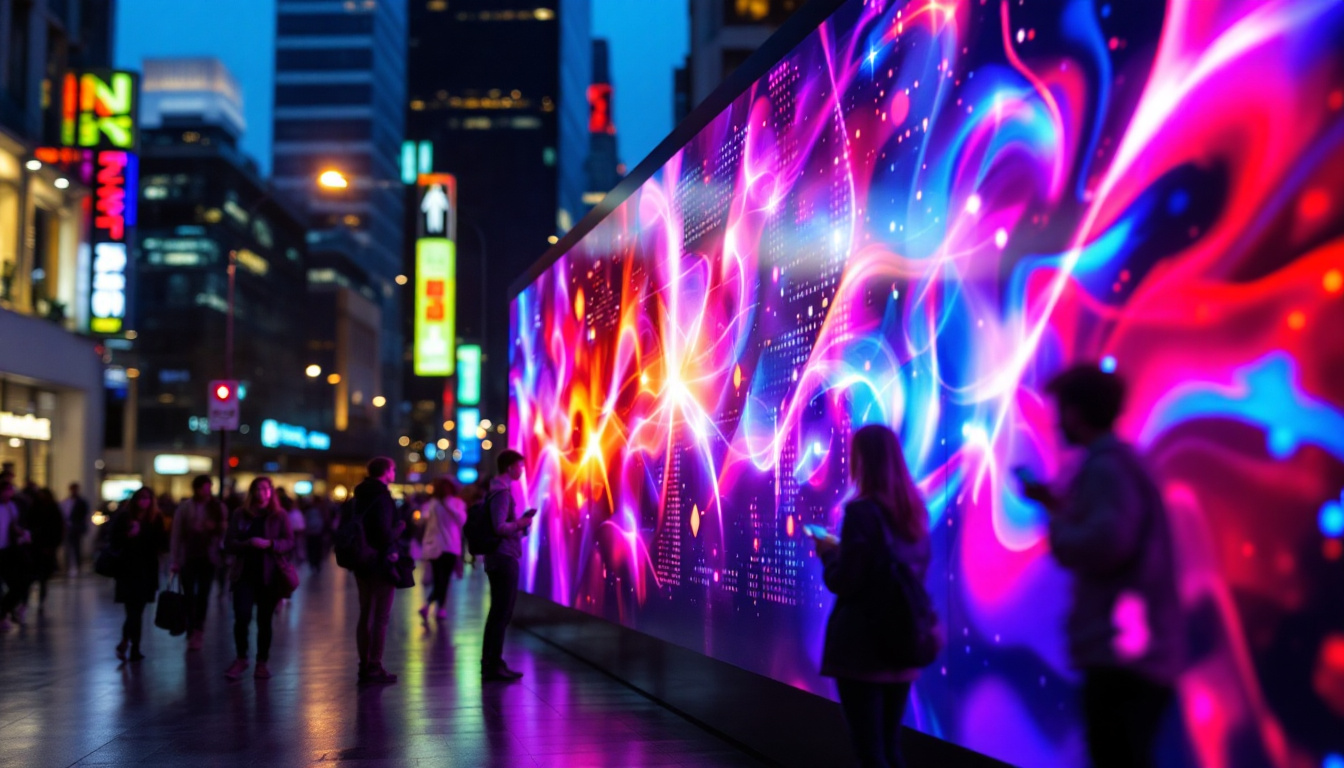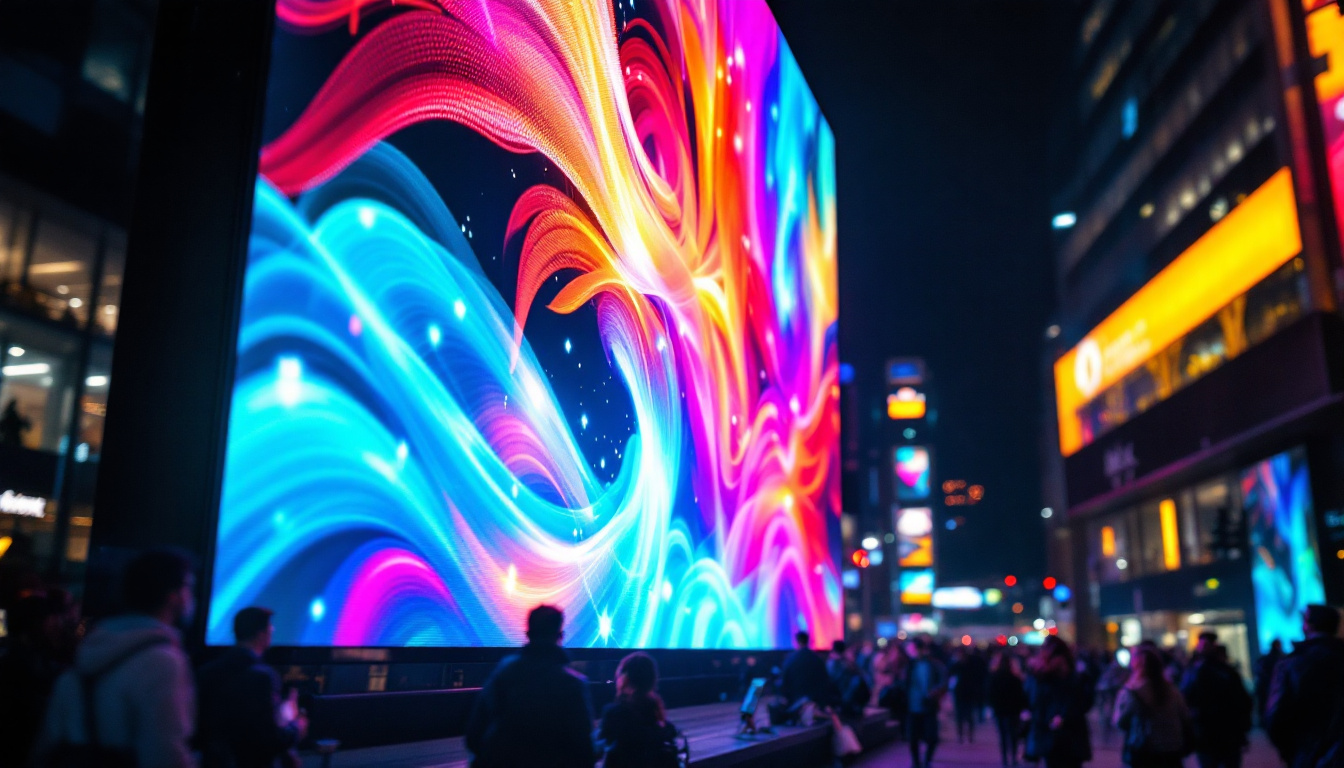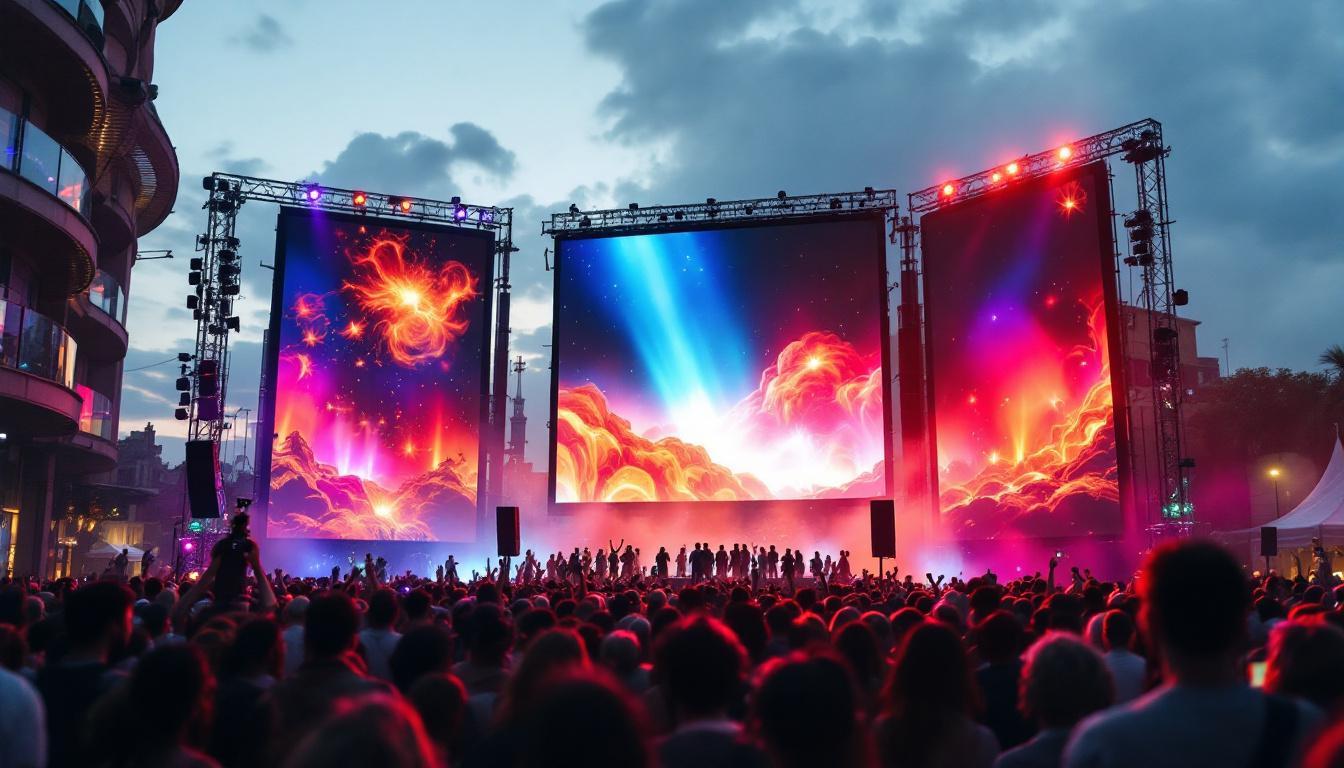
In today’s fast-paced world of events, advertising, and live entertainment, the demand for high-impact visual displays has never been greater. Jumbotrons, large-scale LED screens, have become a staple in delivering vibrant, dynamic content to audiences of all sizes. Whether it’s a music festival, sports event, corporate gathering, or outdoor advertising campaign, renting a jumbotron can transform the experience by providing crystal-clear visuals that captivate and engage.
This article delves into the world of jumbotron rentals, focusing on the technology behind LED displays, their advantages, and practical considerations for businesses and event organizers looking to harness their power. By understanding how LED jumbotrons work and why they are preferred over other display technologies, readers will be better equipped to make informed decisions when planning their next event or marketing strategy.
Understanding LED Technology in Jumbotron Displays
What is an LED Jumbotron?
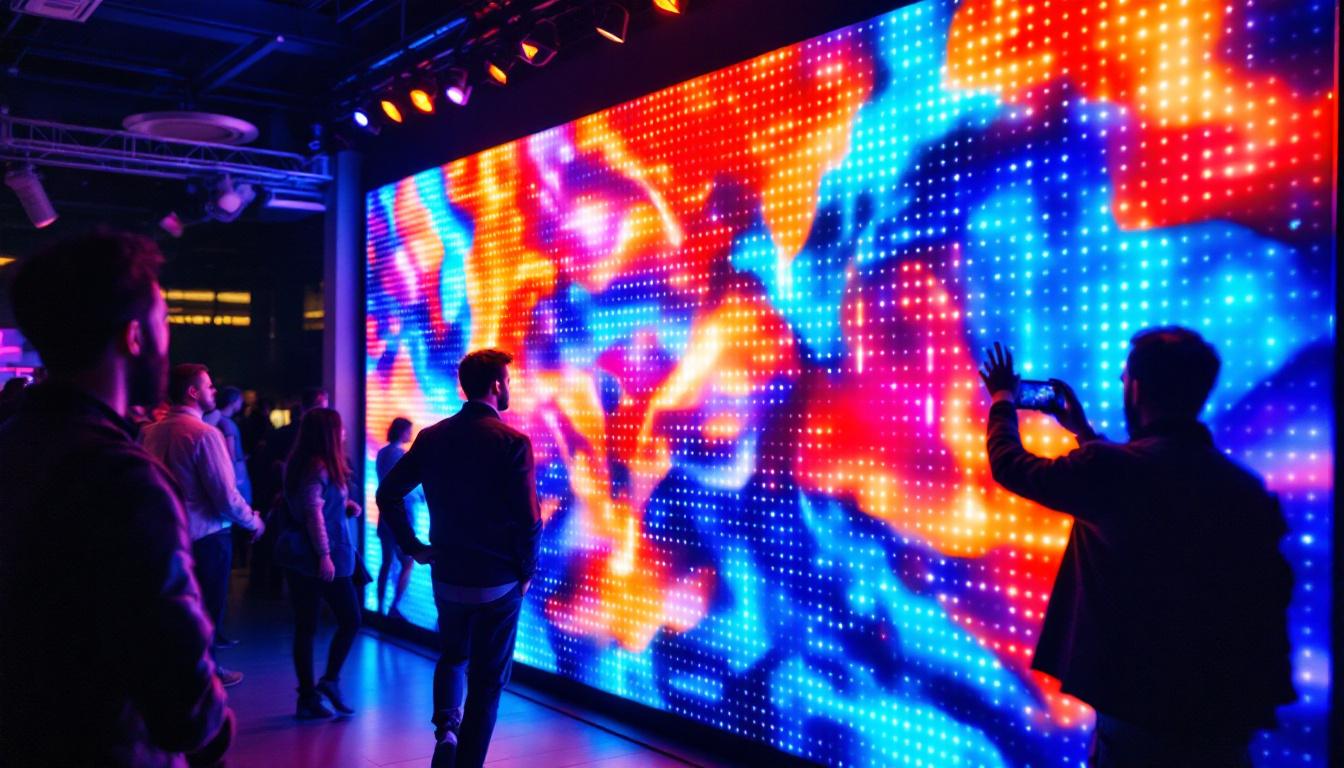
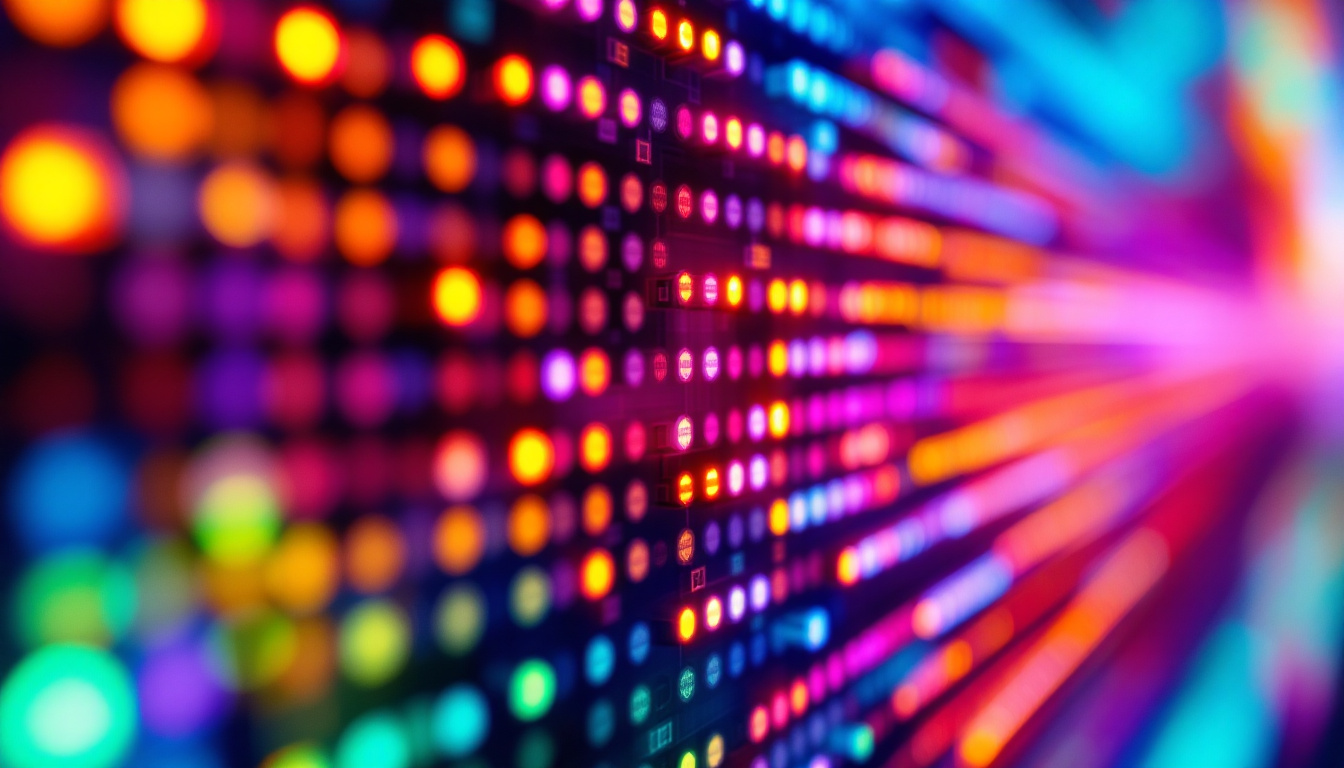
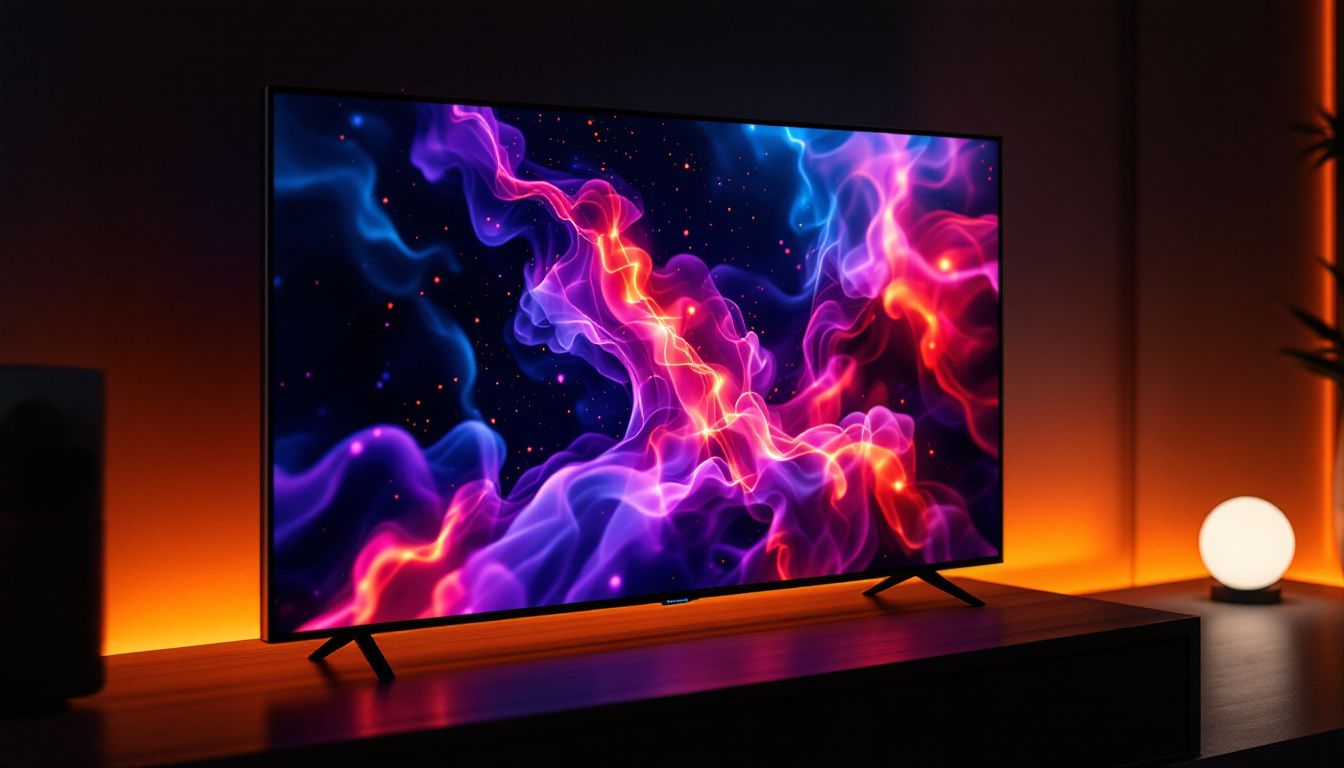
A jumbotron is essentially a large video display screen composed of numerous light-emitting diodes (LEDs) arranged in a grid. Unlike traditional projection screens or LCD monitors, LED jumbotrons emit their own light, which makes them exceptionally bright and visible even in direct sunlight. This self-illumination is one of the key reasons why LED technology has become the standard for large outdoor and indoor displays.
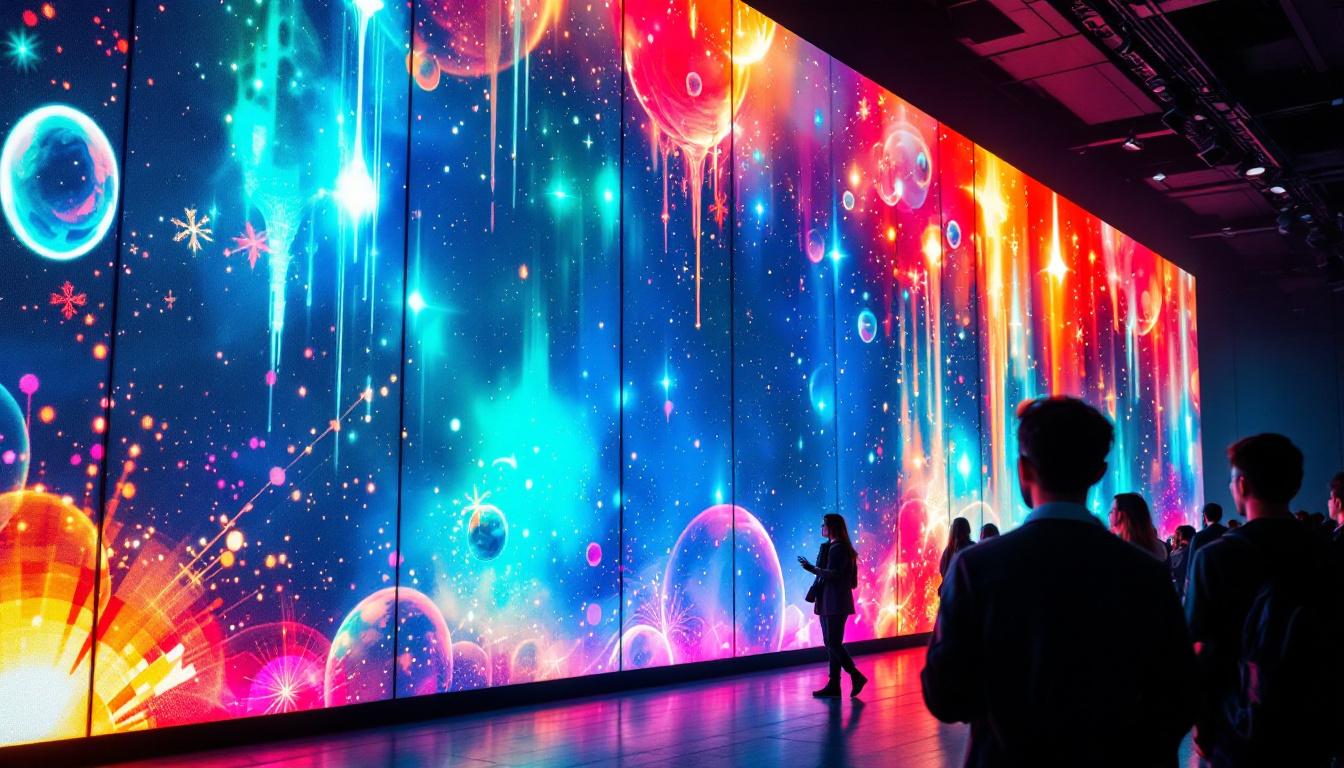
LED jumbotrons can vary in size, from modest setups suitable for small venues to massive installations that cover entire stadium walls. The modular nature of LED panels allows these displays to be customized in shape and size to suit specific event requirements. This flexibility means that whether it’s a sports event, concert, or corporate gathering, organizers can create a display that perfectly fits the venue and enhances the overall experience for attendees. Additionally, the lightweight design of these panels facilitates easier transportation and installation, making them a popular choice for touring events.
How Do LED Displays Work?
Each pixel on an LED jumbotron is made up of tiny red, green, and blue LEDs. By adjusting the intensity of these three colors, the display can produce a full spectrum of colors, resulting in vivid and accurate images. The resolution of the display depends on the pixel pitch, which is the distance between the centers of two adjacent pixels. A smaller pixel pitch means higher resolution and sharper images, which is particularly important for close-up viewing. As technology advances, manufacturers are continually pushing the boundaries of pixel pitch, leading to displays that can achieve incredible clarity even at close range.
Modern LED displays use surface-mounted device (SMD) technology, where LEDs are mounted directly onto the surface of the circuit board. This allows for higher pixel density and better color mixing, enhancing the overall image quality. Additionally, advanced processing units manage color calibration, brightness control, and refresh rates to ensure smooth, flicker-free visuals. These processing units play a crucial role in maintaining the integrity of the display during live events, where rapid changes in content can occur. With real-time adjustments, the display can seamlessly transition between different types of content, from high-energy video clips to detailed graphics, without compromising on quality.
Brightness and Visibility Advantages
One of the most significant benefits of LED jumbotrons is their exceptional brightness. Typical LED displays can reach brightness levels of 5,000 to 10,000 nits, far surpassing the 300-500 nits typical of LCD screens. This high brightness ensures that content remains visible and vibrant even under direct sunlight, making LED jumbotrons ideal for outdoor events. Furthermore, the durability of LED technology means that these displays can withstand various weather conditions, from rain to extreme heat, without losing performance.
Moreover, LED displays offer wide viewing angles, often exceeding 160 degrees horizontally and vertically. This means audiences spread across large venues can enjoy consistent image quality without color distortion or loss of brightness. The ability to maintain image integrity from various angles is particularly beneficial in settings like stadiums or arenas, where spectators may be seated at different distances and orientations. This feature not only enhances the viewing experience but also allows for creative display arrangements, where multiple screens can be synchronized to create a cohesive visual narrative that captivates the audience from every corner of the venue.
Why Rent a Jumbotron? Benefits for Events and Advertising
Creating Immersive Audience Experiences
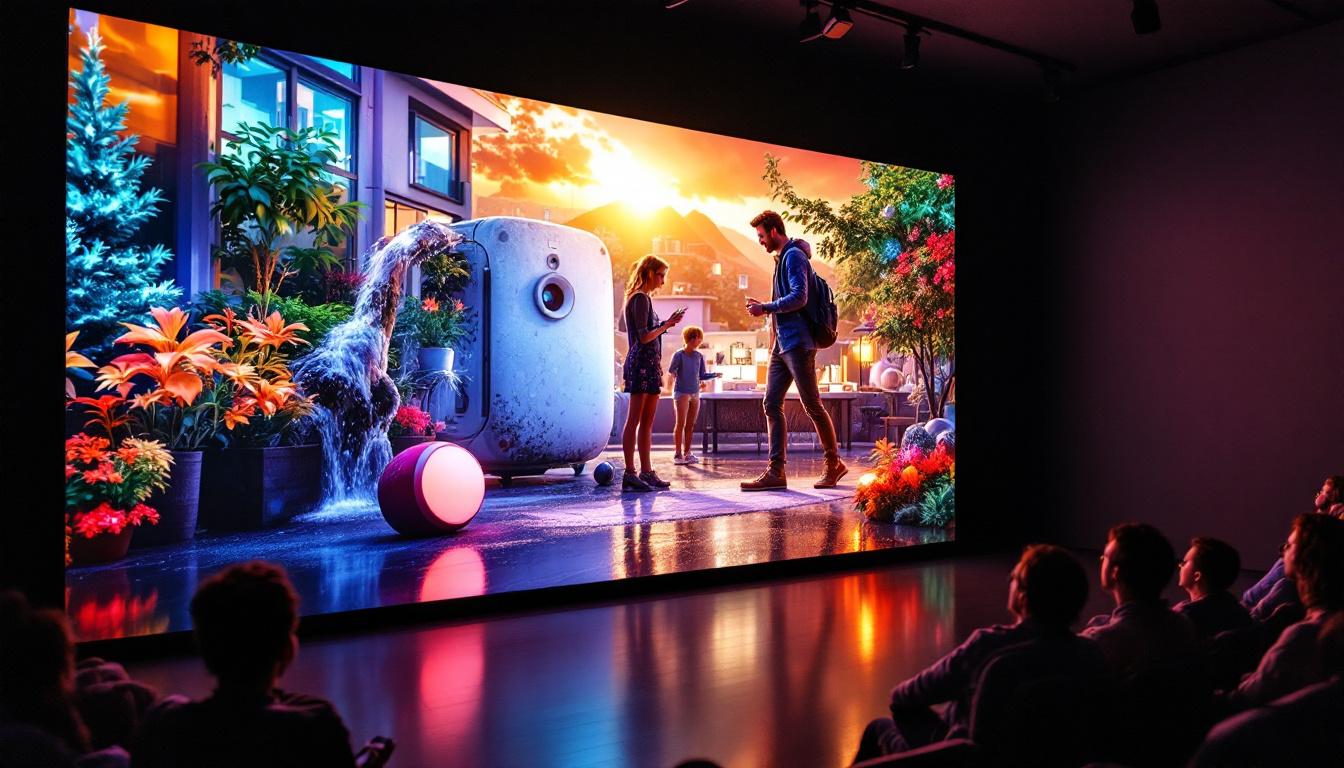
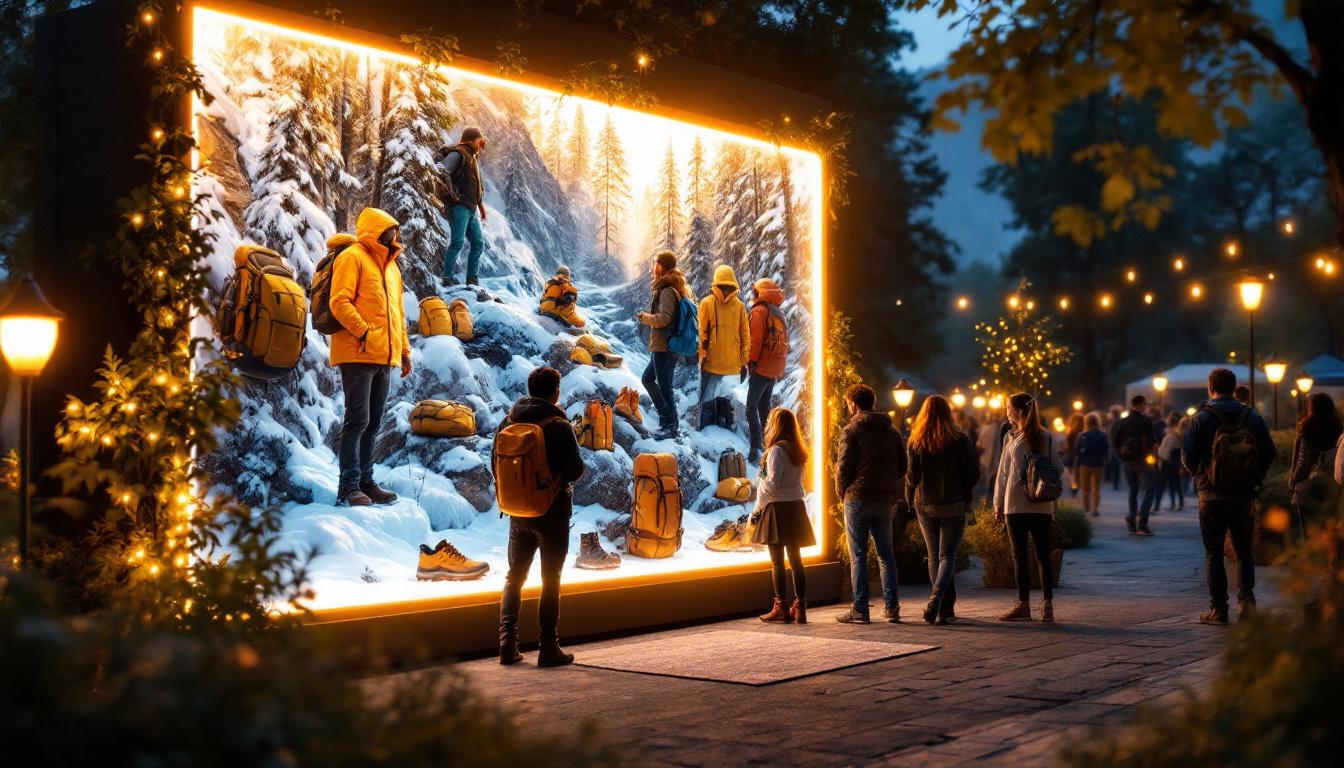
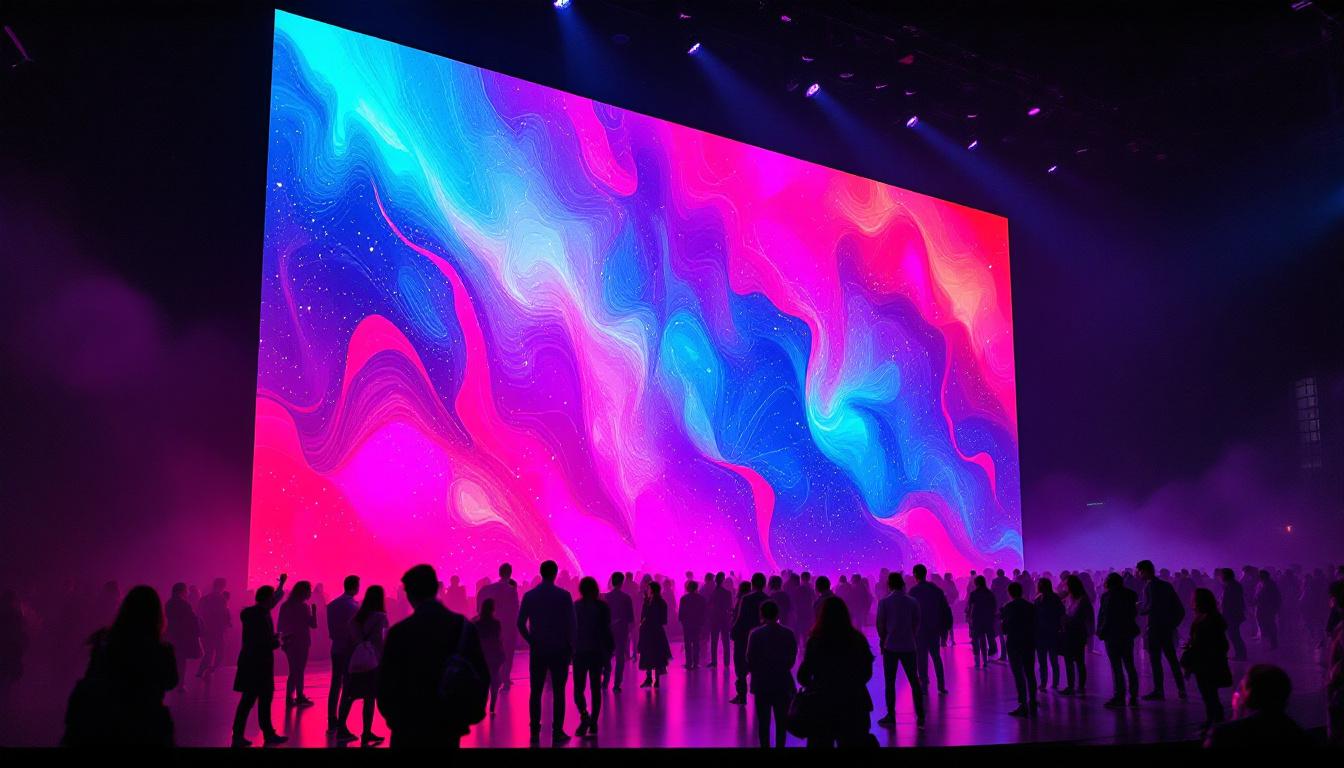
In live events such as concerts, sports games, and festivals, engaging the audience visually is crucial. A jumbotron rental allows event organizers to broadcast live footage, replays, animations, and sponsor messages in real-time. This not only enhances the spectator experience but also helps keep the crowd informed and entertained.
For example, during the 2023 Super Bowl, multiple jumbotron screens were strategically placed around the stadium to ensure every attendee had a clear view of the action, regardless of their seat location. This use of LED jumbotrons contributed significantly to the overall fan experience, as reported by event organizers.
Cost-Effective and Flexible Solutions
Purchasing a jumbotron can be a significant investment, often running into hundreds of thousands of dollars. For many businesses and event planners, renting offers a cost-effective alternative that provides access to top-tier technology without the burden of ownership and maintenance.
Rental companies typically offer a range of screen sizes and configurations, allowing clients to tailor the display to their specific needs and budget. Additionally, rentals often include setup, operation, and technical support, reducing the logistical challenges for event staff.
Advertising Impact and Brand Visibility
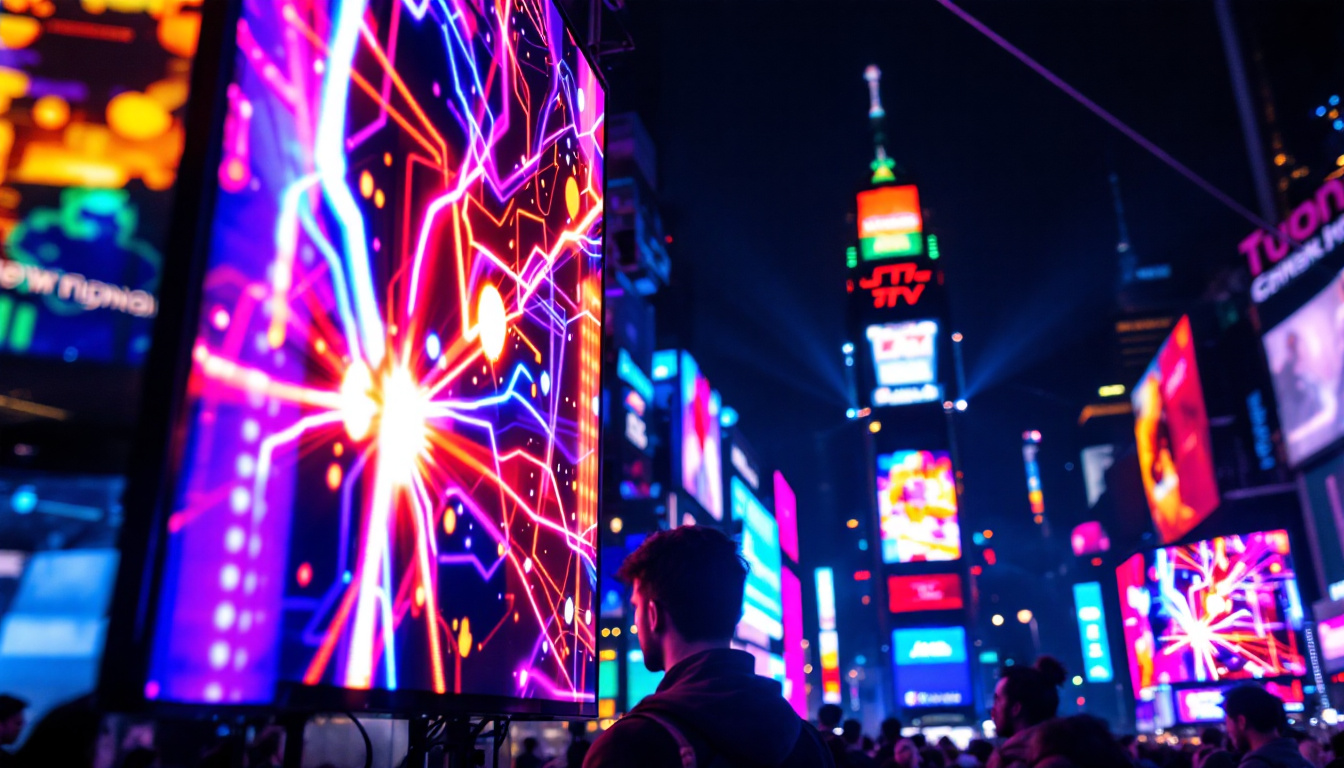
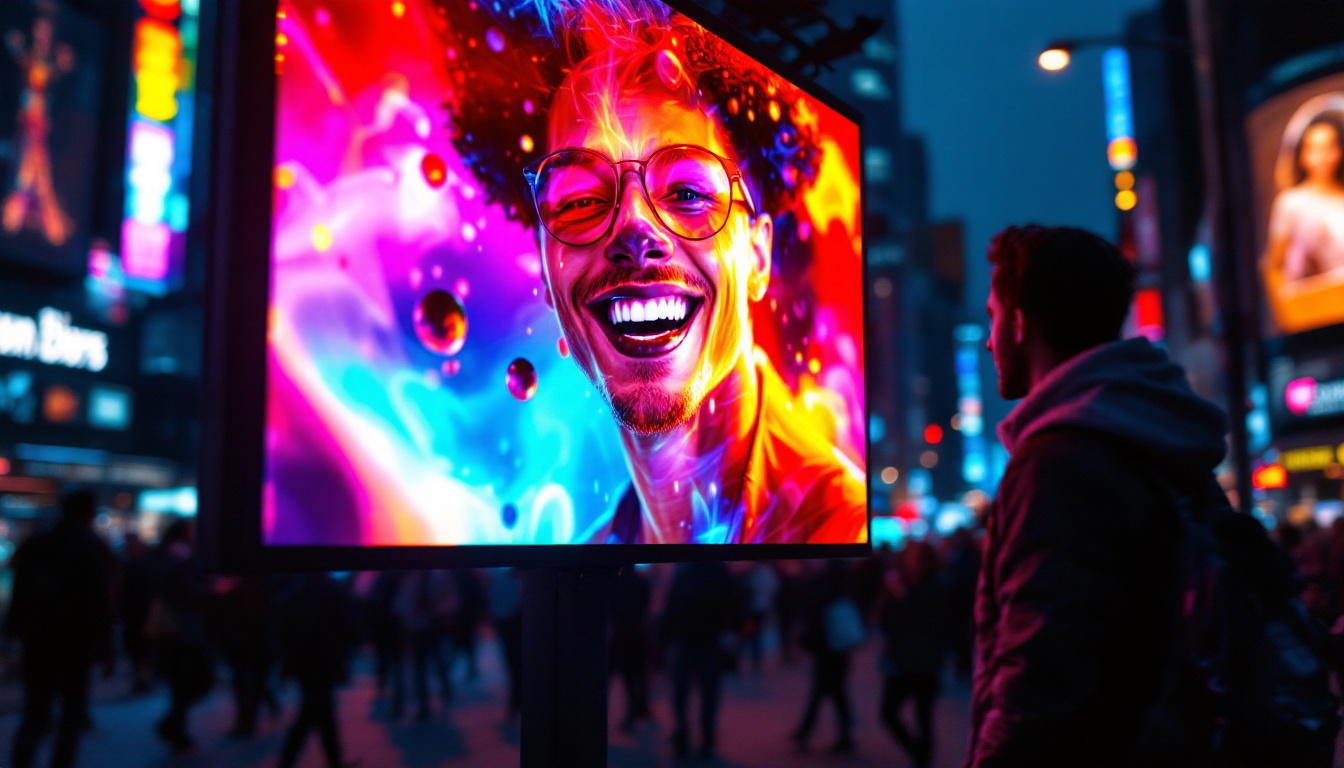
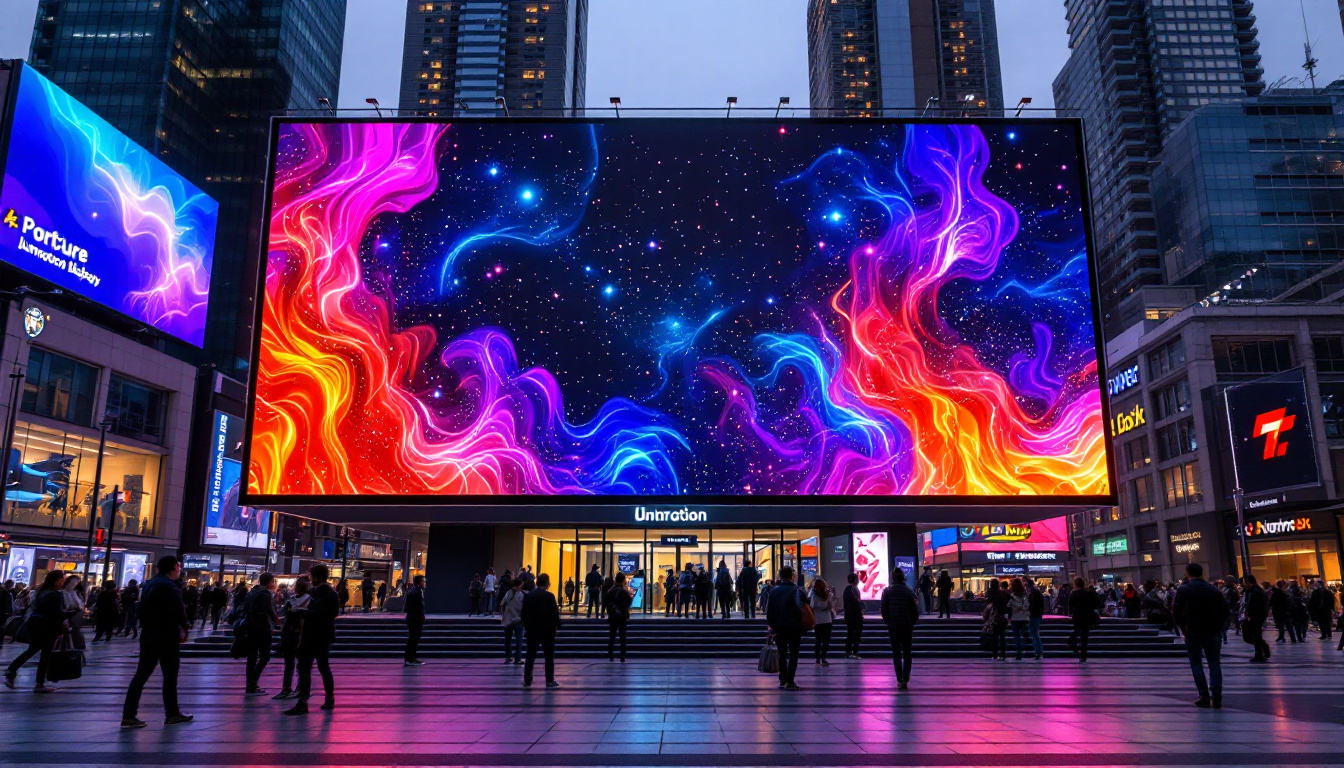
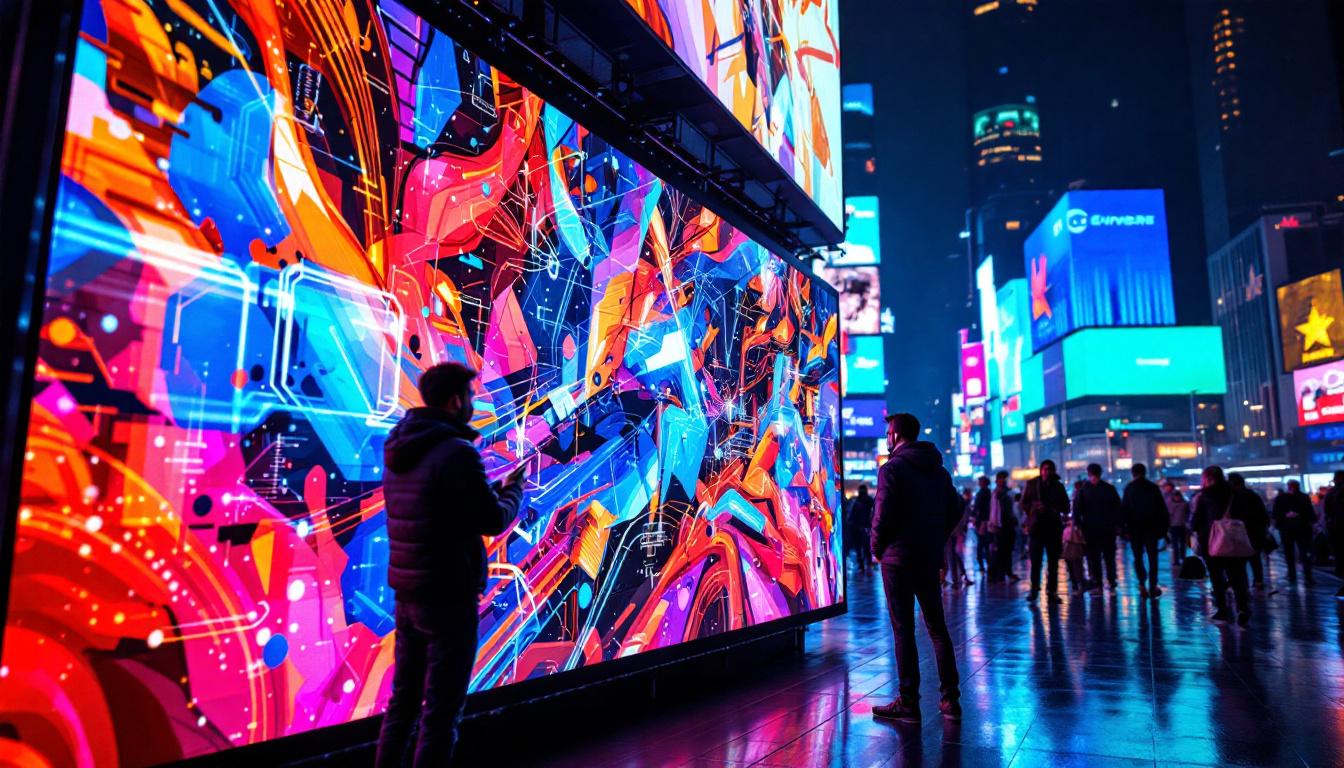
Outdoor advertising campaigns benefit immensely from the dynamic nature of LED jumbotrons. Unlike static billboards, LED displays can cycle through multiple ads, incorporate animations, and update content in real-time. This flexibility allows brands to deliver timely messages and promotions that capture attention more effectively.
According to a 2022 study by the Outdoor Advertising Association of America, digital billboards, including LED jumbotrons, have shown a 30% increase in viewer recall compared to traditional static ads. This statistic underscores the value of LED displays in enhancing brand visibility and engagement.
Key Considerations When Renting an LED Jumbotron
Determining the Right Size and Resolution
Choosing the appropriate size and resolution for a jumbotron rental depends largely on the event’s venue, audience size, and viewing distance. Larger screens with higher resolution are necessary for venues where spectators are close to the display or where detailed content such as text and graphics will be shown.
For outdoor festivals with audiences spread over wide areas, a larger screen with a moderate pixel pitch may suffice, as viewers will be farther away. Conversely, indoor corporate events or trade shows might require smaller, high-resolution screens to ensure clarity up close.
Power and Installation Requirements
LED jumbotrons require a stable power supply and proper installation to function optimally. Rental providers typically assess the venue’s electrical capacity and provide necessary equipment such as generators if needed. Installation also involves securing the display structure, ensuring weatherproofing for outdoor setups, and calibrating the screen for optimal brightness and color accuracy.
Planning for installation time is essential, as setting up a large LED display can take several hours to a full day depending on complexity. Coordination with venue management and other event vendors ensures a smooth setup process.
Content Management and Control
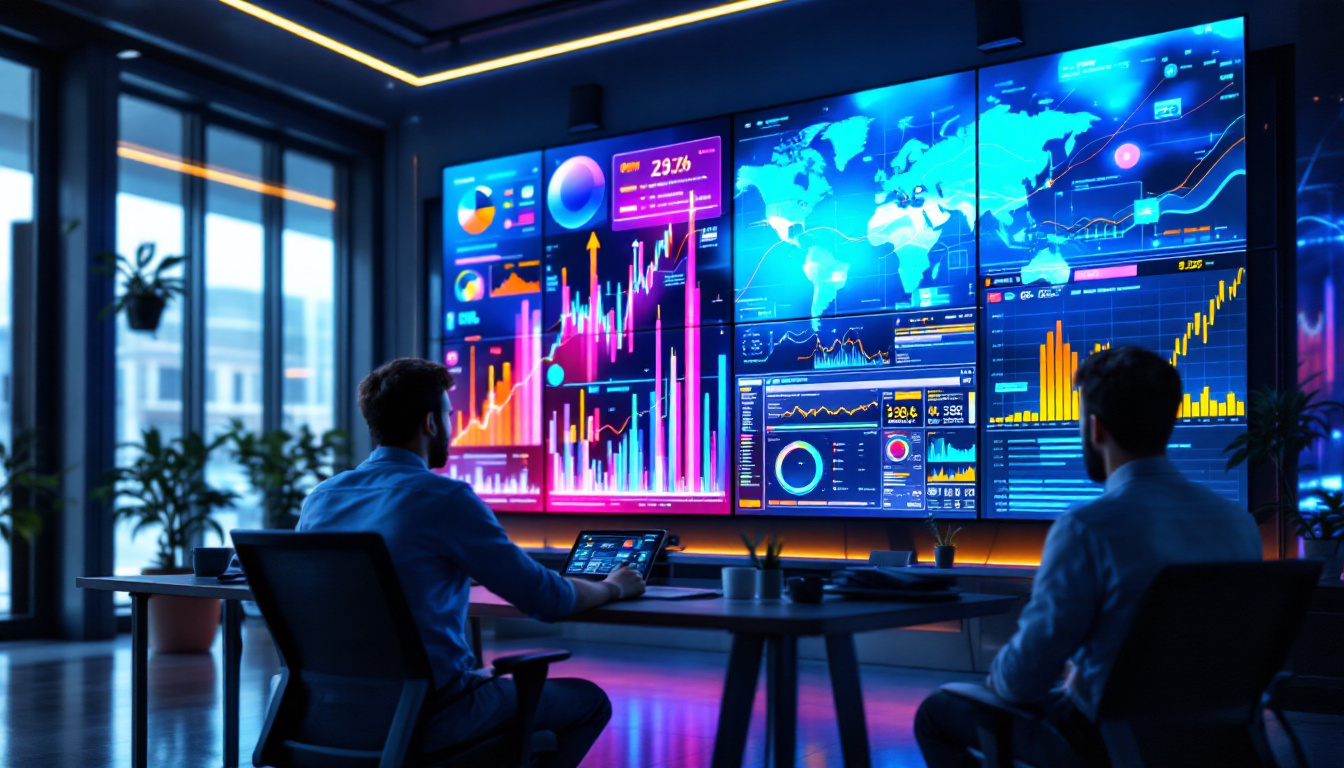
Managing the content displayed on a jumbotron is a critical aspect of rental services. Most rental companies provide software platforms that allow clients to upload, schedule, and control content remotely. This capability is particularly useful for events requiring dynamic content changes, such as live social media feeds, sponsor advertisements, or interactive segments.
It’s important to clarify with the rental provider whether content creation and management services are included or available as add-ons. Some providers also offer on-site technicians to handle real-time content adjustments during the event.
Emerging Trends in Jumbotron and LED Display Technology
Higher Resolution and Pixel Density
As LED technology advances, jumbotrons are achieving increasingly higher resolutions and pixel densities. MicroLED technology, which uses even smaller LEDs, promises displays with superior brightness, contrast, and energy efficiency. This advancement enables ultra-high-definition visuals, enhancing the viewing experience further.
Event organizers can expect sharper images and more detailed content, even on very large screens, making jumbotrons suitable for a wider range of applications, including immersive art installations and interactive exhibits.
Flexible and Transparent LED Displays
Innovations in LED panel design have led to flexible and transparent displays that can be curved, bent, or integrated into unconventional surfaces. These new form factors open creative possibilities for event staging and advertising, allowing screens to blend seamlessly with architecture or create unique visual effects.
For example, transparent LED screens can be installed on glass walls without obstructing views, enabling dynamic content display without compromising natural light or aesthetics.
Energy Efficiency and Sustainability
With growing emphasis on sustainability, LED jumbotron manufacturers are focusing on reducing power consumption and using eco-friendly materials. Modern LED displays consume significantly less energy than older technologies, and many rental providers offer energy-efficient options that help reduce the carbon footprint of large events.
Additionally, rental companies are increasingly adopting recycling and refurbishment programs to extend the lifespan of LED panels and minimize electronic waste.
Conclusion
Renting a jumbotron with LED display technology offers a powerful way to elevate events, enhance advertising impact, and engage audiences with vivid, high-quality visuals. Understanding the fundamentals of LED technology, the benefits of renting, and the practical considerations involved helps businesses and event planners make smart choices that maximize their investment.
As LED display technology continues to evolve, jumbotrons will become even more versatile, efficient, and visually stunning. Whether for a one-time event or a recurring series, leveraging LED jumbotron rentals can provide a competitive edge in delivering memorable and impactful experiences.
Discover LumenMatrix’s Innovative LED Solutions
Ready to take your events and advertising to the next level? Explore LumenMatrix’s comprehensive range of LED display solutions, designed to captivate and engage your audience with unparalleled clarity and vibrancy. From Indoor and Outdoor LED Walls to specialized displays for vehicles, sports, and custom installations, LumenMatrix is at the forefront of creating immersive visual experiences. Embrace the future of visual communication with our cutting-edge technology. Check out LumenMatrix LED Display Solutions today and see how we can transform your next event into a memorable spectacle.