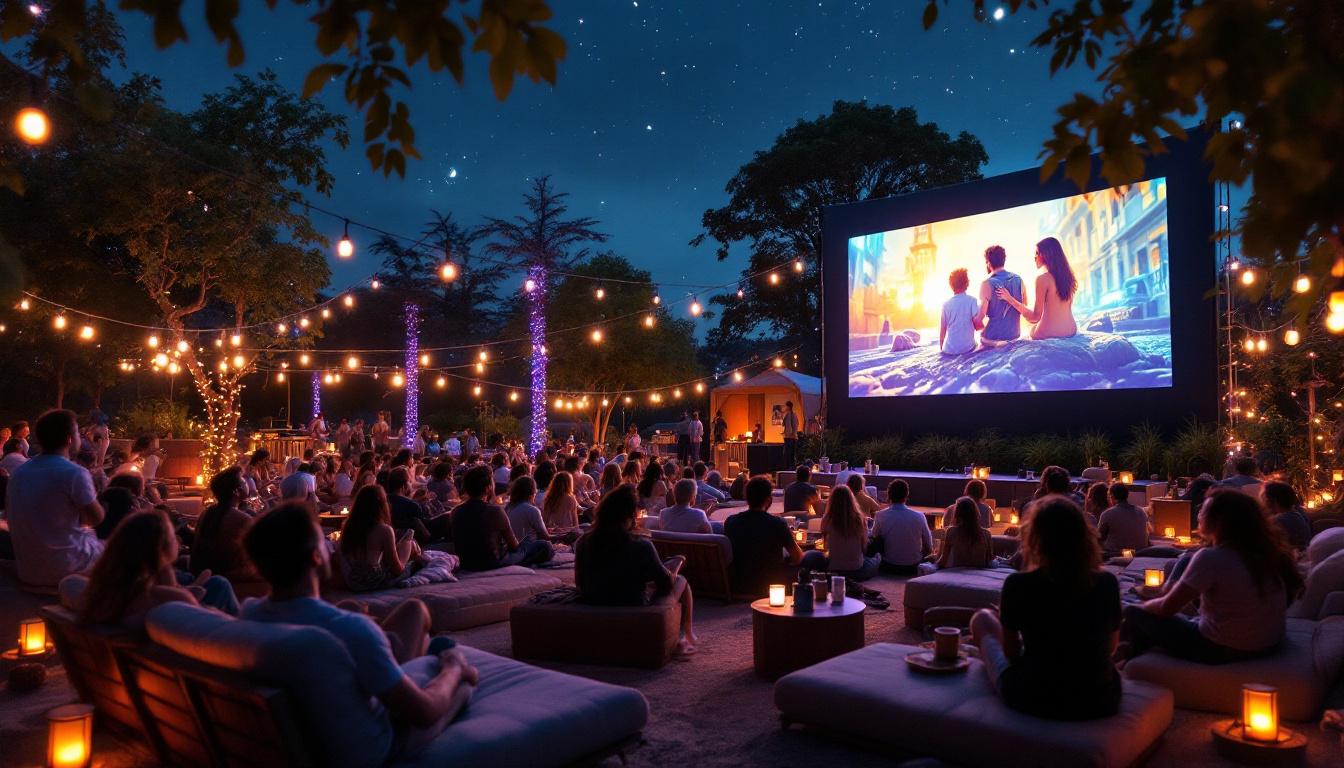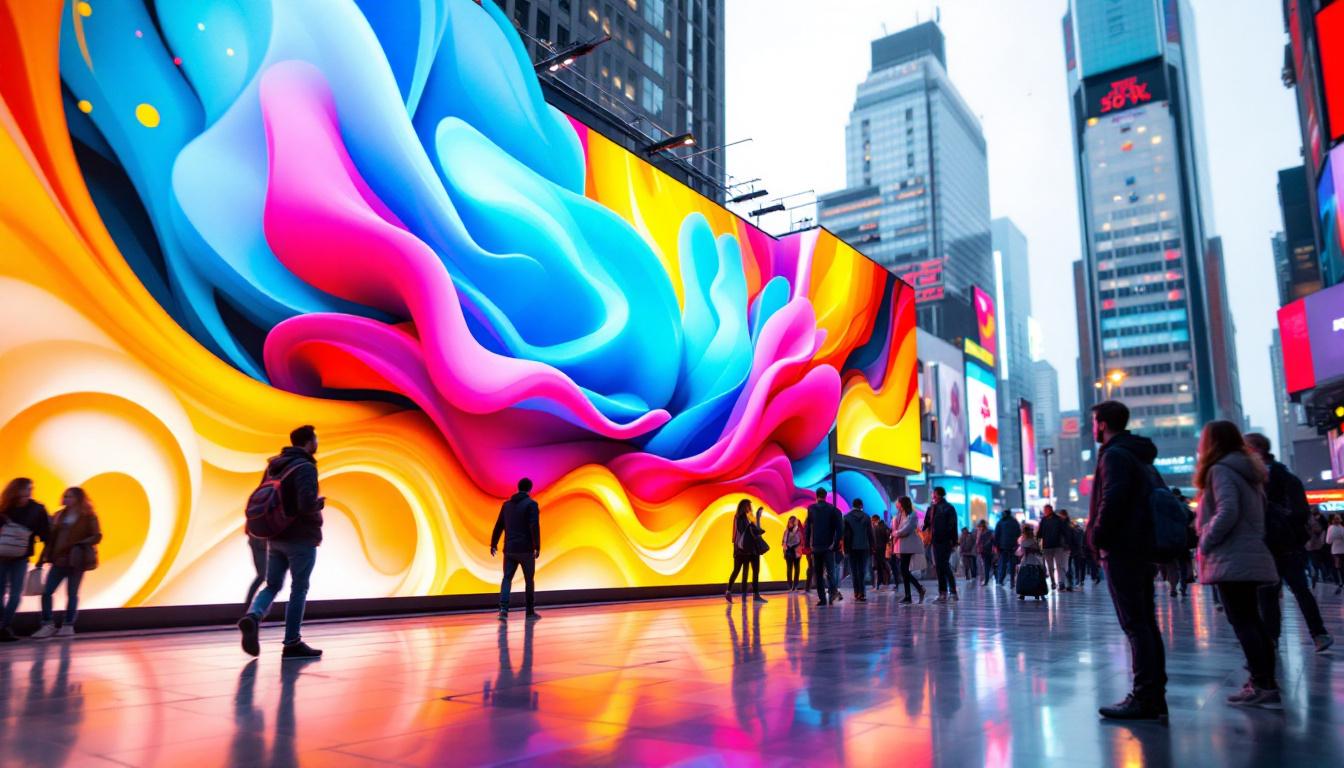
In the rapidly evolving world of digital signage and visual communication, LED displays have emerged as a powerful medium for delivering vibrant, dynamic content. From stadium scoreboards to retail advertising and large-scale public installations, LED displays are transforming how information is presented and consumed. This article delves into the technology behind LED displays, their applications, advantages, and the future trends shaping their development.
Understanding LED Display Technology
LED, or Light Emitting Diode, technology forms the backbone of modern digital displays. Unlike traditional LCD or plasma screens, LED displays use an array of tiny light-emitting diodes to create images. These diodes emit light when an electrical current passes through them, enabling the display to produce bright, high-contrast visuals that are visible even in direct sunlight. The efficiency of LED technology also contributes to lower energy consumption compared to older display technologies, making it a more environmentally friendly option. Additionally, the lifespan of LED displays can exceed 50,000 hours, providing a long-term solution for various applications.
The Basics of LED Pixels and Modules
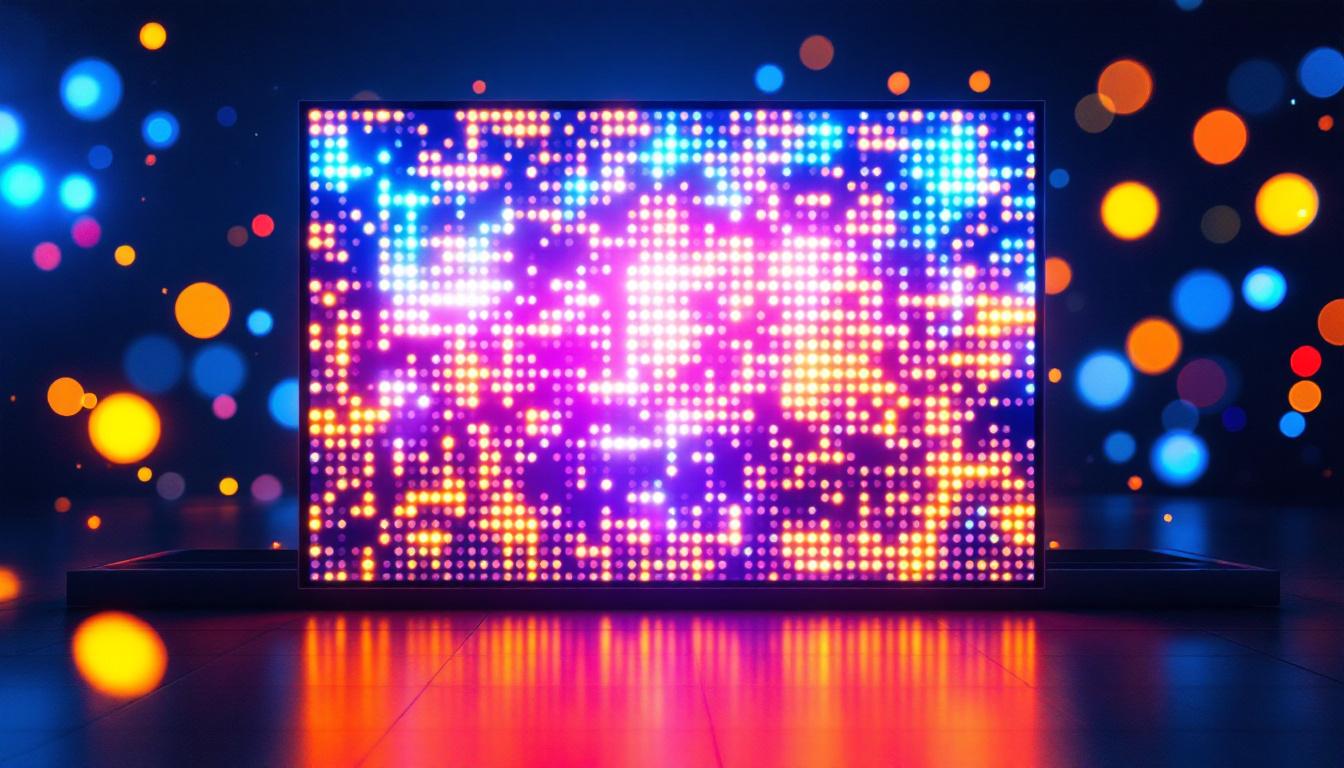
At the core of an LED display are pixels, each composed of one or more LEDs. Typically, a pixel includes red, green, and blue LEDs arranged closely together. By varying the intensity of each LED, the pixel can produce a wide spectrum of colors. These pixels are grouped into modules, which are then assembled to form the full display screen. The resolution and image quality depend on the pixel pitch—the distance between the centers of two adjacent pixels—with smaller pitches delivering sharper images. This precision in pixel arrangement allows for greater detail and clarity, making LED displays ideal for applications ranging from advertising billboards to high-definition televisions.
Types of LED Displays
LED displays come in several forms, tailored for different environments and uses:
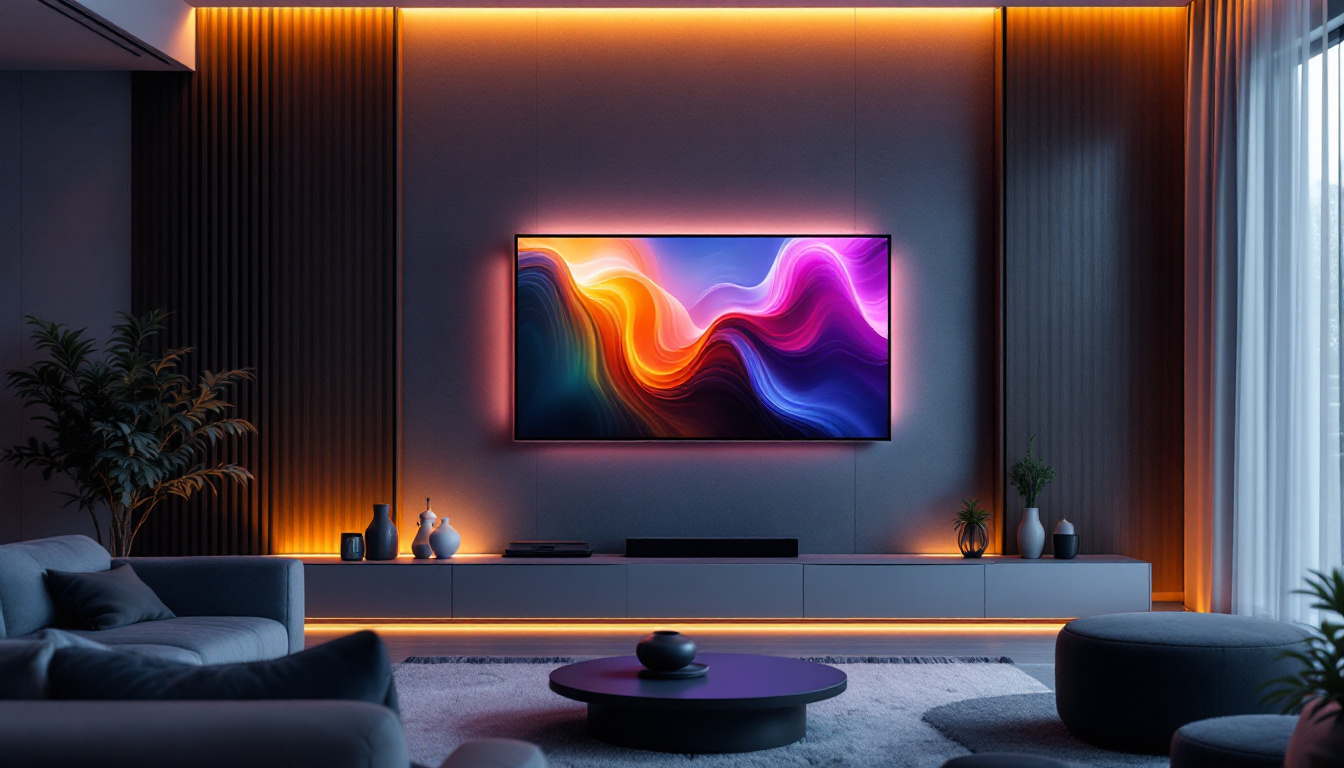
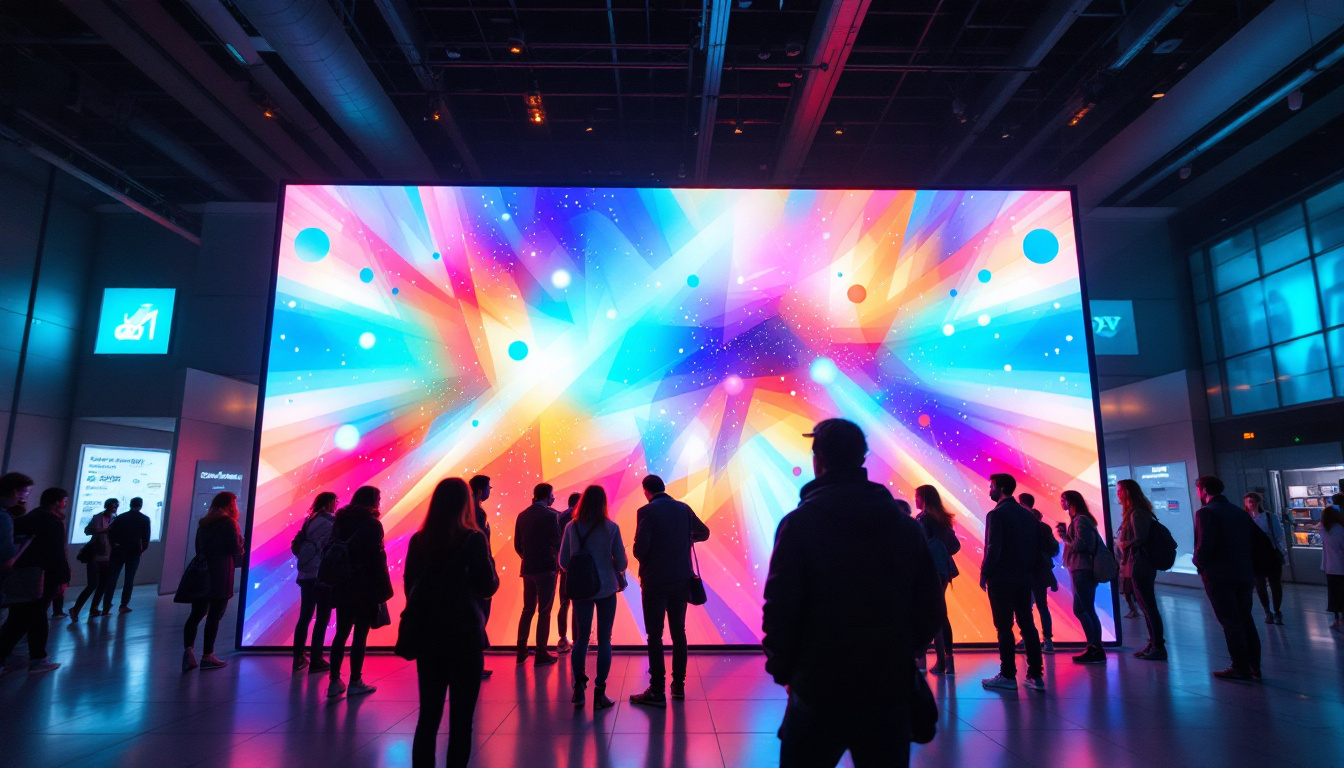
- Indoor LED Displays: Designed for close viewing distances, these displays have smaller pixel pitches (typically 1.2mm to 4mm) to deliver crisp images in environments like conference rooms, retail stores, and control centers. The vivid colors and sharp details of indoor displays enhance presentations and advertisements, capturing the attention of audiences effectively.
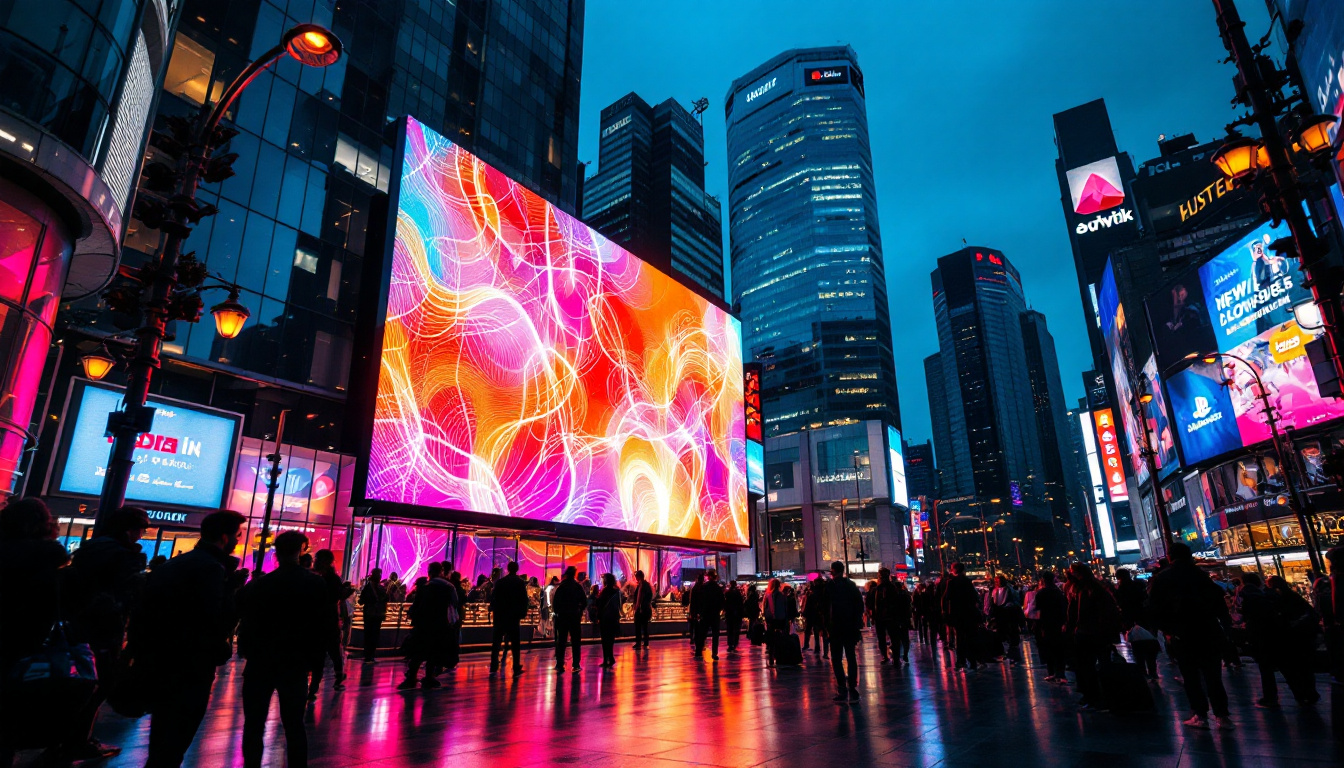
- Outdoor LED Displays: Built to withstand weather conditions and direct sunlight, outdoor displays have larger pixel pitches (usually 4mm to 20mm or more) and higher brightness levels to ensure visibility from greater distances. These displays are often used in sports arenas, concert venues, and roadside billboards, where they can convey dynamic content to large crowds.
- Flexible and Transparent LED Displays: Emerging technologies allow LED displays to be curved, bent, or even transparent, opening new possibilities for creative installations in architecture and design. These innovative displays can be integrated into windows or walls, providing a seamless blend of digital content with physical spaces, and allowing for unique advertising opportunities that engage viewers in novel ways.
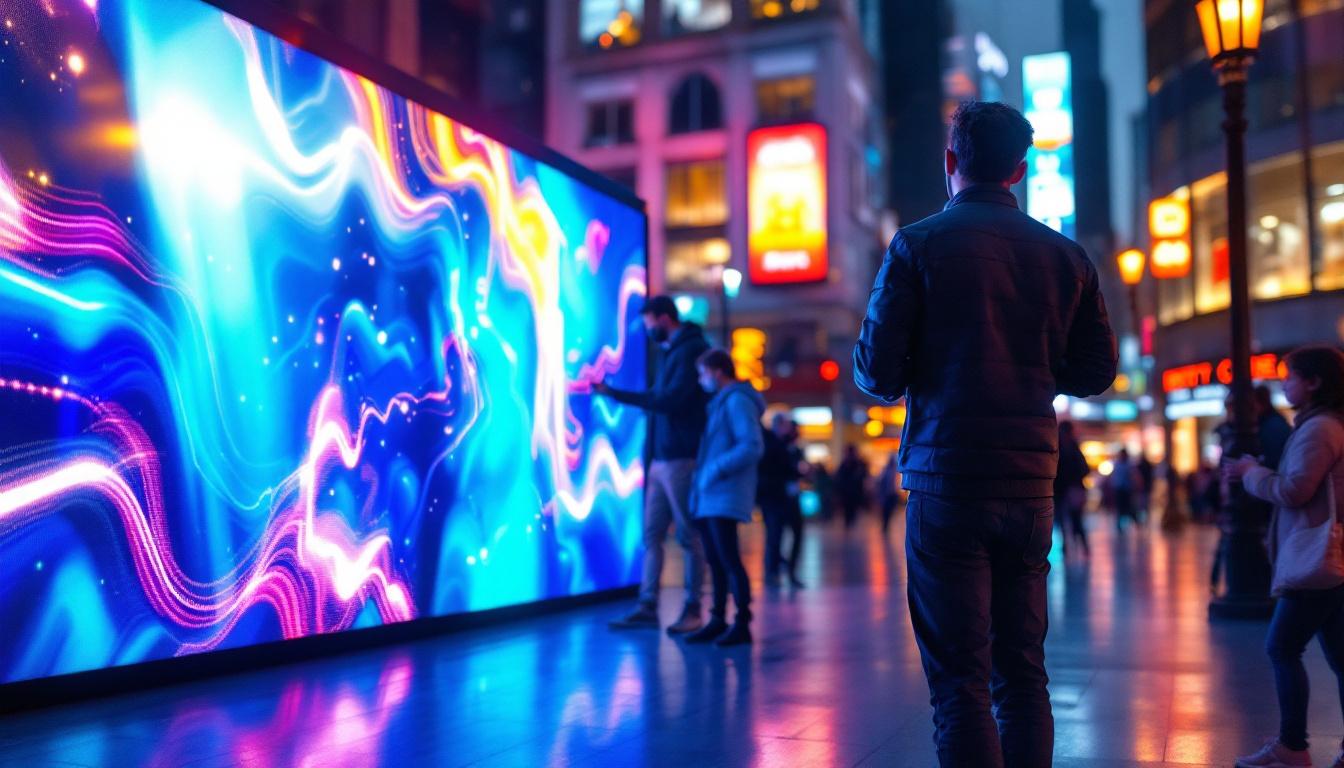
Furthermore, advancements in LED technology have led to the development of smart displays that incorporate interactive features. These displays can respond to touch or gestures, enabling a more engaging experience for users. Additionally, the integration of artificial intelligence and machine learning algorithms allows for dynamic content adjustment based on audience demographics and preferences, making LED displays not just a medium for visual communication, but an interactive platform that can adapt to its environment.
Applications of LED Displays in Various Industries
LED displays have become ubiquitous across many sectors, driving engagement and enhancing communication in ways traditional media cannot match. Their versatility and visual impact make them a preferred choice for numerous applications.
Advertising and Retail
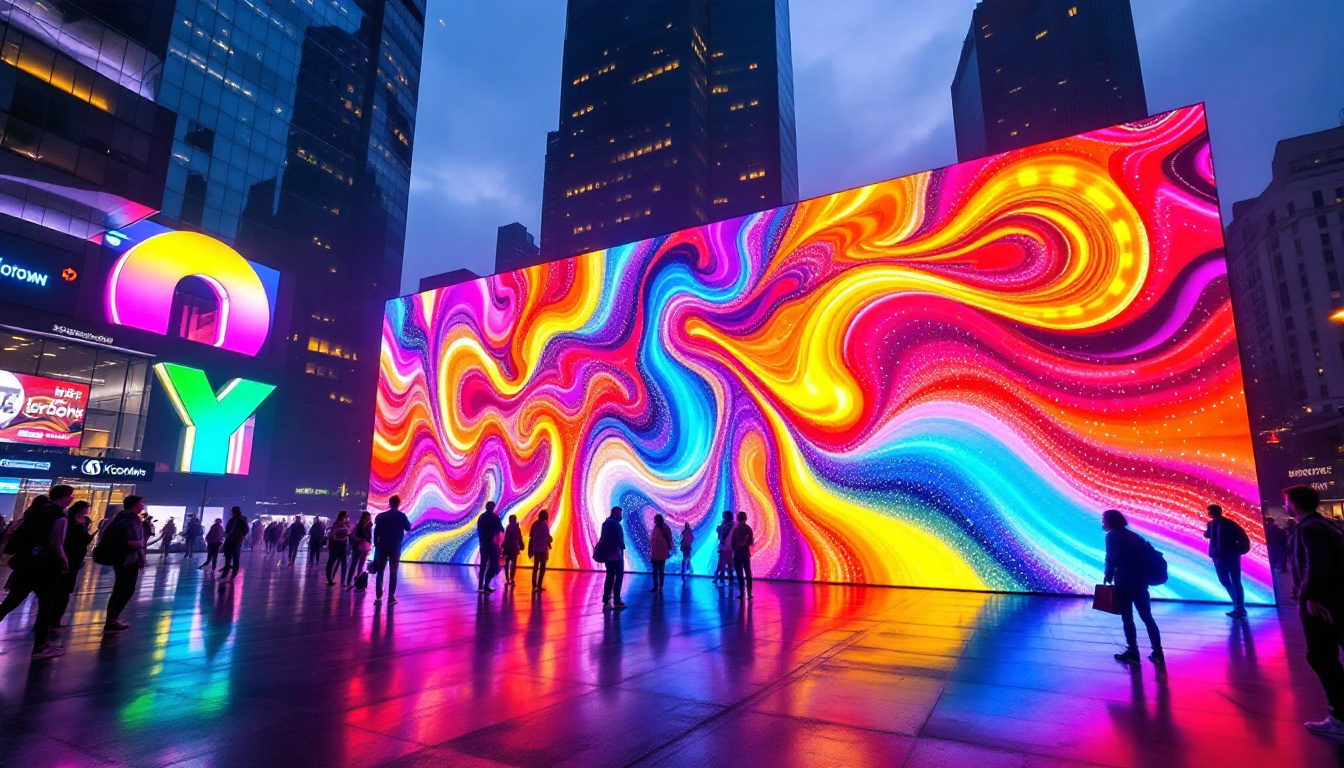
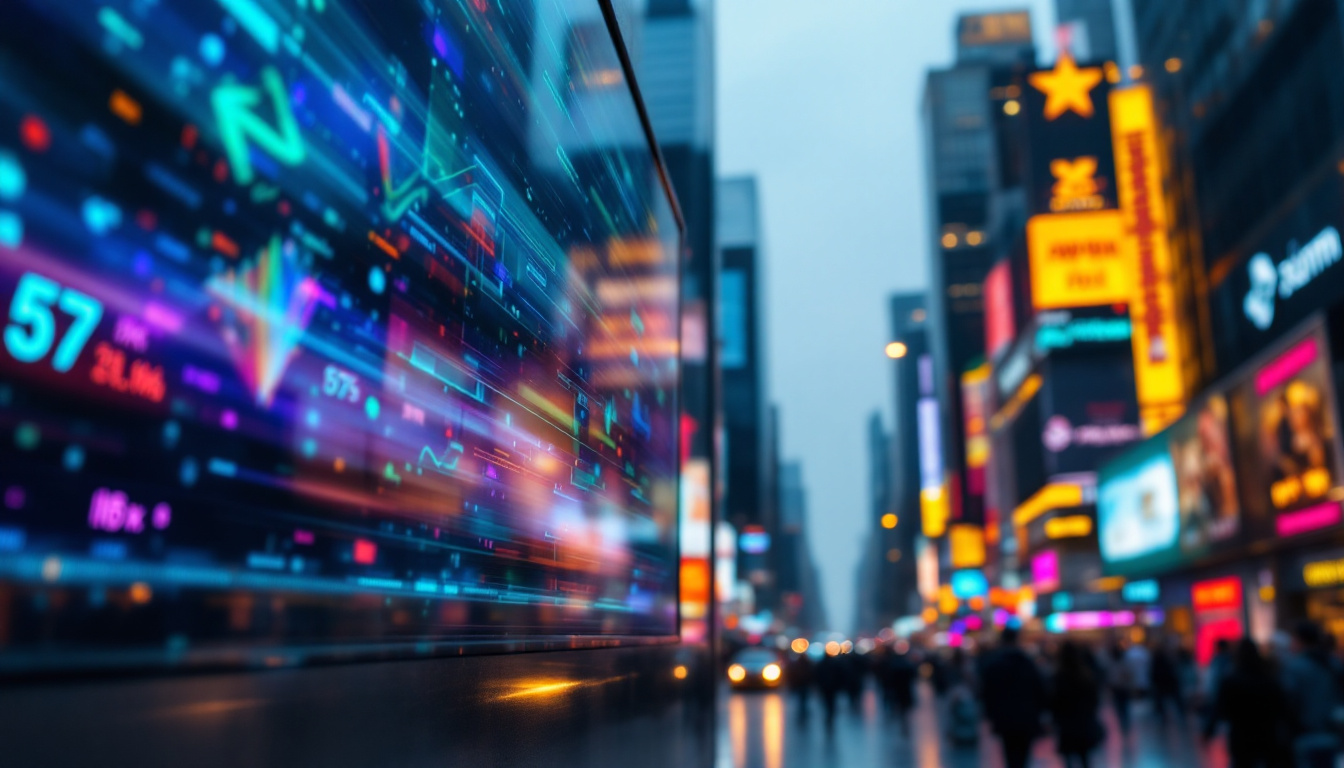
Retailers and advertisers leverage LED displays to attract attention and convey promotional messages dynamically. Digital billboards equipped with LED technology can update content in real-time, allowing for targeted advertising based on time of day, weather, or audience demographics. According to a 2023 report by Grand View Research, the global digital signage market is projected to reach $31.71 billion by 2028, driven largely by the adoption of LED displays. Moreover, the interactive capabilities of LED screens enable brands to engage customers through touch-sensitive interfaces or augmented reality experiences, creating a more personalized shopping environment. This not only enhances customer satisfaction but also boosts sales, as shoppers are more likely to respond to engaging and visually appealing advertisements.
Sports and Entertainment Venues
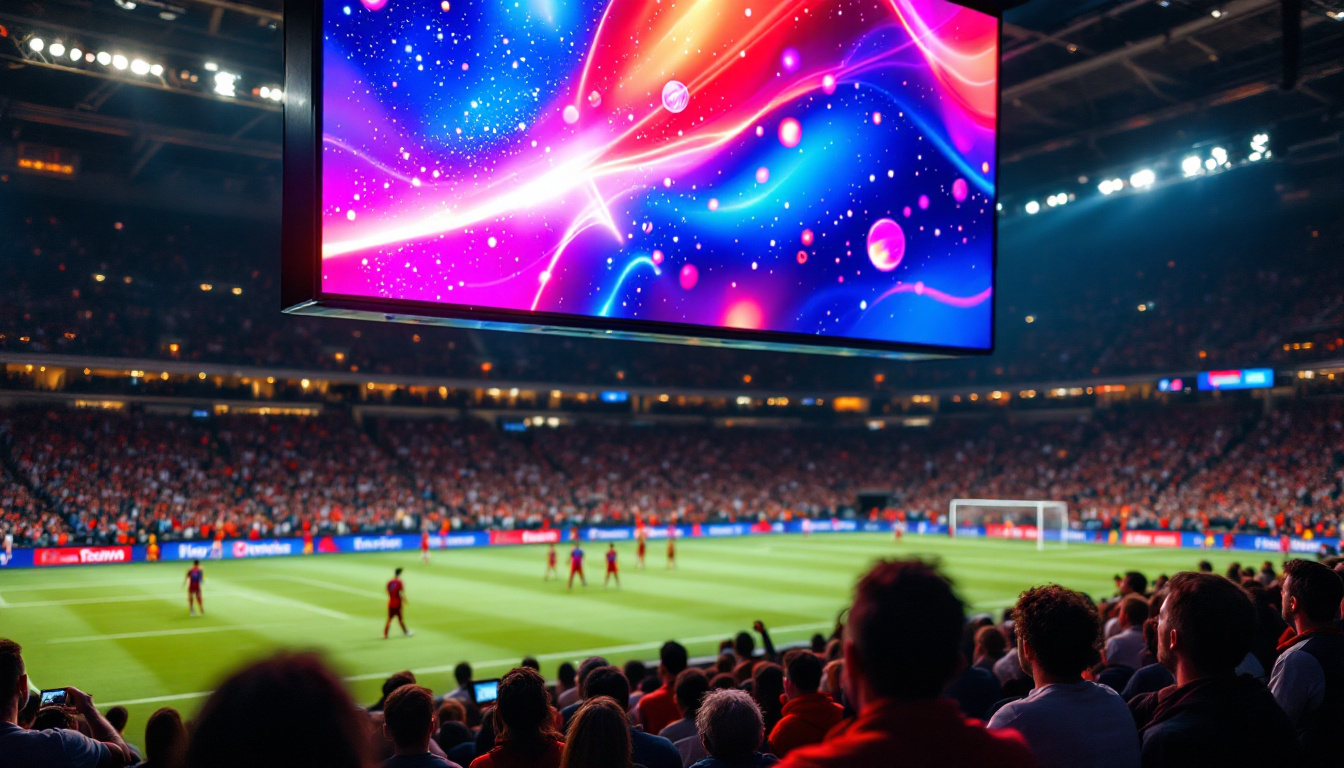
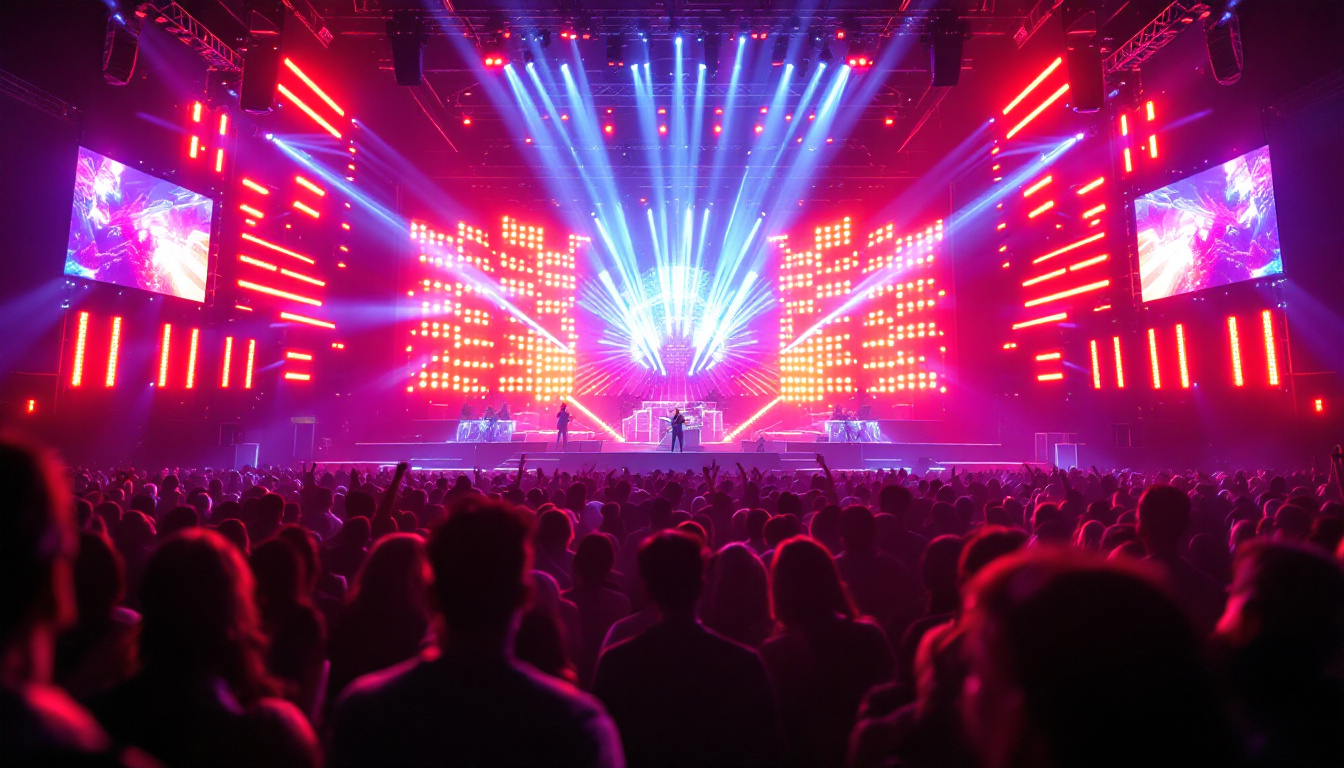
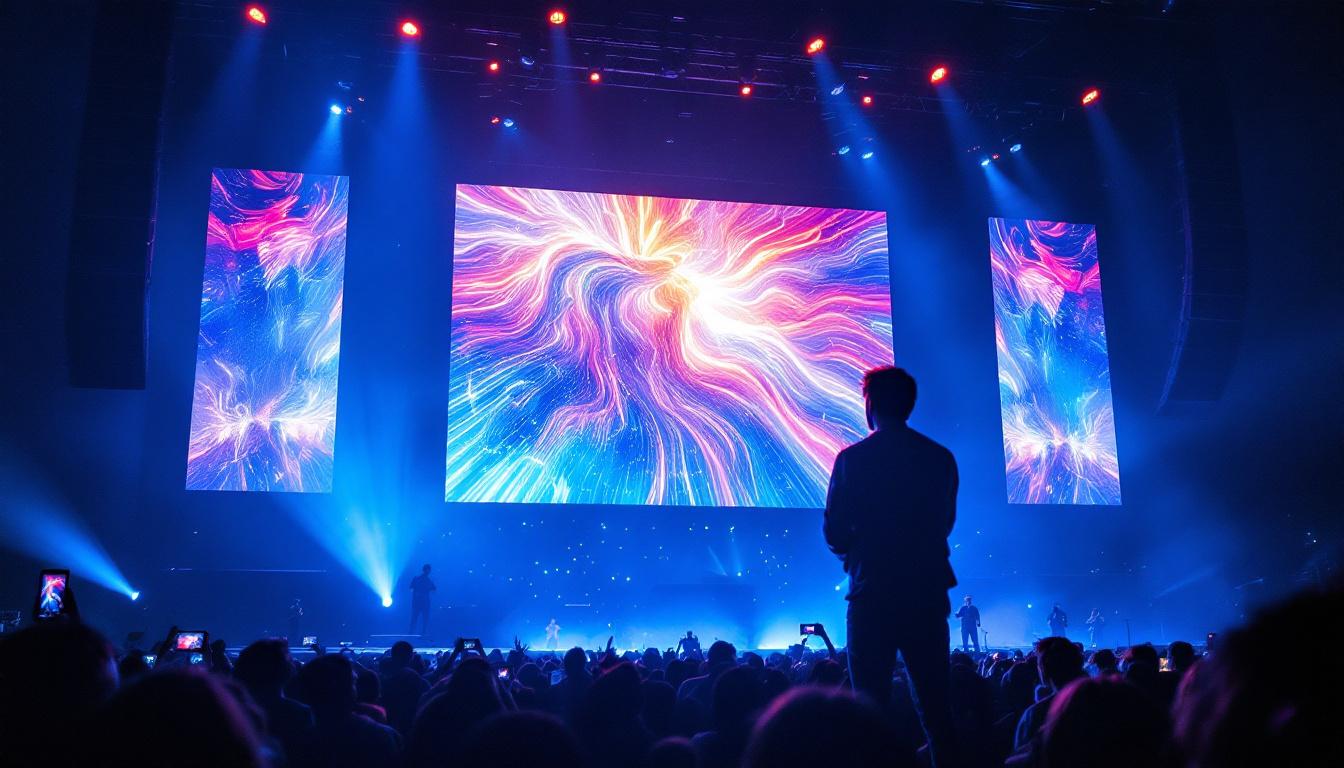
Stadiums and arenas utilize large-scale LED displays for scoreboards, instant replays, and interactive fan experiences. The vivid colors and high refresh rates of LED screens enhance the spectator experience, making events more immersive. For example, the AT&T Stadium in Texas features one of the largest high-definition LED displays in the world, measuring 160 feet wide and 72 feet tall. This monumental screen not only displays game highlights and statistics but also features live social media feeds, allowing fans to see their posts and reactions in real-time. Additionally, many venues are now incorporating LED technology into their architectural designs, using flexible LED panels to create stunning visual displays that can transform the atmosphere of the venue before, during, and after events.
Transportation and Public Spaces
LED displays are critical in transportation hubs such as airports, train stations, and bus terminals, providing real-time information like schedules, alerts, and wayfinding. Their high visibility and durability make them ideal for outdoor public spaces, where they also serve as platforms for public announcements and emergency communications. In addition to standard information displays, many transportation systems are beginning to implement LED screens that provide interactive maps and guides, helping travelers navigate complex environments with ease. Furthermore, the energy efficiency of LED technology contributes to sustainability efforts in public transport, as these displays consume significantly less power than traditional lighting solutions. This not only reduces operational costs but also aligns with the growing emphasis on eco-friendly practices across urban infrastructure projects.
Advantages of LED Displays Over Other Technologies
Choosing the right display technology is essential for meeting specific needs and environments. LED displays offer several distinct advantages that have contributed to their widespread adoption.
Brightness and Visibility
One of the most significant benefits of LED displays is their exceptional brightness. Outdoor LED screens can reach brightness levels of up to 8,000 nits or more, ensuring clear visibility even under direct sunlight. This contrasts sharply with LCD screens, which typically max out around 1,000 nits, making LEDs the preferred choice for outdoor applications.
Energy Efficiency and Longevity
LED technology is inherently energy-efficient, consuming less power than traditional lighting and display technologies. Advances in LED design have further improved their energy consumption, reducing operational costs. Additionally, LED displays boast long lifespans, often exceeding 100,000 hours of operation, which translates to years of reliable service with minimal maintenance.
Flexibility and Customization
LED displays can be manufactured in virtually any size and shape, from small indoor panels to massive outdoor walls. Their modular design allows for easy scaling and maintenance. Moreover, flexible and transparent LED panels enable innovative applications in architectural integration and creative visual experiences.
Key Considerations When Choosing an LED Display
For businesses and organizations looking to invest in LED displays, several factors must be evaluated to ensure the technology meets their specific requirements.
Pixel Pitch and Resolution
The pixel pitch determines the viewing distance and image clarity. For indoor use where viewers are close, a smaller pixel pitch (1.2mm to 3mm) is necessary to avoid visible pixelation. Outdoor displays, viewed from farther away, can utilize larger pixel pitches without compromising perceived image quality.
Brightness and Contrast Ratio
Brightness levels should be matched to the installation environment. Outdoor displays require high brightness to combat sunlight, while indoor displays benefit from higher contrast ratios to enhance image depth and color vibrancy. Modern LED displays often include automatic brightness adjustment features to optimize visibility and energy use.
Durability and Weather Resistance
For outdoor installations, displays must be rated for water resistance, dust protection, and temperature extremes. IP65 or higher ratings are common standards ensuring the display can withstand harsh environmental conditions.
Installation and Maintenance
Modular LED panels simplify installation and allow for easier maintenance. It is important to consider access for repairs and the availability of technical support. Additionally, integration with existing content management systems can streamline operation and content updates.
The Future of LED Display Technology
As LED technology continues to advance, new innovations are poised to expand the capabilities and applications of LED displays.
MicroLED and MiniLED Advances
Emerging MicroLED and MiniLED technologies offer even higher resolution and improved color accuracy by using smaller diodes. These developments promise to bridge the gap between LED and OLED displays, combining the brightness and longevity of LEDs with superior image quality.
Interactive and Smart Displays
Integration with sensors, cameras, and AI is enabling LED displays to become interactive, adapting content based on audience behavior or environmental factors. Smart LED walls can deliver personalized advertising or provide real-time data visualization, enhancing user engagement.
Sustainability and Energy Innovations
With growing emphasis on sustainability, manufacturers are focusing on reducing the environmental impact of LED displays. Innovations in energy-efficient drivers, recyclable materials, and lower power consumption are becoming standard features in next-generation LED products.
Conclusion
LED displays represent a dynamic and versatile technology that has revolutionized visual communication across industries. Their superior brightness, flexibility, and energy efficiency make them ideal for a wide range of applications, from advertising and entertainment to public information systems. As technology advances, LED displays will continue to evolve, offering richer, more interactive experiences that engage audiences in innovative ways.
Understanding the fundamentals of LED technology, the various types of displays, and the key factors involved in selecting the right solution is essential for businesses and organizations aiming to leverage this powerful medium. With ongoing innovations on the horizon, the future of LED displays promises to be as bright as the technology itself.
Discover LumenMatrix LED Display Solutions
Ready to illuminate your space with unparalleled brightness and clarity? LumenMatrix invites you to explore our comprehensive range of LED display solutions, crafted to bring your visual communication into the spotlight. Whether you need an Indoor LED Wall Display for your corporate headquarters, an Outdoor LED Wall Display for impactful advertising, or any of our specialized displays like Vehicle, Sports, or Floor LED Displays, we have the technology to transform your environment. Experience the future of digital signage with our Custom, All-in-One, and LED Transparent Displays. Check out LumenMatrix LED Display Solutions and join the revolution in visual storytelling.