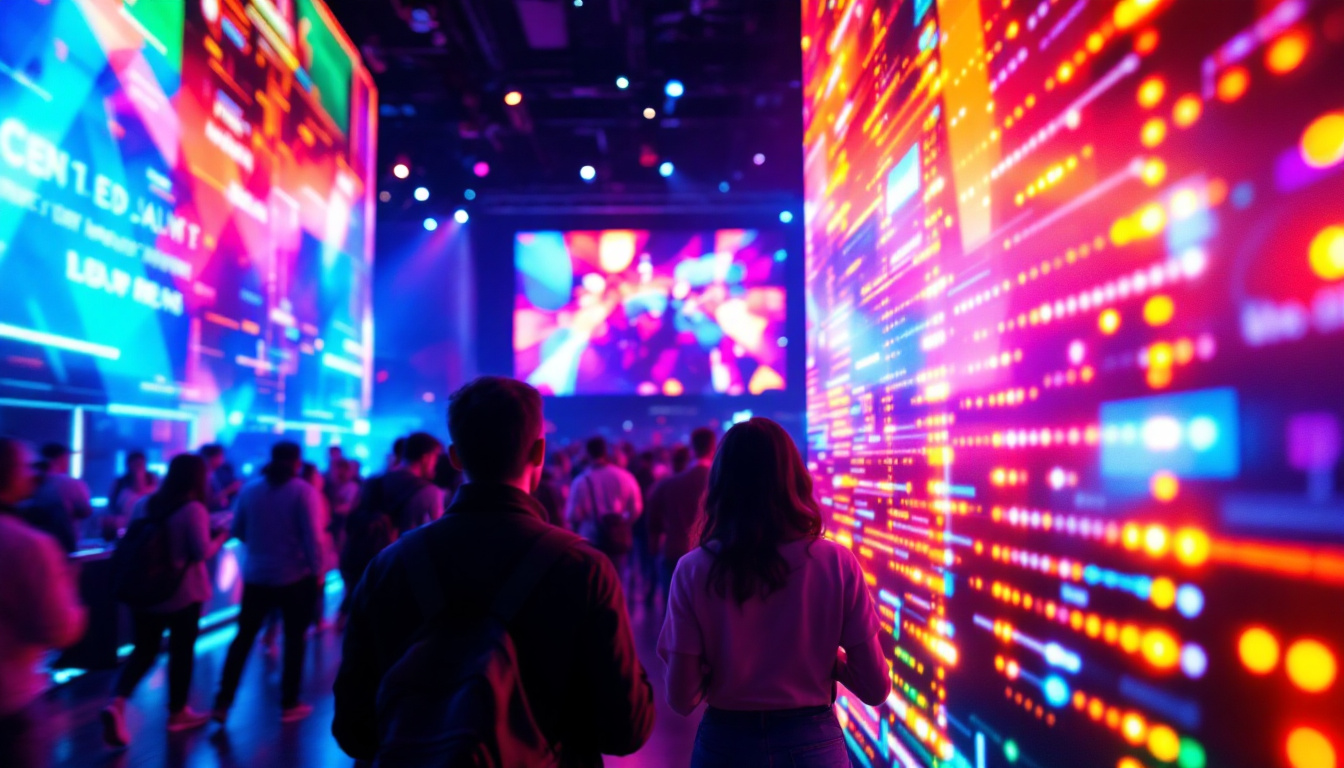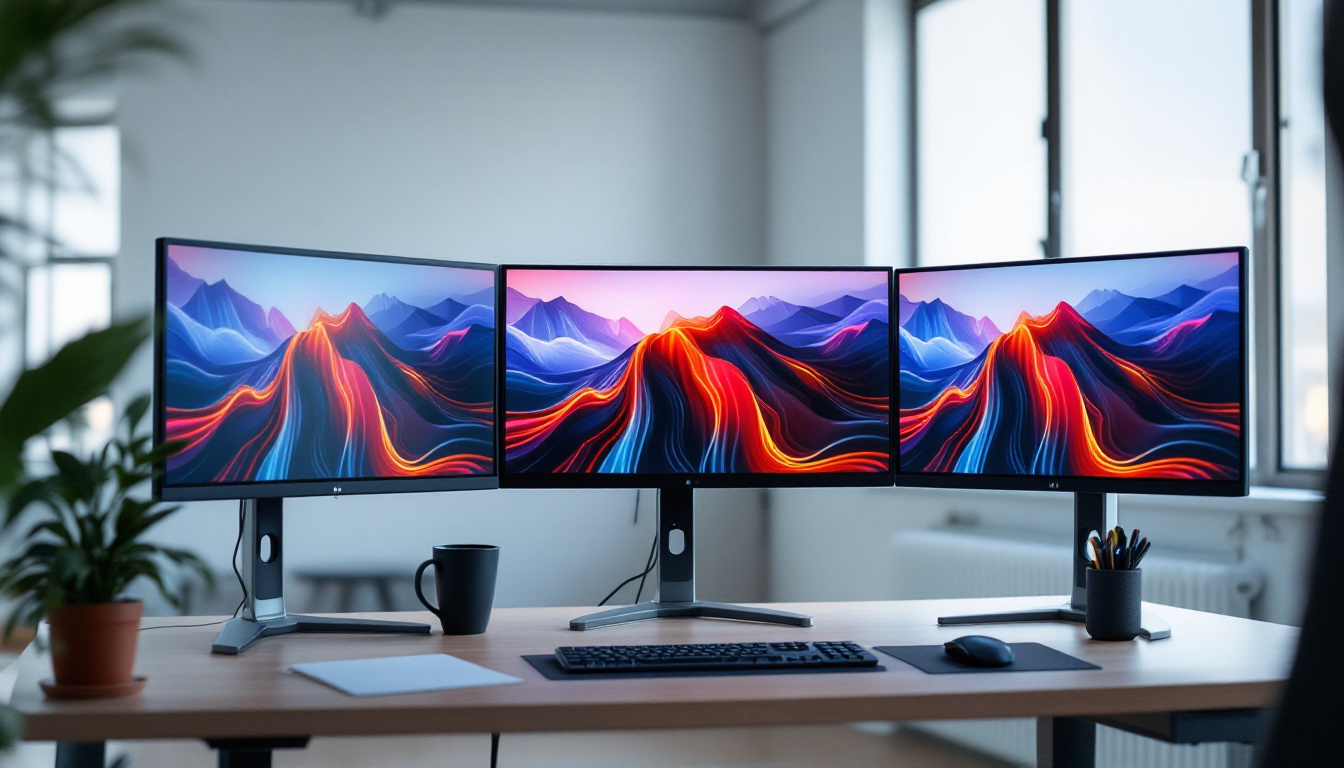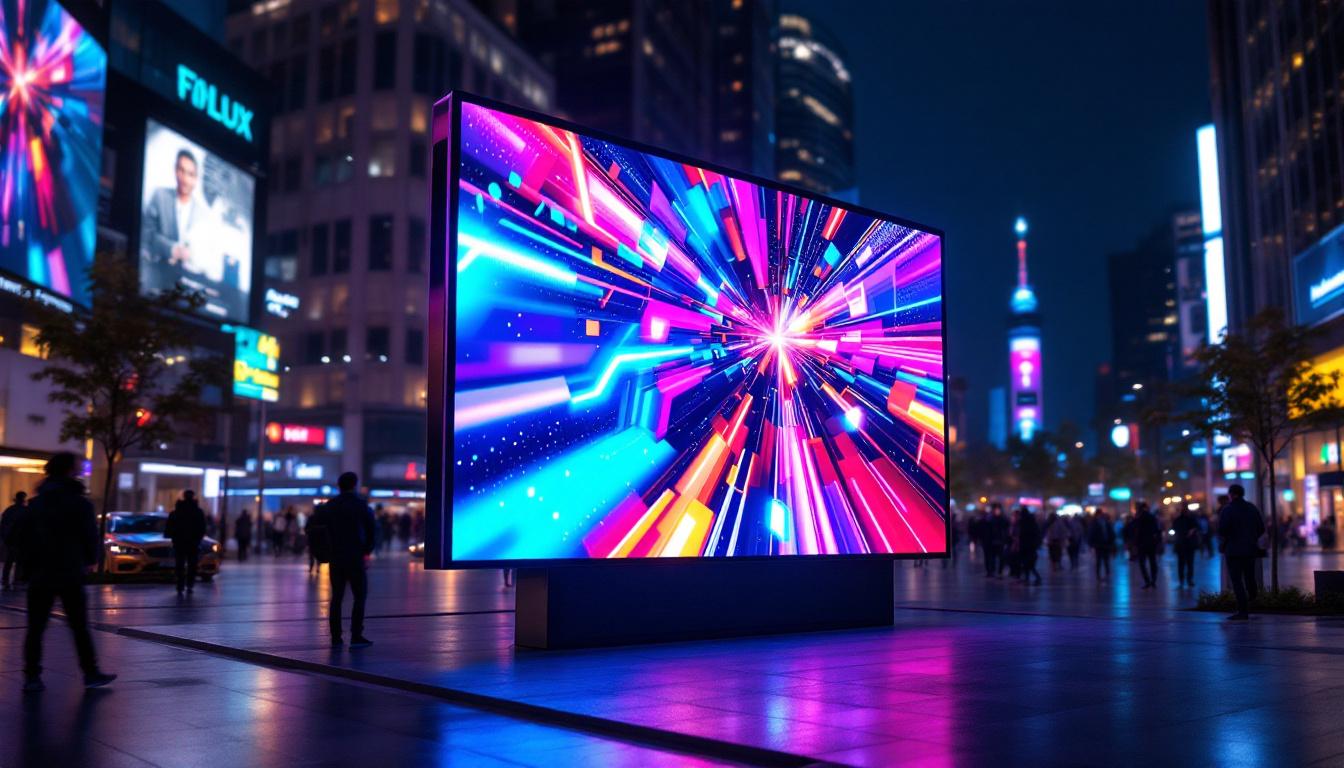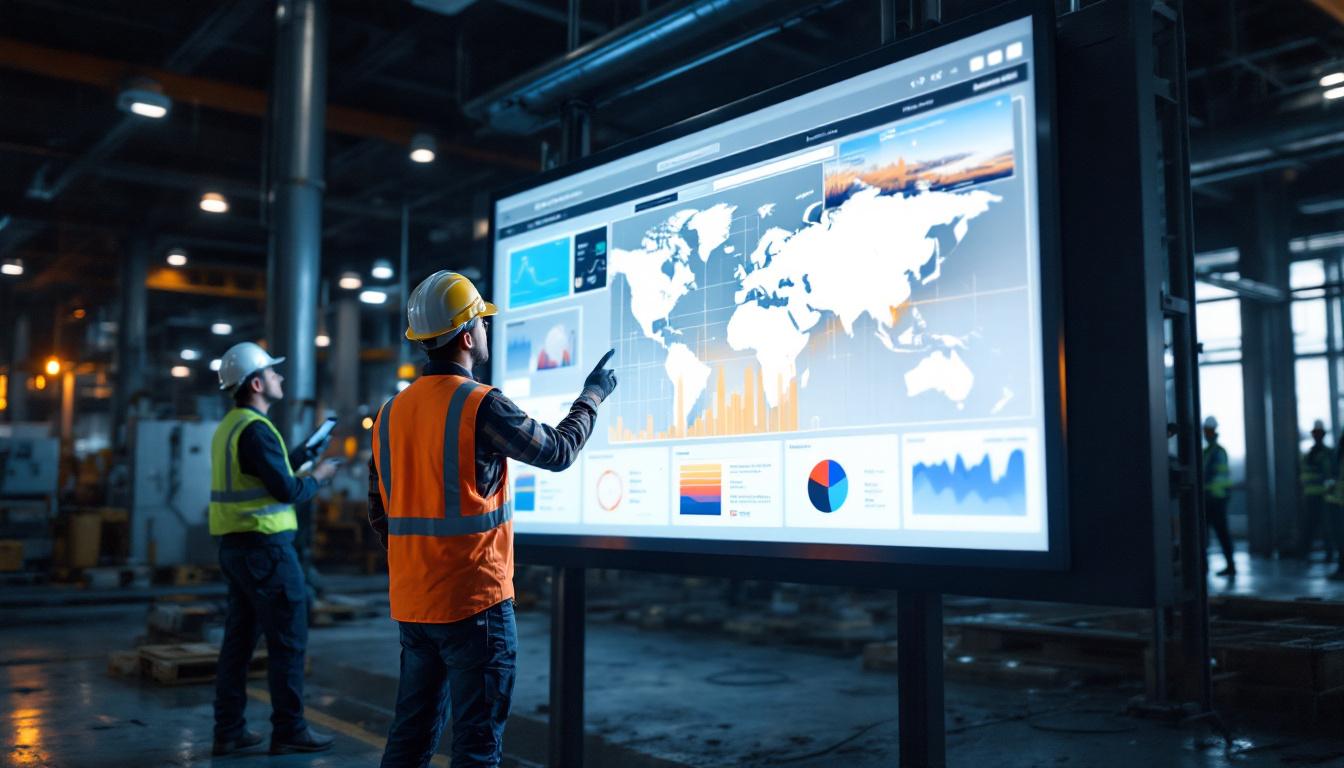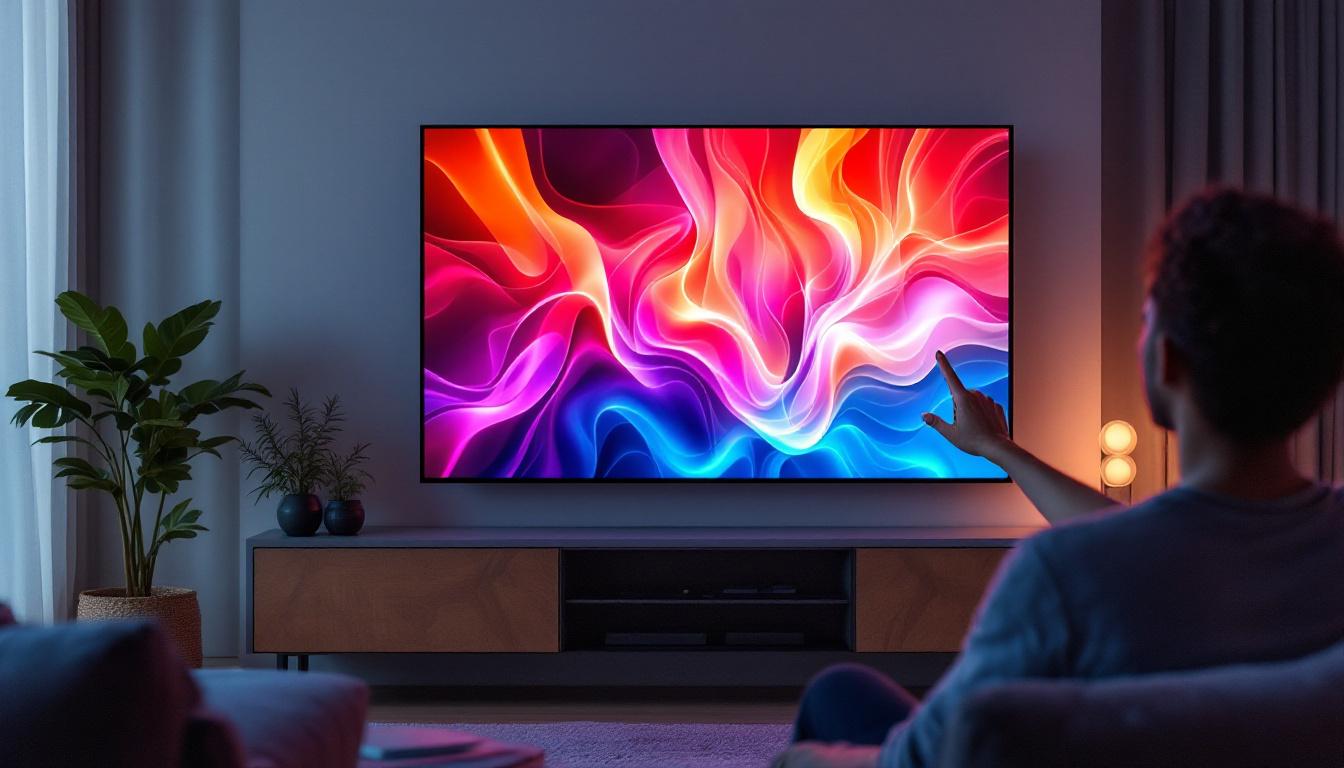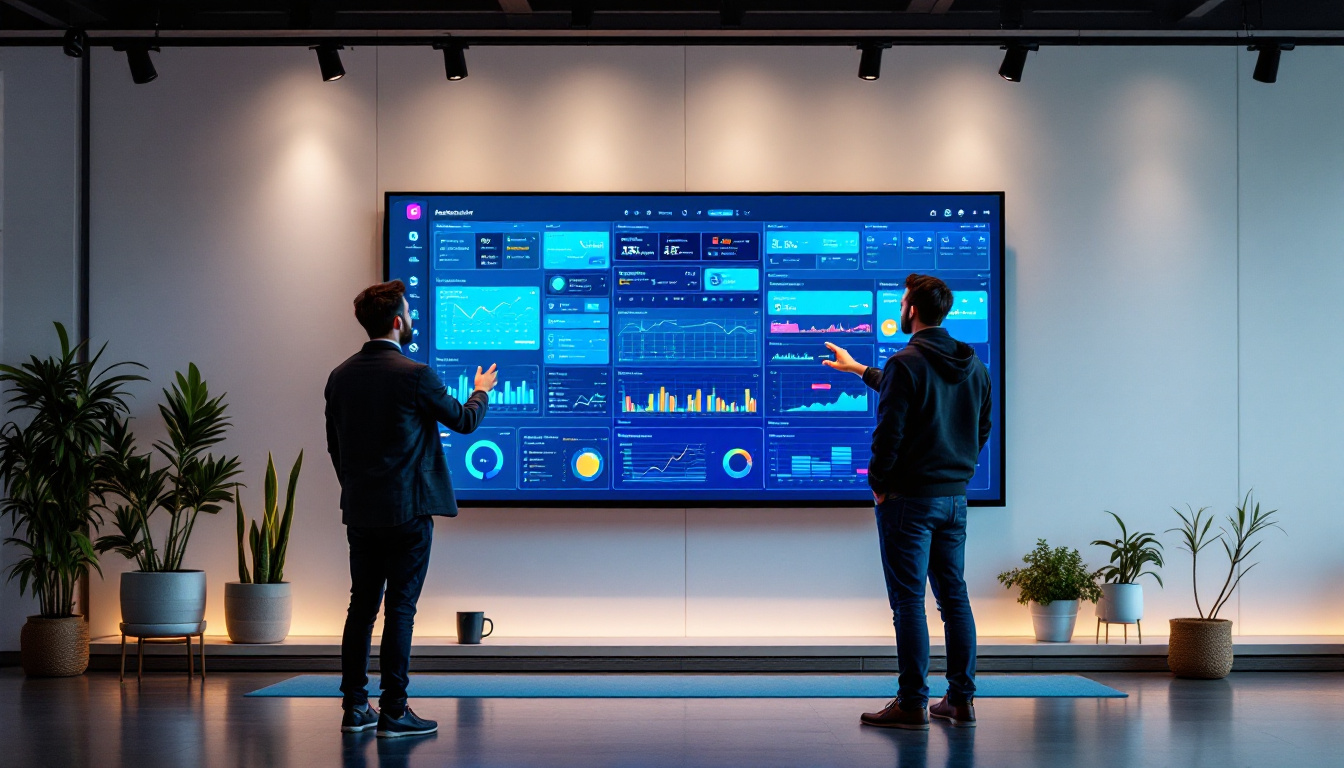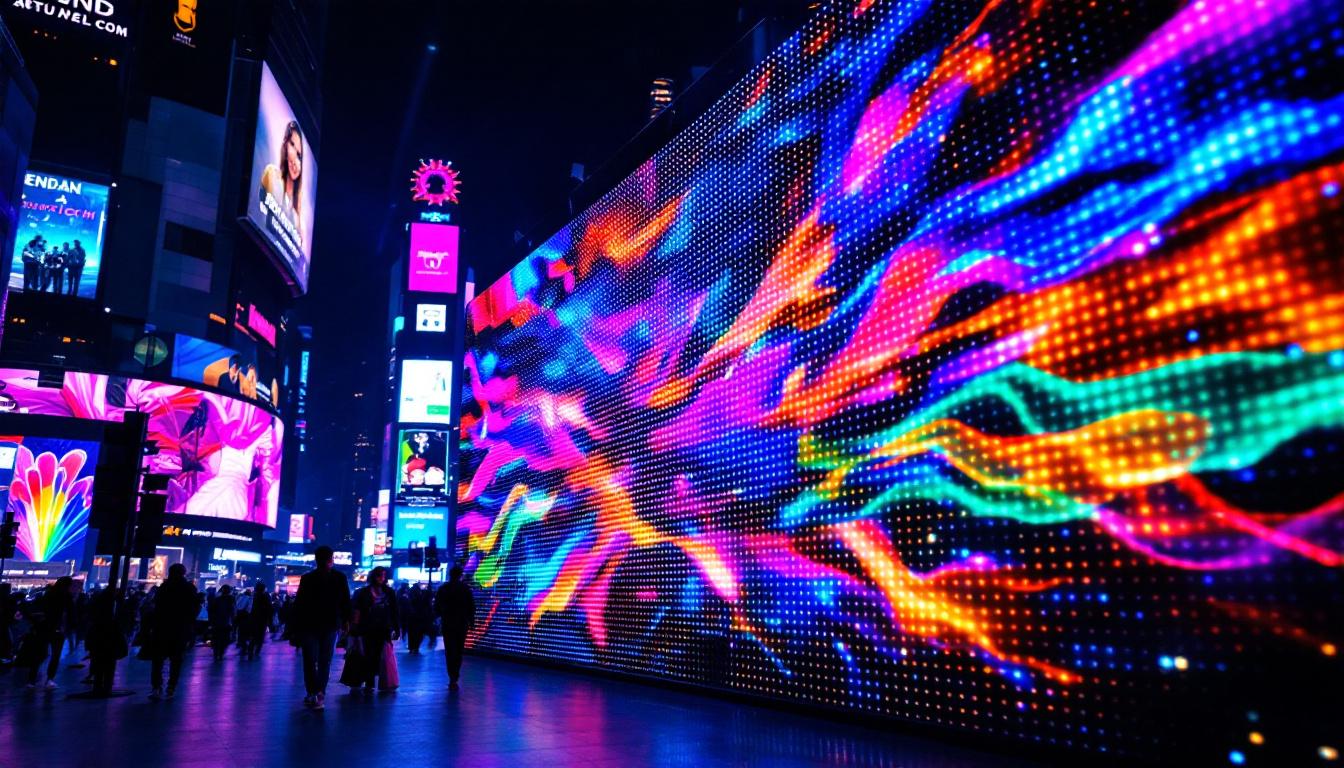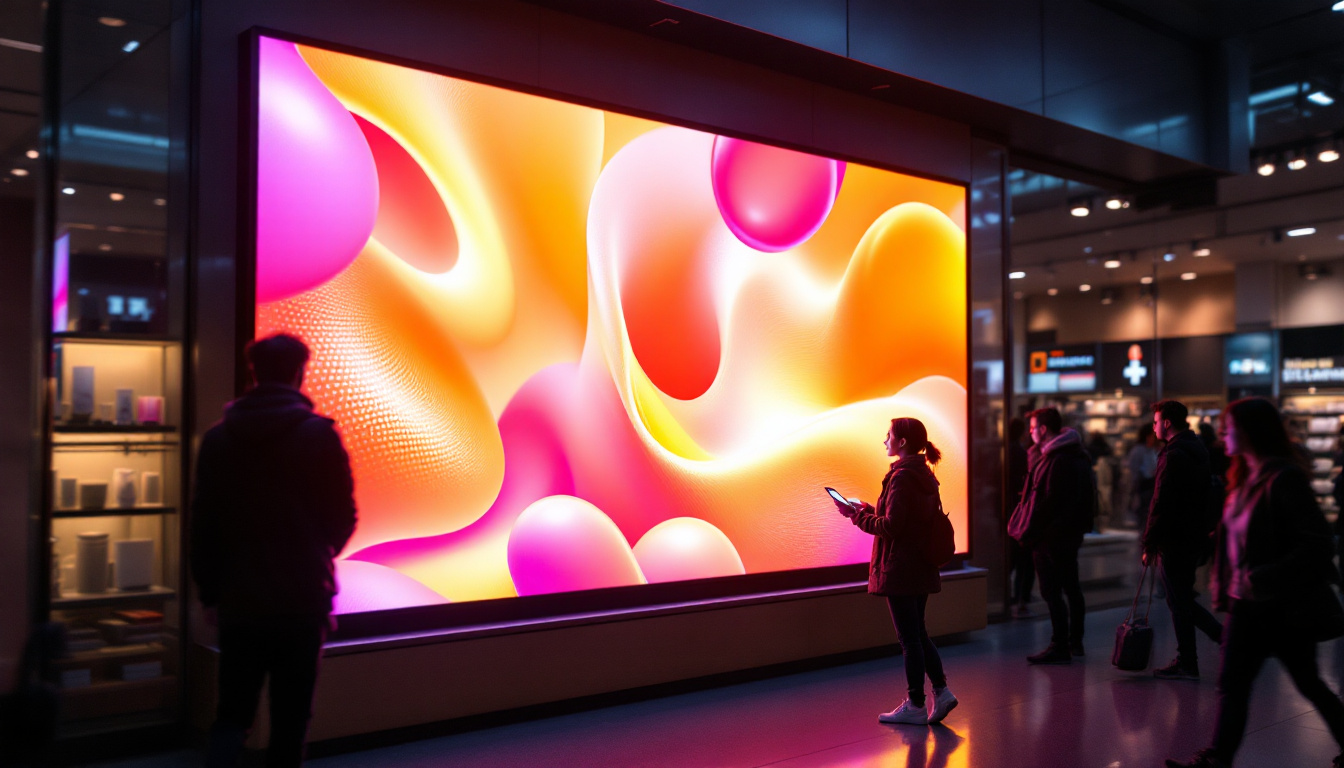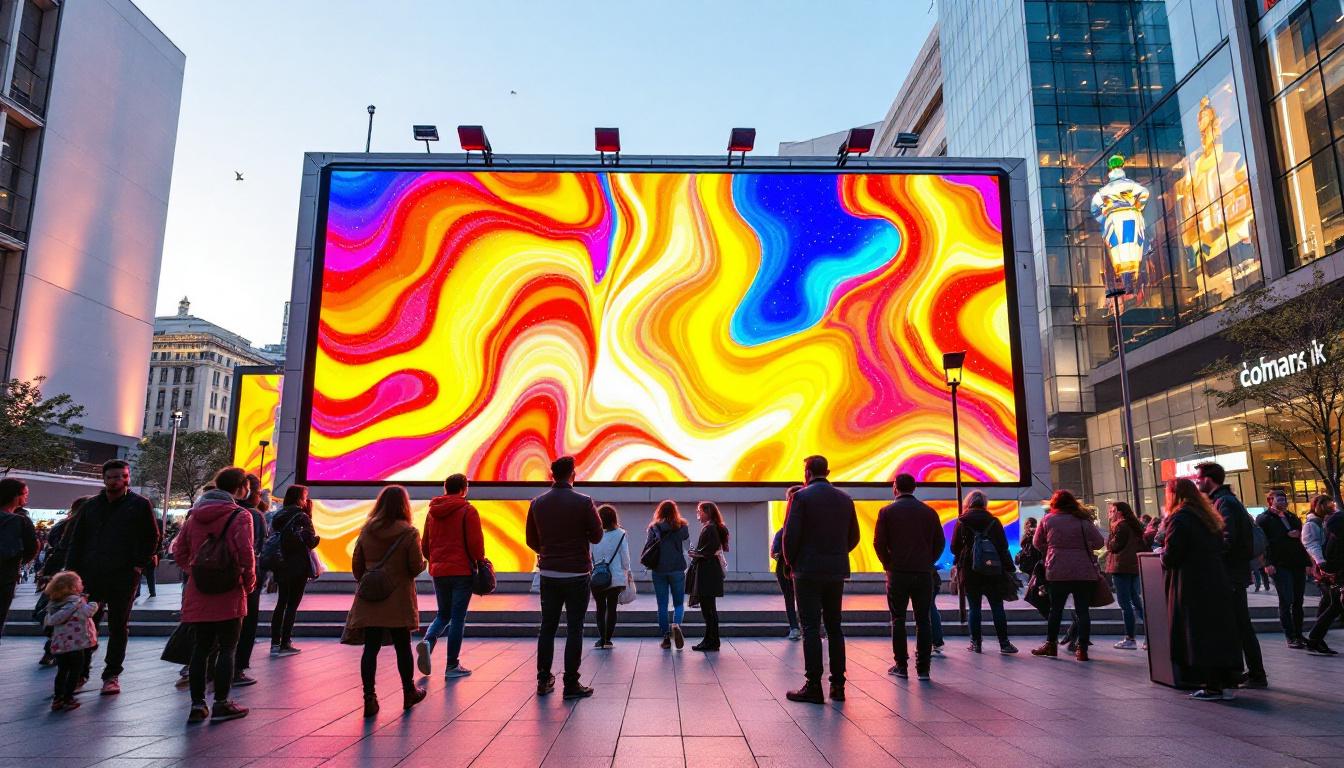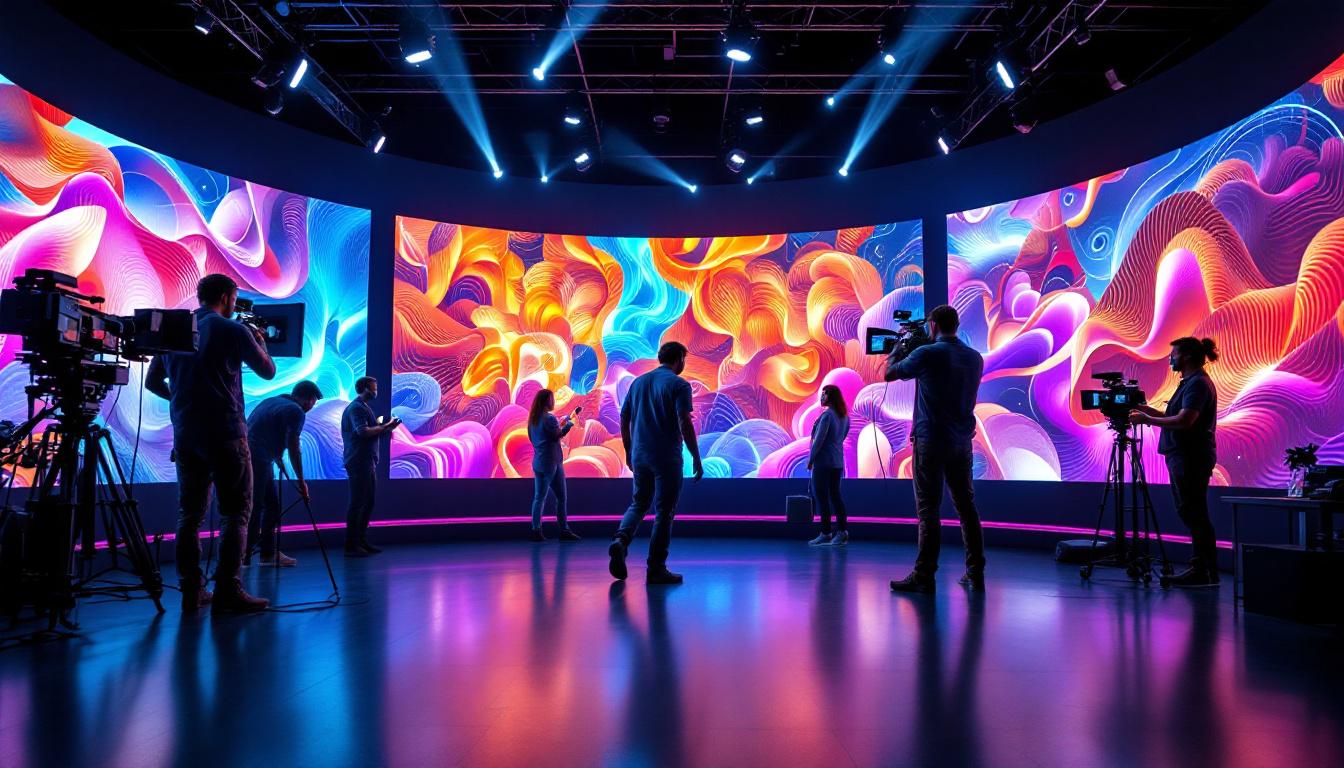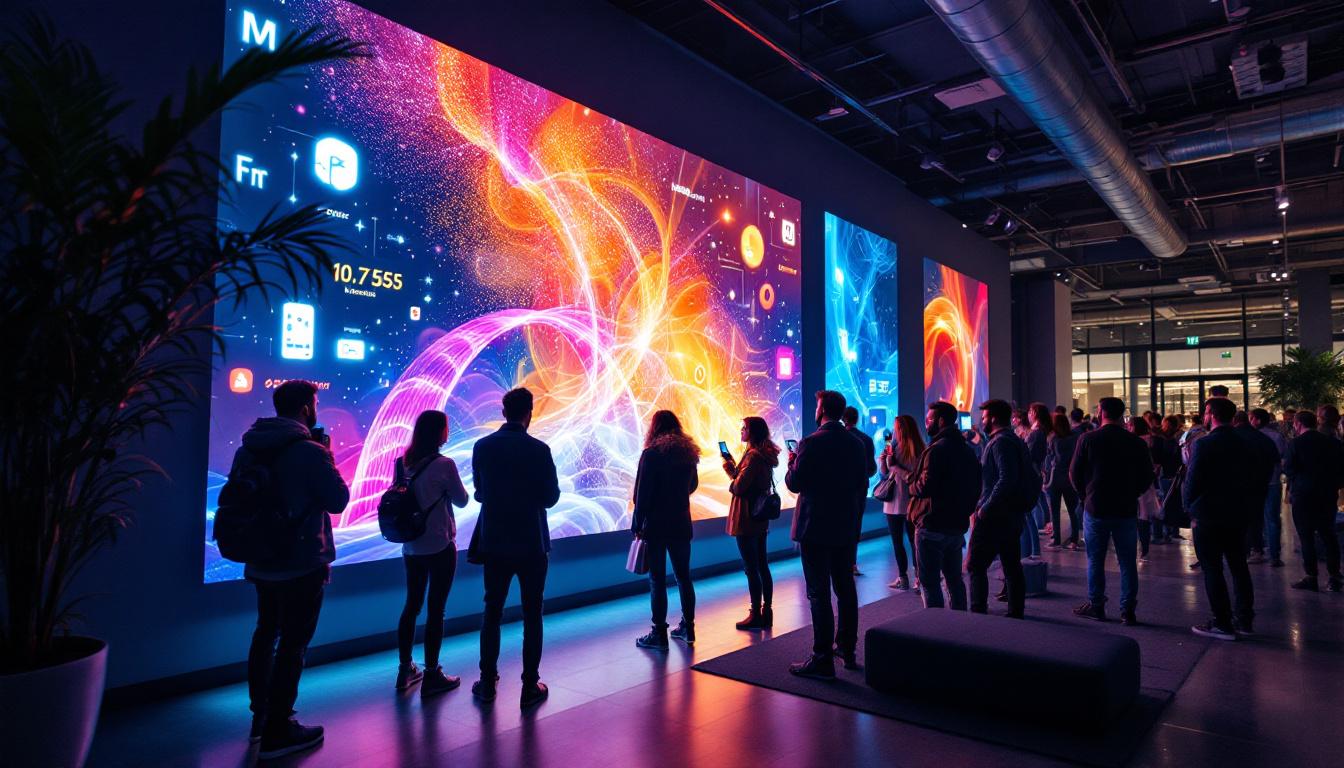
In today’s competitive retail and exhibition environments, creating an impactful and memorable customer experience is essential. Showrooms, whether for automobiles, electronics, fashion, or luxury goods, are increasingly turning to LED display technology to elevate their presentation and engage visitors more effectively. This article explores the fundamentals of LED displays, their advantages in showroom settings, and how businesses can leverage this technology to enhance brand storytelling and drive sales.
Understanding LED Display Technology
What Is an LED Display?
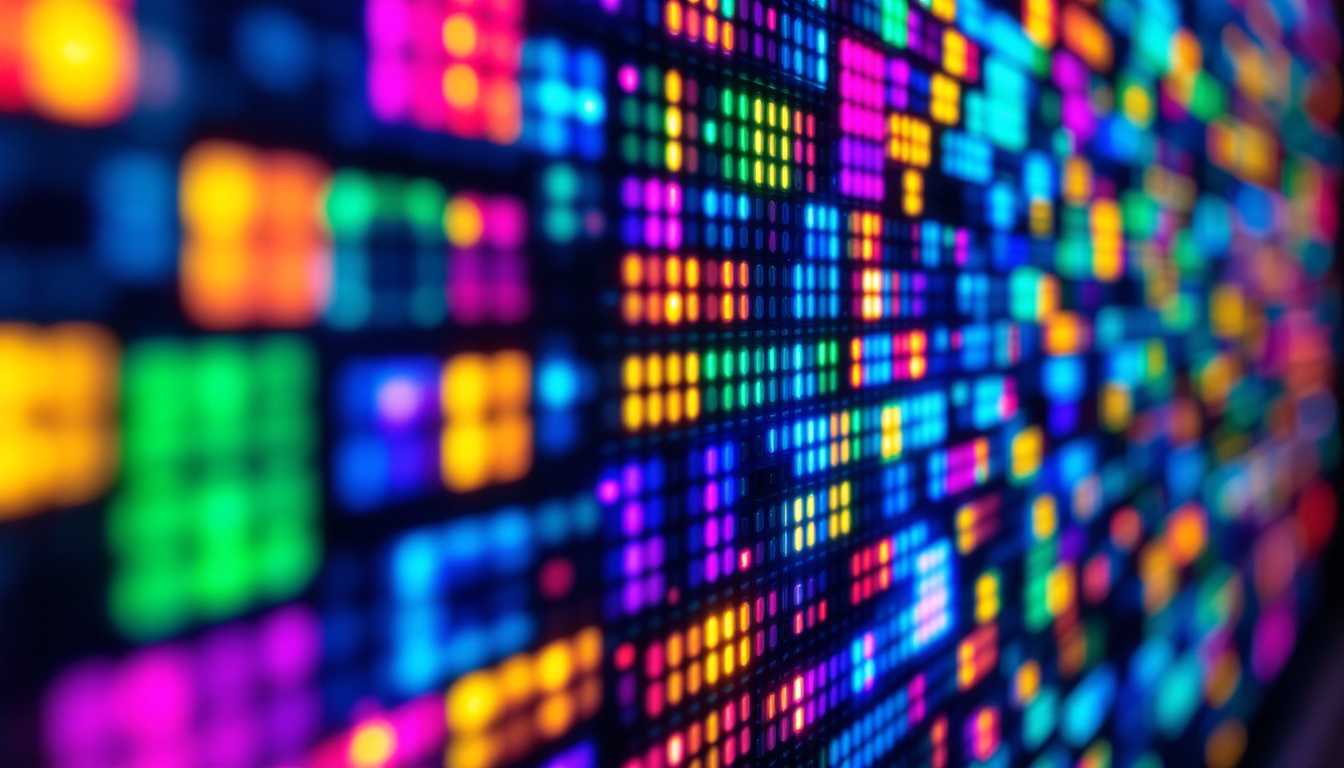
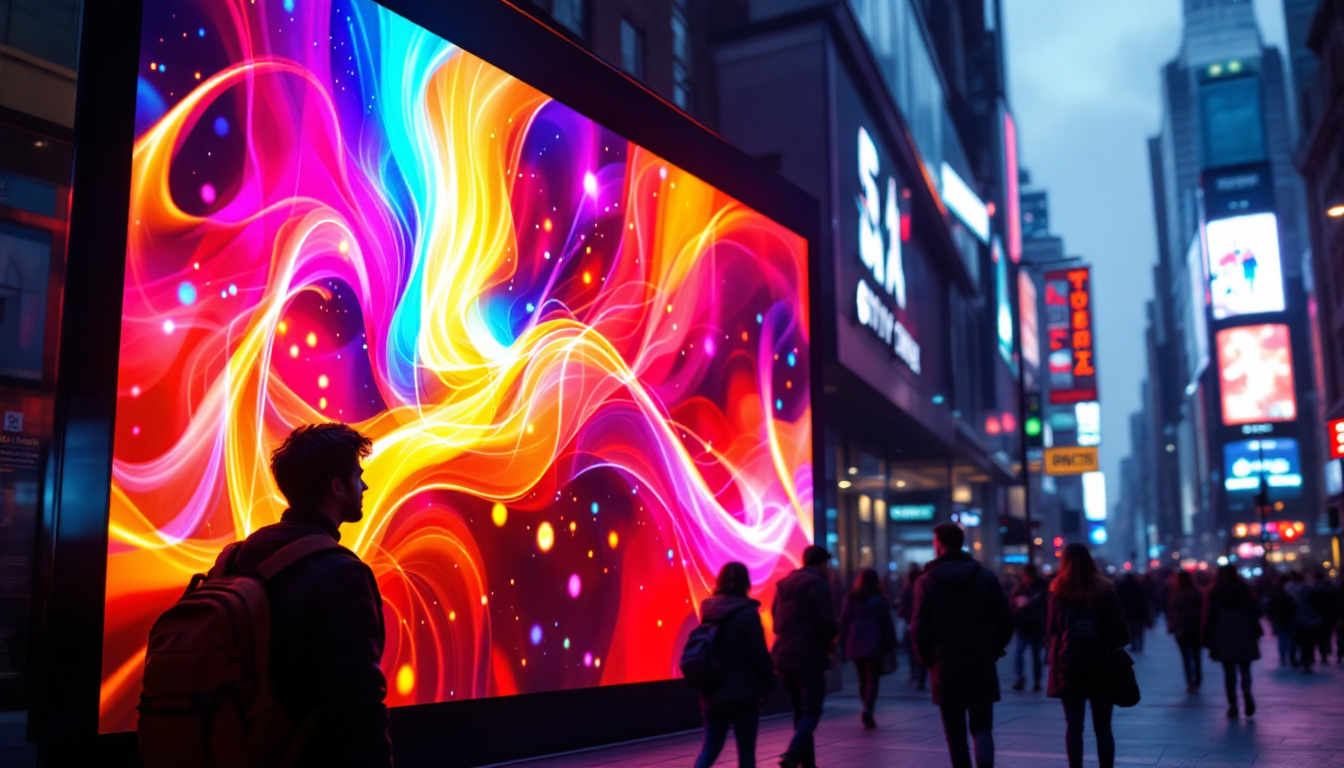
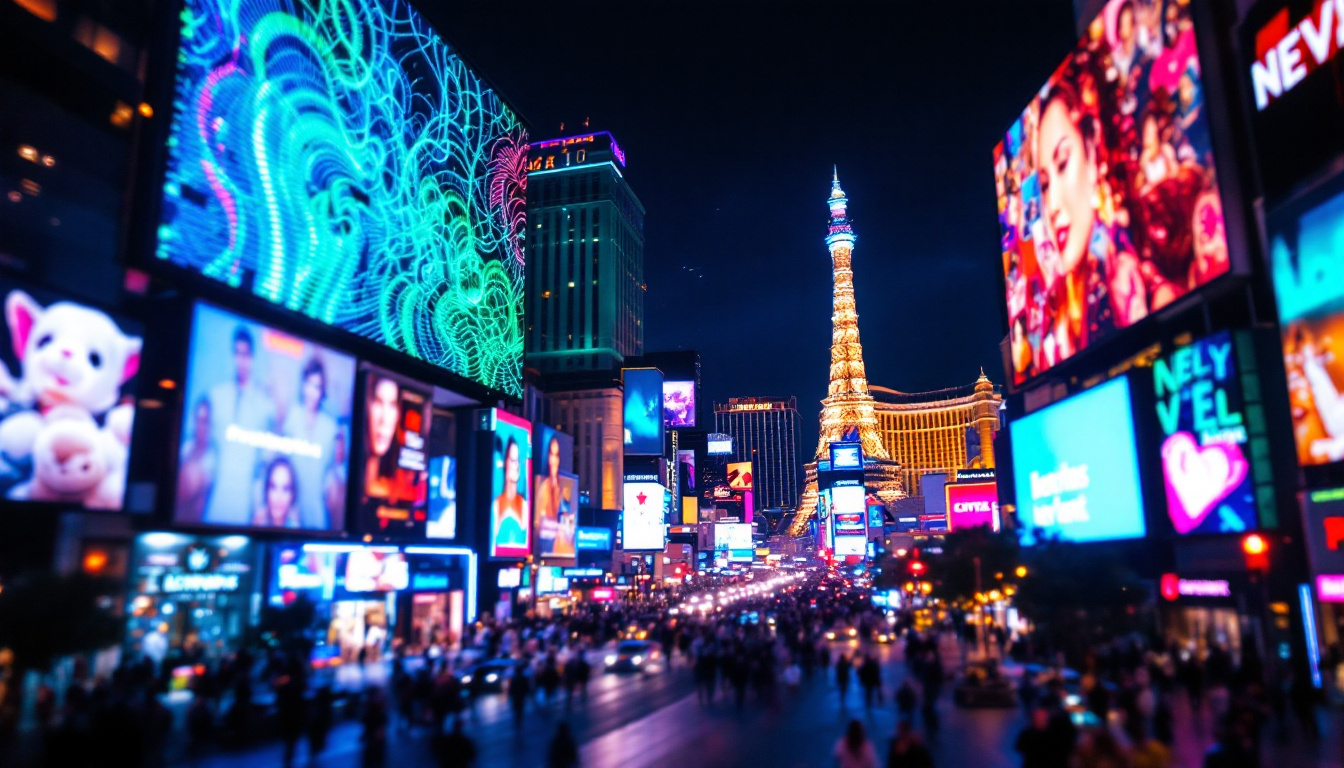
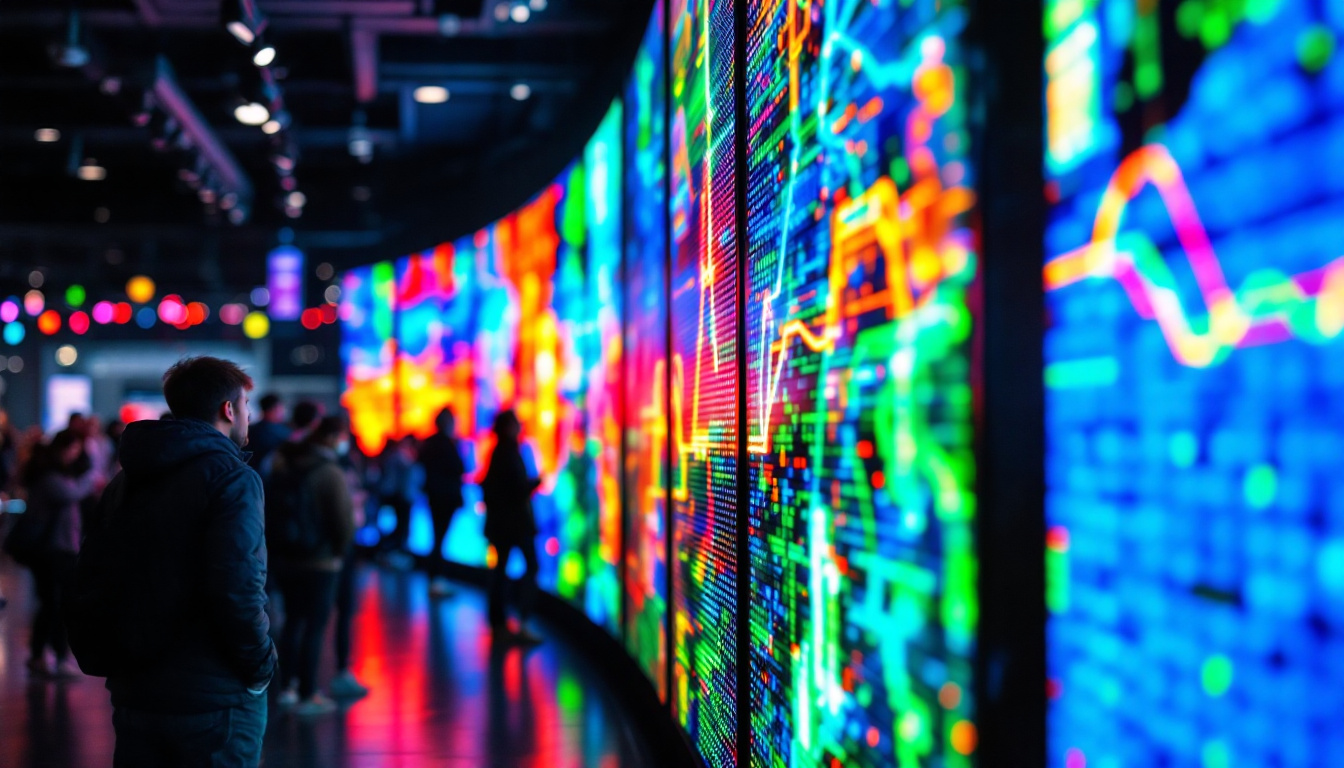
LED stands for Light Emitting Diode, a semiconductor device that emits light when an electric current passes through it. LED displays are screens composed of numerous tiny LEDs arranged in a grid to create images, videos, or text. Unlike traditional LCD or projection screens, LED displays generate their own light, resulting in brighter, more vivid visuals that are easily visible even in well-lit environments. This inherent brightness and clarity make LED displays particularly popular in high-traffic areas such as shopping malls, airports, and sports arenas, where they can capture attention and convey messages effectively.
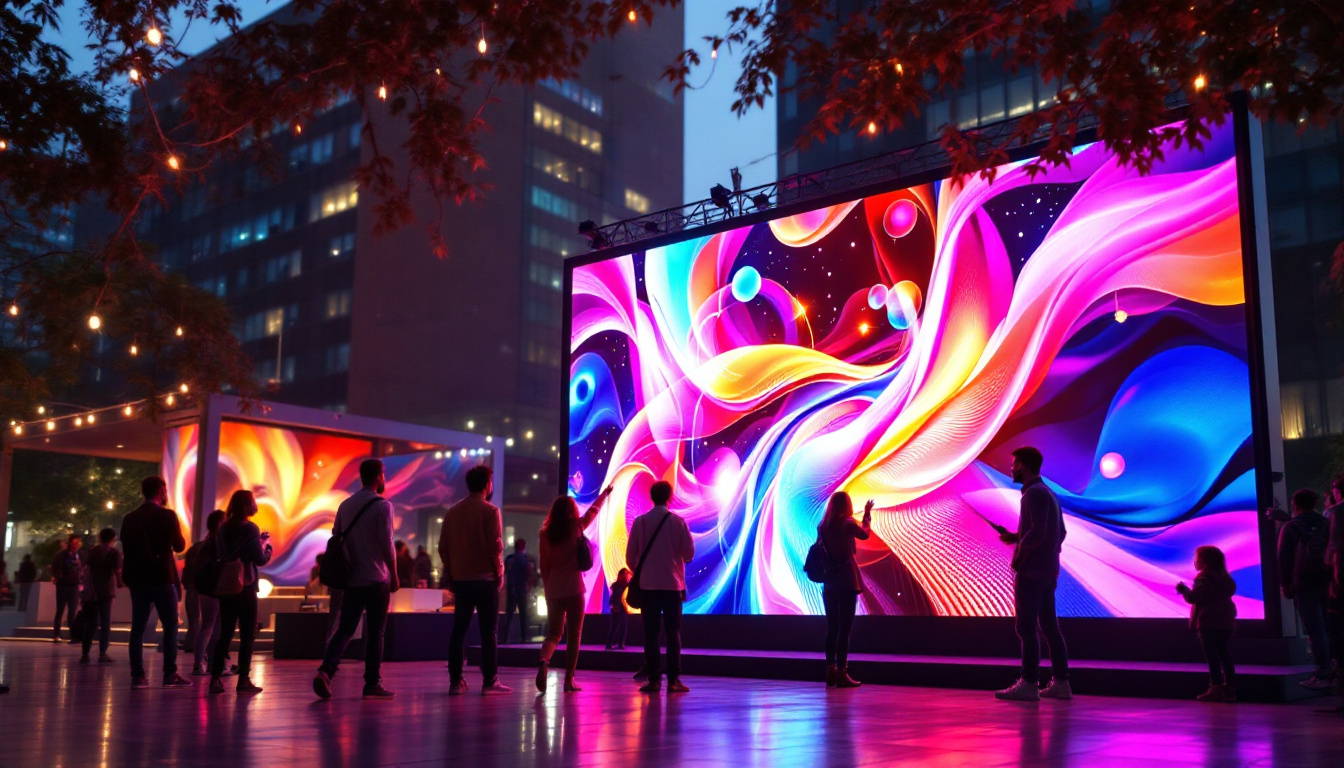
Modern LED displays come in various forms, including indoor and outdoor panels, flexible screens, and transparent LED glass. Their modular design allows for customization in size and shape, making them highly adaptable to different showroom layouts and design requirements. For instance, outdoor LED displays are often designed to withstand harsh weather conditions, featuring protective casings and enhanced brightness to combat sunlight glare. Meanwhile, flexible LED screens can be curved or shaped to fit unique architectural designs, offering creative possibilities for branding and advertising that were previously unattainable.
How Do LED Displays Work?
Each LED pixel in a display contains red, green, and blue diodes. By adjusting the intensity of these diodes, the display can produce a full spectrum of colors. The resolution of an LED display depends on the pixel pitch—the distance between individual LEDs. Smaller pixel pitches yield higher resolution and sharper images, which is critical for close-up viewing in showrooms. This technological advancement has enabled businesses to showcase their products in stunning detail, enhancing customer engagement and driving sales.
LED displays are controlled via specialized software that manages content playback, brightness, color calibration, and scheduling. This flexibility allows showroom managers to update content dynamically, tailoring messages to different audiences or times of day. Additionally, many modern LED systems support remote management, enabling operators to change displays from anywhere in the world. This capability is particularly beneficial for businesses with multiple locations, as it ensures consistent branding and messaging across all platforms. Furthermore, advancements in artificial intelligence are beginning to influence how content is displayed, allowing for more personalized advertisements based on customer demographics and behavior, creating a more immersive shopping experience.
Benefits of LED Displays in Showrooms
Enhanced Visual Impact and Engagement
One of the primary reasons showrooms adopt LED displays is their superior visual quality. LED screens offer high brightness levels—often exceeding 1,000 nits—which ensures content remains vivid and eye-catching even under strong ambient lighting. This capability is particularly important in showrooms with large windows or bright overhead lighting.
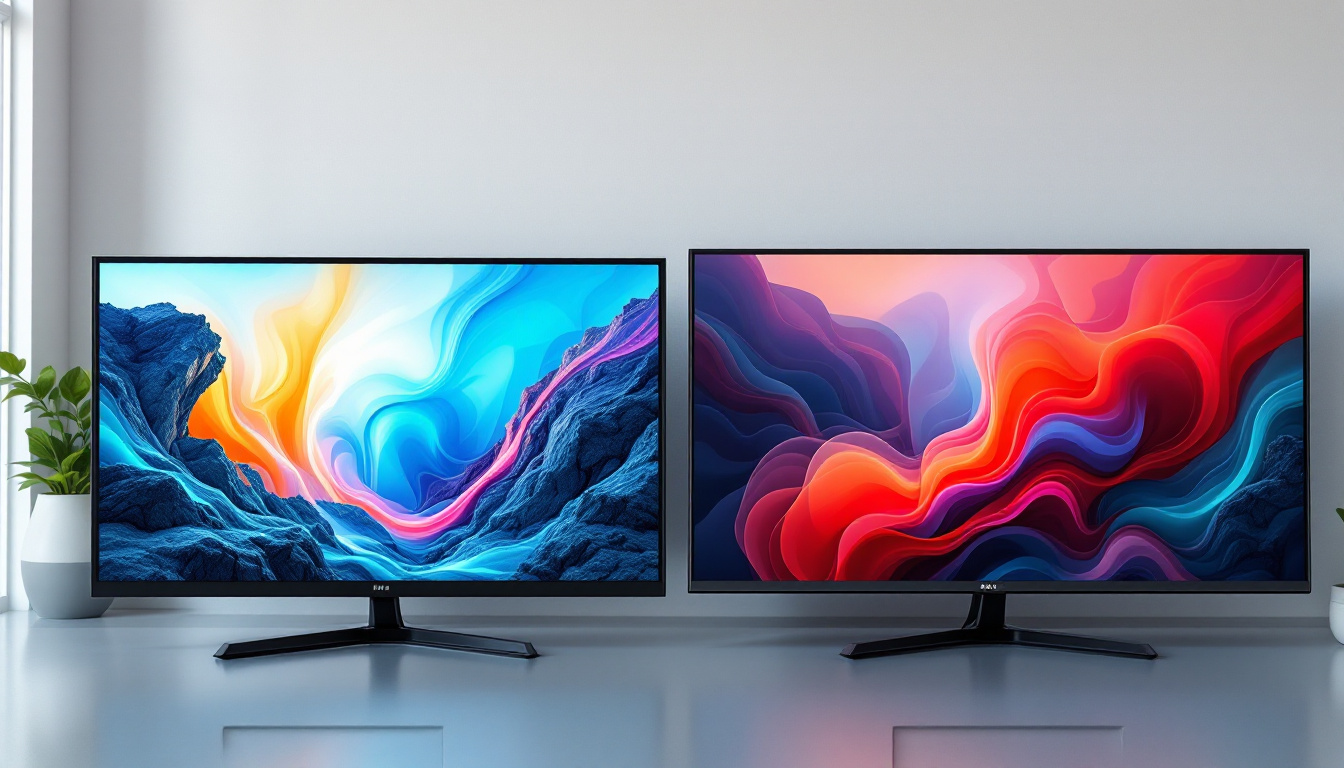
Additionally, the vibrant colors and high contrast ratios of LED displays capture attention more effectively than static signage or traditional screens. This impact helps brands communicate their message more powerfully, whether showcasing product features, promotional offers, or immersive brand stories. The dynamic nature of LED displays allows for the integration of animations and videos, further enhancing the storytelling aspect and creating a more engaging experience for potential customers. As shoppers navigate through a showroom, the ability to present information in an interactive format can significantly influence their purchasing decisions, making LED displays a crucial tool in modern retail strategies.
Flexibility and Customization
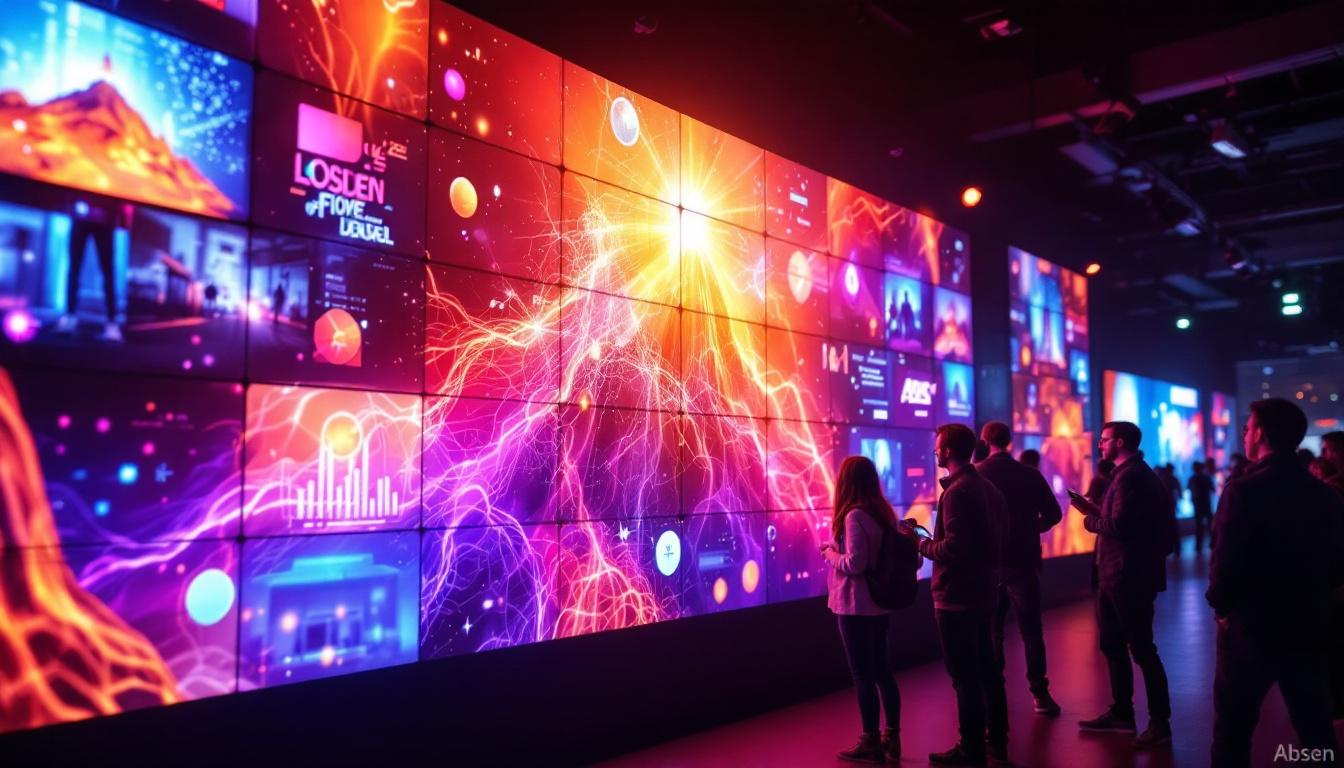
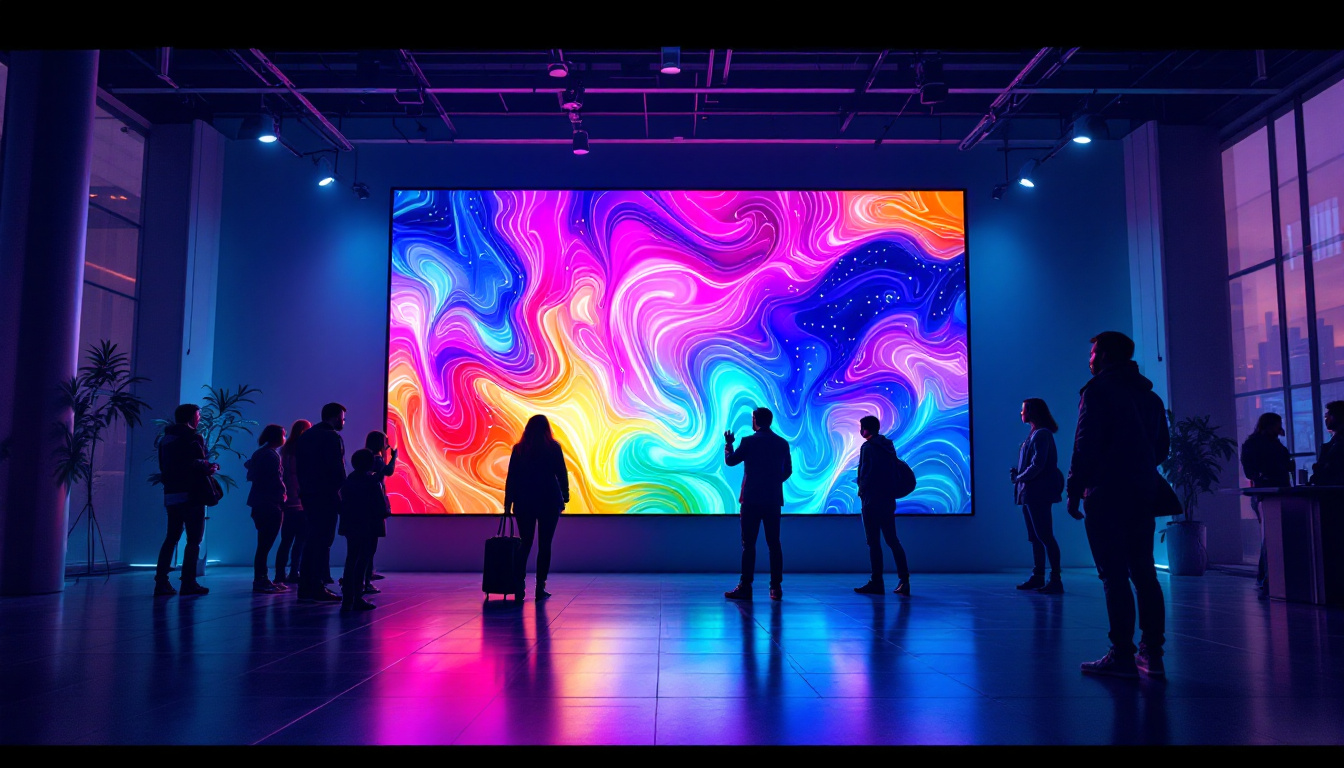
LED displays are highly versatile. They can be configured as large video walls, curved or irregular shapes, or even integrated into architectural elements like ceilings and floors. This adaptability allows showrooms to create unique environments that reinforce brand identity and enhance customer experience.
Moreover, content can be updated instantly and remotely, enabling showrooms to keep their messaging fresh and relevant. This is especially valuable for seasonal promotions, product launches, or interactive campaigns that require frequent content changes. The ability to tailor content to specific audiences or times of day can also improve customer engagement; for instance, a showroom might display different messages during peak shopping hours compared to quieter times. This level of customization not only maximizes the effectiveness of marketing efforts but also allows brands to respond quickly to market trends and consumer preferences, ensuring they remain competitive in a fast-paced retail landscape.
Durability and Energy Efficiency
Compared to other display technologies, LEDs are known for their longevity and energy efficiency. Typical LED modules have lifespans exceeding 50,000 hours, reducing maintenance costs and downtime. Their low power consumption also aligns with sustainability goals, an increasingly important consideration for modern businesses.
Robust construction and resistance to heat and humidity make LED displays suitable for various showroom environments, ensuring consistent performance over time. This durability not only translates to lower operational costs but also enhances the overall customer experience, as showrooms can rely on their displays to function flawlessly without the need for frequent replacements or repairs. Furthermore, the energy-efficient nature of LED technology contributes to a showroom’s green initiatives, appealing to environmentally conscious consumers. By showcasing a commitment to sustainability through the use of energy-efficient displays, brands can strengthen their reputation and foster a deeper connection with their audience, ultimately driving customer loyalty and enhancing brand value.
Applications of LED Displays in Showrooms
Product Highlighting and Demonstrations
LED displays enable dynamic product presentations that go beyond static displays or printed materials. For example, an automotive showroom can use a large LED video wall to showcase 360-degree views of vehicles, highlight technical specifications, or simulate driving experiences through immersive videos.
Similarly, electronics retailers can demonstrate product features in real time or display interactive tutorials, helping customers better understand the value of complex devices. This interactive engagement often leads to increased customer satisfaction and higher conversion rates.
Brand Storytelling and Atmosphere Creation
Showrooms are not just sales spaces; they are brand environments. LED displays help create immersive atmospheres that convey brand values and narratives. For instance, luxury fashion showrooms may use LED walls to project artistic visuals, runway footage, or behind-the-scenes content that deepens the emotional connection with customers.
By carefully curating content, brands can transform showrooms into experiential spaces that encourage longer visits and foster loyalty.
Interactive and Wayfinding Solutions
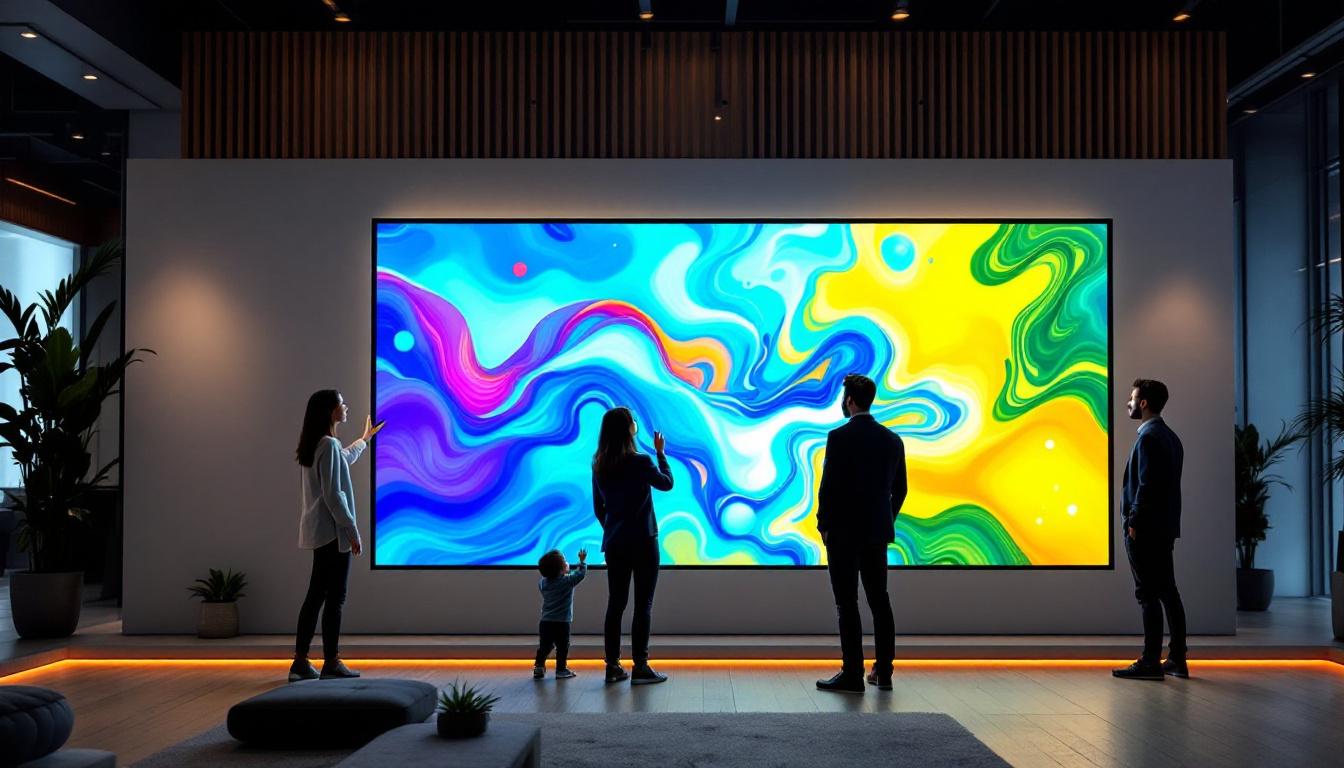
Interactive LED displays, such as touch-enabled video walls or kiosks, empower customers to explore product catalogs, customize options, or access detailed information independently. This self-service approach enhances the shopping experience and reduces the need for constant staff intervention.
Additionally, LED signage can be used for wayfinding, guiding visitors through large showroom complexes or directing them to featured displays and promotions. Clear digital signage improves navigation and overall visitor satisfaction.
Key Considerations When Choosing LED Displays for Showrooms
Resolution and Pixel Pitch
Choosing the right resolution is critical to ensure content clarity and visual appeal. For close viewing distances common in showrooms, a fine pixel pitch (typically 1.2mm to 2.5mm) is recommended to avoid visible pixelation. Larger pixel pitches may be acceptable for displays viewed from several meters away but can compromise image sharpness up close.
Brightness and Viewing Angles
Brightness levels should be sufficient to counteract ambient light without causing glare or discomfort. Most indoor showroom LED displays operate between 800 and 1,500 nits. Wide viewing angles (often 140° or more) ensure that content remains visible and consistent from multiple vantage points within the showroom.
Content Management Systems (CMS)
A robust CMS is essential for managing LED display content efficiently. Look for platforms that support scheduling, remote updates, multi-screen synchronization, and integration with other marketing tools. Ease of use and technical support availability are also important factors.
Installation and Maintenance
Consider the physical installation requirements, including mounting options, power supply, and ventilation. Modular LED panels facilitate easier installation and future scalability. Additionally, inquire about maintenance services and warranty terms to ensure long-term reliability.
Case Studies: Successful LED Display Implementations in Showrooms
Automotive Showroom Transformation
A leading car manufacturer revamped its flagship showroom by installing a curved 12-meter-wide LED video wall behind the reception area. The display showcased high-definition videos of new models, virtual test drives, and brand heritage content. This installation increased visitor engagement time by 35% and contributed to a 20% uplift in test drive bookings within six months.
Luxury Fashion Brand’s Immersive Experience
A luxury fashion retailer integrated transparent LED glass panels into its showroom windows, allowing passersby to see dynamic fashion shows and promotional content without obstructing natural light. The innovative use of transparent LED technology enhanced brand visibility and led to a 15% increase in foot traffic during the launch period.
Electronics Retailer’s Interactive Display
An electronics showroom deployed interactive LED kiosks that allowed customers to explore product specifications, compare models, and watch demonstration videos. This self-service solution reduced staff workload and improved customer satisfaction scores by 25%, as measured through post-visit surveys.
Future Trends in LED Displays for Showrooms
MicroLED and MiniLED Technologies
Emerging MicroLED and MiniLED technologies promise even higher brightness, better contrast, and improved energy efficiency. These advancements will enable ultra-thin, flexible, and more immersive displays, expanding creative possibilities for showroom design.
Integration with Augmented Reality (AR)
Combining LED displays with AR technology can create interactive and personalized experiences. For example, customers might see virtual product customizations or contextual information overlaid on physical products, enhancing engagement and decision-making.
AI-Driven Content Personalization
Artificial intelligence can analyze visitor behavior and preferences in real time to tailor LED display content dynamically. This personalization increases relevance and impact, making showroom visits more effective and memorable.
Conclusion
LED displays have become indispensable tools for modern showrooms aiming to captivate customers and communicate brand stories effectively. Their superior visual quality, flexibility, and durability make them ideal for a wide range of applications—from product demonstrations to immersive brand experiences. By carefully selecting the right LED technology and integrating it thoughtfully into showroom design, businesses can create compelling environments that drive engagement, enhance customer satisfaction, and ultimately boost sales.
As LED technology continues to evolve, showrooms that embrace these innovations will be well-positioned to stay ahead in an increasingly experience-driven retail landscape.
Discover the Future of Showroom Displays with LumenMatrix
Ready to transform your showroom into a dynamic and engaging space that captivates your audience? LumenMatrix is at the forefront of LED display innovation, offering a wide array of solutions tailored to your unique needs. From Indoor and Outdoor LED Wall Displays to specialized options like Vehicle, Sports, and Floor LED Displays, our cutting-edge technology is designed to enhance your brand’s visibility and create unforgettable visual experiences. Embrace the power of LED displays and revolutionize the way you communicate with your customers. Check out LumenMatrix LED Display Solutions today and step into the future of retail and exhibition environments.