In recent years, automotive technology has evolved rapidly, introducing innovative features that enhance safety, communication, and aesthetics. Among these advancements, the car rear window LED display has emerged as a notable innovation, combining cutting-edge LED technology with practical applications for drivers and pedestrians alike. This article delves into the world of car rear window LED displays, explaining what they are, how they work, their benefits, and considerations for their use.
Understanding Car Rear Window LED Displays
What Is a Car Rear Window LED Display?
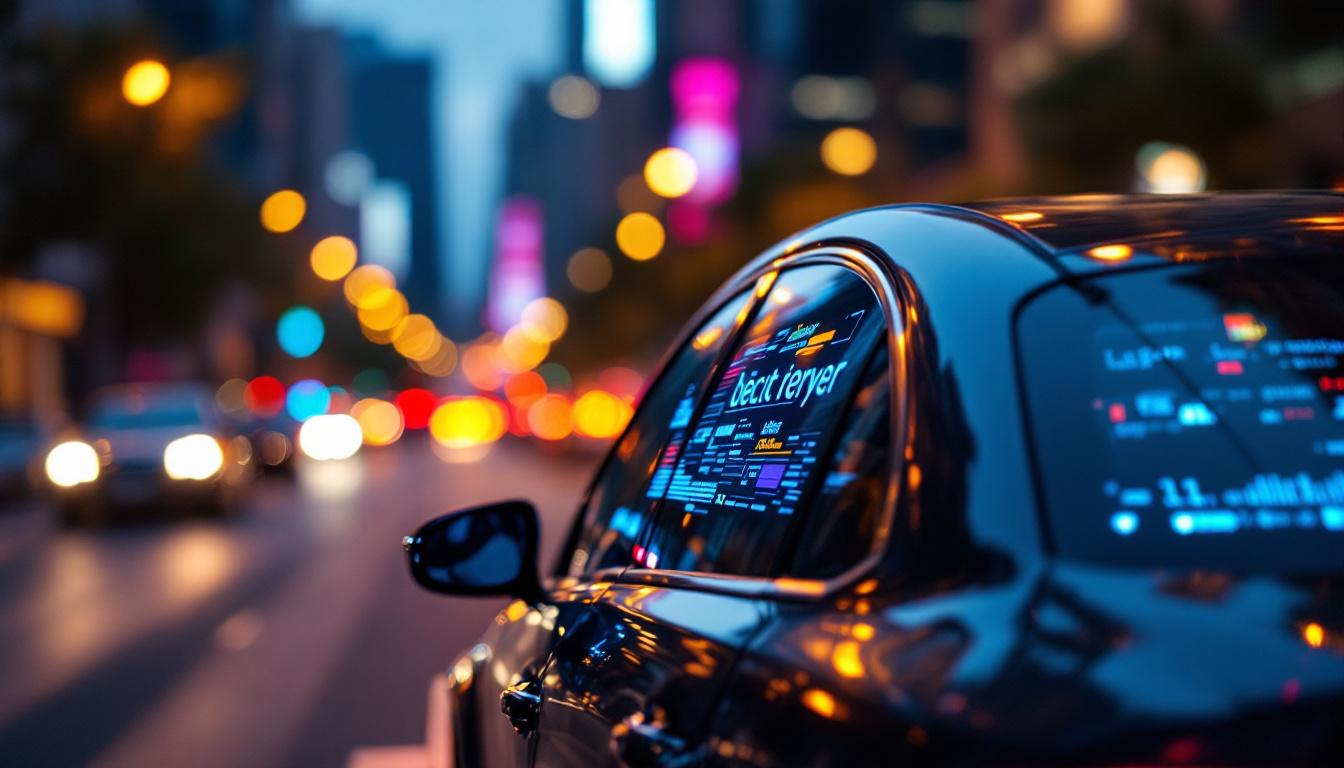
A car rear window LED display is an electronic panel integrated into or mounted on the rear window of a vehicle, utilizing light-emitting diode (LED) technology to display messages, symbols, or animations. These displays serve as dynamic communication tools, allowing drivers to convey information such as braking alerts, turn signals, or custom messages to other road users.
Unlike traditional static decals or stickers, LED displays can change content in real time, offering flexibility and enhanced visibility. They are typically programmable via smartphone apps or onboard vehicle systems, enabling users to customize the displayed content according to their preferences or situational needs. This adaptability is particularly beneficial for rideshare drivers, who can display their availability status or for delivery drivers, who can communicate important information to pedestrians and other vehicles, enhancing safety and efficiency on the road.
The Technology Behind LED Displays
LEDs are semiconductor devices that emit light when an electric current passes through them. Their advantages include high brightness, low power consumption, long lifespan, and fast response times. These characteristics make LEDs ideal for automotive displays, which require clear visibility under various lighting conditions and minimal impact on the vehicle’s electrical system.
Car rear window LED displays consist of arrays of tiny LEDs arranged in a grid. Each LED acts as a pixel, and by controlling the brightness and color of each pixel, the display can render text, symbols, or animations. Modern systems often use full-color RGB LEDs, enabling vibrant and eye-catching displays that can be seen clearly during the day or night. Additionally, many of these displays are designed to be weather-resistant, ensuring that they can withstand rain, snow, and extreme temperatures without compromising functionality. This durability is essential for maintaining consistent communication on the road, regardless of environmental conditions.
Moreover, advancements in technology have led to the development of smart LED displays that can integrate with vehicle sensors. For instance, these displays can automatically show a warning message when the vehicle is braking suddenly or when a hazard is detected nearby. This integration not only enhances safety but also contributes to a more intuitive driving experience, as the display adapts to real-time driving conditions. As the automotive industry continues to evolve, the potential applications for rear window LED displays are expanding, promising even more innovative features that could redefine how drivers interact with their surroundings.
Applications and Benefits of Rear Window LED Displays
Enhancing Road Safety
One of the primary motivations behind rear window LED displays is improving road safety. Traditional brake lights and turn signals provide essential information but are limited in the amount of detail they can convey. LED displays can supplement these signals with additional context, such as “Slowing Down,” “Emergency Stop,” or “Hazard Ahead.”
According to a 2022 study by the National Highway Traffic Safety Administration (NHTSA), enhanced vehicle-to-driver communication can reduce rear-end collisions by up to 15%. By offering clearer and more explicit warnings, LED displays help reduce reaction times for following drivers, potentially preventing accidents. Moreover, these displays can also be programmed to flash in specific patterns during adverse weather conditions, such as heavy rain or fog, further enhancing visibility and alerting drivers to potential hazards on the road.
In addition to their safety benefits, rear window LED displays can also serve as a communication tool for emergency vehicles. For instance, ambulances or fire trucks can utilize these displays to convey critical messages to other drivers, such as “Yield” or “Emergency Vehicle Approaching.” This capability can streamline traffic flow in emergency situations, ensuring that first responders reach their destinations as quickly as possible, ultimately saving lives.
Custom Messaging and Personalization
Beyond safety, many drivers appreciate the ability to personalize their vehicles. Rear window LED displays offer a platform for custom messages, from humorous quotes to seasonal greetings. This feature appeals to car enthusiasts and businesses alike, as it allows for creative expression or advertising opportunities.
For example, rideshare drivers can use LED displays to show their name or “Welcome” messages, enhancing passenger experience. Similarly, delivery vehicles can display real-time updates such as “Package Delivered” or “Returning Soon,” improving communication with customers. This level of personalization not only fosters a connection between drivers and passengers but also creates a more engaging atmosphere, making rideshare experiences feel more tailored and welcoming.
Additionally, families can use these displays to share fun messages or milestones, such as “Happy Birthday!” or “Just Married!” This personal touch can turn a simple vehicle into a moving celebration, allowing families to share their joy with the community. The versatility of these displays means that they can be changed frequently, keeping the content fresh and relevant, which is particularly appealing for those who enjoy expressing their personality through their vehicles.
Advertising and Commercial Use
Businesses have recognized the potential of rear window LED displays as mobile advertising platforms. With the ability to update messages remotely and display dynamic content, companies can promote products, services, or events effectively while on the move.
Market research indicates that digital signage on vehicles can increase brand recall by up to 30% compared to static ads. This makes LED displays a cost-effective marketing tool, especially for small and medium-sized enterprises looking to maximize visibility without investing in traditional billboard space. The adaptability of these displays allows businesses to tailor their messages in real-time, responding to current trends, promotions, or local events, thereby engaging potential customers more effectively.
Moreover, the integration of GPS technology with rear window LED displays can enhance advertising strategies even further. Businesses can target specific neighborhoods or events, displaying tailored messages that resonate with local audiences. For instance, a food truck could advertise its menu items or special deals as it approaches a busy park during lunchtime, capturing the attention of potential customers at just the right moment. This level of precision in advertising not only increases the effectiveness of campaigns but also fosters a sense of community engagement, as local businesses can connect with their customer base in meaningful ways.
Installation and Integration Considerations
Types of LED Displays for Rear Windows
There are two main types of rear window LED displays: integrated and attachable. Integrated displays are built directly into the vehicle’s rear window during manufacturing or professional retrofitting. These offer a seamless look and often better durability but require significant installation effort and cost.
Attachable displays, on the other hand, are aftermarket products that can be mounted onto existing rear windows using suction cups, adhesives, or brackets. They are more affordable and easier to install but may be less durable and could obstruct rear visibility if not properly designed.
Legal and Safety Regulations
Before installing a rear window LED display, it’s essential to consider local traffic laws and regulations. In many jurisdictions, modifications that impair driver visibility or distract other drivers are prohibited. Some regions have specific rules governing the color, brightness, and content of vehicle-mounted displays.
For example, in the United States, the Federal Motor Vehicle Safety Standards (FMVSS) regulate lighting and signaling devices on vehicles. While LED displays used as supplementary signals may be allowed, those displaying advertising or non-safety messages might face restrictions. Vehicle owners should consult their local Department of Motor Vehicles (DMV) or equivalent authority to ensure compliance.
Power Supply and Connectivity
Rear window LED displays require a reliable power source, typically drawing electricity from the vehicle’s battery. Integrated systems are wired into the car’s electrical system, while attachable units may use rechargeable batteries or connect via the vehicle’s 12V outlet.
Connectivity is another important factor. Many modern LED displays offer Bluetooth or Wi-Fi connections, enabling users to update messages through smartphone apps. This convenience allows for quick changes without needing to physically access the display, enhancing usability and safety.
Challenges and Future Prospects
Visibility and Weather Conditions
While LED displays are generally bright and clear, their effectiveness can be influenced by weather conditions such as heavy rain, fog, or snow. Glare from sunlight or reflections on the rear window may also affect readability. Manufacturers continue to improve display technologies, incorporating anti-glare coatings and adaptive brightness controls to address these challenges.
Cost and Maintenance
The initial cost of high-quality rear window LED displays can be a barrier for some consumers. Integrated systems, in particular, may involve significant installation expenses. Additionally, maintenance is required to ensure the display remains functional and visible, including cleaning the rear window and checking electrical connections.
However, as LED technology becomes more widespread and affordable, prices are expected to decrease. Advances in flexible and transparent LED panels may also enable more aesthetically pleasing and easier-to-install solutions in the near future.
Integration with Advanced Driver Assistance Systems (ADAS)
The future of car rear window LED displays is likely to involve deeper integration with vehicle electronics and ADAS. For instance, displays could automatically show warnings based on sensor data, such as “Slippery Road Ahead” or “Emergency Vehicle Approaching.”
Such integration would enhance the proactive communication between vehicles and their surroundings, contributing to the broader vision of connected and autonomous driving ecosystems. This could lead to safer roads and more efficient traffic management.
Conclusion
Car rear window LED displays represent a fascinating intersection of technology, safety, and personalization in the automotive world. By leveraging the advantages of LED technology, these displays provide dynamic communication tools that can improve road safety, offer customization options, and serve commercial purposes.
While challenges related to cost, legal regulations, and environmental factors remain, ongoing innovations promise to make these displays more accessible and effective. As vehicles become increasingly connected and intelligent, rear window LED displays are poised to play a significant role in the future of automotive communication.
For drivers considering this technology, it is important to weigh the benefits against potential drawbacks and ensure compliance with local laws. When implemented thoughtfully, car rear window LED displays can enhance both the driving experience and road safety for everyone.
Discover LumenMatrix’s Advanced LED Display Solutions
Ready to elevate your vehicle’s communication capabilities and road safety with the latest in LED display technology? Look no further than LumenMatrix. Our extensive range of innovative LED display modules, including the versatile Vehicle LED Display, is designed to deliver exceptional visibility and dynamic visual experiences. Whether for personalization, safety enhancements, or commercial advertising, LumenMatrix provides the cutting-edge solutions you need to make a lasting impact. Check out LumenMatrix LED Display Solutions today and transform your vehicle into a beacon of connectivity and engagement.