With the rapid advancement in display technology, 4K video has become a standard for delivering ultra-high-definition content. Whether it’s for home entertainment, digital signage, or professional broadcasting, understanding the size and resolution of 4K video is crucial. This article dives deep into the concept of 4K video size, focusing specifically on LED displays, their characteristics, and what makes them ideal for showcasing 4K content.
What Is 4K Video?
4K video refers to a resolution standard that offers approximately 4,000 pixels across the horizontal axis. More precisely, the most common 4K resolution is 3840 x 2160 pixels, which is four times the pixel count of Full HD (1920 x 1080 pixels). This higher pixel density results in sharper images, greater detail, and a more immersive viewing experience. The clarity provided by 4K video is particularly beneficial for large screens, where the individual pixels of lower resolutions can become noticeable, detracting from the overall visual experience.
In terms of data size, 4K video files are significantly larger than lower resolution videos due to the increased pixel count and quality. This has implications for storage, bandwidth, and processing power, especially when dealing with high frame rates or HDR content. Streaming services have adapted to this demand by offering various compression techniques to deliver 4K content efficiently, but viewers often require a robust internet connection to fully enjoy the benefits of ultra-high-definition video without buffering interruptions.
Why 4K Matters for LED Displays
LED displays have become a popular choice for 4K video playback because of their brightness, contrast, and color accuracy. Unlike traditional LCDs, LED displays use light-emitting diodes as pixels, which can be turned on or off individually, allowing for deeper blacks and more vibrant colors. This makes them particularly well-suited for displaying the fine details and vivid colors that 4K video offers. The ability to achieve high dynamic range (HDR) in LED displays further enhances the viewing experience, bringing out subtleties in shadows and highlights that would be lost in lower-quality formats.
Moreover, LED technology scales well to larger screen sizes without losing image quality, which is essential for applications like digital billboards, stadium screens, and large conference displays. The flexibility of LED panels allows for creative installations, such as curved or irregularly shaped screens, which can captivate audiences in ways that traditional displays cannot. Additionally, advancements in LED technology, such as mini-LED and micro-LED, are pushing the boundaries of what is possible in display technology, promising even greater color accuracy and contrast ratios for future 4K content.
Understanding the Physical Size and Resolution of 4K LED Displays
When discussing the size of 4K video on an LED display, it’s important to differentiate between physical screen size and resolution. The resolution (3840 x 2160 pixels) remains constant regardless of the physical dimensions of the display. However, the physical size affects pixel density, which influences image sharpness and viewing distance.
Pixel Pitch and Its Impact
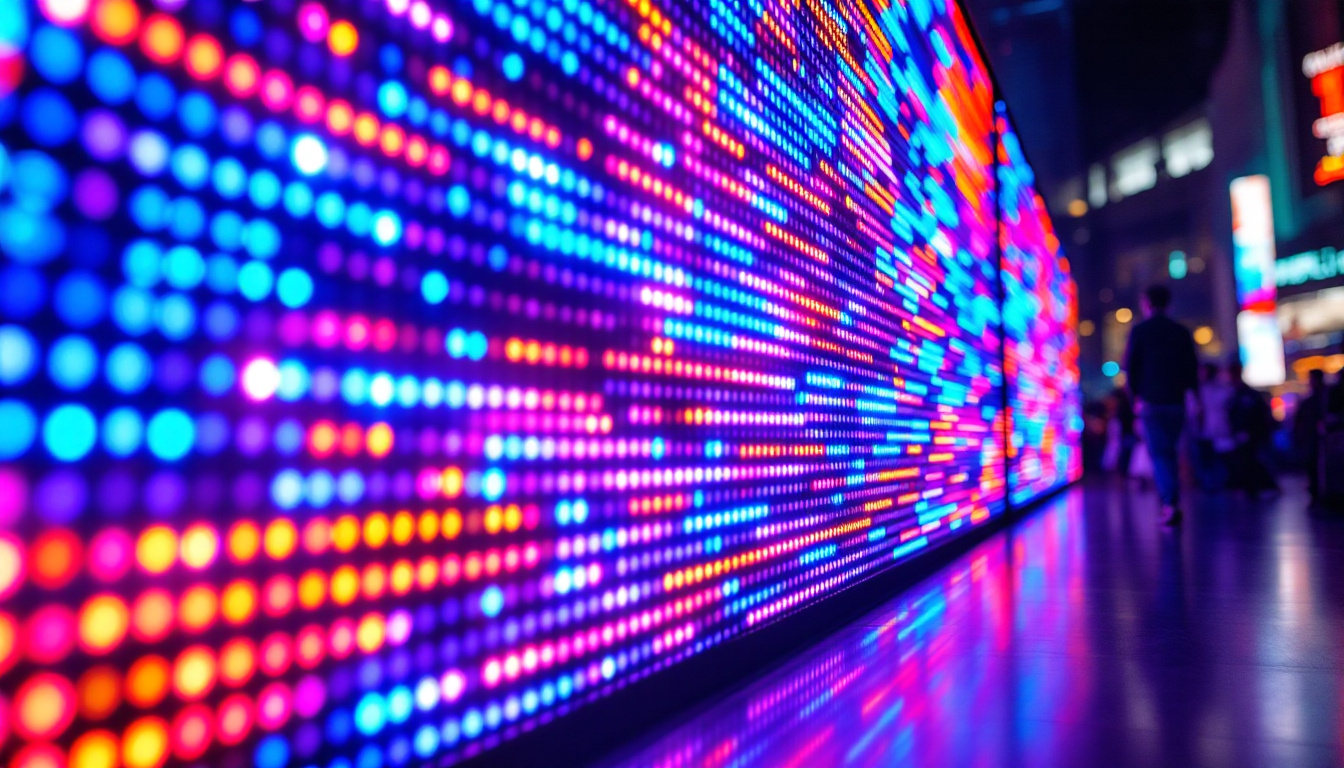
Pixel pitch is the distance from the center of one LED pixel to the center of the next. It is measured in millimeters and plays a critical role in determining the clarity of the image on an LED display. Smaller pixel pitches mean more pixels per inch, resulting in a sharper image.
For example, a 4K LED display with a pixel pitch of 1.2mm will have a much higher pixel density than one with a 4mm pitch. The former is suitable for close viewing distances, such as indoor applications, while the latter is more appropriate for large outdoor displays where viewers are farther away.
Screen Size Examples for 4K LED Displays
To put this into perspective, consider a 4K LED display with a 1.5mm pixel pitch. The physical dimensions for a 3840 x 2160 resolution would be approximately 5.76 meters wide by 3.24 meters high. This size is ideal for venues like conference halls or large retail environments where viewers are relatively close.
On the other hand, a 4K LED display with a 4mm pixel pitch would measure roughly 15.36 meters wide by 8.64 meters high, making it suitable for stadiums or outdoor advertising where the audience is much farther away.
Moreover, the choice of pixel pitch not only affects the visual quality but also the overall cost of the display. Displays with smaller pixel pitches tend to be more expensive due to the increased number of LEDs required to achieve higher pixel density. This factor is crucial for businesses and organizations when budgeting for large-scale installations. Additionally, the environment in which the display will be used can dictate the optimal pixel pitch; for instance, venues with high ambient light may require displays with enhanced brightness and contrast, further influencing the selection process.
Another aspect to consider is the aspect ratio of the display, which can also impact the viewing experience. Most 4K displays maintain a 16:9 aspect ratio, which is ideal for traditional video content. However, some applications may benefit from wider or taller formats, such as 32:9 or 21:9, especially in immersive environments like gaming or cinematic presentations. These variations can enhance the viewer’s experience by providing a more engaging and enveloping visual field, making it essential to evaluate the intended use of the display when selecting the appropriate specifications.
File Size and Bandwidth Considerations for 4K Video on LED Displays
Aside from physical screen size and resolution, the size of 4K video files and the bandwidth required to stream or display them are critical factors, especially for LED displays used in commercial or professional settings.
Estimating 4K Video File Sizes
The size of a 4K video file depends on several factors including bitrate, frame rate, compression format, and video length. For example, a 4K video encoded with the H.264 codec at 30 frames per second (fps) and a bitrate of around 35 Mbps will consume roughly 262.5 megabytes per minute.
Using more efficient codecs like H.265 (HEVC) can reduce file sizes by up to 50% while maintaining similar quality, making it a popular choice for 4K content delivery on LED displays where bandwidth may be limited.
Bandwidth Requirements for Streaming 4K Content
Streaming 4K video to LED displays, especially large-scale installations, demands robust network infrastructure. A stable internet connection with at least 25 Mbps per stream is generally recommended for smooth playback at 4K resolution. For multi-screen setups or video walls, this requirement multiplies accordingly.
Many commercial LED display systems incorporate specialized video processors and media players that optimize video playback and manage bandwidth efficiently, ensuring seamless 4K content delivery even in challenging environments.
Applications of 4K LED Displays
The combination of 4K resolution and LED technology has unlocked numerous applications across various industries. Understanding these use cases helps clarify why size and video quality matter so much.
Digital Signage and Advertising
High-resolution 4K LED displays are increasingly used in digital signage to capture attention with crisp visuals and vibrant colors. From Times Square billboards to retail storefronts, these displays deliver dynamic content that stands out in crowded environments.
The ability to display detailed 4K video content ensures that advertisements are visually impactful, enhancing brand messaging and customer engagement.
Broadcast and Live Events
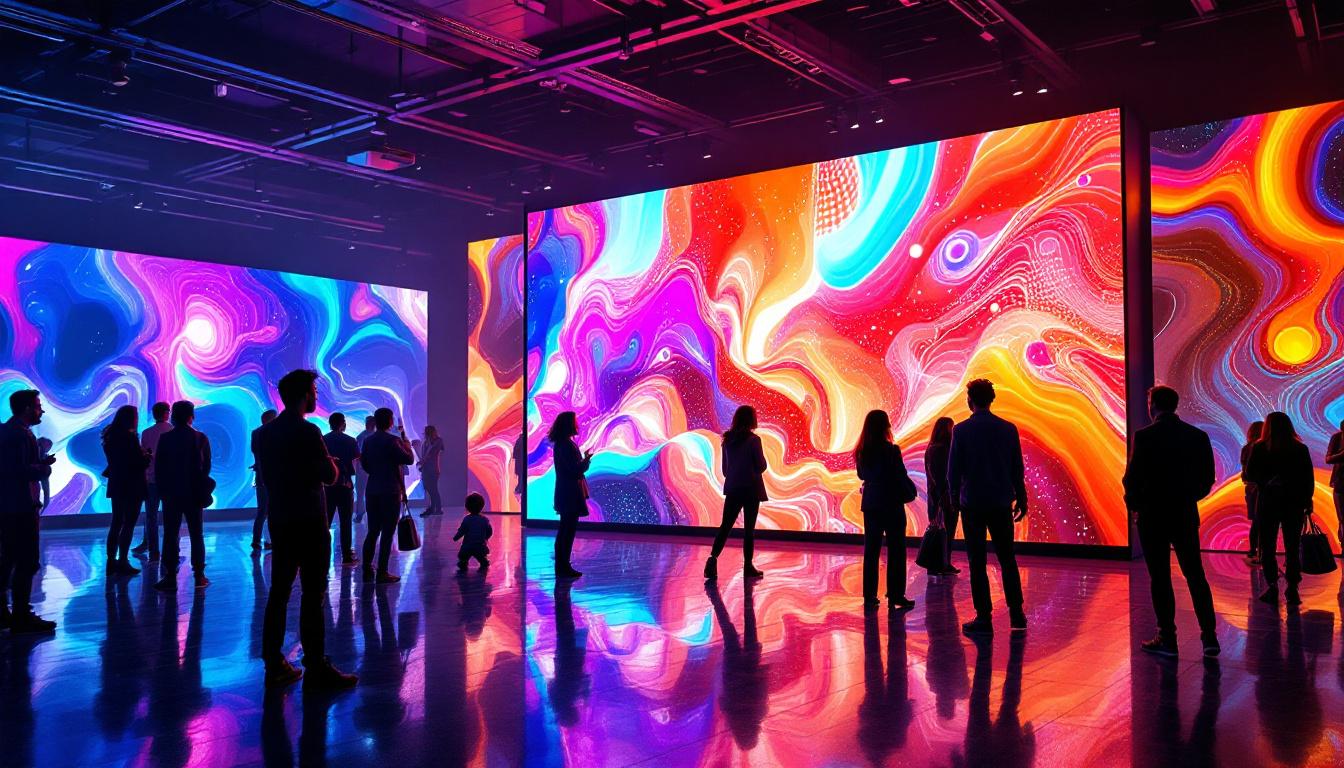
In live event production, 4K LED video walls provide immersive backdrops and real-time content display. Concerts, sports arenas, and conferences benefit from the high resolution and brightness of LED displays, which can be scaled to massive sizes without sacrificing image quality.
These displays support complex video feeds and graphics, making them essential tools for modern event production teams aiming to deliver unforgettable experiences.
Home Theater and Consumer Electronics
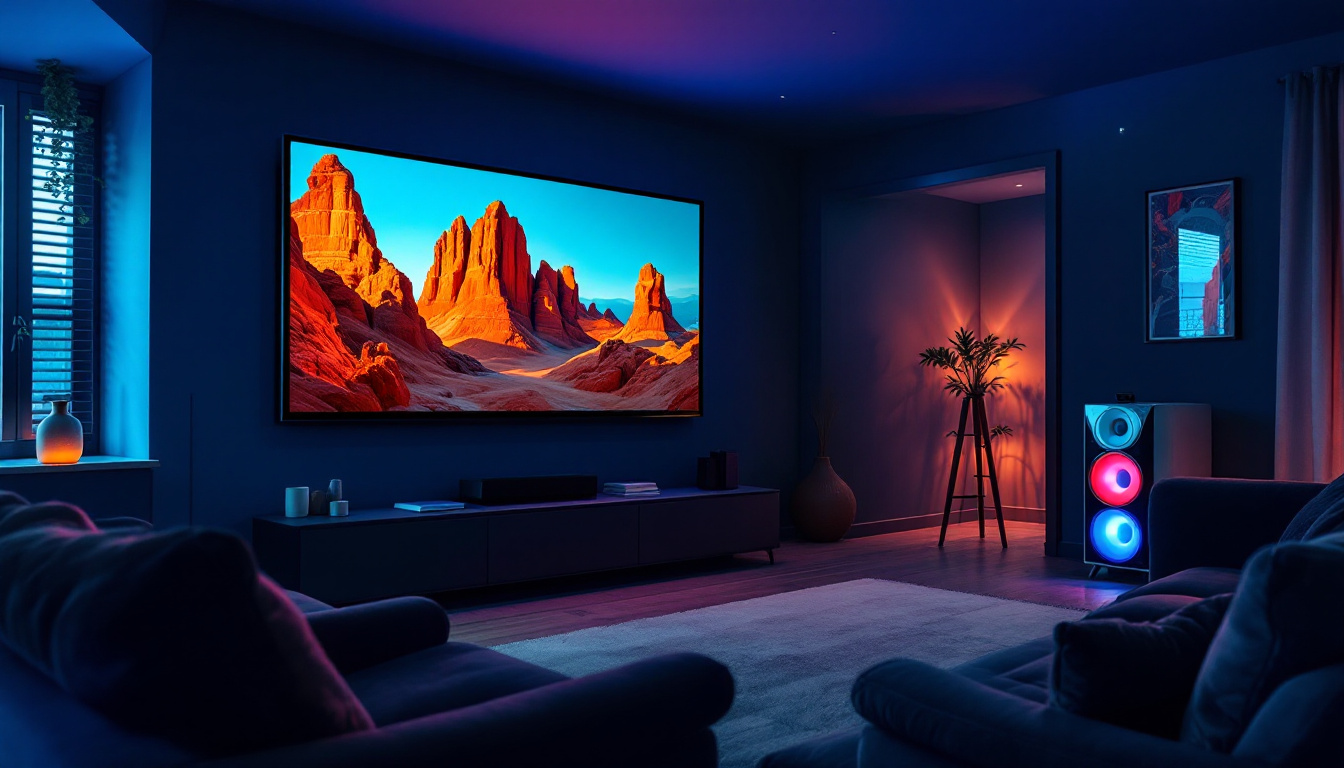
While LED displays are often associated with commercial use, consumer-grade 4K LED TVs have become widely accessible. These displays offer superior picture quality for home theaters, gaming, and streaming, allowing users to enjoy 4K content with stunning clarity and color accuracy.
Advancements in LED backlighting and panel technology continue to improve the viewing experience, making 4K LED TVs a popular choice for consumers upgrading their entertainment setups.
Future Trends in 4K LED Display Technology
The evolution of 4K LED displays is ongoing, with several trends poised to shape the future of this technology.
Higher Resolutions and Pixel Density
As consumer and commercial demand grows, manufacturers are pushing beyond 4K to 8K and even higher resolutions. This progression requires even smaller pixel pitches and more advanced LED modules to maintain image quality at larger sizes.
While 8K content is still emerging, the infrastructure and display technology are rapidly advancing to support it, promising even more lifelike visuals in the near future.
Improved Energy Efficiency and Sustainability
LED technology is inherently energy-efficient, but ongoing innovations aim to reduce power consumption further. This is especially important for large-scale LED installations that operate continuously, such as outdoor advertising and public displays.
Eco-friendly manufacturing processes and recyclable materials are also becoming priorities, aligning LED display technology with global sustainability goals.
Integration with AI and Smart Technologies
Smart LED displays equipped with AI-driven content management and adaptive brightness controls are becoming more common. These features optimize video playback based on ambient conditions and audience engagement, enhancing both performance and user experience.
Such intelligent systems are particularly valuable in dynamic environments like retail stores and transportation hubs, where content must be relevant and visually effective at all times.
Conclusion
Understanding the size of 4K video in the context of LED displays involves more than just pixel count. It encompasses physical screen dimensions, pixel pitch, video file size, and bandwidth considerations. LED displays’ unique properties make them an excellent match for 4K content, offering superior brightness, color accuracy, and scalability.
Whether for commercial advertising, live events, or home entertainment, 4K LED displays provide a visually stunning experience that continues to evolve with technological advancements. As resolutions increase and smart features become standard, the future of 4K LED display technology promises even greater immersion and efficiency.
Explore Cutting-Edge 4K LED Display Solutions
Ready to elevate your visual experience with the latest in 4K LED display technology? Look no further than LumenMatrix, a pioneer in crafting LED displays that bring your content to life with unparalleled brightness and color accuracy. From immersive indoor and outdoor environments to dynamic vehicle and sports displays, LumenMatrix offers a comprehensive range of solutions tailored to your needs. Discover how our innovative LED Poster Displays, Floor LED Displays, and Custom LED solutions can transform your space and captivate your audience. Check out LumenMatrix LED Display Solutions today and join the revolution in visual communication.