In today’s fast-evolving digital landscape, LED displays have become a cornerstone technology for communication, advertising, and information sharing. From massive outdoor billboards to intricate indoor signage, LED displays offer unparalleled brightness, clarity, and versatility. The Slp Tool Kit, a comprehensive suite designed for LED display management and optimization, is gaining traction among professionals who seek to maximize the potential of these dynamic screens.
This article delves into the fundamental aspects of LED displays, explores the features and benefits of the Slp Tool Kit, and highlights practical applications and best practices for users. Whether you are a display technician, a marketing professional, or a technology enthusiast, understanding how LED displays work and how to leverage tools like the Slp Tool Kit can significantly enhance your projects and outcomes.
Understanding LED Displays: Technology and Types
What is an LED Display?
LED stands for Light Emitting Diode, a semiconductor device that emits light when an electric current passes through it. LED displays are composed of numerous tiny LEDs arranged in a matrix to form images, text, or video content. Unlike traditional LCD or projection displays, LEDs generate their own light, resulting in superior brightness and contrast levels.
The technology behind LED displays has evolved rapidly over the past decade. Modern LED panels can deliver vivid colors, high refresh rates, and wide viewing angles, making them suitable for diverse environments—from brightly lit stadiums to dim conference rooms. This versatility is a significant advantage, as it allows for a consistent viewing experience regardless of ambient lighting conditions. Furthermore, advancements in LED technology have led to the development of energy-efficient models that consume less power while maintaining high performance, contributing to both cost savings and environmental sustainability.
Types of LED Displays
LED displays come in several forms, each tailored to specific use cases:
- Indoor LED Displays: Designed for controlled lighting environments, these displays typically have smaller pixel pitches (distance between LEDs) for sharper images at close viewing distances. They are commonly used in retail settings, corporate presentations, and live events, where clarity and detail are paramount.
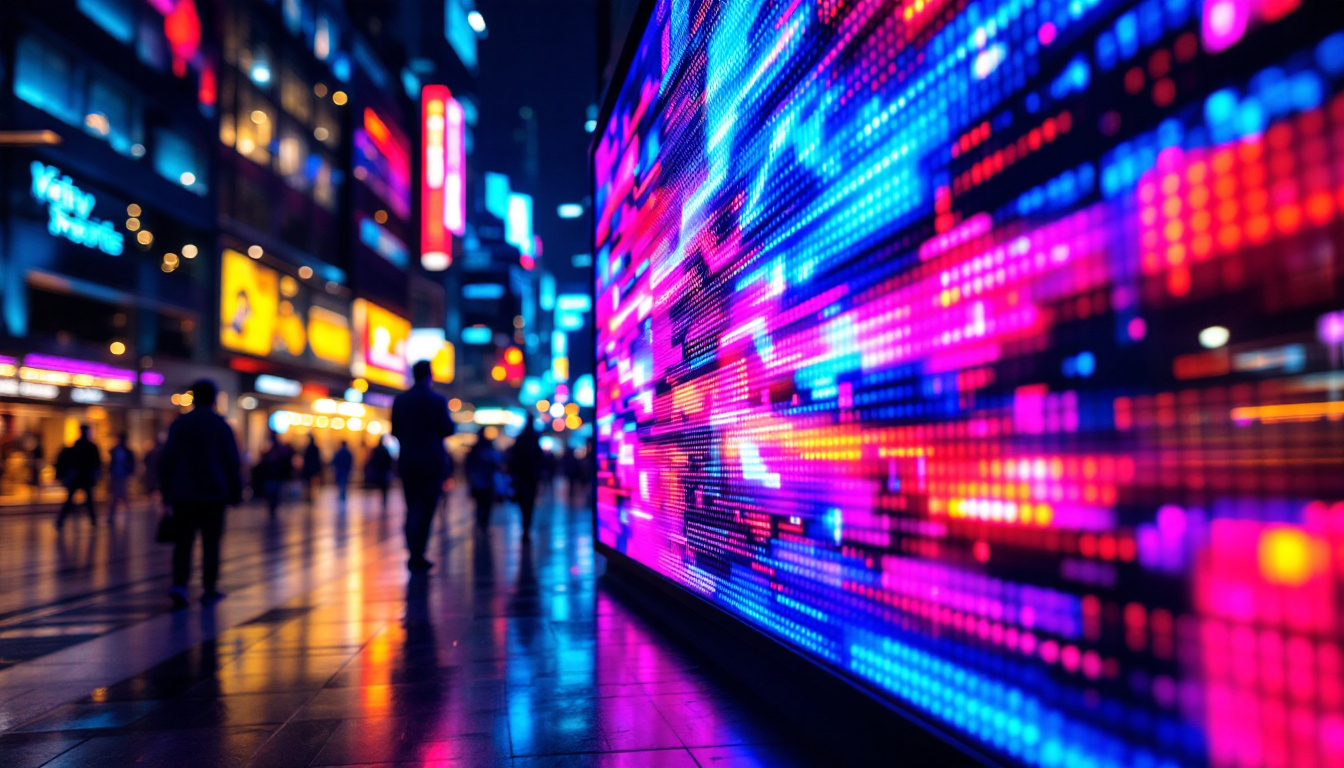
- Outdoor LED Displays: Built to withstand harsh weather conditions, these displays feature higher brightness levels (often exceeding 5,000 nits) to remain visible under direct sunlight. Their rugged construction ensures durability, making them ideal for billboards, sports arenas, and public information displays.
- Flexible and Transparent LED Displays: Innovative designs allow LED modules to bend or integrate seamlessly into glass surfaces, opening new possibilities for architectural and creative installations. These displays can transform the aesthetics of buildings and retail spaces, providing dynamic advertising solutions without obstructing views.
- Micro LED Displays: An emerging technology that offers ultra-high resolution and energy efficiency by using microscopic LEDs, promising a future leap in display quality. Micro LED technology has the potential to revolutionize the consumer electronics market, paving the way for ultra-thin televisions and immersive experiences in virtual and augmented reality.
Key Performance Metrics
When evaluating LED displays, several technical parameters are critical:
- Pixel Pitch: The distance between the centers of adjacent LEDs, measured in millimeters. Smaller pixel pitches yield higher resolution and finer image detail, making them ideal for applications where viewers are close to the screen, such as in control rooms or retail displays.
- Brightness: Measured in nits, brightness determines visibility in various lighting conditions. Outdoor displays require higher brightness to combat sunlight glare, while indoor displays can focus on color richness and contrast.
- Refresh Rate: The frequency at which the image updates per second, measured in Hertz (Hz). Higher refresh rates reduce flicker and improve video smoothness, which is particularly important for fast-paced content like sports broadcasts or gaming.
- Color Accuracy: The ability to reproduce colors faithfully, often enhanced by advanced calibration tools. This metric is crucial for applications where color precision is vital, such as in graphic design or medical imaging.
- Viewing Angle: The maximum angle at which the display can be viewed without significant loss of image quality. Displays with wide viewing angles are essential for public spaces, ensuring that everyone can enjoy the content regardless of their position relative to the screen.
In addition to these metrics, the longevity and reliability of LED displays are also important considerations. Many LED displays are designed to last over 100,000 hours, making them a cost-effective solution for long-term use. Furthermore, advancements in thermal management and protective coatings have improved their resilience against environmental factors, thereby extending their operational lifespan. As technology continues to evolve, the future of LED displays looks promising, with innovations that will enhance user experience and expand their applications across various industries.
The Slp Tool Kit: Unlocking the Full Potential of LED Displays
Overview of the Slp Tool Kit
The Slp Tool Kit is a versatile software and hardware solution designed to streamline the setup, calibration, and maintenance of LED display systems. It offers a user-friendly interface combined with powerful diagnostic and optimization features that cater to both novice users and seasoned professionals.
By integrating the Slp Tool Kit into the LED display workflow, operators can ensure consistent performance, reduce downtime, and improve the overall visual experience for end-users.
Core Features and Functionalities
The Slp Tool Kit encompasses several key modules:
- Display Calibration: Automated tools adjust brightness, color balance, and gamma settings to achieve uniformity across the entire display surface. This is crucial for large-scale installations where inconsistencies can detract from the visual impact.
- Pixel Mapping and Repair: The toolkit identifies dead or malfunctioning pixels and guides technicians through repair procedures, minimizing the need for costly panel replacements.
- Firmware Updates and Configuration: Keeping LED modules up to date is essential for security and performance. The Slp Tool Kit simplifies firmware management across multiple units.
- Real-Time Monitoring: Continuous health checks monitor temperature, voltage, and signal integrity, alerting users to potential issues before they escalate.
- Content Management Integration: The toolkit supports seamless synchronization with popular content management systems, enabling dynamic content scheduling and playback control.
Benefits for Different Stakeholders
The Slp Tool Kit offers distinct advantages depending on the user’s role:
- Technicians and Engineers: Simplifies complex calibration tasks, reduces troubleshooting time, and enhances repair accuracy.
- Marketing and Creative Teams: Ensures that visual content is displayed as intended, preserving brand integrity and audience engagement.
- Facility Managers: Provides proactive maintenance tools that extend the lifespan of LED installations and optimize operational costs.
Applications and Use Cases of LED Displays with Slp Tool Kit
Advertising and Digital Signage
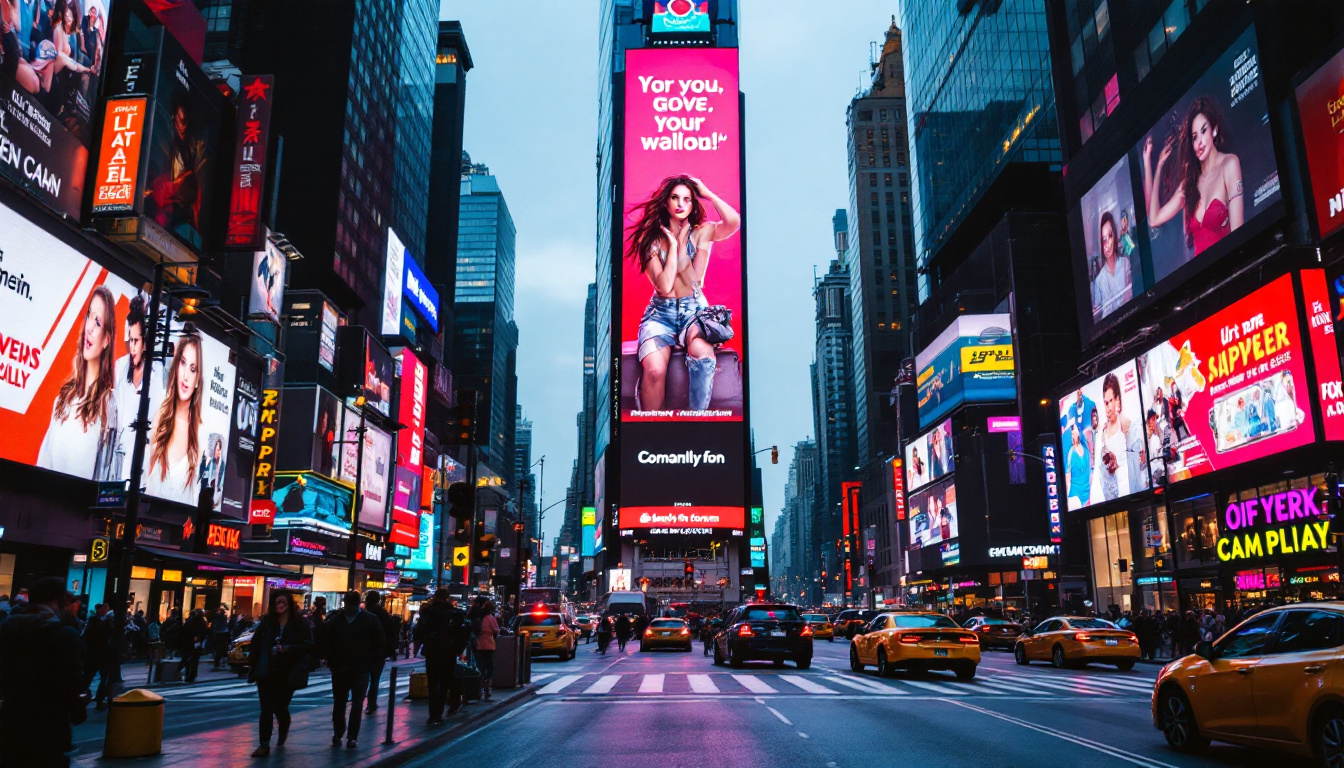
Outdoor LED billboards and indoor digital signage are among the most common applications. The Slp Tool Kit helps advertisers maintain vibrant and eye-catching displays that attract attention and convey messages effectively. For example, retail chains use LED displays to promote time-sensitive offers, and transportation hubs rely on them for real-time updates.
According to recent market research, the global digital signage market is expected to grow at a compound annual growth rate (CAGR) of over 8% through 2028, driven largely by advancements in LED technology and management tools like the Slp Tool Kit.
Events and Entertainment
Concerts, sports arenas, and exhibitions utilize large-format LED displays to enhance audience experience. The ability to quickly calibrate and troubleshoot displays onsite is critical. The Slp Tool Kit’s real-time monitoring and repair features ensure uninterrupted performance during high-stakes events.
Corporate and Educational Environments
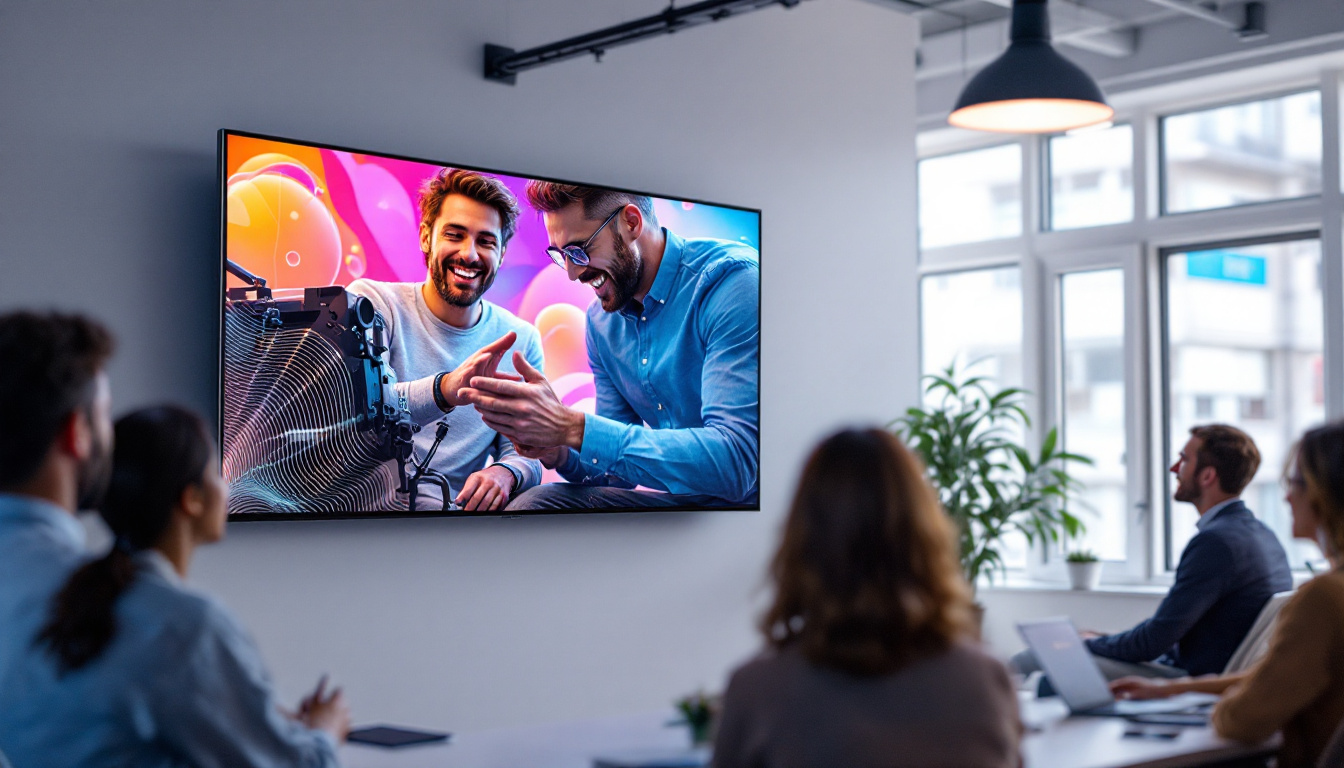
Conference rooms, lecture halls, and corporate lobbies increasingly incorporate LED displays for presentations and information dissemination. The Slp Tool Kit facilitates easy content updates and ensures that displays maintain professional-grade image quality.
Transportation and Public Information Systems
LED displays serve as vital tools for public communication in airports, train stations, and bus terminals. The robustness and reliability supported by the Slp Tool Kit help maintain accurate and timely information flow, which is essential for passenger convenience and safety.
Best Practices for Managing LED Displays with the Slp Tool Kit
Regular Calibration and Maintenance
Consistent calibration ensures that LED displays remain visually uniform and color-accurate over time. Scheduling routine maintenance using the Slp Tool Kit can prevent gradual degradation and detect issues early.
Training and Skill Development
While the Slp Tool Kit is designed to be user-friendly, investing in training for technical staff maximizes its benefits. Understanding the nuances of LED technology and the toolkit’s capabilities empowers teams to handle complex scenarios confidently.
Data-Driven Decision Making
Utilizing the monitoring data collected by the Slp Tool Kit enables informed decisions regarding display usage, energy consumption, and component replacement cycles. This approach supports sustainability goals and cost efficiency.
Integration with Broader Systems
For organizations managing multiple displays or large networks, integrating the Slp Tool Kit with centralized control systems enhances scalability and simplifies operations.
Future Trends in LED Display Technology and Toolkits
Advancements in Micro LED and Mini LED
Emerging micro LED and mini LED technologies promise higher resolutions, improved energy efficiency, and longer lifespans. Toolkits like Slp will evolve to support these new standards, incorporating advanced calibration algorithms and diagnostics.
Artificial Intelligence and Automation
AI-driven analytics and automated repair suggestions are on the horizon, potentially transforming how LED displays are managed. Predictive maintenance powered by machine learning could further reduce downtime and operational costs.
Enhanced Interactivity and Integration
Future LED displays will increasingly support interactive features, integrating with IoT devices and augmented reality applications. Toolkits will need to adapt to manage these complex ecosystems effectively.
Conclusion
LED displays have revolutionized the way information and advertising are presented in public and private spaces. The Slp Tool Kit stands out as an essential resource for maximizing the performance, reliability, and visual quality of these displays. By understanding the underlying technology, leveraging the powerful features of the Slp Tool Kit, and adopting best practices, organizations can ensure their LED installations deliver impactful and lasting impressions.
As LED technology continues to advance, staying informed and equipped with the right tools will be critical for professionals aiming to stay ahead in this dynamic field.
Discover LumenMatrix LED Display Solutions
Ready to elevate your visual communication with cutting-edge LED technology? LumenMatrix is at the forefront of innovation, offering a diverse range of LED display solutions tailored to your needs. From Indoor and Outdoor LED Walls to specialized displays for vehicles, sports, and custom installations, our products are designed to captivate your audience and amplify your message. Embrace the future of digital signage with LumenMatrix and create unforgettable visual experiences. Check out LumenMatrix LED Display Solutions today and see the difference for yourself.