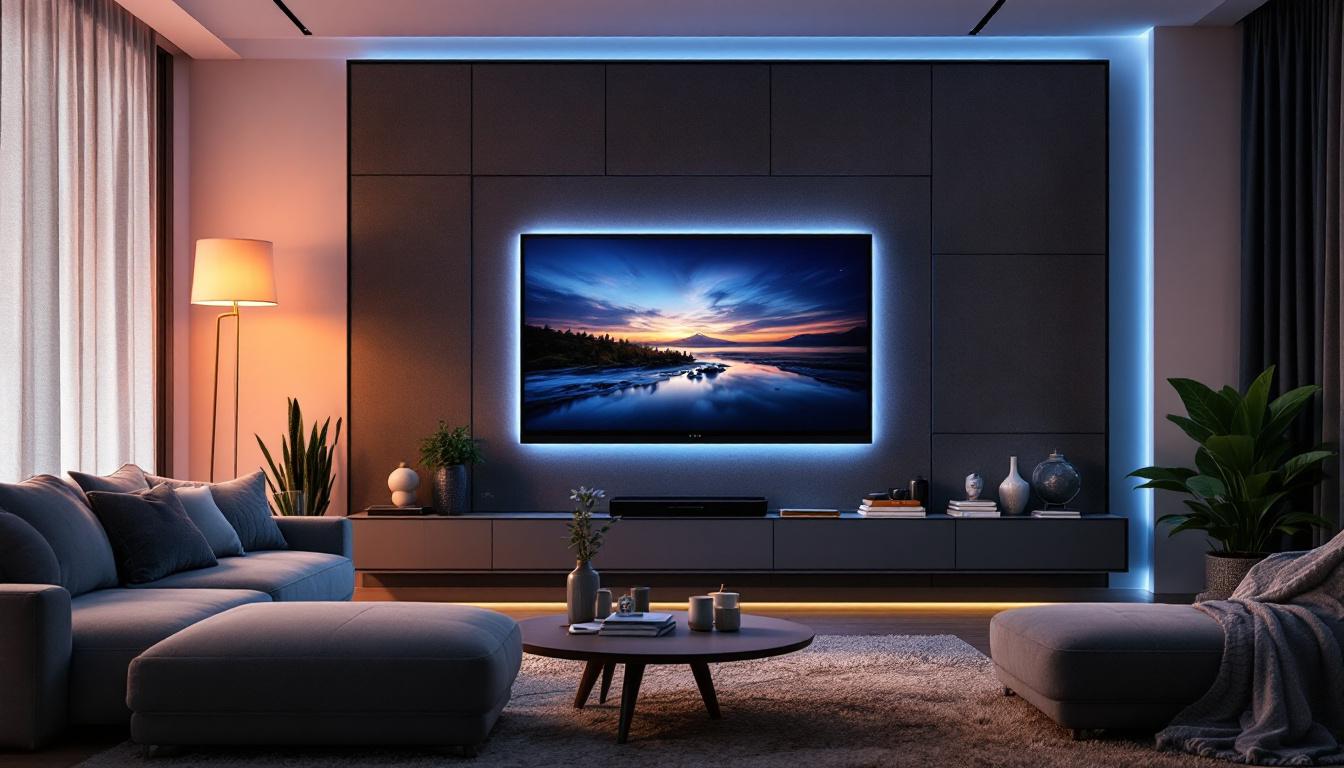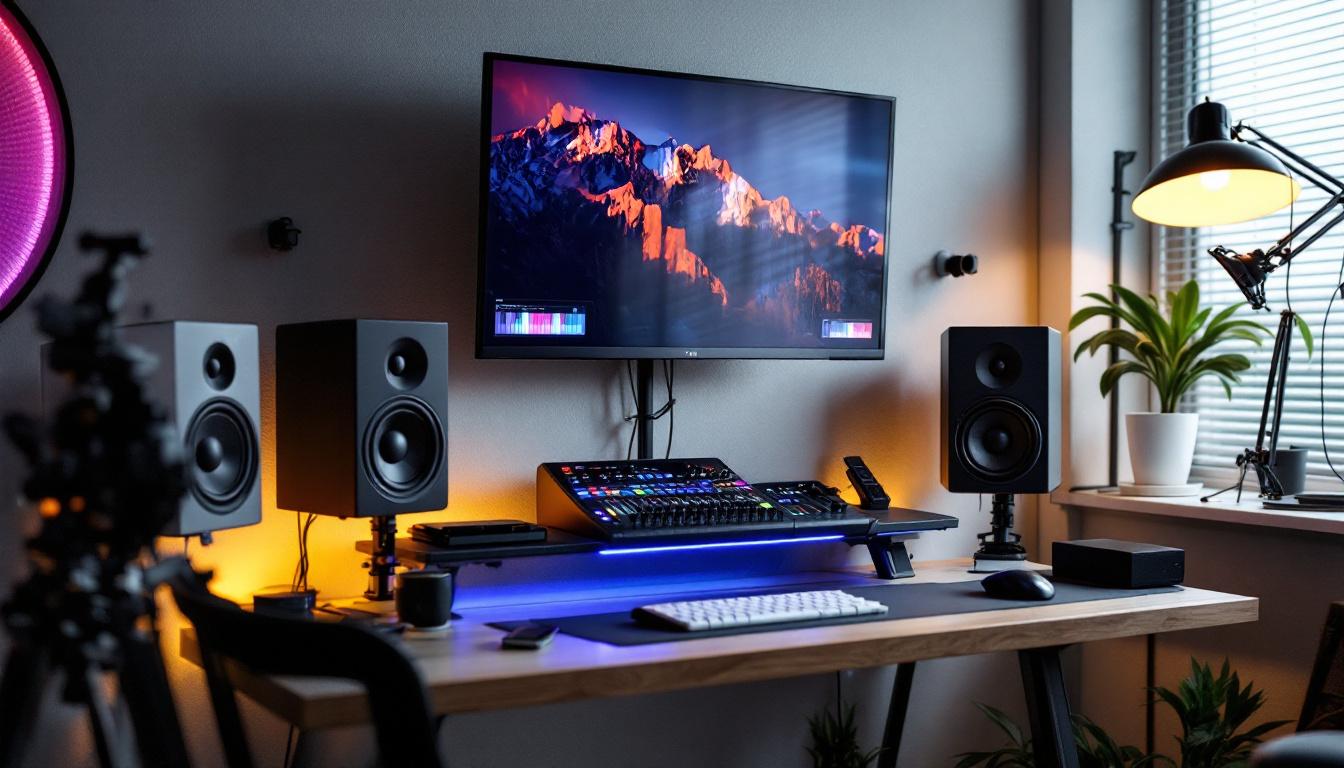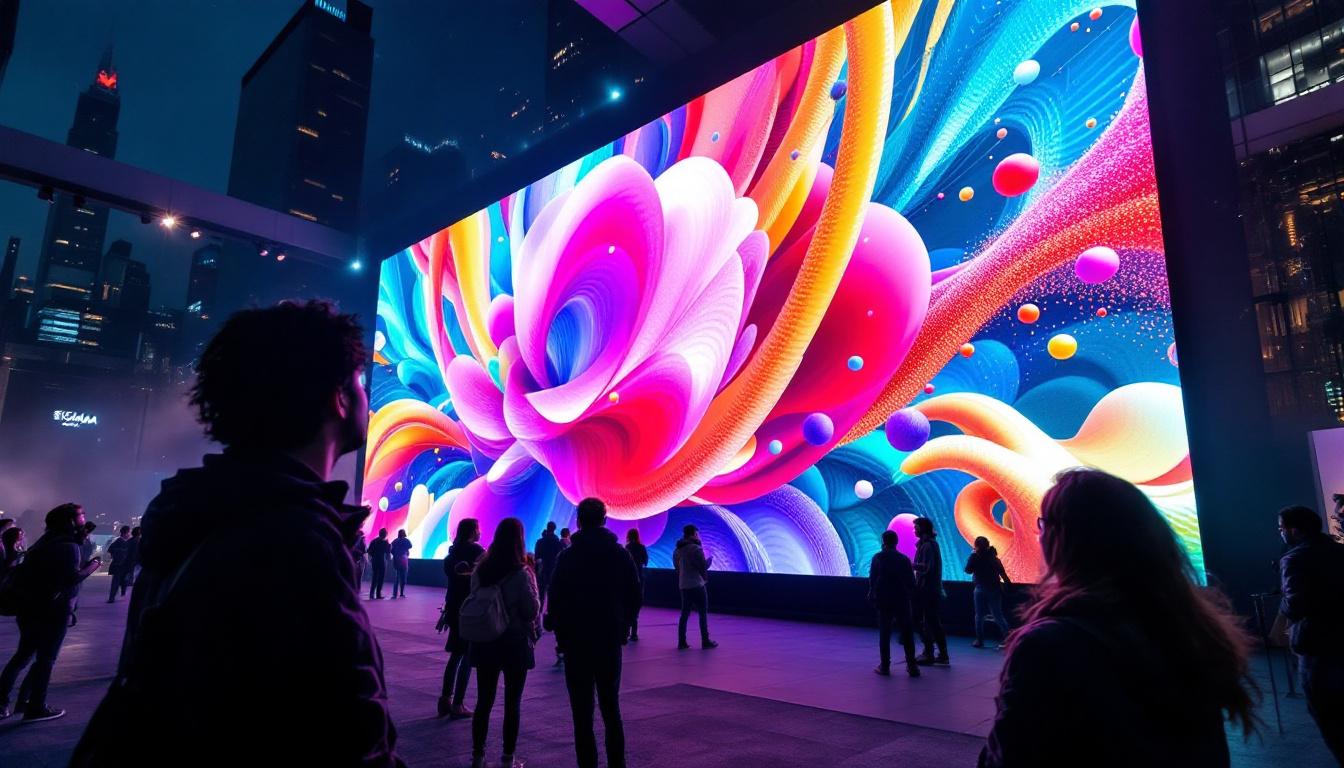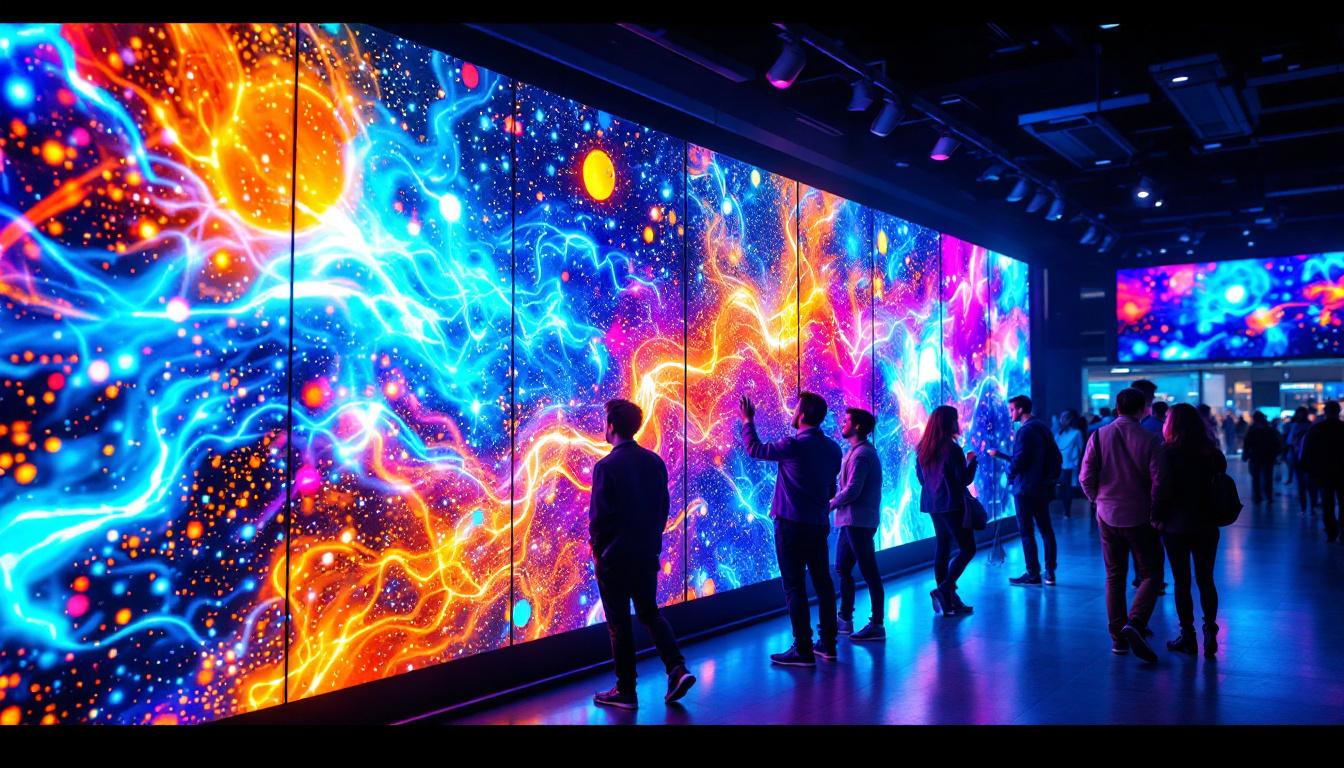
In the rapidly evolving world of audiovisual technology, LED displays have emerged as a cornerstone for delivering vibrant, high-impact visual experiences. From massive outdoor billboards to sleek indoor video walls, LED display technology is reshaping how businesses, event organizers, and content creators communicate with their audiences. This article delves into the fundamentals of LED displays, explores their innovative applications, and highlights why they have become indispensable in modern AV solutions.
Understanding LED Display Technology
What is an LED Display?
LED, or Light Emitting Diode, displays consist of an array of tiny light sources that emit light when an electrical current passes through them. Unlike traditional LCD or projection screens, LED displays generate their own light, which results in superior brightness and contrast. This self-illumination is a key factor behind their exceptional visibility, especially in challenging lighting conditions such as direct sunlight.
LED displays can be configured in various formats, including single-color, dual-color, and full-color modules. Modern full-color LED panels use red, green, and blue diodes to create a wide spectrum of colors, enabling the display of rich and dynamic images and videos. The versatility of LED technology allows for a range of applications, from large outdoor billboards to small indoor screens in retail environments, making them a popular choice for advertising, entertainment, and information dissemination.
How Do LED Displays Work?
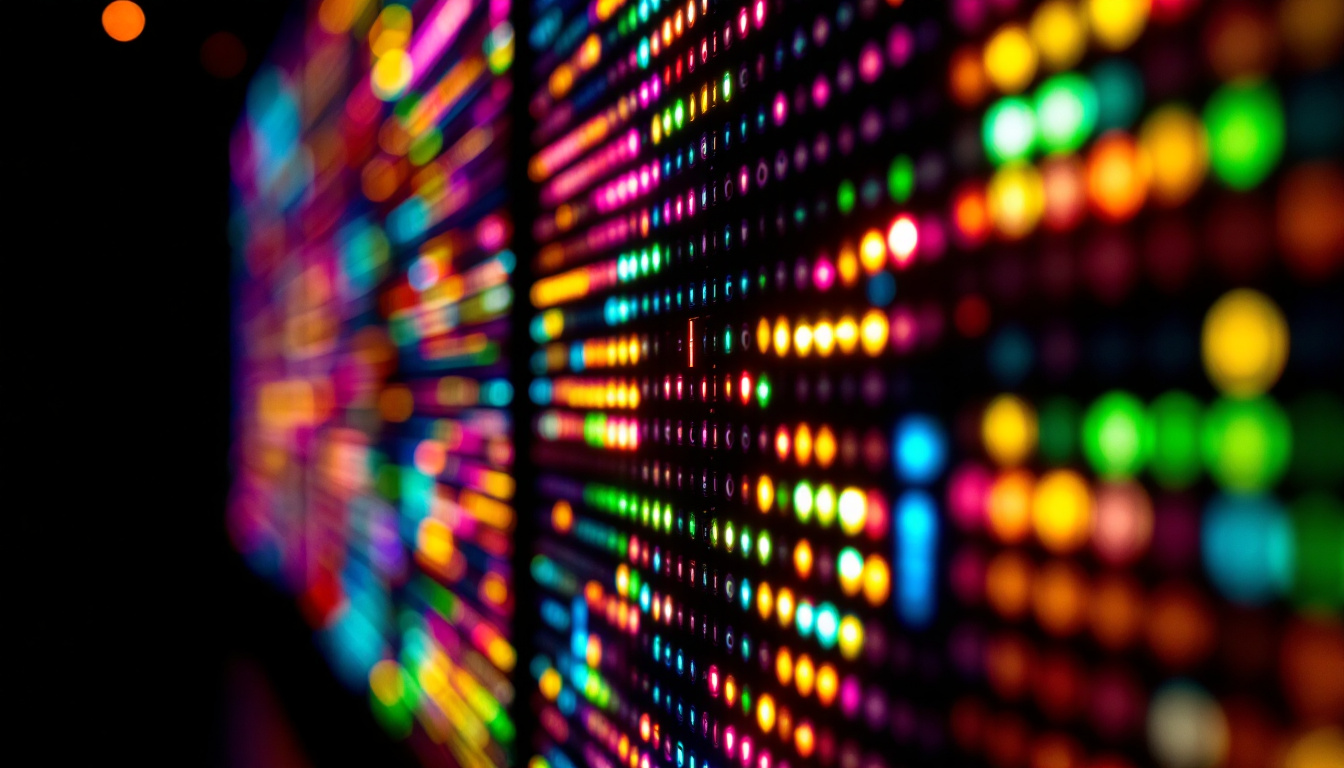
At the core of an LED display are thousands, sometimes millions, of individual LEDs arranged in a grid. Each LED acts as a pixel or part of a pixel, controlled by a driver circuit that modulates its brightness and color. The display receives input from a video processor or controller, which translates digital signals into commands that adjust each LED’s output in real time. This intricate system allows for seamless transitions and vibrant animations, captivating audiences in various settings.
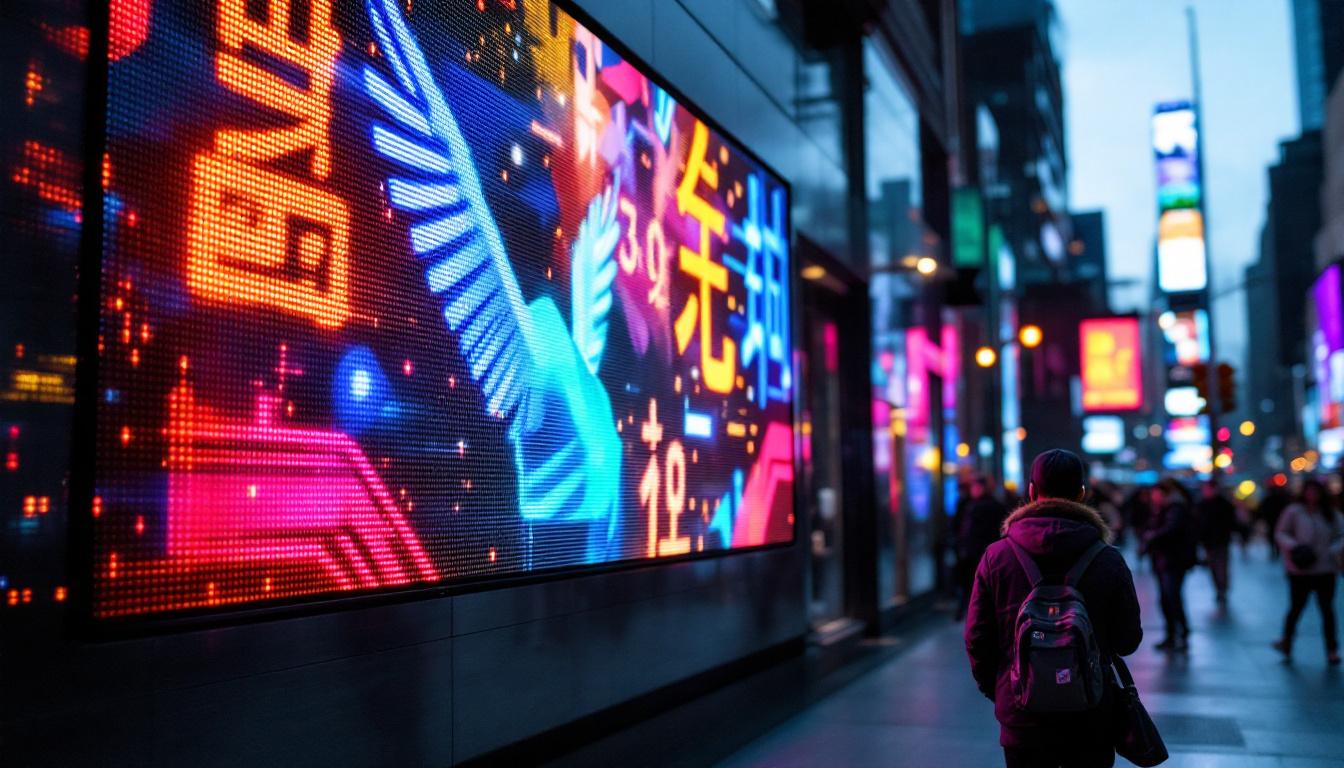
The resolution of an LED display depends on the pixel pitch—the distance between the centers of two adjacent LEDs. Smaller pixel pitches correspond to higher resolutions and sharper images, which is why indoor LED screens typically have finer pixel pitches than outdoor ones. Additionally, advancements in technology have led to the development of flexible and transparent LED displays, further expanding the creative possibilities for designers and advertisers. These innovations not only enhance aesthetic appeal but also allow for integration into unconventional spaces, such as curved surfaces or windows, thereby pushing the boundaries of traditional display formats.
Key Advantages of LED Displays in AV Applications
Brightness and Visibility
One of the most significant benefits of LED displays is their outstanding brightness. Outdoor LED screens can reach brightness levels exceeding 5,000 nits, making them easily visible even under direct sunlight. This capability is crucial for advertising billboards, sports arenas, and public information displays where ambient lighting varies dramatically.
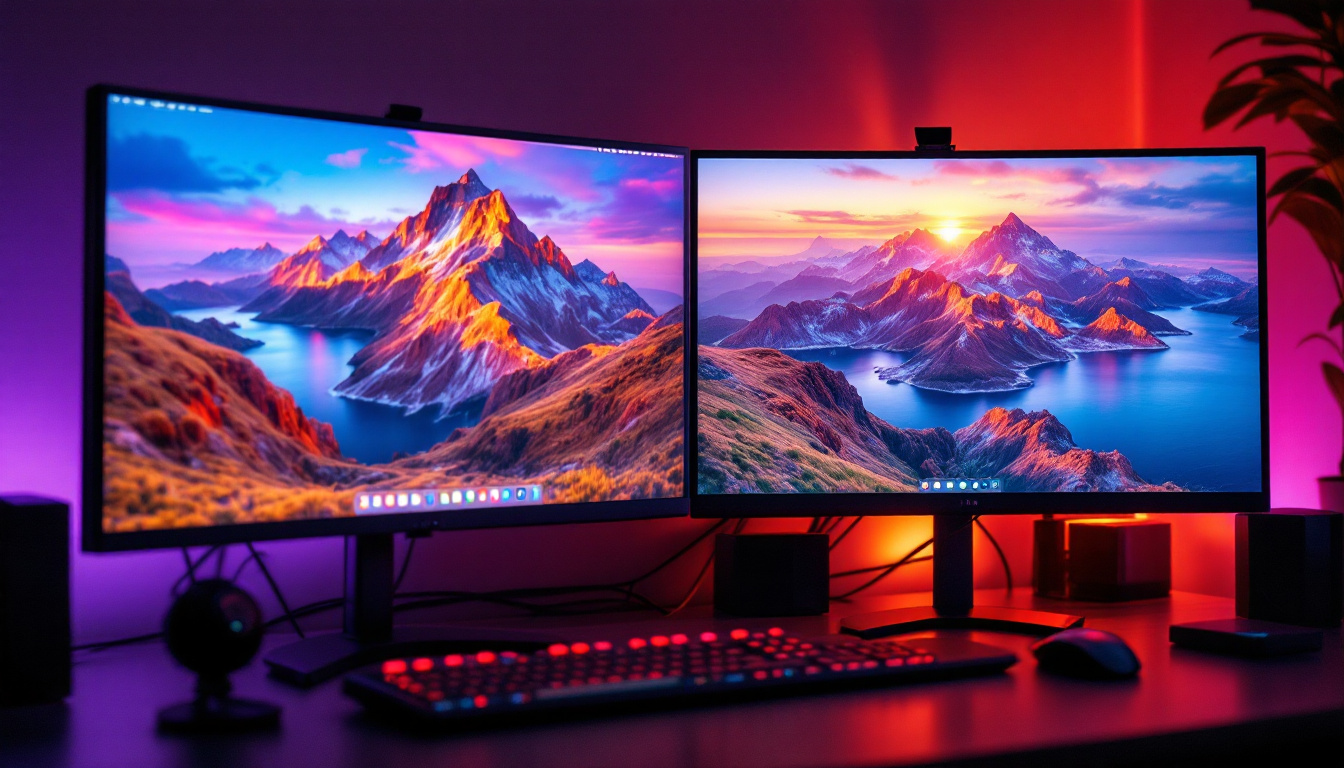
In comparison, traditional LCD screens generally max out around 500 to 700 nits, which can be insufficient for outdoor use. The high brightness of LED displays ensures messages remain clear and engaging regardless of environmental conditions. Moreover, the color accuracy and vibrancy of LED technology enhance the visual appeal, allowing for dynamic content that captivates audiences. This is particularly advantageous in advertising, where eye-catching visuals can significantly impact consumer engagement and brand recognition.
Durability and Longevity
LED displays are built to withstand harsh environments. Their solid-state construction means they are less prone to damage from shocks or vibrations compared to fragile LCD panels. Additionally, LED modules often come with weatherproofing features, including IP65 or higher ratings, allowing them to operate reliably in rain, dust, and extreme temperatures.
With an average lifespan of 50,000 to 100,000 hours, LED displays offer a long-term solution for continuous operation. This durability reduces maintenance costs and downtime, making them a cost-effective investment for businesses. Furthermore, the modular design of many LED systems allows for easy repairs and upgrades, ensuring that organizations can keep their displays up-to-date with the latest technology without needing to replace the entire unit.
Energy Efficiency
Despite their brightness, LED displays are remarkably energy efficient. Advances in LED technology have led to lower power consumption per pixel compared to older display types. This efficiency is particularly important for large-scale installations where energy costs can be substantial.
Moreover, many LED systems incorporate smart brightness controls that adjust output based on ambient light, further optimizing energy use without compromising visibility. This not only contributes to lower operational costs but also aligns with sustainability goals, as businesses increasingly seek to reduce their carbon footprint. The ability to operate efficiently while delivering high-quality visuals makes LED displays an ideal choice for environmentally conscious organizations looking to enhance their AV capabilities.
Innovative Applications of LED Displays
Advertising and Digital Signage
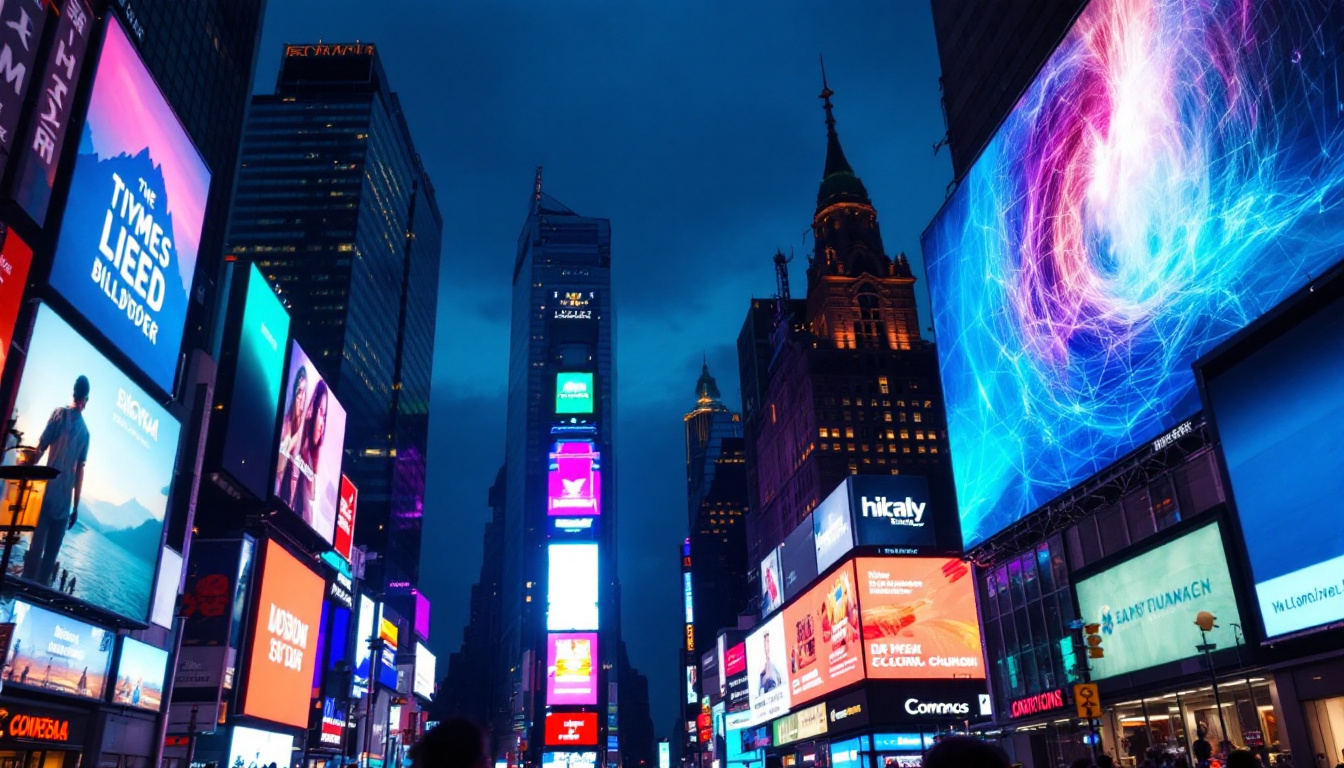
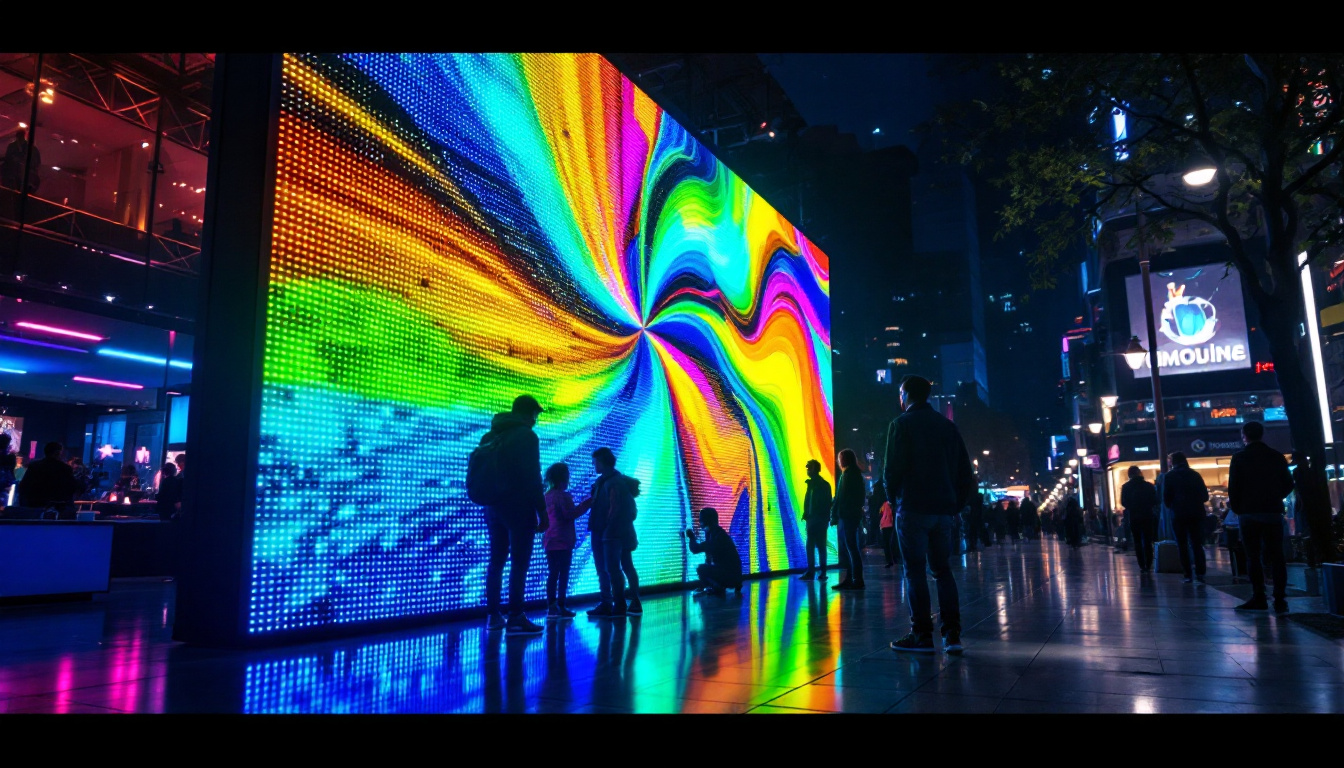
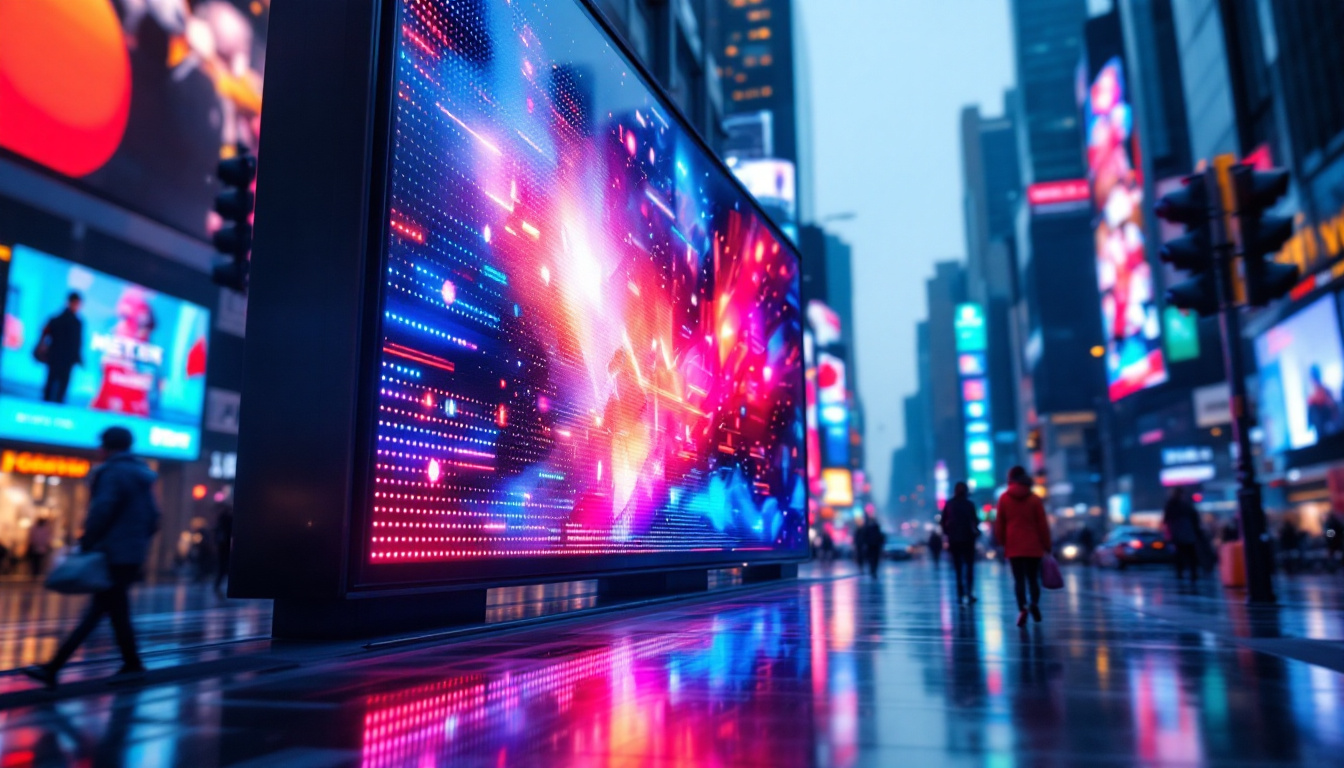
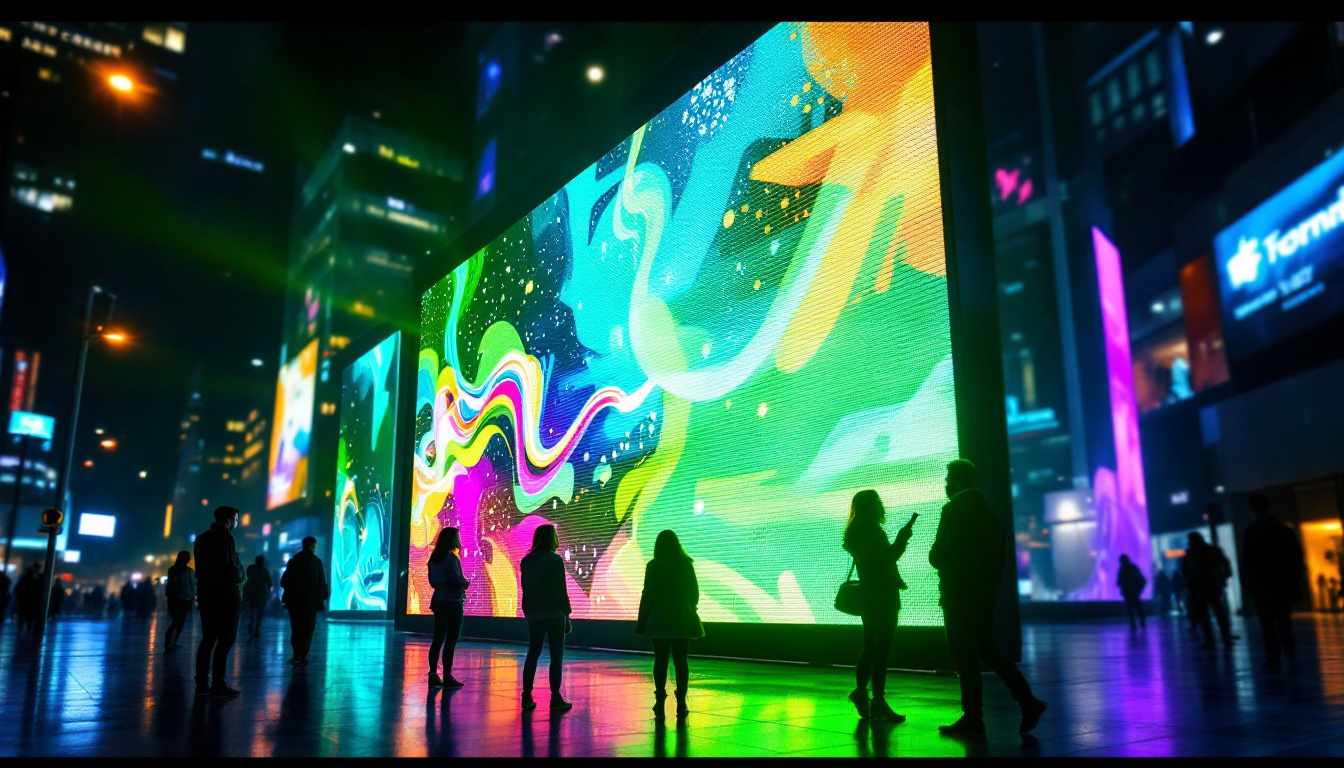
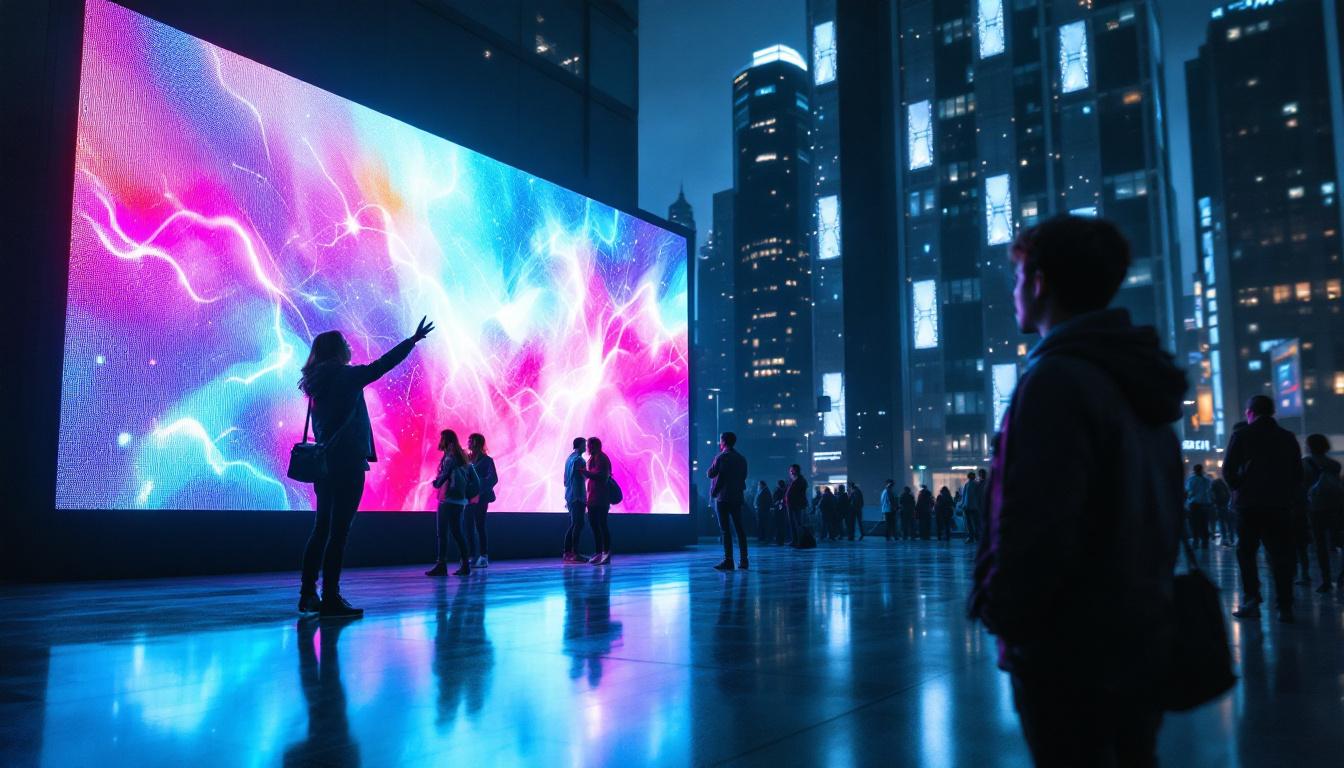
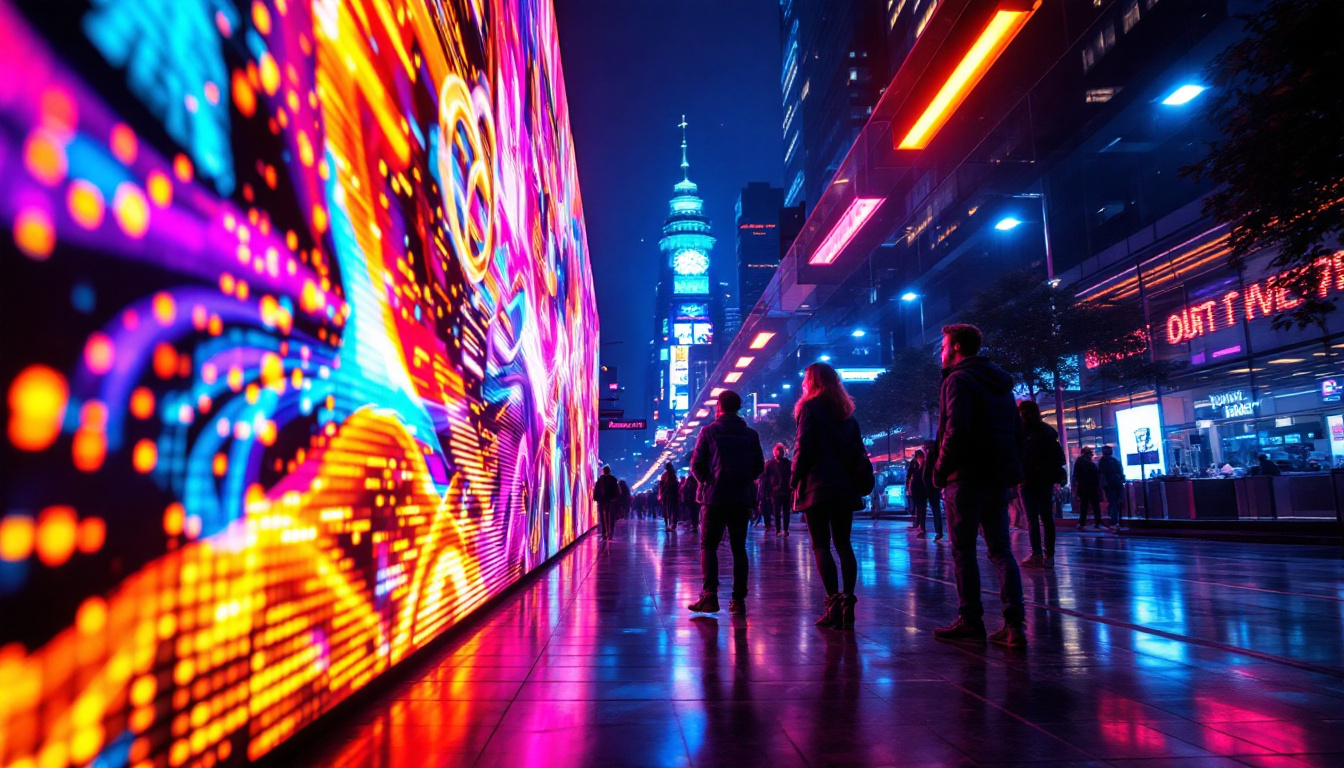
LED displays have revolutionized the advertising industry by enabling dynamic, eye-catching content that can be updated in real time. Iconic locations like Times Square in New York City and Piccadilly Circus in London showcase massive LED billboards that captivate millions daily.
Digital signage powered by LED technology allows brands to tailor messages based on time of day, audience demographics, or special events. This flexibility enhances engagement and return on investment compared to static signs.
Live Events and Entertainment
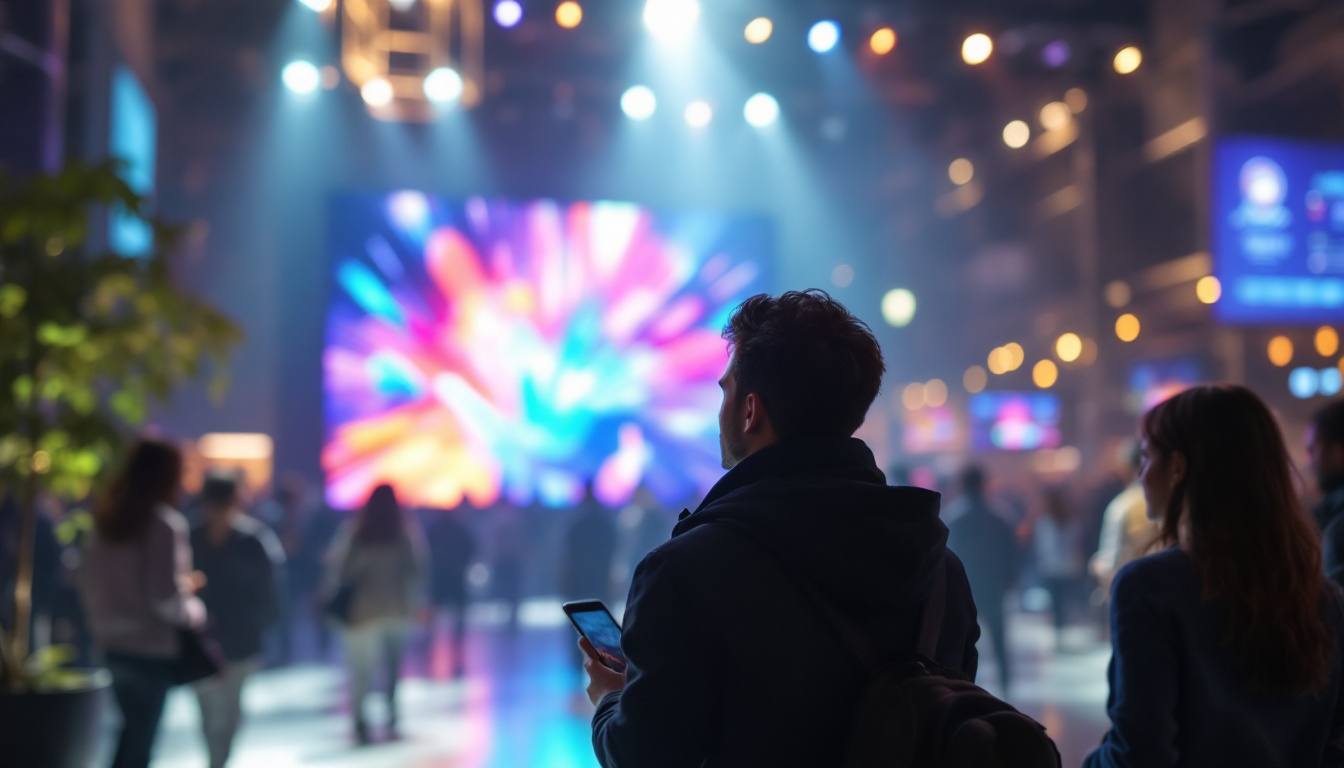
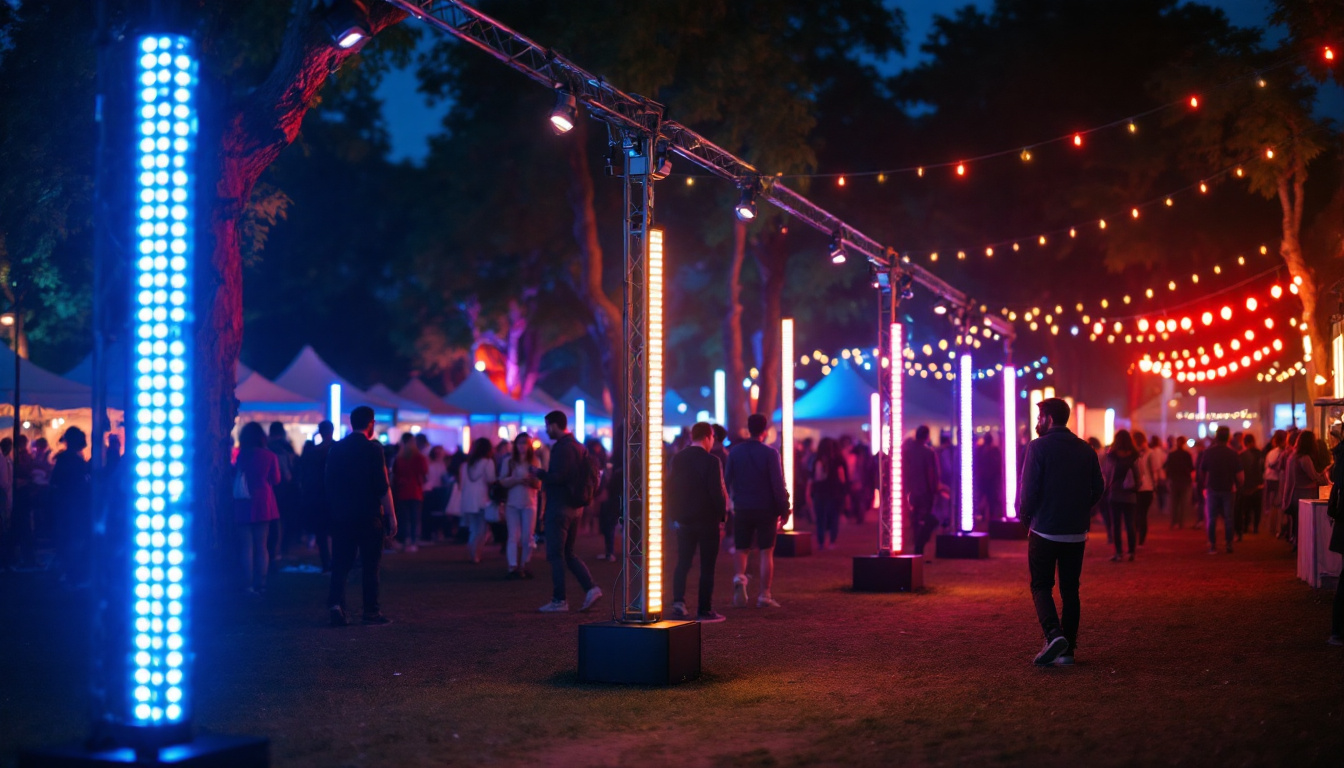
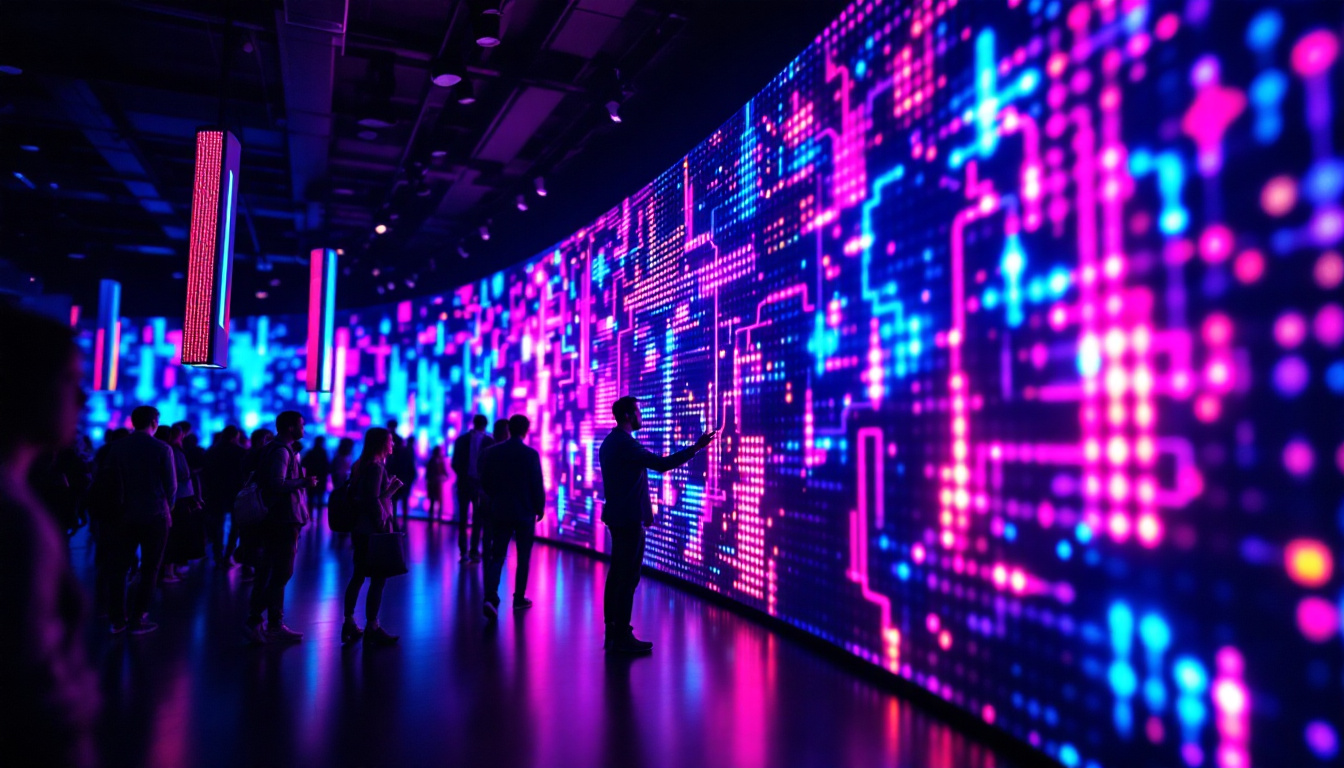
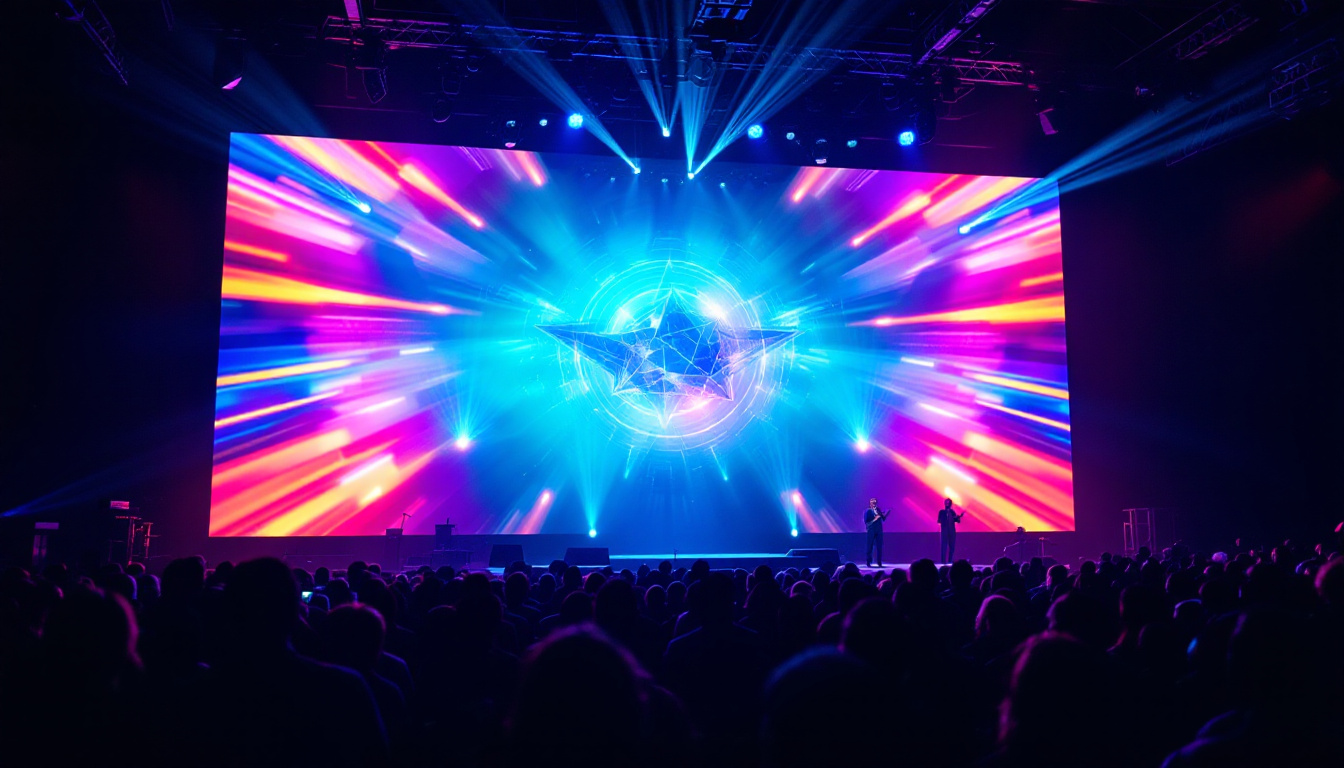
Concerts, sports events, and festivals increasingly rely on LED video walls to create immersive experiences. These displays can be configured in various shapes and sizes, including curved or flexible panels, to fit unique stage designs.
High refresh rates and low latency ensure smooth video playback and synchronization with live performances. For example, the 2020 Tokyo Olympics utilized cutting-edge LED technology to deliver spectacular visuals that enhanced both in-person and broadcast experiences.
Corporate and Educational Environments
In corporate settings, LED displays are used for video conferencing, presentations, and digital collaboration. Their high resolution and brightness make them ideal for boardrooms, lobbies, and training rooms.
Educational institutions benefit from LED displays by creating engaging learning environments. Large LED walls can display interactive content, real-time data, and multimedia presentations, fostering better student interaction and retention.
Transportation and Public Information
LED displays play a critical role in transportation hubs such as airports, train stations, and bus terminals. Their ability to convey real-time updates, directions, and safety information helps improve passenger experience and operational efficiency.
Smart city initiatives also leverage LED technology for public information systems, including traffic management and emergency alerts, contributing to safer and more connected urban environments.
Technical Considerations When Choosing LED Displays
Pixel Pitch and Viewing Distance
Selecting the appropriate pixel pitch is essential to ensure optimal image quality. For close viewing distances, such as indoor retail displays, a pixel pitch of 1.2mm to 2.5mm is common. For outdoor billboards visible from hundreds of meters, pixel pitches of 10mm or more are typical.
Understanding the relationship between pixel pitch and viewing distance helps avoid pixelation and ensures a crisp, clear image that meets the audience’s expectations.
Resolution and Screen Size
The resolution of an LED display is determined by the number of pixels horizontally and vertically. Higher resolutions provide more detail but require more processing power and cost. Screen size must be balanced with resolution to deliver the desired visual impact without unnecessary expense.
For example, a 4K resolution LED wall is ideal for a large indoor venue where viewers are close to the screen, while a lower resolution may suffice for a large outdoor display viewed from a distance.
Refresh Rate and Color Accuracy
Refresh rate is critical for smooth video playback, especially for fast-moving content such as sports or live broadcasts. Modern LED displays typically offer refresh rates of 3,840 Hz or higher, eliminating flicker and providing a comfortable viewing experience.
Color accuracy and uniformity are also vital, particularly for branding and professional presentations. Calibration tools and high-quality LED modules ensure consistent color reproduction across the entire display surface.
Installation and Maintenance
LED displays require careful planning for installation, including structural support, power supply, and data connectivity. Modular designs facilitate easier installation and scalability, allowing displays to be expanded or reconfigured as needed.
Maintenance considerations include access for repairs, replacement of LED modules, and cleaning. Many manufacturers provide service-friendly designs that minimize downtime and simplify upkeep.
The Future of LED Display Technology
MicroLED and MiniLED Innovations
Emerging technologies like MicroLED and MiniLED promise to push LED displays to new heights. MicroLEDs are significantly smaller than traditional LEDs, enabling even finer pixel pitches and higher resolutions. This technology offers improved brightness, contrast, and energy efficiency, making it ideal for next-generation TVs, smartphones, and AR/VR devices.
MiniLEDs, while larger than MicroLEDs, still provide enhanced backlighting for LCD panels, resulting in better contrast and color performance. Both technologies are expected to complement traditional LED displays, expanding the possibilities for AV applications.
Flexible and Transparent LED Displays
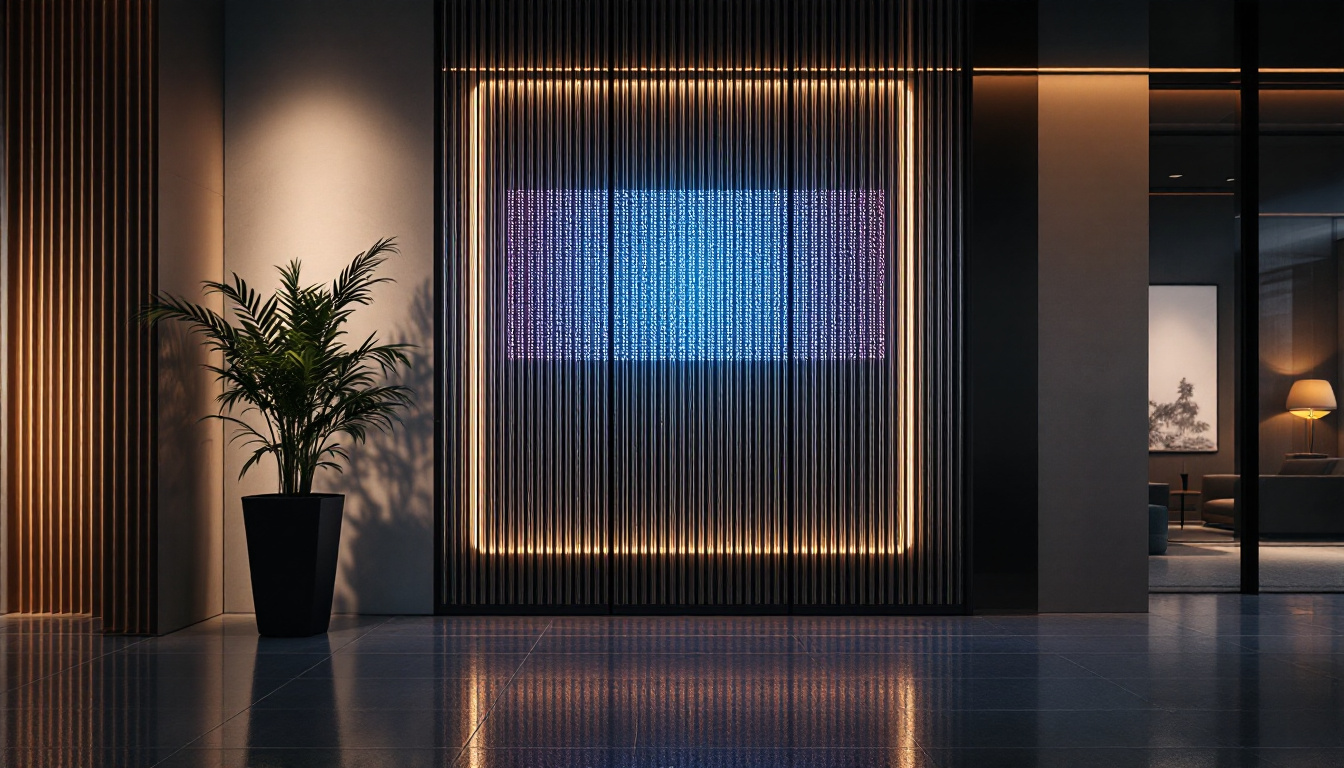
Innovations in flexible LED panels allow displays to bend, curve, and wrap around surfaces, opening new creative opportunities for architects and designers. Transparent LED displays enable screens to be integrated into glass windows and storefronts without obstructing views, blending digital content with physical environments seamlessly.
These advancements are transforming how spaces are designed and how audiences interact with visual content.
Integration with AI and IoT
The integration of LED displays with artificial intelligence (AI) and the Internet of Things (IoT) is creating smarter, more responsive signage solutions. AI-driven content management systems can analyze audience behavior and environmental factors to deliver personalized and context-aware messaging.
IoT connectivity enables real-time monitoring and remote control of LED displays, improving operational efficiency and enabling predictive maintenance.
Conclusion
LED display technology stands at the forefront of innovative audiovisual solutions, offering unmatched brightness, durability, and versatility. Its applications span advertising, entertainment, corporate communications, education, and public information, making it a vital tool for engaging modern audiences.
As technological advancements continue to accelerate, LED displays will become even more sophisticated, flexible, and intelligent. Understanding the fundamentals and staying informed about emerging trends empowers businesses and professionals to harness the full potential of LED technology and create compelling visual experiences that captivate and inspire.
Explore Cutting-Edge LED Solutions with LumenMatrix
Ready to elevate your visual experience with the latest in LED display technology? Look no further than LumenMatrix, a pioneer in crafting immersive and dynamic LED solutions tailored to your needs. From vibrant Indoor and Outdoor LED Wall Displays to innovative applications like Vehicle LED Displays, LED Posters, and Transparent LED Displays, LumenMatrix offers a comprehensive range of products designed to revolutionize visual communication. Discover how our LED Sports Displays, Floor LEDs, Custom solutions, and All-in-One LED Displays can transform your space and captivate your audience. Check out LumenMatrix LED Display Solutions today and join the forefront of audiovisual innovation.