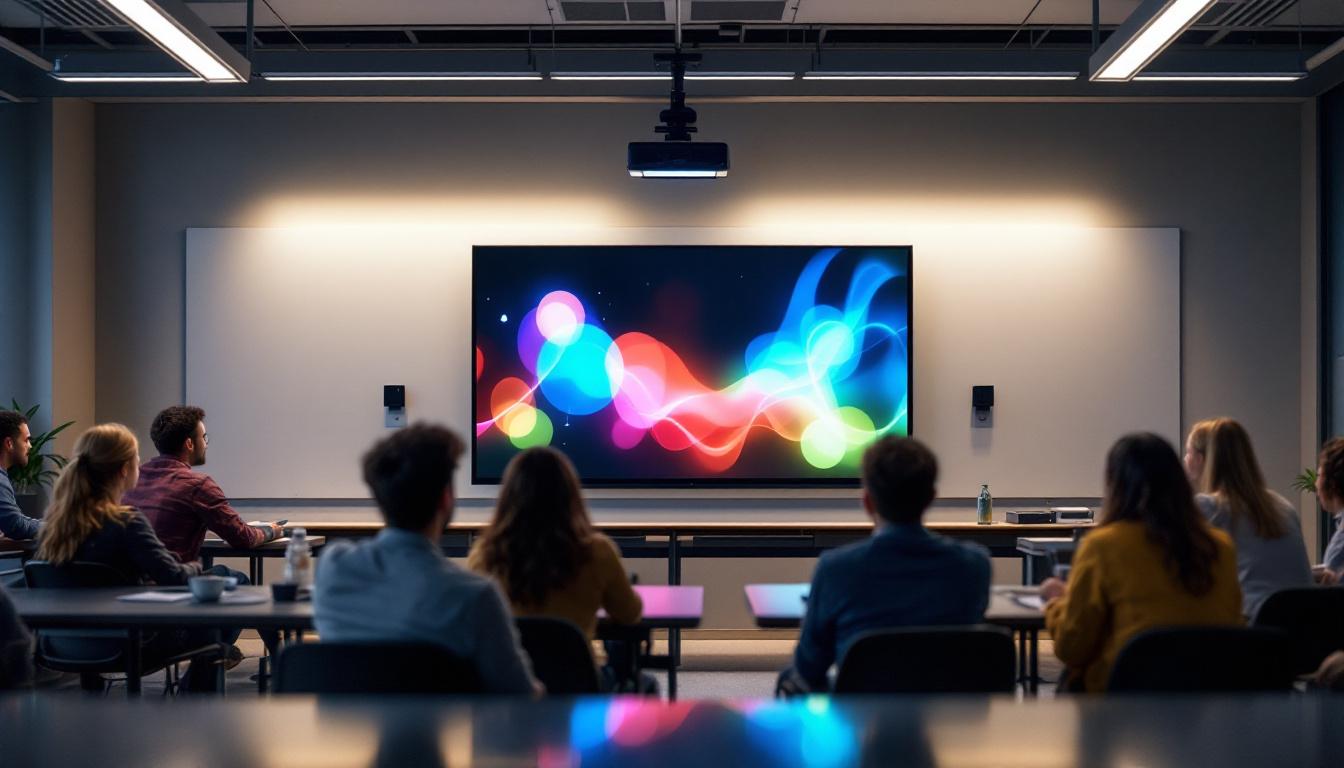
In today’s educational and corporate environments, interactive technology has become a cornerstone for effective communication and collaboration. Among the most popular tools are smart boards combined with projectors, which have revolutionized the way presentations, lessons, and meetings are conducted. However, with the rapid advancement of display technologies, LED displays are emerging as a compelling alternative or complement to traditional projector setups. This article delves into the intricacies of smart boards with projectors and explains the role and advantages of LED displays in this context.
Understanding Smart Boards and Projectors
What Are Smart Boards?
Smart boards, also known as interactive whiteboards, are large interactive displays that connect to a computer and projector. They allow users to control computer applications directly from the board using touch or a stylus. This interactivity enhances engagement, making lessons and presentations more dynamic and participatory.
Typically, smart boards are used in classrooms, conference rooms, and training centers. They support a range of functions such as writing, drawing, annotating, and multimedia playback, all integrated into a single device. The technology behind smart boards has evolved significantly since their inception, moving from simple touch-sensitive surfaces to sophisticated multi-touch, multi-user systems. Modern smart boards often come equipped with built-in software that facilitates collaboration, allowing multiple users to work on the same project simultaneously, which is particularly beneficial in educational settings where group work is encouraged.
Furthermore, smart boards can integrate with various educational tools and platforms, enabling teachers to access a wealth of resources directly from the board. This integration not only streamlines lesson planning but also allows for real-time feedback and assessment, enhancing the overall learning experience. As educational institutions increasingly adopt technology in their curricula, smart boards have become essential tools for fostering interactive learning environments.
The Role of Projectors in Smart Board Setups
Projectors play a pivotal role in traditional smart board configurations. They project the computer’s display onto the board’s surface, which acts as a touch-sensitive screen. This setup allows users to interact with the projected image as if it were a giant touchscreen.
Projectors come in various types, including LCD, DLP, and laser projectors. Each has its own strengths and weaknesses in terms of brightness, color accuracy, and maintenance needs. For example, laser projectors offer longer lamp life and better color consistency, making them a popular choice in environments where reliability is crucial. In contrast, DLP projectors are known for their sharp images and are often favored for presentations that require high-definition visuals, such as video content or detailed graphics.
Despite their widespread use, projectors have some limitations. Ambient light can wash out the image, reducing visibility. Additionally, projectors require regular maintenance such as lamp replacements and alignment adjustments. These factors have led many organizations to explore alternative display technologies. For instance, some institutions are now opting for large LED screens or flat-panel displays, which provide brighter images and eliminate the challenges associated with projector maintenance. These alternatives can also offer enhanced connectivity options, allowing for seamless integration with various devices, further enriching the interactive experience in educational and professional settings.
The Emergence of LED Displays in Interactive Technology
What Are LED Displays?
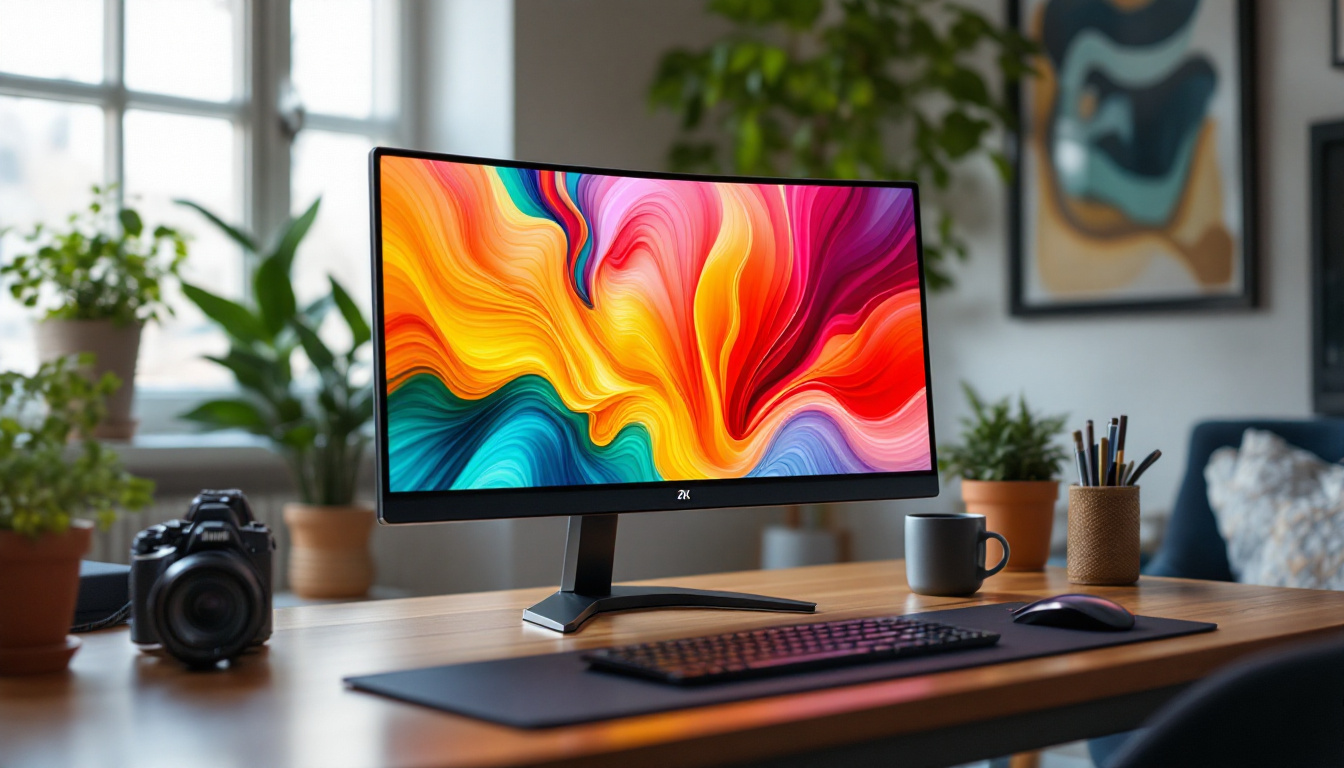
LED (Light Emitting Diode) displays use an array of tiny light-emitting diodes to produce images. Unlike projectors, which rely on external light sources and reflective surfaces, LED displays generate their own light, resulting in brighter and more vibrant images.
LED technology has advanced rapidly, with modern LED displays offering high resolutions, wide color gamuts, and excellent contrast ratios. These features make them ideal for environments where image quality and visibility are paramount. Furthermore, the integration of smart technology into LED displays has transformed them into interactive platforms, enabling users to engage with content in real-time. This interactivity is particularly beneficial in educational settings, where students can participate actively in lessons through touch or gesture controls, enhancing their learning experience.
Advantages of LED Displays Over Projectors
One of the most significant benefits of LED displays is their superior brightness and clarity. While projectors can struggle in well-lit rooms, LED displays maintain consistent image quality regardless of ambient lighting conditions. This is particularly important in classrooms and meeting rooms where lighting cannot always be controlled. Additionally, the ability to display high-definition content without distortion or pixelation makes LED displays a preferred choice for presentations, video conferences, and live events, where every detail matters.
LED displays also have a longer lifespan and lower maintenance requirements compared to projectors. Projector lamps typically last between 2,000 and 5,000 hours, after which they need replacement. In contrast, LED panels can operate for 50,000 hours or more without significant degradation. This longevity not only reduces the total cost of ownership but also minimizes downtime, allowing businesses and educational institutions to maximize their investment. Moreover, the energy efficiency of LED technology contributes to lower operational costs, making it an environmentally friendly option that aligns with sustainability goals.
Another advantage is the slim and modular design of LED displays. They can be configured in various sizes and shapes, allowing for customized installations that fit specific room layouts. This flexibility is less feasible with projector-based systems, which require careful positioning and space for the projector itself. The ability to create large video walls composed of multiple LED panels opens up new possibilities for immersive experiences in public spaces, retail environments, and entertainment venues. As a result, LED displays are not just a functional tool; they are becoming a central element of modern design and communication strategies.
Integrating LED Displays with Smart Board Functionality
Interactive LED Displays: A New Standard
Interactive LED displays combine the best features of smart boards and LED technology. These displays incorporate touch-sensitive surfaces directly onto the LED panel, eliminating the need for a separate projector. Users can interact with the screen using fingers or styluses, similar to traditional smart boards.
This integration results in a seamless user experience with enhanced image quality and responsiveness. Interactive LED displays support multi-touch capabilities, enabling multiple users to engage simultaneously, which is ideal for collaborative work and group learning.
Use Cases in Education and Business
In education, interactive LED displays have transformed teaching methodologies. They enable teachers to present multimedia content vividly, annotate directly on the screen, and engage students with interactive lessons. Studies have shown that interactive displays can improve student participation and retention rates by up to 30% compared to traditional teaching methods.
In corporate settings, LED displays facilitate dynamic presentations and brainstorming sessions. Their high resolution and brightness ensure that visual materials are clear to all participants, even in large conference rooms. Additionally, the durability and low maintenance of LED displays reduce downtime and operational costs.
Challenges and Considerations When Choosing Between Projectors and LED Displays
Cost Implications
One of the primary considerations when selecting between projector-based smart boards and LED displays is cost. While LED displays offer superior performance, their initial investment is generally higher than that of projectors. For instance, a high-quality interactive LED display can cost two to three times more than a comparable projector-smart board setup.
However, when factoring in maintenance, lamp replacements, and potential downtime, the total cost of ownership for LED displays may be more favorable over time. Organizations must evaluate their budgets, usage patterns, and long-term goals to make an informed decision.
Installation and Space Requirements
Projector setups require sufficient space for mounting the projector, ensuring proper alignment and distance from the smart board. This can be a constraint in smaller rooms or spaces with complex layouts. Additionally, projectors may cast shadows or glare, which can disrupt the user experience.
LED displays, being self-contained units, have simpler installation requirements. They can be wall-mounted or integrated into furniture, saving space and reducing clutter. This makes LED displays particularly attractive for modern, flexible work and learning environments.
Technical Limitations and Compatibility
While LED displays excel in many areas, they may have limitations in extremely large-format applications due to cost and weight considerations. Projectors can easily scale to very large screen sizes at a fraction of the cost, making them suitable for auditoriums and large venues.
Compatibility with existing systems is another factor. Some organizations may have software or hardware that integrates better with projector-based smart boards. Transitioning to LED displays might require additional investments in training and infrastructure upgrades.
The Future of Smart Boards and Display Technologies
Trends Driving Innovation
The convergence of display technologies with cloud computing, artificial intelligence, and wireless connectivity is shaping the future of smart boards. Interactive LED displays are increasingly incorporating features such as gesture recognition, voice control, and real-time collaboration tools.
Moreover, the rise of hybrid learning and remote work has accelerated demand for displays that can seamlessly integrate with video conferencing platforms and digital whiteboarding applications. LED displays, with their superior image quality and interactive capabilities, are well-positioned to meet these evolving needs.
Environmental and Energy Considerations
Energy efficiency is becoming a critical factor in technology adoption. LED displays consume less power than projectors, contributing to lower operational costs and reduced environmental impact. Additionally, the absence of hazardous materials like mercury in LED panels aligns with sustainability goals.
As organizations prioritize green initiatives, the adoption of LED-based smart boards is expected to increase, supported by government incentives and industry standards promoting energy-efficient technologies.
Conclusion: Making the Right Choice for Your Needs
Smart boards with projectors have been the backbone of interactive presentations for years, offering a cost-effective and flexible solution. However, the emergence of LED displays presents a compelling alternative that addresses many of the limitations inherent in projector-based systems.
When deciding between these technologies, it is essential to consider factors such as budget, room size, ambient lighting, maintenance capabilities, and long-term usage scenarios. LED displays offer superior image quality, durability, and ease of use, making them ideal for environments that demand high performance and reliability.
Ultimately, the choice depends on the specific needs and goals of the organization. As technology continues to evolve, integrating interactive LED displays with smart board functionality will likely become the new standard, fostering more engaging, efficient, and sustainable communication and collaboration.
Discover the Future of Interactive Displays with LumenMatrix
Ready to elevate your interactive presentations and collaborative experiences? LumenMatrix, a pioneer in LED display technology, invites you to explore our comprehensive range of LED display solutions. From captivating Indoor and Outdoor LED Wall Displays to innovative options like Vehicle, Poster, Sports, Floor, and Custom LED Displays, we have the cutting-edge technology to transform your communication strategy. Embrace the future with our All-in-One and Transparent LED Displays, designed to engage and inspire. Check out LumenMatrix LED Display Solutions today and see how we can help you make a lasting impression with clarity and impact.