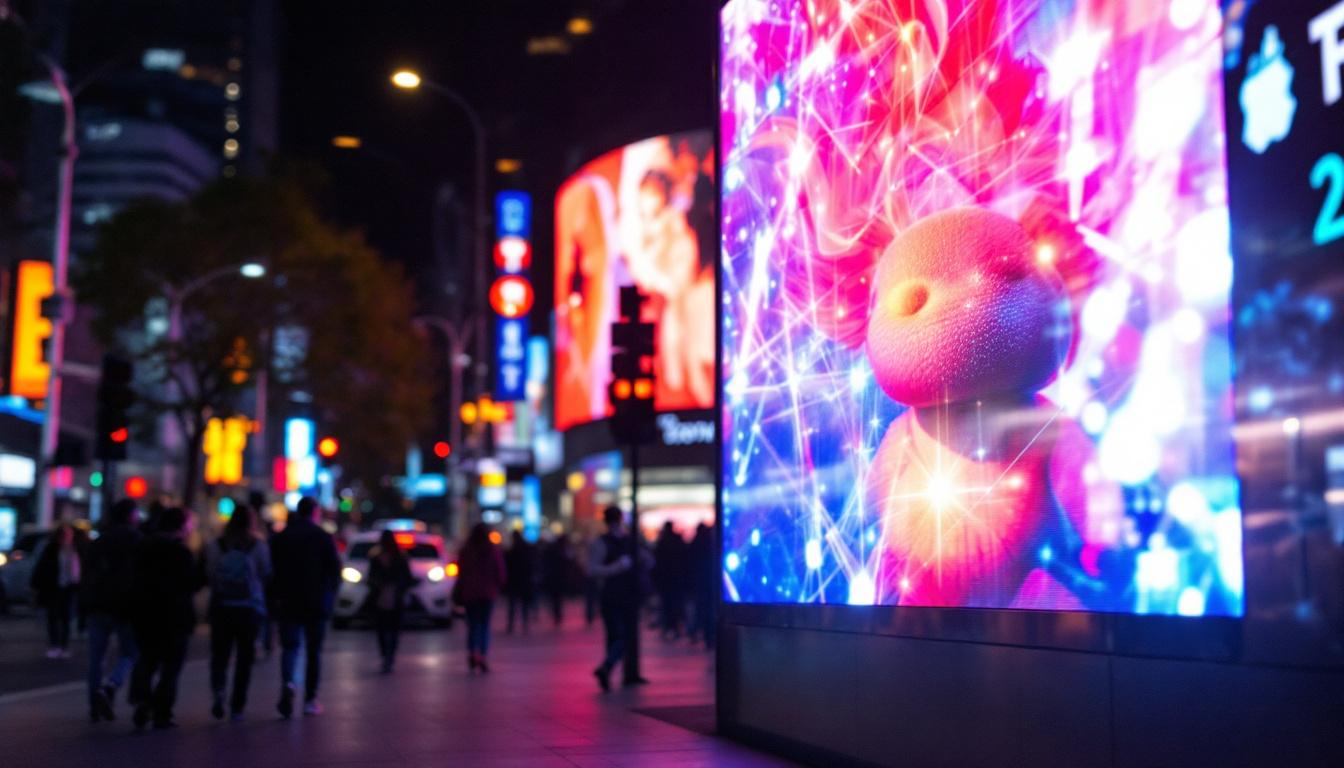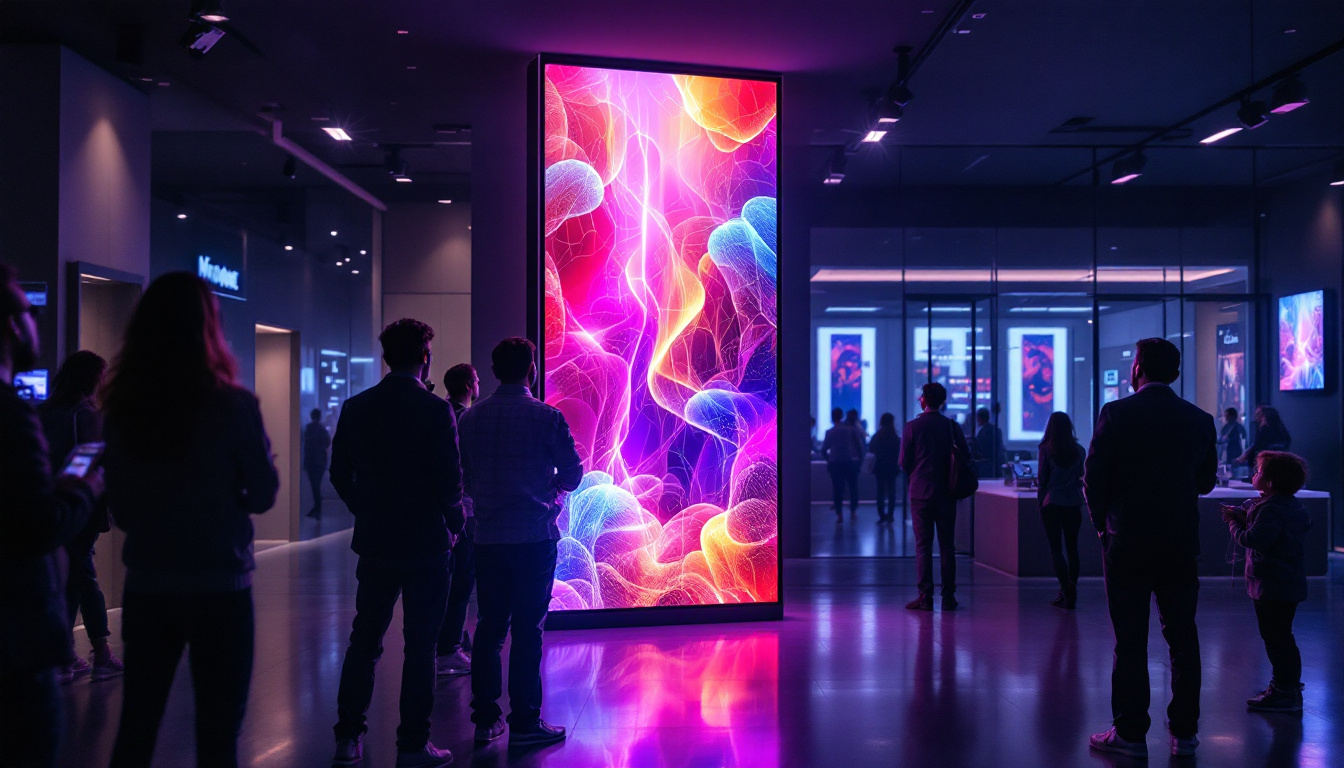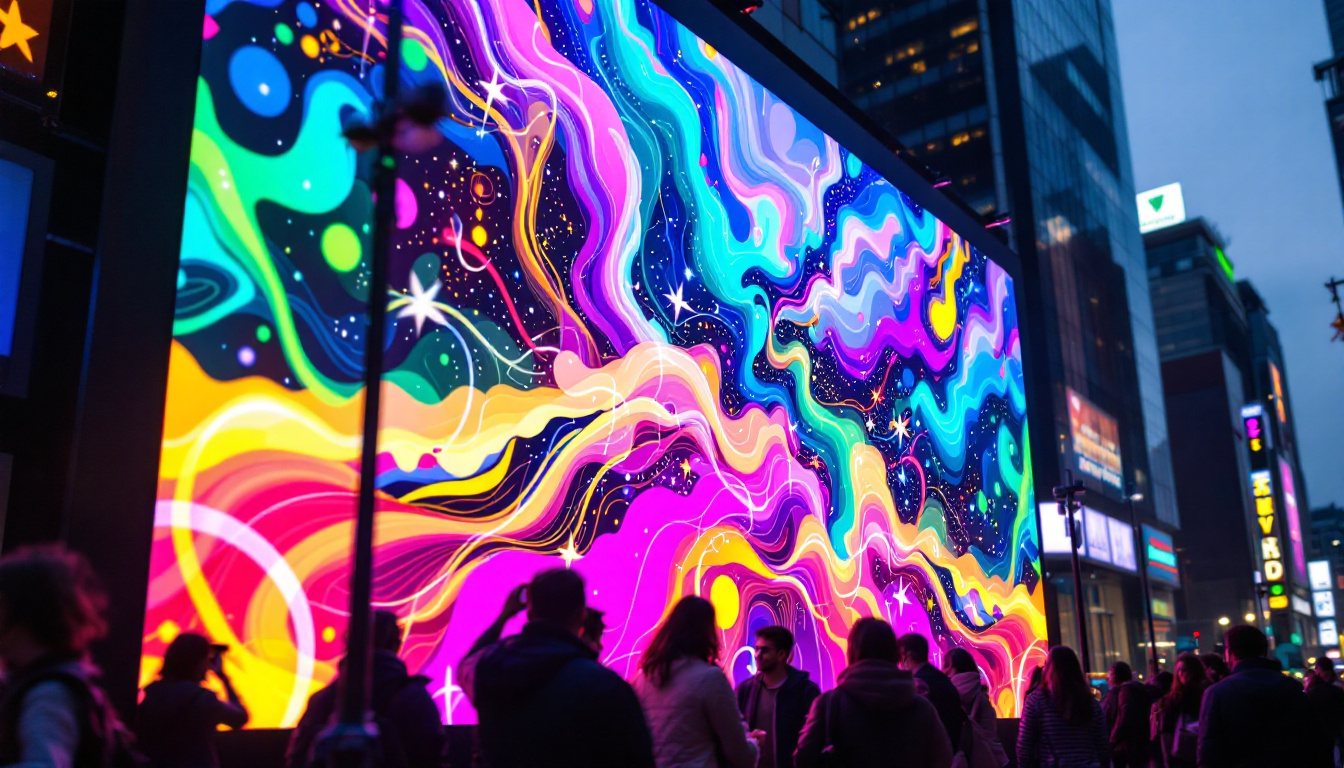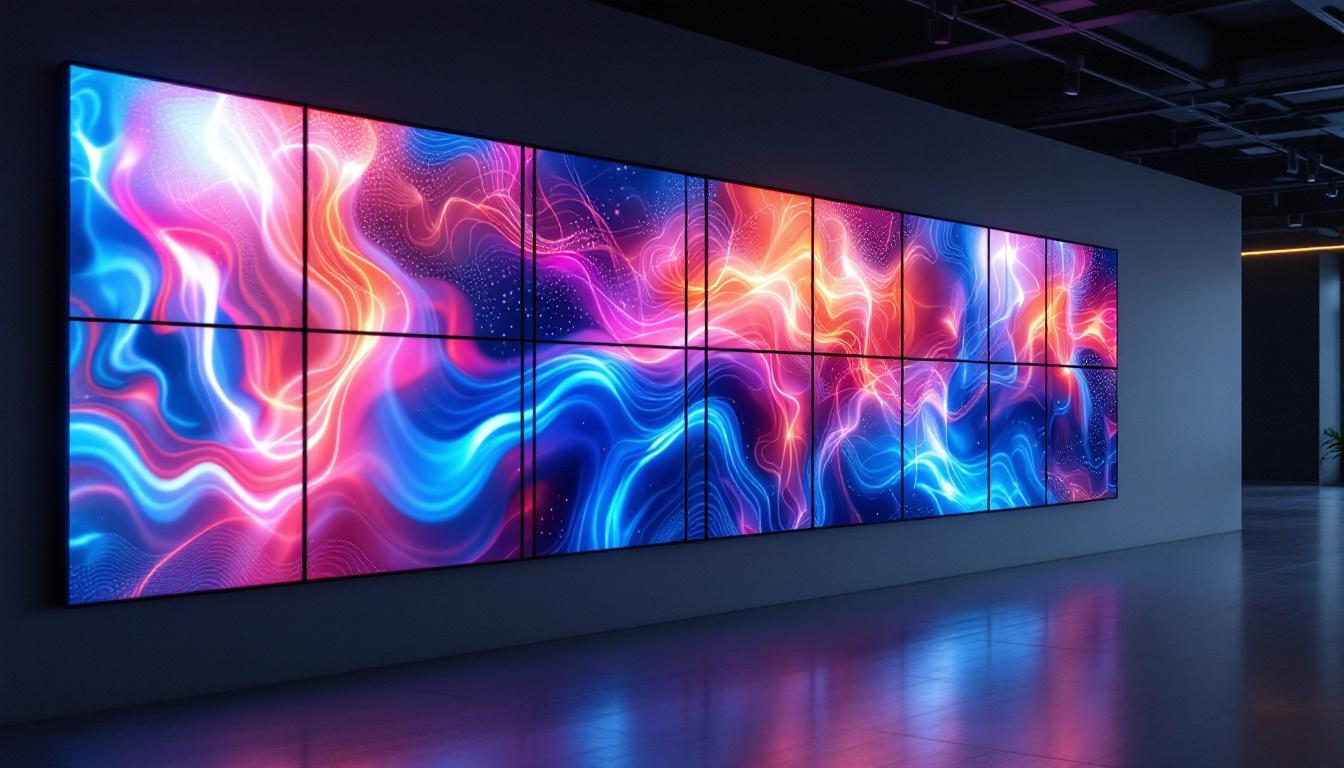
In an era where visual communication is paramount, smart panel walls powered by LED technology have become a cornerstone of modern display solutions. From retail environments and corporate settings to entertainment venues and public spaces, LED displays offer vibrant, dynamic, and energy-efficient ways to engage audiences. This article delves into the fundamentals of LED display technology, explores the advantages of smart panel walls, and examines their applications and future trends.
Understanding LED Display Technology
What Are LED Displays?
LED stands for Light Emitting Diode, a semiconductor device that emits light when an electric current passes through it. LED displays are composed of thousands, sometimes millions, of these tiny diodes arranged in a grid to form images, videos, or text. Unlike traditional LCD or plasma screens, LED displays emit their own light, which results in higher brightness levels and better contrast ratios. This self-illuminating property allows LED displays to perform exceptionally well in various lighting conditions, making them suitable for both indoor and outdoor applications.
There are two main types of LED displays: direct-view LED and LED-backlit LCD. Direct-view LED displays use LEDs as the actual pixels, making them ideal for large-scale installations such as video walls and outdoor billboards. LED-backlit LCDs, on the other hand, use LEDs as a backlight source behind an LCD panel, commonly found in televisions and computer monitors. The versatility of LED technology has led to its adoption in a wide range of industries, from retail advertising to sports arenas, where vibrant visuals can capture attention and convey messages effectively.
How Do Smart Panel Walls Work?
Smart panel walls are modular LED display systems designed to be scalable and customizable. Each panel contains a matrix of LEDs controlled by integrated circuits that manage color, brightness, and refresh rates. These panels can be seamlessly connected to form large, continuous displays without visible seams or gaps. This modularity not only allows for easy installation and maintenance but also enables users to create unique shapes and configurations tailored to specific environments or branding needs.
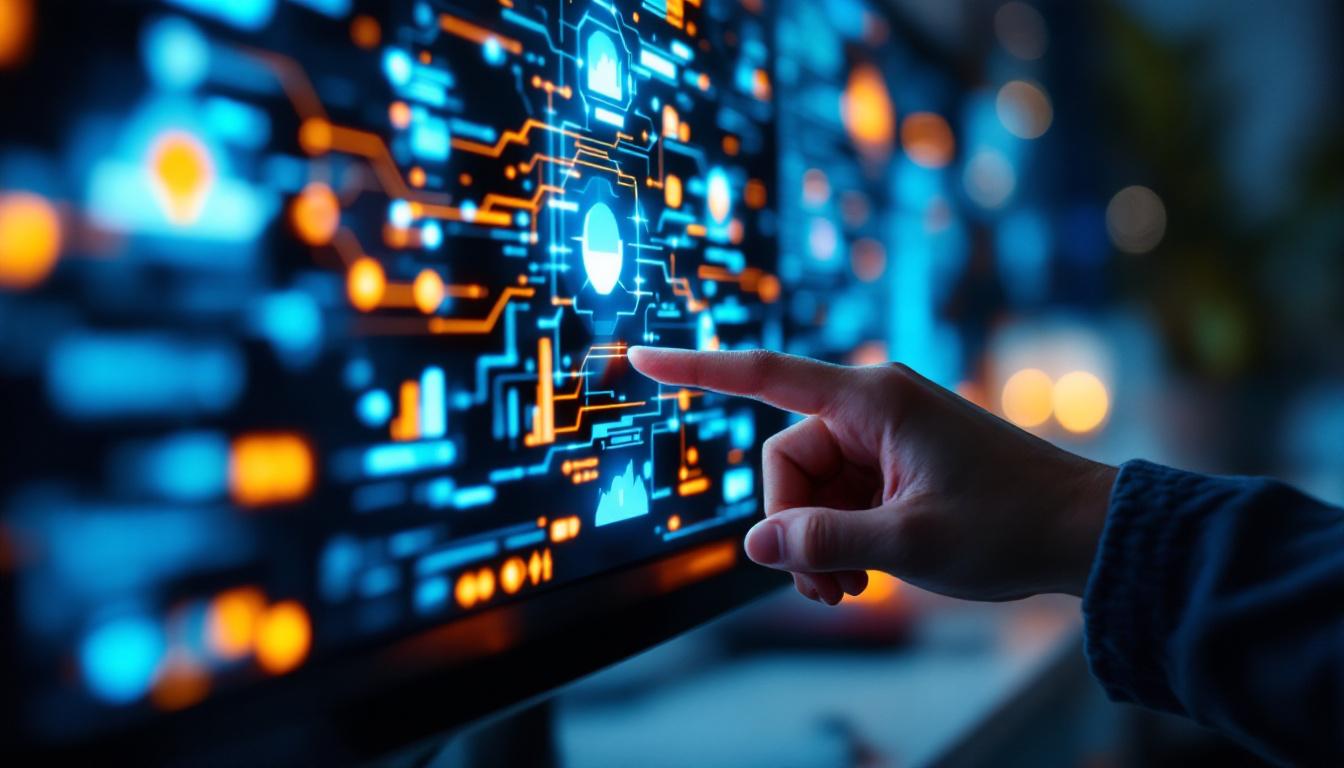
Advanced smart panels incorporate features such as automatic brightness adjustment, color calibration, and content management systems. These capabilities allow for real-time content updates, remote control, and integration with other digital systems, enhancing both flexibility and user experience. Additionally, many smart panel walls support interactive features, enabling touch-sensitive interfaces that can engage audiences in a dynamic way. This interactivity can be particularly beneficial in retail settings, where customers can explore products or promotions through engaging visual displays, ultimately driving sales and enhancing customer satisfaction.
The Advantages of Smart Panel Walls
Exceptional Visual Quality
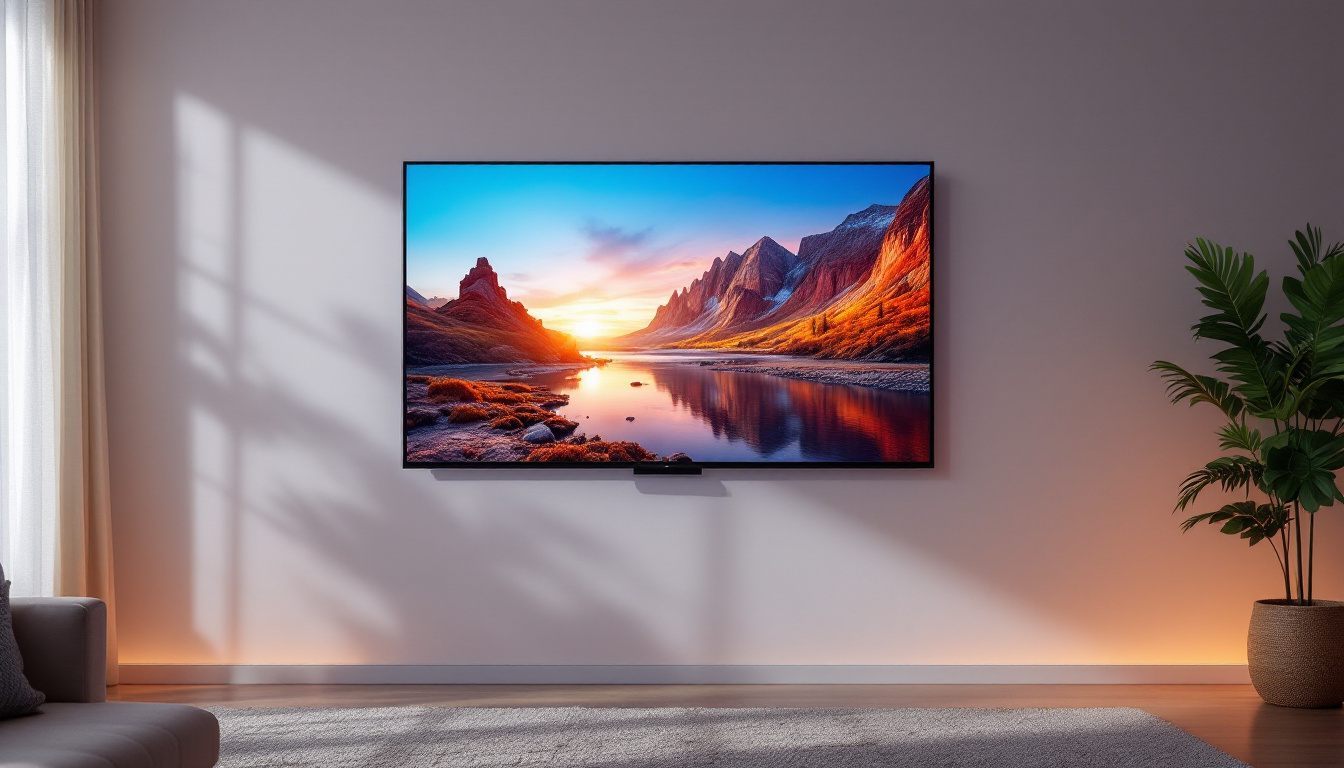
One of the primary benefits of smart panel walls is their superior visual performance. LED displays offer vibrant colors, deep blacks, and high contrast ratios that surpass many traditional display technologies. Modern LED panels can achieve brightness levels exceeding 1,500 nits, making them highly visible even in brightly lit environments or direct sunlight.
Moreover, the high refresh rates and wide viewing angles ensure smooth motion rendering and consistent image quality from virtually any perspective. This makes LED walls particularly effective for dynamic content such as videos, animations, and live broadcasts. The ability to present high-definition visuals enhances viewer engagement, making smart panel walls a popular choice for events, exhibitions, and advertising. Additionally, advancements in technology have led to the development of HDR (High Dynamic Range) capabilities in LED displays, allowing for an even broader range of colors and improved detail in both shadows and highlights, further enriching the viewing experience.
Energy Efficiency and Longevity
Energy consumption is a critical consideration for large-scale displays. LED technology is inherently energy-efficient because LEDs convert most of the electrical energy into light rather than heat. Compared to older display technologies like plasma or incandescent lighting, LED panels consume significantly less power, reducing operational costs and environmental impact.
In addition, LEDs have a long operational lifespan, often rated between 50,000 to 100,000 hours. This durability minimizes maintenance requirements and replacement costs, making smart panel walls a cost-effective investment over time. Furthermore, many modern LED panels are designed with smart technology that allows for automatic brightness adjustments based on ambient light conditions, optimizing energy use even further. This feature not only contributes to sustainability efforts but also ensures that the display maintains its visual impact throughout its lifespan, making it a reliable choice for continuous operation in various settings.
Flexibility and Scalability
Smart panel walls are highly adaptable. Their modular design allows for easy customization in size and shape, accommodating unique architectural features or specific spatial constraints. Whether the installation requires a massive outdoor billboard or a curved indoor video wall, LED panels can be configured accordingly.
Scalability is another key advantage. Businesses can start with a smaller setup and expand their display walls as needs evolve, simply by adding more panels. This flexibility is particularly valuable in fast-changing industries such as retail, where marketing strategies and visual messaging frequently shift. Additionally, the integration of smart technology enables these panels to connect with various content management systems, allowing for real-time updates and seamless content delivery. This capability empowers businesses to respond quickly to market trends, seasonal promotions, or special events, ensuring that their messaging remains relevant and impactful. As a result, smart panel walls not only serve as a visual tool but also as a strategic asset in driving customer engagement and enhancing brand visibility.
Applications of Smart Panel Walls
Retail and Advertising
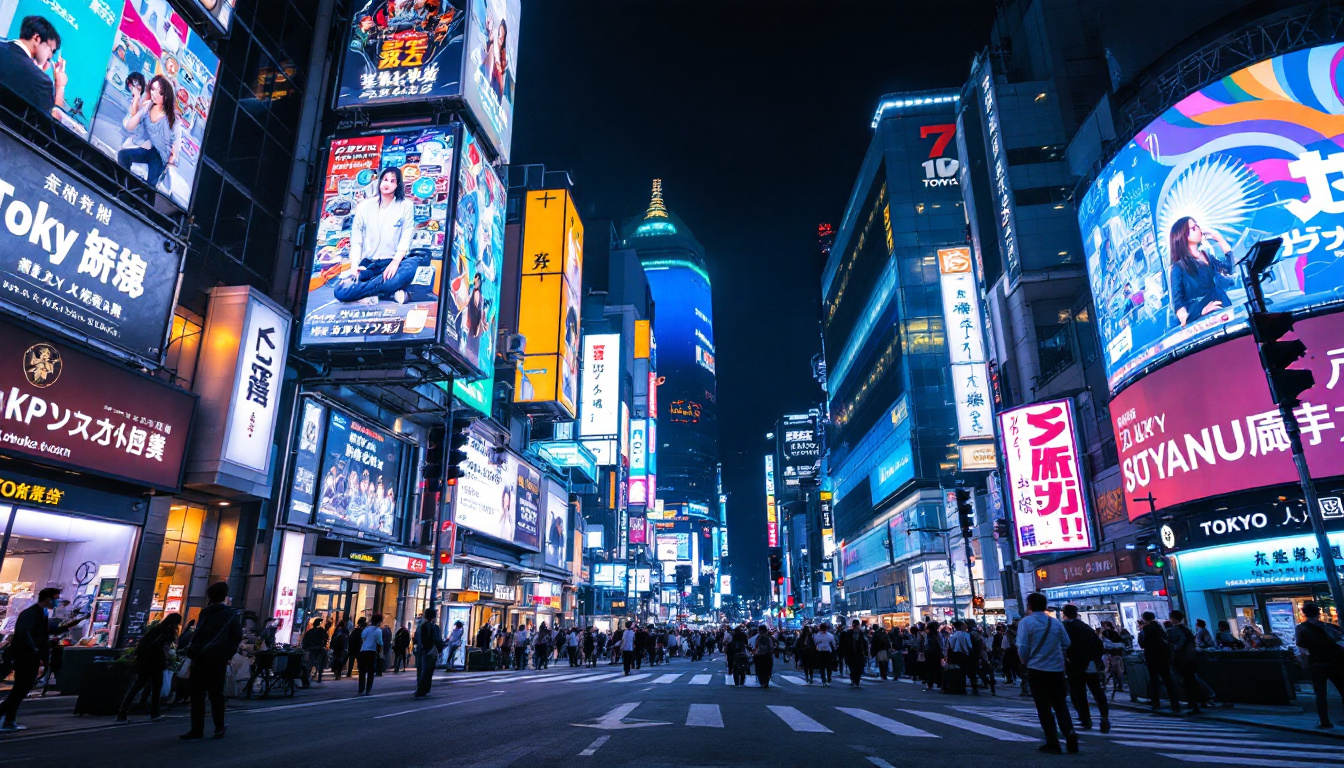
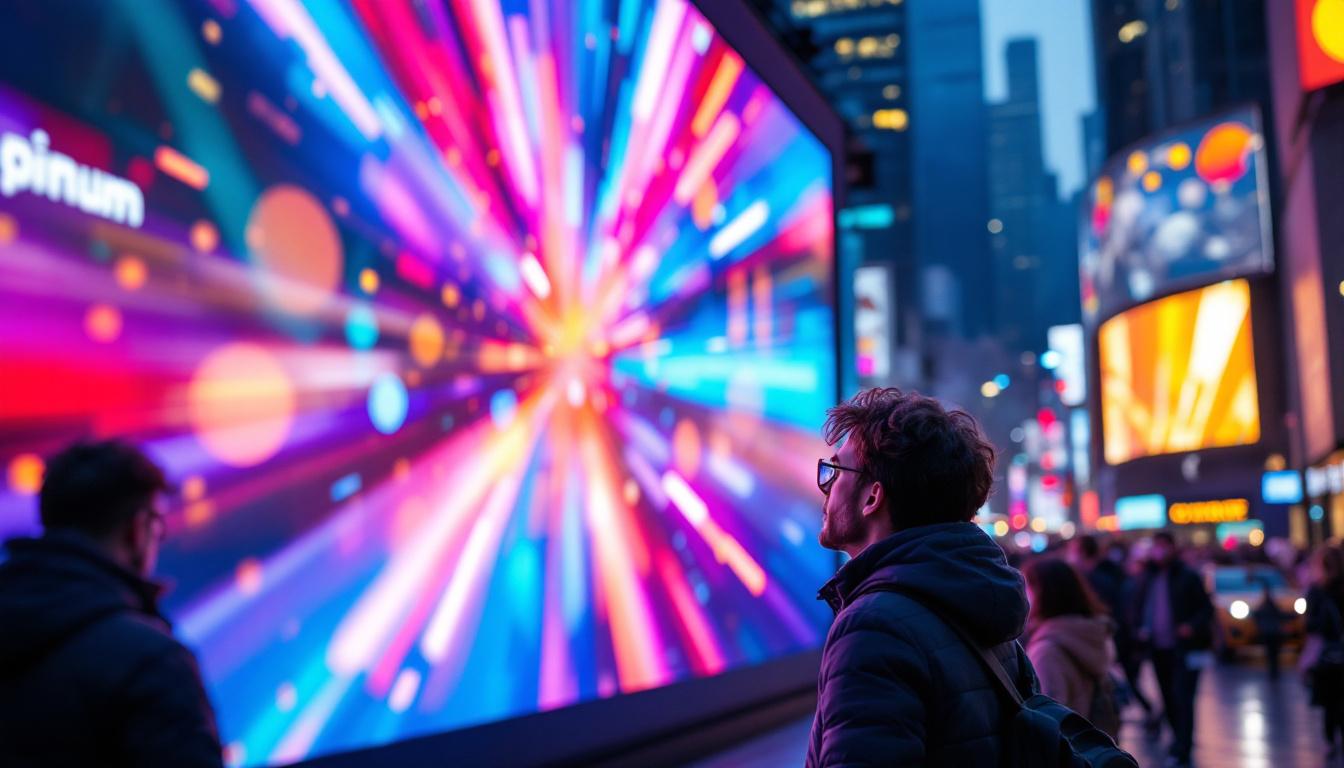
Retailers leverage smart panel walls to create immersive shopping experiences and capture customer attention. LED displays enable dynamic advertising campaigns that can be updated instantly to reflect promotions, seasonal themes, or product launches. According to a 2023 report by the Digital Signage Federation, digital signage including LED walls can increase customer engagement by up to 30%, driving higher sales conversions.
Furthermore, interactive LED walls equipped with touch or gesture recognition can enhance customer interaction, providing product information or personalized recommendations. This integration of technology and marketing fosters stronger brand connections.
Corporate and Conference Environments
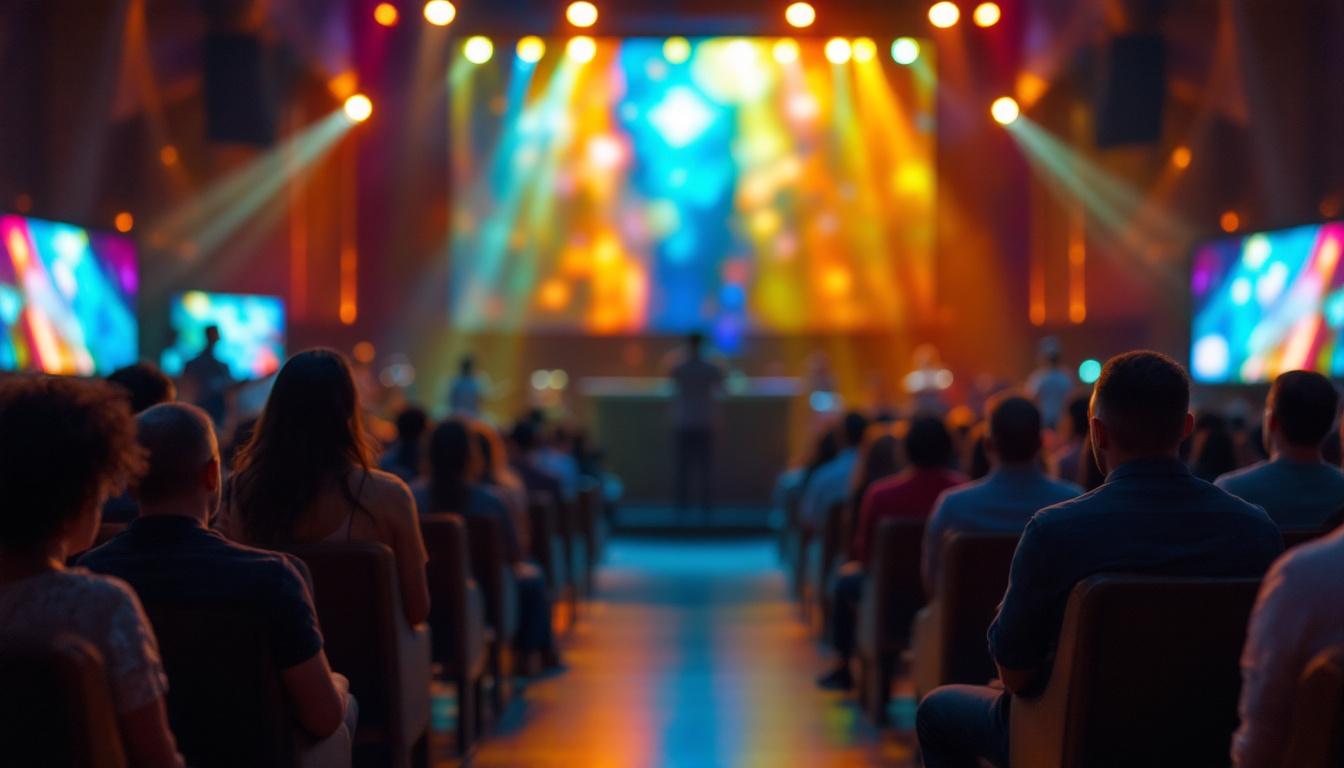
In corporate settings, smart panel walls serve as impactful tools for presentations, video conferencing, and digital collaboration. Large LED video walls in boardrooms or auditoriums facilitate clear communication and ensure that visual content is visible to all participants, regardless of room size.
Companies also use LED walls in lobbies and reception areas to display branding, news, or real-time data, reinforcing corporate identity and professionalism. The ability to control content remotely and schedule displays adds operational convenience.
Entertainment and Events
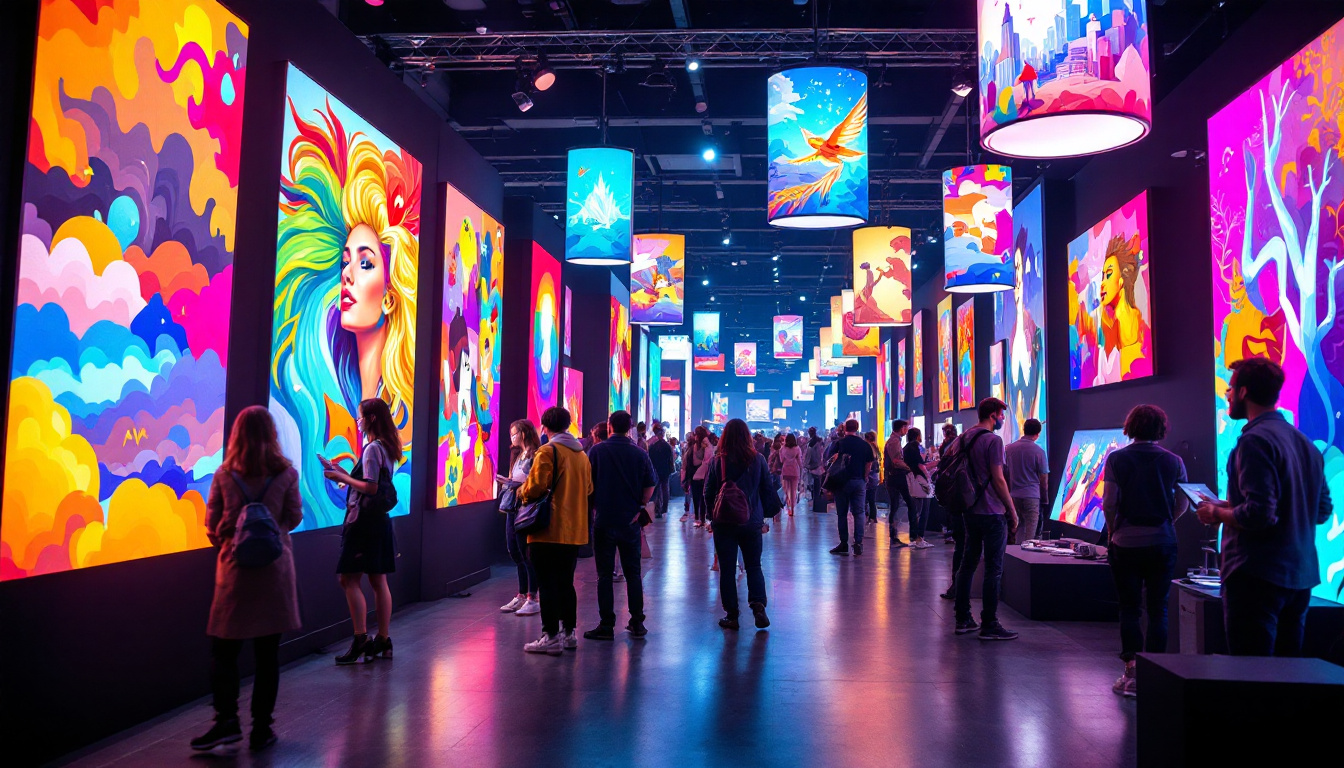
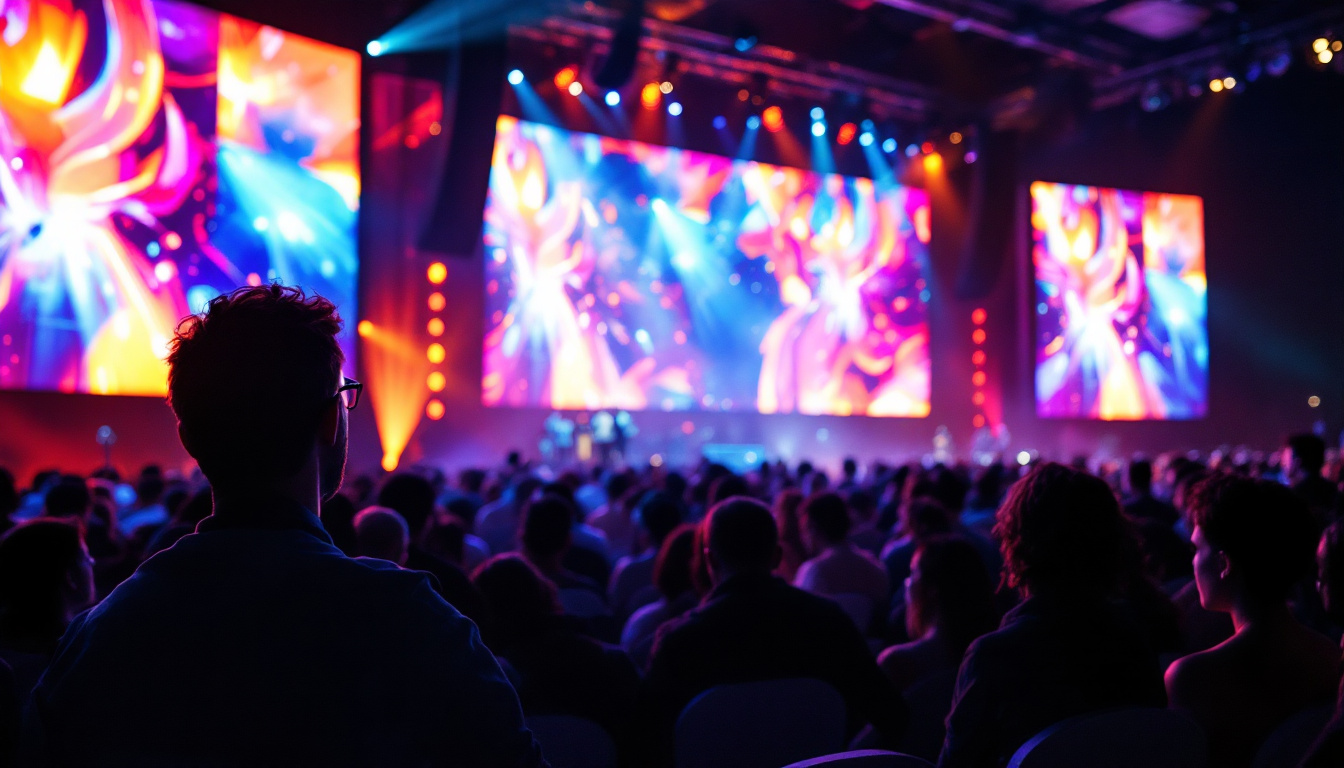
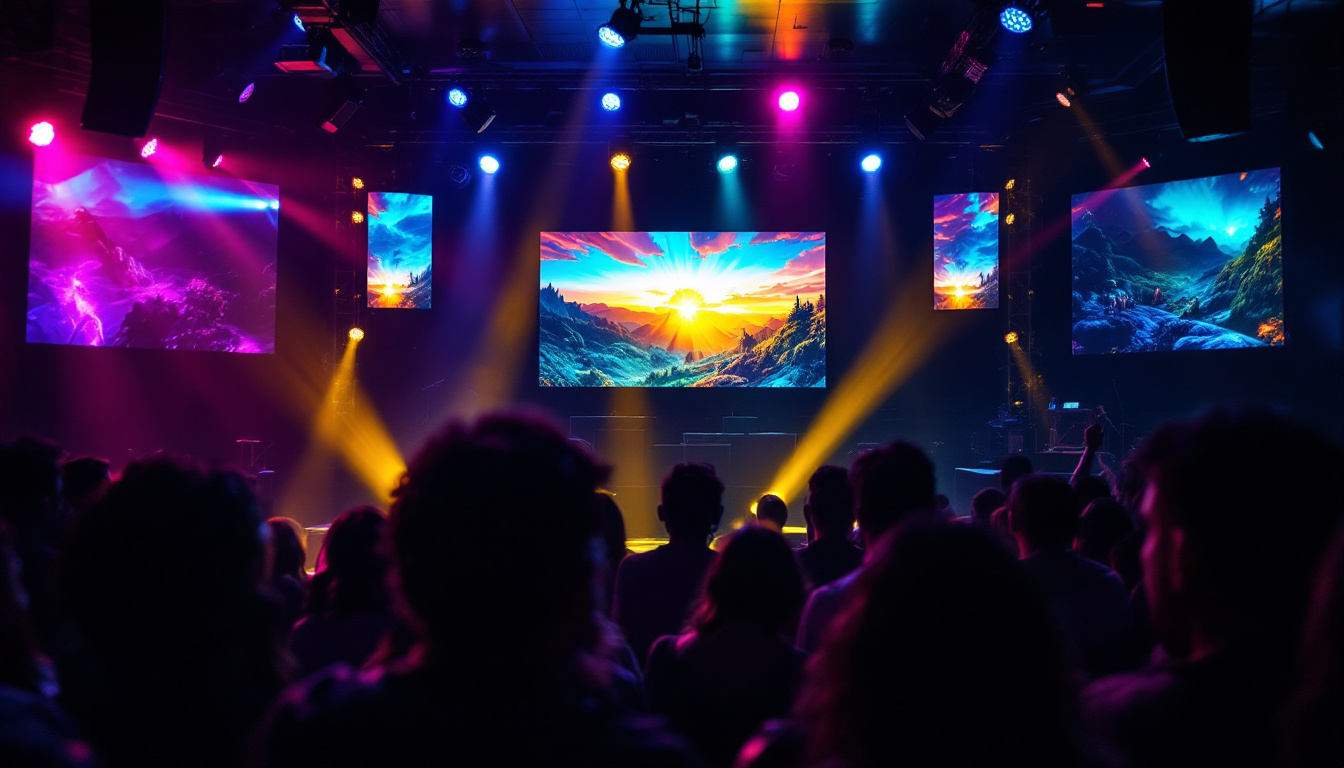
Live events, concerts, and sports venues benefit immensely from LED panel walls. Their brightness and clarity enable audiences to see details from great distances, enhancing the overall experience. For example, stadiums often use massive LED scoreboards and video walls to broadcast live footage, replays, and interactive content.
Event organizers also appreciate the portability and quick installation of modular LED panels, which allow for creative stage designs and immersive environments. The technology supports high frame rates and low latency, critical for synchronizing visuals with live performances.
Public Spaces and Transportation Hubs
Smart panel walls are increasingly common in airports, train stations, and city centers. They provide essential information such as schedules, alerts, and wayfinding, while also serving as platforms for public service announcements and advertising.
Durability and weather resistance are crucial for outdoor installations. Many LED panels are designed to withstand harsh environmental conditions, including rain, dust, and temperature fluctuations, ensuring reliable operation in diverse settings.
Key Considerations When Choosing LED Panel Walls
Resolution and Pixel Pitch
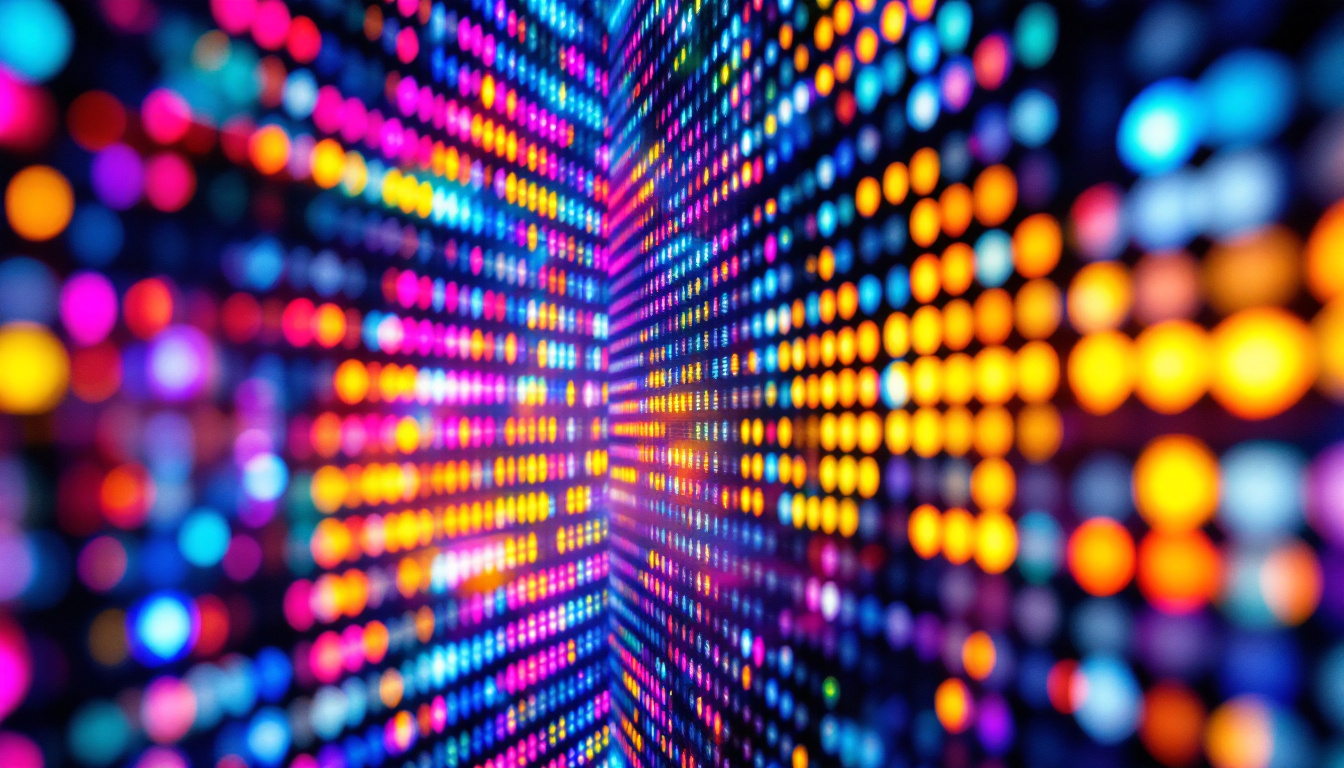
Resolution is a critical factor that determines the clarity and detail of the displayed content. Pixel pitch, the distance between the centers of adjacent LEDs, directly affects resolution. Smaller pixel pitches yield higher resolution and finer image quality but can increase cost.
Choosing the appropriate pixel pitch depends on viewing distance. For example, a pixel pitch of 1.2mm to 2.5mm is suitable for indoor environments where viewers are close, while outdoor displays often use pixel pitches of 4mm or larger due to greater viewing distances.
Brightness and Contrast Ratio
Brightness measured in nits is essential for visibility, especially in outdoor or brightly lit indoor environments. A high contrast ratio enhances image depth by making blacks appear deeper and colors more vivid. Evaluating these specifications ensures the display performs well under the intended lighting conditions.
Installation and Maintenance
Consider the complexity of installation and ongoing maintenance. Modular panels should be easy to mount, align, and service. Features such as front-access maintenance simplify repairs and reduce downtime, which is particularly important for installations in high-traffic or critical areas.
Content Management and Integration
Effective content management systems (CMS) enable seamless scheduling, updating, and monitoring of display content. Integration capabilities with other digital platforms, such as social media feeds, live data sources, or interactive applications, enhance the versatility of smart panel walls.
The Future of Smart Panel Walls
Advancements in LED Technology
Emerging LED technologies promise even greater performance improvements. MicroLED displays, which use microscopic LEDs for each pixel, offer ultra-high resolution, improved energy efficiency, and longer lifespans. These innovations could revolutionize the market by enabling thinner, lighter, and more flexible display panels.
Artificial Intelligence and Interactivity
Integration with artificial intelligence (AI) is enhancing the interactivity and responsiveness of smart panel walls. AI-powered analytics can tailor content based on audience demographics, behavior, or environmental factors, creating personalized and context-aware experiences.
Gesture recognition, facial recognition, and voice control are becoming more common, transforming passive displays into interactive platforms that engage users in novel ways.
Sustainability and Environmental Impact
As sustainability gains prominence, manufacturers are focusing on eco-friendly materials and energy-saving designs. LED displays already consume less power than many alternatives, but future developments aim to minimize waste and improve recyclability.
Smart panel walls can also contribute to green building certifications by enhancing energy efficiency and reducing the need for printed materials, aligning with corporate social responsibility goals.
Conclusion
Smart panel walls powered by LED technology represent a dynamic and versatile solution for modern visual communication needs. Their exceptional image quality, energy efficiency, and adaptability make them suitable for a wide range of applications, from retail and corporate environments to entertainment and public spaces.
Understanding the technical aspects, benefits, and practical considerations of LED displays is essential for making informed decisions when investing in smart panel walls. As technology continues to evolve, these displays will become even more integrated, interactive, and sustainable, shaping the future of digital signage and visual engagement.
Explore Cutting-Edge LED Solutions with LumenMatrix
Ready to elevate your visual communication with the latest in LED technology? Discover LumenMatrix’s comprehensive range of LED display modules, designed to bring your brand to life and captivate your audience. From vibrant Indoor and Outdoor LED Wall Displays to innovative solutions like Vehicle, Sports, and Floor LED Displays, LumenMatrix offers custom and All-in-One LED Displays that promise to transform your space. Experience the future of digital signage with our LED Transparent Displays and revolutionize how you engage with your audience. Check out LumenMatrix LED Display Solutions today and step into a world of unparalleled visual clarity and impact.