In the rapidly evolving world of display technology, LED displays have become a cornerstone in everything from advertising billboards to indoor digital signage. Among the various manufacturing techniques and component types, SMD (Surface-Mounted Device) and SMT (Surface-Mount Technology) stand out as pivotal concepts that define the quality, performance, and application of LED displays. This article delves into the intricacies of SMD and SMT in LED displays, exploring their differences, advantages, and why understanding these technologies is essential for professionals and enthusiasts alike.
Understanding LED Display Technology
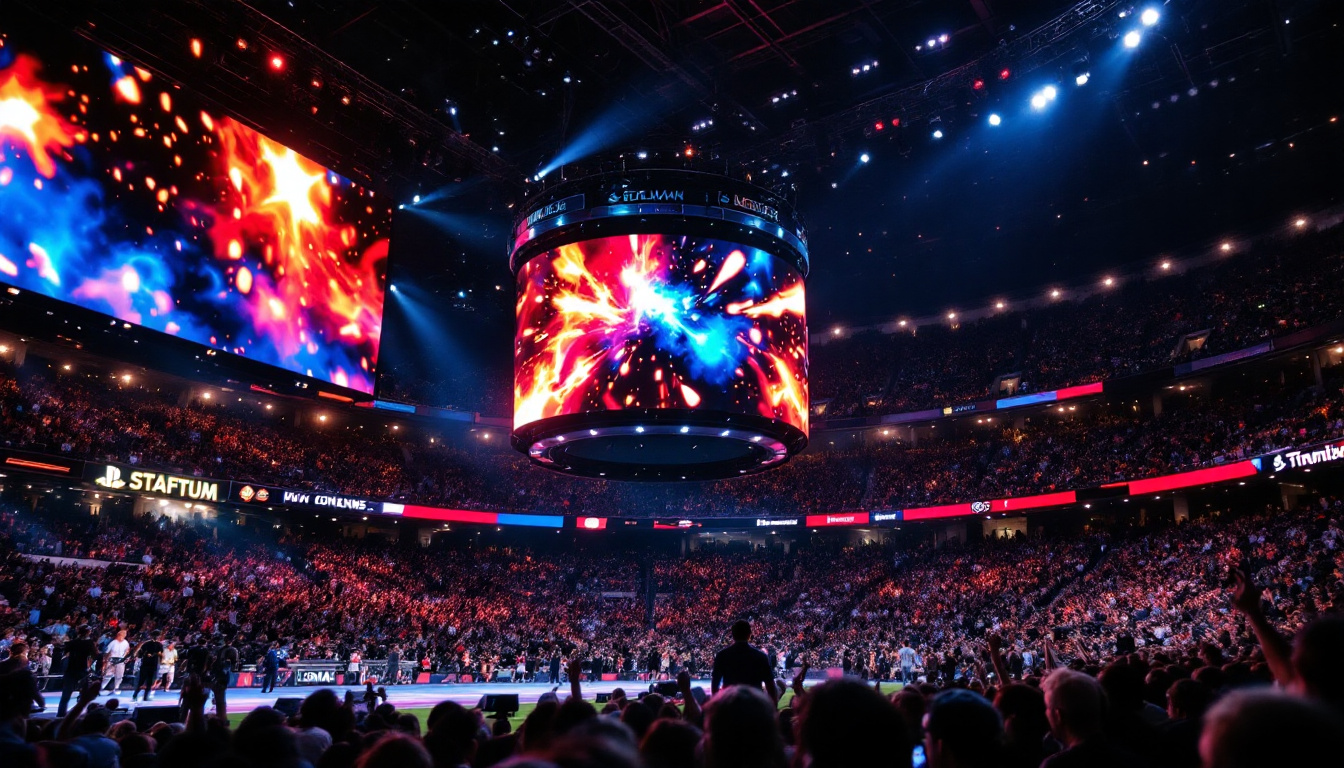
Light Emitting Diode (LED) displays use tiny semiconductor light sources to create vivid images and videos. Unlike traditional display technologies such as LCD or plasma, LEDs emit their own light, which results in higher brightness, better contrast, and improved energy efficiency. LED displays are widely used in outdoor advertising, stadium screens, traffic signals, and indoor digital signage due to their durability and visibility under various lighting conditions.
At the heart of these displays are the LEDs themselves, which can be configured in different ways. Two key terms frequently encountered in LED display manufacturing are SMD and SMT. While these terms are related, they refer to different aspects of the assembly and component types used in LED displays.
One of the most significant advantages of LED technology is its scalability. LED displays can be constructed in various sizes and shapes, making them adaptable for a wide range of applications. For instance, large-scale video walls in shopping malls or concert venues can be created by linking multiple smaller LED panels together, providing a seamless viewing experience. Additionally, the modular nature of LED displays allows for easy maintenance and upgrades, as individual panels can be replaced without needing to overhaul the entire system.
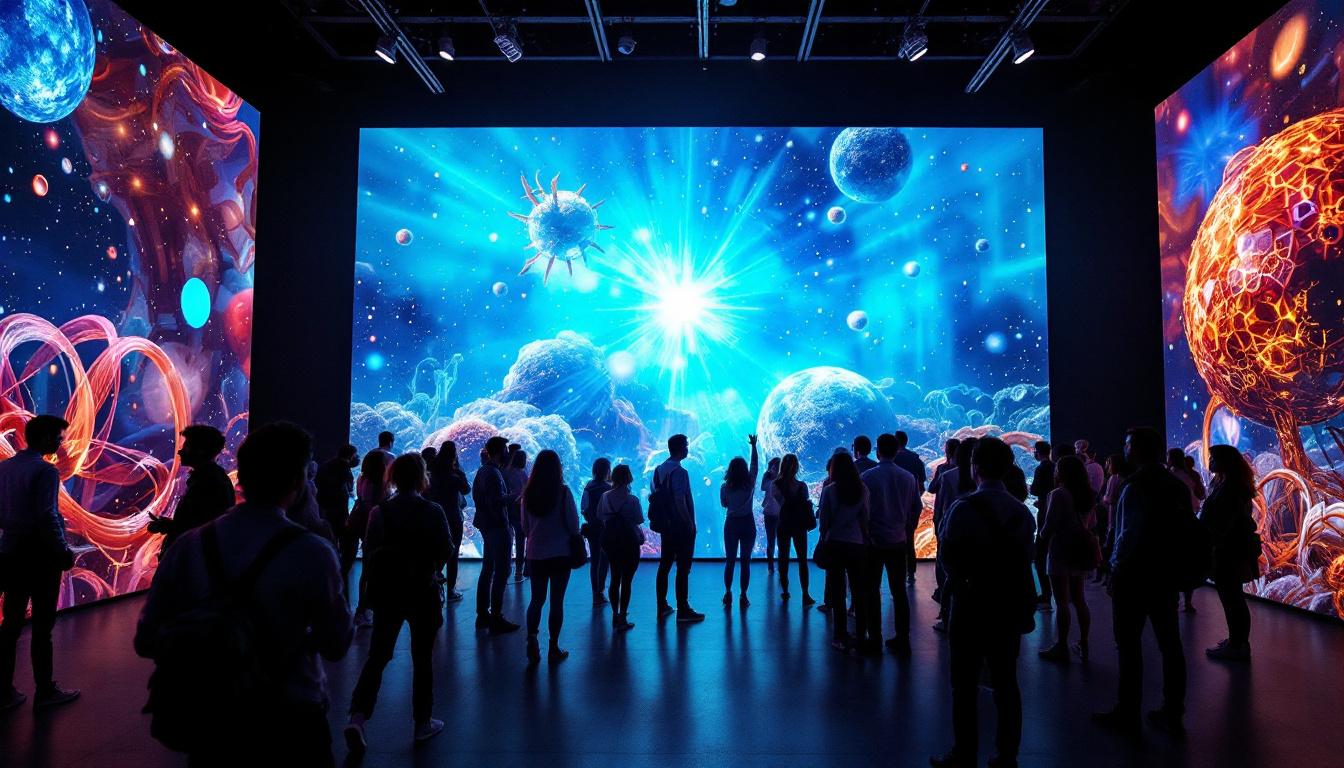
Moreover, the color accuracy and refresh rates of LED displays have improved dramatically over the years, making them suitable for high-definition content and dynamic visuals. This is particularly important in environments where real-time information is displayed, such as stock tickers or live sports scores. The ability to produce a broader color spectrum and sharper images has positioned LED technology as the preferred choice for both commercial and artistic applications, including immersive art installations and interactive displays that engage audiences in innovative ways.
What is SMT (Surface-Mount Technology)?
Surface-Mount Technology (SMT) is a method for producing electronic circuits in which components are mounted directly onto the surface of printed circuit boards (PCBs). This contrasts with older through-hole technology, where component leads are inserted into holes drilled in the PCB and soldered on the opposite side.
SMT revolutionized electronics manufacturing by enabling smaller, more compact, and more reliable circuit assemblies. The technology allows for automated placement of components, which increases production speed and consistency. SMT components are typically smaller and lighter, which is crucial for modern LED displays that require high pixel density and compact modules.
How SMT Applies to LED Displays
In LED displays, SMT is the process used to mount the LED chips and other electronic components onto the display’s PCB. This process ensures precise placement of LEDs, which is essential for uniform brightness and color consistency across the display. SMT also supports the integration of additional components such as resistors, capacitors, and integrated circuits that control the LED operation.
By using SMT, manufacturers can produce LED modules with higher pixel density, enabling sharper images and smoother video playback. The technology also facilitates the creation of flexible and curved LED displays, which have become increasingly popular in architectural and creative applications.
What is SMD (Surface-Mounted Device)?
Surface-Mounted Device (SMD) refers to the actual electronic components designed for SMT assembly. In the context of LED displays, SMD specifically denotes the LED packages that are mounted on the PCB surface. These LED packages contain the LED chips encapsulated in a compact, surface-mountable form factor.
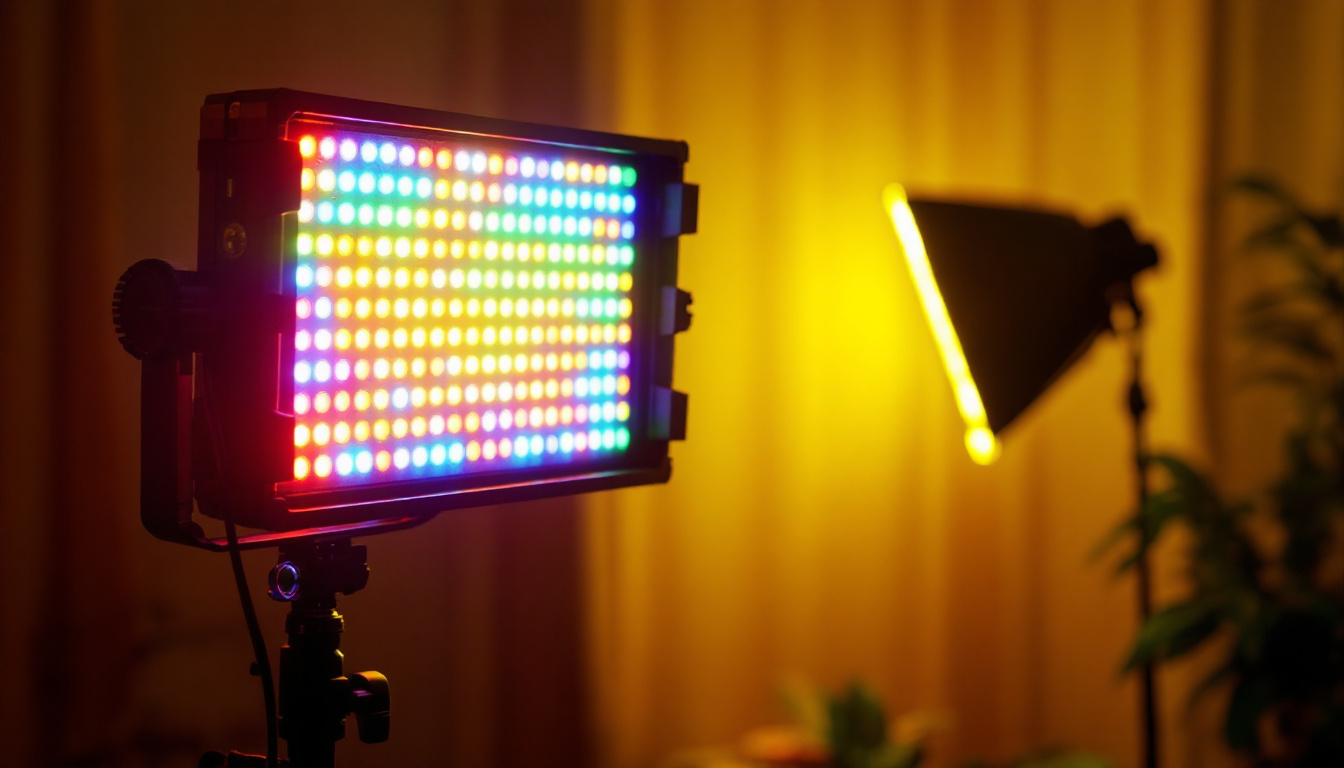
SMD LEDs are characterized by their small size, typically ranging from 0603 (0.06″ x 0.03″) to 5050 (5.0mm x 5.0mm) package sizes. The numbers represent the dimensions of the LED package in millimeters or inches. The most common SMD LED package used in displays is the 3-in-1 type, which integrates red, green, and blue LED chips into a single package, enabling full-color displays with excellent color mixing and viewing angles.
Advantages of SMD LEDs in Displays
SMD LEDs offer several benefits that make them ideal for modern LED displays:
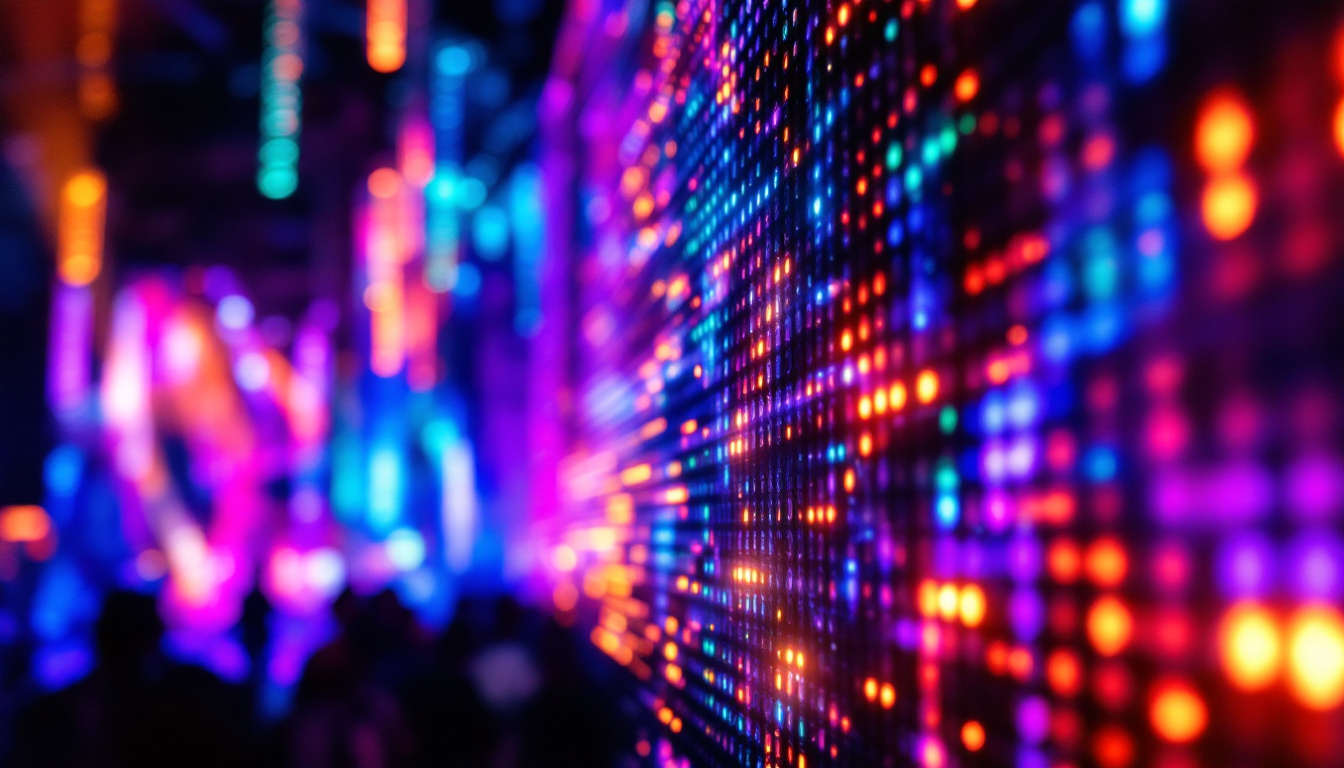
- High Pixel Density: Due to their compact size, SMD LEDs can be placed very close to each other, resulting in higher resolution and finer image detail.
- Wide Viewing Angles: SMD LEDs typically provide viewing angles up to 160 degrees, ensuring consistent image quality from various perspectives.
- Improved Color Uniformity: The integration of RGB chips in a single package allows for better color blending and more vibrant displays.
- Energy Efficiency: SMD LEDs consume less power compared to older LED technologies, reducing operational costs.
SMD vs. Traditional LED Technologies
Before the widespread adoption of SMD LEDs, LED displays often used DIP (Dual In-line Package) LEDs. Understanding the differences between SMD and DIP LEDs is crucial for evaluating display performance and suitability for specific applications.
DIP LEDs
DIP LEDs are larger, with individual red, green, and blue LEDs housed separately and arranged in clusters to form pixels. While DIP LEDs are robust and have good brightness, they come with limitations:
- Lower pixel density due to larger size
- Narrower viewing angles (typically around 60 degrees)
- Less uniform color blending
- Heavier and bulkier modules
SMD LEDs
In contrast, SMD LEDs offer a compact, integrated solution that overcomes many of DIP’s limitations. This has led to SMD becoming the dominant technology in indoor and fine-pitch LED displays. For outdoor applications requiring extreme brightness and durability, DIP LEDs are still sometimes used, but the gap is narrowing.
Applications of SMD/SMT LED Displays
The combination of SMD LEDs and SMT assembly techniques has opened up a wide range of applications for LED displays, driven by their superior image quality, reliability, and design flexibility.
Indoor Digital Signage
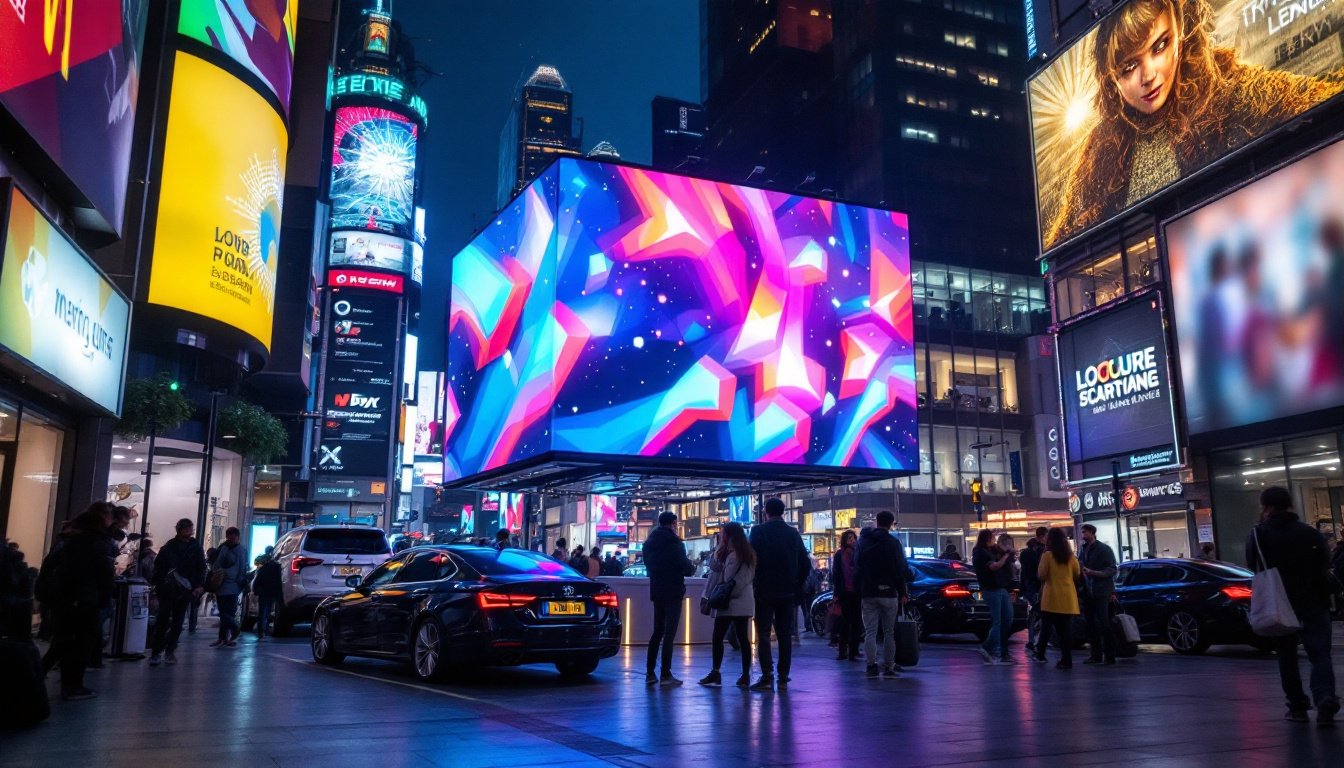
Indoor environments such as shopping malls, airports, and corporate lobbies benefit from SMD LED displays due to their high resolution and excellent color reproduction. The fine pixel pitch achievable with SMD technology allows for close viewing distances without visible pixelation, making them ideal for advertising, information dissemination, and entertainment.
Outdoor Advertising and Events
While outdoor LED displays historically relied on DIP LEDs for their brightness and weather resistance, advancements in SMD LED technology have made them suitable for many outdoor applications as well. SMD displays can now achieve brightness levels exceeding 5,000 nits, ensuring visibility even in direct sunlight. Their lightweight and modular design make installation and maintenance easier for large-scale billboards and event screens.
Creative and Architectural Installations
The flexibility of SMT assembly allows LED modules to be manufactured in curved or irregular shapes, enabling innovative designs in architectural lighting and artistic installations. SMD LEDs’ compact size and color versatility support dynamic lighting effects and immersive visual experiences.
Key Considerations When Choosing SMD/SMT LED Displays
For businesses and professionals selecting LED displays, understanding the nuances of SMD and SMT technologies is critical to making informed decisions that align with performance needs and budget constraints.
Pixel Pitch and Resolution
Pixel pitch, the distance between the centers of two adjacent pixels, directly affects image clarity. Smaller pixel pitch (e.g., 1.2mm to 2.5mm) is achievable with SMD LEDs and SMT assembly, providing high-definition displays suitable for close viewing. Larger pixel pitches are more cost-effective for applications where viewers are farther away.
Brightness and Viewing Environment
Brightness requirements vary depending on indoor or outdoor use. SMD LEDs can be engineered for different brightness levels, but outdoor displays typically require higher nits to combat sunlight. Additionally, viewing angles and ambient lighting conditions influence the choice of LED package and assembly method.
Durability and Maintenance
SMT assembly enhances the reliability of LED modules by reducing solder joint failures and improving heat dissipation. However, environmental factors such as moisture, dust, and temperature fluctuations must be considered. Many SMD LED displays come with protective coatings or enclosures to extend lifespan.
Cost and Scalability
While SMD/SMT LED displays generally have higher upfront costs due to advanced manufacturing, their energy efficiency, lower maintenance, and superior image quality often result in better long-term value. Modular designs also allow for scalable installations, from small indoor panels to massive outdoor video walls.
The Future of SMD/SMT LED Displays
As display technology continues to advance, SMD and SMT will remain foundational to LED display innovation. Emerging trends include micro-LEDs, which are even smaller surface-mounted LEDs promising ultra-high resolution and brightness with lower power consumption. These developments build upon the principles of SMT assembly and SMD packaging.
Moreover, integration with smart technologies and IoT connectivity is transforming LED displays into interactive platforms capable of real-time content updates, analytics, and user engagement. The precision and flexibility offered by SMD and SMT technologies enable these sophisticated functionalities.
Conclusion
SMD and SMT are integral to the design and manufacture of modern LED displays, influencing everything from image quality and viewing experience to durability and energy efficiency. Understanding these technologies equips professionals with the knowledge to select the right LED display solutions for diverse applications, ensuring optimal performance and return on investment.
Whether for vibrant indoor signage, dynamic outdoor advertising, or innovative architectural projects, the synergy of SMD LEDs and SMT assembly continues to push the boundaries of what LED displays can achieve, illuminating the future of visual communication.
Discover Cutting-Edge LED Displays with LumenMatrix
Ready to elevate your visual communication with the latest in LED display technology? Look no further than LumenMatrix, a pioneer in crafting LED display modules that bring your brand to life. From the immersive Indoor LED Wall Display to the dynamic Outdoor LED Wall Display, and from the mobile versatility of Vehicle LED Displays to the innovative LED Transparent Display, LumenMatrix offers a comprehensive range of solutions tailored to your needs. Experience the future of digital signage with our Custom LED Displays, All-in-One LED Displays, and more. Don’t miss the opportunity to captivate your audience and amplify your message. Check out LumenMatrix LED Display Solutions today and transform your space into a visual spectacle.