In the rapidly evolving world of digital signage and architectural design, LED displays have become a cornerstone technology. Their versatility, brightness, and ability to transform surfaces have opened up new possibilities for both commercial and residential spaces. One particularly innovative application is the concept of “smoothing walls” using LED displays, where walls become dynamic canvases that blend seamlessly with their environment. This article delves into the technology behind LED displays, explores how they contribute to smoothing walls, and highlights their practical applications and benefits.
Understanding LED Display Technology
LED, or Light Emitting Diode, technology has revolutionized the way images and videos are displayed in various environments. At its core, an LED display consists of numerous tiny diodes that emit light when an electrical current passes through them. These diodes can be arranged in grids or panels to create vibrant, high-resolution images that are visible even in bright ambient light. The versatility of LED technology allows it to be used in a wide range of applications, from advertising and entertainment to information dissemination and artistic installations.
In addition to their brightness and energy efficiency, LED displays are known for their longevity. With a lifespan that can exceed 100,000 hours, these displays require less frequent replacements compared to traditional display technologies. This durability not only reduces maintenance costs but also contributes to a lower environmental impact, as fewer displays end up in landfills. Furthermore, advancements in LED technology continue to improve their performance, making them an increasingly popular choice for both commercial and residential use.
Types of LED Displays
There are several types of LED displays, each suited for different applications. The most common are:
- Indoor LED Displays: Designed for controlled lighting environments, these displays offer high resolution and fine pixel pitch, making them ideal for detailed content such as text and graphics. They are frequently used in venues like conference rooms, shopping malls, and theaters, where clarity and color accuracy are paramount.
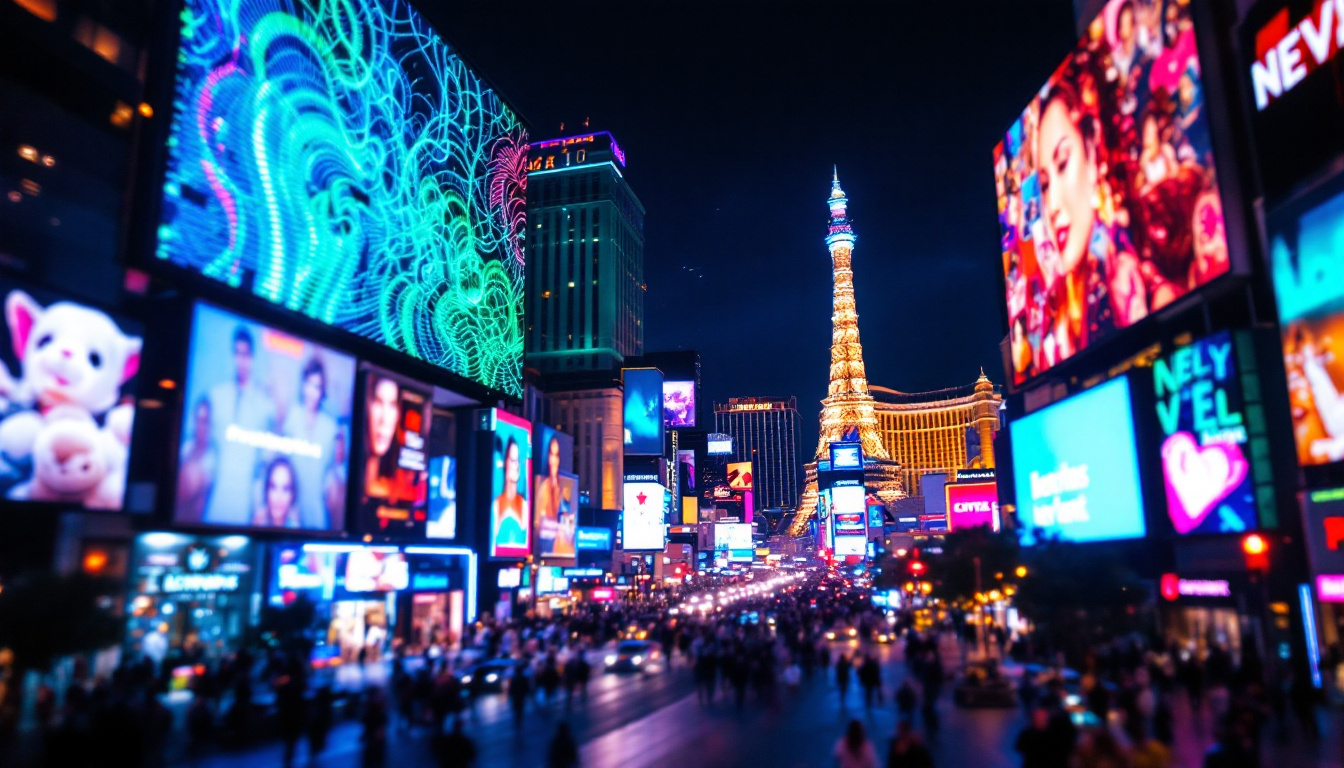
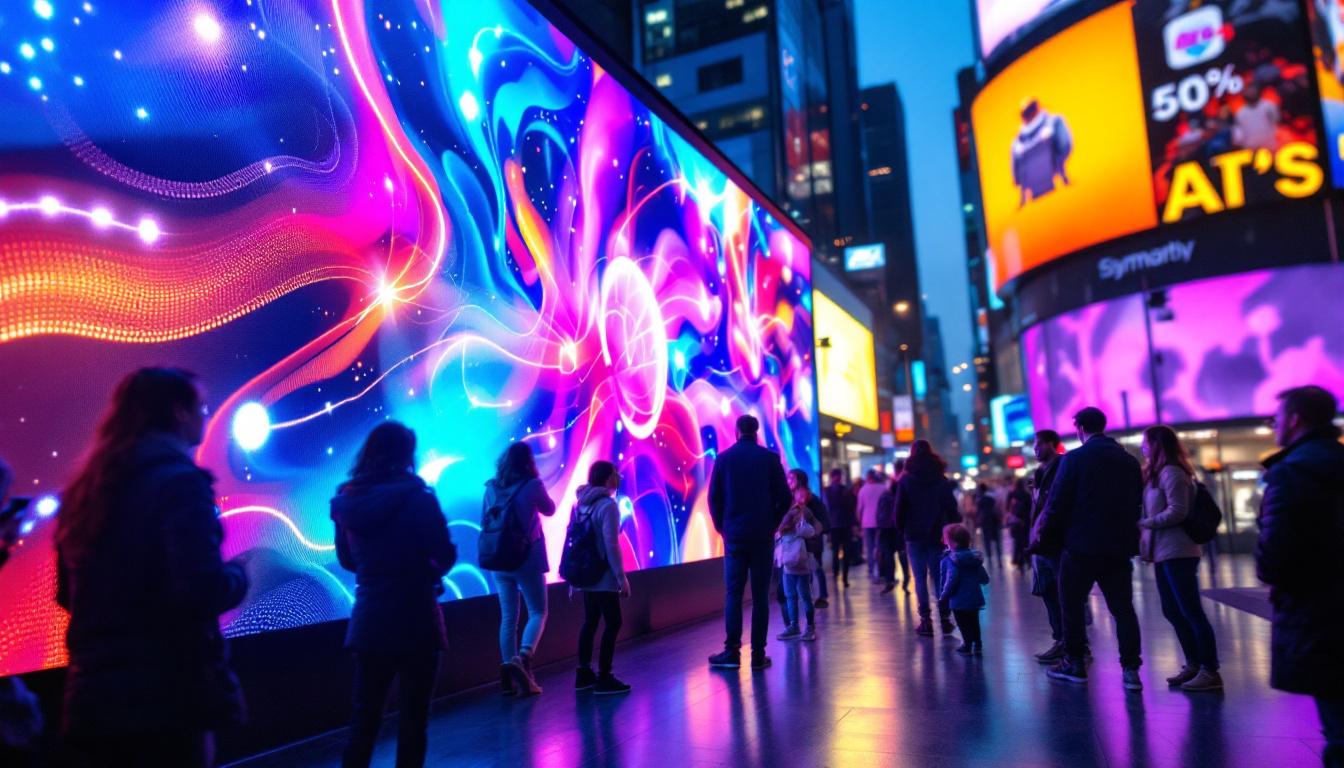
- Outdoor LED Displays: Built to withstand harsh weather conditions, these displays are brighter and more robust, suitable for billboards, stadium screens, and public information boards. Their ability to deliver high visibility in direct sunlight makes them a preferred choice for outdoor advertising and event promotion.
- Transparent LED Displays: These innovative screens allow light to pass through, enabling their integration into glass walls or windows without obstructing views. This feature not only enhances aesthetic appeal but also provides a unique advertising medium that can engage consumers without compromising the architectural integrity of a building.
- Flexible LED Displays: Utilizing bendable substrates, these displays can conform to curved surfaces, opening up new design possibilities. They are particularly popular in creative installations and exhibitions, where traditional rigid displays would be impractical.
Key Technical Specifications
When considering LED displays for smoothing walls, several technical aspects are crucial:
- Pixel Pitch: The distance between individual LEDs, measured in millimeters. Smaller pixel pitches yield higher resolution and image clarity, especially for close viewing distances. This is particularly important in settings like control rooms or broadcast studios, where detail is essential.
- Brightness: Measured in nits, brightness affects visibility in different lighting conditions. Outdoor displays often exceed 5,000 nits, while indoor displays typically range from 800 to 1,500 nits. The ability to adjust brightness dynamically based on environmental light levels is also a feature of advanced LED systems, enhancing energy efficiency.
- Refresh Rate: The frequency at which the display updates its image, usually measured in Hertz (Hz). Higher refresh rates reduce flicker and improve the viewing experience, making them ideal for video content and fast-moving graphics.
- Viewing Angle: The maximum angle at which the display can be viewed without significant loss of image quality or color distortion. Displays with wide viewing angles are particularly beneficial in public spaces, ensuring that everyone has a clear view of the content being presented.
The Concept of Smoothing Walls with LED Displays
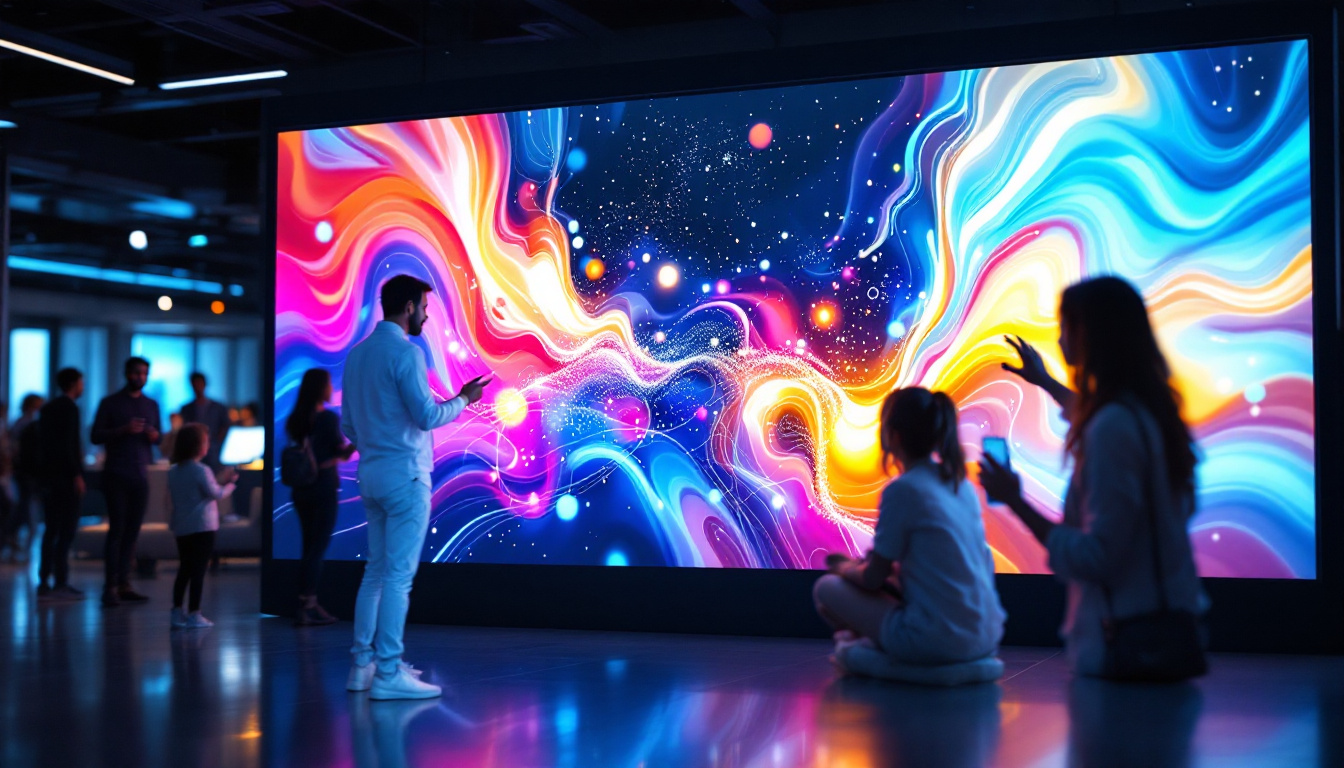
The idea of smoothing walls involves transforming traditionally static, textured, or uneven wall surfaces into smooth, visually appealing displays through the integration of LED technology. This approach not only enhances aesthetic appeal but also introduces dynamic content capabilities that can adapt to different environments and purposes.
How LED Displays Create Smooth Wall Surfaces
Traditional walls often have imperfections such as bumps, cracks, or uneven textures that can detract from a space’s visual harmony. By installing LED panels designed with ultra-thin profiles and flexible mounting systems, these imperfections can be masked or bypassed entirely. The result is a smooth, continuous surface that functions as a digital canvas.
Advancements in micro-LED and mini-LED technologies have further enabled the creation of ultra-fine pixel pitch displays that can be mounted flush against walls. These displays can be custom-fabricated to fit irregular wall shapes, ensuring a seamless appearance.
Integration Techniques
Several installation methods contribute to the smoothing effect:
- Flush Mounting: LED panels are installed flush with the wall surface, eliminating gaps and protrusions.
- Curved and Flexible Panels: These can conform to rounded or irregular surfaces, maintaining a smooth visual flow.
- Embedded Systems: LED modules are embedded directly into wall materials such as drywall or glass, creating a truly integrated look.
These techniques require precise engineering and coordination between architects, designers, and technology providers to ensure both aesthetic and functional success.
Applications of Smoothing Walls with LED Displays
The ability to convert walls into smooth, dynamic LED displays has found applications across various sectors, each leveraging the technology’s unique benefits.
Commercial and Retail Spaces
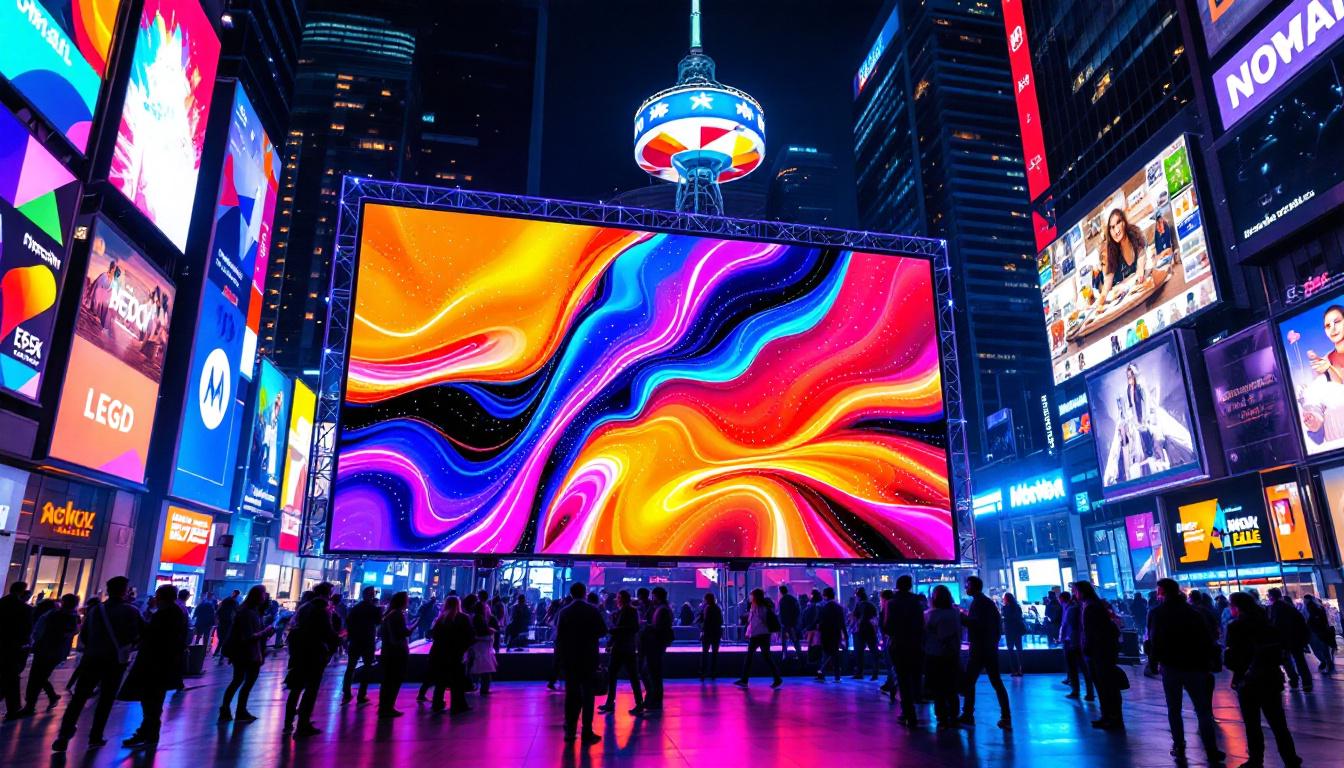
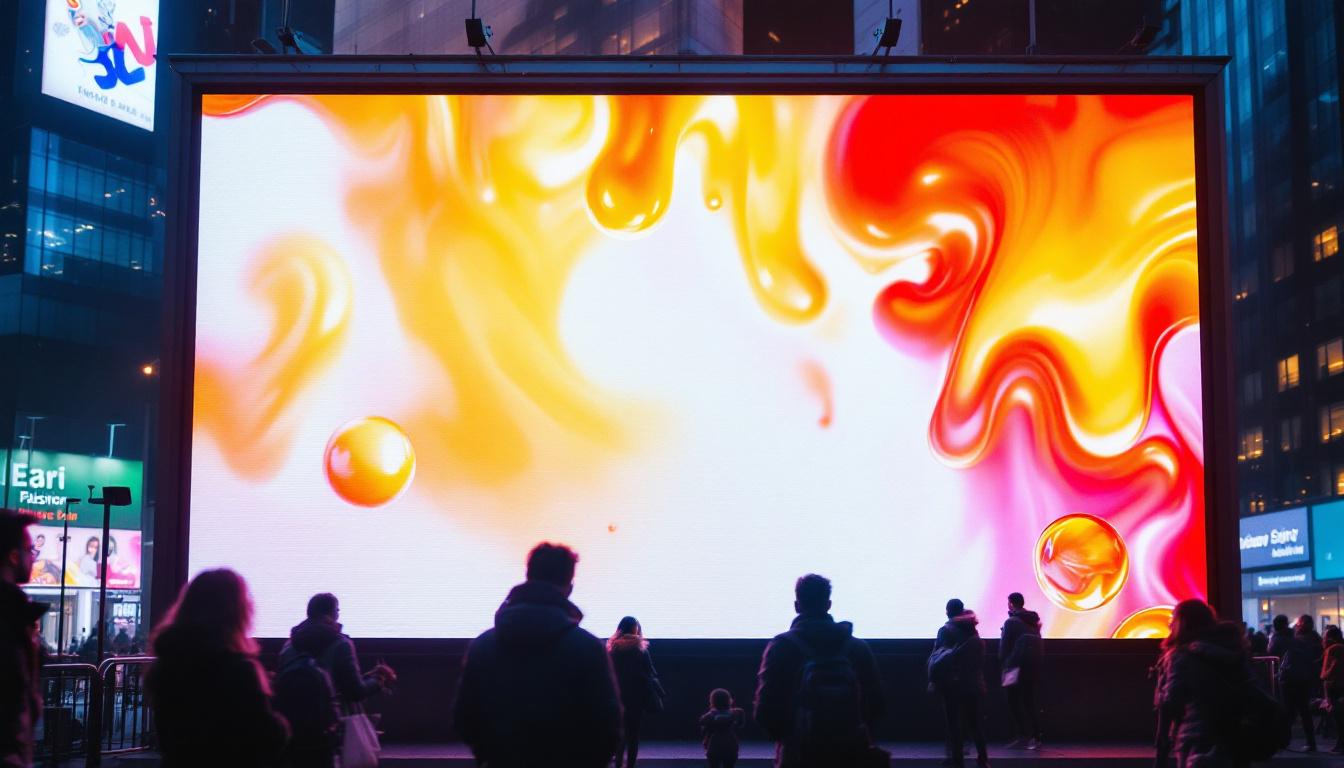
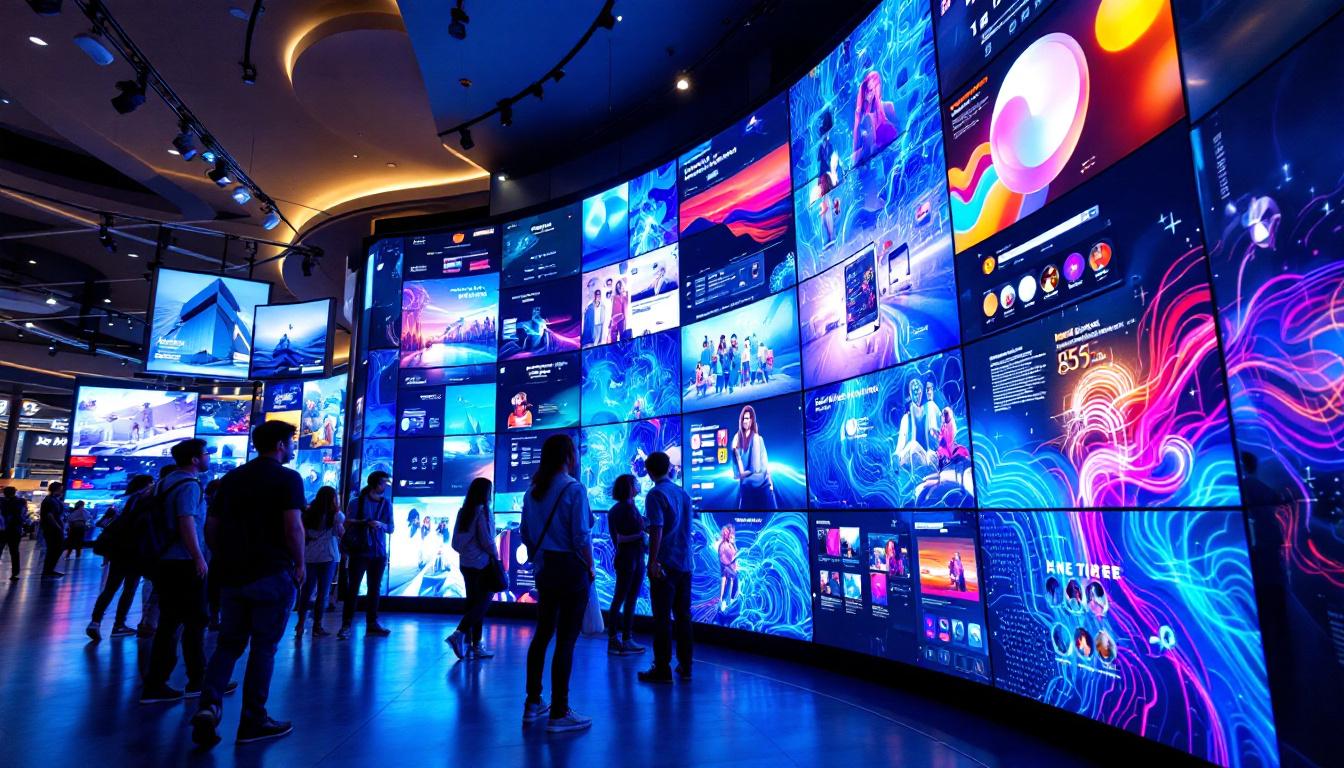
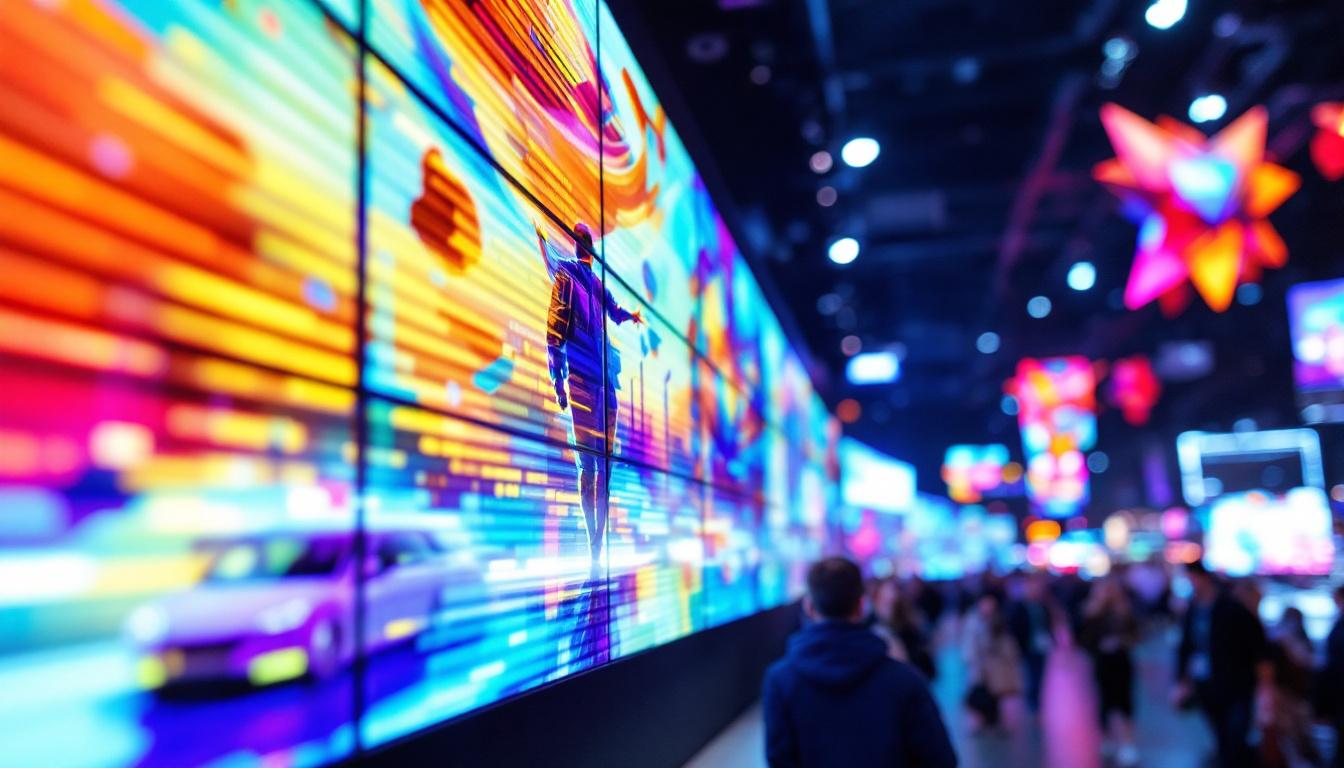
Retail environments use LED walls to create immersive shopping experiences. Smooth LED walls can display high-definition promotional content, interactive advertisements, or brand storytelling elements that captivate customers. For example, flagship stores of global brands often feature entire walls covered with LED displays that change throughout the day to highlight different products or campaigns.
Studies show that digital signage can increase customer engagement by up to 30%, making smooth LED walls a valuable investment for retailers aiming to enhance in-store experiences.
Corporate and Office Environments
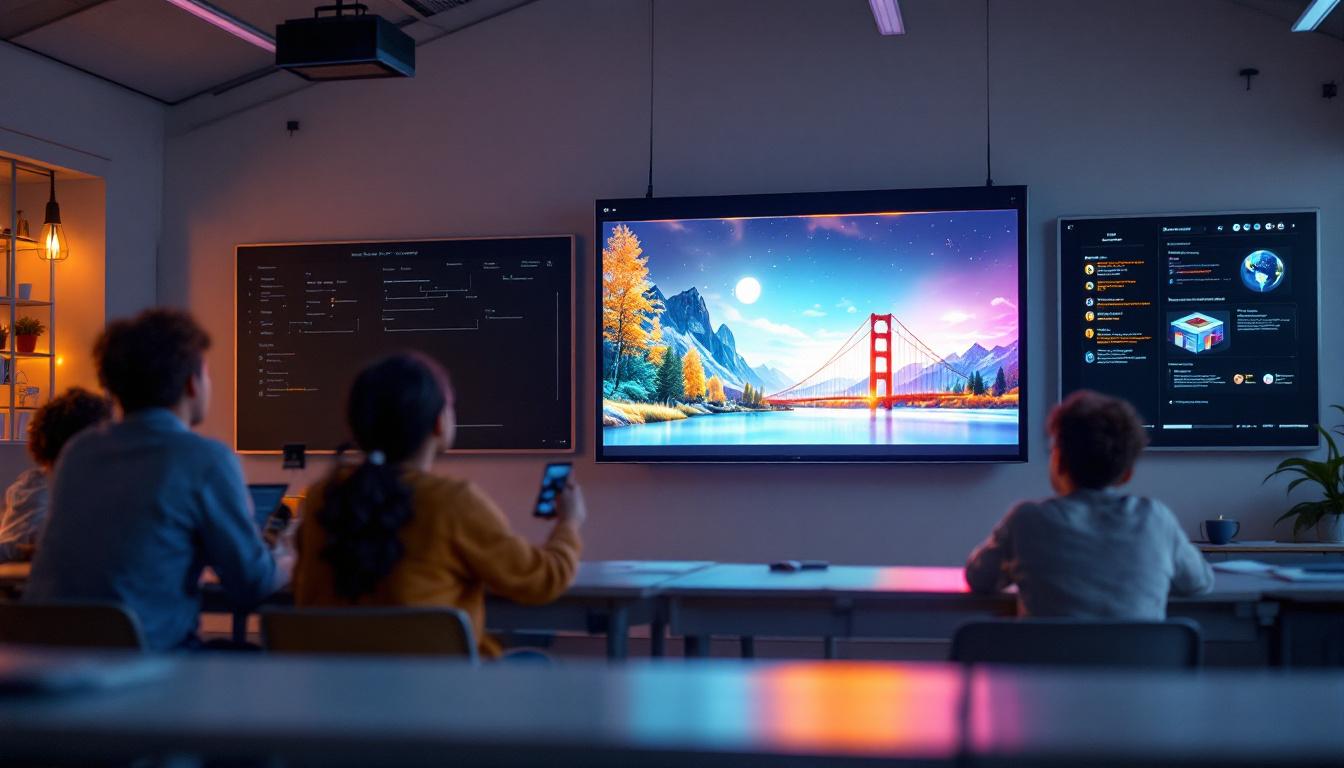
In corporate settings, smoothing walls with LED displays serves both functional and aesthetic purposes. Conference rooms equipped with seamless LED walls facilitate presentations, video conferencing, and data visualization with superior clarity. Additionally, these walls can display ambient visuals or company branding, contributing to a modern, innovative atmosphere.
Hospitality and Entertainment Venues
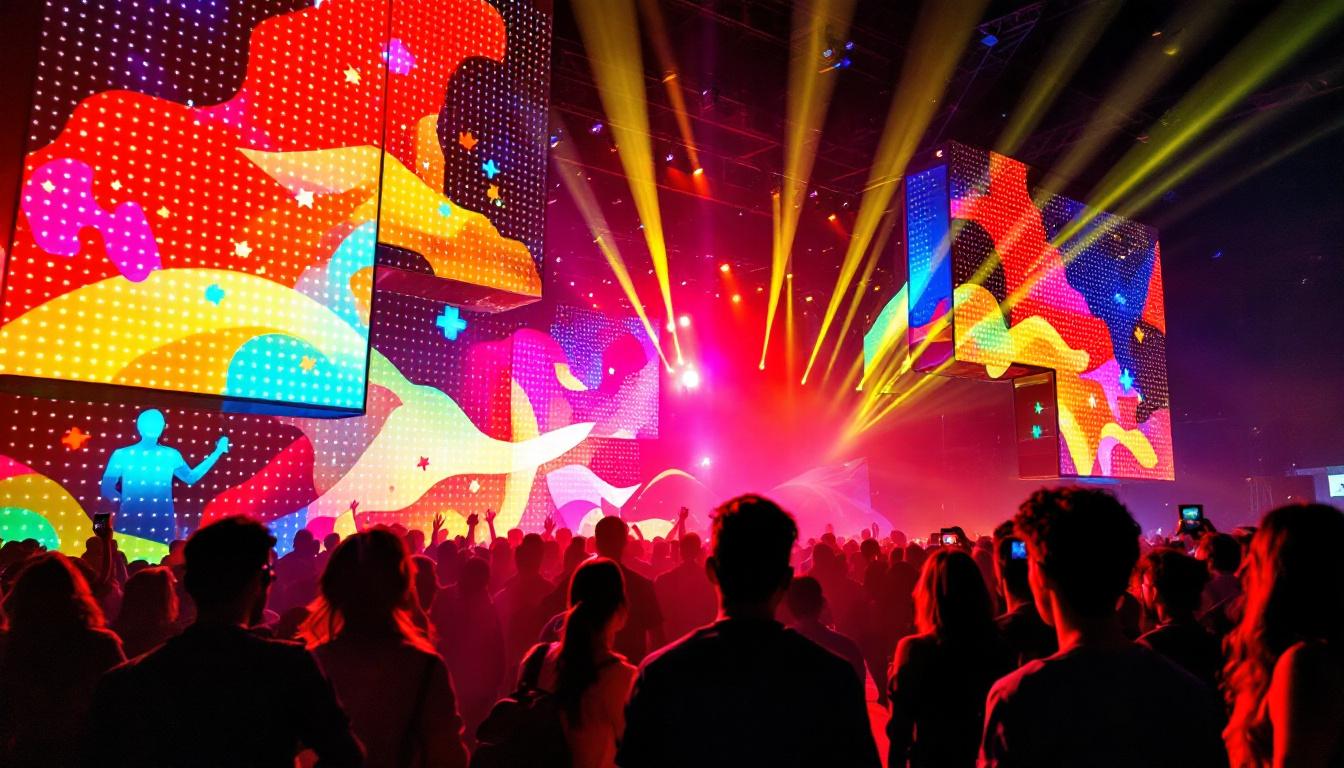
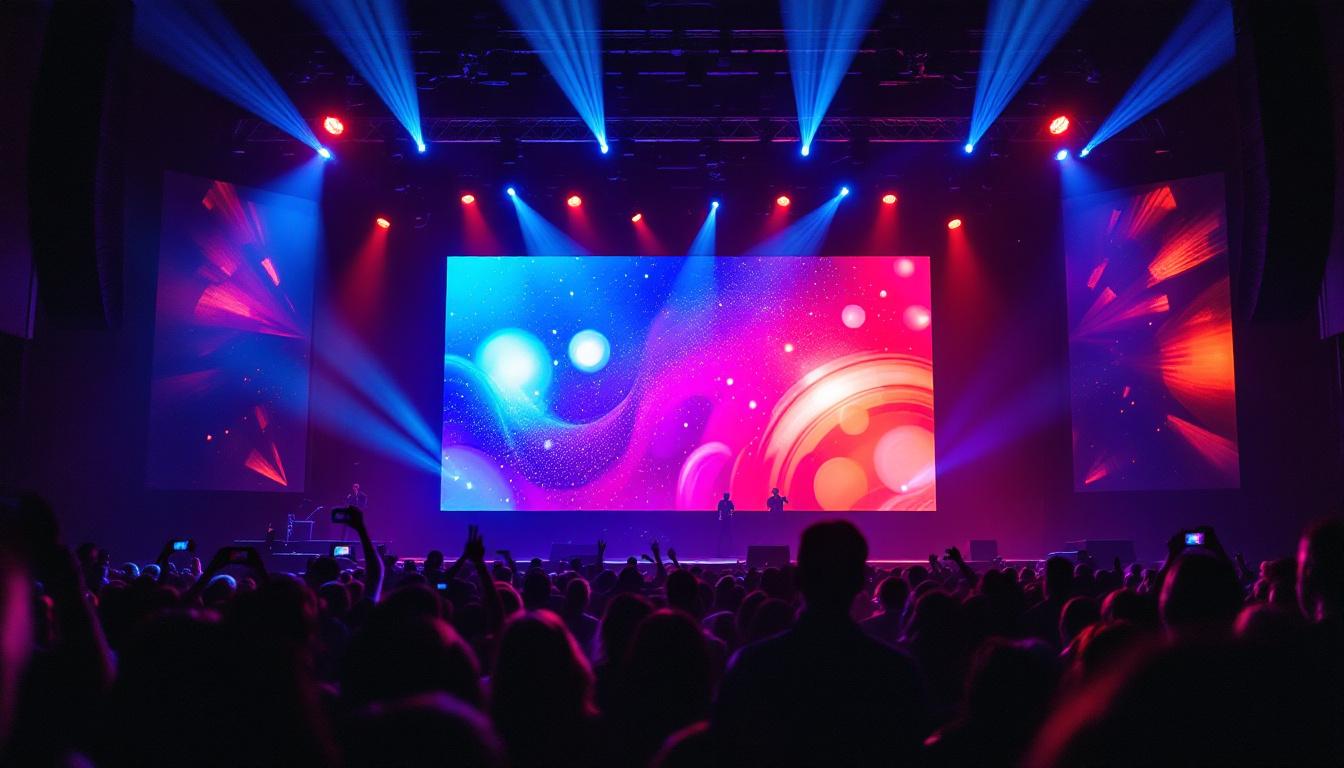
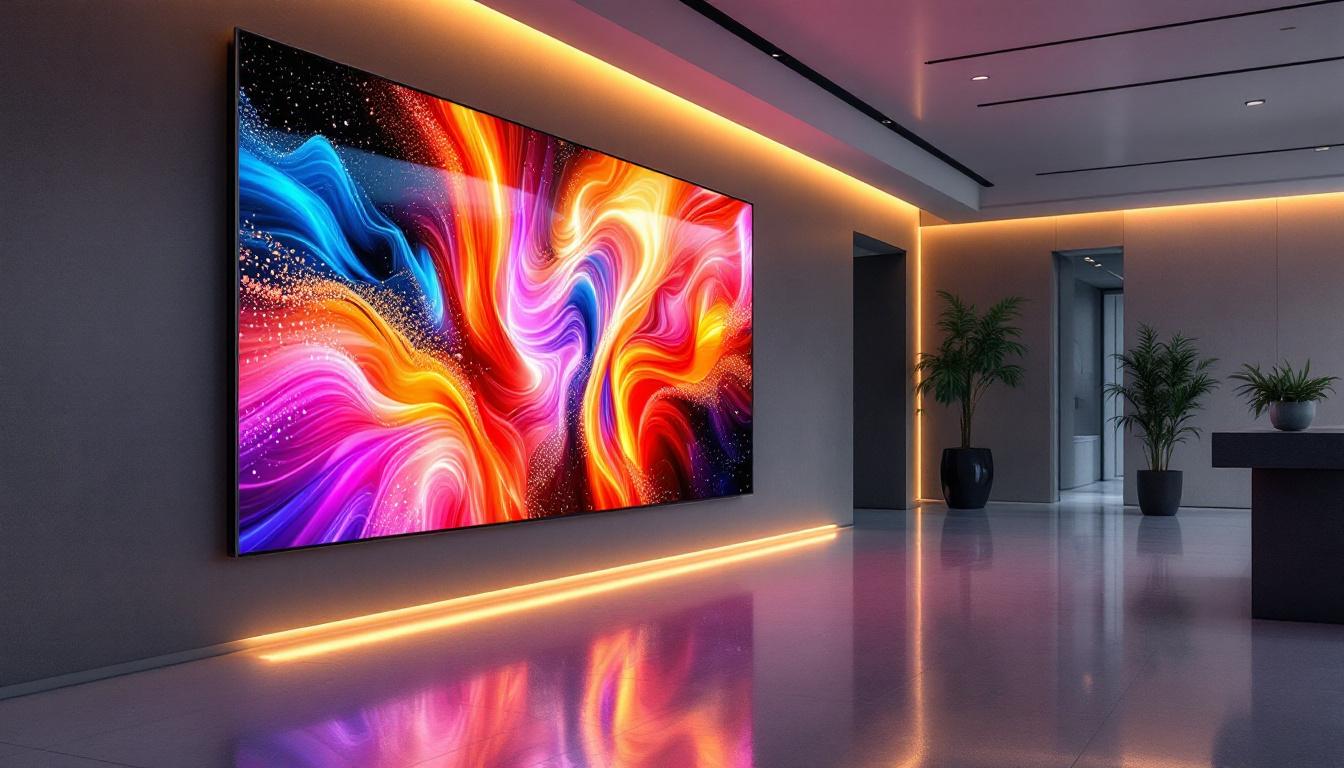
Hotels, casinos, and entertainment venues utilize smooth LED walls to create captivating environments. From dynamic lobby walls that welcome guests with personalized messages to immersive stage backdrops that transform during performances, LED displays offer unparalleled flexibility.
For instance, some casinos have adopted LED walls that cover entire gaming floors, providing changing themes and interactive content that enhance guest engagement and satisfaction.
Residential Applications
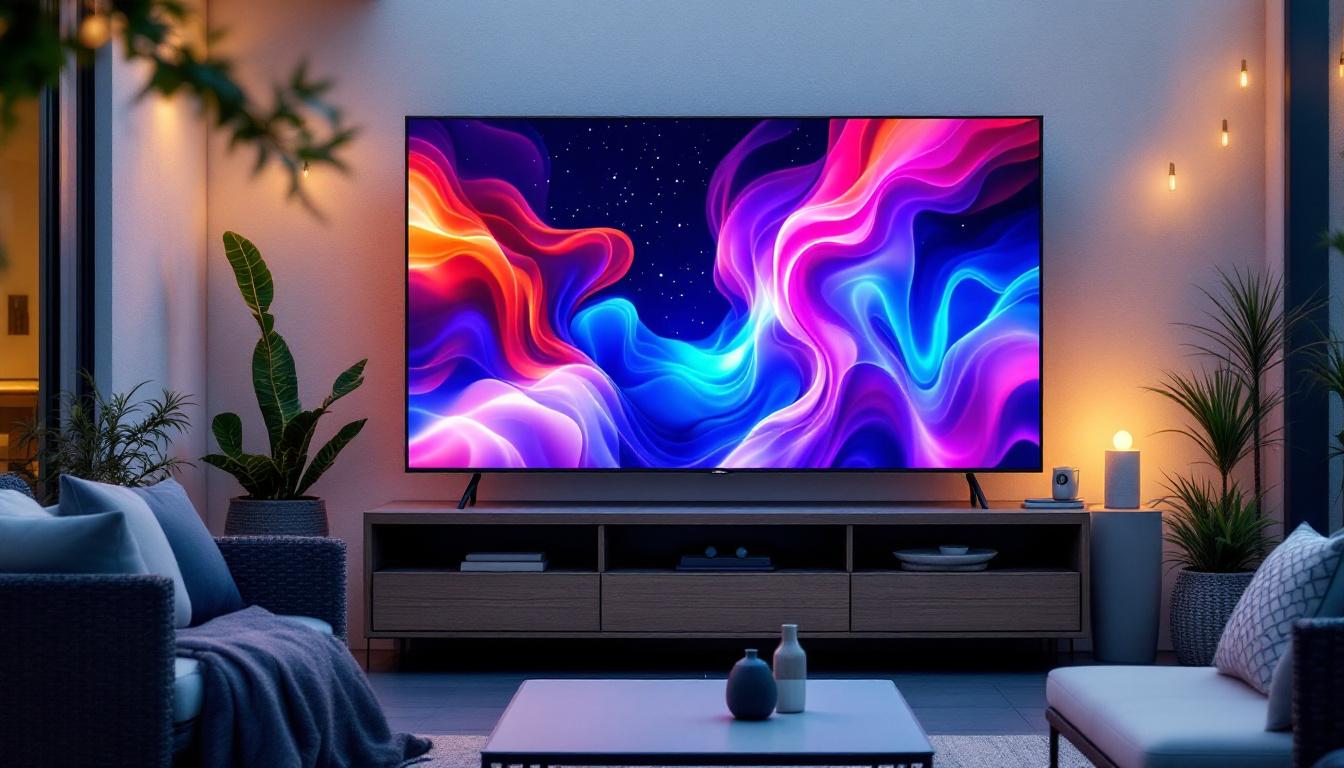
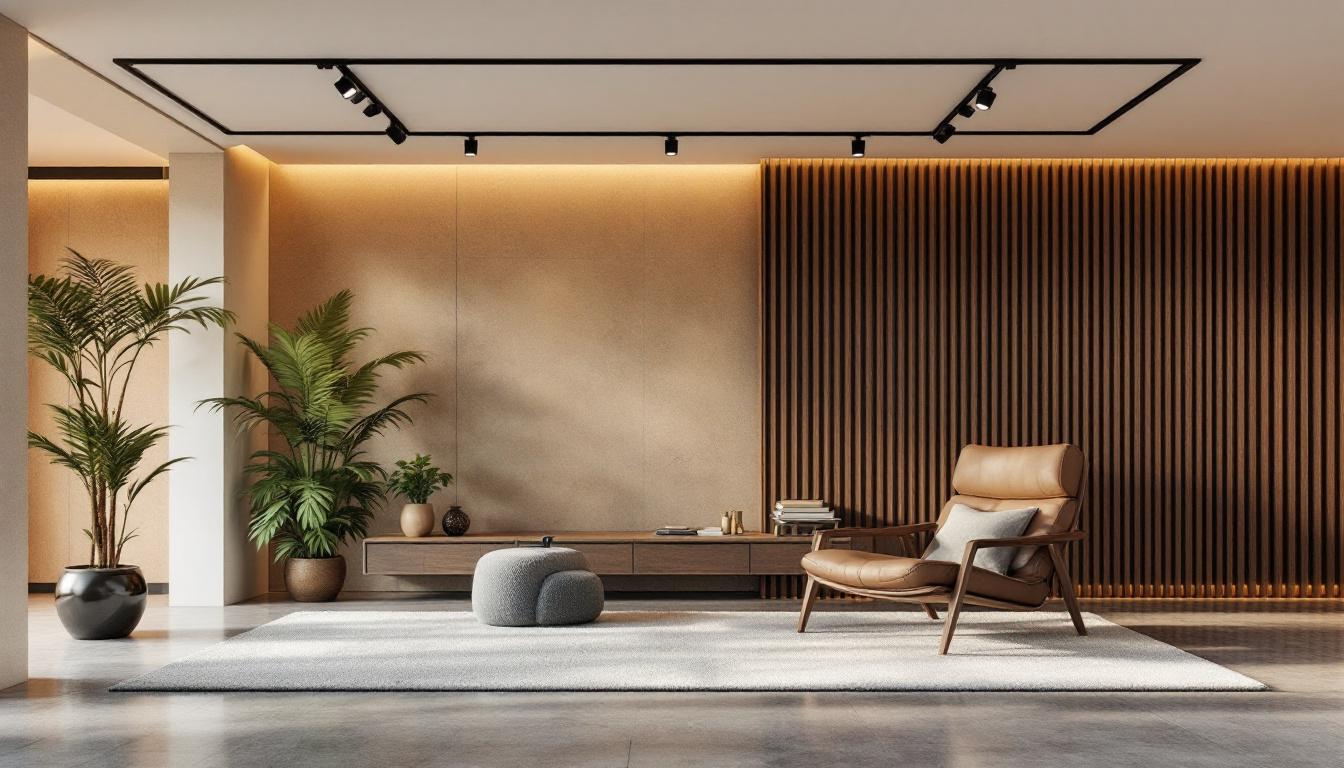
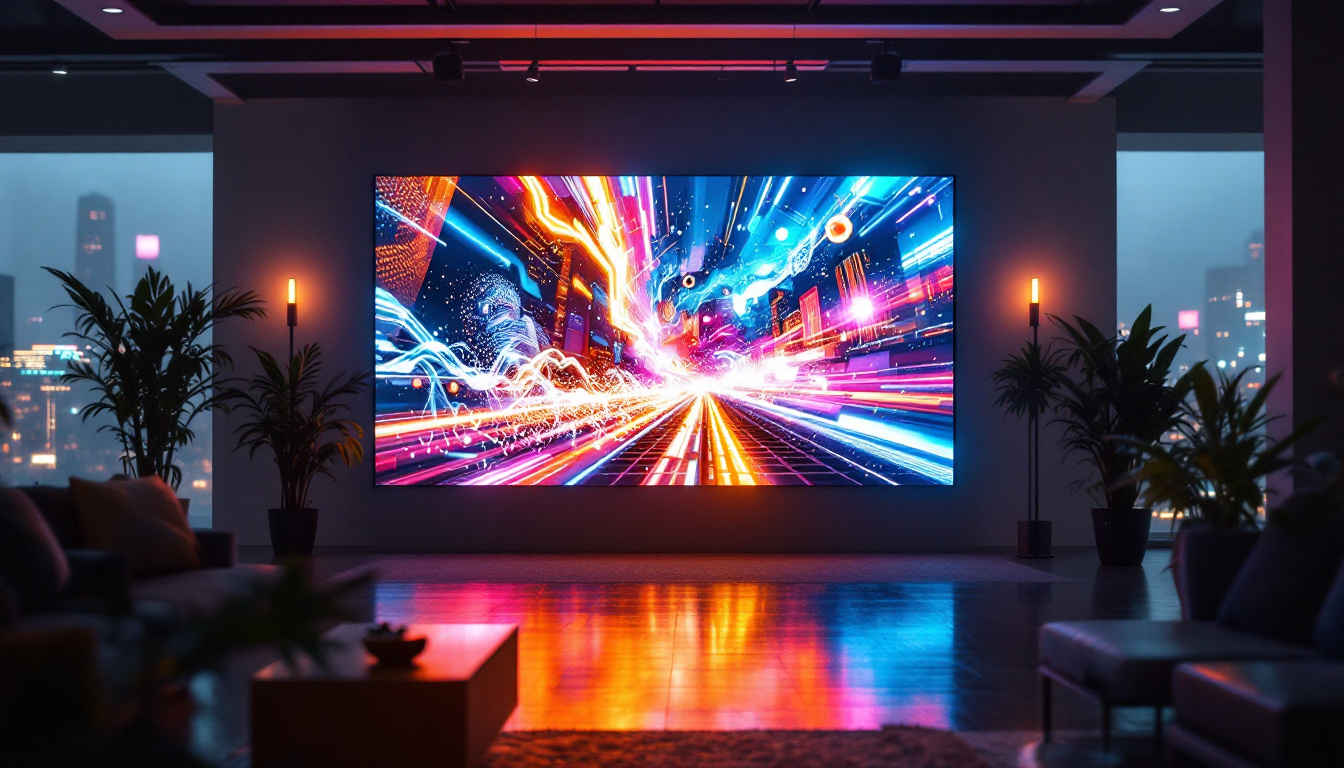
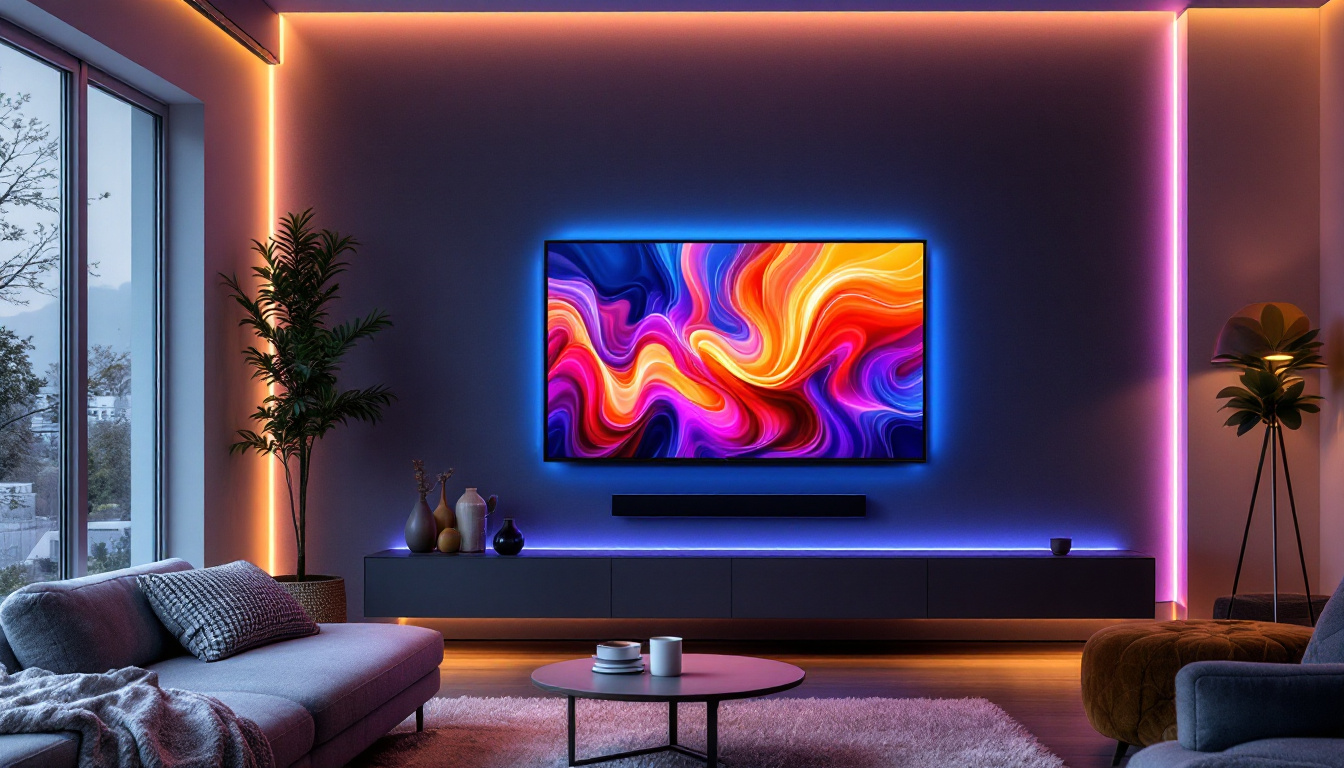
While still emerging, residential use of smoothing walls with LED technology is gaining traction among luxury homeowners and smart home enthusiasts. LED walls can serve as large-scale digital art installations, home theaters, or ambient lighting solutions that adapt to mood and time of day.
Benefits of Using LED Displays for Smoothing Walls
The integration of LED displays for smoothing walls offers multiple advantages beyond mere aesthetics.
Enhanced Visual Impact
LED walls provide vibrant colors, high contrast ratios, and brightness levels that surpass traditional painted or wallpapered surfaces. This enhances the overall visual impact of a space, making it more engaging and memorable.
Dynamic Content Flexibility
Unlike static wall finishes, LED displays allow for content to be updated instantly. This flexibility supports changing themes, seasonal decorations, or real-time information display, making walls multifunctional and adaptable.
Space Optimization
By combining wall surfaces with digital displays, spaces can serve dual purposes without additional installations. For example, a meeting room wall can function as both a decorative element and a presentation screen.
Energy Efficiency and Longevity
Modern LED technology is highly energy-efficient compared to other display types such as LCD or projection systems. Additionally, LEDs have long lifespans, often exceeding 50,000 hours of use, reducing maintenance costs and downtime.
Improved User Engagement
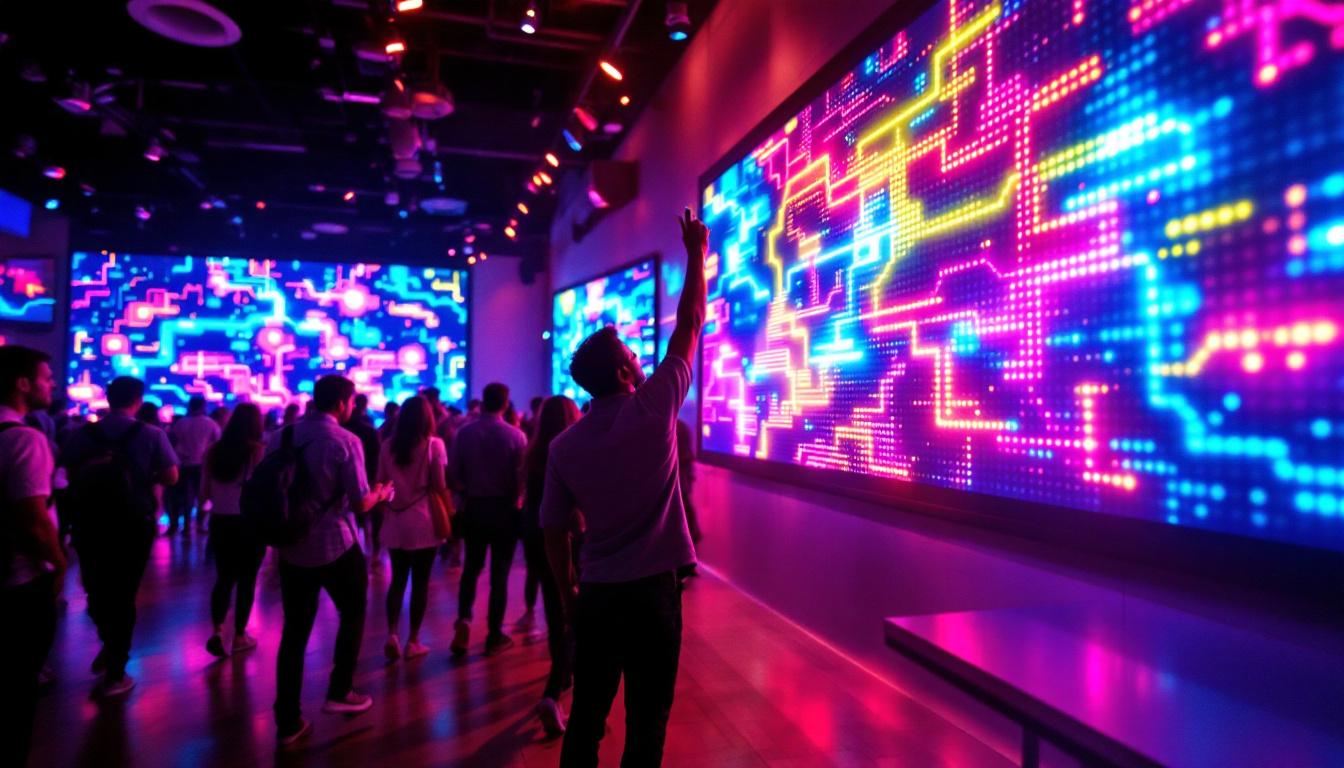
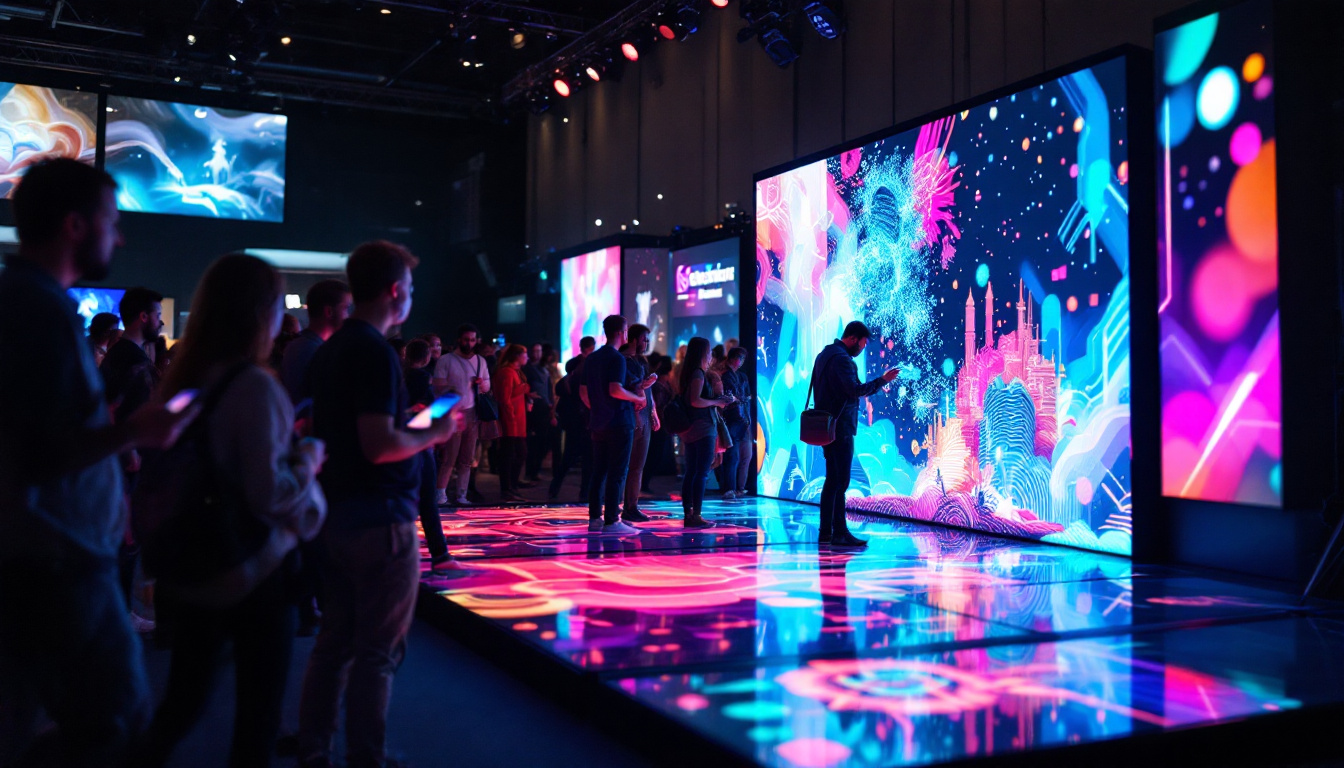
Interactive LED walls that respond to touch or motion sensors can engage users more effectively, encouraging interaction and enhancing user experience in commercial or public spaces.
Challenges and Considerations
Despite their many benefits, smoothing walls with LED displays involves several challenges that must be addressed during planning and installation.
Cost Implications
High-resolution, large-format LED displays represent a significant investment. Costs include not only the panels themselves but also installation, control systems, and ongoing maintenance. Budgeting carefully and considering total cost of ownership is essential.
Technical Complexity
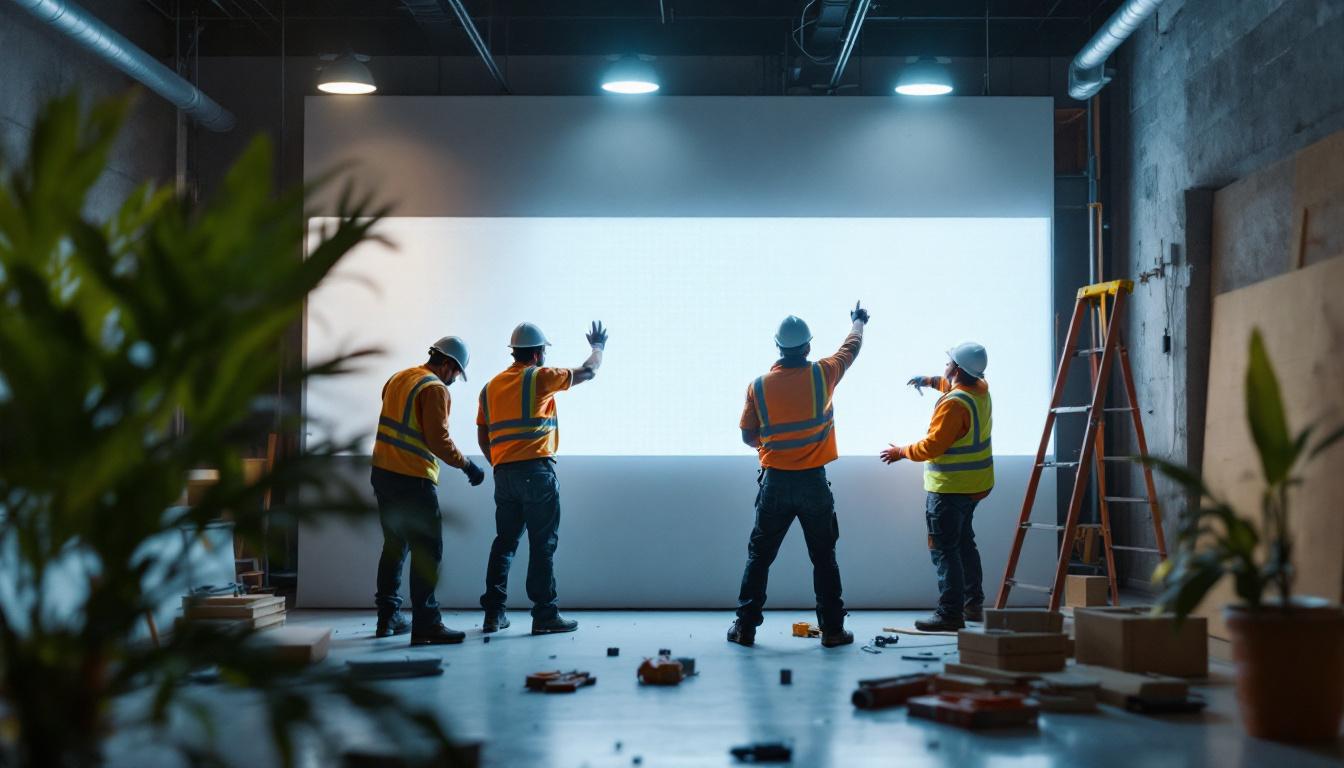
Integrating LED displays seamlessly into wall structures requires specialized expertise. Poor installation can lead to visible seams, uneven brightness, or technical failures. Collaboration between architects, engineers, and technology providers is critical.
Heat Management
LED panels generate heat during operation, which must be managed to avoid damage or reduced lifespan. Adequate ventilation or cooling systems are necessary, particularly in enclosed spaces.
Content Management
Creating and managing content for large LED walls requires dedicated software and skilled personnel. Content must be optimized for resolution, color accuracy, and viewing distance to maximize impact.
Future Trends in LED Wall Smoothing
As LED technology continues to advance, new trends are shaping the future of smoothing walls with LED displays.
Micro-LED and Mini-LED Innovations
Micro-LED technology offers even smaller pixel pitches and higher brightness, enabling ultra-high-definition displays that are thinner and more energy-efficient. This will facilitate even smoother wall integrations with near-invisible seams.
Integration with Smart Building Systems
LED walls are increasingly being integrated with IoT and smart building platforms, allowing automated content changes based on environmental factors such as lighting, occupancy, or time of day. This enhances energy efficiency and user experience.
Augmented Reality (AR) and Interactive Features
Combining LED walls with AR and interactive technologies will enable immersive environments where digital content responds dynamically to users’ actions, creating personalized and engaging experiences.
Sustainable Materials and Manufacturing
Efforts to reduce environmental impact are driving the development of LED displays using recyclable materials and energy-efficient manufacturing processes, aligning with green building standards.
Conclusion
Smoothing walls with LED displays represents a significant leap forward in architectural and design possibilities. By transforming traditional wall surfaces into dynamic, smooth, and visually stunning digital canvases, LED technology enhances aesthetics, functionality, and user engagement across a wide range of applications.
While challenges such as cost and technical complexity remain, ongoing advancements in LED technology and integration methods continue to make this approach more accessible and effective. For businesses, designers, and homeowners looking to create impactful environments, LED wall smoothing offers a compelling solution that blends innovation with artistry.
Transform Your Space with LumenMatrix
Ready to elevate your environment with the sleek sophistication of LED wall smoothing? LumenMatrix is at the forefront of this transformative technology, offering a diverse range of LED display solutions tailored to your unique needs. From the immersive ambiance of Indoor LED Wall Displays to the dynamic impact of Outdoor LED Wall Displays, our mission is to bring your vision to life with unparalleled clarity and vibrancy. Discover how LumenMatrix can redefine your space and captivate your audience. Check out LumenMatrix LED Display Solutions today and step into the future of visual storytelling.