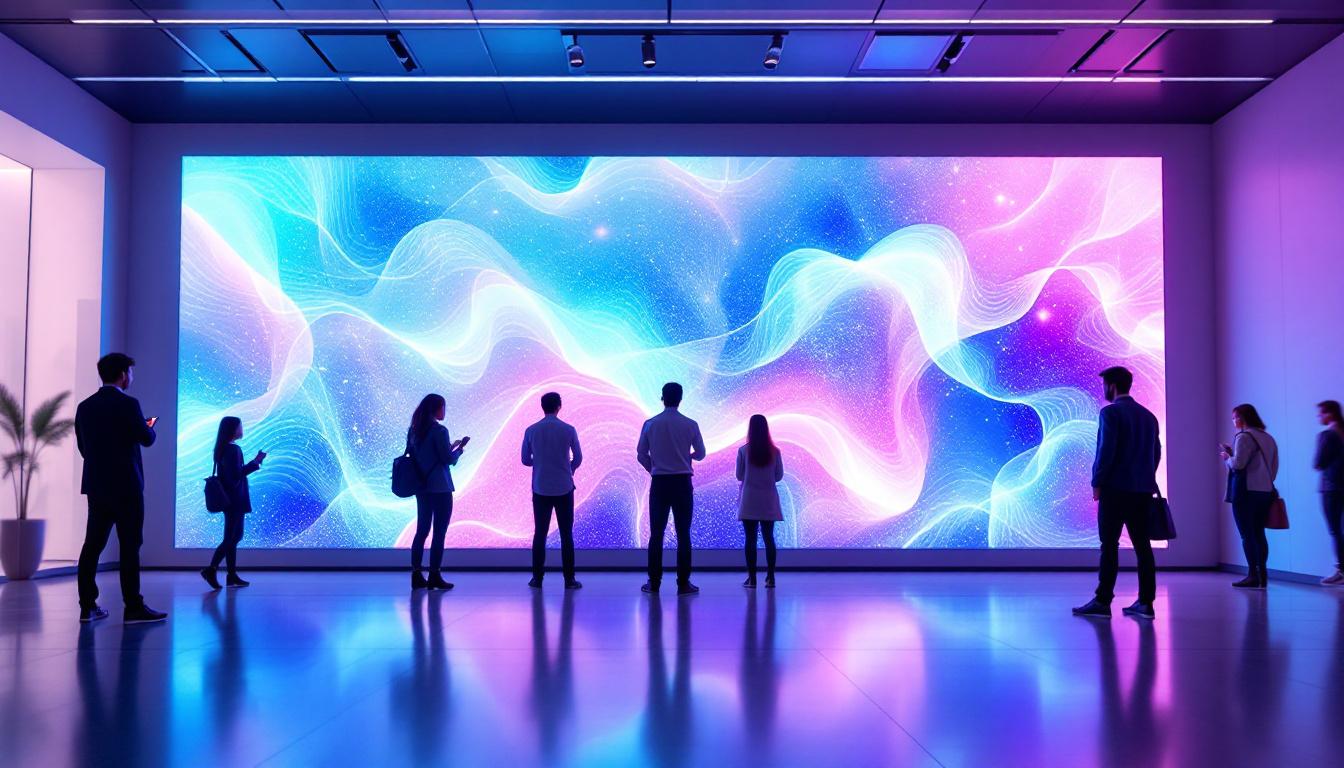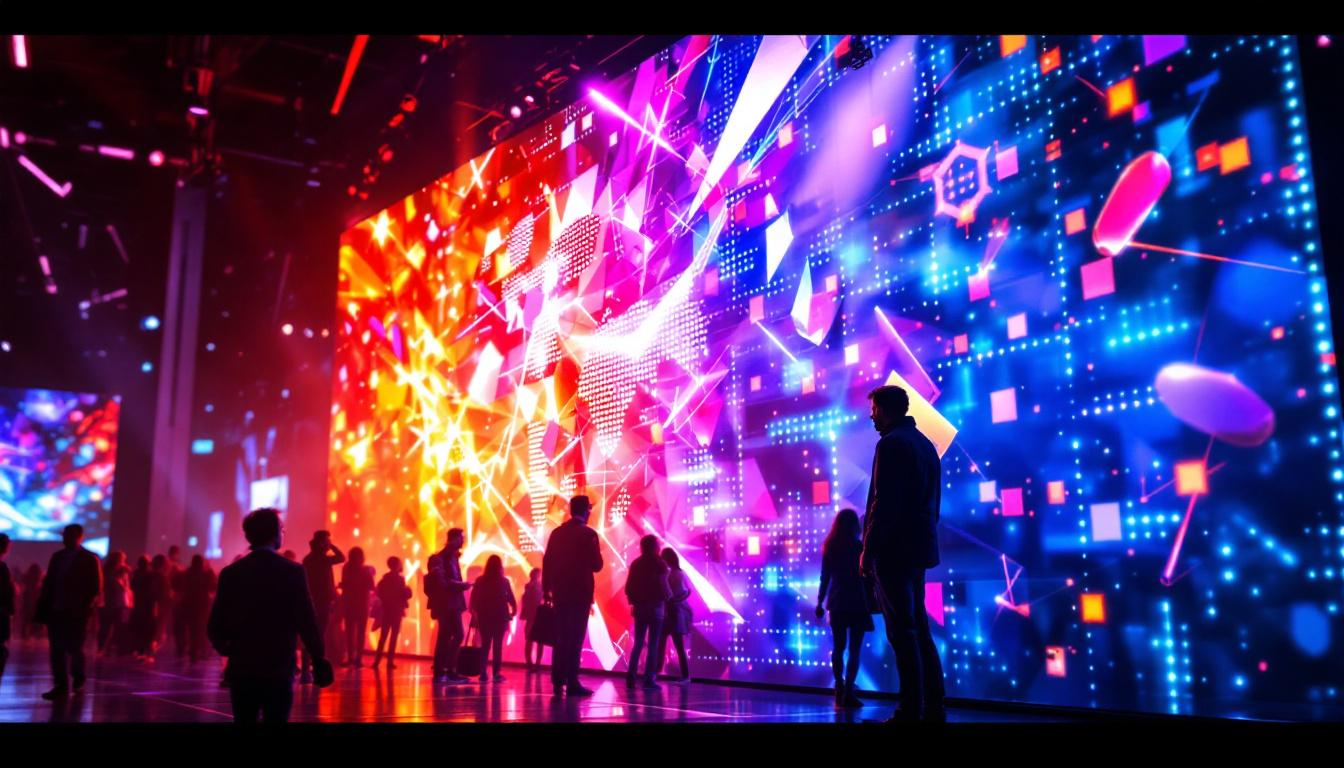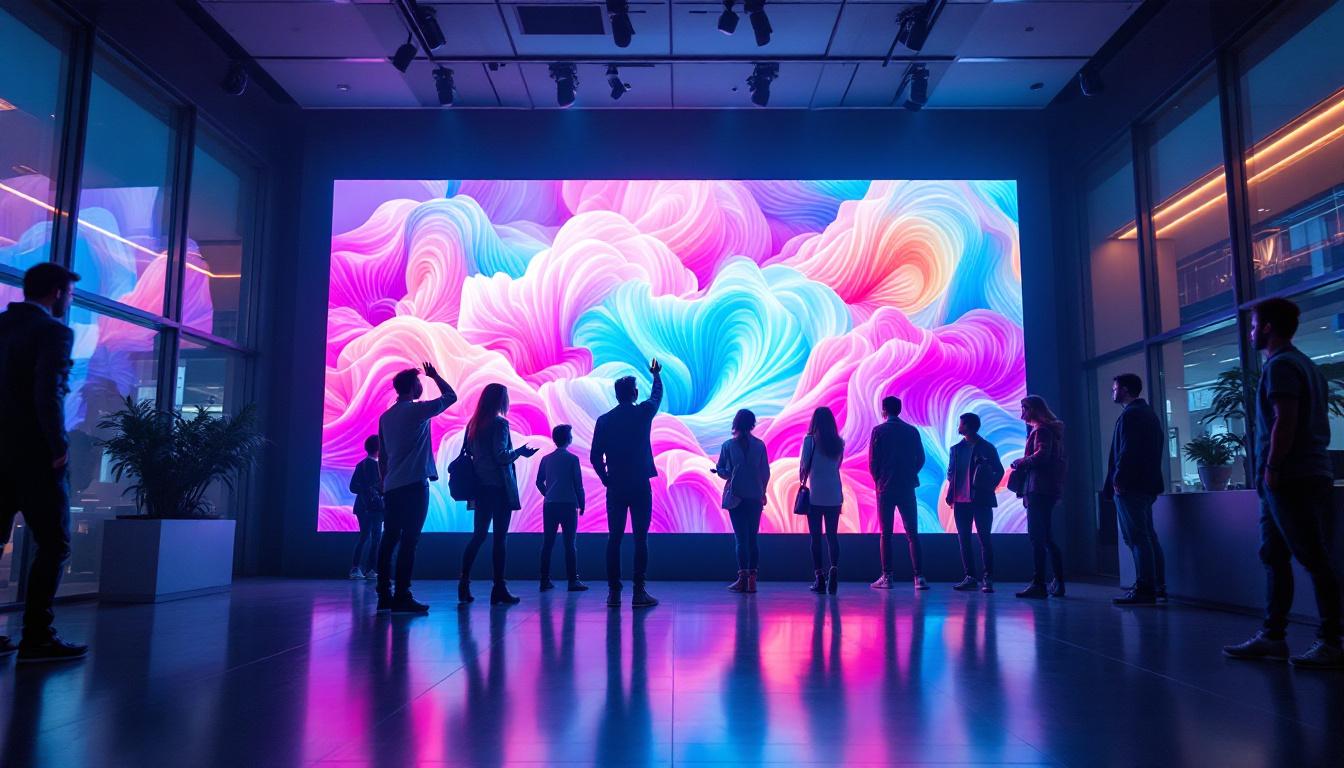
In today’s digital age, LED displays have become ubiquitous, transforming the way information is presented across industries—from advertising billboards and stadium screens to indoor signage and control rooms. Understanding the technology behind LED displays, their applications, and the factors that influence their performance is essential for businesses, designers, and technology enthusiasts alike.
This article delves into the core aspects of LED displays, explaining how they work, the different types available, and the key considerations when selecting and deploying LED solutions. Whether you’re a marketing professional looking to enhance visual impact or a technical expert tasked with implementing display systems, this comprehensive guide will illuminate the world of LED technology.
Understanding LED Display Technology
What is an LED Display?
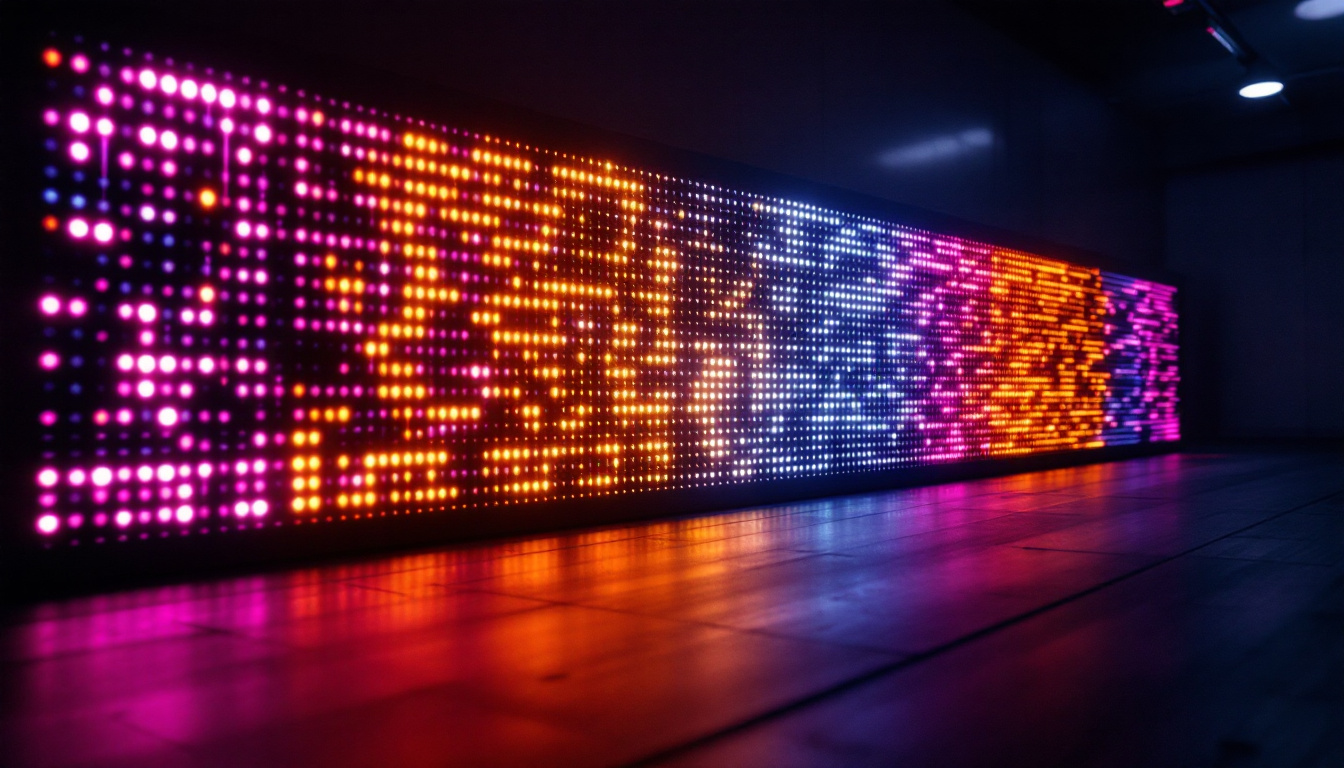
LED stands for Light Emitting Diode, a semiconductor device that emits light when an electric current passes through it. An LED display is a flat panel display that uses an array of these tiny LEDs as pixels to create images, videos, or text. Unlike traditional LCD or plasma screens, LED displays produce their own light, resulting in brighter and more vibrant visuals.
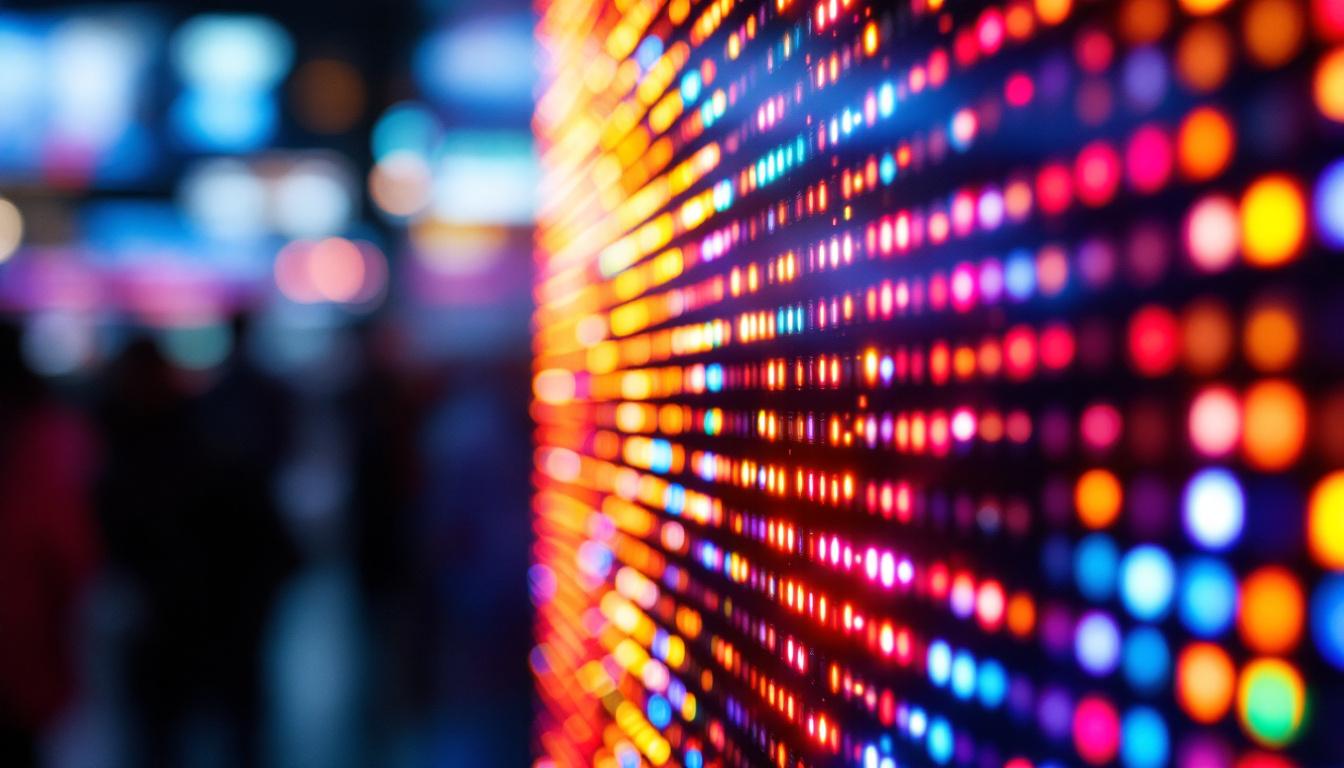
The fundamental building block of an LED display is the pixel, which typically consists of red, green, and blue LEDs (RGB). By varying the intensity of these three colors, the display can produce a full spectrum of colors, enabling rich and dynamic content presentation. This capability allows for high-definition images and videos that can captivate audiences, making LED displays a popular choice for advertising and entertainment venues. Additionally, the energy efficiency of LED technology means that these displays consume less power than their predecessors, contributing to lower operational costs and a reduced environmental footprint.
How Do LED Displays Work?
LED displays function by controlling each LED’s brightness and color to form an image. The display is divided into a grid of pixels, and each pixel’s LEDs light up at varying intensities according to the input signal. The control system processes video or graphic data and translates it into electrical signals that drive the LEDs. The rapid response time of LEDs allows for smooth transitions and animations, enhancing the viewing experience.
Modern LED displays often use surface-mounted device (SMD) technology, where LEDs are mounted directly onto the circuit board, allowing for higher pixel density and improved image resolution. This makes SMD LED displays ideal for close viewing distances, such as indoor signage or retail displays. Furthermore, advancements in LED technology have led to the development of features like high dynamic range (HDR) imaging, which enhances contrast and color accuracy, making images appear more lifelike. As a result, LED displays are increasingly being integrated into various sectors, including education, healthcare, and entertainment, where visual clarity is paramount.
Types of LED Displays
LED displays come in various forms, each suited to specific applications and environments:
- Indoor LED Displays: Designed for controlled lighting environments, these displays offer high resolution and brightness levels optimized for close viewing distances. They are commonly used in conference rooms, shopping malls, and airports. The versatility of indoor LED displays allows for seamless integration into various architectural designs, enhancing the aesthetic appeal of the space.
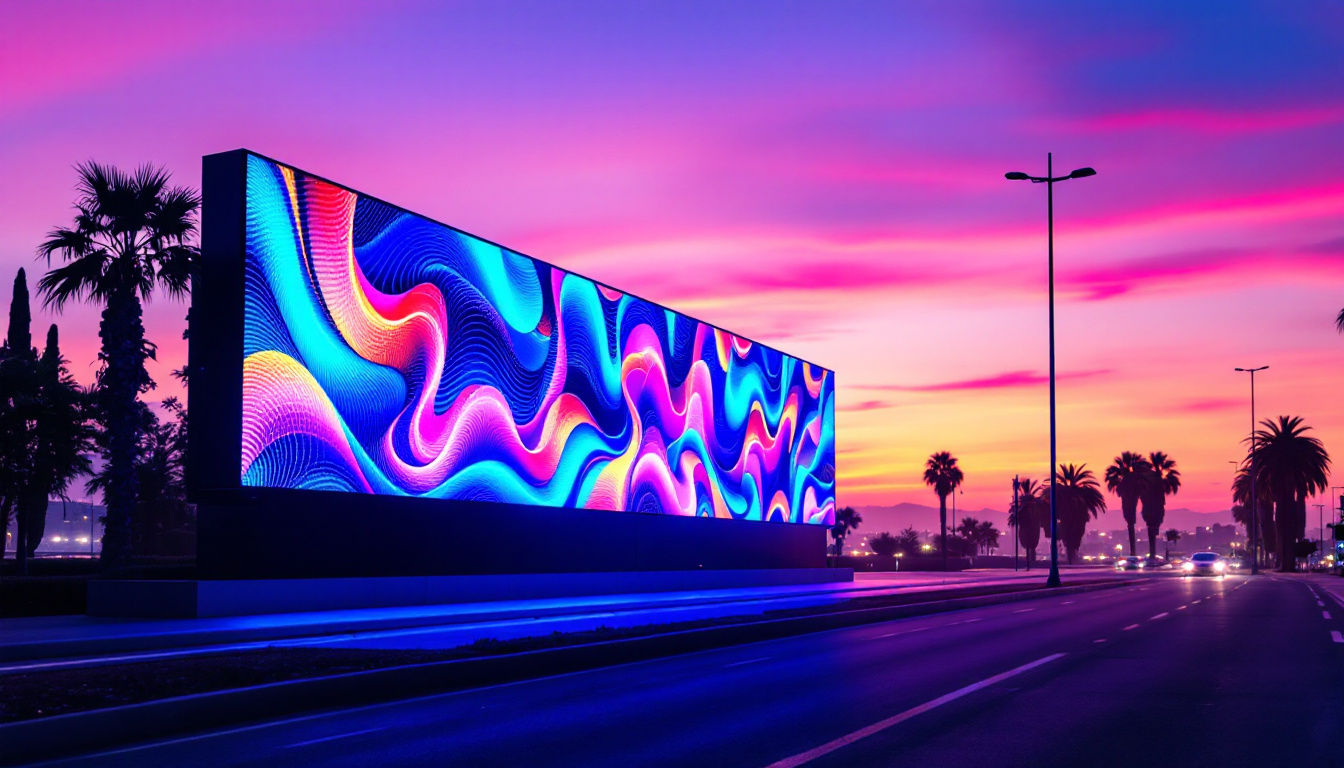
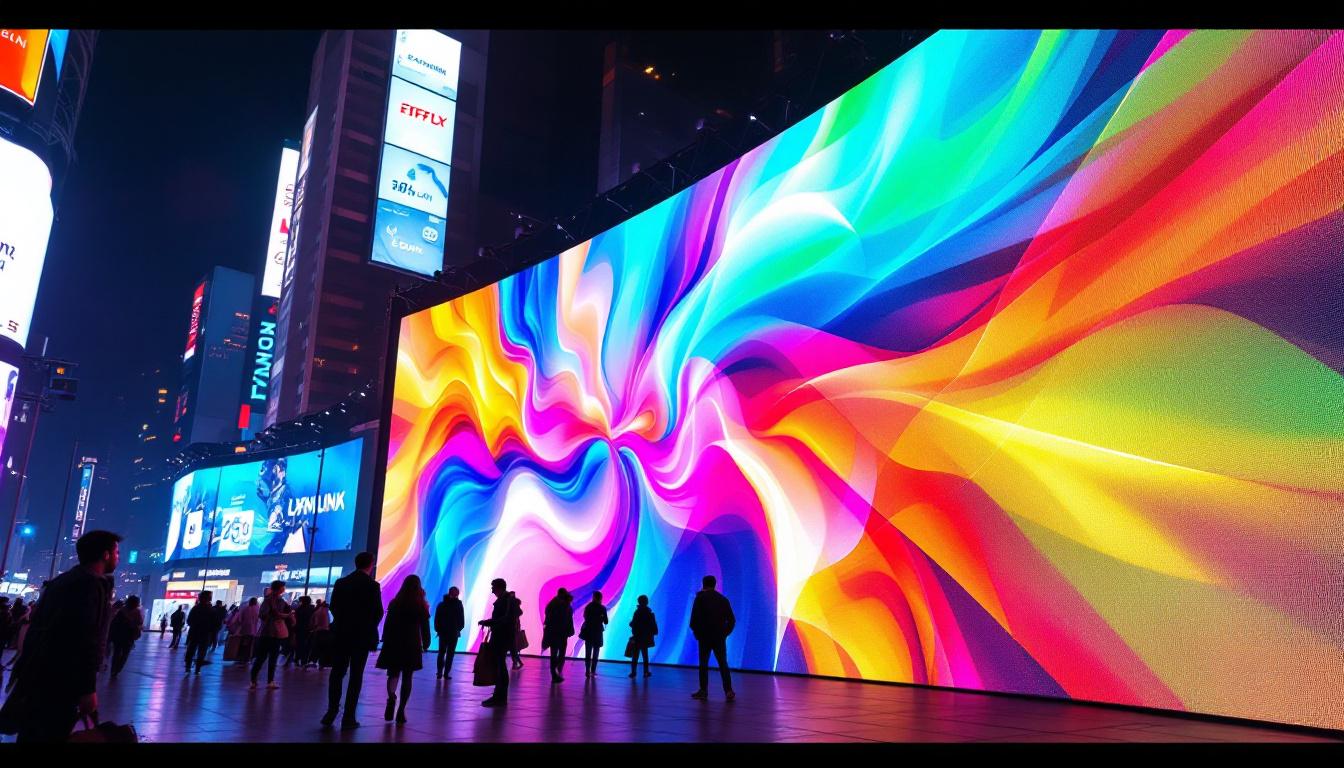
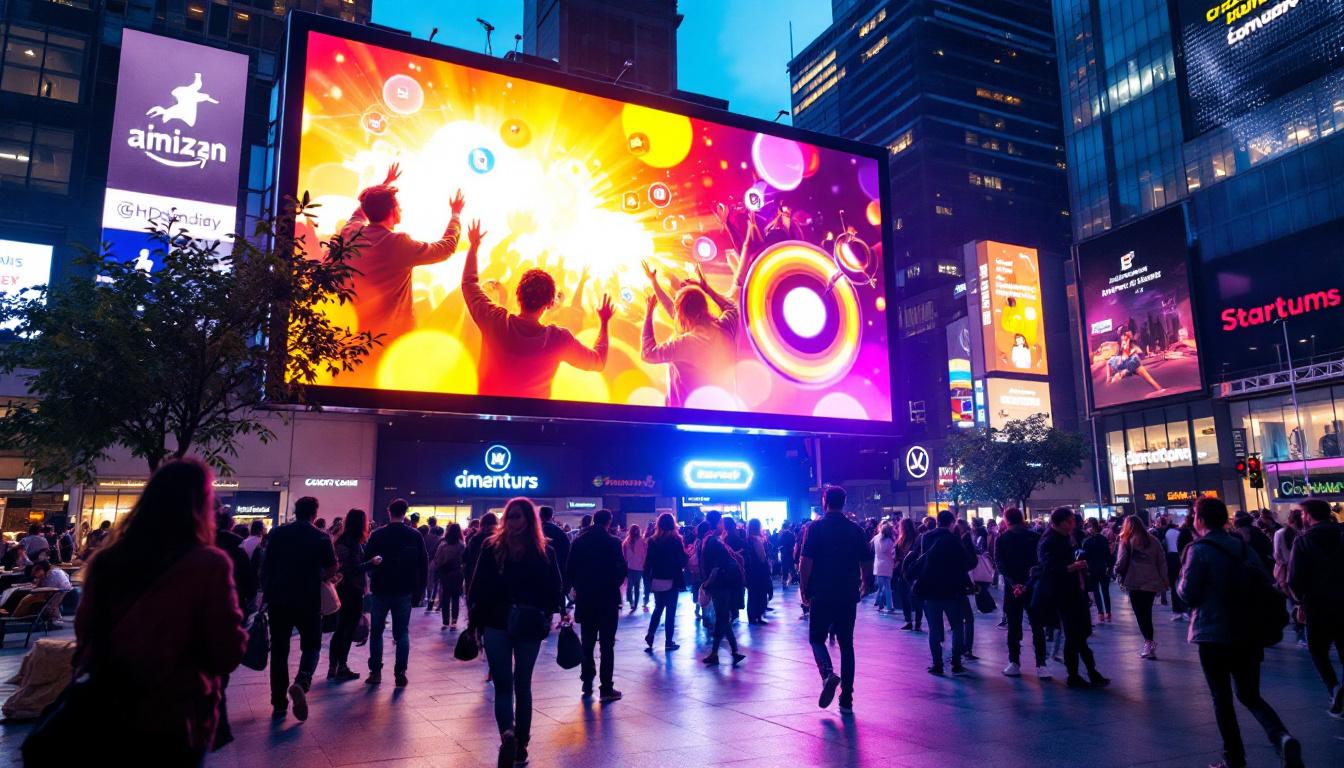
- Outdoor LED Displays: Built to withstand harsh weather conditions, outdoor LED displays feature higher brightness (often exceeding 5,000 nits) to remain visible under direct sunlight. They are used for billboards, sports arenas, and public information boards. These displays are engineered with robust materials to resist moisture, dust, and temperature fluctuations, ensuring longevity and reliability in outdoor settings.
- Transparent LED Displays: These innovative displays allow light to pass through, making them ideal for storefront windows and architectural applications where maintaining visibility is important. Transparent LED technology enables businesses to showcase products while displaying dynamic advertisements, creating an engaging shopping experience that captures customer attention without obstructing views.
- Flexible LED Displays: Utilizing bendable substrates, flexible LED screens enable creative installations on curved surfaces or irregular shapes, expanding design possibilities. This adaptability has opened new avenues in advertising and art installations, allowing for immersive experiences that can transform any space into a dynamic visual environment.
Key Performance Factors of LED Displays
Pixel Pitch and Resolution
Pixel pitch, the distance between the centers of adjacent pixels, is a crucial determinant of image clarity. Smaller pixel pitch values mean higher pixel density, resulting in sharper images and finer detail. For example, a 1.2mm pixel pitch LED display is suitable for close-range viewing, such as in control rooms or retail environments, whereas a 10mm pitch might be appropriate for large outdoor billboards viewed from a distance.
Resolution depends on both pixel pitch and the physical size of the display. Higher resolution displays provide more detail but may come at a higher cost. Selecting the right balance between pixel pitch, resolution, and viewing distance is essential for optimal performance.
Brightness and Contrast Ratio
Brightness, measured in nits (candelas per square meter), determines how well the LED display performs under various lighting conditions. Outdoor LED displays typically require brightness levels between 5,000 and 10,000 nits to remain visible in direct sunlight, while indoor displays may only need 800 to 1,500 nits.
Contrast ratio, the difference between the darkest black and the brightest white, affects image depth and color vibrancy. LED displays generally offer excellent contrast ratios compared to LCDs because LEDs can be turned off completely to produce true blacks.
Viewing Angle and Color Accuracy
Wide viewing angles ensure that the display remains clear and vibrant even when viewed from the side. High-quality LED displays maintain consistent color and brightness across viewing angles of up to 160 degrees or more, which is vital for public spaces and large venues.
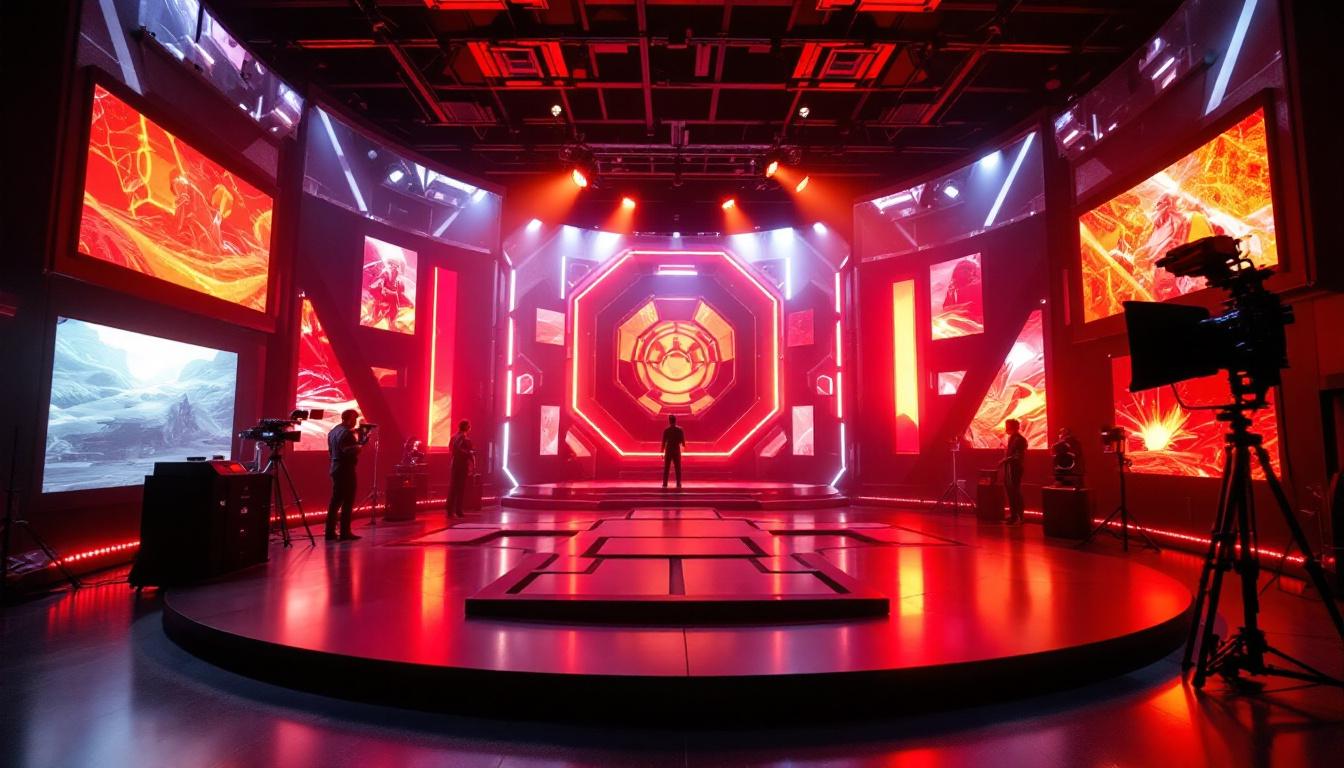
Color accuracy is another important factor, especially for applications requiring precise color reproduction such as retail branding or broadcast studios. Advanced calibration techniques and high-quality LEDs contribute to faithful color rendering.
Applications and Benefits of LED Displays
Advertising and Marketing
LED displays have revolutionized outdoor and indoor advertising by enabling dynamic, eye-catching content that can be updated in real-time. According to recent market research, digital out-of-home (DOOH) advertising, which heavily relies on LED technology, is expected to grow at a compound annual growth rate (CAGR) of over 10% through 2027.
Brands leverage LED displays to deliver targeted messages, promotions, and interactive experiences. The ability to display video, animations, and live feeds makes LED displays far more engaging than static billboards.
Sports and Entertainment Venues
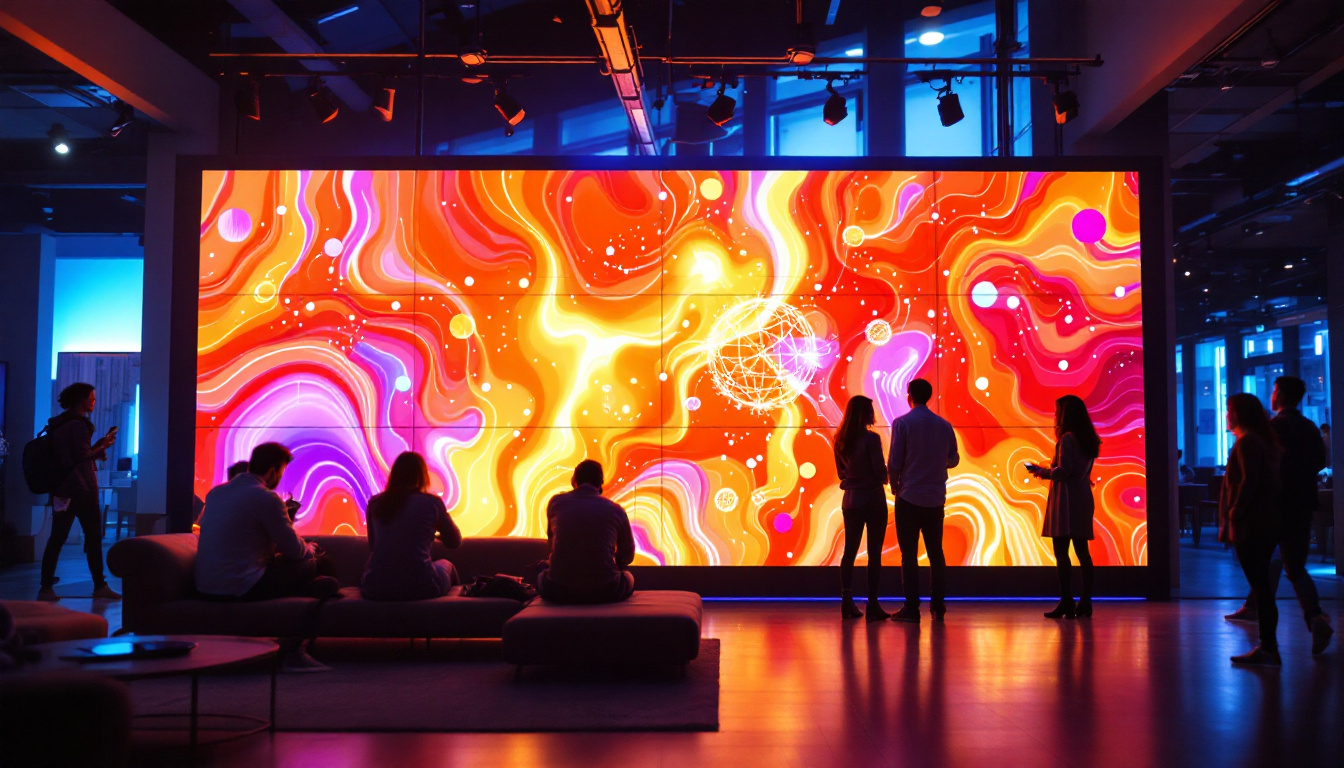
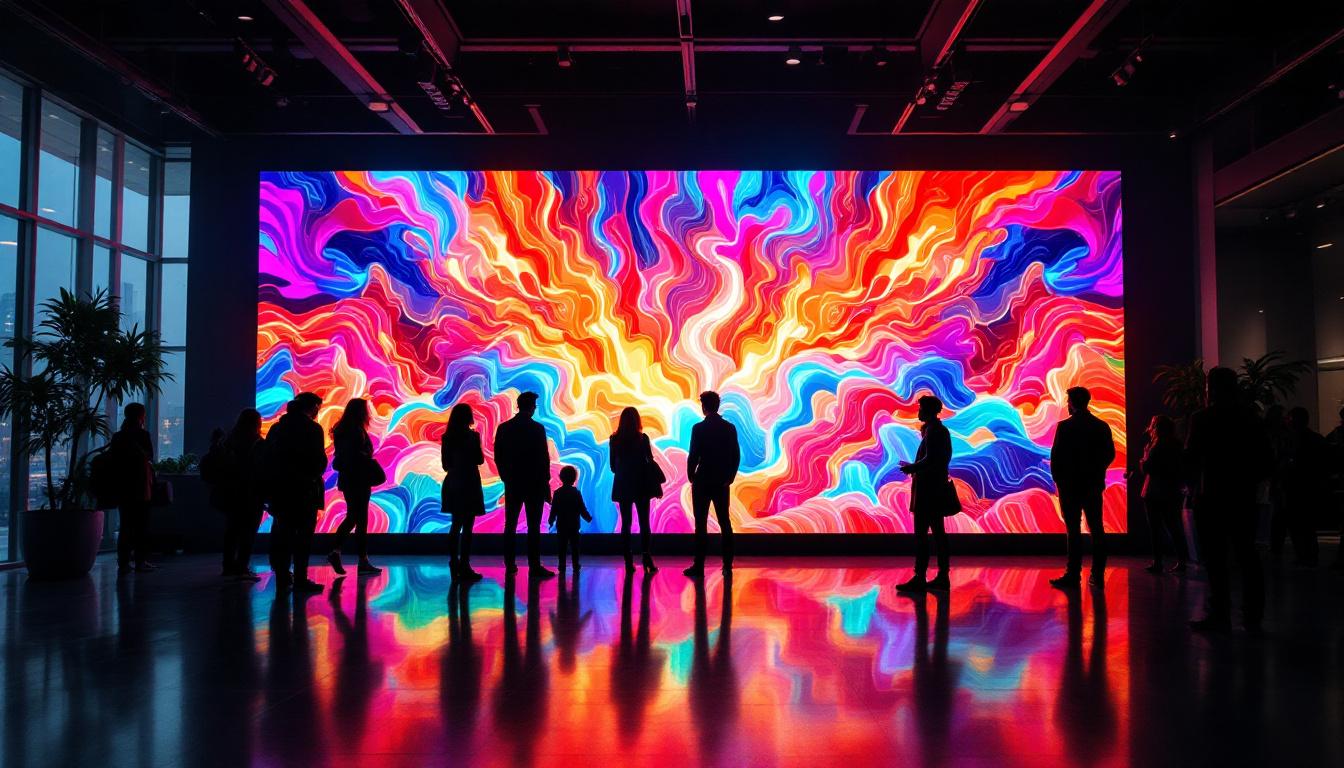
Stadiums and arenas use large-scale LED video walls to enhance the spectator experience. These displays provide instant replays, live statistics, and interactive content, keeping audiences engaged throughout events. The durability and high brightness of outdoor LED displays are critical in these environments, where visibility and reliability are paramount.
Corporate and Control Rooms
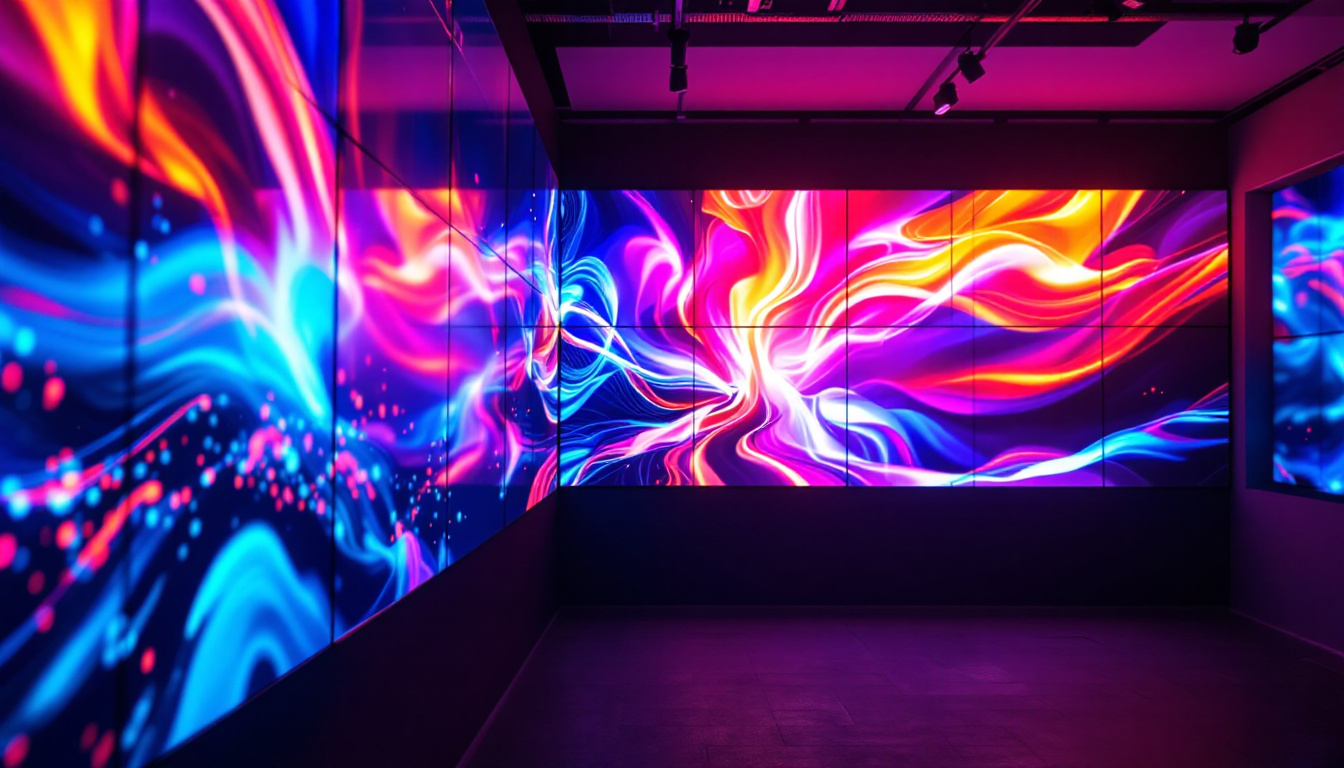
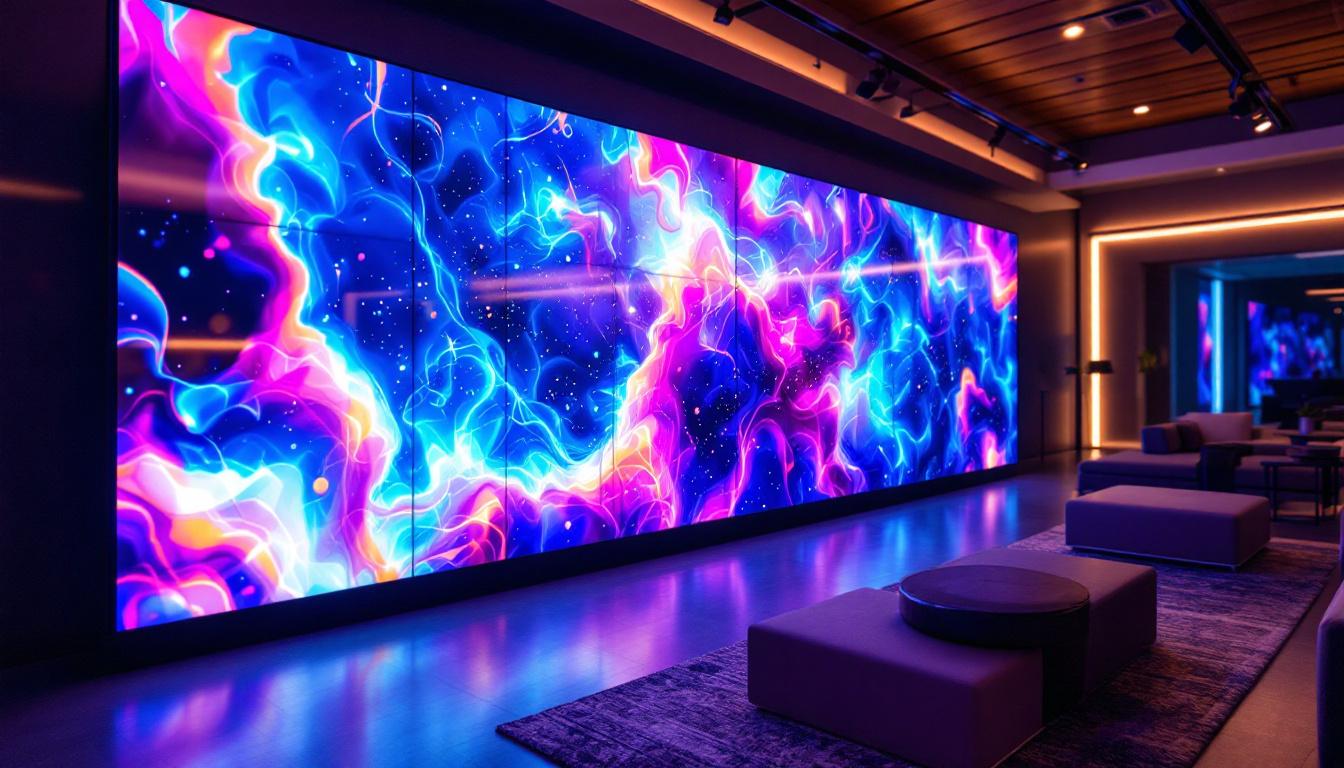
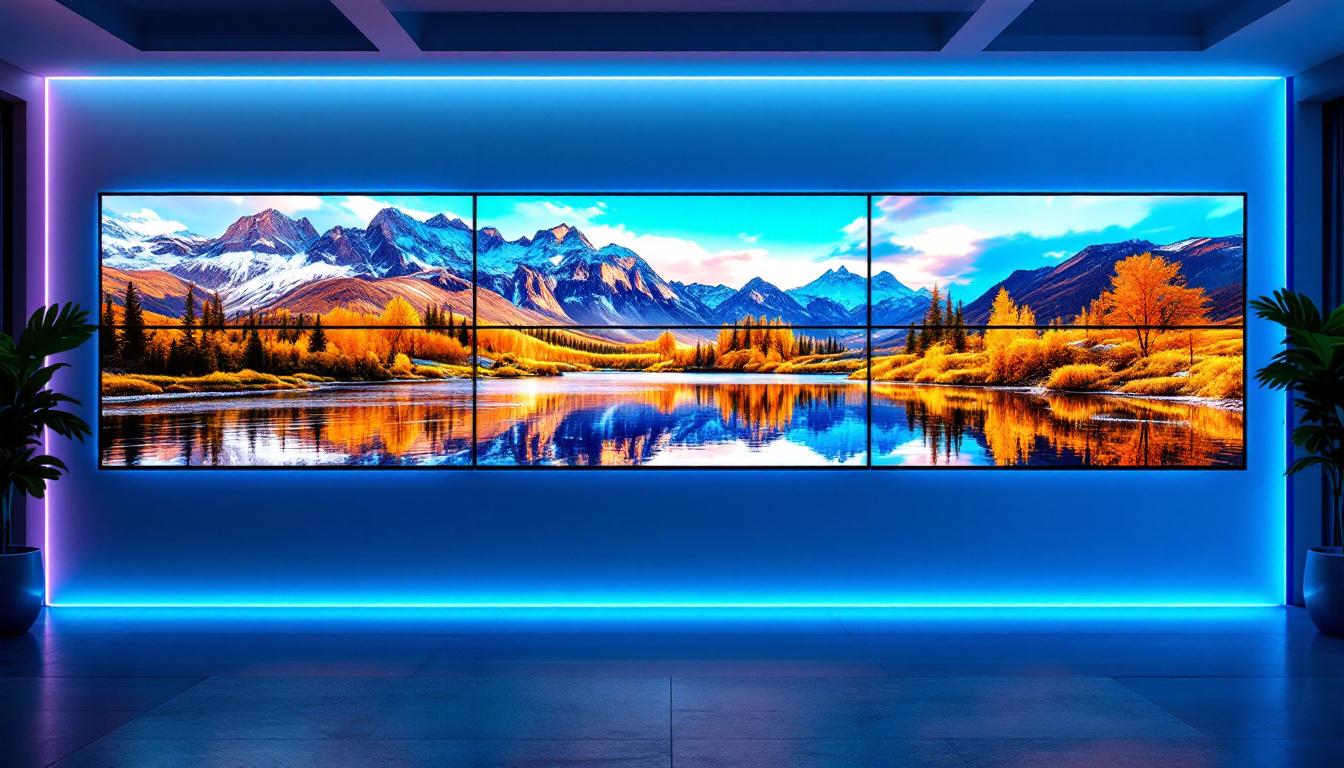
In corporate settings, LED displays are used for presentations, digital signage, and video conferencing. Control rooms rely on high-resolution LED walls to monitor complex data streams in industries such as transportation, utilities, and emergency response. The seamless scalability and modularity of LED displays allow for customized configurations tailored to specific operational needs.
Retail and Hospitality
Retailers use LED displays to attract customers and enhance the shopping experience with dynamic product showcases and interactive content. Hotels and restaurants utilize LED signage for wayfinding, menus, and event promotion, creating a modern and inviting atmosphere.
Choosing the Right LED Display Solution
Assessing Environmental Conditions
One of the first steps in selecting an LED display is evaluating the installation environment. Outdoor displays must be weatherproof, resistant to dust and moisture, and capable of operating across wide temperature ranges. Indoor displays, while protected from the elements, require consideration of ambient lighting and viewing distances.
Determining Viewing Distance and Angle
Understanding the typical distance from which the audience will view the display helps determine the appropriate pixel pitch and resolution. For example, a retail window display viewed from a few feet away demands a much finer pixel pitch than a highway billboard viewed from hundreds of feet.
Additionally, the viewing angle impacts placement and orientation. Displays with wide viewing angles ensure consistent visibility across large crowds or irregular spaces.
Budget and Maintenance Considerations
LED displays vary widely in cost depending on size, resolution, brightness, and technology. While upfront investment can be significant, the long lifespan (often exceeding 100,000 hours) and low energy consumption of LED displays make them cost-effective over time.
Maintenance is another factor—modular designs facilitate easier repairs and upgrades, minimizing downtime. Choosing reputable manufacturers and service providers ensures access to technical support and warranty coverage.
Future Trends in LED Display Technology
MicroLED and MiniLED Innovations
Emerging technologies such as MicroLED and MiniLED promise even higher resolution, improved color accuracy, and enhanced energy efficiency. MicroLED displays use microscopic LEDs to create pixels, enabling ultra-thin, flexible screens with exceptional brightness and contrast. These advancements are poised to revolutionize consumer electronics, digital signage, and even wearable devices.
Integration with Smart Technologies
LED displays are increasingly integrated with IoT (Internet of Things) and AI-driven content management systems. This enables real-time data-driven content updates, interactive user experiences, and remote monitoring for performance optimization. Smart LED displays can adapt content based on audience demographics, weather conditions, or time of day, maximizing engagement and effectiveness.
Sustainability and Energy Efficiency
As environmental concerns grow, manufacturers are focusing on reducing the carbon footprint of LED displays. Innovations in LED chip design, power management, and recyclable materials contribute to greener solutions. Energy-efficient displays not only reduce operational costs but also align with corporate sustainability goals.
Conclusion
LED display technology has transformed visual communication, offering unparalleled brightness, color vibrancy, and versatility across a wide range of applications. Understanding the technical aspects—such as pixel pitch, brightness, and viewing angle—alongside practical considerations like environment and budget, empowers businesses and designers to select the optimal LED solution.
With ongoing advancements in MicroLED technology, smart integration, and sustainability, LED displays will continue to evolve, delivering richer, more immersive experiences. Whether for advertising, entertainment, corporate, or retail environments, LED displays remain a powerful tool to captivate audiences and convey messages with impact and clarity.
Discover LumenMatrix’s Advanced LED Solutions
Ready to elevate your visual communication with cutting-edge LED technology? Explore LumenMatrix’s comprehensive range of LED display modules, from vibrant Indoor and Outdoor LED Wall Displays to dynamic Vehicle and Sports LED Displays. Our innovative solutions, including LED Poster Displays, Floor LED Displays, and Custom LED options, are designed to captivate your audience and amplify your message. Embrace the future of digital signage with our All-in-One and Transparent LED Displays. Experience the LumenMatrix difference and check out LumenMatrix LED Display Solutions today to transform your space into a mesmerizing visual experience.