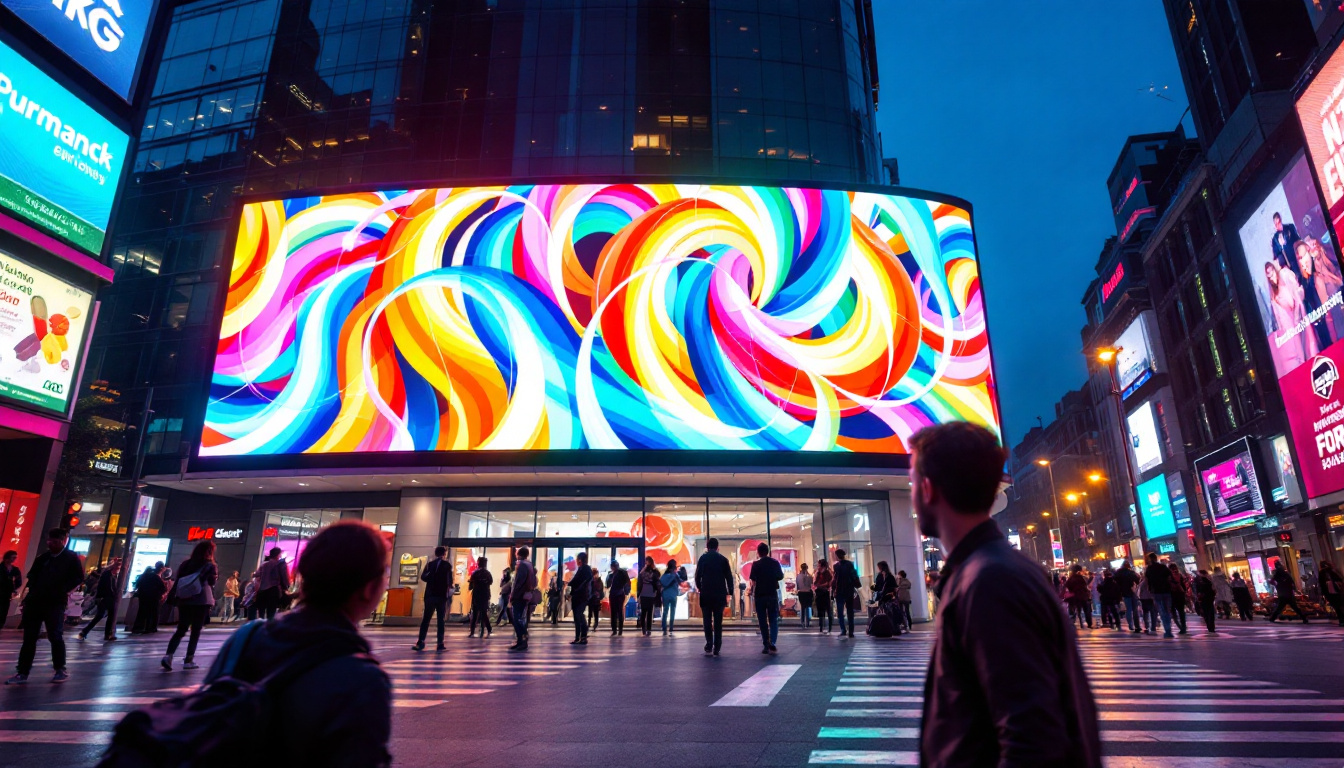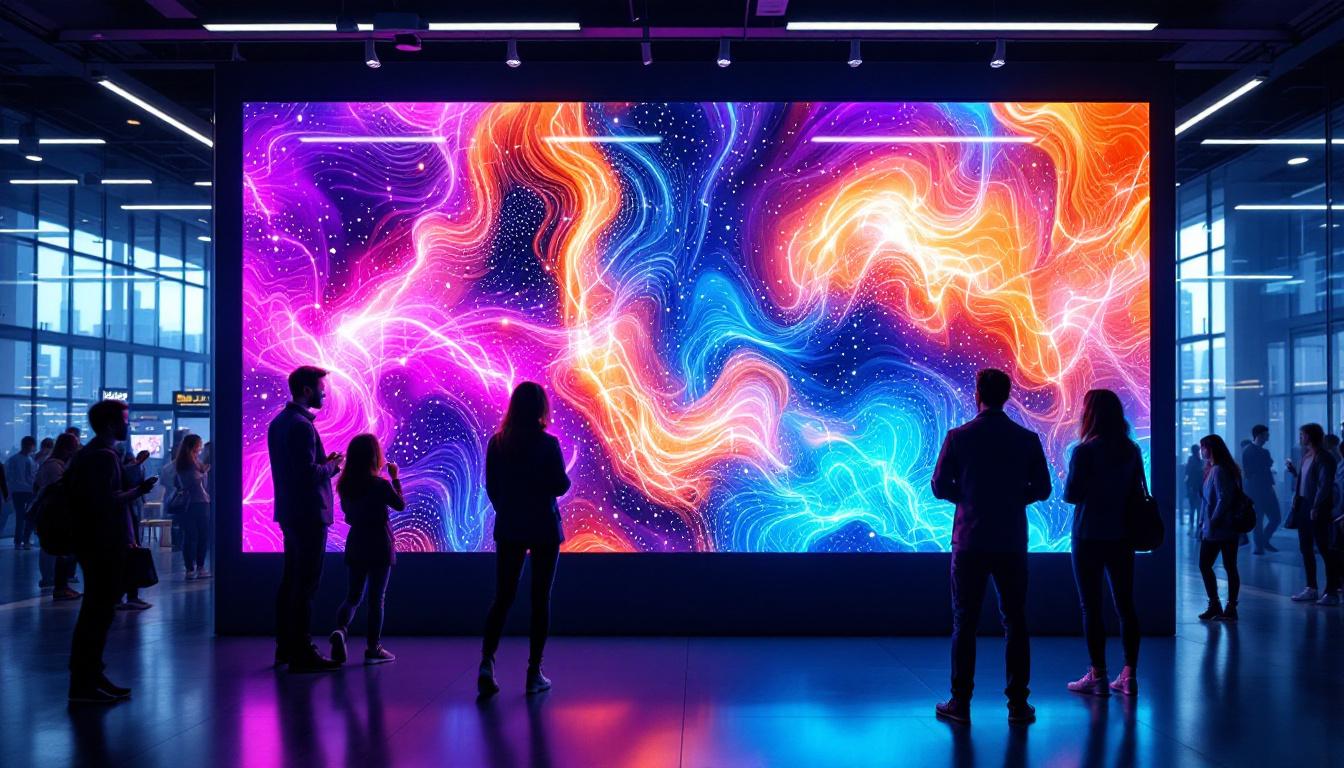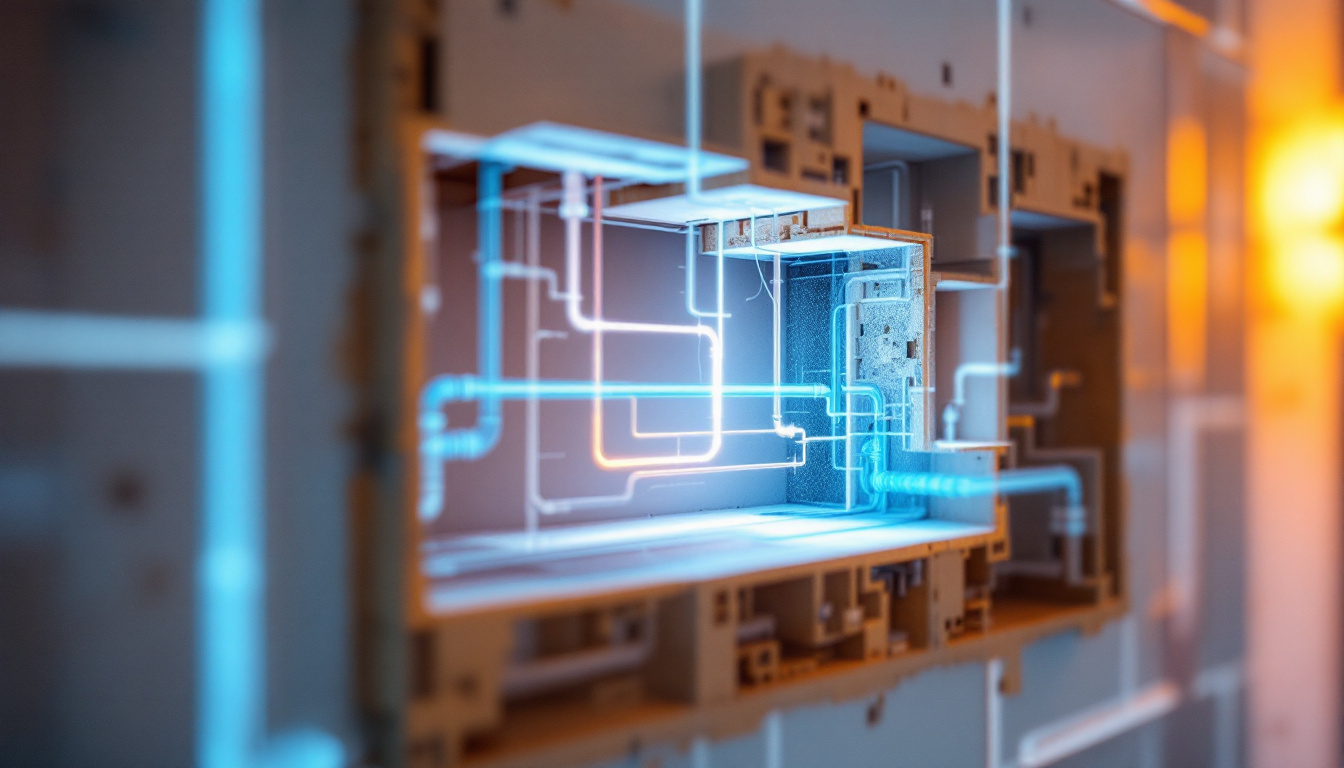
In the evolving world of digital signage and display technology, the integration of sound systems within LED displays has become a game-changer. The concept of “Sound In Wall” LED displays is reshaping how businesses, venues, and public spaces communicate visually and audibly with their audiences. This article delves into the technology behind Sound In Wall LED displays, their applications, benefits, and what makes them a compelling choice for modern environments.
Understanding Sound In Wall LED Displays
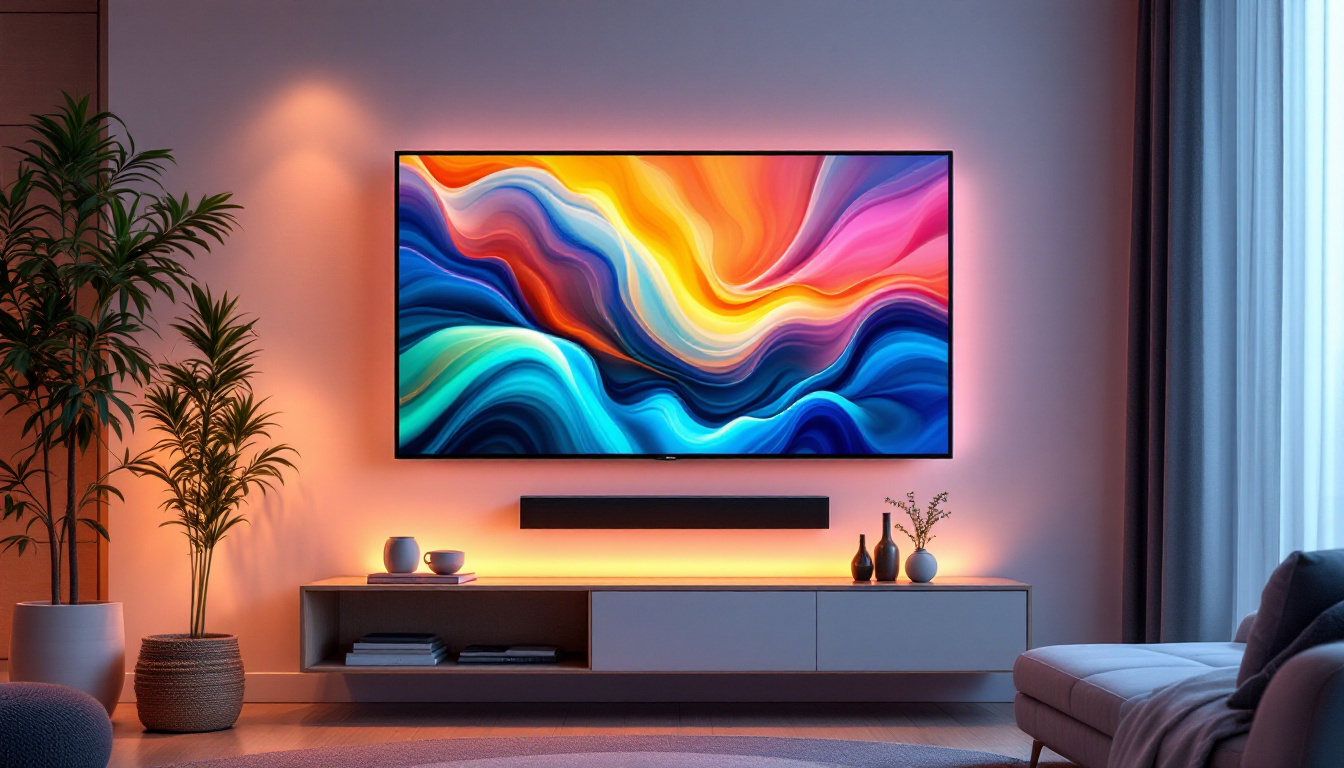
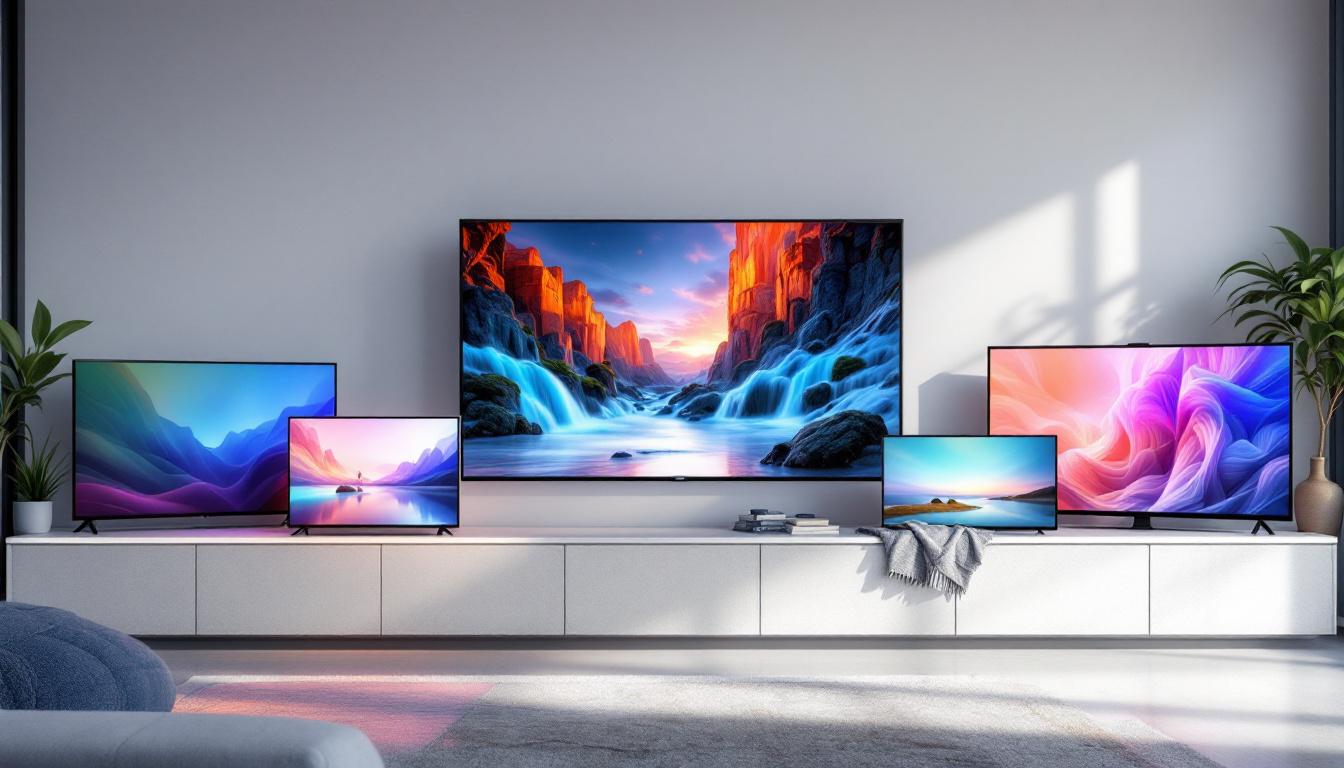
At its core, a Sound In Wall LED display is an advanced digital screen embedded with integrated audio components, designed to deliver synchronized sound and visuals seamlessly. Unlike traditional LED displays that rely on external speakers, these systems incorporate speakers directly within the display frame or behind the screen, creating a unified audiovisual experience.
This integration eliminates the need for separate sound equipment, reducing clutter and simplifying installation. The design ensures that sound is projected in harmony with the displayed content, enhancing engagement and communication effectiveness. This is particularly beneficial in environments such as retail spaces, conference rooms, and public venues where clear communication and immersive experiences are paramount. By streamlining both audio and visual elements into one cohesive unit, businesses can create more impactful presentations and advertising displays that capture the attention of their audience.
How Do Sound In Wall LED Displays Work?
The technology combines high-resolution LED panels with embedded speaker arrays. The LED panels produce vibrant, bright images visible even in well-lit environments, while the speakers deliver clear, directional sound. Advanced audio processing chips manage sound quality, volume, and synchronization with the video feed. This synchronization is crucial, especially in applications like live events or interactive displays, where timing can significantly affect the viewer’s experience.
Many systems utilize digital signal processing (DSP) to optimize audio output, ensuring consistent sound performance across different environments. The integration often includes sound dampening materials and acoustic design elements to prevent audio distortion or interference caused by the display’s structure. Furthermore, some models are equipped with adaptive sound technologies that automatically adjust audio levels based on ambient noise, providing an optimal listening experience regardless of the surrounding conditions. This adaptability makes Sound In Wall LED displays ideal for dynamic environments where sound quality can fluctuate.
Key Components of Sound In Wall LED Displays
- LED Panels: These are the core visual elements, composed of thousands of tiny light-emitting diodes that create images and videos.
- Integrated Speakers: Built into the display housing, these speakers are engineered for clear and balanced sound output.
- Audio Amplifiers and DSP: These components control sound quality, volume, and synchronization with the visual content.
- Control Systems: Software and hardware that manage content playback, including both audio and video streams.
In addition to these components, many Sound In Wall LED displays feature connectivity options such as Bluetooth, Wi-Fi, and HDMI, allowing for easy integration with various media sources. This versatility enables users to stream content directly from smartphones, tablets, or computers, making it easier to update displays on the fly. Moreover, some systems are designed with user-friendly interfaces that simplify content management, allowing non-technical staff to operate and customize displays effortlessly. This accessibility is crucial for businesses that rely on timely updates to keep their messaging relevant and engaging.
“`html
Applications of Sound In Wall LED Displays
The versatility of Sound In Wall LED displays makes them suitable for a wide range of applications. Their ability to deliver synchronized sound and visuals in a compact, integrated form factor is especially valuable in environments where space, aesthetics, and performance are critical.
Corporate and Conference Settings
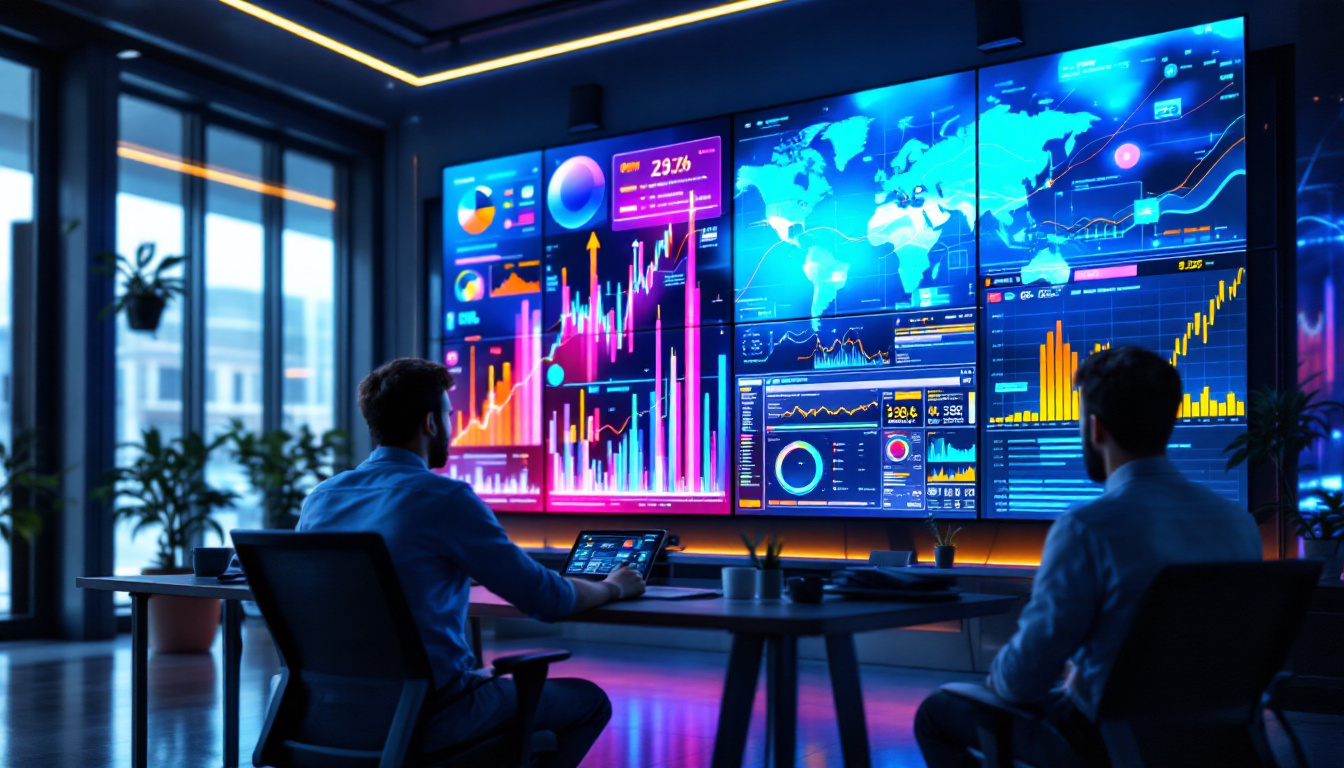
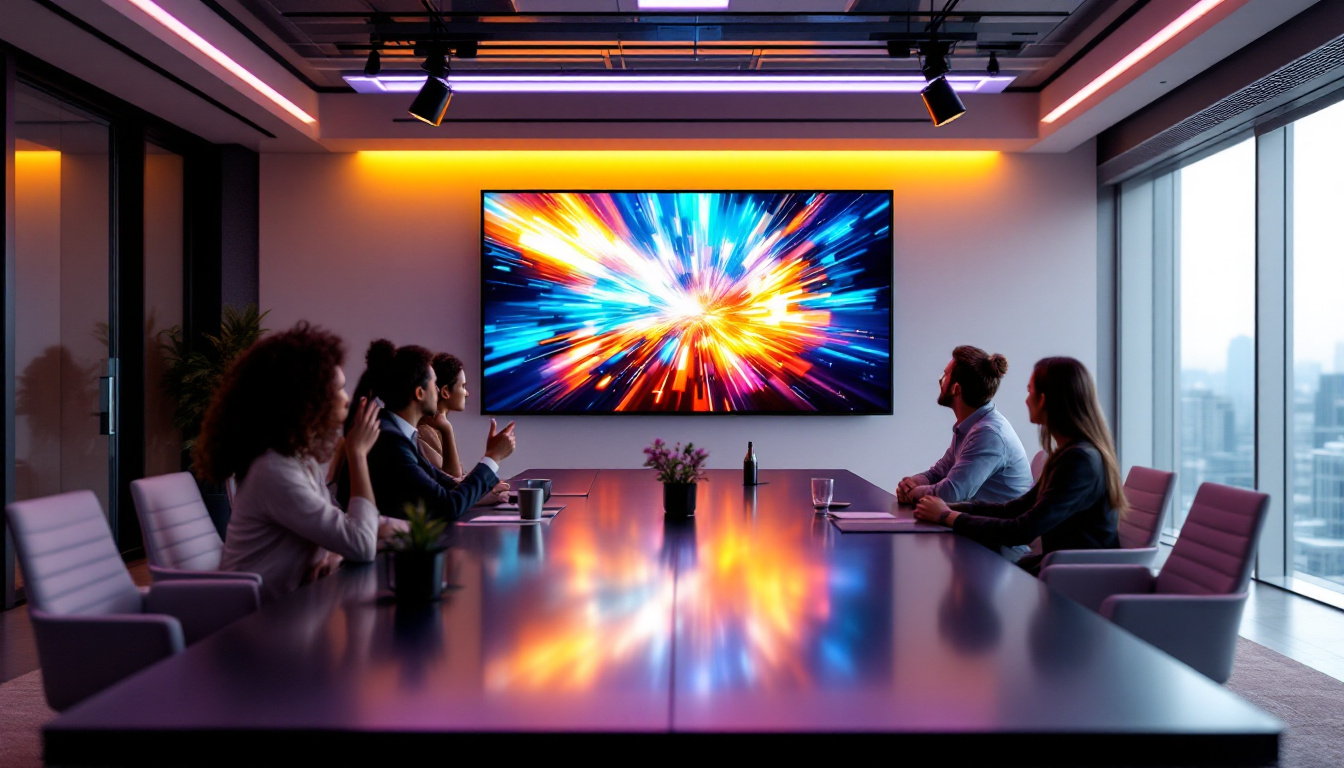
In corporate boardrooms and conference centers, these displays provide an immersive experience for presentations, video conferences, and digital signage. The embedded sound system ensures that audio is clear and evenly distributed, eliminating the need for additional microphones or speakers that can clutter the room.
According to a 2023 report by AVIXA, integrated audiovisual systems in corporate environments improve meeting efficiency by up to 35%, highlighting the importance of seamless sound and video integration.
Moreover, the use of Sound In Wall LED displays can facilitate hybrid meetings, where participants join both in-person and remotely. This technology allows for a more cohesive experience, as remote attendees can hear and see presentations as if they were physically present. The ability to integrate with various conferencing platforms further enhances collaboration, making it easier for teams to share ideas and feedback in real-time.
Retail and Advertising
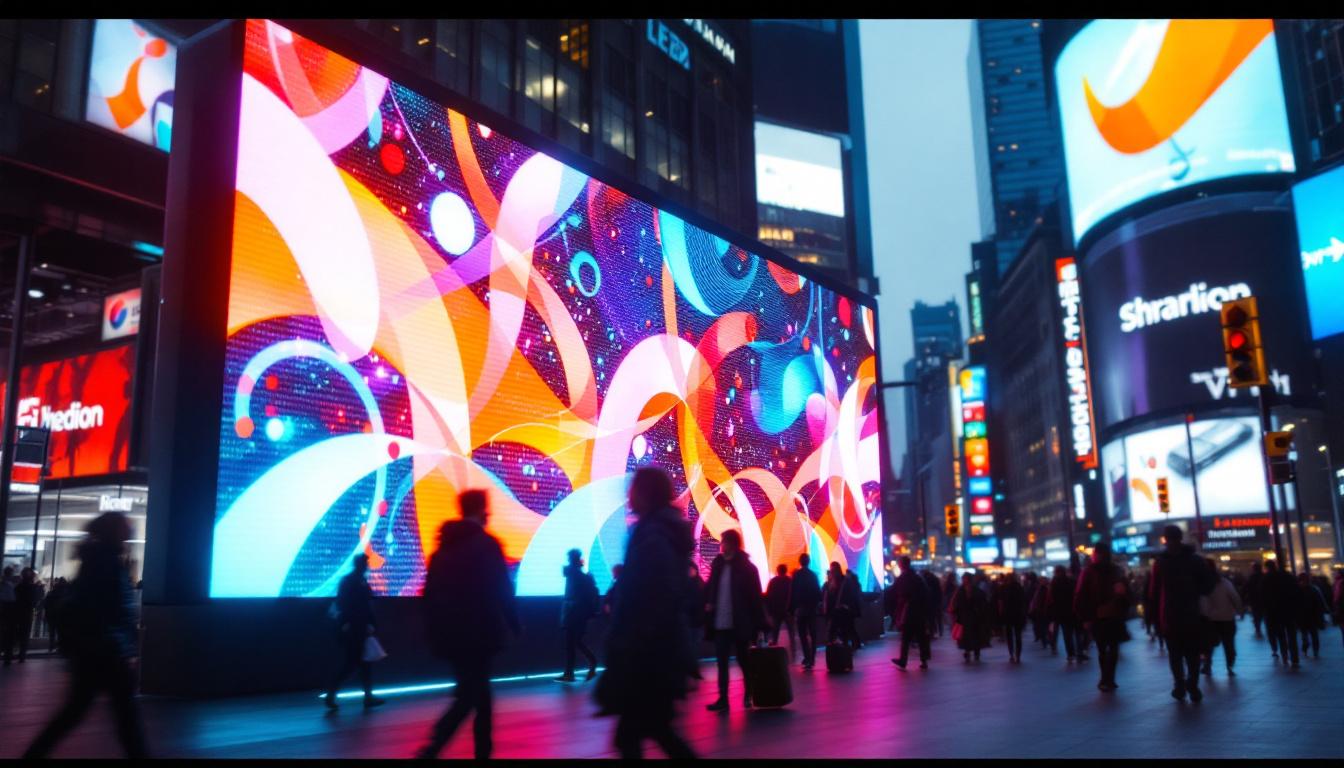
Retailers use Sound In Wall LED displays to attract customers with dynamic advertisements that combine eye-catching visuals and compelling audio. The integrated sound helps reinforce brand messaging and promotions, increasing customer engagement and dwell time.
Research from Nielsen in 2022 found that digital signage with audio can increase brand recall by 47%, making these displays a powerful marketing tool.
Additionally, the flexibility of these displays allows retailers to change content frequently, adapting to seasonal promotions or trending products with ease. This capability not only keeps the advertising fresh but also enables businesses to respond quickly to market changes, ensuring that their messaging remains relevant and impactful. Furthermore, the integration of interactive elements, such as touch screens or QR codes, can enhance customer interaction, driving sales and fostering a deeper connection with the brand.
Public Venues and Transportation Hubs
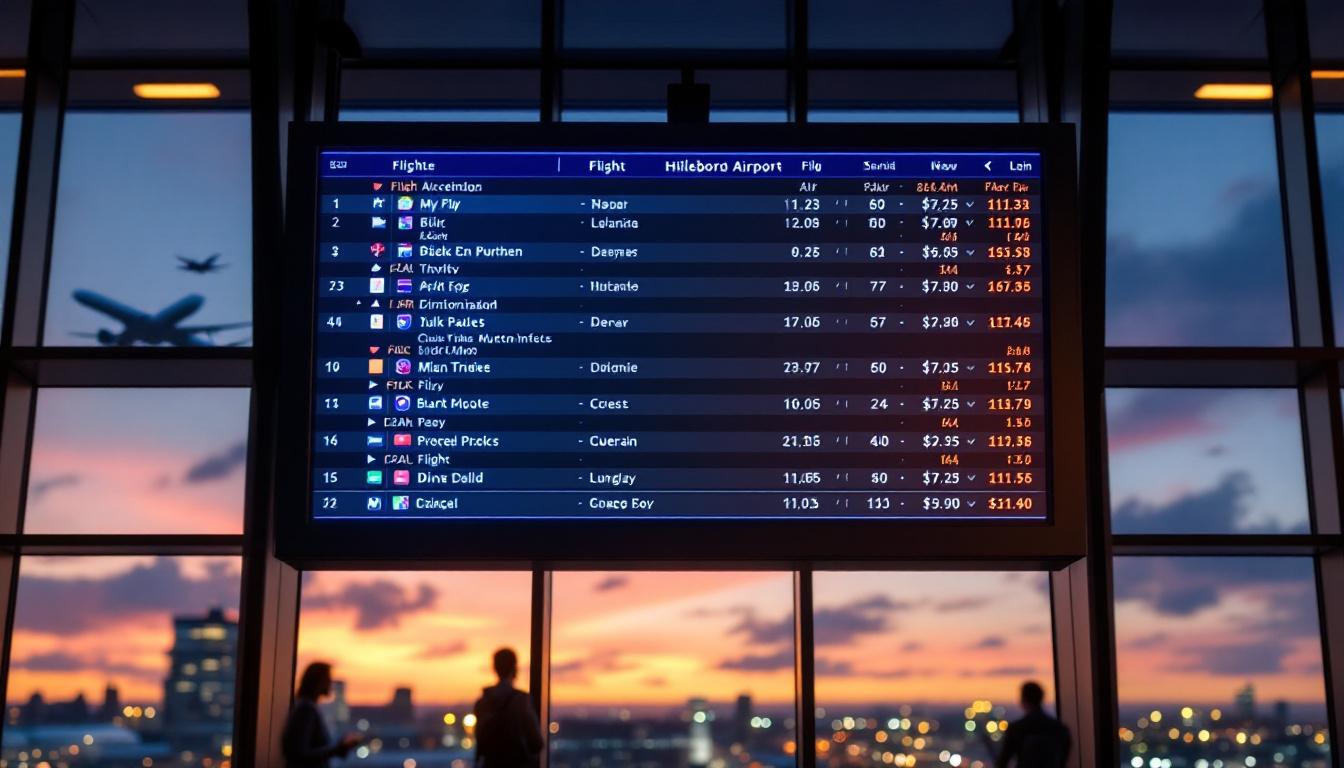
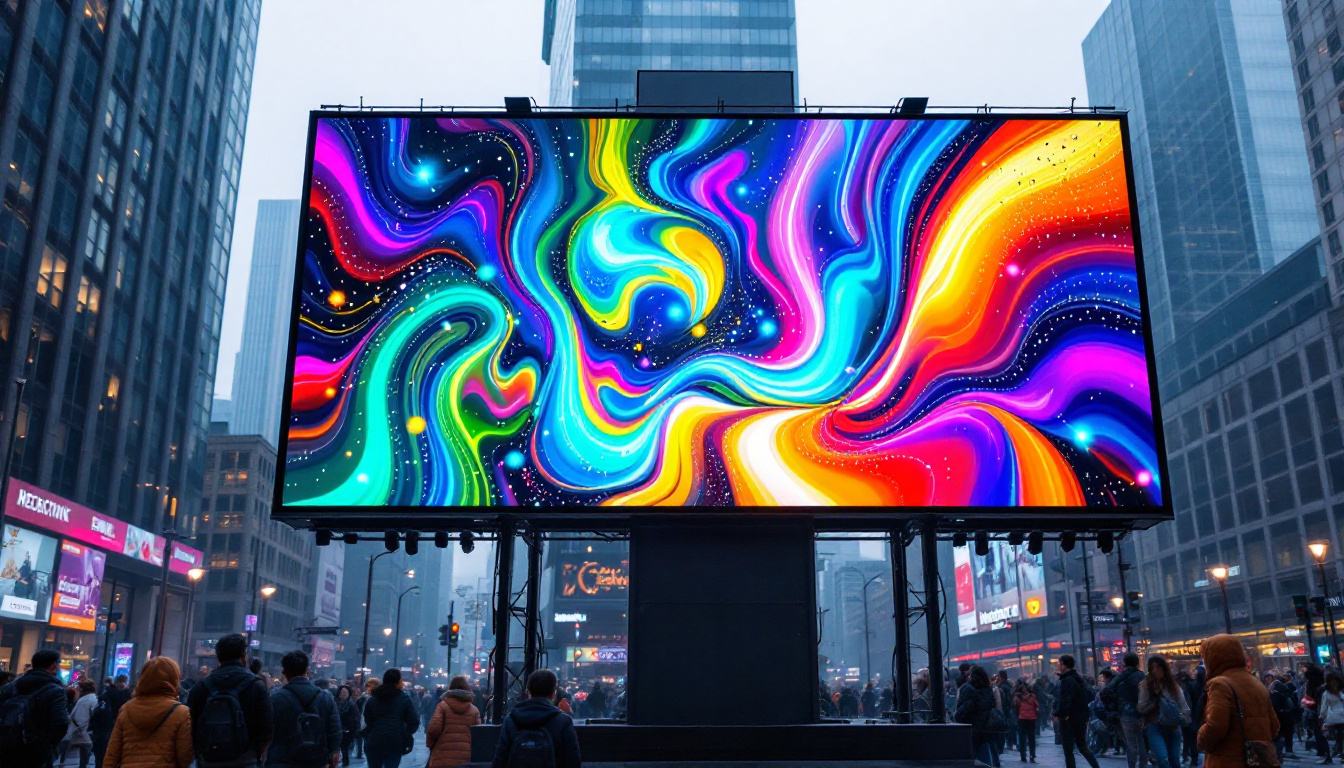
Airports, train stations, and stadiums benefit from these displays by providing real-time information alongside announcements and alerts. The integration of sound ensures that critical messages are heard clearly, even in noisy environments.
For example, the installation of Sound In Wall LED displays in major airports has been linked to a 20% reduction in missed announcements, improving passenger experience and safety.
In addition to enhancing communication, these displays can also serve as platforms for entertainment and engagement. For instance, during delays or waiting periods, they can showcase local attractions, upcoming events, or even live feeds from nearby sports games, keeping travelers informed and entertained. This not only improves the overall atmosphere of the venue but also encourages visitors to explore the surrounding area, benefiting local businesses and tourism.
Hospitality and Entertainment
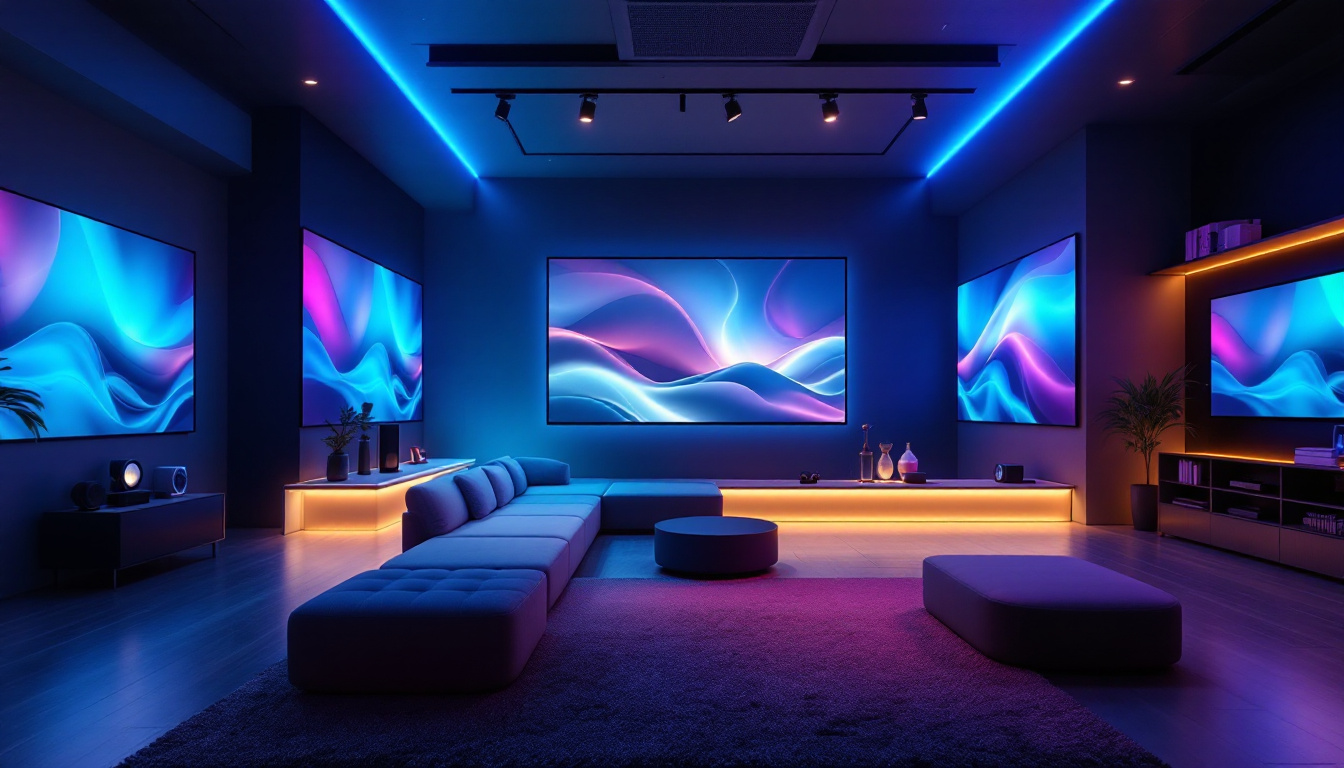
Hotels, theaters, and event spaces use these displays for digital art, event information, and immersive entertainment experiences. The combination of vivid visuals and high-quality sound creates memorable atmospheres that enhance guest satisfaction.
Moreover, the ability to customize content for specific events or themes allows venues to create unique experiences tailored to their audience. For example, during a wedding reception, the displays can showcase a personalized slideshow of the couple’s journey, accompanied by their favorite songs, creating an emotional and engaging atmosphere. Similarly, theaters can utilize these displays for pre-show promotions or behind-the-scenes content, enriching the audience’s experience and building anticipation for the performance.
“`
Advantages of Sound In Wall LED Displays
Choosing a Sound In Wall LED display over traditional setups offers numerous benefits, both practical and experiential. These advantages make them an increasingly popular choice across industries.
Space Efficiency and Aesthetics
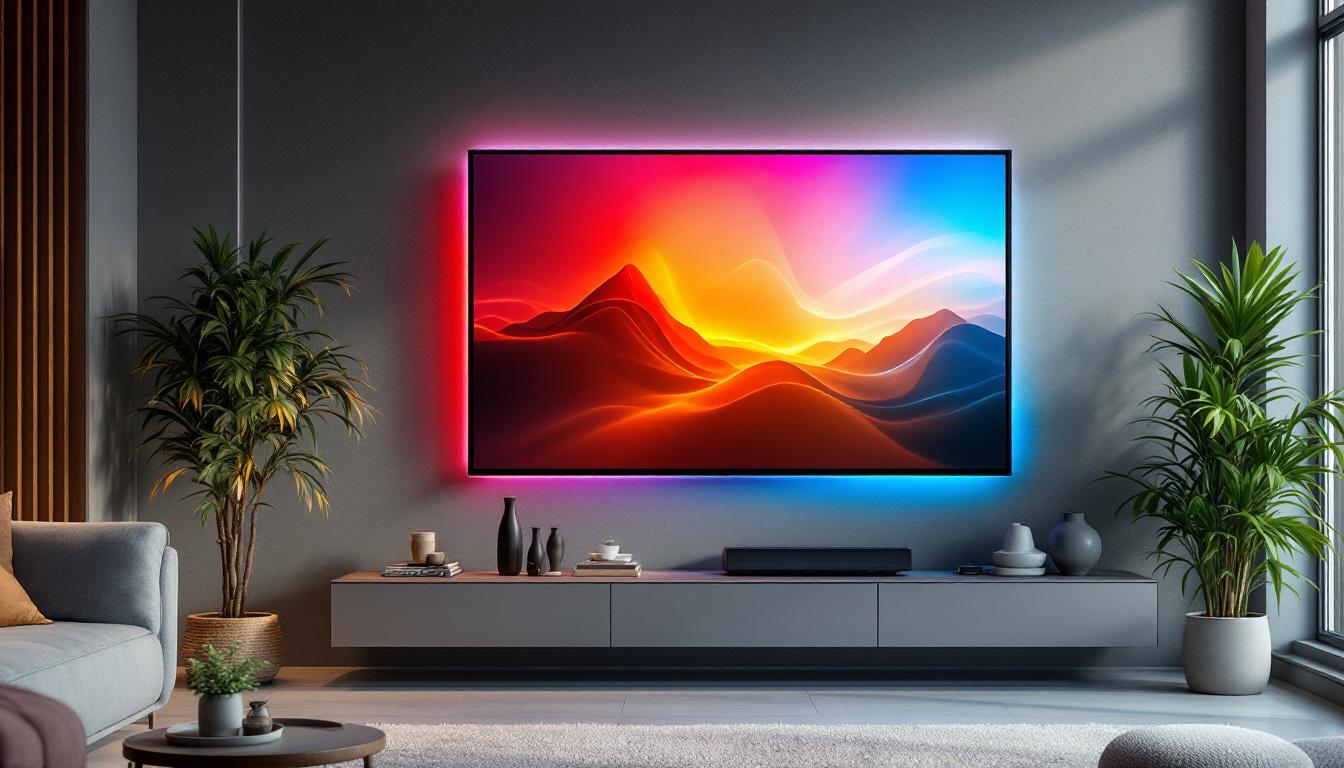
By embedding speakers within the display itself, these systems reduce the need for separate audio equipment, freeing up wall space and reducing visual clutter. This streamlined design contributes to cleaner, more modern interiors that align with contemporary architectural trends.
Enhanced Audio-Visual Synchronization
Integrated systems ensure that sound and visuals are perfectly synchronized, which is crucial for maintaining audience engagement and delivering clear messaging. This synchronization prevents issues such as audio lag or echo that can occur with separate components.
Improved Installation and Maintenance
With fewer components to install and manage, setup times are reduced, and ongoing maintenance becomes simpler. The all-in-one design also minimizes wiring complexity, lowering the risk of technical issues related to connectivity.
Superior Sound Quality in Challenging Environments
Sound In Wall LED displays are engineered to optimize audio performance even in acoustically difficult spaces. Their design often includes acoustic tuning and directional speakers that focus sound toward the audience, enhancing clarity and reducing ambient noise interference.
Scalability and Customization
Manufacturers offer a range of sizes and configurations, allowing businesses to tailor displays to their specific needs. Whether it’s a small meeting room or a large stadium, Sound In Wall LED displays can be scaled and customized accordingly.
Technical Considerations When Choosing a Sound In Wall LED Display
To maximize the benefits of Sound In Wall LED displays, it’s important to evaluate several technical factors before making a purchase or installation decision.
Resolution and Pixel Pitch
The resolution determines the clarity and detail of the displayed content. Pixel pitch—the distance between individual LEDs—affects viewing distance and image sharpness. For indoor environments, a pixel pitch of 1.5mm to 2.5mm is common, while outdoor displays may have larger pitches for visibility over greater distances.
Audio Power and Speaker Configuration
Consider the wattage and number of speakers integrated into the display. Higher power outputs are necessary for large or noisy spaces. Additionally, speaker placement within the display affects sound dispersion and quality.
Brightness and Contrast Ratios
Brightness levels, measured in nits, must be sufficient to overcome ambient light conditions. For indoor use, 800 to 1500 nits is typical, while outdoor displays may require 5000 nits or more. High contrast ratios enhance image depth and color accuracy.
Connectivity and Control Options
Modern displays support various input sources such as HDMI, DisplayPort, and network streaming. User-friendly control software allows for easy content scheduling, audio adjustments, and system diagnostics.
Durability and Environmental Resistance
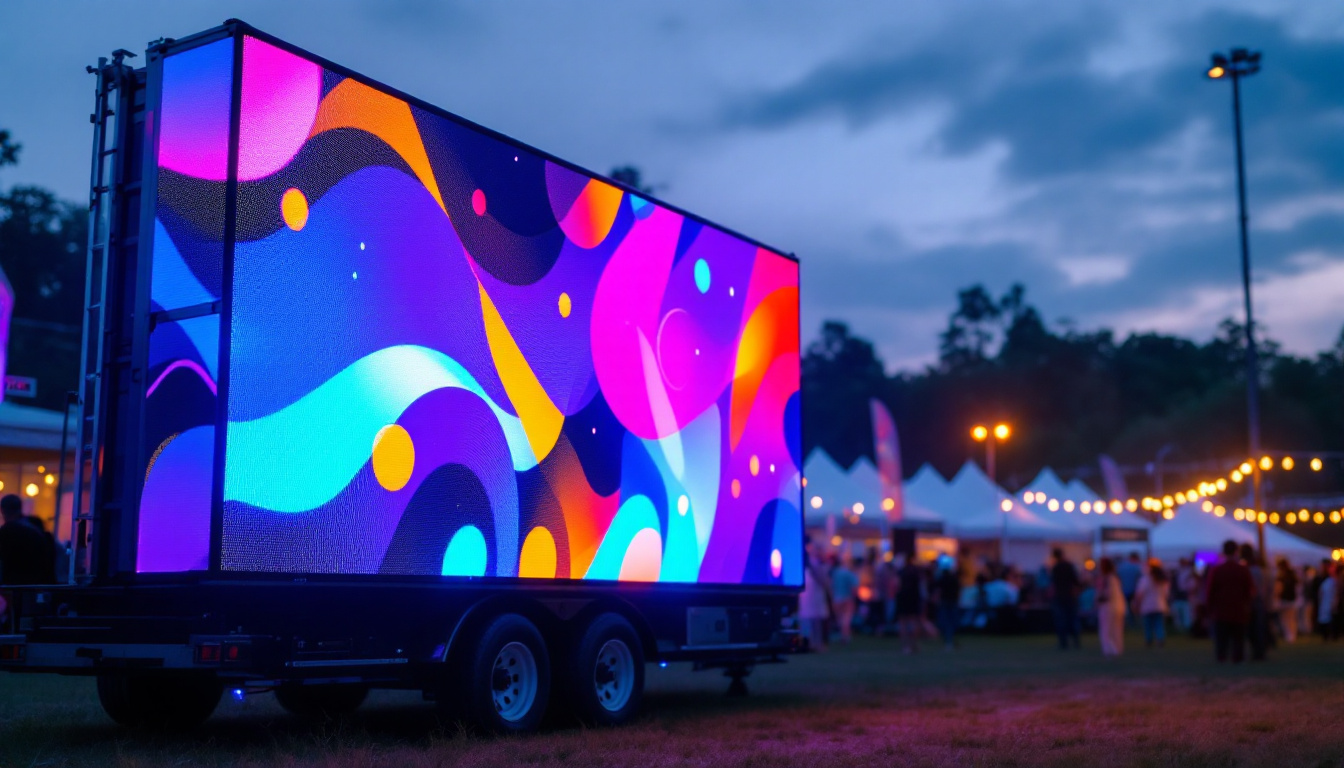
For outdoor or high-traffic areas, displays should be rated for weather resistance (IP65 or higher) and impact protection. Sound components must also be protected against moisture and dust to maintain performance.
Future Trends in Sound In Wall LED Technology
The integration of sound and LED displays is poised for continued innovation, driven by advances in materials, processing power, and user experience design.
AI-Enhanced Audio and Visual Synchronization
Artificial intelligence is beginning to play a role in optimizing audio-visual synchronization in real-time, adapting sound output based on ambient noise levels and viewer positioning to create personalized experiences.
Flexible and Transparent LED Displays
Emerging technologies are enabling flexible LED panels that can conform to curved surfaces and transparent displays that maintain visibility behind the screen. Integrating sound into these novel form factors will expand creative possibilities for architects and designers.
Energy Efficiency Improvements
With growing emphasis on sustainability, manufacturers are developing LED displays and audio systems that consume less power without compromising performance. This is particularly important for large-scale installations that operate continuously.
Enhanced Interactivity
Touch-sensitive and gesture-controlled Sound In Wall LED displays are becoming more common, allowing users to interact directly with content, further engaging audiences in retail, education, and entertainment settings.
Conclusion
Sound In Wall LED displays represent a significant advancement in digital signage and audiovisual technology. By seamlessly integrating high-quality sound within vibrant LED screens, these systems deliver immersive and efficient communication solutions across diverse environments.
From corporate boardrooms to bustling airports, the ability to combine clear visuals with synchronized audio enhances message delivery, audience engagement, and overall experience. As technology continues to evolve, Sound In Wall LED displays will undoubtedly play a pivotal role in shaping the future of digital communication.
“`html
Discover the Future of Visual Communication with LumenMatrix
Ready to elevate your space with the latest in LED display technology? LumenMatrix offers a comprehensive range of innovative solutions that bring your visual and auditory messaging to life. From captivating Indoor LED Wall Displays to dynamic Outdoor LED Wall Displays, and from versatile Vehicle LED Displays to engaging LED Sports Displays, our products are designed to revolutionize your audience’s experience. Embrace the power of integrated sound and visuals with LumenMatrix’s cutting-edge LED display modules. Check out LumenMatrix LED Display Solutions today and transform the way you communicate with clarity and impact.
“`