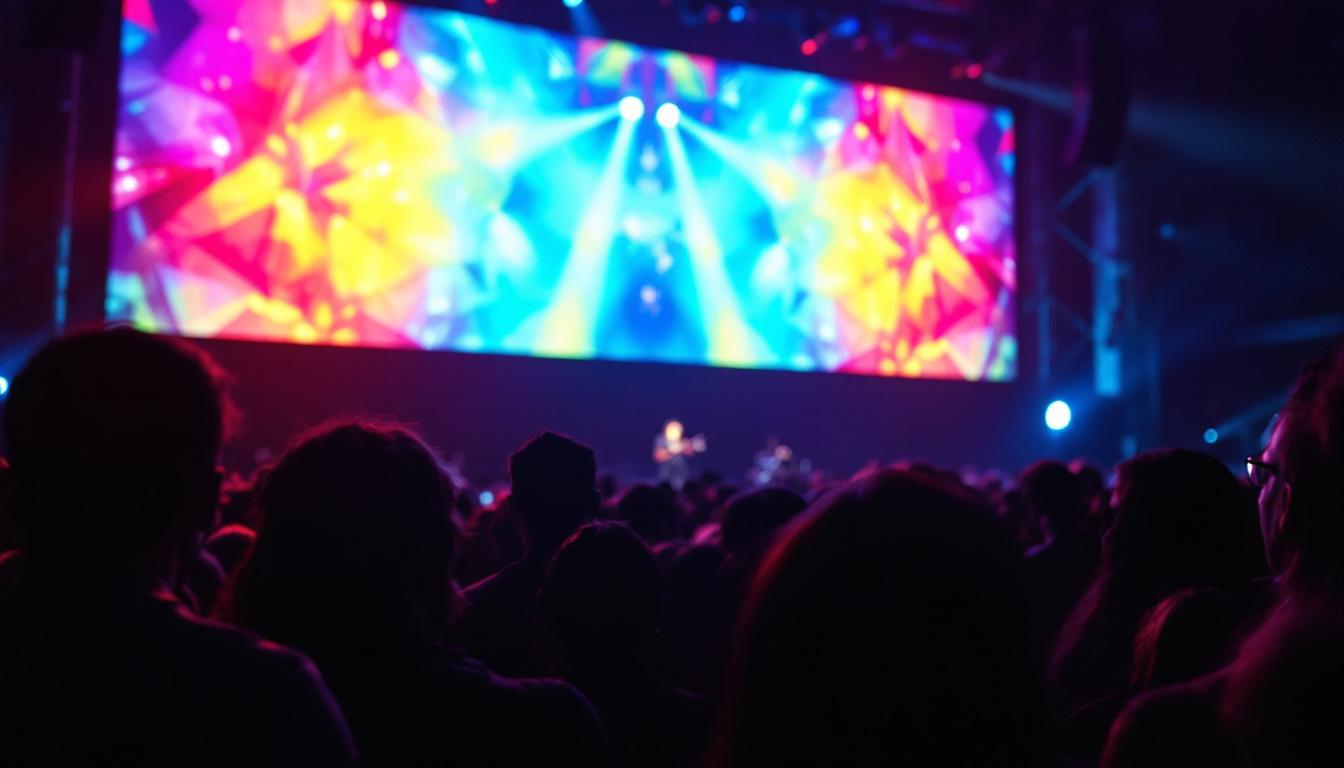
In the rapidly evolving world of audio-visual technology, LED displays have become a cornerstone for contractors specializing in sound and video installations. From vibrant digital billboards to immersive indoor video walls, LED technology offers unparalleled brightness, flexibility, and durability. This article delves into the essentials of LED displays, their technical foundations, applications, and considerations for sound and video contractors aiming to deliver cutting-edge solutions.
Understanding LED Display Technology
What is an LED Display?
LED, or Light Emitting Diode, displays are screens composed of numerous tiny light sources that emit light when an electrical current passes through them. Unlike traditional LCD or projection screens, LED displays generate their own light, resulting in brighter images with higher contrast and better visibility, especially in outdoor or brightly lit environments. This inherent capability to produce light directly from the diodes enables LED displays to achieve remarkable energy efficiency, making them a sustainable choice for both commercial and residential applications.
At its core, an LED display consists of a matrix of LEDs arranged in pixels. Each pixel typically contains red, green, and blue diodes, which combine to produce a wide spectrum of colors through varying intensity levels. This RGB model enables LED displays to render vivid, dynamic images and videos with exceptional clarity. Furthermore, advancements in technology have led to the development of full-color LED displays that can produce millions of colors, enhancing the viewing experience for users and audiences alike. The rapid response time of LEDs also allows for smooth motion graphics, making them ideal for video content and live events.
Types of LED Displays
LED displays come in various forms, tailored to different environments and purposes. The two primary categories are:
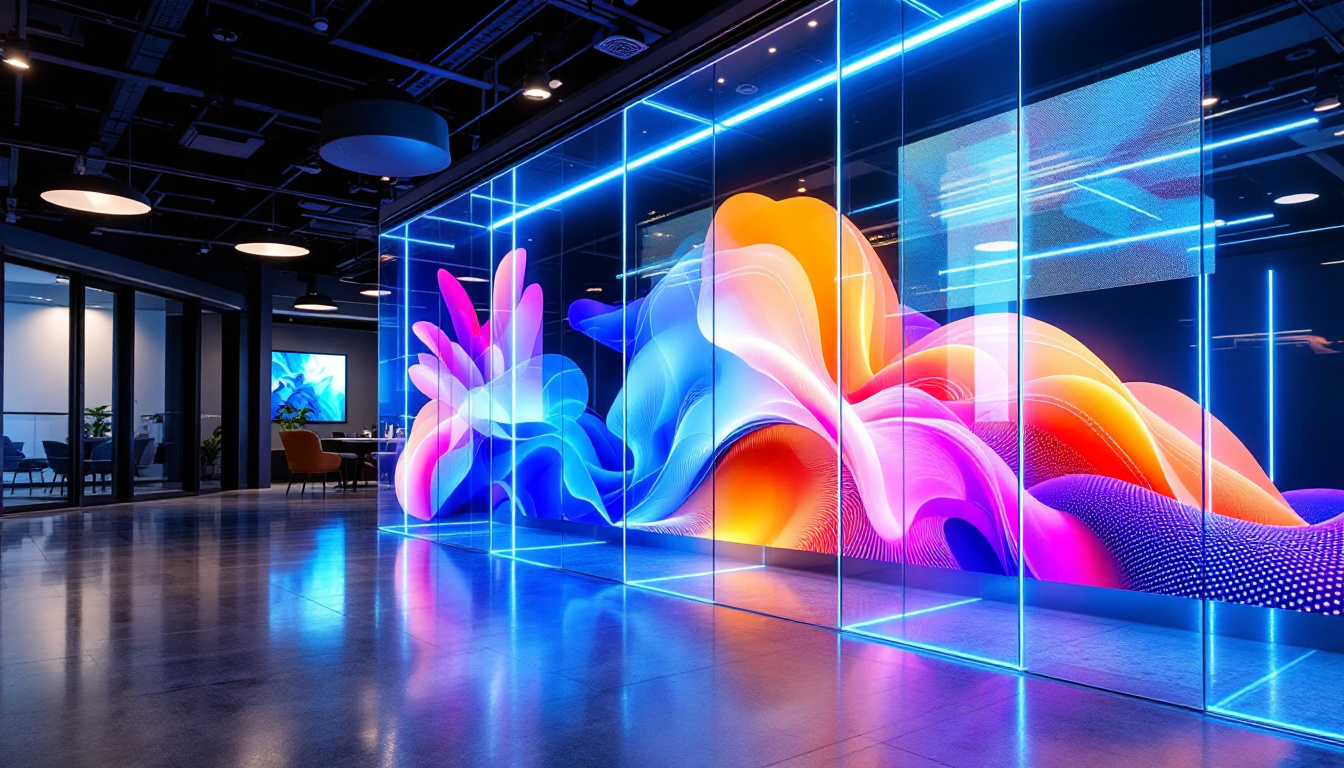
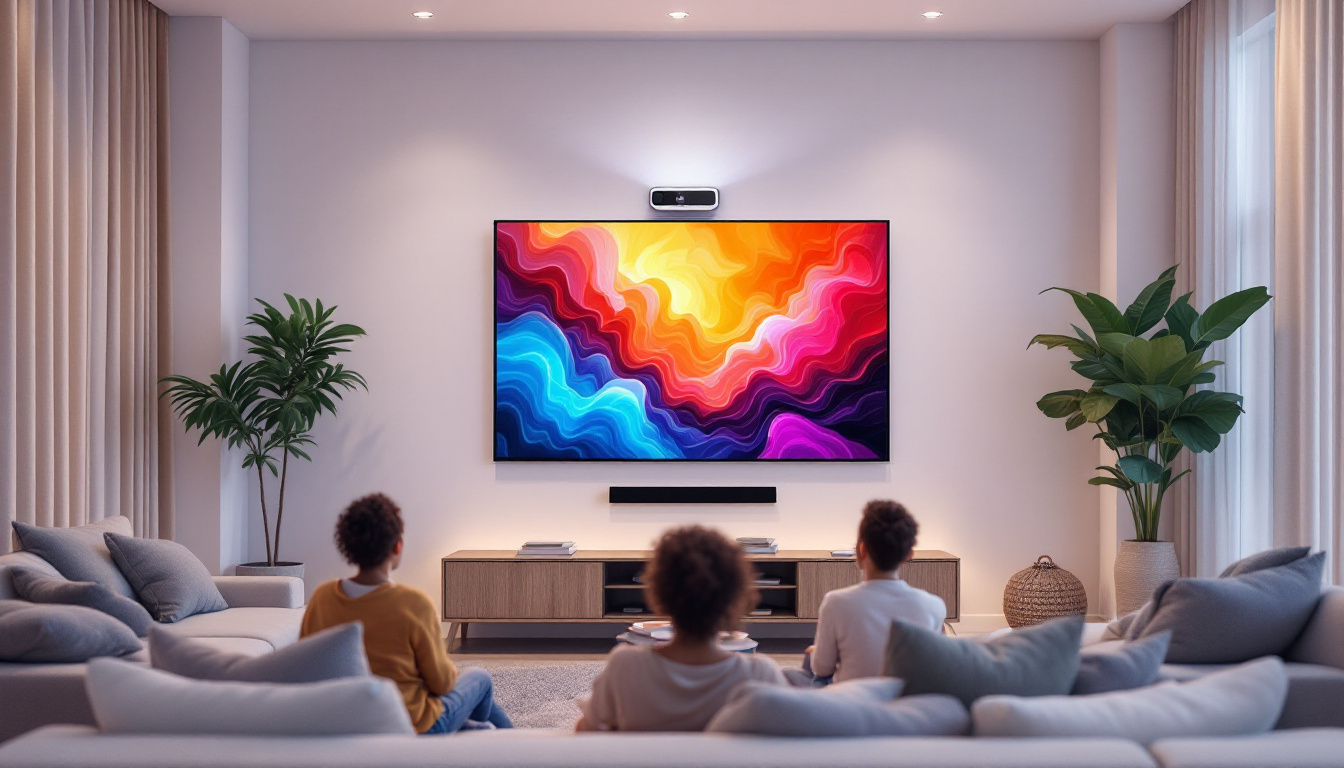
- Indoor LED Displays: Designed for controlled lighting conditions, these displays feature smaller pixel pitches (the distance between individual LEDs), often ranging from 0.9mm to 4mm. This allows for high-resolution images suitable for close viewing distances, such as in conference rooms, retail stores, or entertainment venues. Indoor displays are often used for presentations, advertisements, and artistic installations, providing a captivating visual experience that draws in viewers.
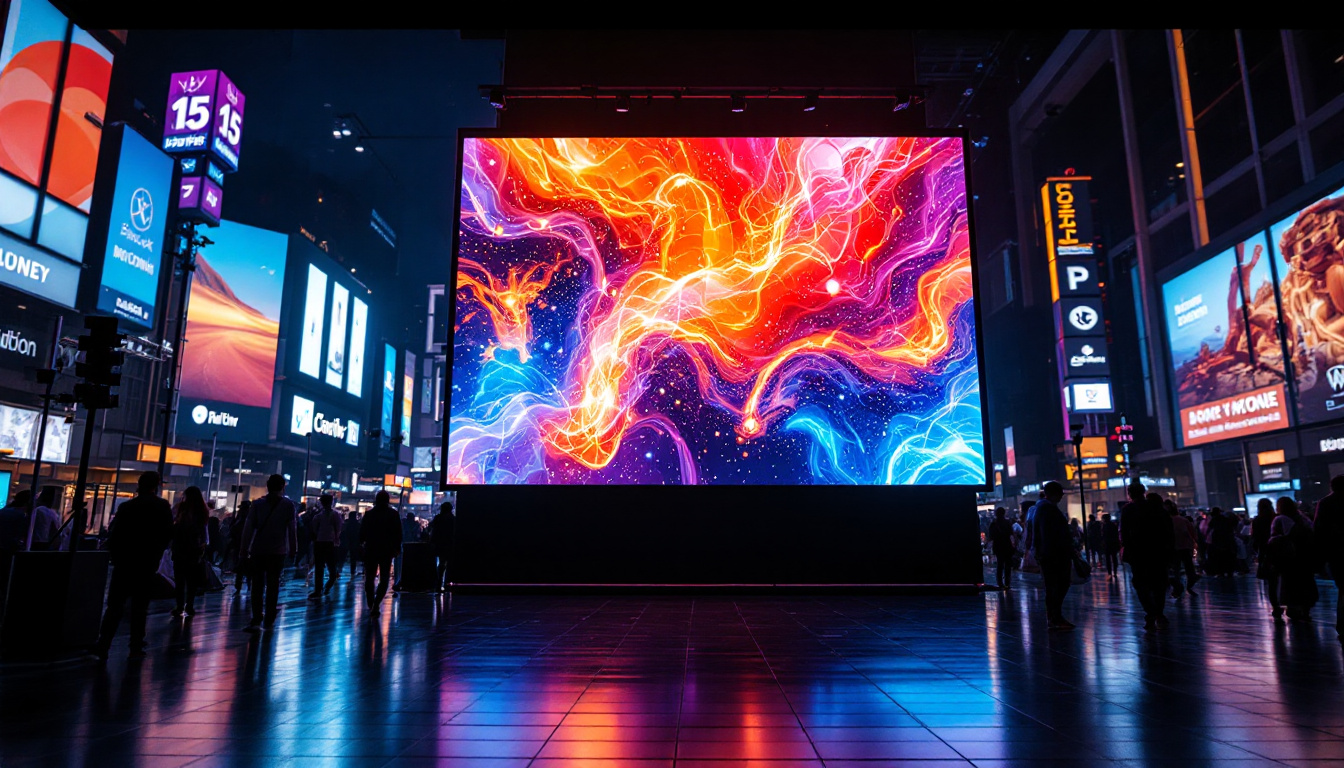
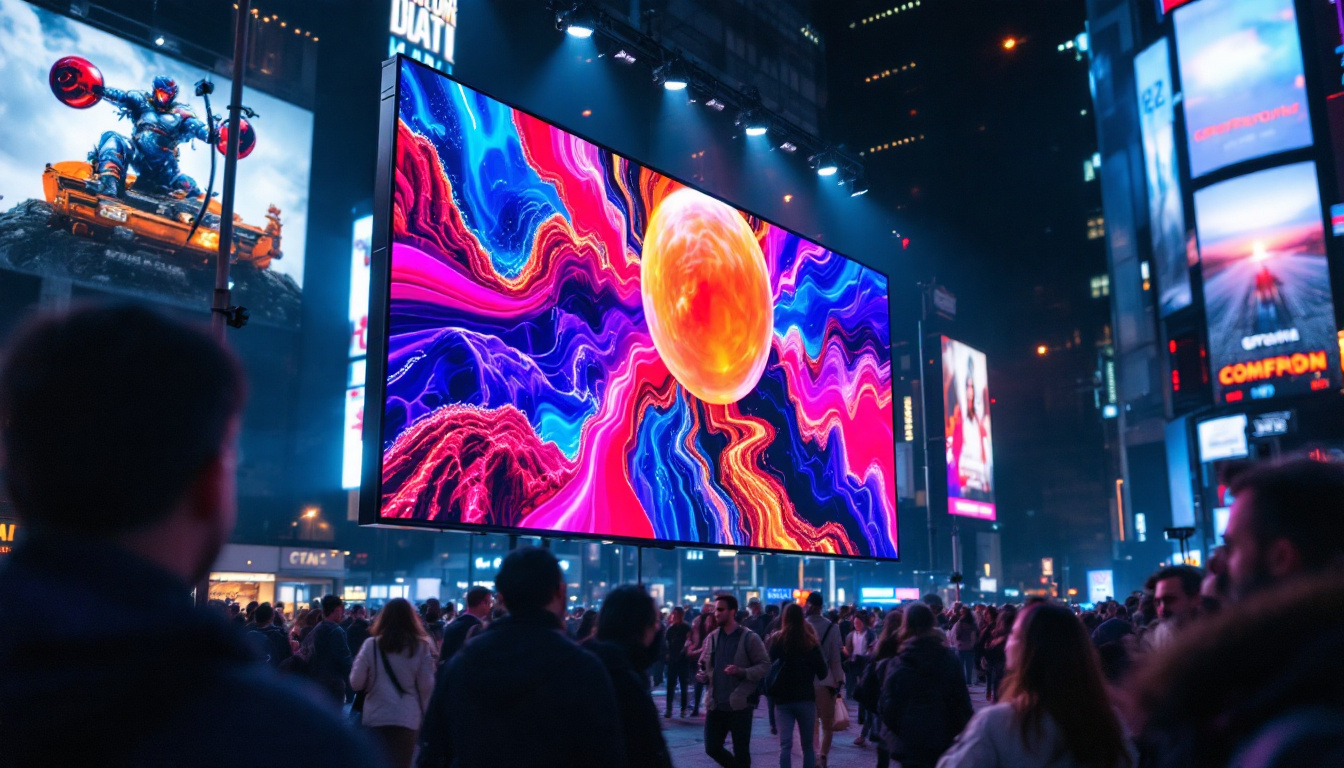
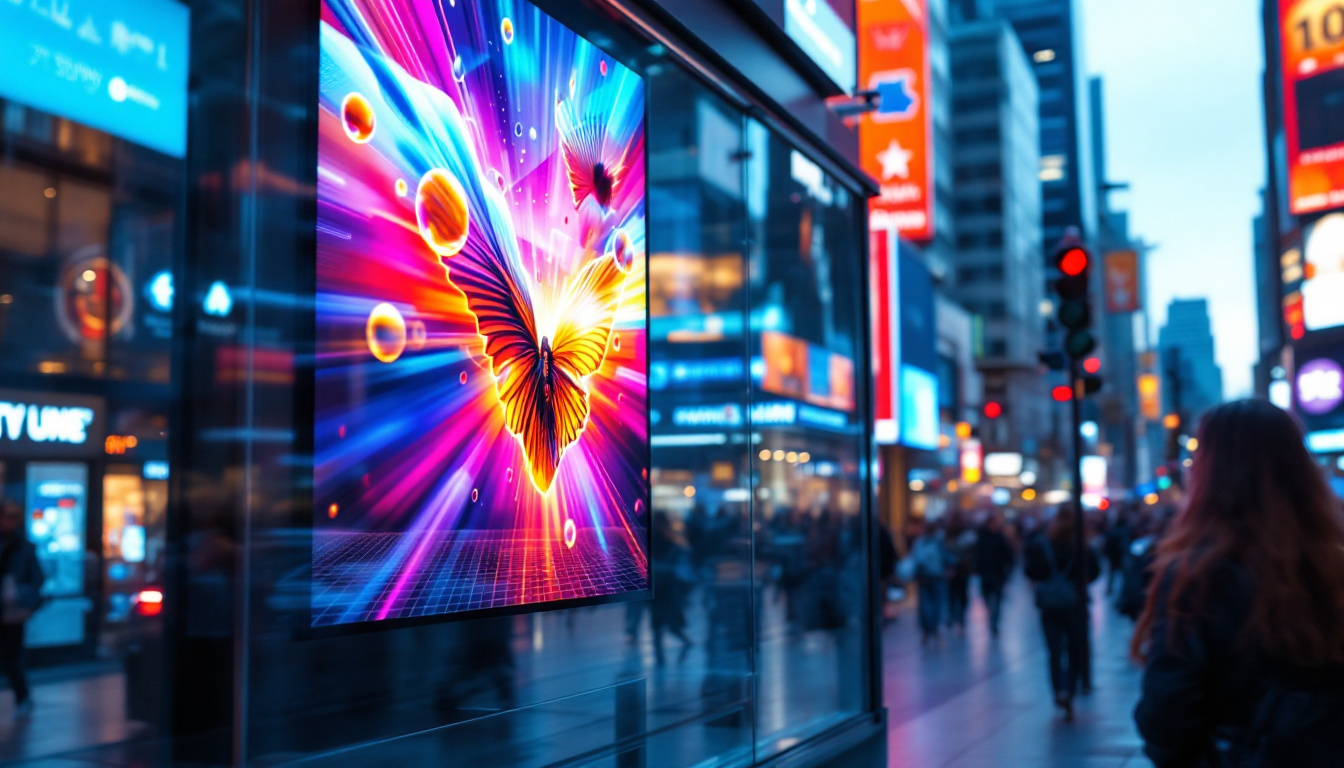
- Outdoor LED Displays: Built to withstand harsh weather and ambient light, outdoor LEDs have larger pixel pitches, typically between 4mm and 20mm. Their brightness can reach up to 8,000 nits or more, ensuring visibility even in direct sunlight. Common applications include digital billboards, stadium screens, and public information displays. These displays are engineered with durable materials and protective coatings to resist rain, wind, and UV damage, making them a reliable choice for long-term outdoor use.
Understanding these distinctions is crucial for contractors to select the right LED display type based on the project’s environment and viewing requirements. Additionally, the choice of LED display can significantly impact the overall user engagement and effectiveness of communication strategies. For instance, an indoor display in a retail setting can enhance customer interaction through vibrant advertisements, while an outdoor display can serve as a dynamic platform for real-time information dissemination, such as weather updates or event announcements. As technology continues to evolve, the versatility and applications of LED displays are expanding, making them an essential component in modern visual communication.
Technical Specifications That Matter
Pixel Pitch and Resolution
Pixel pitch is a fundamental specification that directly influences the display’s resolution and viewing distance. It is measured in millimeters and represents the center-to-center distance between adjacent pixels. A smaller pixel pitch means more pixels per square meter, resulting in sharper images and finer detail.
For example, a 1.5mm pixel pitch display will have significantly higher resolution than a 10mm display of the same physical size. However, smaller pixel pitches typically come at a higher cost and require more precise installation and maintenance. This precision is crucial, especially in environments where the display is viewed from close distances, such as in retail settings or control rooms. The clarity provided by a smaller pixel pitch can enhance customer engagement and ensure that critical information is conveyed without distortion.
Brightness and Contrast Ratio
Brightness, measured in nits (cd/m²), determines how well the display performs under various lighting conditions. Indoor LED displays usually range from 800 to 1,200 nits, sufficient for typical indoor lighting. Outdoor displays, on the other hand, can exceed 5,000 nits to maintain visibility in daylight. This high brightness is essential for outdoor advertising, where competing with natural sunlight is a constant challenge. Additionally, advancements in LED technology have led to displays that can automatically adjust brightness based on ambient light conditions, optimizing visibility and energy consumption.
The contrast ratio, which compares the luminance of the brightest white to the darkest black, affects image depth and color vibrancy. LED displays generally offer superior contrast compared to LCDs because LEDs can be turned off completely to produce true blacks. A high contrast ratio is particularly beneficial in applications such as digital signage and video walls, where dynamic content needs to stand out. Enhanced contrast not only improves the overall viewing experience but also aids in reducing eye strain, making it easier for viewers to absorb information over extended periods.
Refresh Rate and Viewing Angle
The refresh rate, expressed in Hertz (Hz), indicates how many times per second the image is updated. Higher refresh rates, such as 3,840 Hz or more, reduce flicker and improve the quality of video playback, which is especially important for live broadcasts or fast-moving content. This is particularly relevant in sports venues or concert halls, where audiences expect a seamless viewing experience. Displays with high refresh rates also minimize motion blur, making them ideal for applications that involve rapid action or transitions.
Viewing angle refers to the maximum angle from which the display can be viewed without significant color shift or brightness loss. Wide viewing angles (up to 160° horizontally and vertically) ensure consistent image quality for audiences spread across large areas. This is crucial in environments like auditoriums or public spaces, where viewers may be seated at various angles. Displays designed with wide viewing angles often incorporate advanced technologies, such as anti-glare coatings and specialized pixel arrangements, to maintain image integrity and ensure that everyone in the audience enjoys a high-quality visual experience, regardless of their position relative to the screen.
Applications of LED Displays in Sound & Video Contracting
Corporate and Event Installations
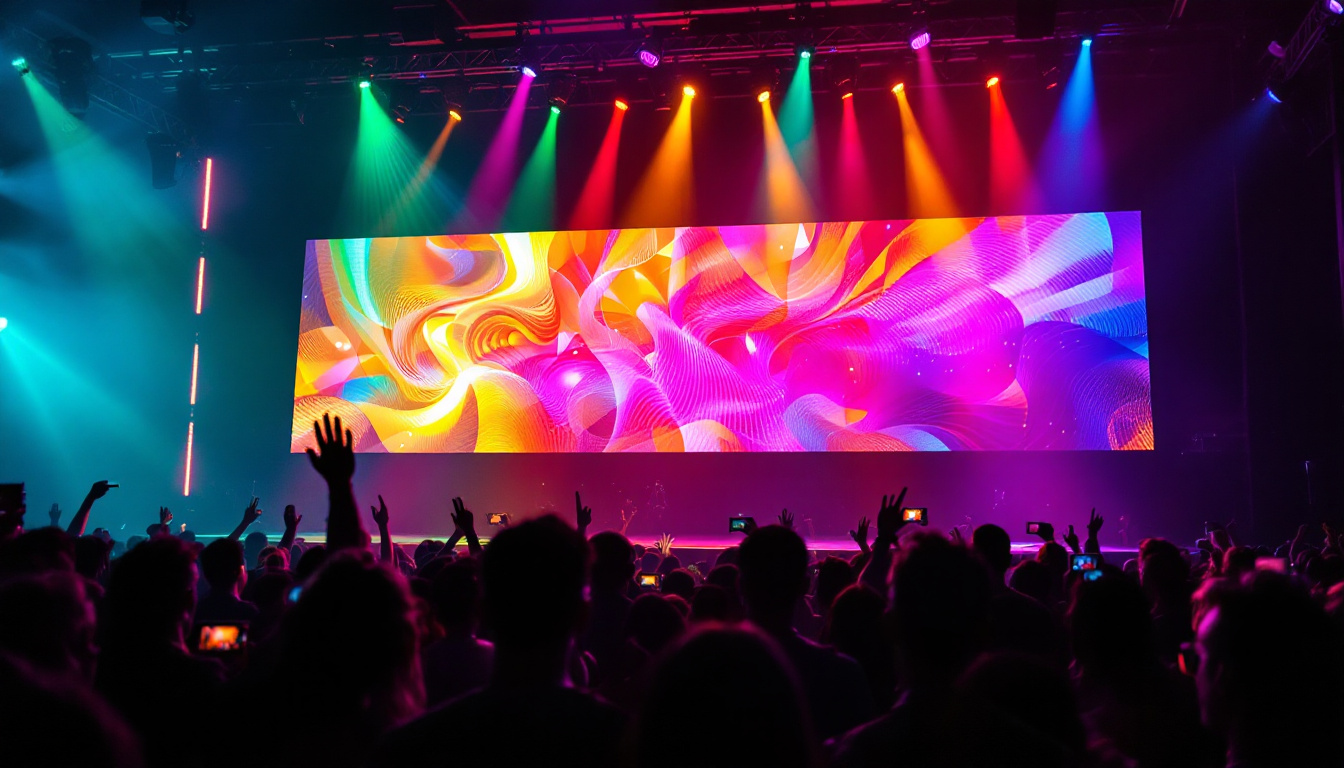
LED displays have become indispensable in corporate environments and event production. They provide dynamic backdrops for presentations, product launches, and conferences, enhancing audience engagement through vivid visuals and real-time content updates.
For sound and video contractors, integrating LED displays with audio systems and lighting rigs requires careful planning to ensure synchronization and seamless user experience. Modular LED panels allow for scalable setups that can be customized for different venue sizes and configurations.
Retail and Advertising
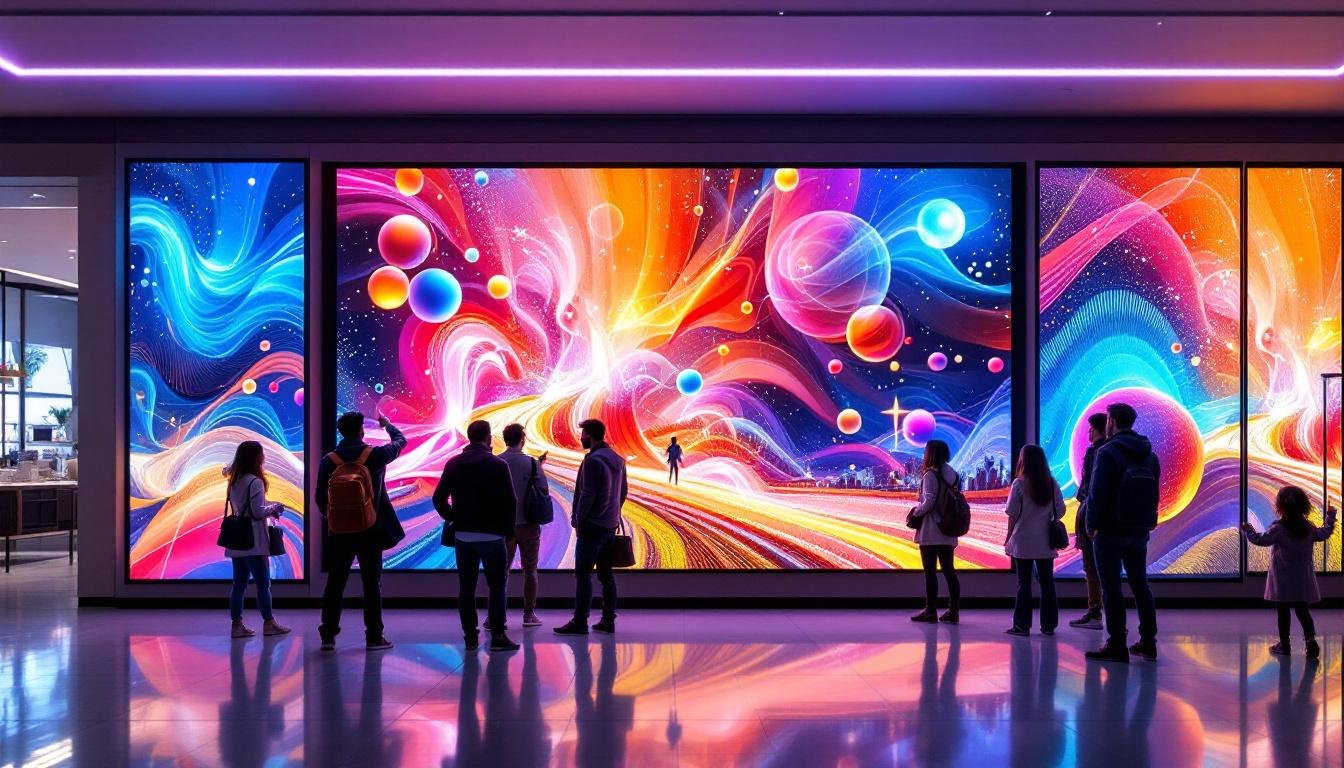
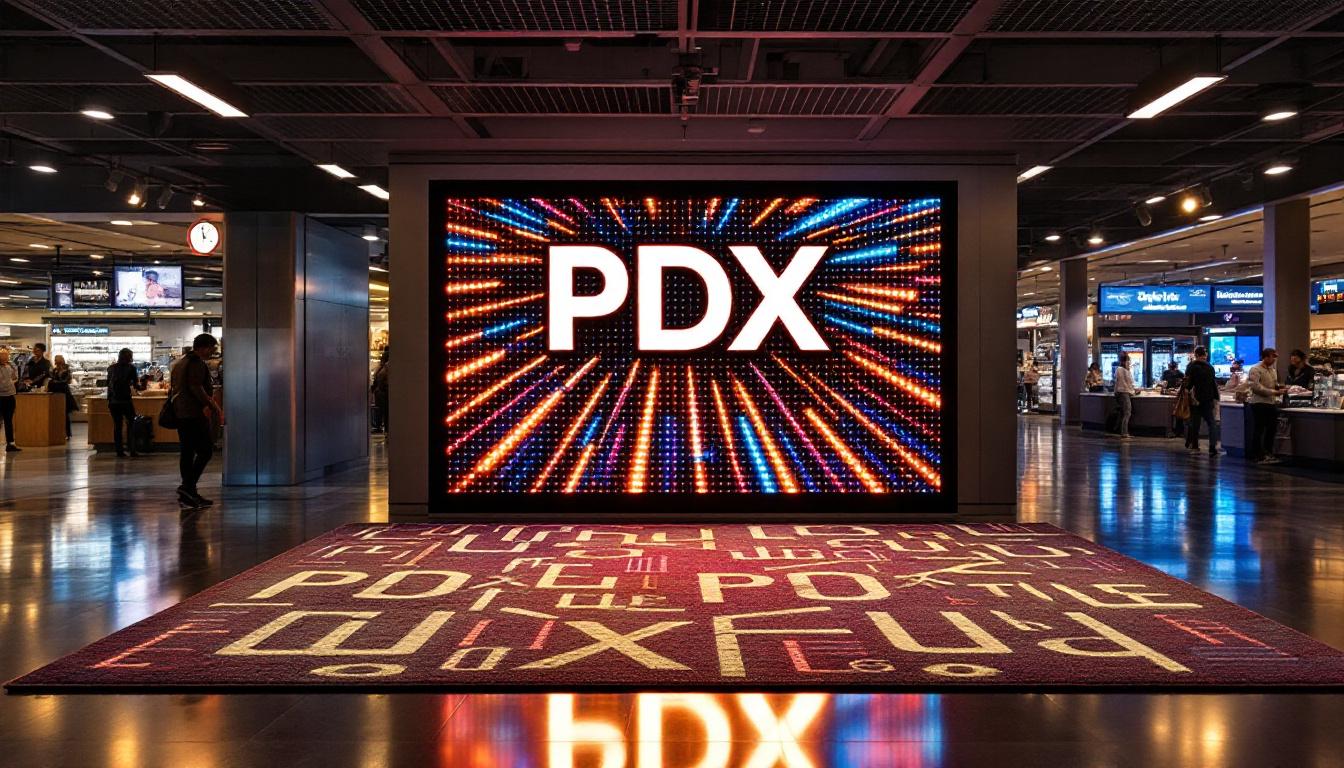
Retailers leverage LED displays to attract customers with eye-catching digital signage, promotions, and interactive content. The ability to change messaging instantly without physical replacement of signage reduces costs and increases marketing agility.
Outdoor LED billboards have transformed the advertising landscape, delivering high-impact visuals that capture attention even from great distances. Contractors must consider factors like weatherproofing, power consumption, and local regulations when deploying these installations.
Entertainment Venues and Sports Arenas
Stadiums, theaters, and concert halls utilize large-scale LED video walls to create immersive experiences. From live event broadcasting to dynamic stage designs, LED technology enables creative expression and enhances spectator enjoyment.
Sound and video contractors working in these environments often collaborate closely with event producers and technical directors to meet demanding performance standards and tight deadlines.
Key Considerations for Sound & Video Contractors
Installation and Maintenance Challenges
Installing LED displays requires precision and expertise. Contractors must ensure proper alignment of panels, secure mounting, and adequate ventilation to prevent overheating. For outdoor installations, weatherproofing and protection against dust and moisture are critical.
Maintenance is another vital aspect. LED modules can fail over time, and having a plan for quick replacement or repair minimizes downtime. Many modern LED displays feature front-access modules, simplifying maintenance in tight spaces.
Power and Data Management
LED displays consume significant power, especially large outdoor units. Contractors need to design electrical systems that can handle peak loads safely and efficiently. Incorporating energy-saving technologies, such as automatic brightness adjustment based on ambient light, can reduce operational costs.
Data transmission is equally important. High-resolution displays require substantial bandwidth to deliver smooth video content. Using fiber optic cables or advanced wireless solutions can ensure reliable data flow without latency or signal degradation.
Compliance and Safety Standards
Adhering to industry standards and local regulations is essential. This includes electrical safety codes, fire resistance requirements, and accessibility guidelines. Contractors should also consider environmental impact, opting for energy-efficient components and recyclable materials where possible.
The Future of LED Displays in AV Contracting
Advancements in MicroLED and MiniLED Technologies
The LED display industry is witnessing exciting innovations with MicroLED and MiniLED technologies. MicroLEDs are microscopic LEDs that offer even higher resolution, improved color accuracy, and lower power consumption. They promise to bridge the gap between OLED and traditional LED displays, making them ideal for premium installations.
MiniLED technology, which uses smaller LEDs for backlighting in LCD panels, enhances contrast and brightness, providing a cost-effective upgrade path for many applications.
Integration with Smart and Interactive Systems
Modern LED displays are increasingly integrated with smart technologies, enabling interactive features such as touch responsiveness, gesture control, and real-time data visualization. For sound and video contractors, this opens new opportunities to create engaging environments that respond dynamically to audience interaction.
Additionally, integration with IoT (Internet of Things) platforms allows for remote monitoring, diagnostics, and content management, streamlining operations and enhancing user experience.
Sustainability and Energy Efficiency
As environmental concerns grow, the demand for sustainable AV solutions rises. LED displays are inherently more energy-efficient than many alternatives, but ongoing improvements in materials and design aim to reduce their carbon footprint further.
Contractors can play a pivotal role by recommending eco-friendly products, optimizing system configurations, and implementing energy management strategies that align with clients’ sustainability goals.
Conclusion
For sound and video contractors, mastering LED display technology is essential to meet the diverse needs of modern clients. Understanding the technical nuances, application contexts, and future trends empowers professionals to design and implement solutions that are visually stunning, reliable, and efficient.
As LED technology continues to advance, contractors who stay informed and adaptable will be well-positioned to capitalize on new opportunities and deliver exceptional AV experiences across industries.
Discover LumenMatrix’s Innovative LED Solutions
Ready to elevate your audio-visual projects with the latest in LED display technology? Look no further than LumenMatrix, a pioneer in crafting LED display modules that bring your brand to life. Whether you’re in need of an Indoor LED Wall Display for a corporate event, an Outdoor LED Wall Display for impactful advertising, or any of our specialized solutions like Vehicle, Sports, or Floor LED Displays, LumenMatrix has you covered. Our mission is to transform visual communication with digital signage and LED displays that not only engage but captivate your audience. Check out LumenMatrix LED Display Solutions and start creating unforgettable visual experiences today.