In the rapidly evolving world of digital signage and visual communication, sphere displays have emerged as a captivating and innovative form of LED technology. These spherical LED displays break away from traditional flat screens, offering a 360-degree viewing experience that captivates audiences in public spaces, exhibitions, retail environments, and entertainment venues. This article delves into the technology behind sphere displays, their applications, advantages, and the future potential of this cutting-edge display format.
Understanding Sphere Displays: What Are They?
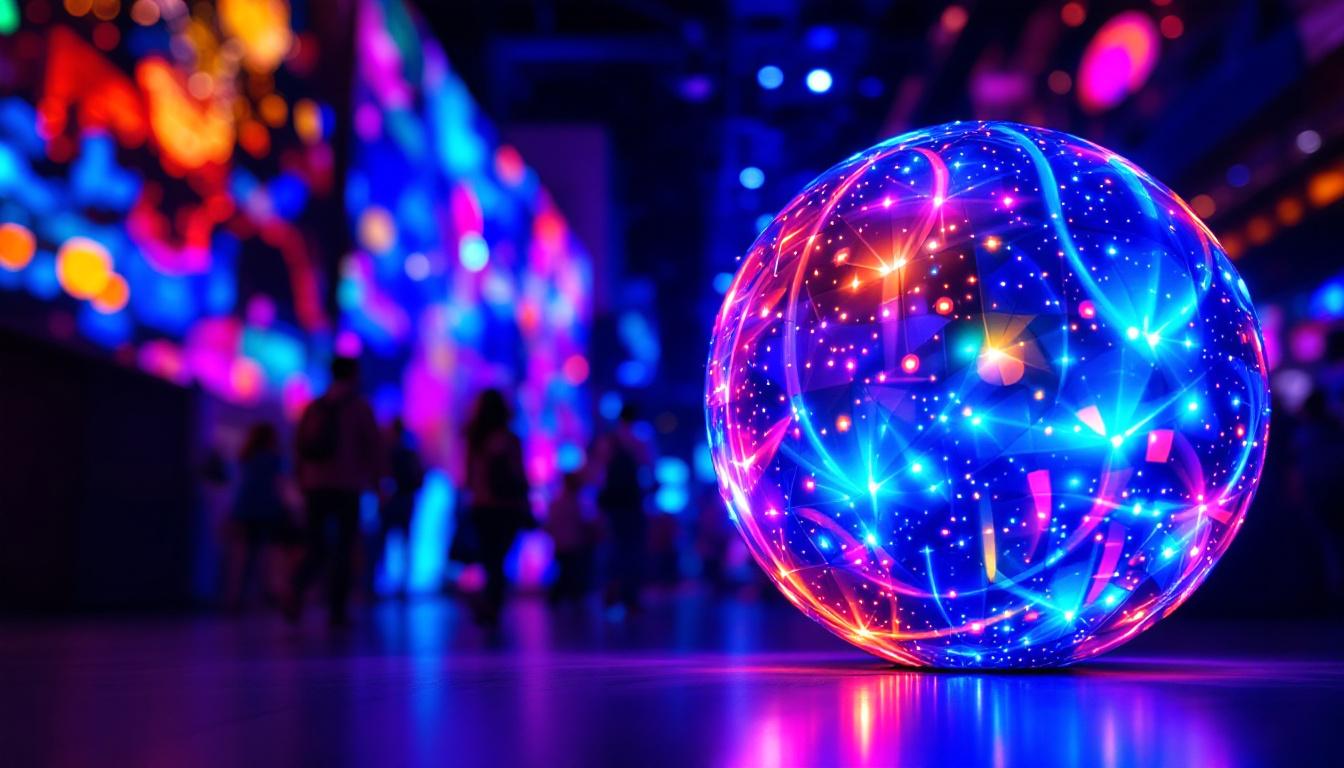
Sphere displays are three-dimensional LED screens shaped like a globe or a sphere, composed of thousands of tiny LED modules arranged on a curved surface. Unlike conventional flat LED panels, sphere displays provide a panoramic viewing experience, allowing content to be visible from virtually any angle around the display. This unique form factor transforms how visual content is presented and consumed, making it ideal for immersive environments such as museums, exhibitions, and entertainment venues.
Technically, sphere displays consist of high-density LED pixels that can be individually controlled to produce vivid images, animations, and videos. The spherical shape requires specialized hardware and software to map content correctly onto the curved surface, ensuring distortion-free visuals. This is achieved through advanced image processing techniques and custom content creation tailored to the sphere’s geometry. The result is a captivating visual experience that engages viewers and enhances storytelling, making it a powerful tool for brands and artists alike.
Key Components of Sphere LED Displays
The construction of a sphere display involves several critical components:
- LED Modules: These are the fundamental building blocks, each containing multiple LEDs that emit light in red, green, and blue wavelengths to create full-color images.
- Curved Frame Structure: A precisely engineered frame supports the LED modules in a spherical arrangement, maintaining structural integrity while allowing for easy maintenance.
- Control System: Sophisticated controllers manage the LED pixel data, synchronize content playback, and handle real-time adjustments to ensure seamless display performance.
- Content Mapping Software: Specialized software converts flat video or graphical content into a format suitable for spherical projection, correcting for curvature and perspective.
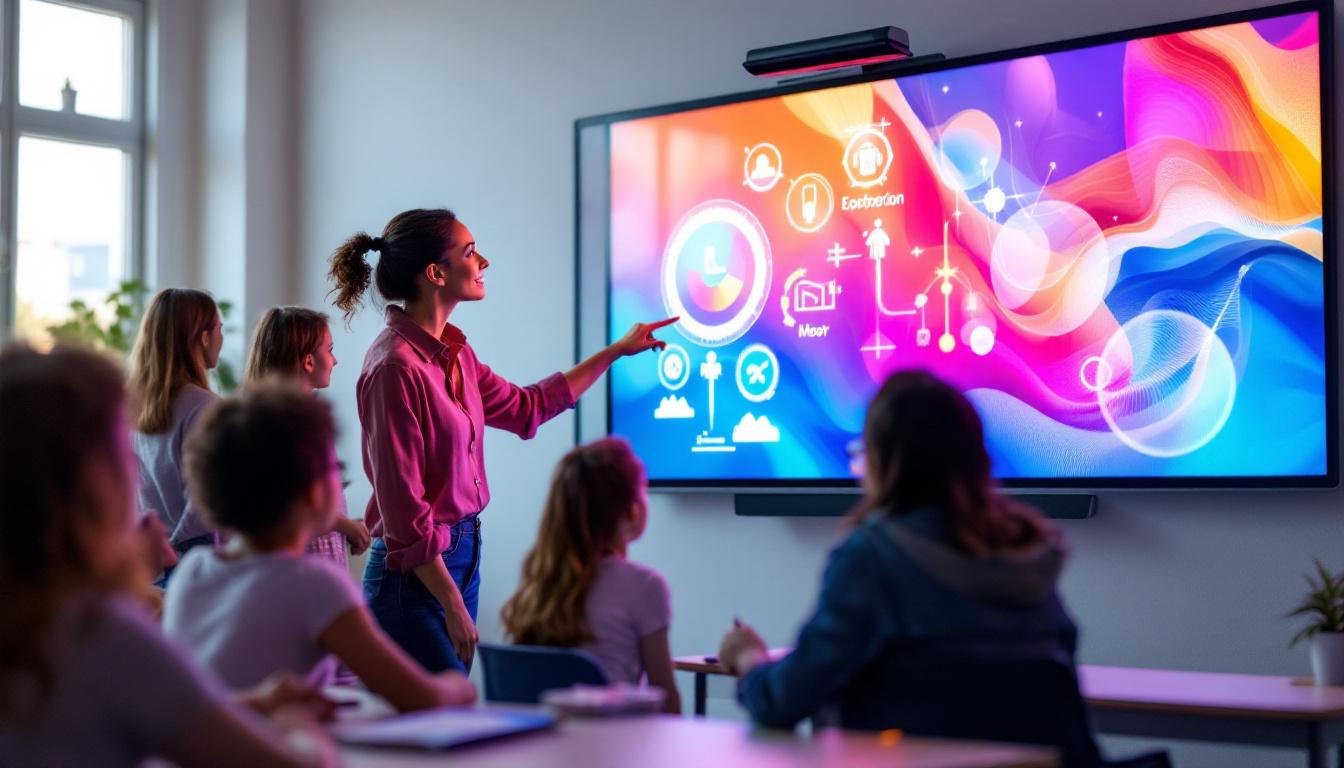
In addition to these components, sphere displays often incorporate advanced features such as interactive touch capabilities and augmented reality integration. These enhancements allow users to engage with the content in dynamic ways, whether by manipulating 3D models or exploring virtual environments. The potential applications are vast, ranging from educational tools that bring complex scientific concepts to life, to marketing installations that create unforgettable brand experiences. As technology continues to evolve, sphere displays are likely to become even more versatile, paving the way for innovative uses across various industries.
Furthermore, the impact of sphere displays extends beyond mere aesthetics; they also play a significant role in data visualization and simulation. For instance, in fields like meteorology and astronomy, sphere displays can represent complex data sets in a more intuitive manner, allowing researchers and the public to grasp intricate patterns and relationships. By presenting information in a 3D format, these displays enhance comprehension and retention, making them invaluable in educational settings and professional conferences. As the demand for immersive and engaging visual experiences grows, sphere displays are set to become a cornerstone of modern visual communication.
Applications of Sphere Displays
Sphere displays have found a niche in various sectors due to their eye-catching design and immersive viewing capabilities. Their ability to draw attention and provide a unique user experience makes them ideal for environments where engagement is paramount.
Advertising and Retail
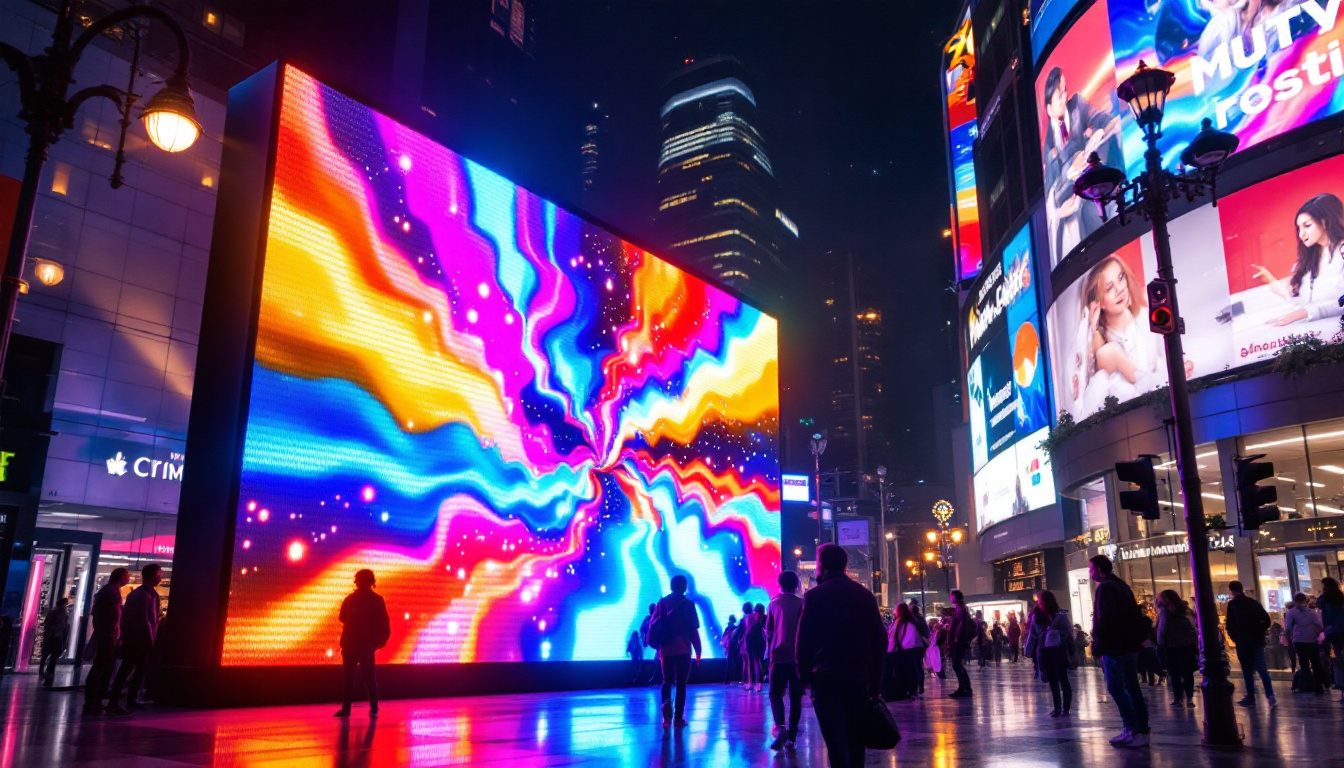
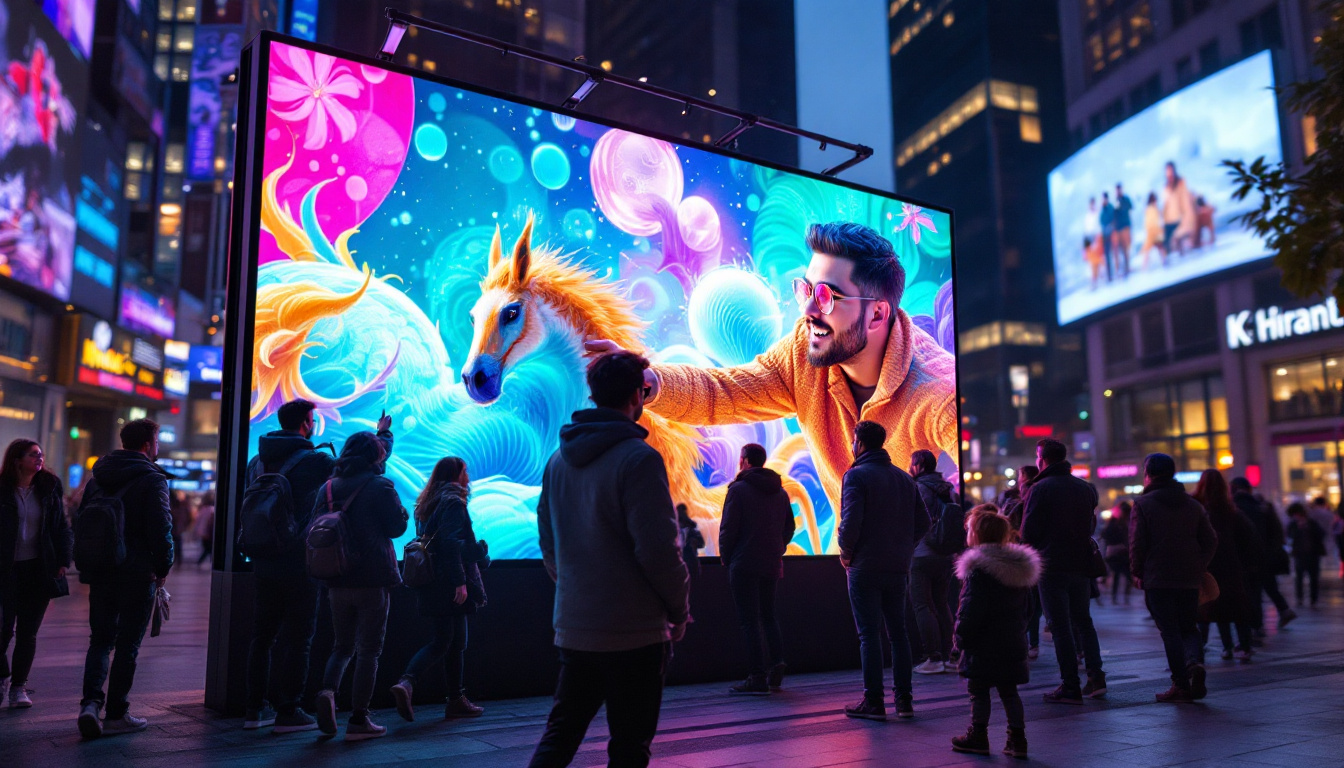
In retail spaces and shopping malls, sphere displays serve as dynamic advertising platforms. Their 360-degree visibility allows brands to showcase products and promotional content in a way that stands out from traditional billboards or flat screens. For example, a sphere display suspended in a mall atrium can attract shoppers from multiple floors, increasing brand exposure and customer interaction.
Moreover, sphere displays can be integrated with interactive technologies such as motion sensors or touch interfaces, enabling customers to engage directly with the content. This interactivity enhances the shopping experience and can lead to higher conversion rates.
Events and Exhibitions
Event organizers and exhibition designers utilize sphere displays to create memorable experiences. Whether at trade shows, product launches, or cultural festivals, these displays provide a futuristic and visually stunning centerpiece. The spherical shape can symbolize global connectivity or innovation, reinforcing the event’s theme.
For instance, a sphere display at a technology expo might showcase real-time data visualizations or immersive brand stories, captivating attendees and encouraging social media sharing. Their portability and modular design also allow for easy transportation and setup across different venues.
Entertainment and Public Spaces
Sphere displays are increasingly popular in entertainment venues such as planetariums, museums, and theme parks. They are particularly effective for simulating celestial bodies, displaying immersive animations, or creating interactive art installations. The ability to display content all around the sphere enhances the immersive experience, making viewers feel surrounded by the visuals.
Public spaces like airports, city squares, and transportation hubs also benefit from sphere displays as they can serve as information hubs, art pieces, or advertising platforms, contributing to the aesthetic and functional value of the environment.
Advantages of Sphere LED Displays Over Traditional Screens
While traditional LED screens remain dominant in many applications, sphere displays offer distinct advantages that make them increasingly attractive for specific use cases.
360-Degree Visibility
The most obvious advantage is the ability to display content visible from all directions. This eliminates the need for multiple screens or complex multi-display setups to cover wide viewing angles. In crowded environments, this ensures that the message reaches a larger audience without obstruction.
Visual Impact and Engagement
Sphere displays naturally draw attention due to their unusual and futuristic form. This visual novelty increases engagement and memorability, which is crucial in advertising and experiential marketing. Studies have shown that unique display formats can boost viewer recall and brand affinity, highlighting the marketing value of sphere displays.
Space Efficiency
Because they provide omnidirectional viewing, sphere displays can be strategically placed in central locations without requiring viewers to cluster in front of a single flat screen. This can optimize space usage, especially in venues where floor space is limited but visibility is critical.
Durability and Maintenance
Modern sphere displays are designed with robust materials and modular components, making them durable for both indoor and outdoor use. The modular design allows for easy replacement of faulty LED modules, minimizing downtime and maintenance costs.
Technical Challenges and Solutions in Sphere Display Development
Creating a high-quality sphere display is a complex engineering challenge that requires overcoming several technical hurdles.
Content Mapping and Distortion Correction
One of the biggest challenges is ensuring that content appears natural and undistorted on a curved surface. Flat images or videos must be warped and mapped precisely to the sphere’s geometry. This requires advanced software algorithms that can handle real-time transformations without compromising image quality.
Content creators often need to design visuals specifically for spherical displays, using 3D modeling and animation tools that simulate the sphere’s curvature. This bespoke content development ensures the best visual experience.
Pixel Density and Resolution
Maintaining high resolution on a curved surface is more complicated than on flat panels. The pixel density must be sufficient to provide clear and sharp images from all viewing angles. However, increasing pixel density also raises costs and power consumption.
Manufacturers balance these factors by optimizing LED module design and employing energy-efficient LEDs, ensuring bright and crisp images without excessive energy use.
Heat Dissipation
LEDs generate heat, and in a compact spherical arrangement, effective heat dissipation is critical to prevent damage and maintain performance. Sphere displays incorporate cooling systems such as heat sinks and ventilation channels within the frame to manage thermal loads efficiently.
Structural Integrity and Weight
The spherical frame must be lightweight enough for installation yet strong enough to support the LED modules and withstand environmental stresses. Advanced materials like aluminum alloys and carbon fiber composites are often used to achieve this balance.
The Future of Sphere Displays: Trends and Innovations
As LED technology advances and digital content becomes more immersive, sphere displays are poised to evolve significantly.
Higher Resolutions and Miniaturization
Ongoing improvements in LED miniaturization and pixel pitch reduction will enable sphere displays with ultra-high resolutions, making them suitable for even more detailed and realistic content. This will expand their use in applications such as virtual reality environments and scientific visualization.
Interactive and Smart Features
Integration with sensors, cameras, and AI-driven software will allow sphere displays to become interactive and context-aware. For example, displays could adjust content based on viewer proximity, gestures, or ambient conditions, creating personalized experiences.
Energy Efficiency and Sustainability
With growing emphasis on sustainability, future sphere displays will incorporate energy-saving technologies and recyclable materials. Innovations like micro-LEDs and organic LEDs (OLEDs) may further reduce power consumption while enhancing brightness and color accuracy.
Expanded Use Cases
Beyond advertising and entertainment, sphere displays could find applications in education, healthcare, and urban planning. For instance, medical professionals might use spherical displays for 3D anatomical visualizations, while city planners could employ them for interactive urban models.
Conclusion
Sphere displays represent a fascinating intersection of technology, design, and communication. Their ability to present vibrant, immersive content in a 360-degree format offers unique opportunities for marketers, event organizers, educators, and artists alike. While technical challenges remain, ongoing innovations continue to enhance their performance, affordability, and versatility.
As digital signage trends move towards more engaging and interactive formats, sphere LED displays are likely to become a prominent feature in public and commercial spaces worldwide. Understanding their technology, applications, and future potential is essential for anyone interested in the evolving landscape of visual communication.
Discover the Future of LED Displays with LumenMatrix
Ready to elevate your visual communication and create unforgettable experiences with the latest in LED display technology? Explore LumenMatrix’s innovative solutions, from Indoor and Outdoor LED Wall Displays to Custom and All-in-One LED solutions. Whether for advertising, education, or entertainment, LumenMatrix is committed to transforming your space with vibrant, engaging, and high-impact visuals. Check out LumenMatrix LED Display Solutions today and step into the future of digital signage.