As technology continues to evolve, the way we interact with digital displays is undergoing a fascinating transformation. Among the latest innovations is the spherical computer monitor, a display that breaks away from the traditional flat screen and offers a three-dimensional viewing experience. Central to this advancement is LED technology, which powers these curved, globe-like displays with vibrant colors and sharp images. This article delves into the world of spherical computer monitors, explaining the role of LED displays, their benefits, challenges, and potential applications.
Understanding Spherical Computer Monitors
What Is a Spherical Monitor?
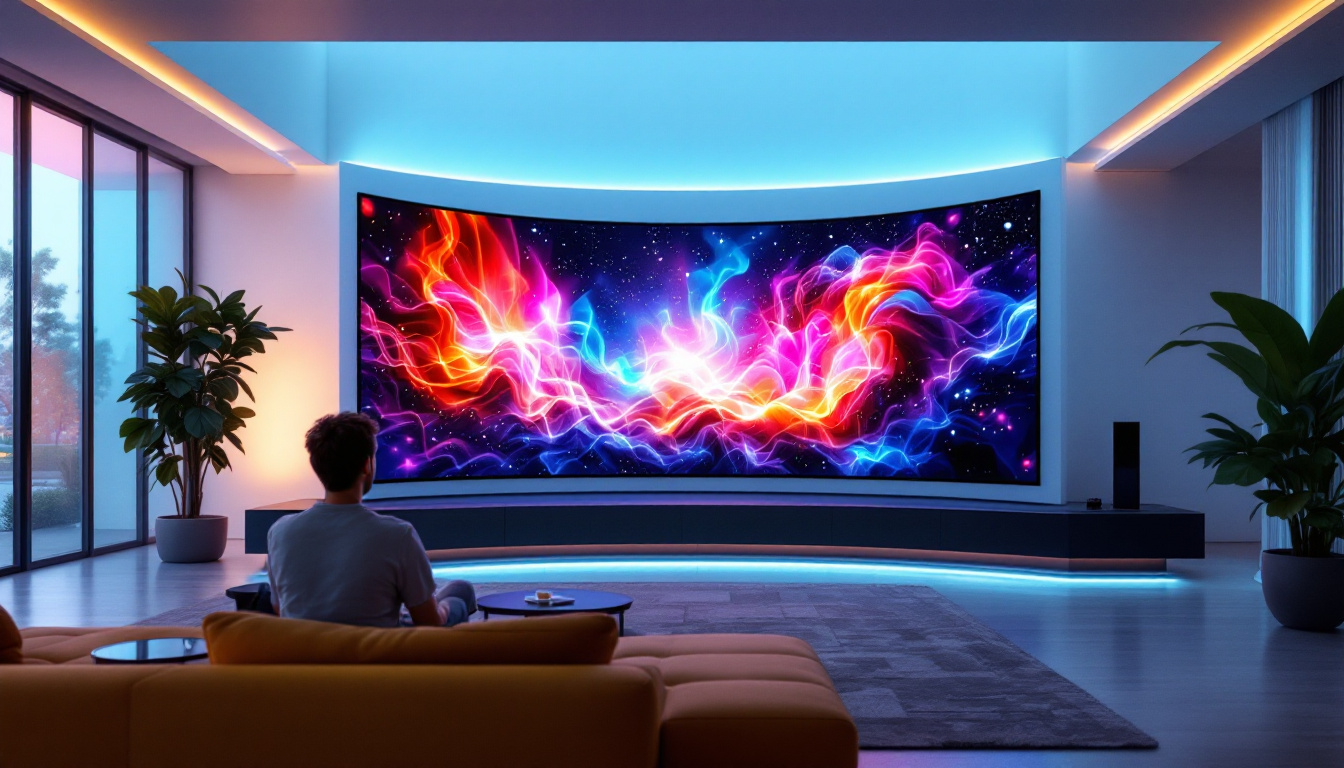
A spherical computer monitor is a display device designed with a curved, globe-shaped surface rather than the conventional flat panel. Unlike curved monitors that bend along one axis, spherical monitors wrap the image around a full or partial sphere, creating an immersive visual environment. This design aims to mimic natural human vision more closely, which perceives the world in a three-dimensional, panoramic way.
The concept of spherical monitors is not entirely new but has gained traction with advancements in display technology and manufacturing. By offering a wider field of view and reducing distortion at the edges, these monitors enhance user engagement and provide a more natural viewing experience. The integration of high-resolution displays and advanced graphics processing has further propelled the development of spherical monitors, making them more accessible and appealing to consumers and professionals alike.
Why Spherical? The Advantages Over Flat and Curved Screens
Traditional flat screens limit the viewing angle and can cause eye strain during prolonged use. Curved monitors improve on this by wrapping the display slightly around the viewer, reducing distortion and enhancing immersion. However, spherical monitors take this a step further by enveloping the viewer in a nearly 180-degree or even 360-degree visual field, depending on the design.
This spherical design offers several advantages:
- Immersive Experience: By surrounding the viewer with the display, spherical monitors create a more engaging environment, ideal for gaming, simulation, and virtual reality applications.
- Reduced Eye Movement: The curved surface aligns better with natural eye movement, reducing strain and fatigue during extended use.
- Enhanced Depth Perception: The three-dimensional curvature helps in perceiving depth and spatial relationships more intuitively.
- Wide Viewing Angles: Unlike flat monitors, spherical displays maintain consistent image quality from various angles.
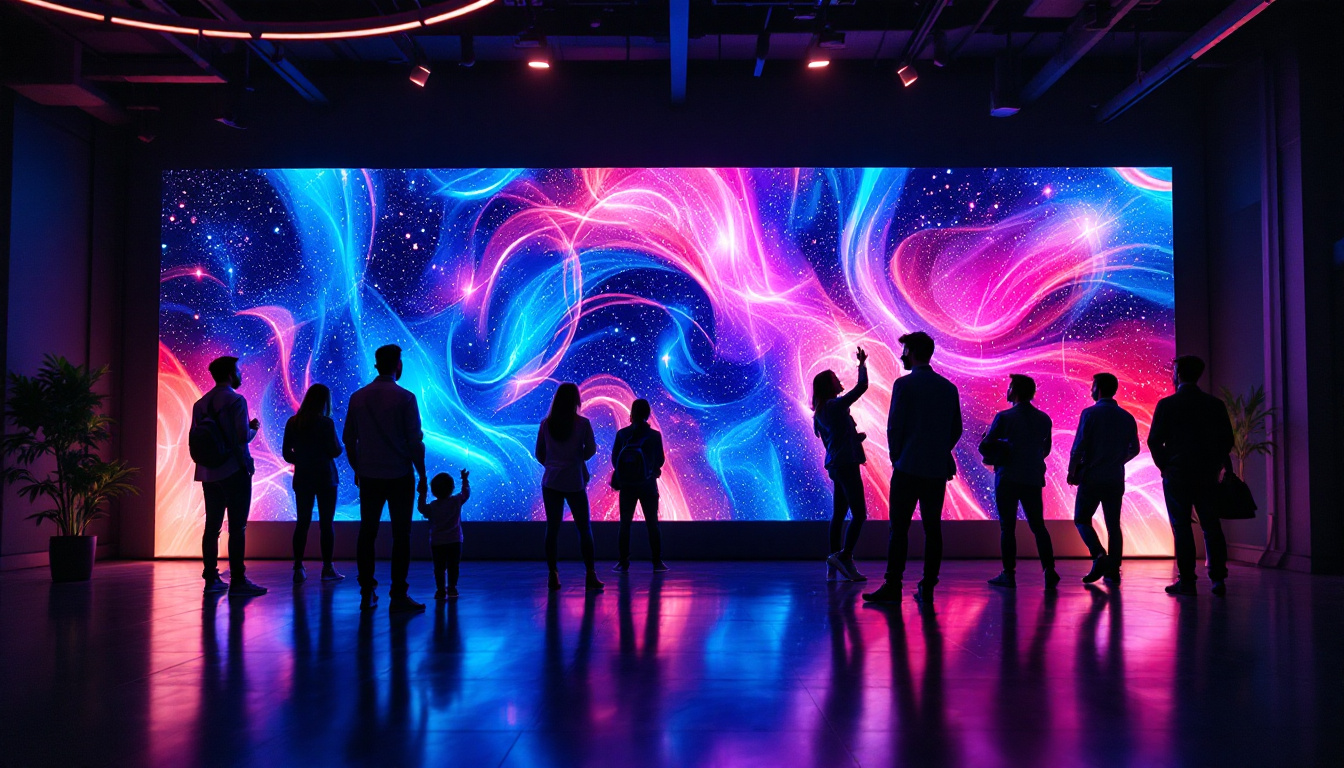
Moreover, the spherical design can be particularly beneficial in collaborative settings, such as design studios or educational environments. In these scenarios, multiple users can gather around the monitor, each experiencing the same high-quality visuals without the typical limitations of traditional displays. This shared viewing experience fosters better communication and collaboration, as everyone can see the same content from their respective angles without distortion. Additionally, the unique shape of spherical monitors opens up new possibilities for interactive applications, where users can engage with content in a more dynamic and intuitive manner, enhancing both learning and creativity.
As technology continues to evolve, the potential applications for spherical monitors are expanding beyond entertainment and gaming. Industries such as architecture, medicine, and engineering are exploring the use of these monitors for visualizing complex data and simulations. For instance, architects can utilize spherical displays to present 3D models of buildings in a way that allows clients to experience the design as if they were physically inside the space. This capability not only aids in decision-making but also enhances the overall presentation, making it more compelling and memorable.
The Role of LED Technology in Spherical Displays
Why LED? Advantages of LED Displays
Light Emitting Diode (LED) technology has become the standard for modern displays due to its efficiency, brightness, and color accuracy. In spherical monitors, LEDs play a crucial role in delivering high-quality images on a curved surface.
LED displays offer several benefits that make them suitable for spherical monitors:
- Flexibility: Advances in LED manufacturing have enabled the production of flexible LED panels that can bend without damage, essential for forming spherical shapes.
- Brightness and Contrast: LEDs provide high brightness levels and excellent contrast ratios, ensuring clear visibility even in brightly lit environments.
- Energy Efficiency: Compared to older technologies like CCFL backlighting, LEDs consume less power, which is beneficial for larger, more complex displays.
- Longevity: LED displays typically have longer lifespans, reducing maintenance and replacement costs over time.
Types of LED Displays Used in Spherical Monitors
Several LED display types can be adapted for spherical monitors, each with unique characteristics:
MicroLED
MicroLED technology involves microscopic LEDs that serve as individual pixels. These displays offer exceptional brightness, contrast, and color accuracy. Their small size allows for high pixel density, which is crucial for spherical monitors where the display surface area is curved and potentially limited. Additionally, MicroLEDs are known for their rapid response times, making them ideal for applications requiring fluid motion, such as gaming or immersive simulations.
OLED (Organic LED)
While technically different from traditional LEDs, OLEDs are often grouped in the same category due to their self-emissive properties. OLEDs can be fabricated on flexible substrates, making them suitable for curved and spherical applications. They provide deep blacks and vibrant colors but may have shorter lifespans compared to MicroLEDs. Moreover, the ability of OLEDs to achieve true black levels enhances the overall contrast and depth of images, creating a more immersive viewing experience that is particularly beneficial in environments like virtual reality or artistic installations.
Flexible LED Panels
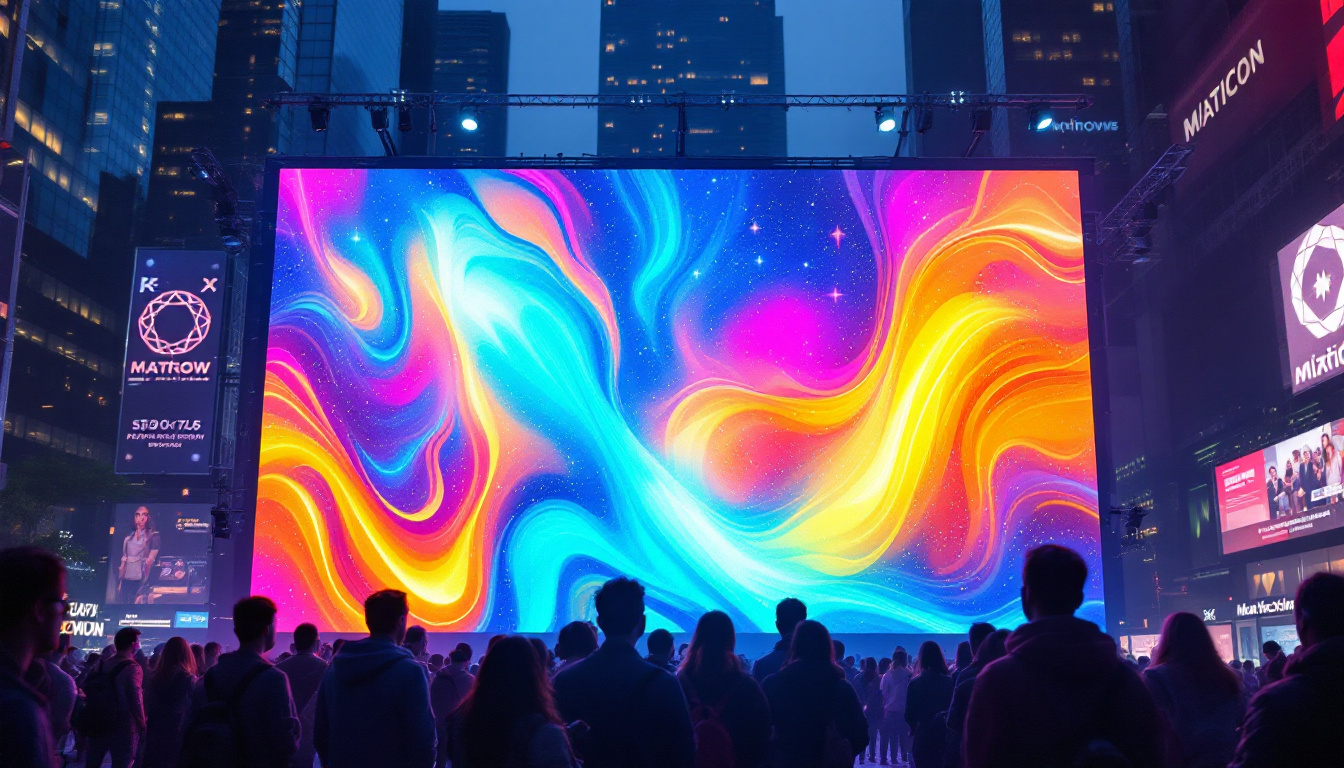
These panels use traditional LEDs mounted on bendable substrates, allowing the display to curve around spherical frames. This approach is more cost-effective and easier to manufacture but may have limitations in pixel density and uniformity. However, the advancements in manufacturing techniques have led to improved performance in flexible LED panels, enabling them to achieve better color reproduction and brightness levels. This makes them an attractive option for applications where budget constraints are a consideration, such as in advertising or public displays, where large, eye-catching visuals are essential.
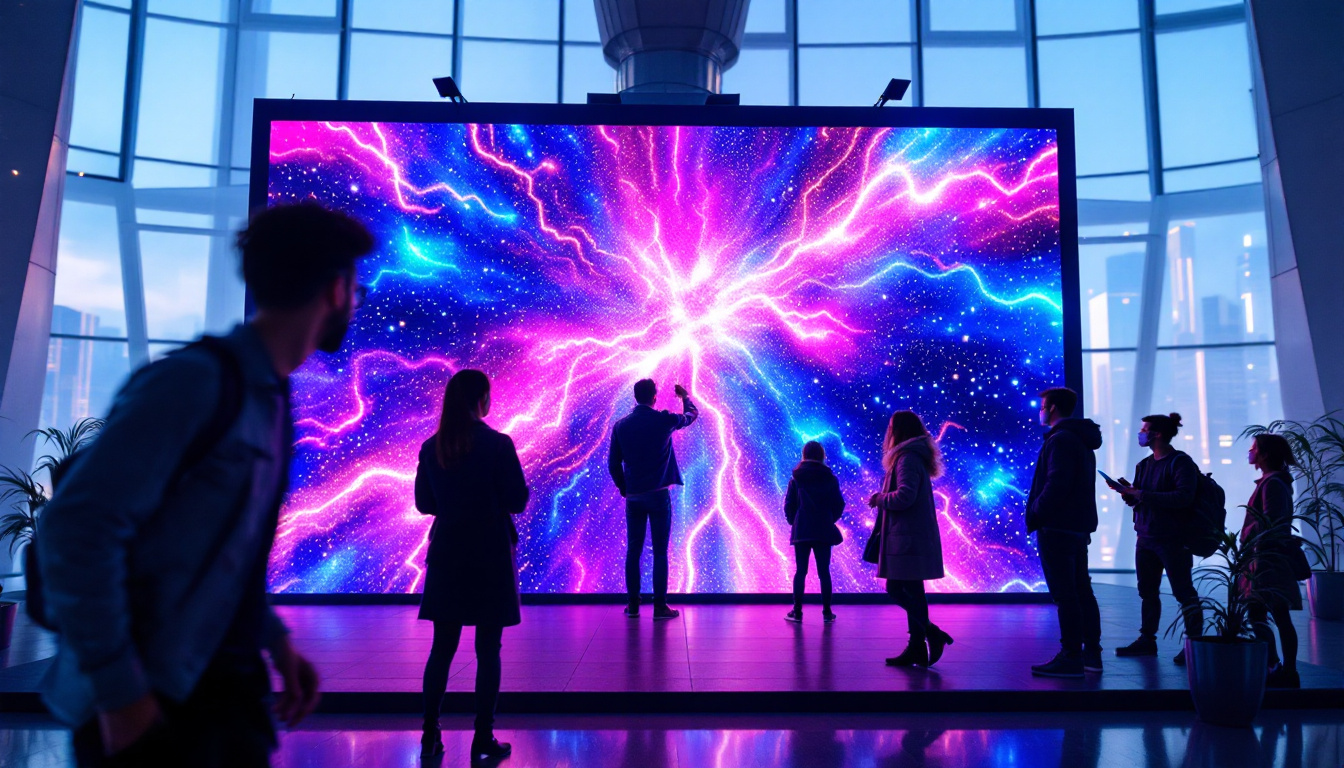
In addition to their physical properties, the integration of LED technology into spherical displays has opened up new avenues for creative expression. Artists and designers are increasingly utilizing these innovative displays to create dynamic installations that respond to viewer interaction. The ability to manipulate light and color in real-time allows for a more engaging experience, transforming traditional art forms into interactive digital canvases that captivate audiences. This trend is not only reshaping the landscape of visual arts but also enhancing the potential for educational tools and immersive environments in museums and exhibitions, where the combination of technology and creativity can lead to profound learning experiences.
Technical Challenges in Developing Spherical LED Monitors
Manufacturing Complex Curved Surfaces
One of the primary challenges in creating spherical monitors is the fabrication of display panels that can conform to a spherical shape without compromising performance. Traditional LCD and LED panels are rigid, designed for flat surfaces. Flexible panels require advanced materials and precise engineering to maintain image quality and structural integrity.
Manufacturers must address issues such as pixel alignment, uniform backlighting, and avoiding dead zones where the display might not function correctly due to bending stresses.
Image Distortion and Calibration
Mapping a flat image onto a spherical surface can cause distortion if not properly calibrated. Specialized software and hardware solutions are necessary to ensure that images appear natural and undistorted from the viewer’s perspective.
Calibration involves adjusting pixel brightness, color balance, and geometric correction to compensate for the curvature. This process is critical for applications like medical imaging, design, and simulation, where accuracy is paramount.
Cost and Scalability
Spherical LED monitors are currently niche products with high manufacturing costs. The complexity of materials, assembly, and calibration contributes to their premium pricing. Scaling production to make these monitors more accessible remains a significant hurdle.
However, as flexible LED technology matures and economies of scale improve, costs are expected to decrease, potentially bringing spherical monitors into mainstream use.
Applications and Future Prospects
Immersive Gaming and Entertainment
One of the most promising applications for spherical monitors is in gaming and entertainment. The immersive nature of a spherical display enhances virtual reality (VR) and augmented reality (AR) experiences without the need for headsets.
Gamers benefit from a panoramic field of view, allowing for better situational awareness and a more engaging experience. Similarly, spherical monitors can be used in home theaters or entertainment centers to create a captivating visual environment.
Professional and Industrial Uses
Industries such as aerospace, automotive design, and architecture can leverage spherical monitors for simulation and visualization. For example, flight simulators equipped with spherical displays offer pilots a more realistic training environment by replicating the cockpit’s panoramic view.
Architects and designers can use spherical monitors to present 3D models in a way that clients can intuitively understand spatial relationships and design elements.
Medical Imaging and Research
In medical fields, spherical monitors can enhance the visualization of complex data such as MRI or CT scans. The ability to view images in a 3D, panoramic format aids in diagnosis and surgical planning.
Researchers working with large datasets or geospatial information can also benefit from spherical displays that provide a more comprehensive view of their data.
Future Trends and Innovations
Looking ahead, the integration of spherical monitors with emerging technologies like AI, 5G connectivity, and advanced sensors promises to unlock new possibilities. For instance, AI-driven image processing could optimize display calibration in real-time, adapting to ambient light and user position.
Moreover, advancements in flexible MicroLED and OLED technologies are expected to improve resolution, durability, and affordability, making spherical monitors more practical for everyday use.
Conclusion
Spherical computer monitors represent a bold step forward in display technology, offering immersive, natural viewing experiences that traditional flat screens cannot match. Powered by advanced LED technologies, these displays combine flexibility, brightness, and efficiency to create innovative solutions for gaming, professional work, medical imaging, and beyond.
While challenges in manufacturing and cost remain, ongoing research and development are steadily paving the way for spherical monitors to become more accessible and widely adopted. As the technology matures, it holds the potential to redefine how users interact with digital content, making the virtual world feel more tangible and engaging than ever before.
Discover the Future of Display Technology with LumenMatrix
Ready to immerse yourself in the next generation of visual experiences? LumenMatrix is at the forefront of LED display innovation, offering a wide range of solutions that bring your digital content to life. From Indoor and Outdoor LED Wall Displays to Custom and All-in-One LED solutions, we have the technology to transform your space and captivate your audience. Embrace the spherical monitor revolution and explore how our LED displays can redefine your visual engagement. Check out LumenMatrix LED Display Solutions today and step into a world where your message shines with unparalleled clarity and impact.