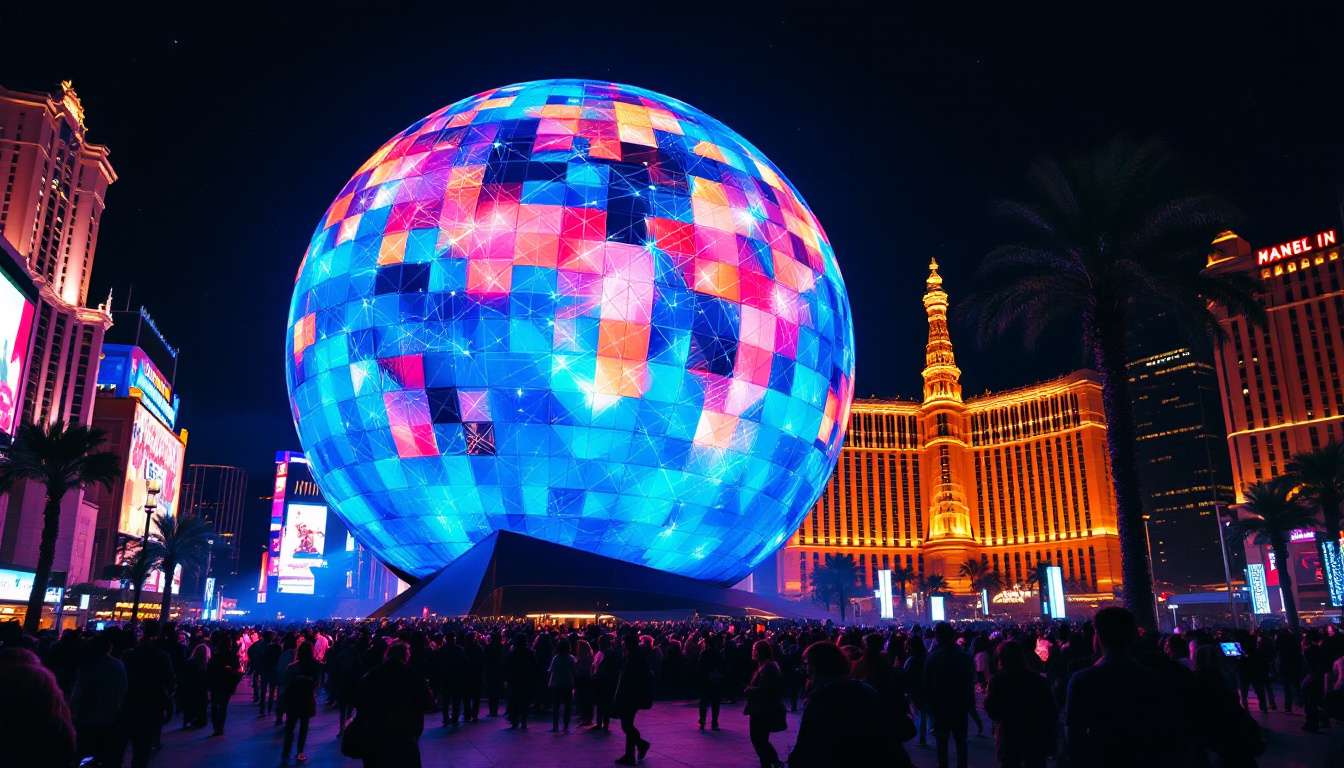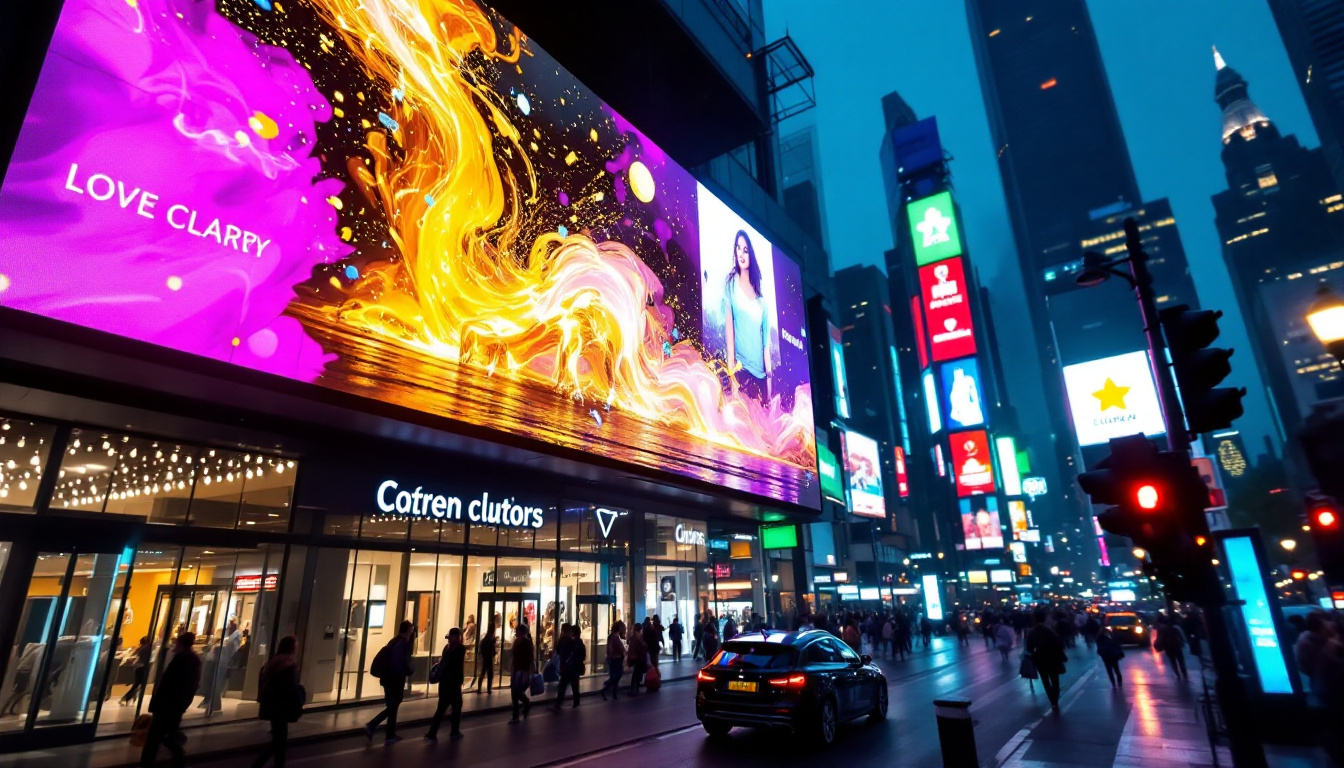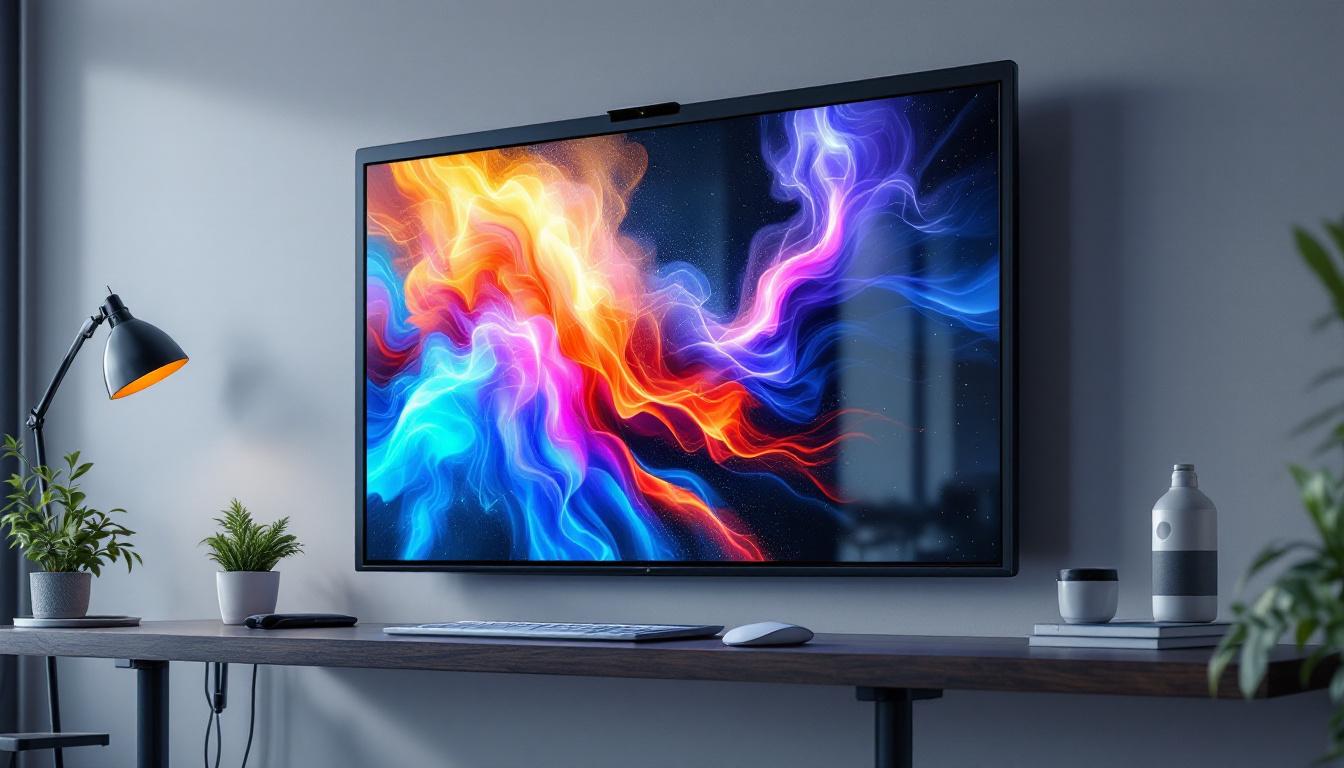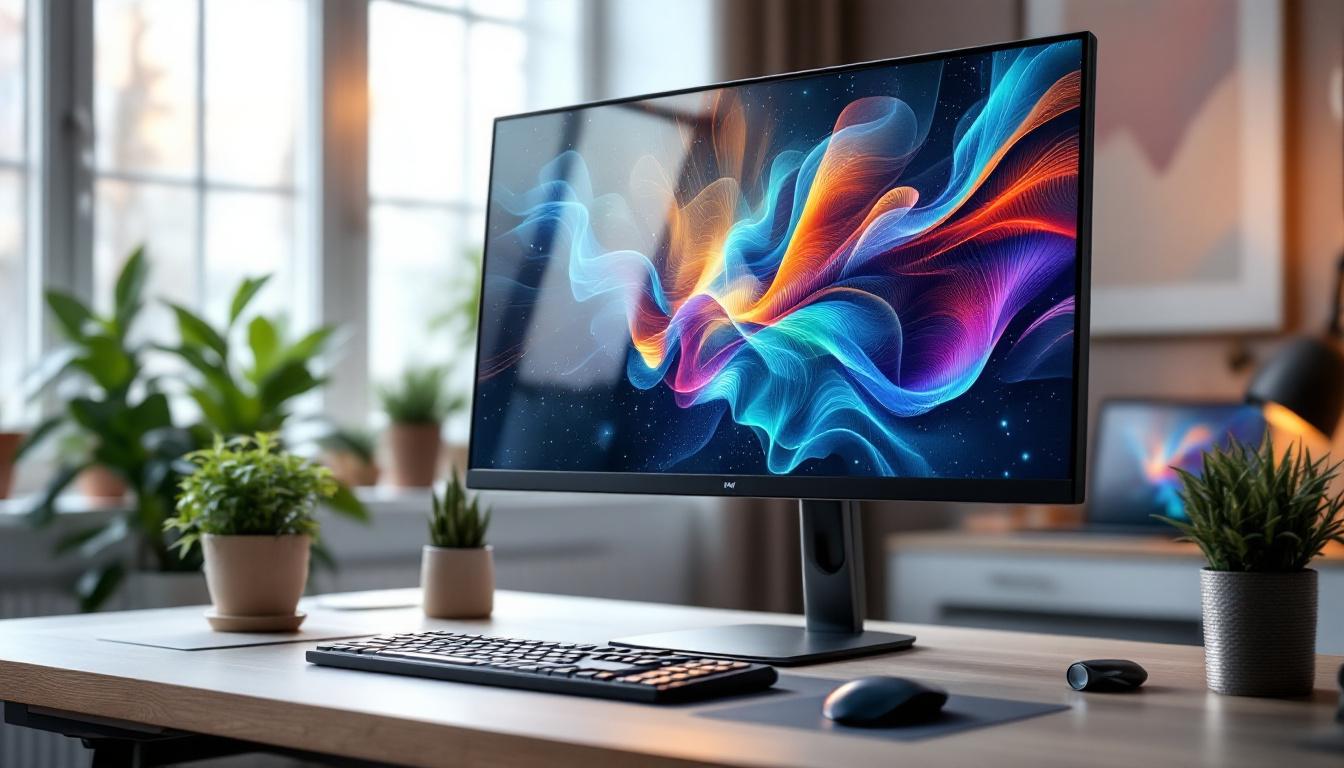
In today’s fast-paced digital world, visual communication plays a pivotal role in capturing attention and conveying messages effectively. Among the many display technologies available, LED display panels have emerged as a leading solution for both indoor and outdoor applications. One particular format gaining popularity is the stand panel board LED display, known for its versatility, brightness, and durability. This article delves into what stand panel board LED displays are, their technology, advantages, and practical applications, providing a comprehensive understanding for businesses, event organizers, and technology enthusiasts alike.
Understanding Stand Panel Board LED Displays
What is a Stand Panel Board LED Display?
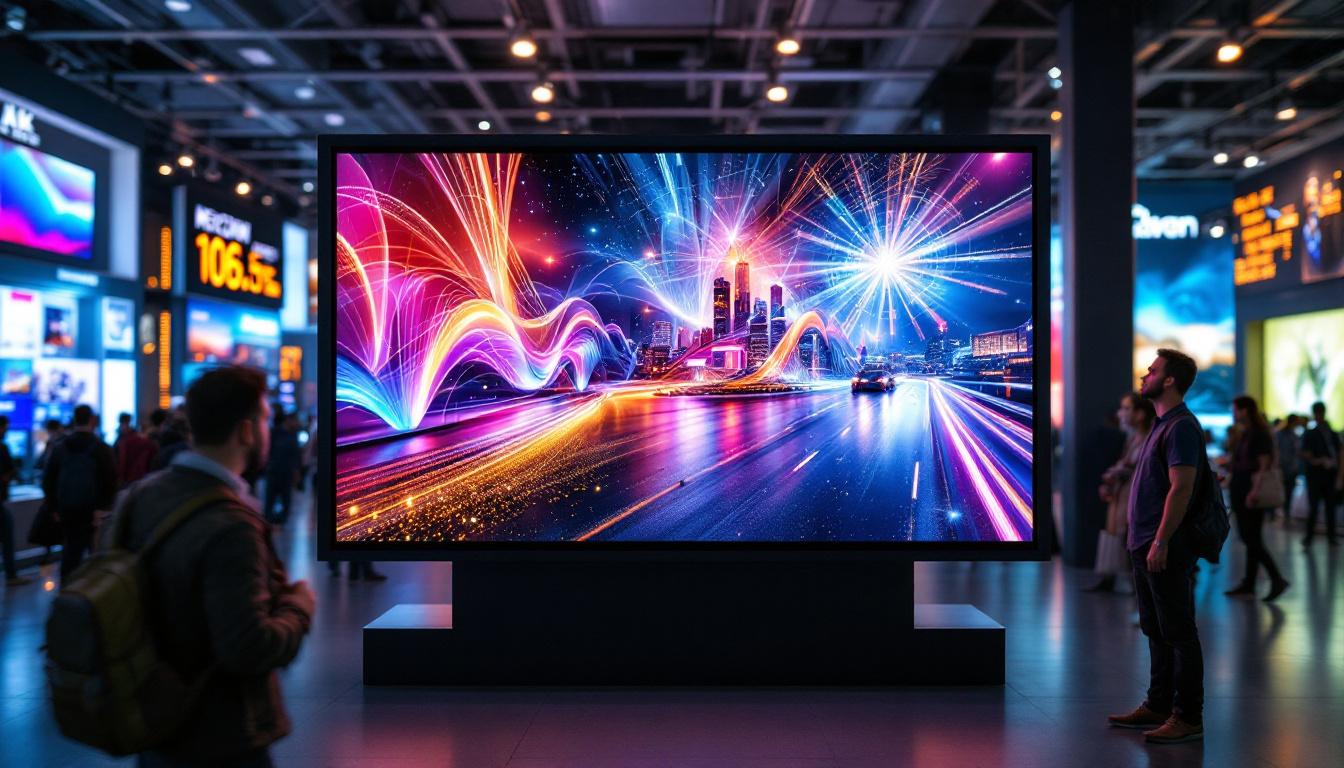
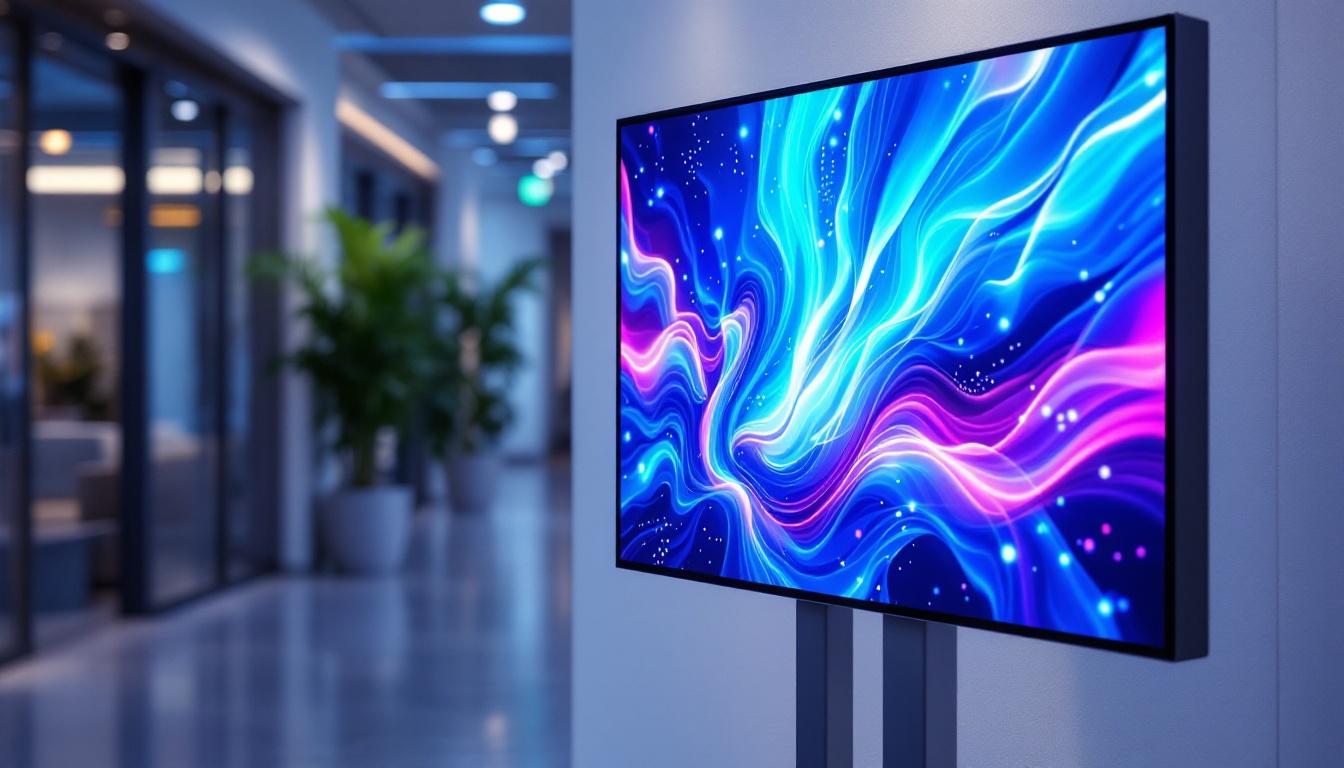
A stand panel board LED display is a modular LED screen mounted on a freestanding frame or stand, designed to be portable and easy to install. Unlike fixed LED walls that are permanently installed on buildings or structures, these stand-alone panels can be moved, assembled, and disassembled with relative ease. They are commonly used for events, exhibitions, advertising, and public information displays where flexibility and mobility are key.
Typically, these displays consist of multiple LED modules arranged in a grid pattern, creating a seamless screen that can vary in size depending on the number of panels used. The panels are supported by a robust frame or stand, which ensures stability and proper alignment. The design allows for quick setup and tear down, making them ideal for temporary installations.
How Do LED Displays Work?
LED stands for Light Emitting Diode, a semiconductor device that emits light when an electric current passes through it. LED displays use thousands of tiny LEDs arranged in pixels to create images, videos, and text. Each pixel is made up of one or more LEDs, typically red, green, and blue, which combine to produce a full spectrum of colors through varying light intensities.
The control system sends signals to the LEDs to adjust their brightness and color in real-time, allowing dynamic and vibrant content to be displayed. The high brightness and contrast ratios of LED technology make these displays easily visible even in direct sunlight, a significant advantage over traditional LCD or projection screens.
Key Features and Benefits of Stand Panel Board LED Displays
Portability and Flexibility
One of the standout features of stand panel board LED displays is their portability. The modular design means that individual panels can be transported and assembled on-site, reducing logistical challenges. This flexibility is particularly valuable for event organizers who require quick setup and dismantling, such as trade shows, concerts, and sports events.
Moreover, the ability to customize the size and shape of the display by adding or removing panels allows for tailored solutions that fit specific venue requirements. Whether a small 2×2 panel setup or a large-scale video wall, these displays adapt to various spatial constraints.
High Brightness and Visibility
LED technology inherently offers superior brightness levels compared to other display types. Stand panel board LED displays can achieve brightness levels upwards of 5,000 nits, ensuring clear visibility even in brightly lit environments or direct sunlight. This makes them suitable for outdoor advertising billboards, public information boards, and live event backdrops.
The wide viewing angles and high contrast ratios also contribute to enhanced image quality, ensuring that content is crisp and legible from multiple perspectives. This feature is crucial in public spaces where audiences may be viewing from different distances and angles.
Durability and Weather Resistance
Stand panel board LED displays are designed to withstand various environmental conditions. Many models come with IP65 or higher ratings, indicating protection against dust and water ingress. This weather resistance allows them to be used reliably outdoors without risk of damage from rain, dust, or humidity.
The robust construction of the panels and stands ensures stability and longevity, even in high-traffic or harsh environments. This durability reduces maintenance costs and downtime, providing a cost-effective solution over the display’s lifespan.
Energy Efficiency and Longevity
Compared to traditional lighting and display technologies, LEDs are highly energy-efficient. They consume less power while delivering brighter output, which translates into lower operational costs. Many modern LED panels incorporate energy-saving features such as automatic brightness adjustment based on ambient light conditions.
Additionally, LED displays have a long lifespan, often exceeding 100,000 hours of operation before significant brightness degradation occurs. This longevity ensures that investments in stand panel board LED displays remain valuable for years, minimizing the need for frequent replacements.
Applications of Stand Panel Board LED Displays
Advertising and Marketing
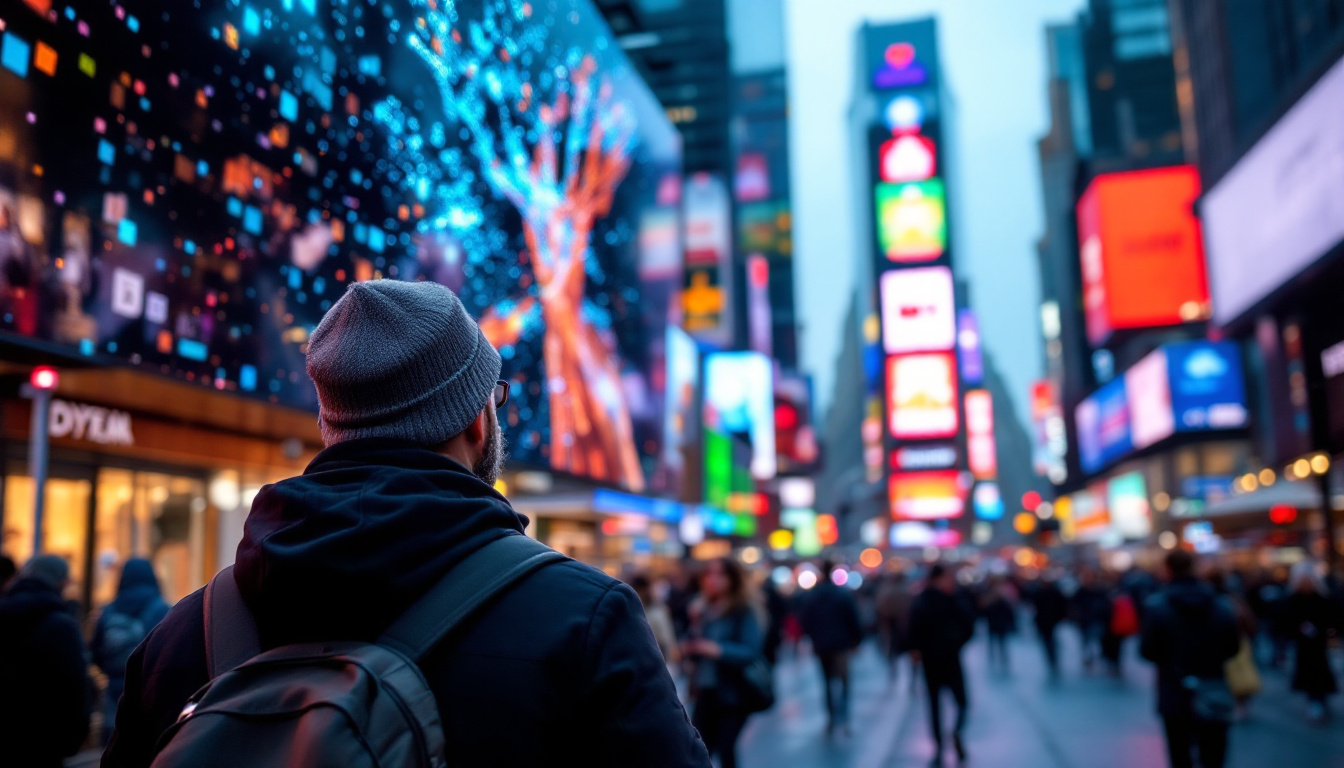
One of the most common uses of stand panel board LED displays is in advertising. Their high visibility and dynamic content capabilities make them ideal for promoting products, services, and events. Retailers and brands often use these displays in shopping malls, trade fairs, and outdoor billboards to attract customers and convey messages effectively.
Digital signage powered by LED panels allows for real-time updates, enabling marketers to change content instantly based on promotions, time of day, or audience demographics. This adaptability enhances engagement and return on investment.
Events and Entertainment
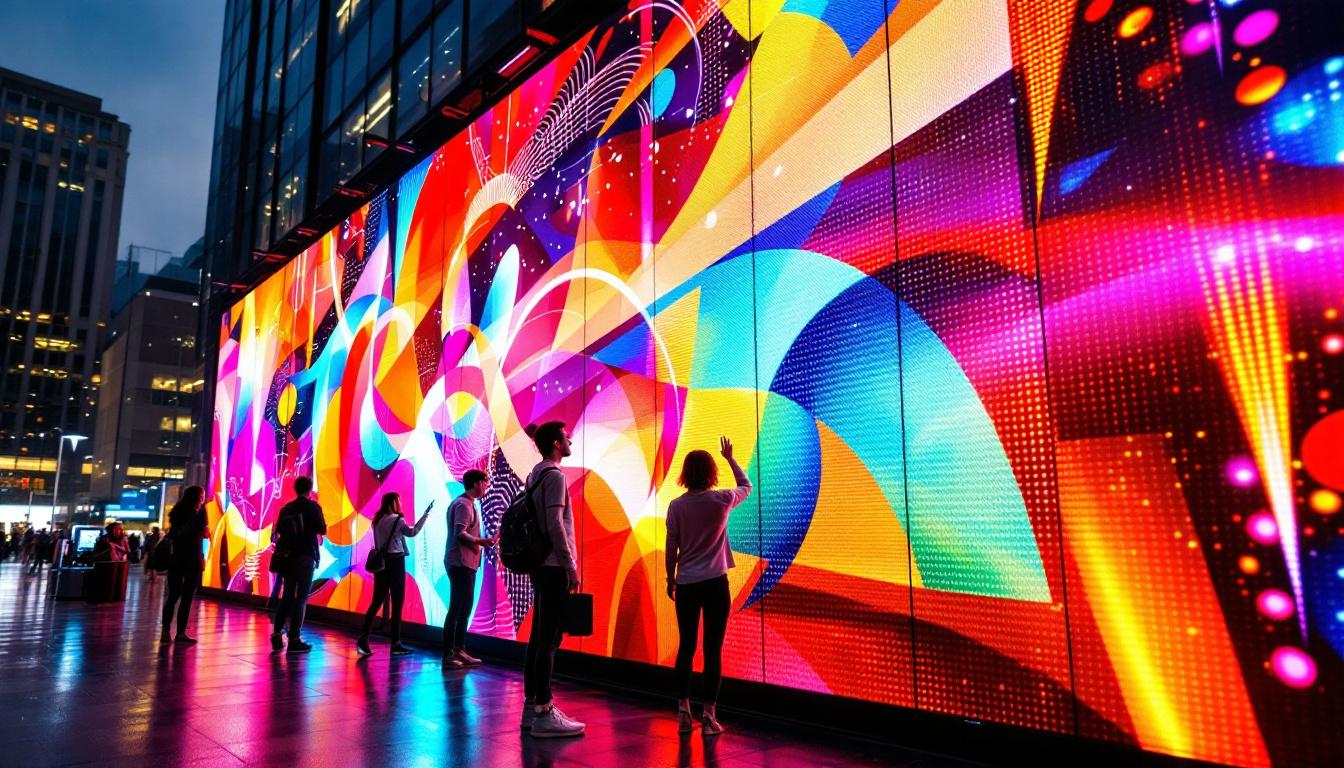
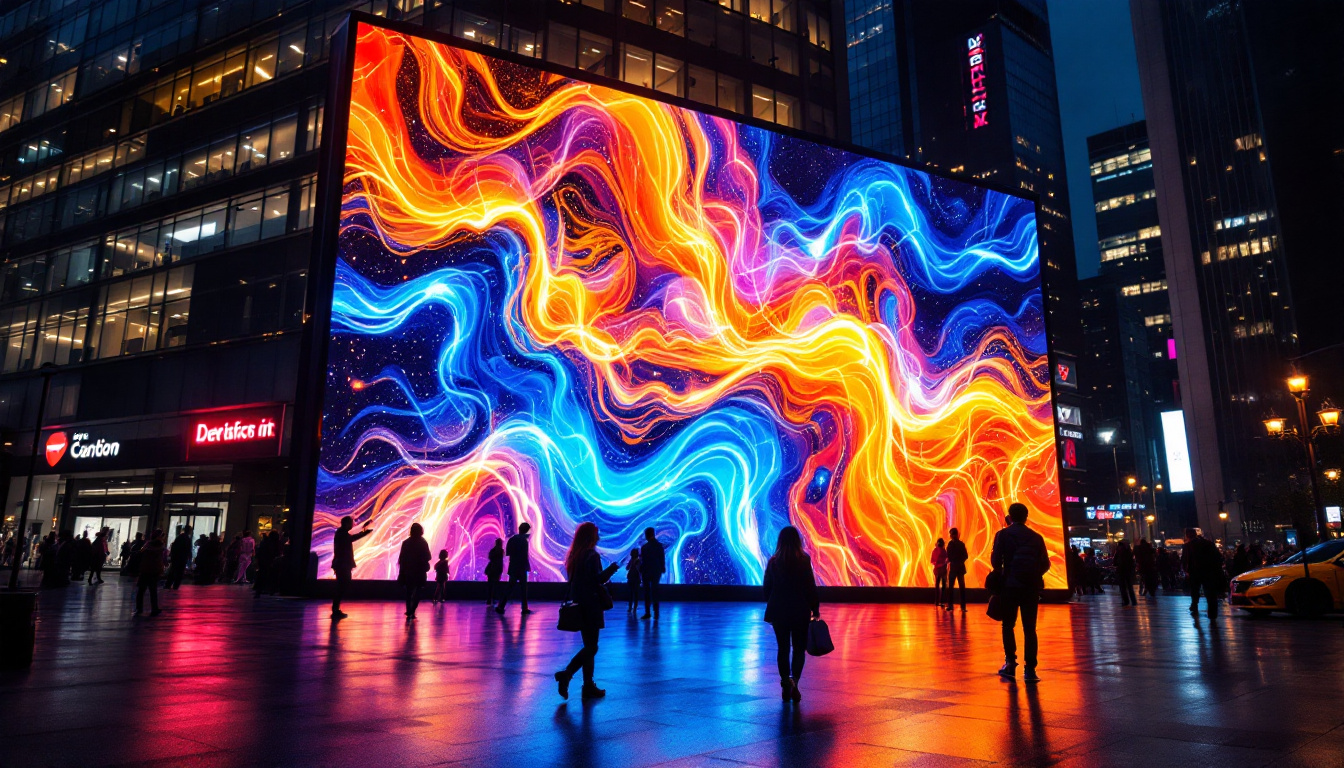
Concerts, festivals, sports events, and conferences frequently utilize stand panel board LED displays to provide live video feeds, scoreboards, and interactive content. The portability and scalability of these displays make them perfect for temporary setups where large audiences need clear visibility of the stage or presentation area.
Furthermore, LED displays contribute to immersive experiences by integrating with lighting and sound systems, creating visually stunning effects that captivate attendees.
Public Information and Transportation
Governments and municipalities employ stand panel board LED displays for public information dissemination. These displays can show real-time updates such as traffic alerts, weather forecasts, emergency notifications, and event schedules in public squares, transit stations, and airports.
The ability to quickly update content remotely ensures that accurate and timely information reaches the public, enhancing safety and convenience.
Corporate and Educational Use
In corporate environments, LED panel displays are used in lobbies, meeting rooms, and auditoriums for presentations, announcements, and branding. Their professional appearance and clarity make them suitable for internal communications and client engagements.
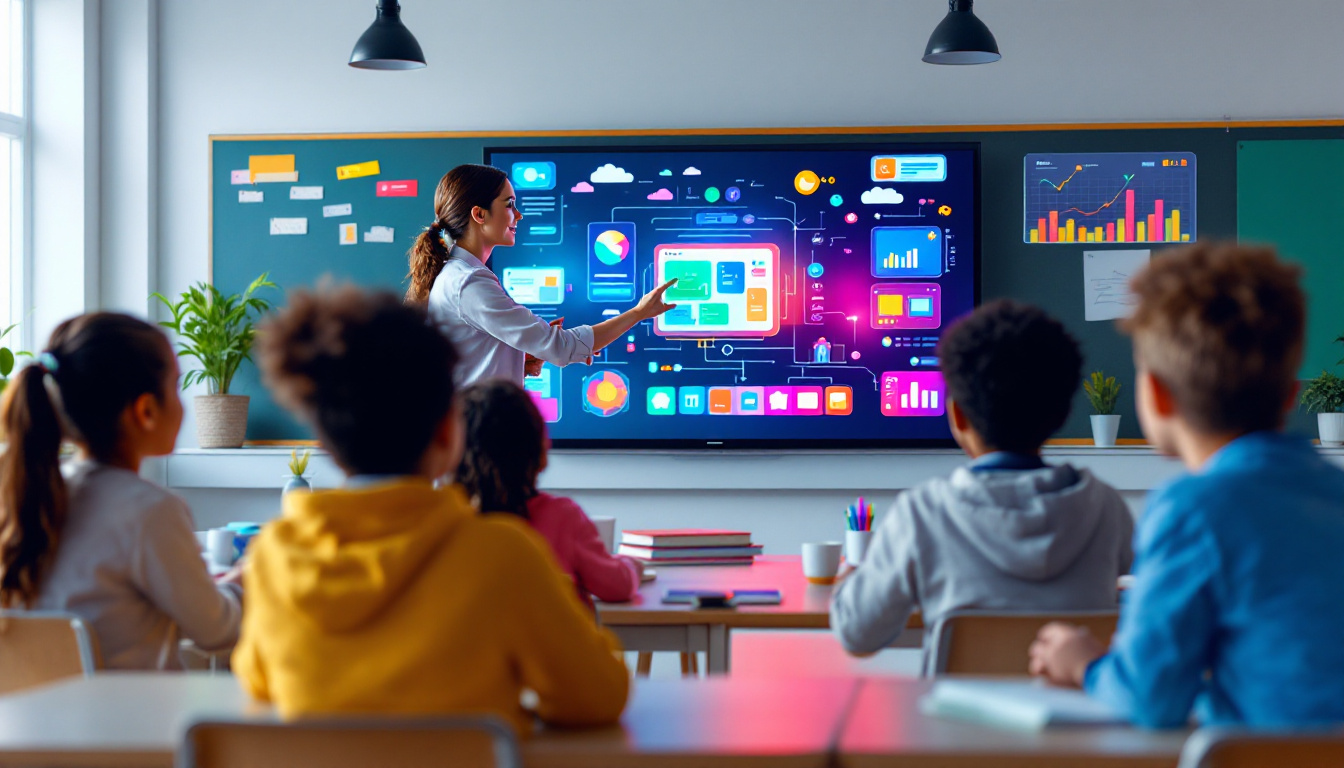
Educational institutions also benefit from LED displays for lectures, digital notice boards, and interactive learning experiences, supporting modern pedagogical methods.
Choosing the Right Stand Panel Board LED Display
Resolution and Pixel Pitch
When selecting an LED display, resolution and pixel pitch are critical factors. Pixel pitch refers to the distance between individual pixels, measured in millimeters. A smaller pixel pitch means higher resolution and sharper images, which is essential for close viewing distances.
For indoor applications where viewers are close to the screen, pixel pitches of 1.2mm to 2.5mm are common. Outdoor displays, viewed from farther away, typically use larger pixel pitches ranging from 4mm to 10mm. Understanding the viewing environment helps determine the optimal pixel pitch for clarity and cost-effectiveness.
Brightness and Contrast Requirements
Assessing the ambient lighting conditions where the display will be installed is vital. Outdoor displays require higher brightness levels to combat sunlight glare, while indoor displays can operate at lower brightness to reduce power consumption and eye strain.
Contrast ratio also influences image quality, especially for video content. Higher contrast ratios produce deeper blacks and more vivid colors, enhancing the viewing experience.
Size and Aspect Ratio
The physical size of the display should align with the intended viewing distance and content type. Larger displays are suitable for big venues and outdoor advertising, while smaller setups work well for indoor presentations and retail signage.
Aspect ratio considerations ensure that content is displayed without distortion. Common aspect ratios include 16:9 for video content and custom ratios for specialized applications.
Installation and Maintenance
Consider the ease of installation and ongoing maintenance when choosing a stand panel board LED display. Modular designs with quick-lock mechanisms facilitate faster assembly and reduce labor costs. Additionally, front or rear access to panels simplifies repairs and upgrades.
Reliable customer support and availability of spare parts are also important to minimize downtime and extend the display’s operational life.
Future Trends in Stand Panel Board LED Displays
Advancements in Mini-LED and Micro-LED Technologies
The LED display industry is witnessing rapid innovation, particularly with mini-LED and micro-LED technologies. These advancements offer even higher resolutions, improved brightness, and better energy efficiency. Micro-LED displays, for example, use microscopic LEDs that provide superior color accuracy and contrast, rivaling OLED displays without the burn-in issues.
As costs decrease, these technologies are expected to become more accessible for stand panel board LED displays, enhancing visual performance further.
Integration with Smart Technologies
Smart LED displays equipped with sensors and AI-driven content management systems are becoming more prevalent. These displays can adjust brightness automatically, detect audience demographics, and deliver personalized content based on real-time data analytics.
Such integration enhances user engagement and provides valuable insights for marketers and event organizers.
Eco-Friendly and Sustainable Solutions
Environmental concerns are driving the development of more sustainable LED display solutions. Manufacturers are focusing on reducing energy consumption, using recyclable materials, and designing products with longer lifespans to minimize electronic waste.
Choosing eco-friendly LED displays aligns with corporate social responsibility goals and appeals to environmentally conscious consumers.
Conclusion
Stand panel board LED displays represent a versatile and powerful medium for visual communication across various industries. Their portability, high brightness, durability, and energy efficiency make them an excellent choice for advertising, events, public information, and corporate use. By understanding the technology, key features, and application requirements, organizations can select the right LED display solutions to meet their specific needs.
As LED technology continues to evolve, stand panel board LED displays will become even more dynamic, intelligent, and sustainable, offering exciting possibilities for engaging audiences and enhancing communication in the digital age.
Discover LumenMatrix’s Innovative LED Solutions
Ready to elevate your visual communication strategy with cutting-edge LED technology? LumenMatrix offers a diverse range of LED display modules designed to captivate your audience and amplify your message. From vibrant Indoor and Outdoor LED Wall Displays to dynamic Vehicle and Sports LED Displays, our solutions are tailored to meet your unique needs. Experience the future of digital signage with our Floor LED Displays, Custom configurations, All-in-One solutions, and Transparent Displays. Embrace the power of LumenMatrix and transform your visual presence. Check out LumenMatrix LED Display Solutions today and see the difference for yourself.