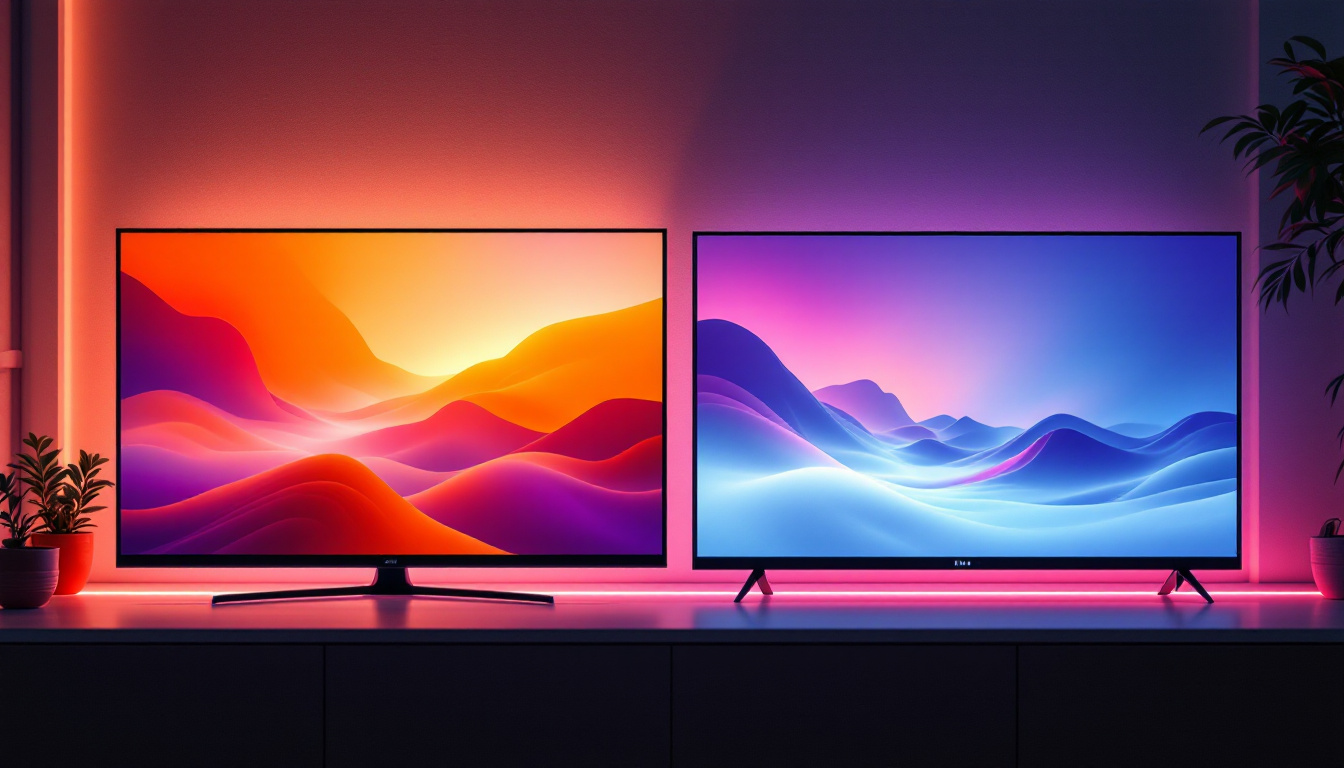
In the modern world of visual communication, LED displays have become a cornerstone of effective messaging and entertainment. From large-scale billboards to intimate studio settings, LED technology is transforming how information is conveyed. This article delves into the intricacies of LED displays, their applications, advantages, and the technology behind them.
Understanding LED Technology
LED, or Light Emitting Diode, is a semiconductor device that emits light when an electric current passes through it. This technology has evolved significantly since its inception, leading to the development of vibrant and efficient displays that are now ubiquitous in various settings. From household lighting to large-scale advertising, LEDs have transformed how we perceive and interact with light.
The Basics of LED Operation
At its core, an LED display consists of numerous tiny light-emitting diodes arranged in a grid. Each diode can be controlled individually, allowing for the creation of dynamic images and videos. The colors displayed are achieved by combining red, green, and blue (RGB) light, which can be mixed in various intensities to produce a wide spectrum of colors. This capability not only enhances visual appeal but also enables the display of intricate graphics and animations that capture attention and convey messages effectively.
The efficiency of LED technology is one of its most appealing features. Compared to traditional incandescent bulbs, LEDs consume significantly less power and have a longer lifespan, making them an environmentally friendly option. Moreover, the heat generated by LEDs is minimal, which contributes to their longevity and reduces the need for complex cooling systems in applications like large-scale displays. This energy efficiency translates into cost savings for users, further solidifying LEDs’ position as a preferred lighting and display solution in both commercial and residential settings.
Types of LED Displays
LED displays come in various forms, each tailored to specific applications. The most common types include:
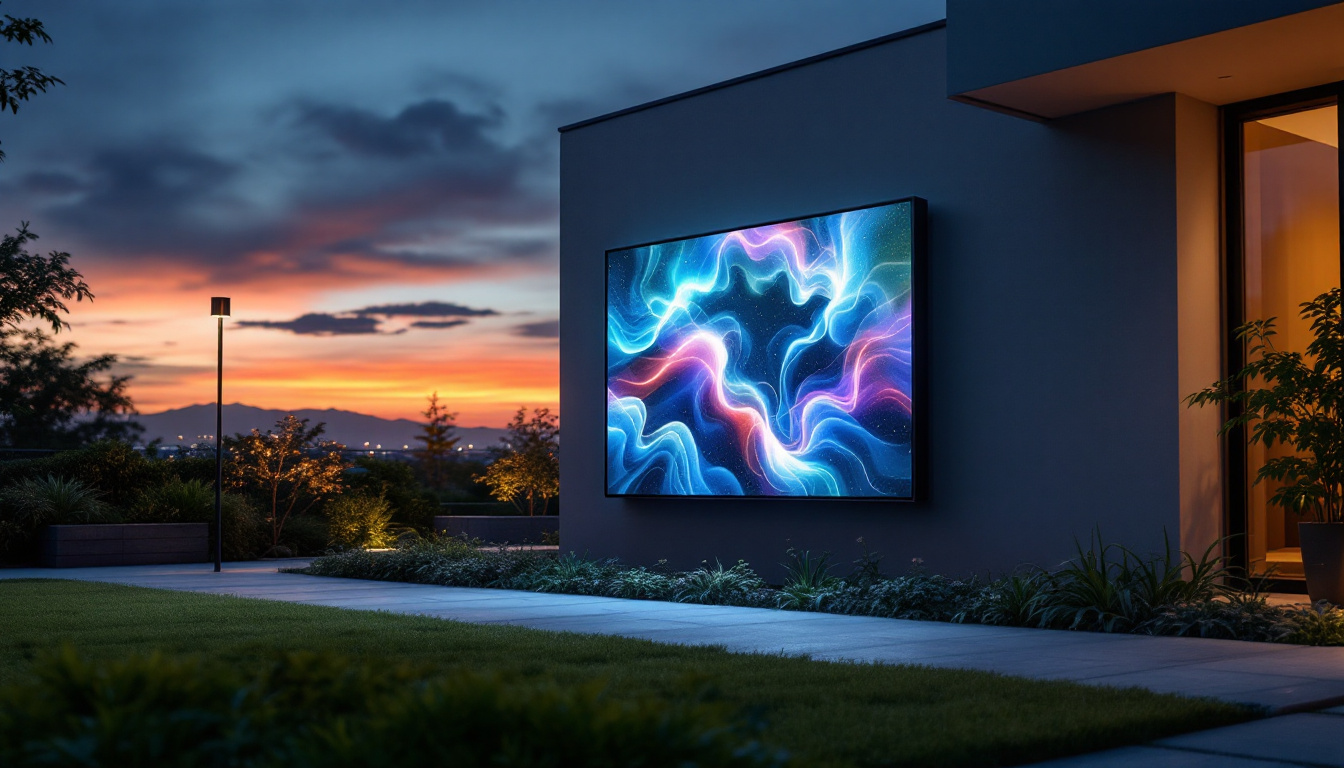
- Direct View LED Displays: These are often used for large outdoor screens, such as billboards and stadium displays. They provide high brightness and visibility even in direct sunlight, making them ideal for advertising and public announcements. The robust construction of these displays ensures they can withstand harsh weather conditions, ensuring year-round operation.
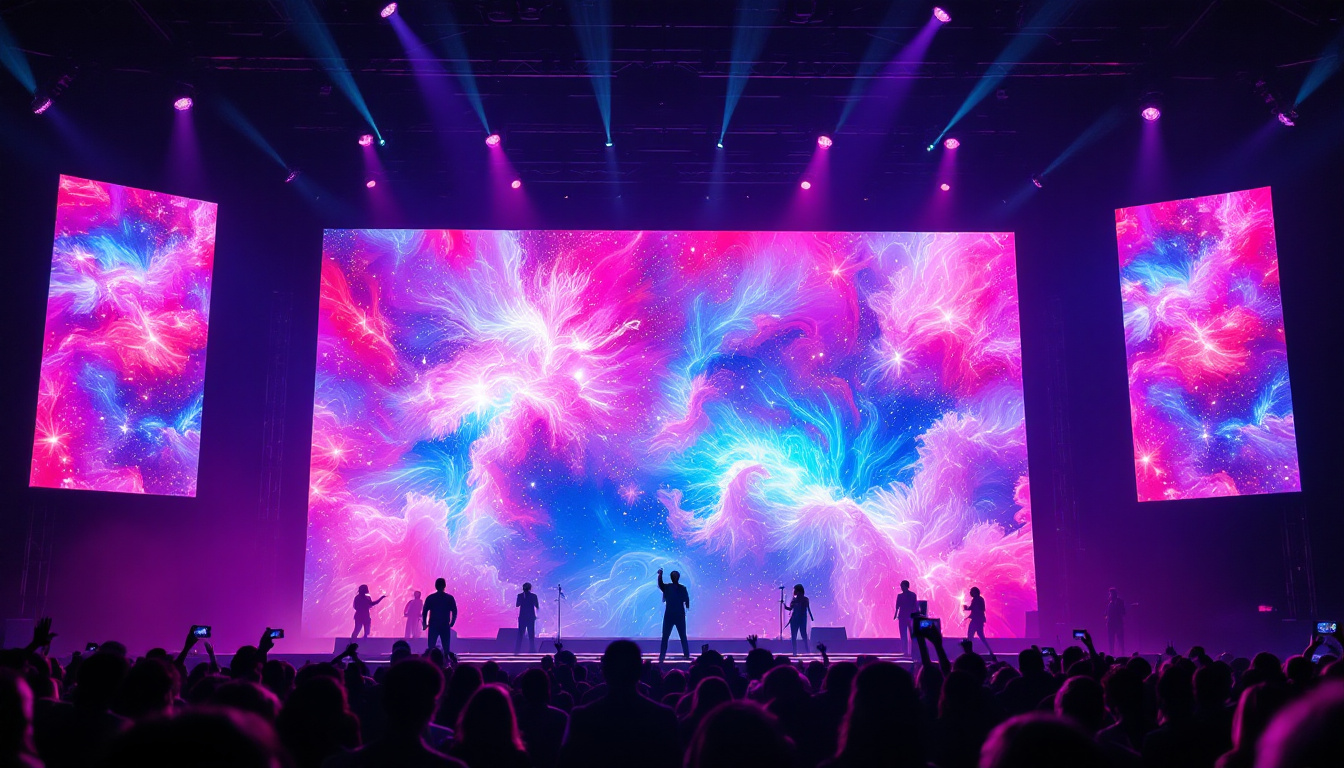
- LED Video Walls: Composed of multiple LED panels, these displays are used in control rooms, broadcast studios, and events. They offer high resolution and flexibility in size and shape, allowing for creative configurations that can adapt to various environments. The seamless integration of panels creates an immersive viewing experience, making them popular for concerts, exhibitions, and corporate presentations.
- Transparent LED Displays: These innovative displays allow light to pass through, making them ideal for retail environments where visibility is crucial. Retailers can showcase products behind the screen while still engaging customers with vibrant advertisements. This technology not only enhances the aesthetic appeal of storefronts but also provides an interactive experience that can attract foot traffic and boost sales.
In addition to these common types, there are also specialized LED displays designed for niche applications, such as flexible LED screens that can be bent or shaped to fit unique spaces. These displays open up new possibilities for creative installations, allowing artists and designers to push the boundaries of traditional display technology. Furthermore, advancements in LED technology continue to emerge, such as organic LEDs (OLEDs), which promise even greater efficiency and color accuracy, paving the way for the next generation of visual displays.
Applications of LED Displays
The versatility of LED displays allows them to be utilized in various sectors, enhancing the way information is presented and experienced. Below are some notable applications:
Advertising and Marketing
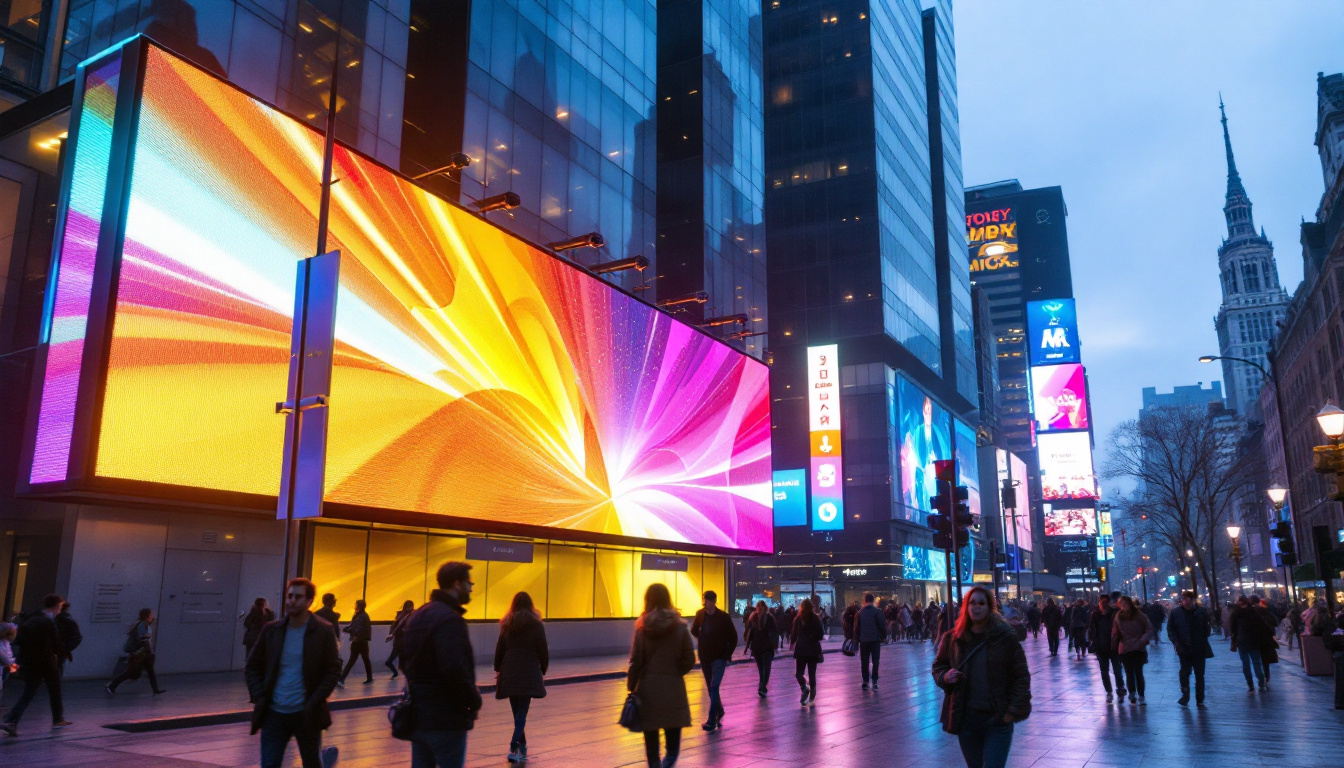
One of the most prominent uses of LED displays is in advertising. Businesses leverage vibrant LED screens to capture the attention of potential customers. The ability to change content quickly and remotely allows for dynamic advertising campaigns that can be tailored to specific audiences and times of day.
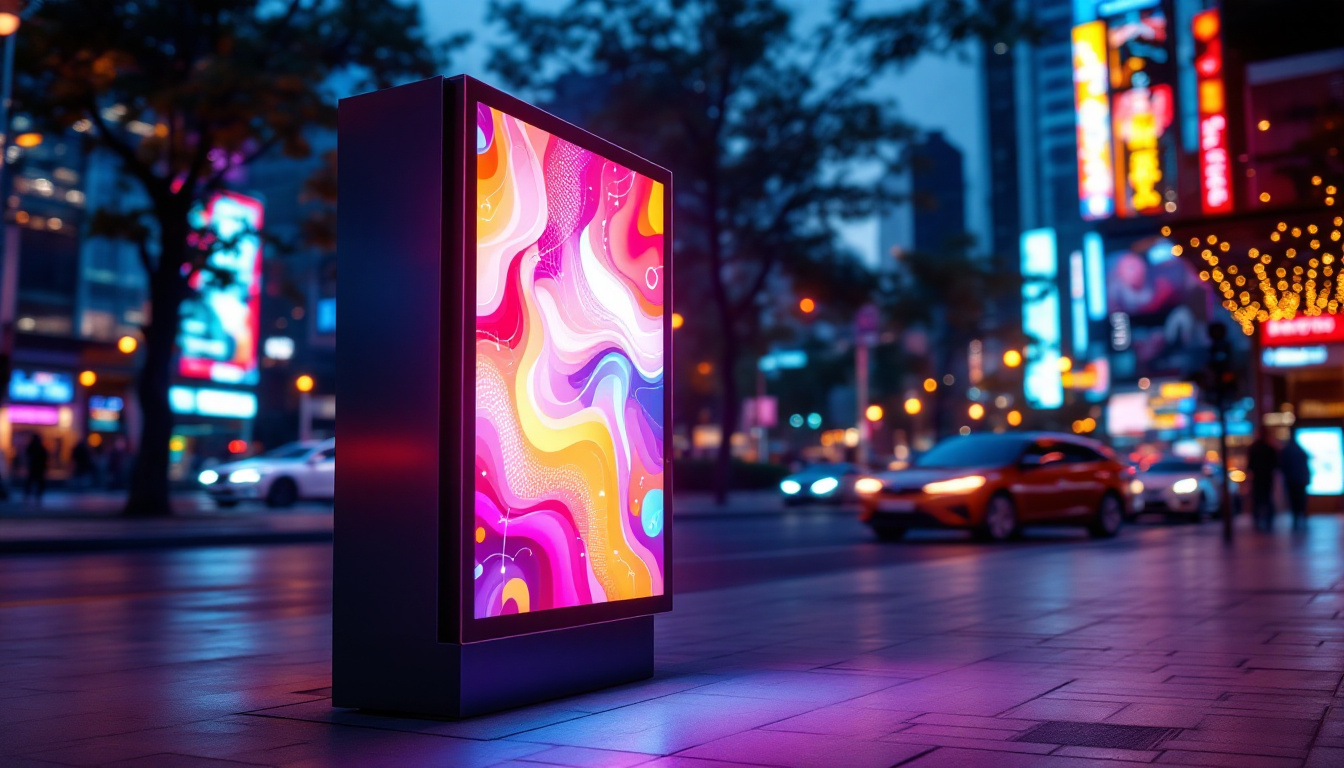
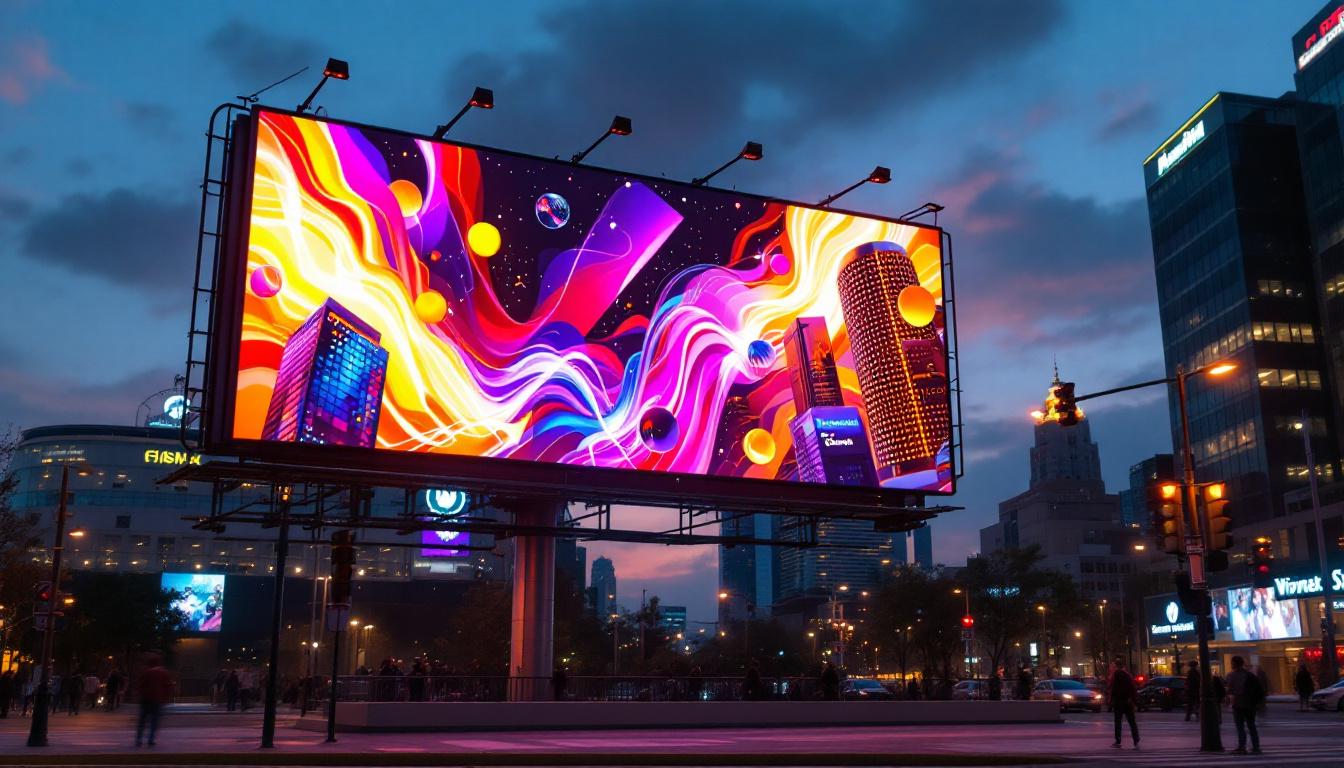
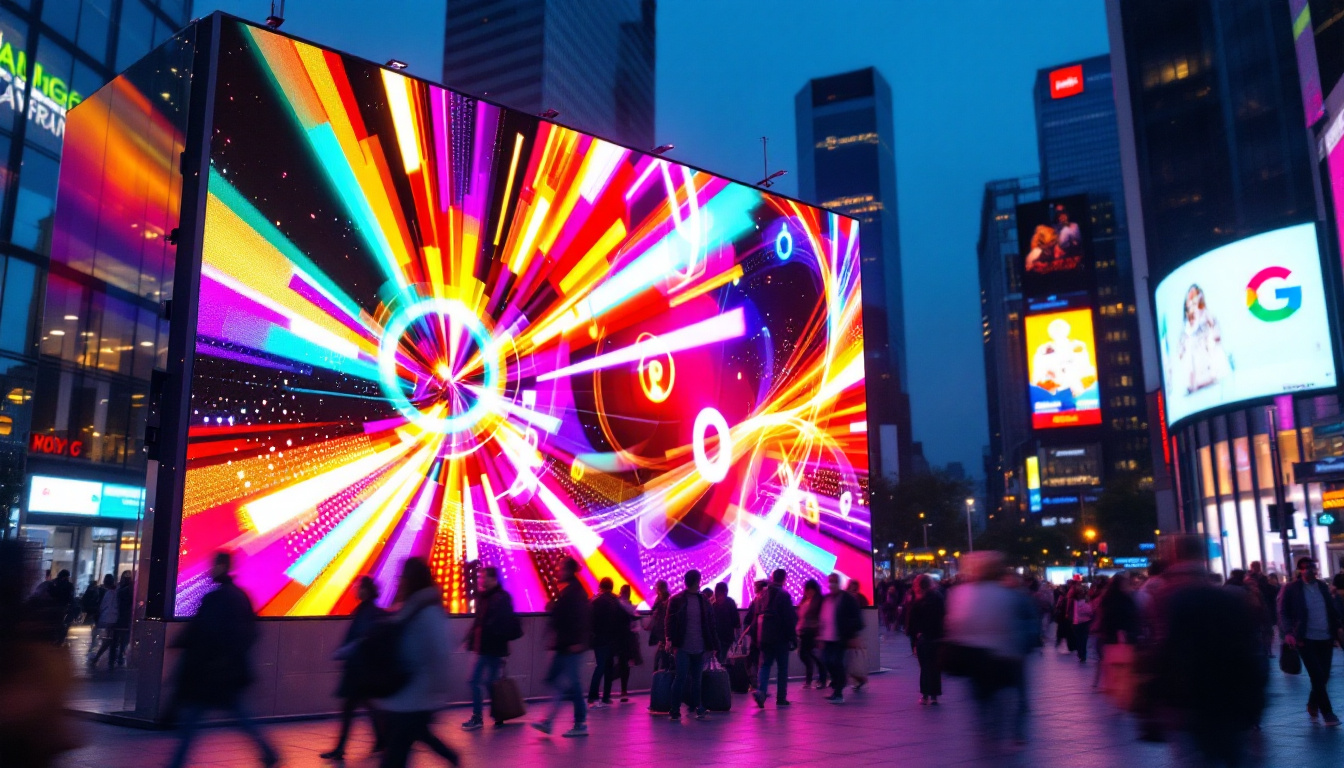
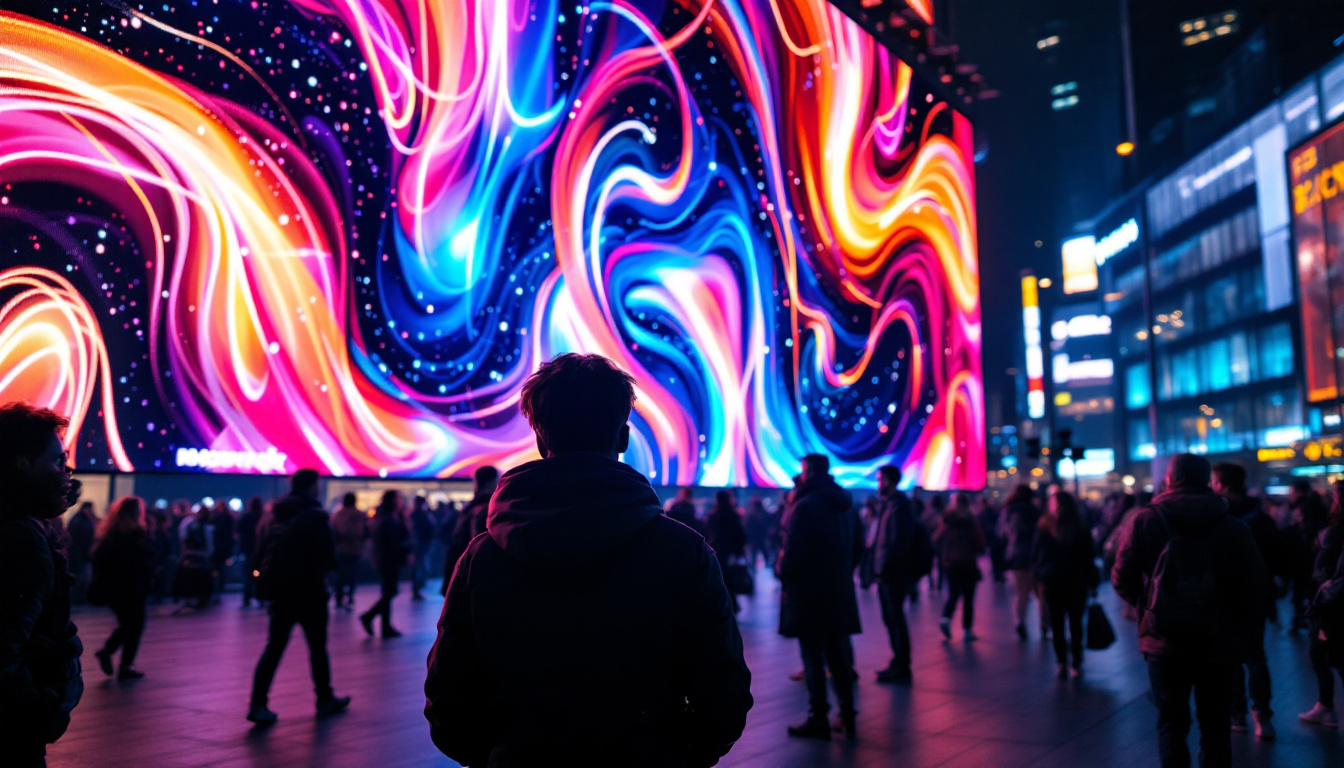
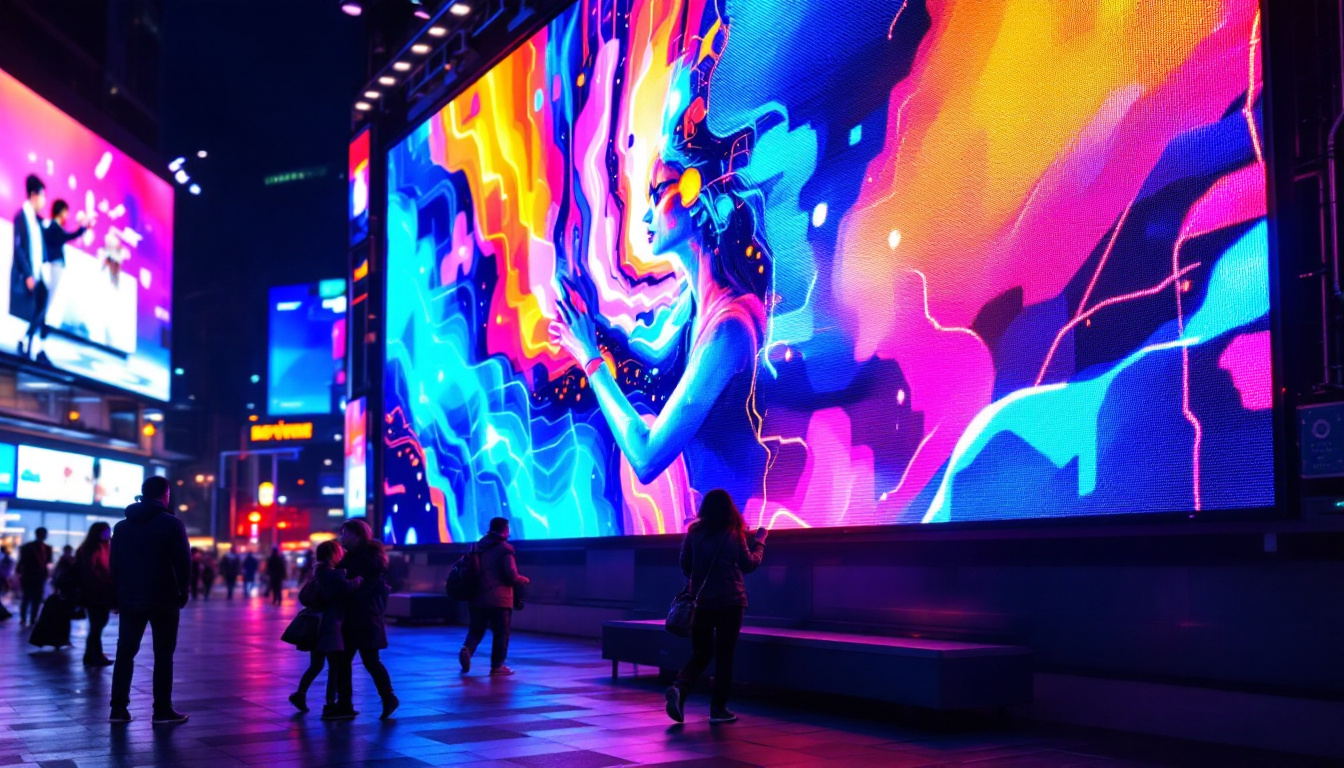
Outdoor LED billboards have become a staple in urban environments, where they can convey messages to thousands of passersby. The high brightness and resolution of these displays ensure that advertisements are effective, even in challenging lighting conditions. Furthermore, the integration of sensors and data analytics enables advertisers to optimize their campaigns based on audience engagement, allowing for a more targeted approach that maximizes return on investment.
Entertainment and Events
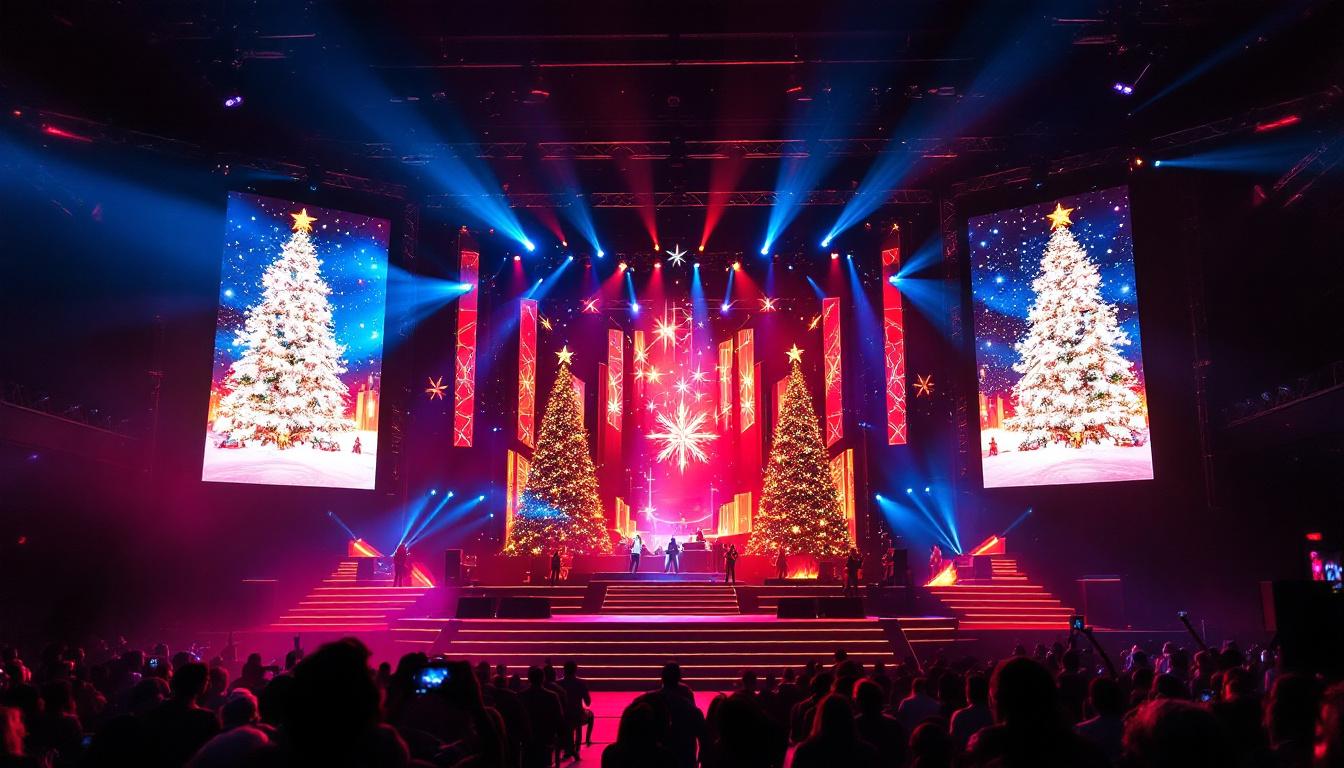
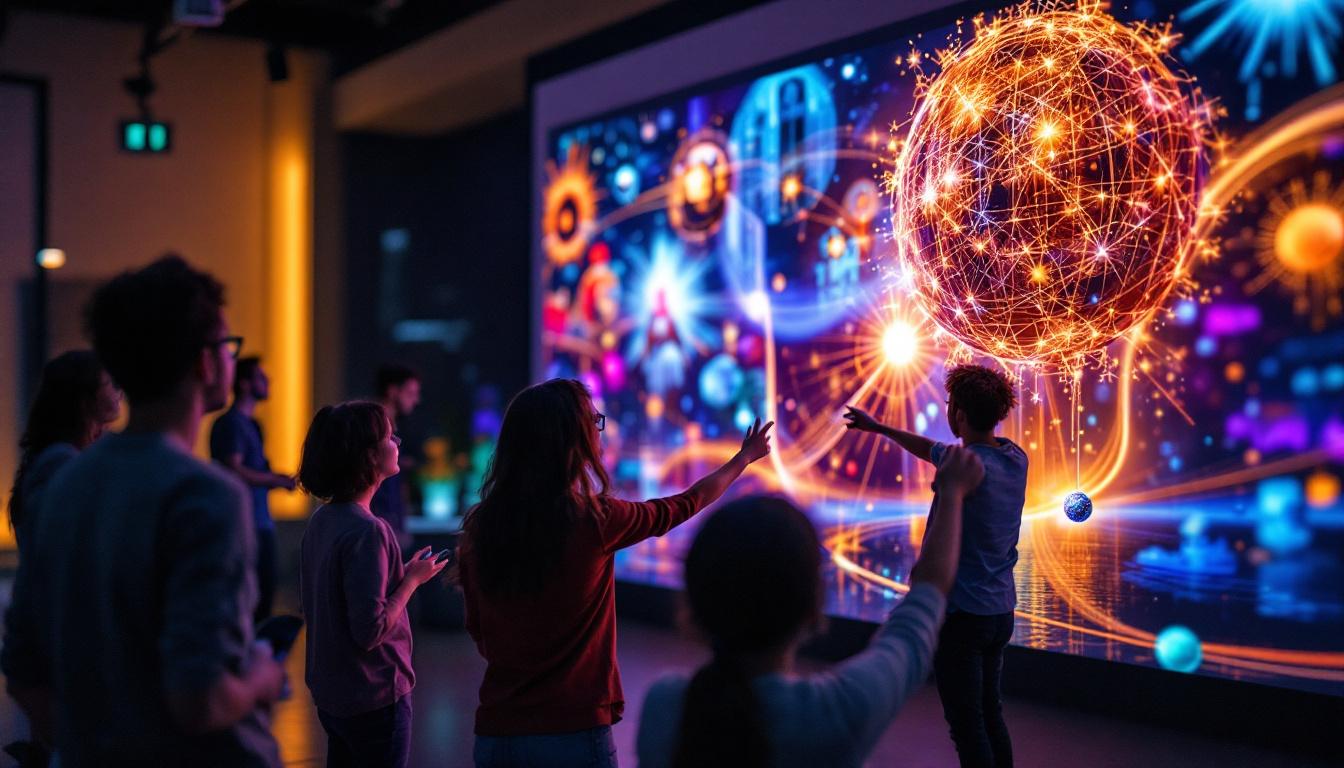
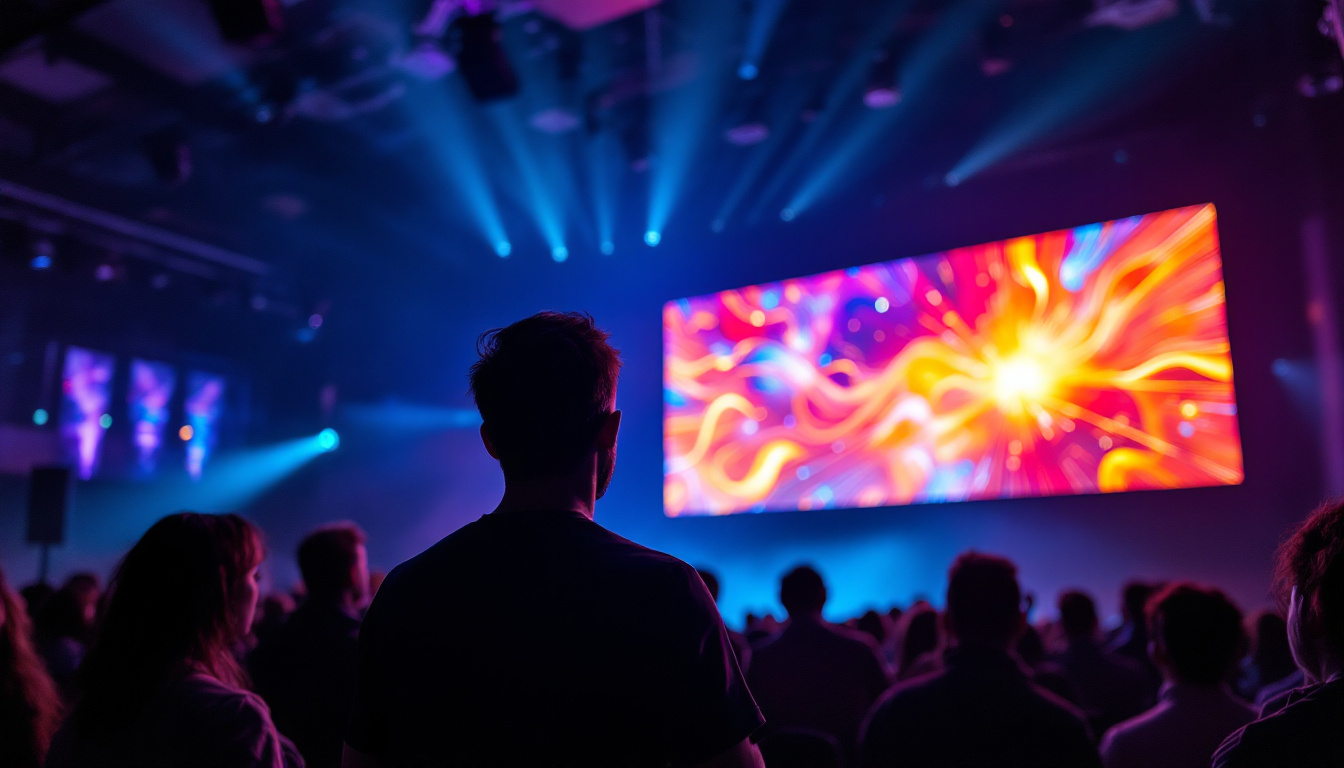
In the entertainment industry, LED displays play a crucial role in enhancing the audience experience. Concerts, festivals, and sporting events utilize large LED screens to provide visuals that complement performances. This technology allows for stunning graphics, live feeds, and interactive elements that engage viewers.
Moreover, LED technology is increasingly used in stage design, where flexible and modular displays can be shaped to fit various artistic visions. This adaptability opens up new creative possibilities for directors and designers. For instance, immersive environments can be created using curved LED panels that wrap around performers, making the audience feel as though they are part of the show. This innovation not only enhances visual storytelling but also transforms the overall atmosphere of the event, making it more memorable for attendees.
Broadcasting and Studio Production
In broadcasting, LED displays are essential for creating visually appealing sets. They can be used for backdrops, information displays, and even as part of the production design. The clarity and brightness of LED screens ensure that the visuals remain sharp and engaging for viewers at home.
Additionally, LED technology allows for real-time graphics integration, which is vital for live news broadcasts and sports coverage. This capability enhances storytelling and provides viewers with relevant information seamlessly. The use of virtual sets, powered by LED walls, has revolutionized the way news and entertainment programs are produced, allowing for a more dynamic presentation that can adapt to different themes and topics. This not only captivates the audience but also streamlines production processes, enabling quicker turnarounds for content creation.
Advantages of LED Displays
LED displays offer numerous advantages over traditional display technologies, making them a preferred choice for many applications. Here are some key benefits:
Energy Efficiency
One of the most significant advantages of LED displays is their energy efficiency. They consume considerably less power than older technologies, such as LCD and plasma displays. This not only reduces operational costs but also minimizes the environmental impact, making LEDs a sustainable choice for businesses.
Longevity and Durability
LED displays have a longer lifespan compared to traditional display technologies. While LCD screens may last around 50,000 hours, LED displays can exceed 100,000 hours of operational life. This durability is particularly beneficial for outdoor applications, where displays are exposed to harsh weather conditions.
High Brightness and Contrast
LED displays are known for their high brightness levels, making them suitable for both indoor and outdoor environments. The ability to maintain visibility in direct sunlight is a significant advantage for outdoor advertising. Furthermore, the contrast ratios of LED displays are superior, resulting in vibrant colors and sharp images.
The Future of LED Displays
The future of LED technology looks promising, with ongoing advancements that continue to enhance performance and expand applications. Emerging trends include:
MicroLED Technology
MicroLED technology represents a significant leap forward in display technology. By utilizing microscopic LEDs, this innovation allows for even higher resolutions and improved energy efficiency. MicroLED displays are expected to revolutionize everything from consumer electronics to large-scale installations.
Integration with Smart Technology
The integration of LED displays with smart technology is another exciting development. As the Internet of Things (IoT) continues to grow, LED displays will increasingly be connected to networks, allowing for real-time content updates and interactive features. This connectivity will enhance user engagement and provide businesses with valuable data analytics.
Flexible and Curved Displays
Flexibility in design is becoming a key trend in the LED display market. Manufacturers are developing displays that can be bent or shaped to fit unique environments. This adaptability opens up new possibilities for creative installations in retail, art, and architecture.
Challenges and Considerations
Despite their many advantages, LED displays are not without challenges. Understanding these considerations is essential for businesses looking to invest in this technology.
Initial Costs
While the long-term benefits of LED displays are significant, the initial investment can be substantial. Businesses must weigh the upfront costs against potential savings in energy and maintenance over time. However, many find that the return on investment justifies the expense.
Content Management
Effective content management is crucial for maximizing the impact of LED displays. Businesses must ensure that the content is engaging, relevant, and updated regularly. This requires a strategic approach to content creation and management, which can be a challenge for some organizations.
Environmental Considerations
Although LED technology is more energy-efficient than traditional displays, the production and disposal of LED screens can have environmental implications. It is essential for businesses to consider sustainable practices when sourcing materials and disposing of old displays.
Conclusion
LED displays have transformed the landscape of visual communication, offering unparalleled brightness, energy efficiency, and versatility. Their applications span various industries, from advertising to entertainment and broadcasting. As technology continues to advance, LED displays are poised to become even more integral to how messages are conveyed and experienced.
Understanding the advantages and challenges of LED technology is crucial for businesses looking to leverage this powerful tool. With careful consideration and strategic planning, organizations can harness the full potential of LED displays to engage audiences and enhance their messaging.
In a world where visual impact is paramount, LED displays stand out as a leading choice, promising a bright future in the realm of communication and entertainment.
Illuminate Your Message with LumenMatrix
As you consider the transformative power of LED displays in communication and entertainment, LumenMatrix stands at the forefront of this technology, ready to elevate your visual presence. Our extensive range of innovative LED display solutions, from Indoor and Outdoor LED Walls to Custom and All-in-One LED Displays, is designed to captivate your audience and amplify your brand’s message. Embrace the future of visual storytelling with LumenMatrix and experience the pinnacle of display clarity and engagement. Check out LumenMatrix LED Display Solutions today and see how we can illuminate your message with brilliance and precision.