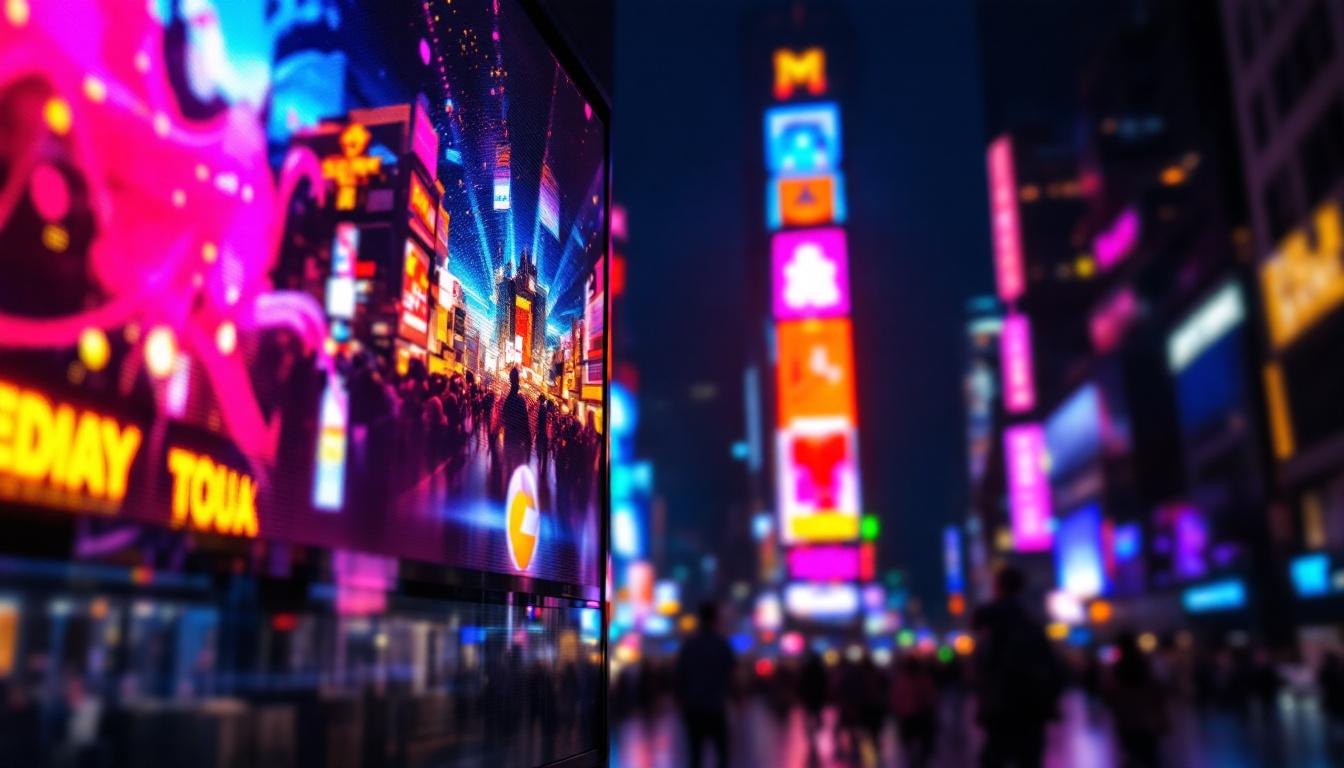
In an era where visual communication dominates everything from advertising to entertainment, the technology behind display screens has become critically important. Among the many types of display technologies available today, LED displays stand out for their brightness, clarity, and versatility. This article explores the fundamentals of LED displays, their advantages, applications, and why they have become the preferred choice for superior image quality in various industries.
Understanding LED Display Technology
What is an LED Display?
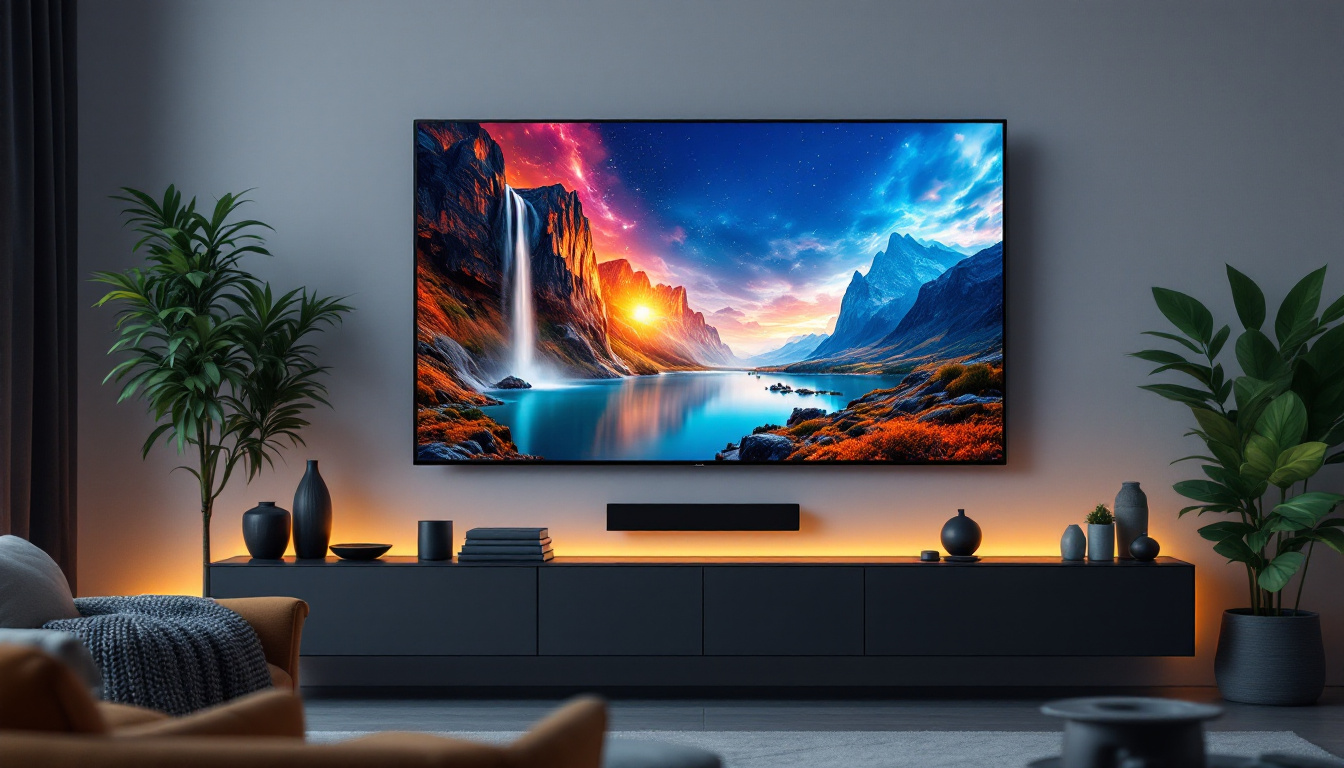
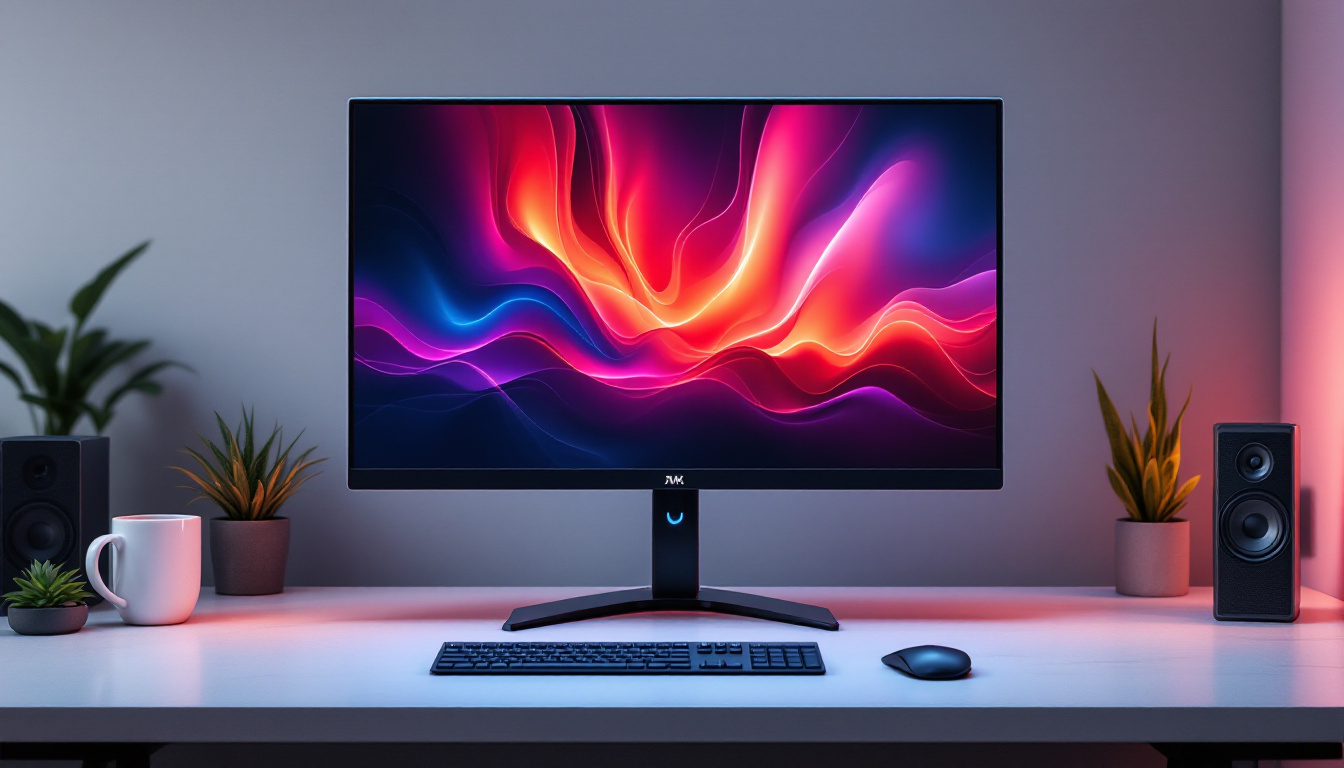
LED stands for Light Emitting Diode, a semiconductor device that emits light when an electric current passes through it. An LED display is a flat panel display that uses an array of light-emitting diodes as pixels to create images. Unlike traditional LCD or plasma screens, LED displays rely on these tiny diodes to produce vibrant, bright images with excellent contrast.
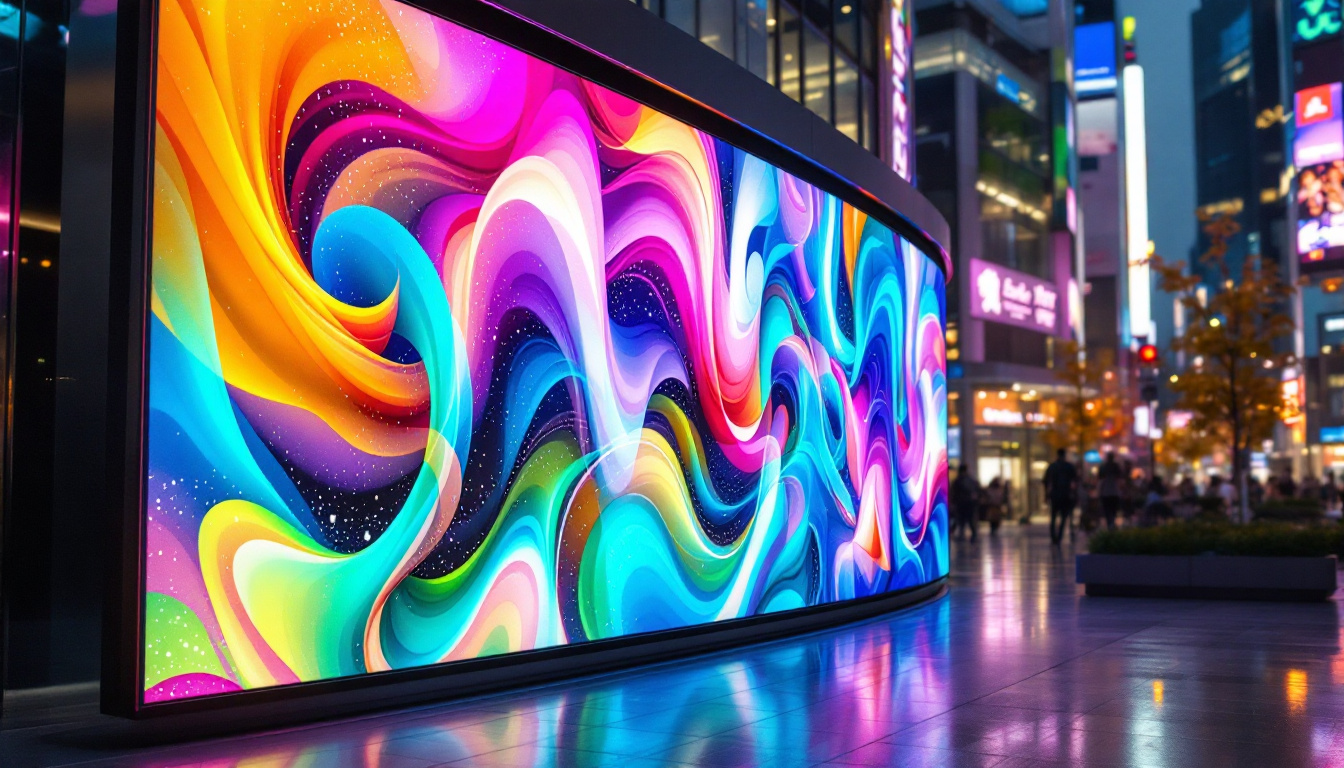
There are two primary types of LED displays: direct-view LED and LED-backlit LCD. Direct-view LED displays use LEDs as the actual pixels, while LED-backlit LCDs use LEDs as a light source behind an LCD panel. This article focuses primarily on direct-view LED displays, which are widely used in large-scale applications such as stadiums, billboards, and digital signage. The versatility of LED technology has made it the go-to choice for various environments, from outdoor advertising to indoor exhibitions, where high visibility and dynamic content are essential.
How Do LED Displays Work?
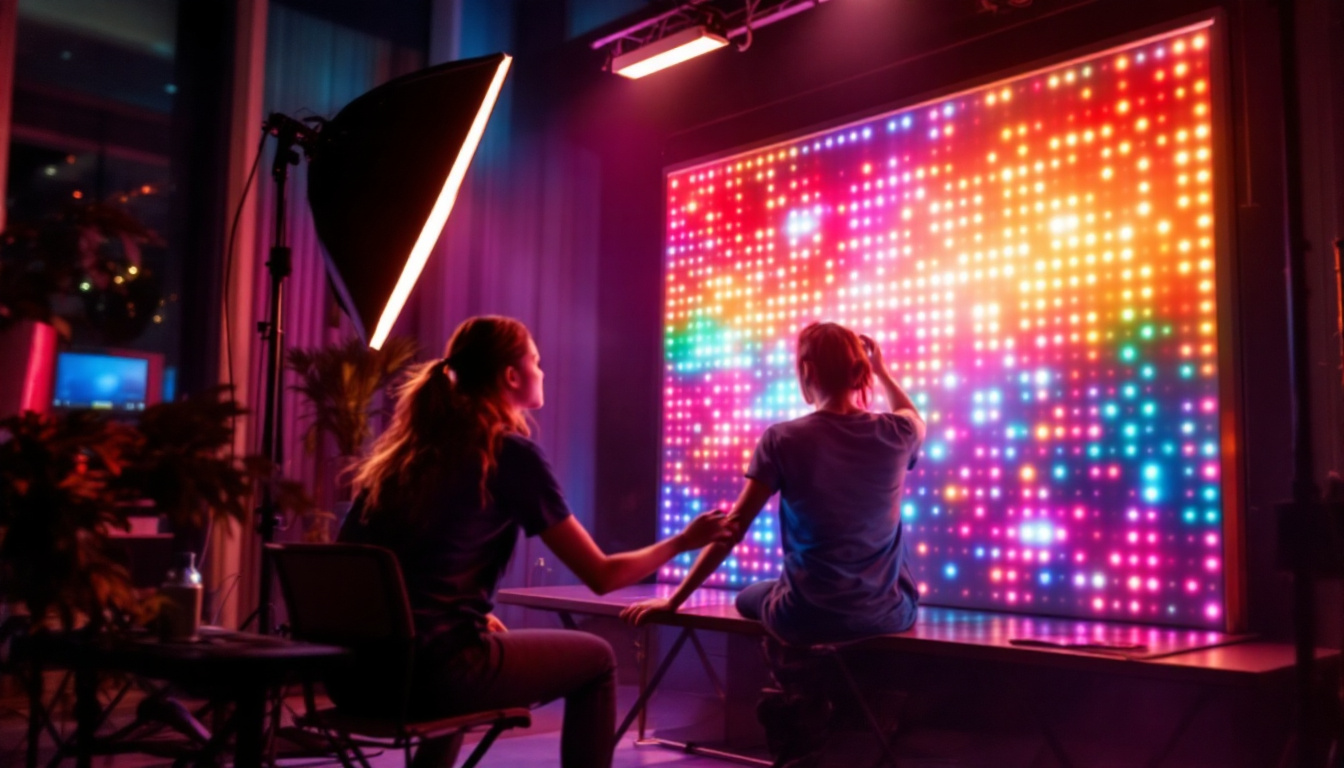
Each pixel in an LED display is composed of one or more LEDs, typically red, green, and blue (RGB). By varying the intensity of these three colors, the display can produce a full spectrum of colors. The LEDs are controlled by a driver circuit that adjusts their brightness and color based on the input video signal. This capability allows for not only static images but also dynamic video content, making LED displays ideal for applications that require real-time updates, such as news broadcasts or live event coverage.
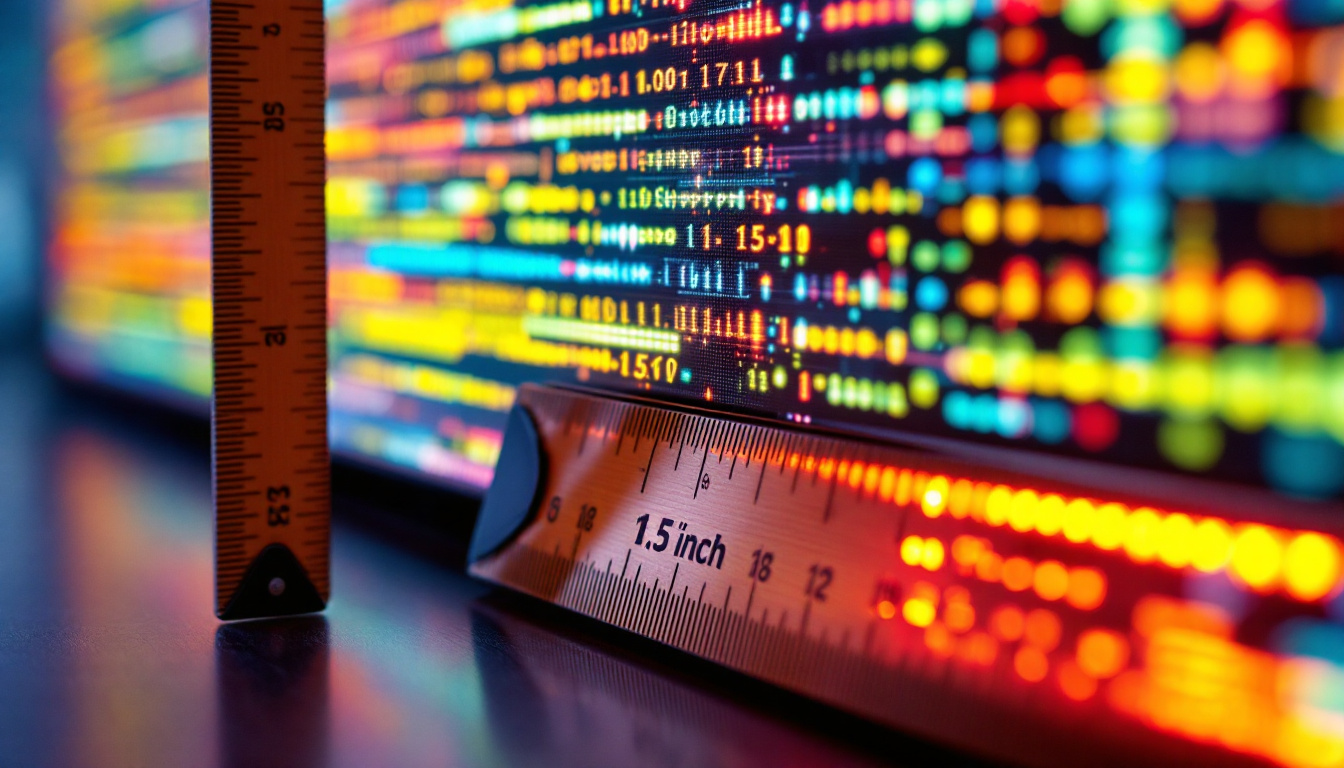
The arrangement and density of LEDs, known as pixel pitch, determine the resolution and image quality of the display. A smaller pixel pitch means LEDs are packed closer together, resulting in sharper images and finer detail. Modern LED displays can achieve pixel pitches as low as 0.7 millimeters, suitable for close viewing distances. Additionally, advancements in technology have led to the development of flexible LED displays that can be curved or shaped to fit unique spaces, opening up new possibilities for creative installations in architecture and design. This flexibility not only enhances aesthetic appeal but also allows for innovative advertising solutions that can capture the attention of passersby in ways traditional displays cannot.
Advantages of LED Displays Over Other Technologies
Brightness and Visibility
One of the most significant advantages of LED displays is their exceptional brightness. LEDs can produce light levels exceeding 5,000 nits, far surpassing typical LCD screens, which usually max out around 500 to 700 nits. This high brightness makes LED displays easily visible even in direct sunlight, a critical factor for outdoor advertising and public information displays.
Moreover, LED displays maintain consistent brightness across their entire surface, ensuring uniform image quality regardless of ambient lighting conditions. This feature is especially important for venues like sports arenas and concert halls where lighting can vary dramatically.
Color Accuracy and Contrast
LED displays offer superior color accuracy and contrast ratios compared to other display technologies. Because LEDs emit light directly, they can achieve true blacks by turning off individual diodes, resulting in a contrast ratio that can exceed 1,000,000:1. This capability enhances image depth and realism, making content more engaging and visually striking.
Additionally, the precise control over RGB LEDs allows for a wide color gamut, often covering over 90% of the DCI-P3 color space, which is the standard for digital cinema. This wide gamut ensures that colors appear vivid and lifelike, crucial for applications such as film production, high-end retail displays, and art installations.
Durability and Longevity
LED displays are known for their robustness and long operational life. High-quality LEDs can last upwards of 100,000 hours, translating to over 11 years of continuous use. This longevity reduces maintenance costs and downtime, making LED displays a cost-effective investment for businesses and organizations.
Furthermore, LED displays are highly resistant to environmental factors such as moisture, dust, and temperature fluctuations. Many outdoor LED panels come with IP65 or higher ratings, indicating strong protection against water and dust ingress. This durability ensures reliable performance in harsh conditions, from rainy urban streets to desert sports arenas.
Energy Efficiency
Compared to traditional lighting and display technologies, LEDs are remarkably energy-efficient. They convert a higher percentage of electrical energy into visible light, reducing power consumption and operating costs. For large-scale installations, this efficiency translates into significant savings and a smaller environmental footprint.
In addition, LED displays generate less heat than other technologies, which reduces the need for elaborate cooling systems and further decreases energy usage. This advantage is particularly beneficial for indoor installations where heat dissipation can affect ambient conditions and equipment longevity.
Applications of LED Displays Across Industries
Advertising and Digital Signage
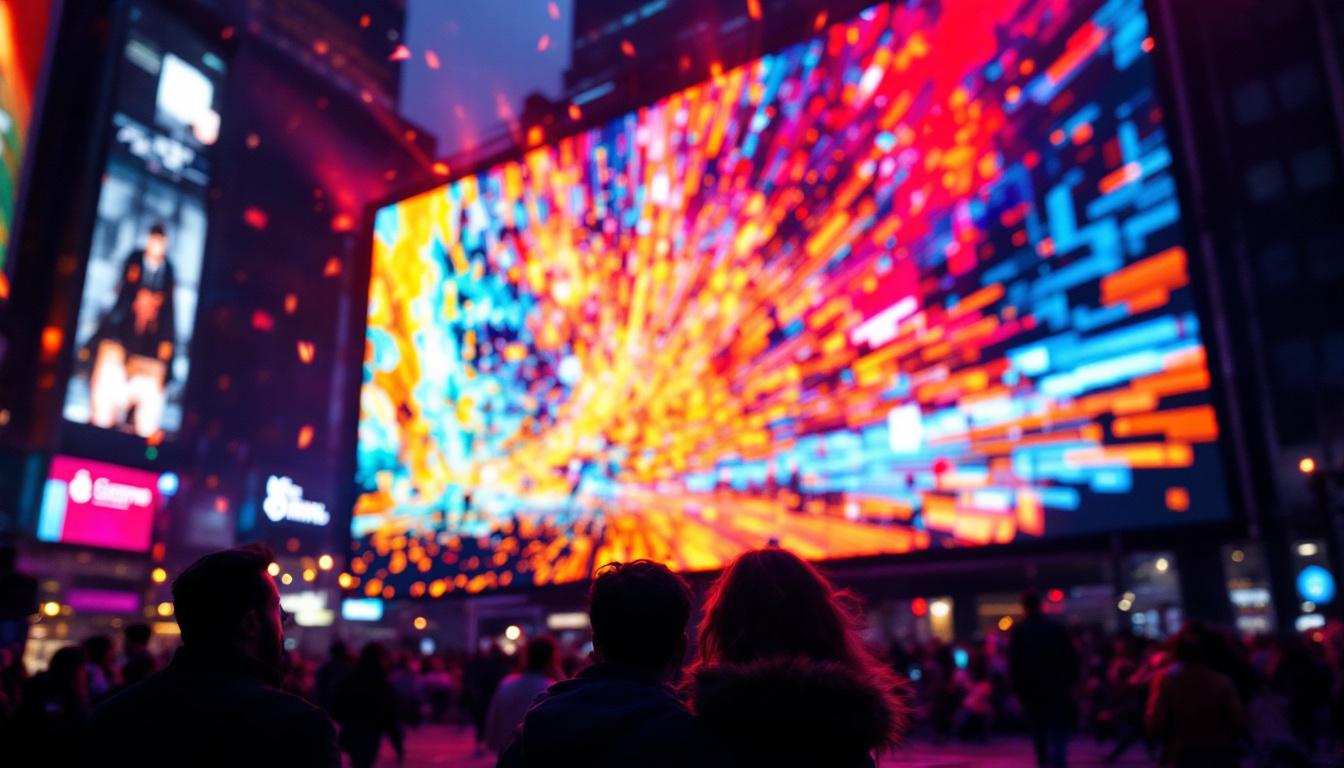
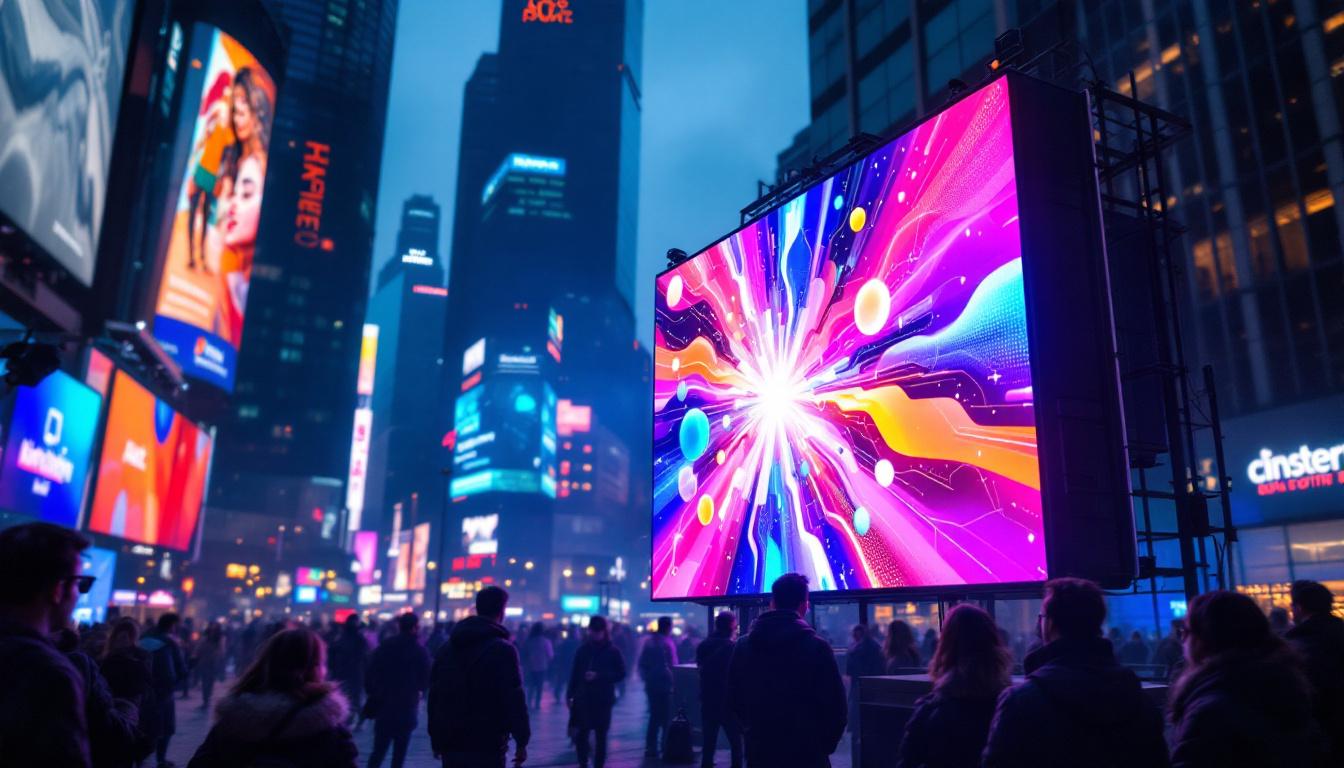
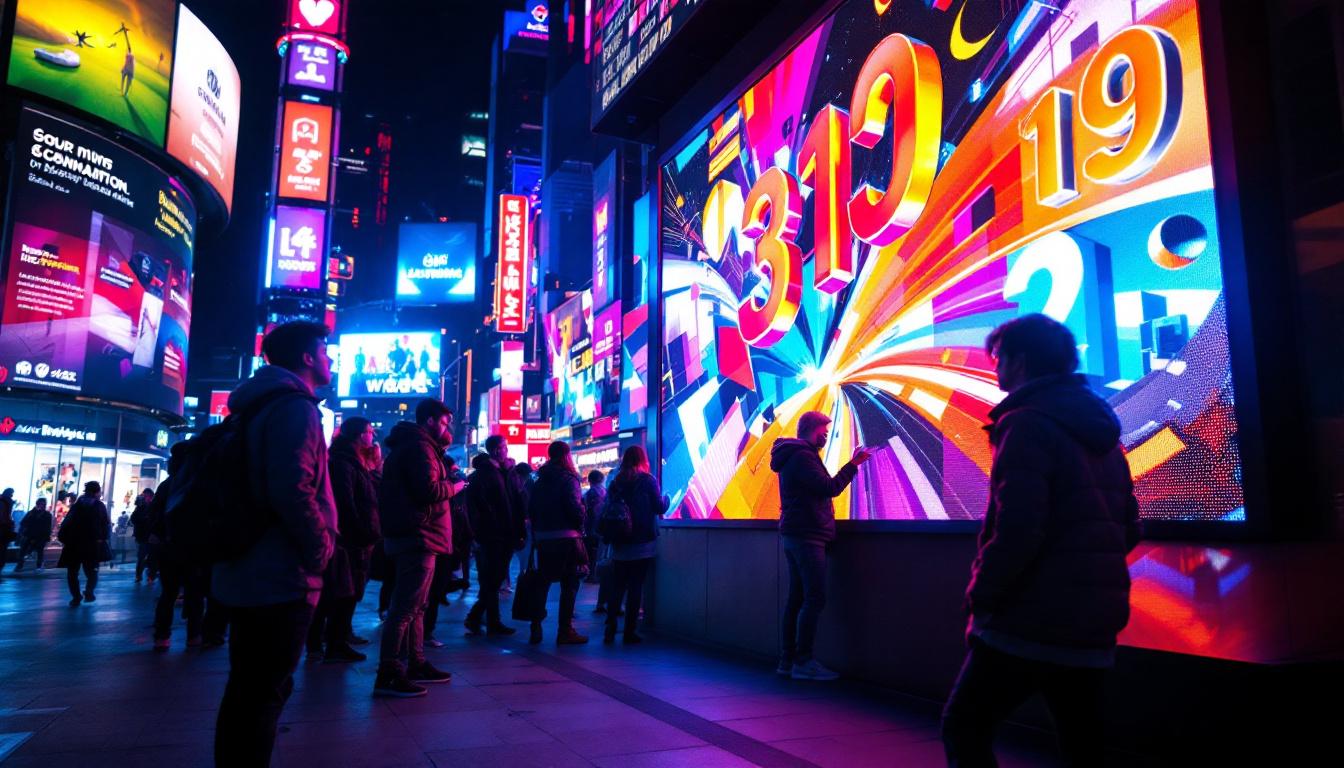
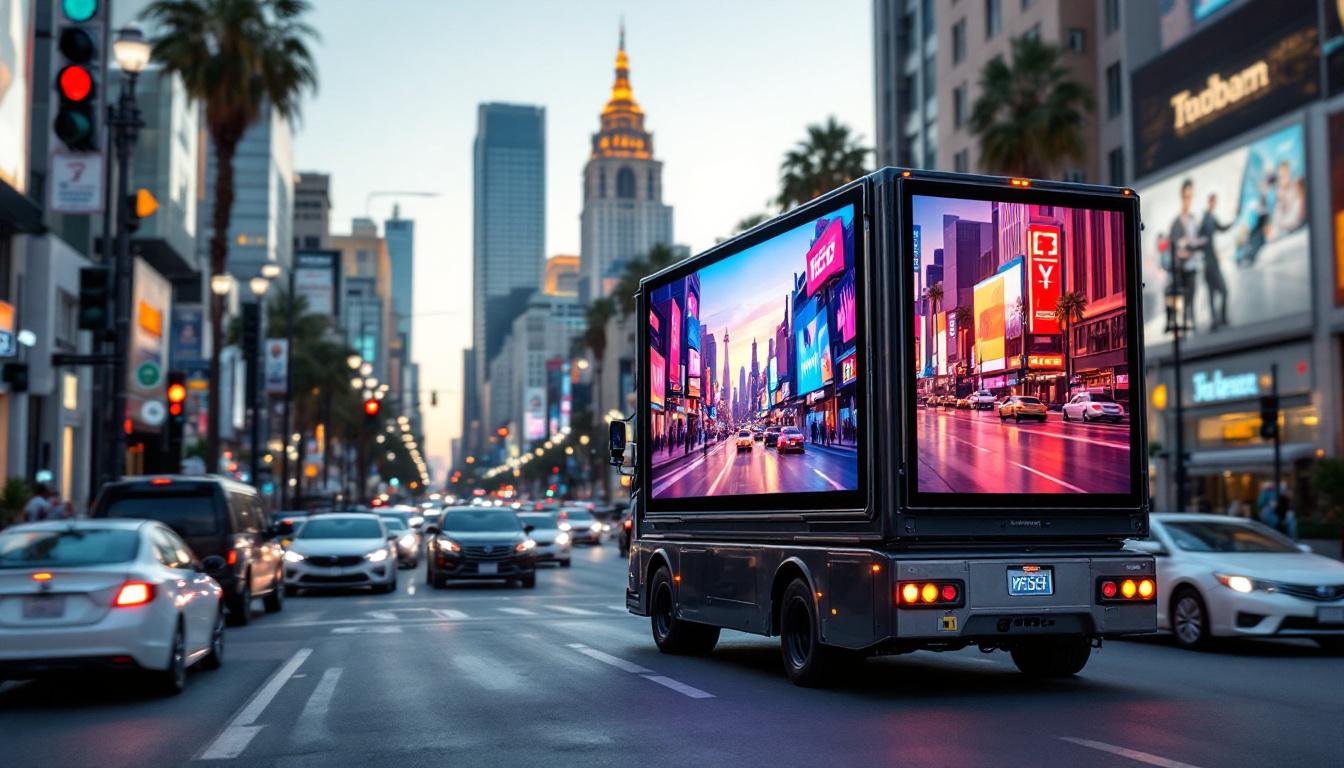
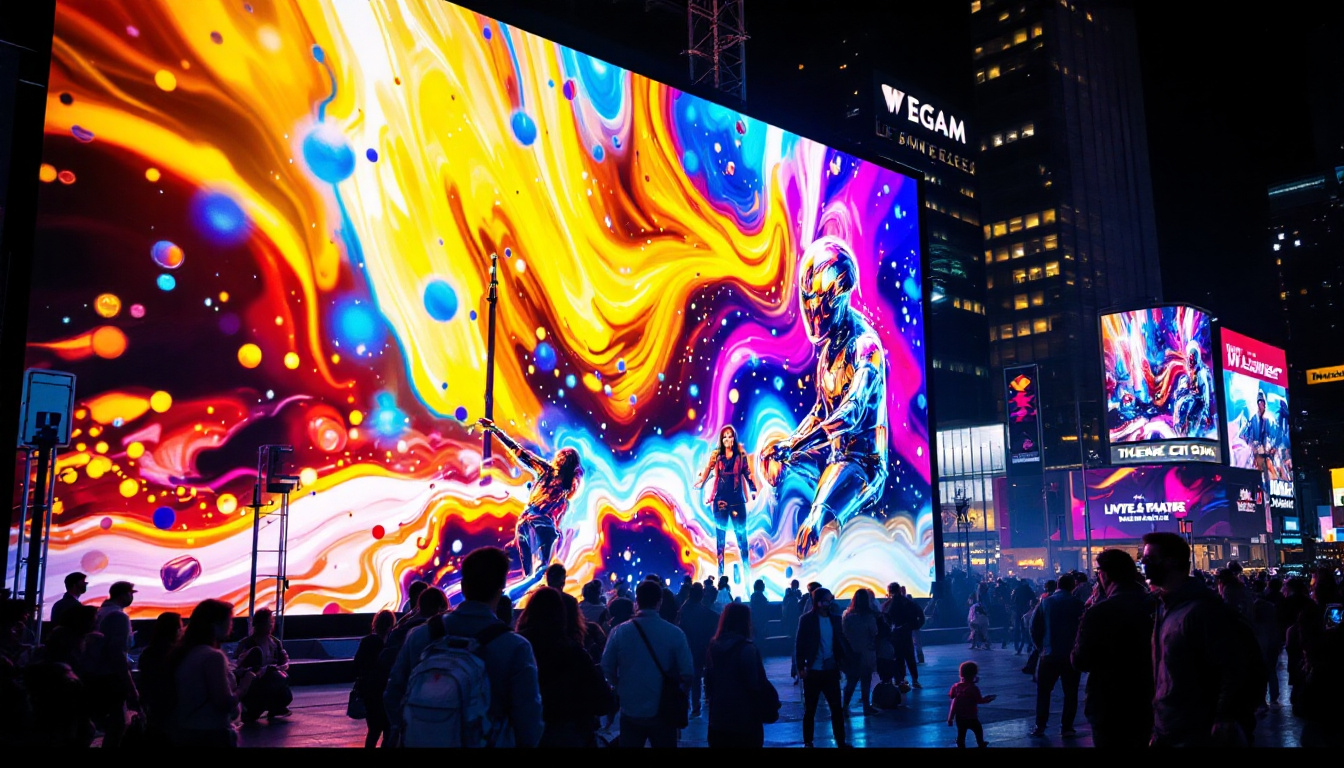
Outdoor advertising has been revolutionized by LED displays. Their high brightness and visibility make them ideal for billboards, transit shelters, and building wraps. According to a 2023 report by the Digital Signage Federation, LED-based digital signage has grown by over 15% annually worldwide, driven by demand for dynamic, eye-catching content.
LED displays enable advertisers to update messages in real-time, tailor content to specific audiences, and integrate interactive elements. This flexibility enhances engagement and improves return on investment compared to static signage.
Sports and Entertainment Venues
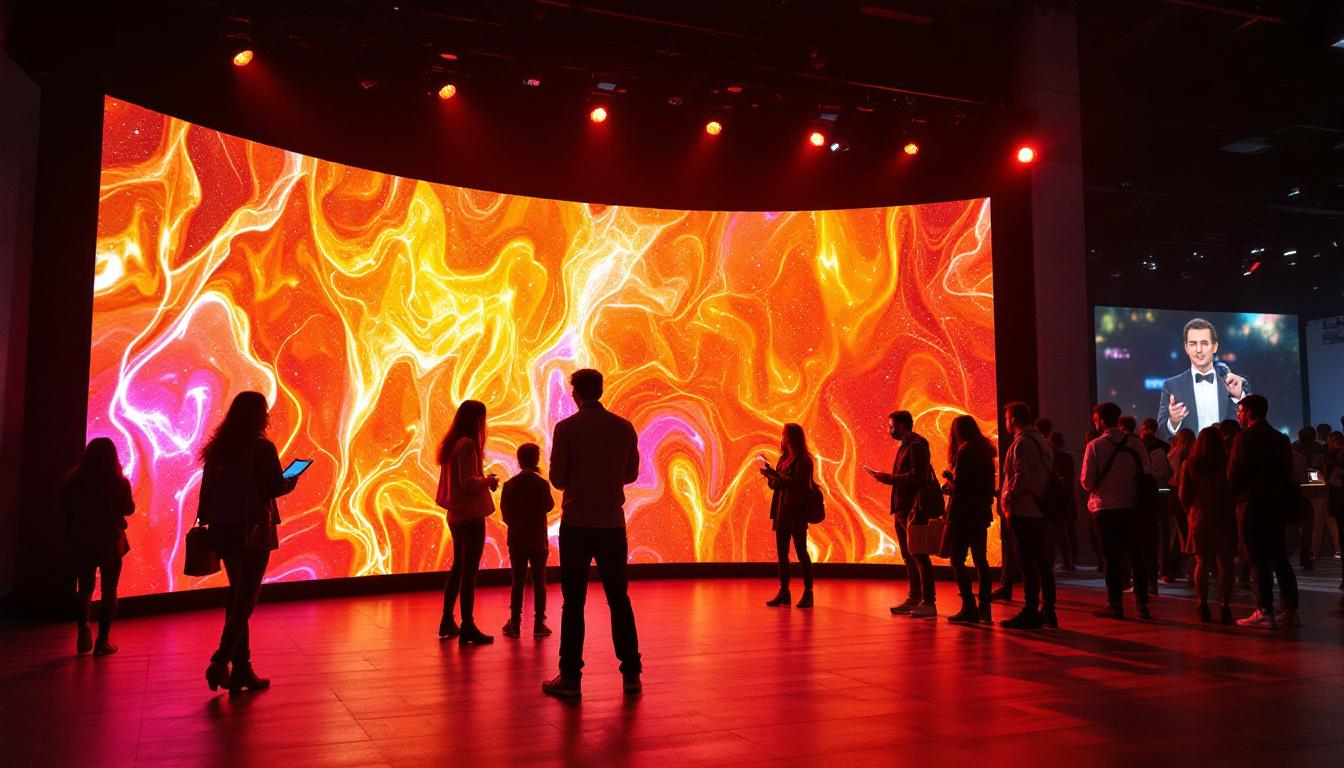
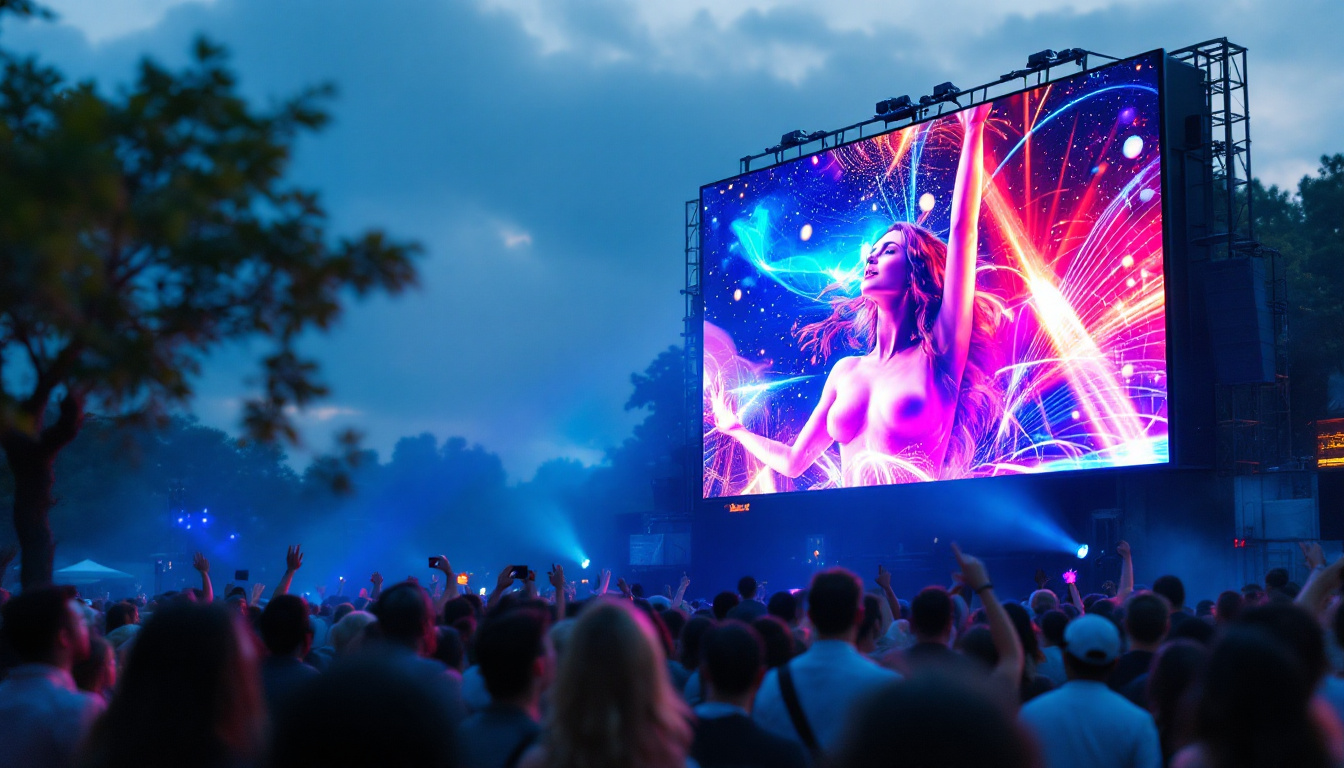
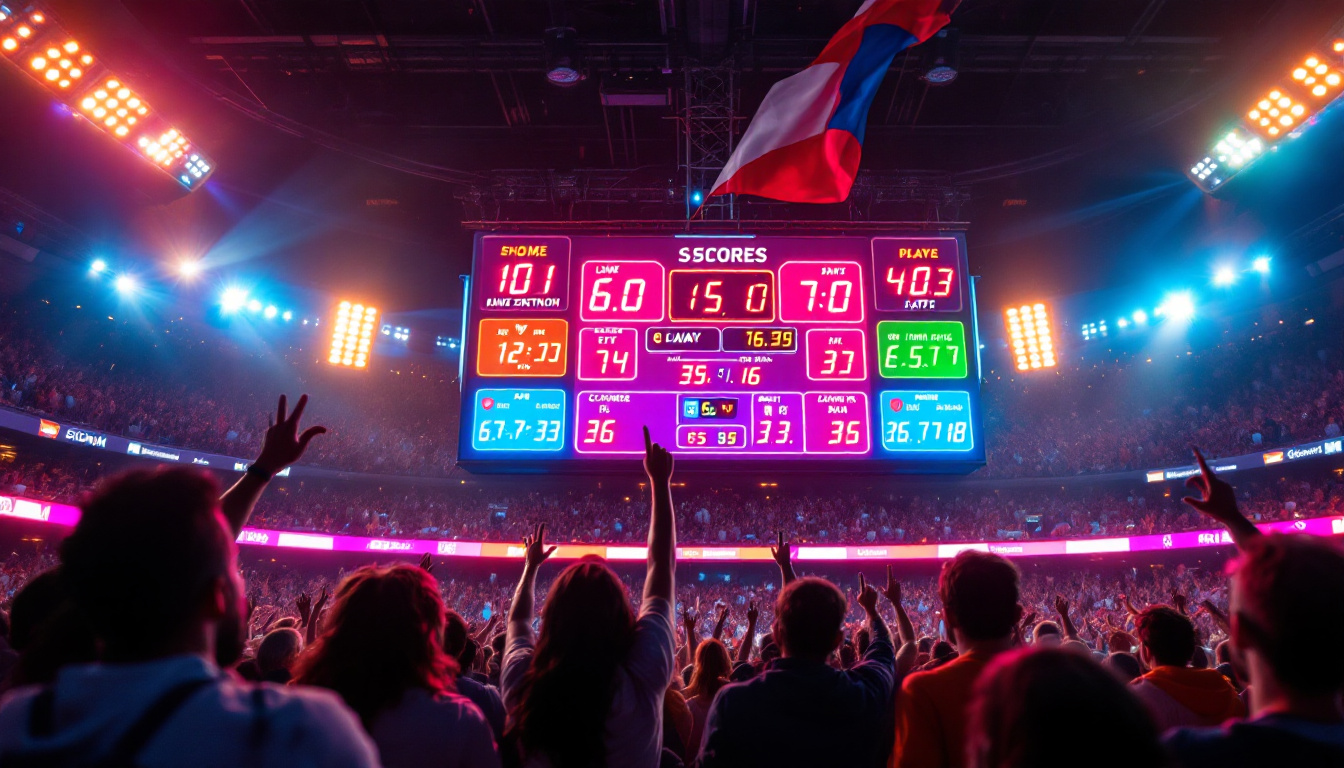
Sports arenas, concert venues, and theaters increasingly rely on LED displays to enhance the spectator experience. Large-scale LED video walls provide clear, vibrant visuals that can be seen from any seat, displaying live action, replays, scores, and advertisements.
For example, the AT&T Stadium in Texas features one of the world’s largest LED video boards, measuring 160 feet wide and 72 feet tall. This installation demonstrates the scale and impact LED technology can have in delivering immersive experiences to tens of thousands of attendees.
Corporate and Retail Environments
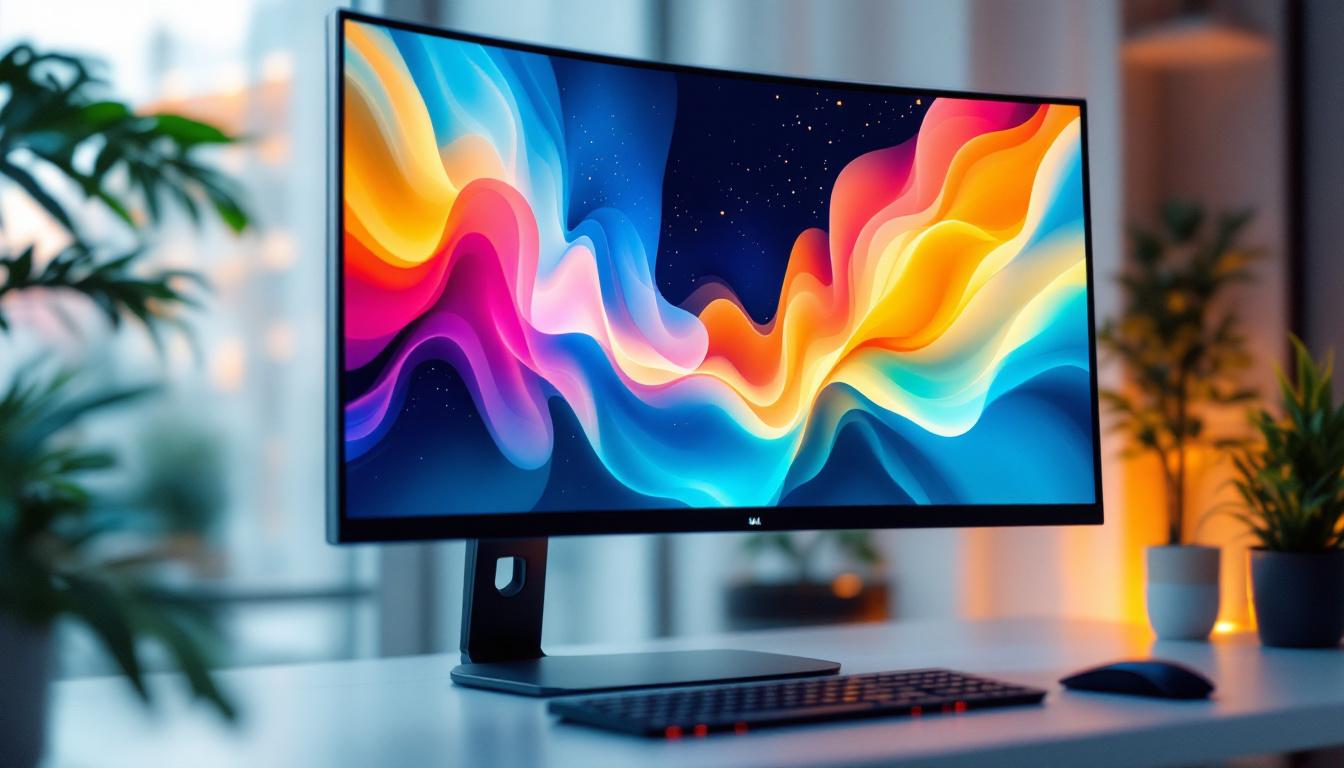
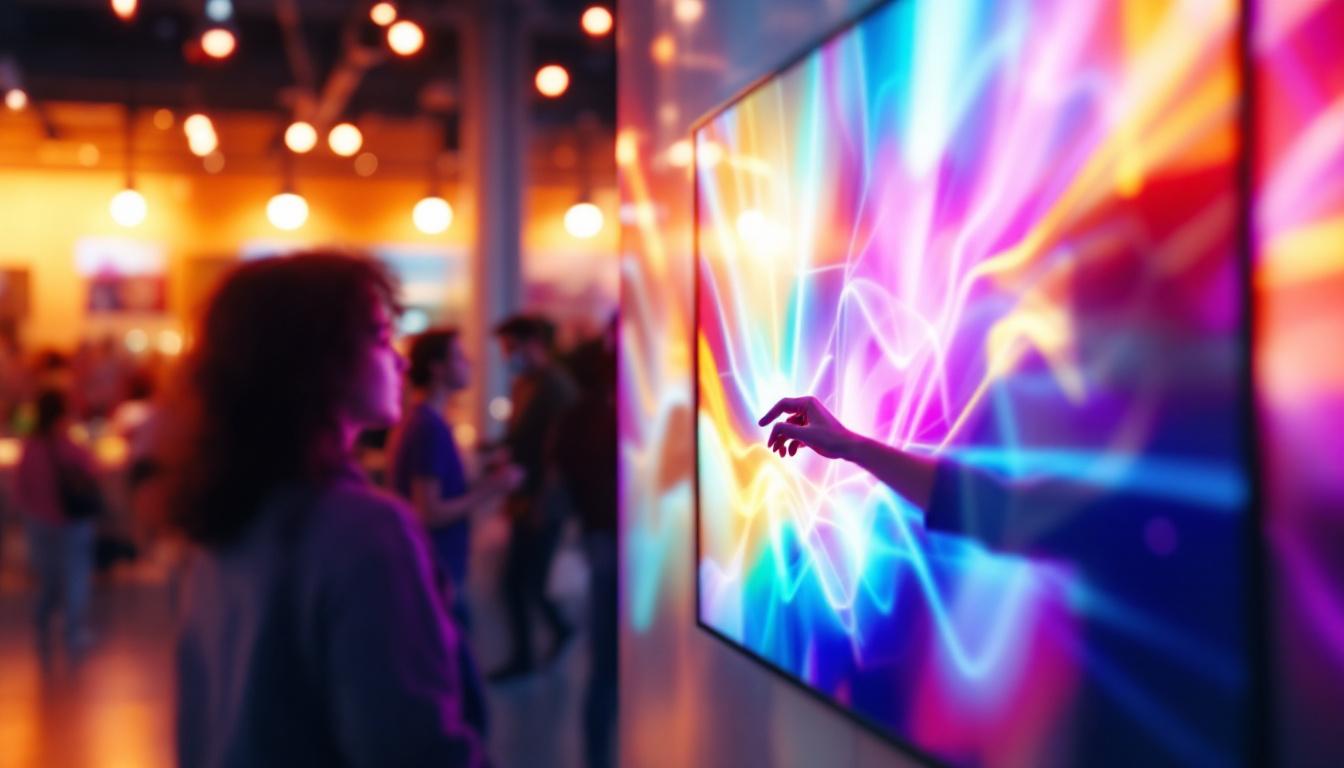
In corporate settings, LED displays are used for presentations, video conferencing, and digital branding. Their sharp image quality and reliability make them ideal for boardrooms and lobbies. Retailers use LED displays to attract customers, showcase products, and provide interactive shopping experiences.
Retail LED installations often incorporate transparent or curved LED panels, allowing for innovative store designs that blend technology seamlessly with architecture. This trend reflects the growing importance of visual merchandising in driving sales.
Transportation and Public Information
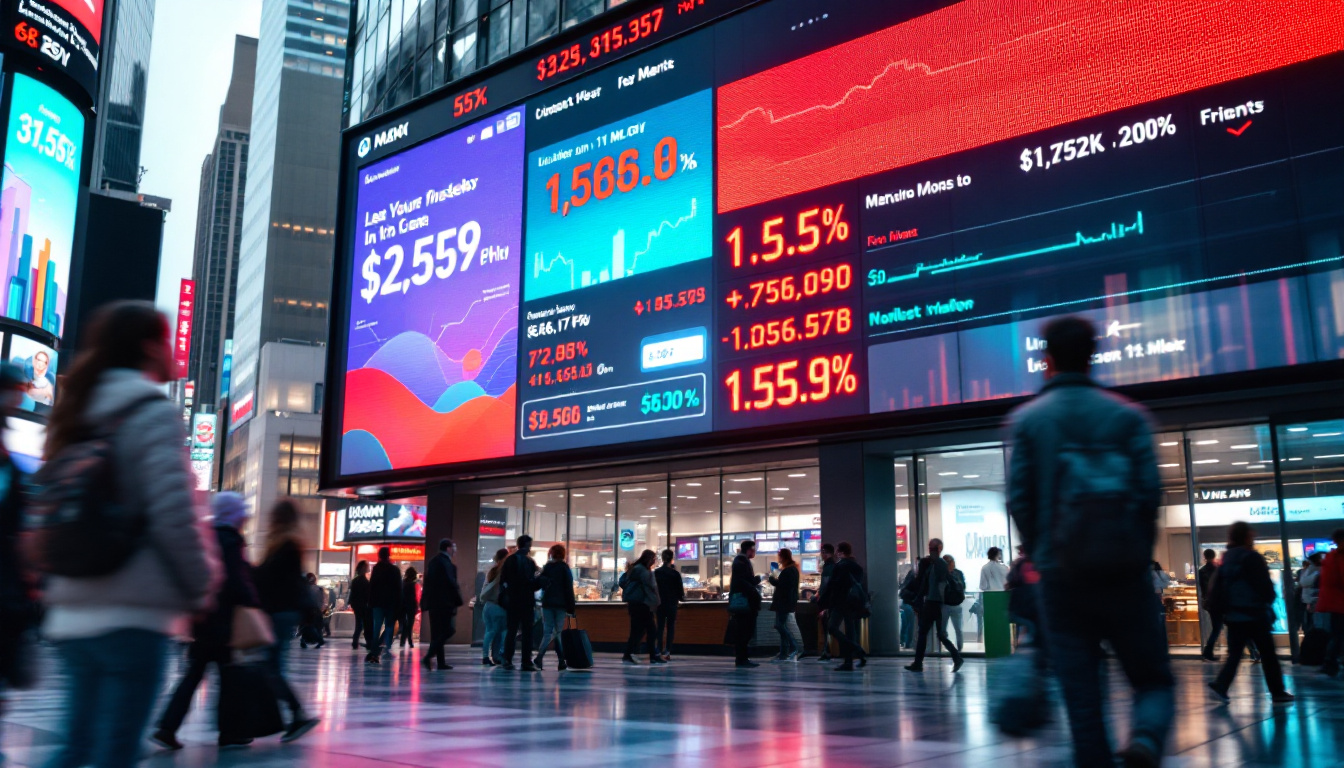
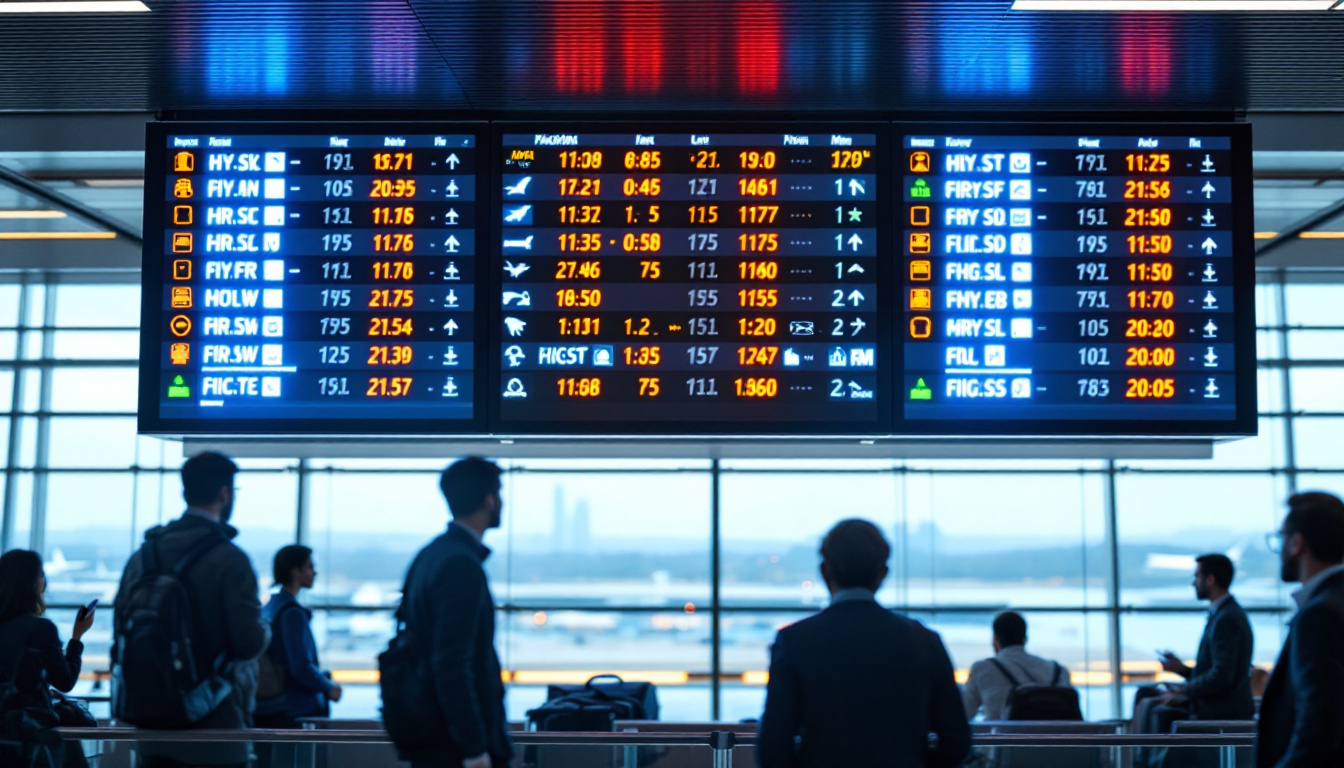
LED displays are integral to transportation hubs such as airports, train stations, and bus terminals. They provide real-time information on schedules, delays, and safety announcements. Their high visibility and durability ensure that critical messages reach travelers effectively.
Moreover, LED technology is used in traffic signals and variable message signs on highways, improving road safety and traffic management. The ability to update messages instantly allows authorities to respond quickly to changing conditions.
Future Trends and Innovations in LED Display Technology
MicroLED and MiniLED Advances
Emerging technologies like MicroLED and MiniLED are pushing the boundaries of LED display performance. MicroLED displays use microscopic LEDs to create pixels, offering even higher resolution, brightness, and energy efficiency than traditional LEDs. These displays promise to revolutionize consumer electronics, including smartphones, TVs, and augmented reality devices.
MiniLED technology, which uses smaller LEDs as backlighting for LCD panels, provides improved contrast and brightness at a lower cost than MicroLED. Both technologies are expected to become more prevalent in the coming years, expanding the applications and accessibility of LED displays.
Flexible and Transparent LED Displays
Innovations in materials and manufacturing have enabled the development of flexible and transparent LED displays. These displays can be curved, bent, or integrated into glass surfaces, opening new possibilities for design and functionality.
Transparent LED displays are being used in retail windows, automotive windshields, and architectural glass, allowing for dynamic content without obstructing views. Flexible LED panels are finding applications in wearable technology and curved digital signage, enhancing user interaction and aesthetic appeal.
Artificial Intelligence and Content Management
The integration of artificial intelligence (AI) with LED display systems is enhancing content delivery and user engagement. AI algorithms analyze audience demographics, behavior, and environmental conditions to optimize displayed content in real-time.
This smart content management improves the effectiveness of advertising campaigns, public messaging, and entertainment by ensuring that the right message reaches the right audience at the right time. As AI continues to evolve, LED displays will become even more adaptive and interactive.
Choosing the Right LED Display: Key Considerations
Pixel Pitch and Resolution
When selecting an LED display, pixel pitch is a critical factor. Smaller pixel pitches deliver higher resolution and are suitable for close viewing distances, such as indoor retail or corporate environments. Larger pixel pitches are more cost-effective for outdoor or large venue displays where viewers are farther away.
Understanding the intended viewing distance and content type helps determine the optimal pixel pitch to balance image quality and budget.
Brightness and Environmental Suitability
Assessing the lighting conditions where the display will be installed is essential. Outdoor displays require high brightness levels and robust weatherproofing, while indoor displays prioritize color accuracy and viewing angles.
Choosing displays with appropriate IP ratings and brightness specifications ensures longevity and consistent performance.
Installation and Maintenance
The complexity of installation and ease of maintenance are practical considerations. Modular LED panels that allow for quick replacement and servicing reduce downtime and operational costs.
Additionally, evaluating the support and warranty offered by manufacturers can provide peace of mind and protect the investment.
Conclusion
LED display technology has transformed the way images and information are presented across numerous sectors. Its superior brightness, color accuracy, durability, and energy efficiency make it the go-to choice for applications ranging from massive outdoor billboards to intimate corporate displays.
As innovations like MicroLED, flexible panels, and AI-driven content management continue to advance, LED displays will become even more versatile and impactful. Understanding the technology’s fundamentals and key considerations enables businesses and organizations to harness its full potential, delivering superior images that captivate and inform audiences worldwide.
Illuminate Your Space with LumenMatrix
Ready to elevate your visual communication with superior LED display technology? LumenMatrix offers a vast array of innovative solutions tailored to your needs. From Indoor and Outdoor LED Wall Displays to specialized options like Vehicle, Sports, and Floor LED Displays, our products are designed to captivate and engage your audience. Embrace the future with Custom, All-in-One, and LED Transparent Displays that set your brand apart. Experience the revolution in digital signage and make a lasting impact. Check out LumenMatrix LED Display Solutions today and transform your visual storytelling.