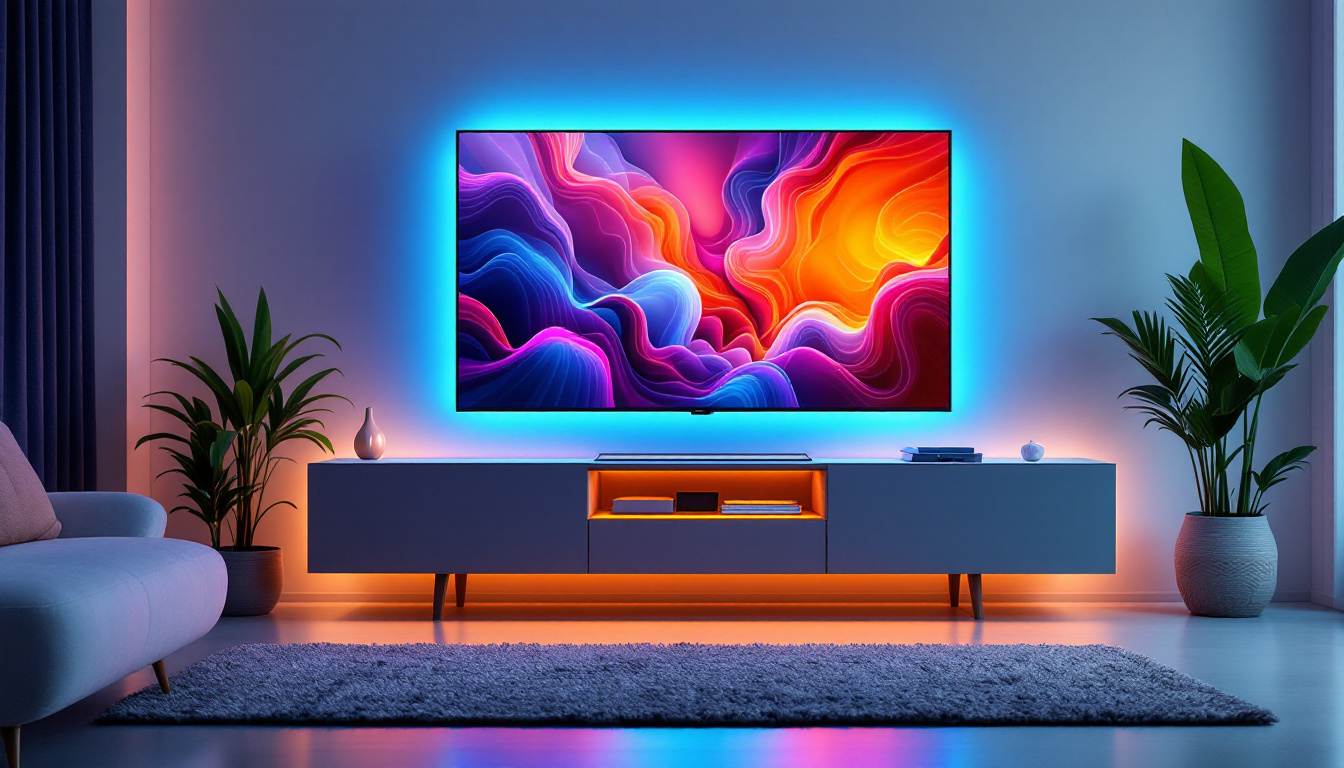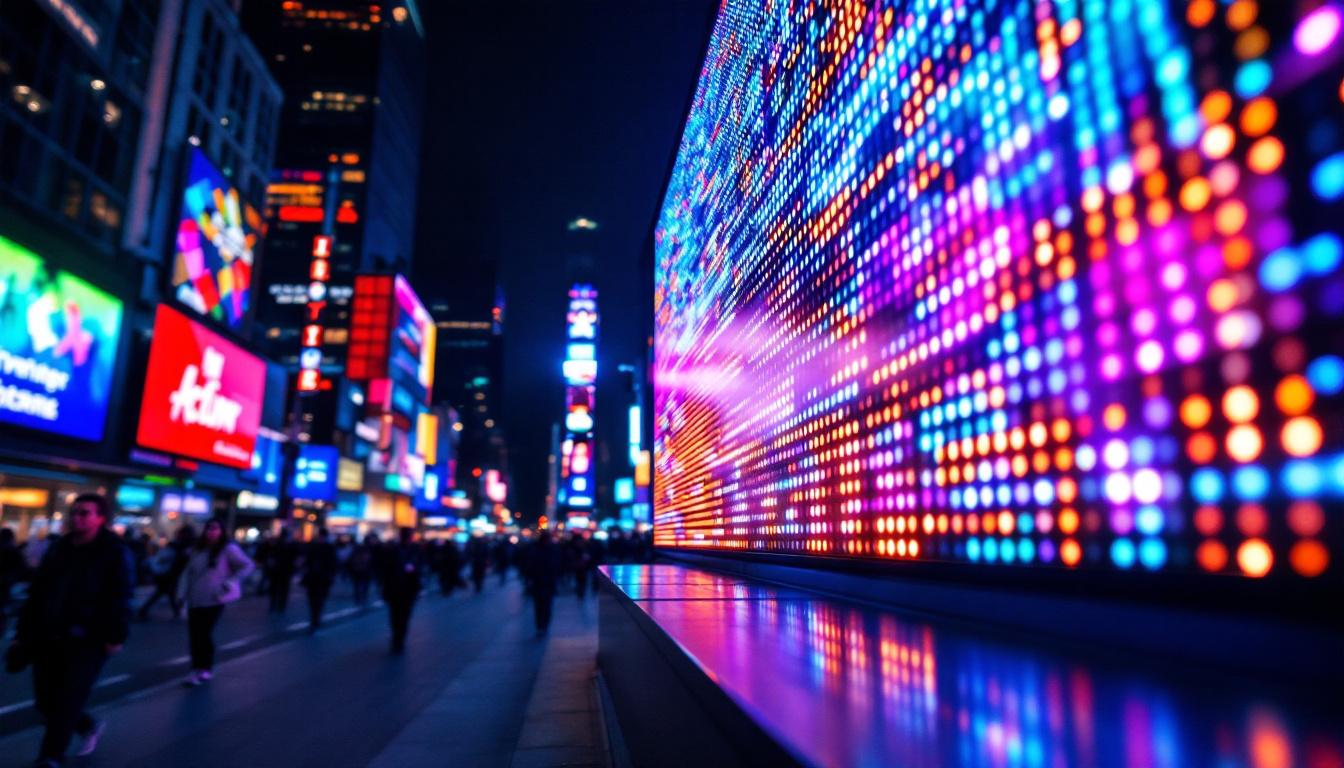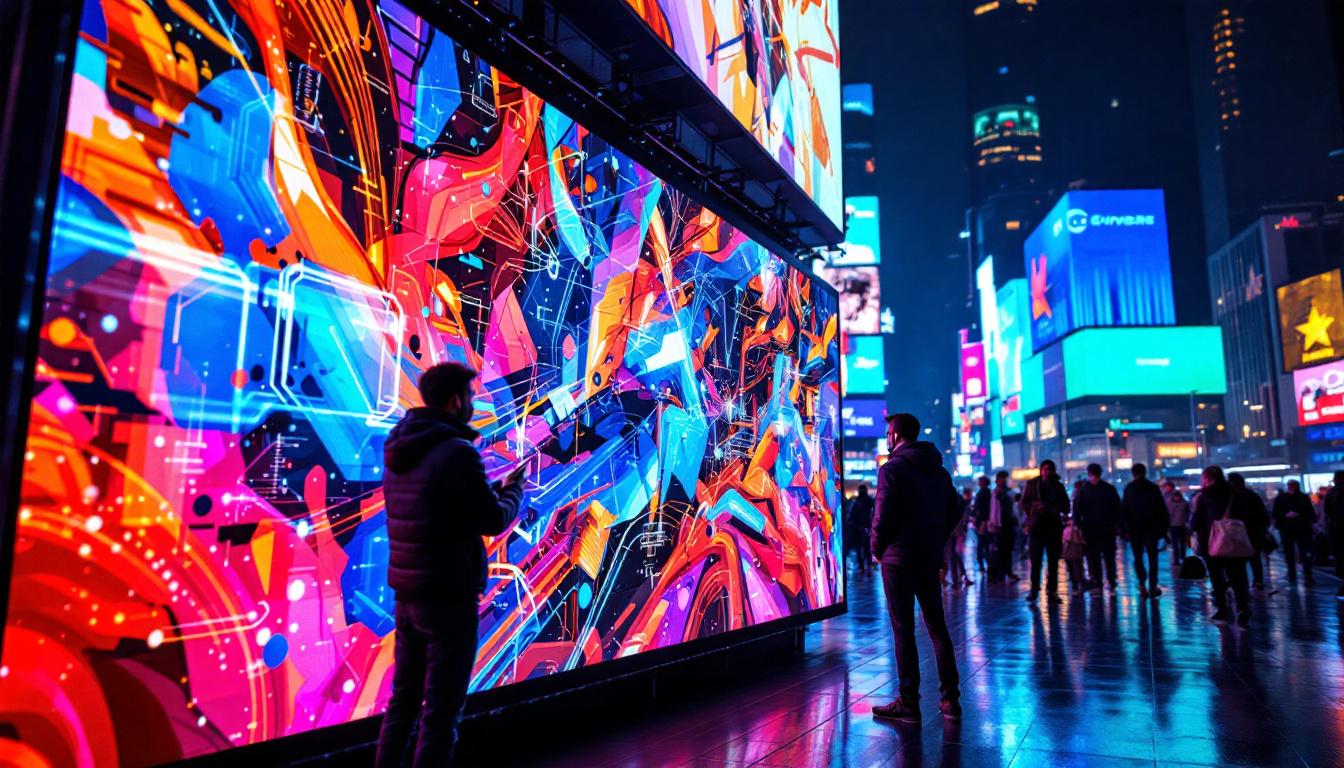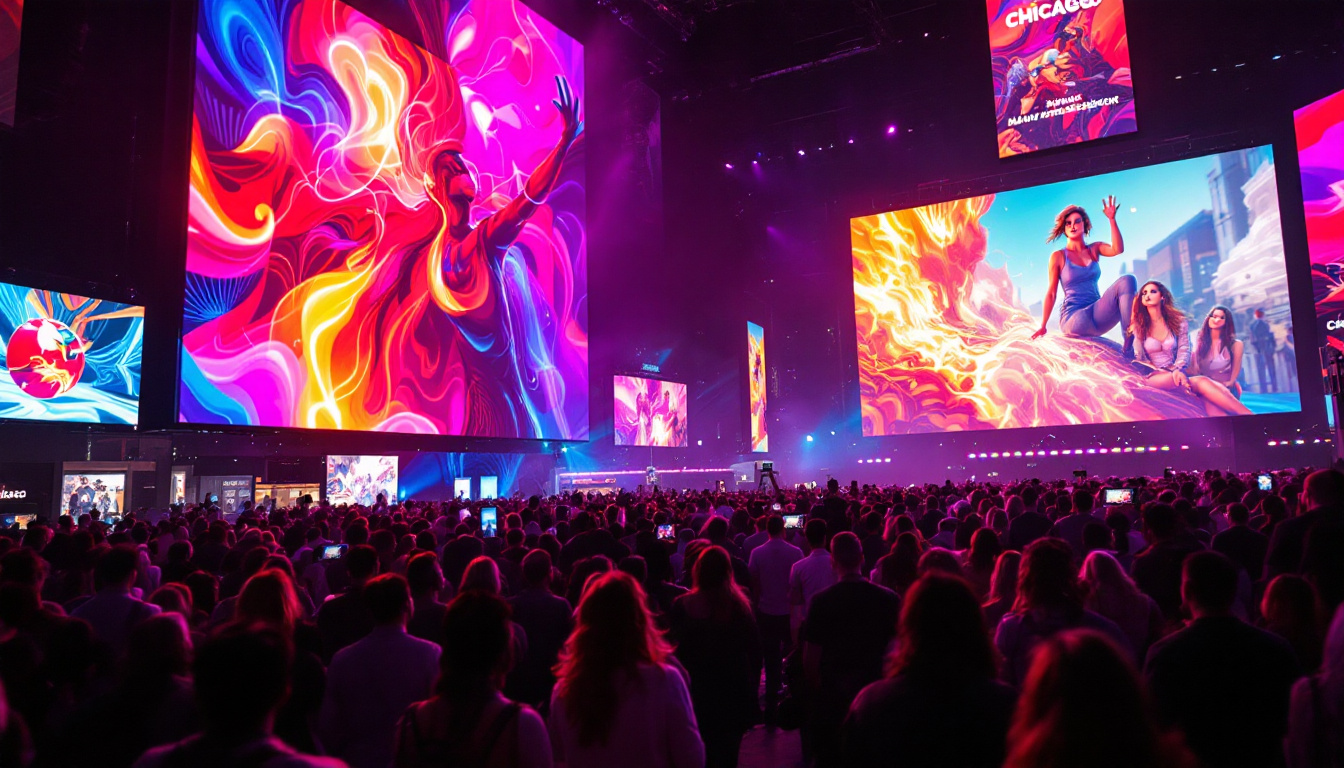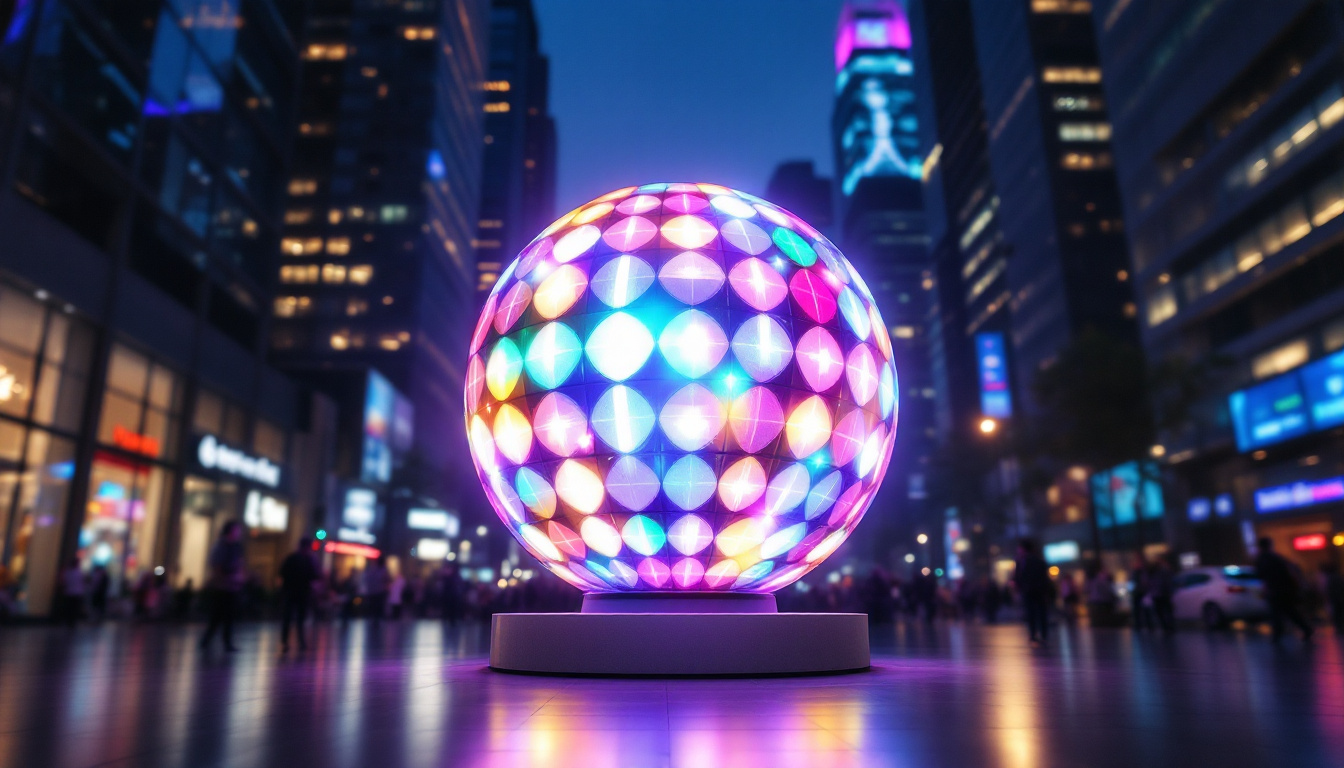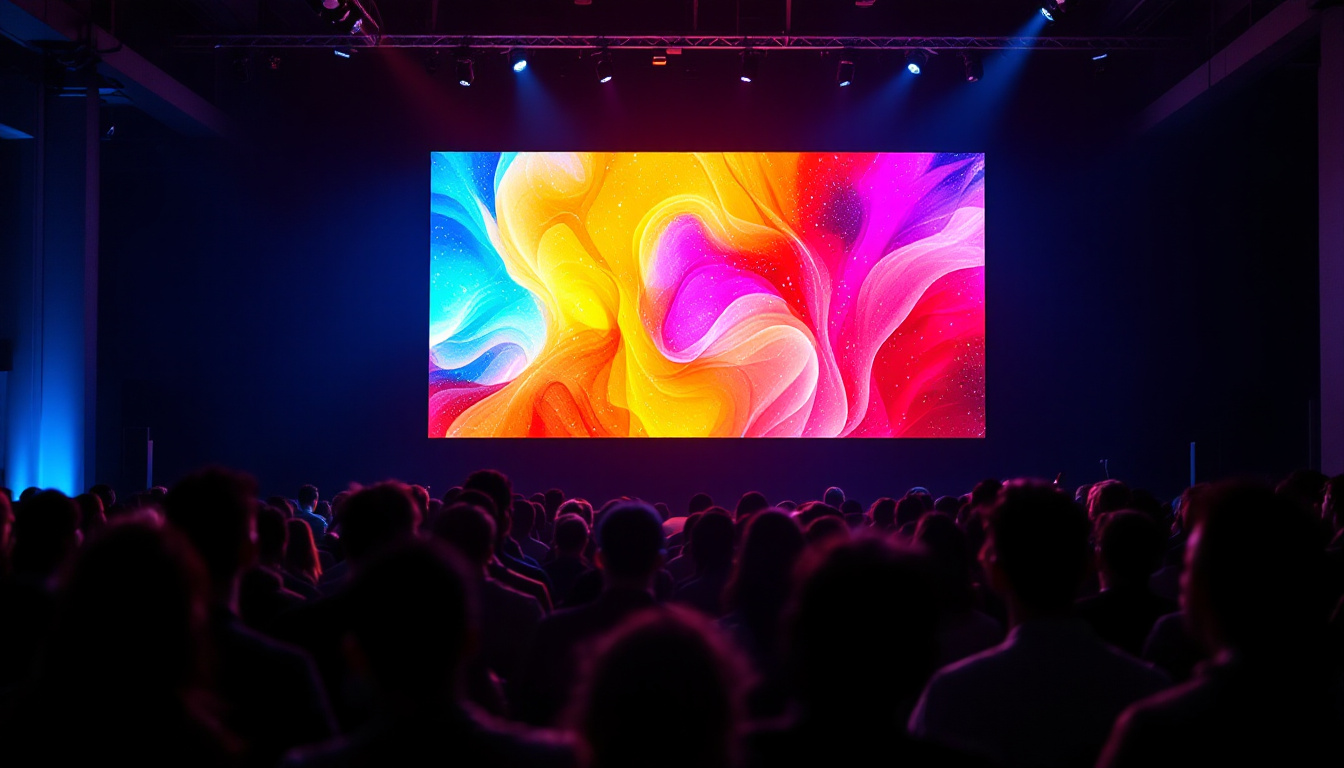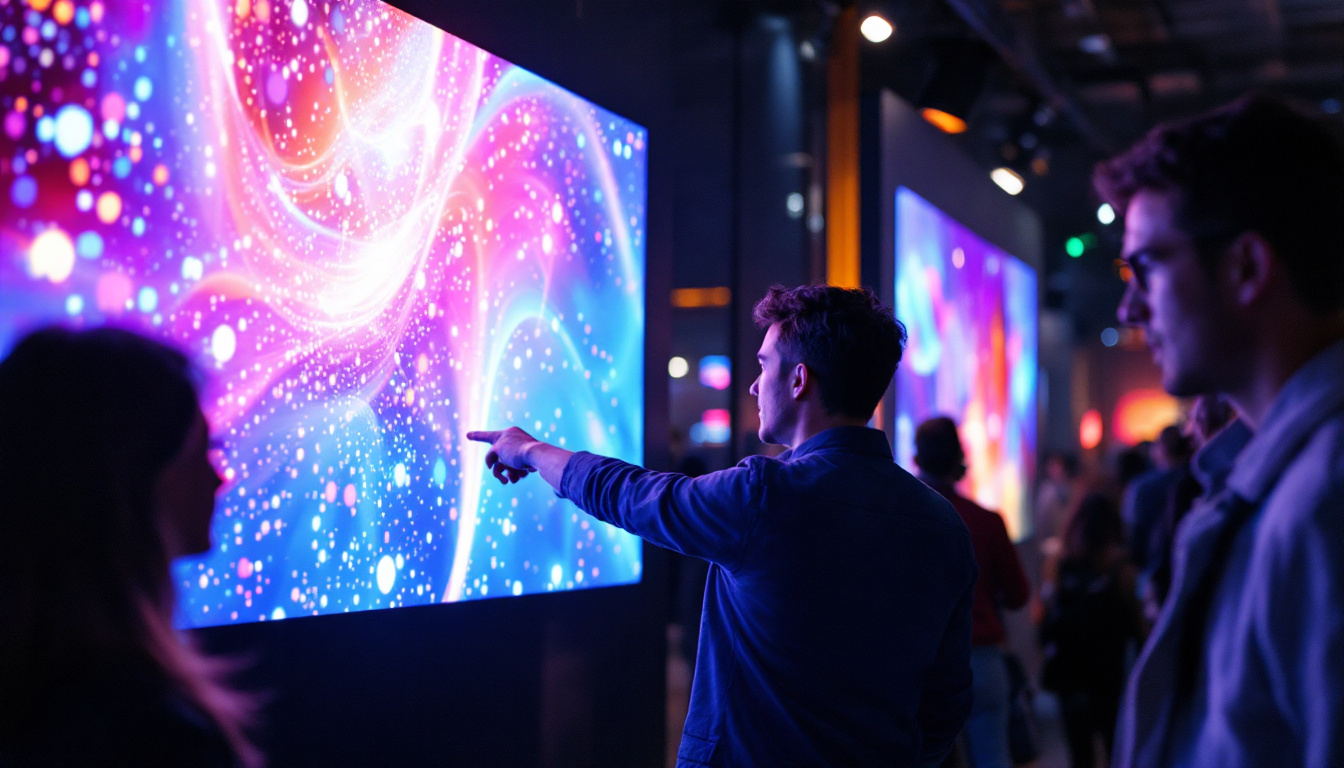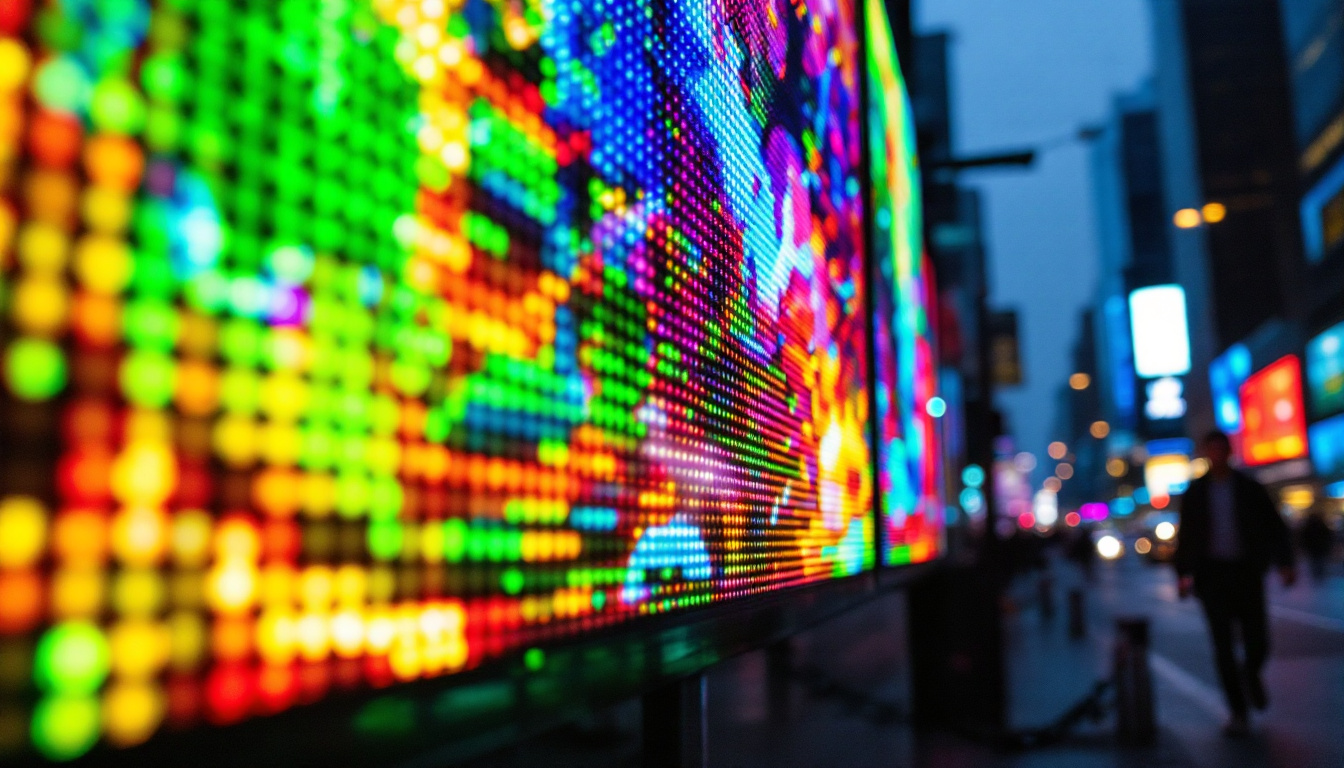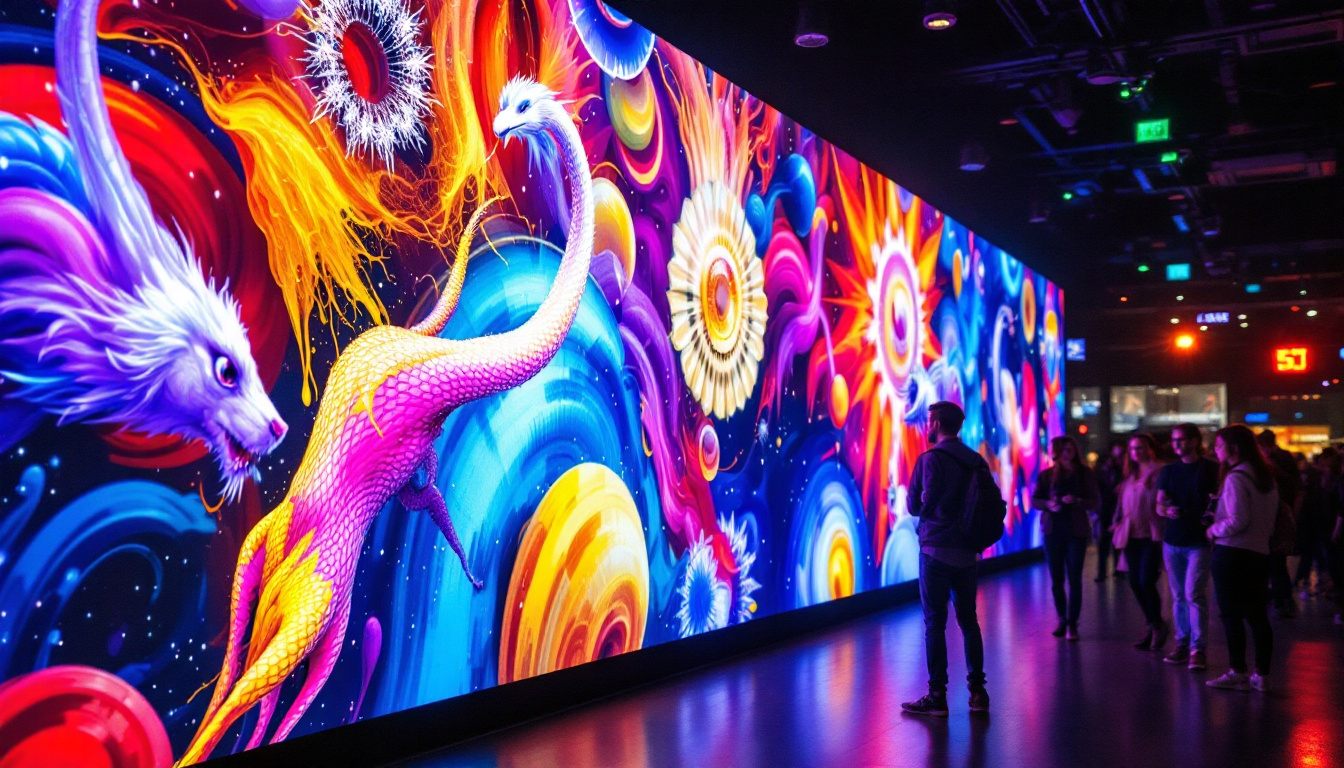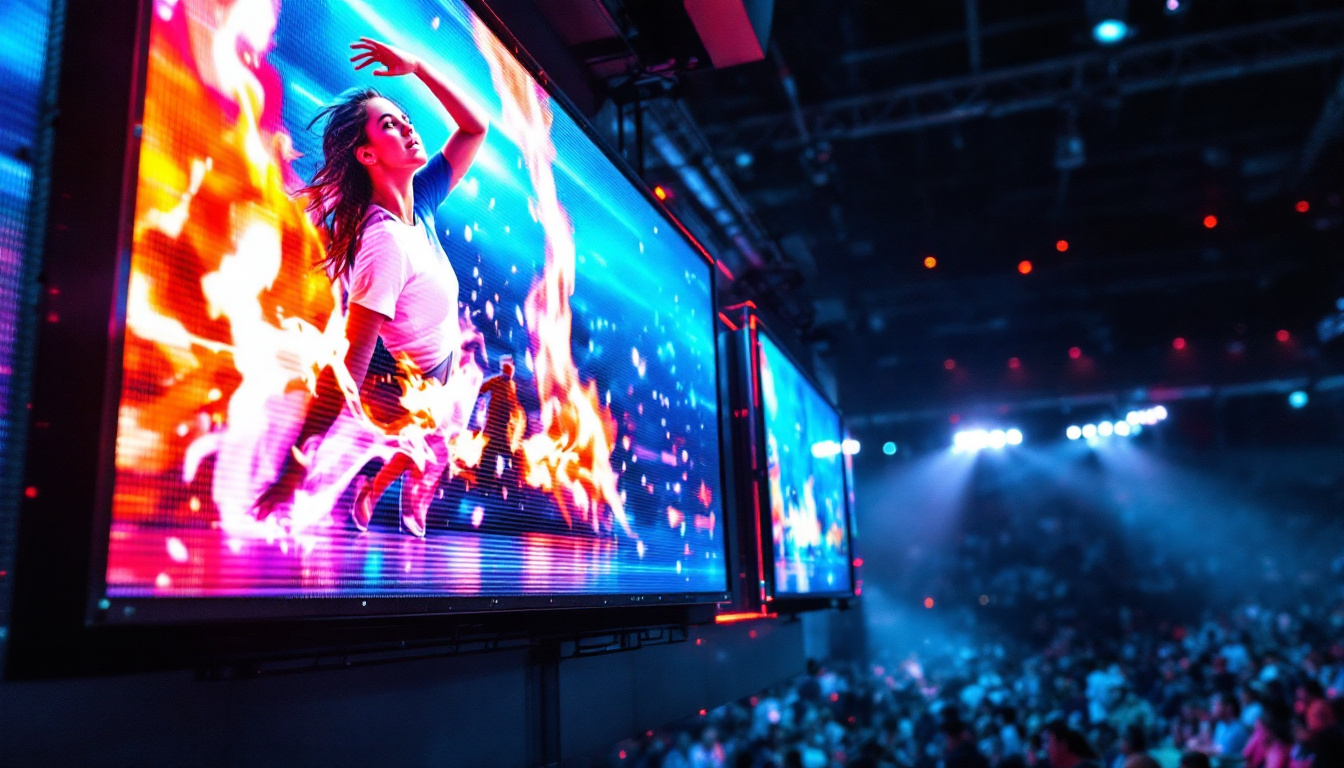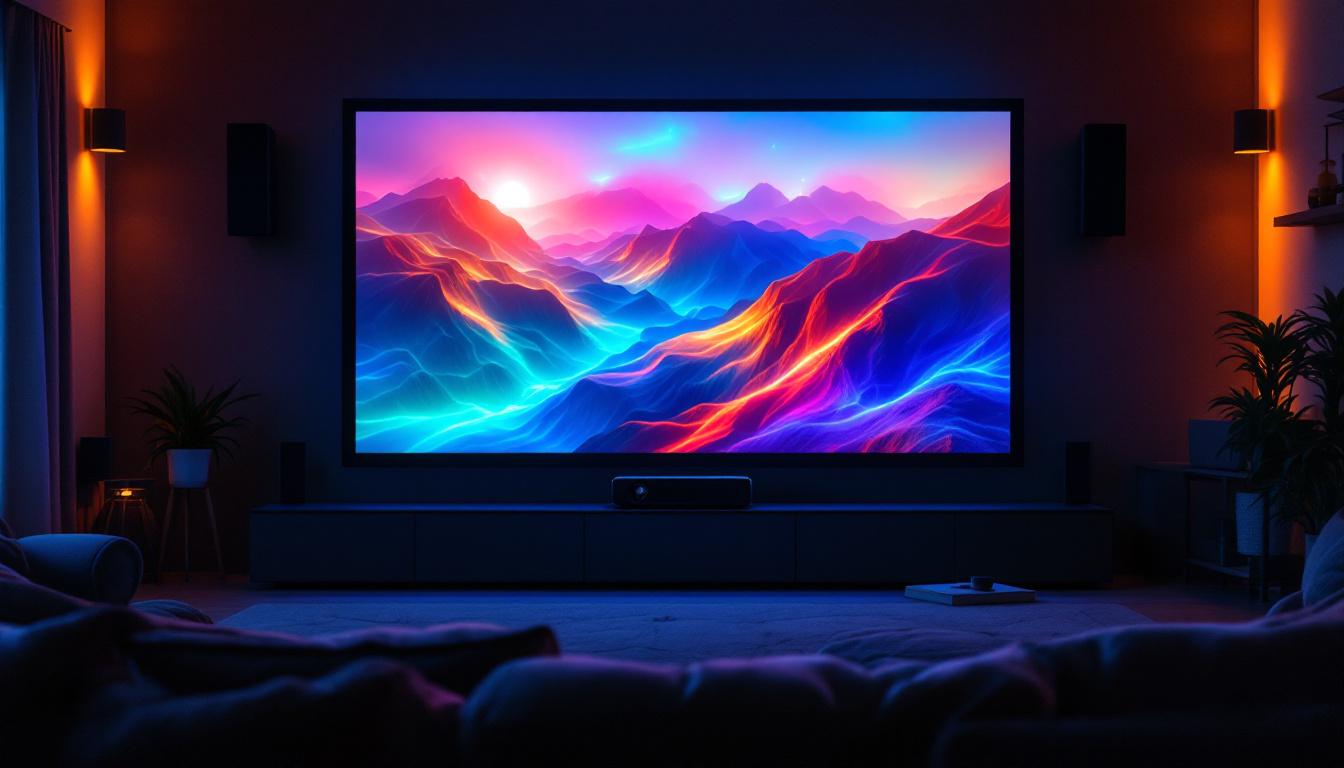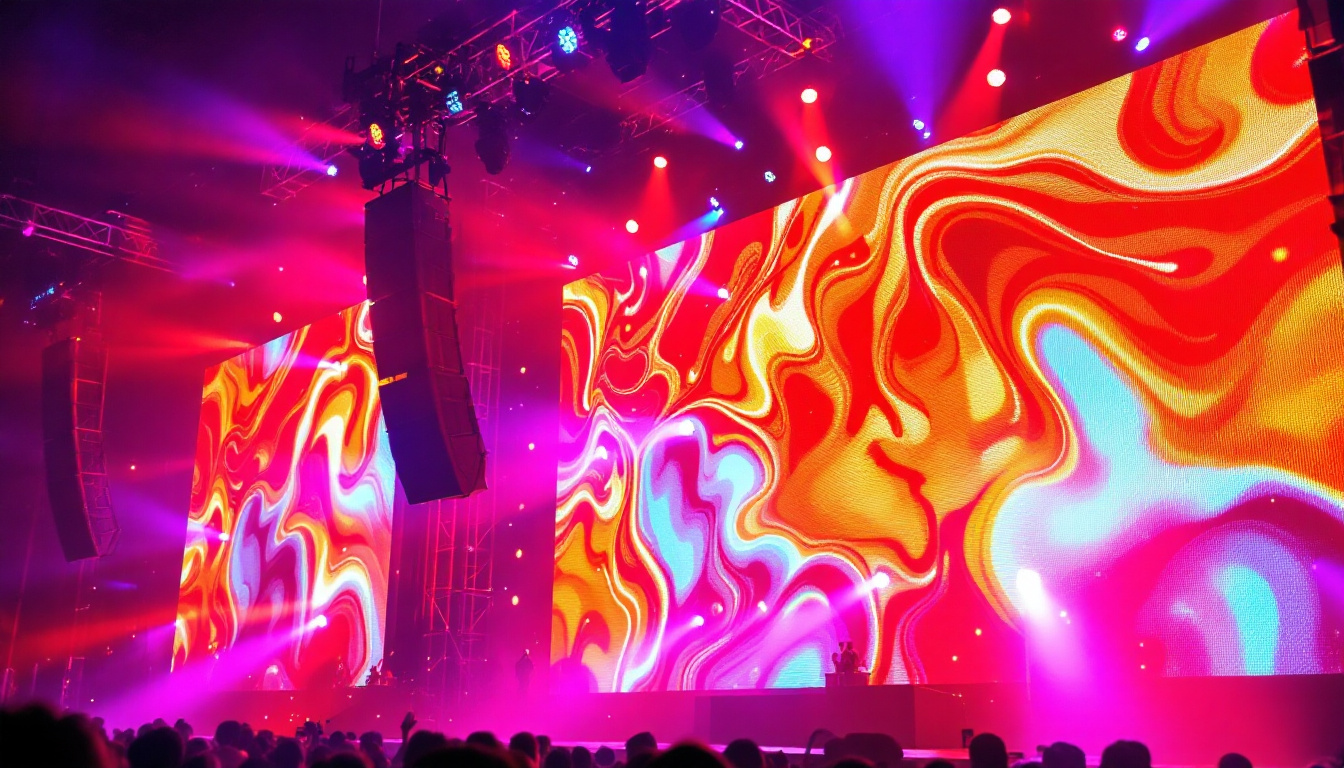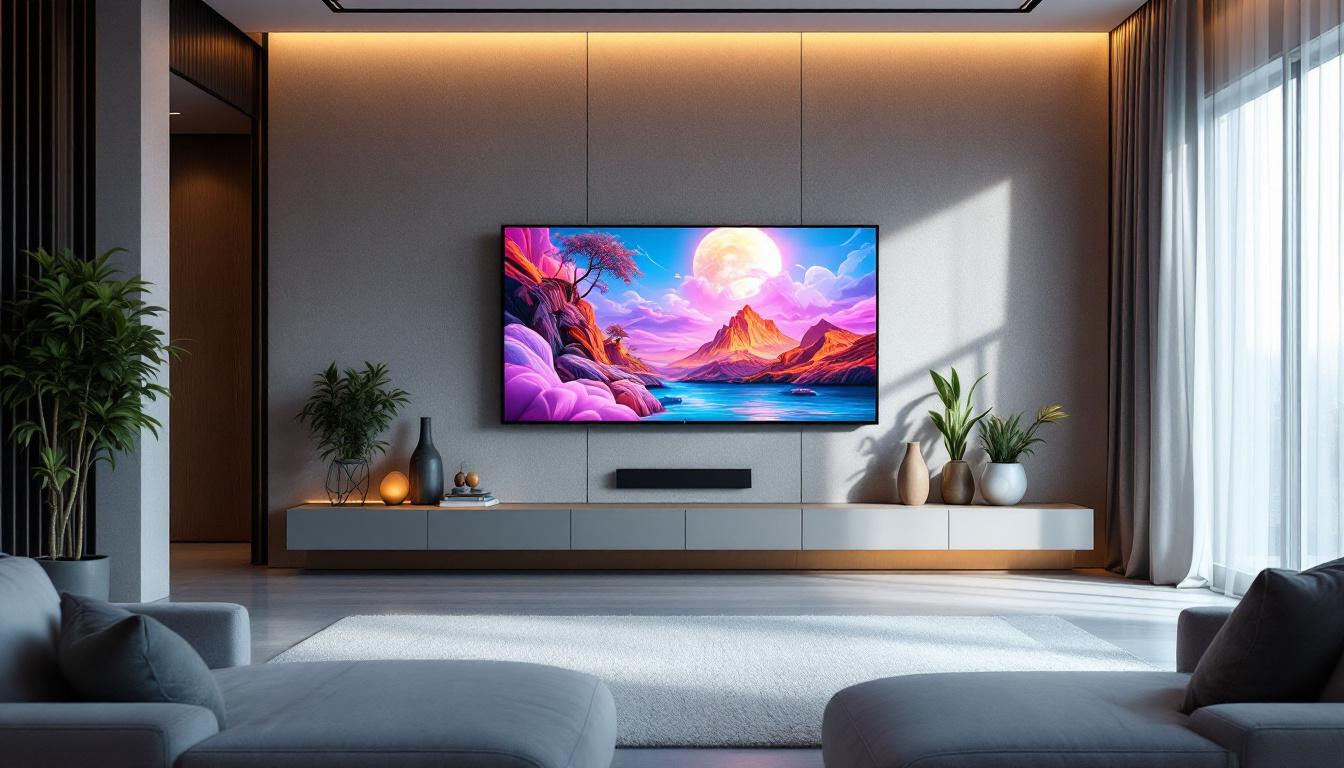
In the evolving world of home entertainment and commercial display solutions, custom TV wall designs featuring LED displays have become increasingly popular. These installations combine cutting-edge technology with aesthetic appeal, transforming ordinary walls into dynamic visual experiences. Whether for a corporate lobby, retail environment, or luxury home theater, understanding the fundamentals of LED displays and how they integrate into custom TV wall designs is essential for making informed decisions.
Understanding LED Display Technology
LED, or Light Emitting Diode, technology has revolutionized the way images and videos are displayed. Unlike traditional LCD or plasma screens, LED displays use an array of tiny diodes that emit light when an electric current passes through them. This technology offers several advantages, including superior brightness, color accuracy, and energy efficiency.
LED displays can be categorized primarily into two types: direct-view LED and LED-backlit LCD. Direct-view LED screens consist entirely of light-emitting diodes that form the image, making them ideal for large-scale video walls. In contrast, LED-backlit LCDs use LEDs as a backlight behind an LCD panel, common in consumer televisions but less flexible for custom wall designs.
One of the most compelling features of direct-view LED displays is their modularity. These displays are composed of smaller panels or modules that can be seamlessly connected to create virtually any size or shape. This flexibility is crucial for custom TV wall designs, allowing for unique configurations that fit specific architectural spaces. Additionally, the ability to create curved or irregularly shaped displays opens up new avenues for creative advertising and immersive experiences in venues ranging from museums to sports arenas.
Pixel Pitch and Resolution
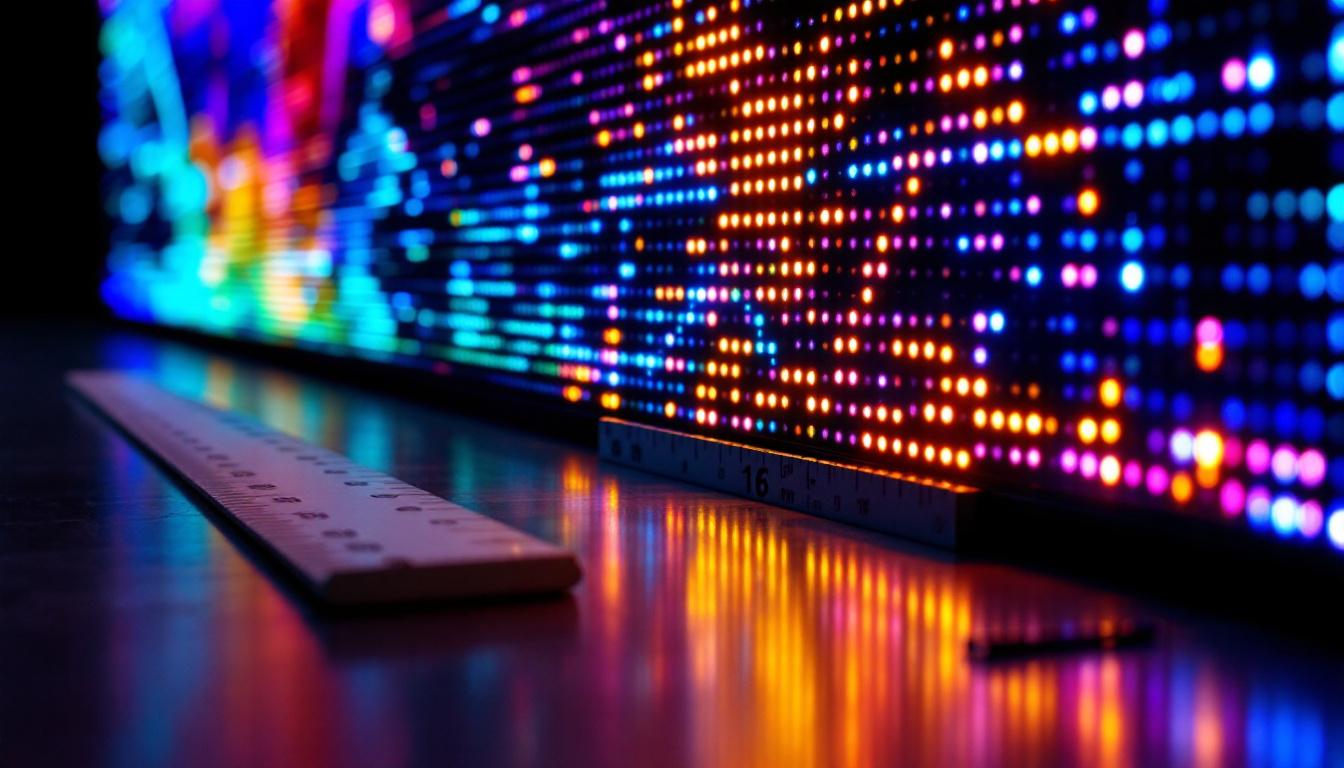
When selecting an LED display for a custom TV wall, understanding pixel pitch is critical. Pixel pitch refers to the distance between the centers of two adjacent pixels, usually measured in millimeters. A smaller pixel pitch means higher resolution and sharper images, especially important for close viewing distances.
For example, a pixel pitch of 1.2mm is suitable for indoor environments where viewers are close to the screen, such as conference rooms or home theaters. Larger pixel pitches, such as 3mm or above, are more appropriate for bigger venues or spaces where the audience is farther away, like retail stores or public lobbies. Furthermore, advancements in technology have led to the development of ultra-fine pixel pitch displays, with pitches as small as 0.5mm, providing stunning detail and clarity for high-end applications such as control rooms and broadcast studios.
Another important consideration is the refresh rate of LED displays, which affects how smoothly motion is rendered. A higher refresh rate reduces motion blur, making it essential for applications that involve fast-moving content, such as sports broadcasts or dynamic advertising. Coupled with high dynamic range (HDR) capabilities, modern LED displays can produce vibrant colors and deep contrasts, enhancing the overall viewing experience. As a result, businesses and venues are increasingly investing in these displays to captivate audiences and convey their messages more effectively.
Designing a Custom TV Wall with LED Displays
Creating a custom TV wall involves more than just selecting an LED panel. It requires careful planning around the room’s dimensions, viewing angles, ambient lighting, and integration with existing technology. The goal is to design a display that not only looks stunning but also functions seamlessly within its environment.
Space and Layout Considerations
One of the first steps in designing a custom LED TV wall is assessing the available wall space and how the display will fit within it. Unlike standard TVs, LED video walls can be configured in various shapes and sizes—from a simple rectangular array to more creative designs like curved or irregular shapes.
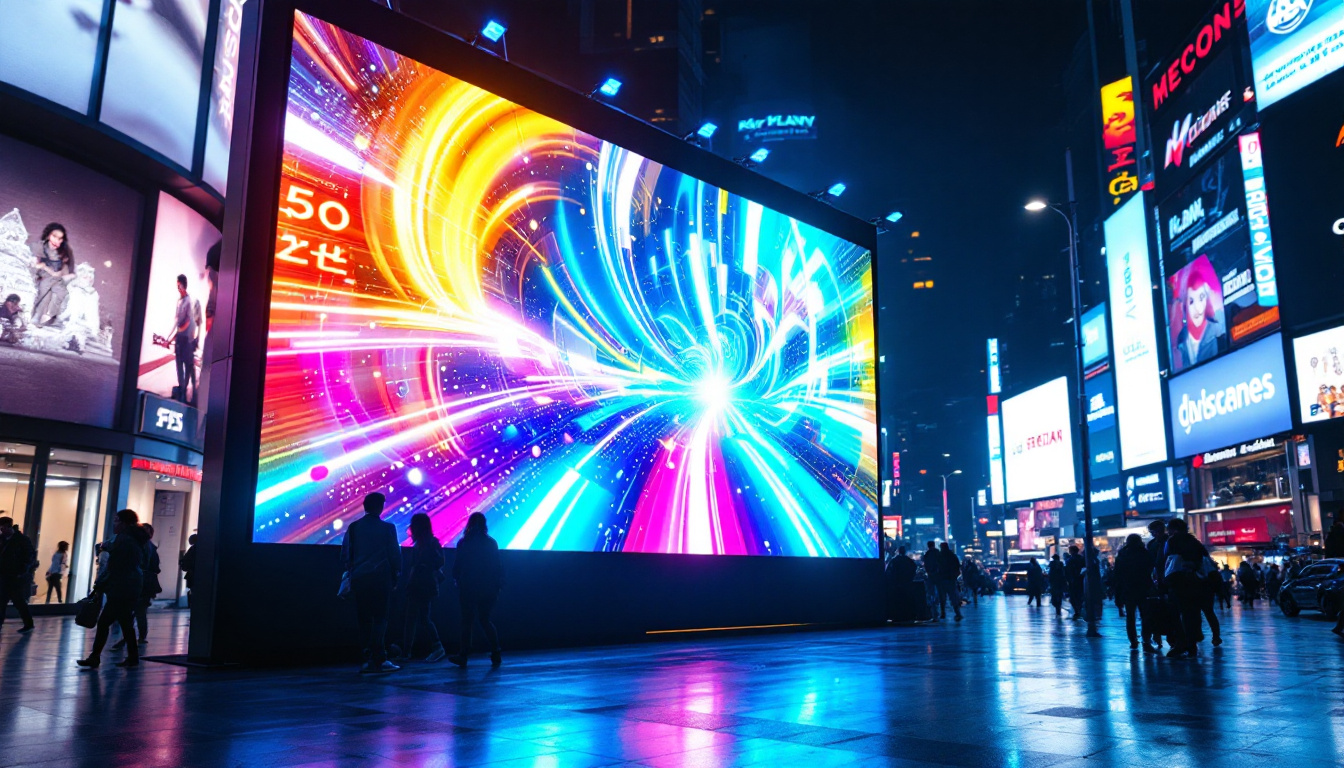
For instance, a corporate lobby might benefit from a large rectangular video wall that showcases branding and promotional content, while a high-end home theater might incorporate a curved LED wall to enhance immersion. The layout should also consider sightlines and optimal viewing distances to ensure the content is clear and engaging from all angles.
Ambient Lighting and Brightness
LED displays are known for their brightness, which can range from 600 nits for indoor use up to 5,000 nits or more for outdoor applications. However, the ambient lighting conditions of the installation space play a significant role in determining the appropriate brightness level.
In brightly lit environments such as retail stores or airports, higher brightness levels are necessary to maintain image clarity and vibrancy. Conversely, in dimmer settings like home theaters or conference rooms, excessive brightness can cause eye strain and reduce viewing comfort. Many modern LED displays offer adjustable brightness settings and ambient light sensors to optimize performance automatically.
Benefits of Custom LED TV Walls
Custom LED TV walls offer a range of benefits that make them a preferred choice for both commercial and residential applications. These advantages go beyond just aesthetics, impacting functionality, user experience, and long-term value.
Enhanced Visual Impact
The most obvious benefit of LED video walls is their ability to deliver stunning visuals. With vibrant colors, deep blacks, and high contrast ratios, LED displays create immersive viewing experiences that captivate audiences. This visual impact is invaluable for businesses aiming to attract customers or convey powerful messages.
For example, retail environments using LED walls have reported up to a 30% increase in customer engagement and sales, according to industry studies. The dynamic content capabilities also allow for real-time updates, promotions, and interactive experiences that traditional signage cannot match.
Scalability and Flexibility
Custom LED TV walls can be scaled up or down to fit any space and purpose. Whether it’s a single large display or a multi-screen mosaic, the modular nature of LED technology allows for easy expansion or reconfiguration. This flexibility is particularly beneficial for businesses that may need to adapt their visual communications over time.
Additionally, LED displays can be designed to fit unique architectural features, such as wrapping around corners or integrating into curved walls, providing design freedom that conventional TVs cannot offer.
Durability and Longevity
LED technology is known for its durability and long lifespan. High-quality LED panels typically have a lifespan of 50,000 to 100,000 hours, significantly outlasting traditional display technologies. This longevity translates into lower maintenance costs and less frequent replacements, making LED video walls a cost-effective investment over time.
Moreover, LED displays are less susceptible to burn-in and image retention issues, which can plague OLED and plasma screens, especially in commercial settings with static content.
Installation and Maintenance Considerations
While custom LED TV walls offer numerous benefits, their installation and maintenance require professional expertise to ensure optimal performance and longevity.
Professional Installation
Due to the complexity and size of LED video walls, professional installation is highly recommended. Experts can handle the precise alignment of modules, electrical wiring, cooling systems, and integration with content management systems. Proper installation ensures seamless image quality and prevents issues such as dead pixels or uneven brightness.
Additionally, installers will assess structural support requirements to safely mount the heavy LED panels, especially for large-scale walls.
Content Management and Control
Custom LED walls typically require specialized software to manage and schedule content. These content management systems (CMS) allow users to display multiple types of media, including videos, images, live feeds, and interactive applications. Many CMS platforms offer remote control capabilities, enabling content updates from anywhere in the world.
For businesses, this flexibility means campaigns can be updated in real-time to reflect promotions or events, maximizing the display’s effectiveness.
Routine Maintenance
Regular maintenance is essential to keep LED video walls functioning at their best. This includes cleaning the panels to remove dust and debris, checking electrical connections, and monitoring for any malfunctioning modules. Many LED displays are designed with front or rear access to facilitate easy servicing without dismantling the entire wall.
Some advanced LED systems also include diagnostic tools that alert operators to potential issues before they become critical, reducing downtime and repair costs.
Future Trends in LED TV Wall Design
The LED display industry continues to innovate rapidly, with several emerging trends shaping the future of custom TV wall design.
MicroLED Technology
MicroLED is an emerging display technology that promises even greater brightness, color accuracy, and energy efficiency than current LED panels. MicroLED displays use microscopic LEDs that can be individually controlled, resulting in better contrast and faster response times.
While still in the early stages of commercial availability, MicroLED is expected to become a game-changer for custom video walls, offering unparalleled image quality and design flexibility.
Flexible and Transparent LED Displays
Flexible LED panels allow for curved, bent, or even folded displays, opening new possibilities for creative custom wall designs. Transparent LED displays, which can be installed on glass surfaces, enable unique applications such as storefront windows or glass partitions that double as digital signage.
These innovations are expanding the ways LED technology can be integrated into architectural elements, blending functionality with artistic expression.
Integration with Smart Technologies
As smart home and building automation systems become more prevalent, LED TV walls are increasingly integrated with voice control, IoT devices, and AI-powered content optimization. This integration enhances user experience by enabling seamless control and personalized content delivery based on audience demographics or environmental factors.
Conclusion
Custom TV wall designs featuring LED displays represent a powerful fusion of technology and design, capable of transforming any space into a captivating visual environment. Understanding the key aspects of LED technology, design considerations, and future trends empowers businesses and homeowners to make informed decisions that maximize impact and value.
From pixel pitch to content management, every detail matters in creating a successful LED video wall. With professional installation and maintenance, these displays offer durability, scalability, and stunning visuals that will continue to evolve with technological advancements. Whether for commercial branding or immersive home entertainment, custom LED TV walls are setting new standards in display innovation.
Discover LumenMatrix’s Innovative LED Solutions
Ready to elevate your space with a custom LED TV wall that combines aesthetic appeal with the latest technology? LumenMatrix is at the forefront of LED display innovation, offering a wide range of solutions tailored to your needs. From Indoor and Outdoor LED Wall Displays to specialized options like Vehicle, Sports, and Floor LED Displays, our products are designed to captivate and engage. Experience the future of visual communication with our All-in-One and Transparent LED Displays. Check out LumenMatrix LED Display Solutions today and transform your visual storytelling with clarity and impact.