In recent years, the convergence of display technology and interactive interfaces has transformed the way we engage with televisions. The integration of touch screen capabilities with LED displays has opened new horizons for user experience, blending visual excellence with intuitive control. This article delves into the fundamentals of LED display technology in televisions, explores how touch screen functionality is incorporated, and examines the implications for consumers and industries alike.
Understanding LED Display Technology in Televisions
What is an LED Display?
LED, or Light Emitting Diode, displays are a type of flat-panel display technology that uses an array of light-emitting diodes to create images. Unlike traditional LCD screens that rely on fluorescent backlighting, LED displays use LEDs either as a backlight or as individual pixels. This distinction results in superior brightness, contrast, and energy efficiency.
Modern LED TVs typically employ two main types of LED backlighting: edge-lit and full-array. Edge-lit LED TVs position LEDs along the edges of the screen, allowing for thinner designs but sometimes uneven lighting. Full-array LED TVs place LEDs directly behind the screen in a grid pattern, enabling localized dimming zones that enhance contrast and black levels. This technology allows for a more immersive viewing experience, particularly in dark scenes where deep blacks are essential for realism.
Additionally, advancements in LED technology have led to the development of Quantum Dot displays, which utilize nanometer-sized semiconductor particles to enhance color accuracy and brightness. This innovation has made it possible for LED TVs to produce a wider color gamut, providing viewers with richer and more vibrant images that closely mimic real-life colors. As a result, these displays are increasingly favored by filmmakers and content creators who demand high fidelity in their visual presentations.
Advantages of LED Displays Over Other Technologies
Compared to older display technologies such as plasma or CCFL-backlit LCDs, LED displays offer several advantages:
- Energy Efficiency: LEDs consume less power, contributing to lower electricity bills and reduced environmental impact.
- Brightness and Clarity: LED TVs can achieve higher brightness levels, improving visibility in well-lit environments.
- Thin and Lightweight Designs: The compact nature of LEDs allows for sleek, lightweight television designs that fit modern aesthetics.
- Longevity: LEDs have a longer lifespan compared to other backlighting methods, ensuring durability.
These benefits have propelled LED displays to dominate the television market, with global shipments exceeding 200 million units annually as of 2023. Furthermore, the rapid evolution of smart TV technology has integrated LED displays with advanced features such as 4K and 8K resolutions, HDR (High Dynamic Range), and smart connectivity options. These enhancements not only elevate the viewing experience but also cater to the growing demand for high-definition content, making LED TVs a versatile choice for consumers.
Moreover, the integration of artificial intelligence in LED TVs has led to improved picture processing capabilities, allowing for real-time adjustments to optimize image quality based on the content being viewed. This means that whether you are watching a high-octane action movie or a serene nature documentary, the TV can automatically adjust settings to provide the best possible experience. As technology continues to advance, LED displays are set to incorporate even more innovative features, ensuring their place at the forefront of television technology for years to come.
Incorporating Touch Screen Technology into LED Televisions
How Does Touch Screen Technology Work on TVs?
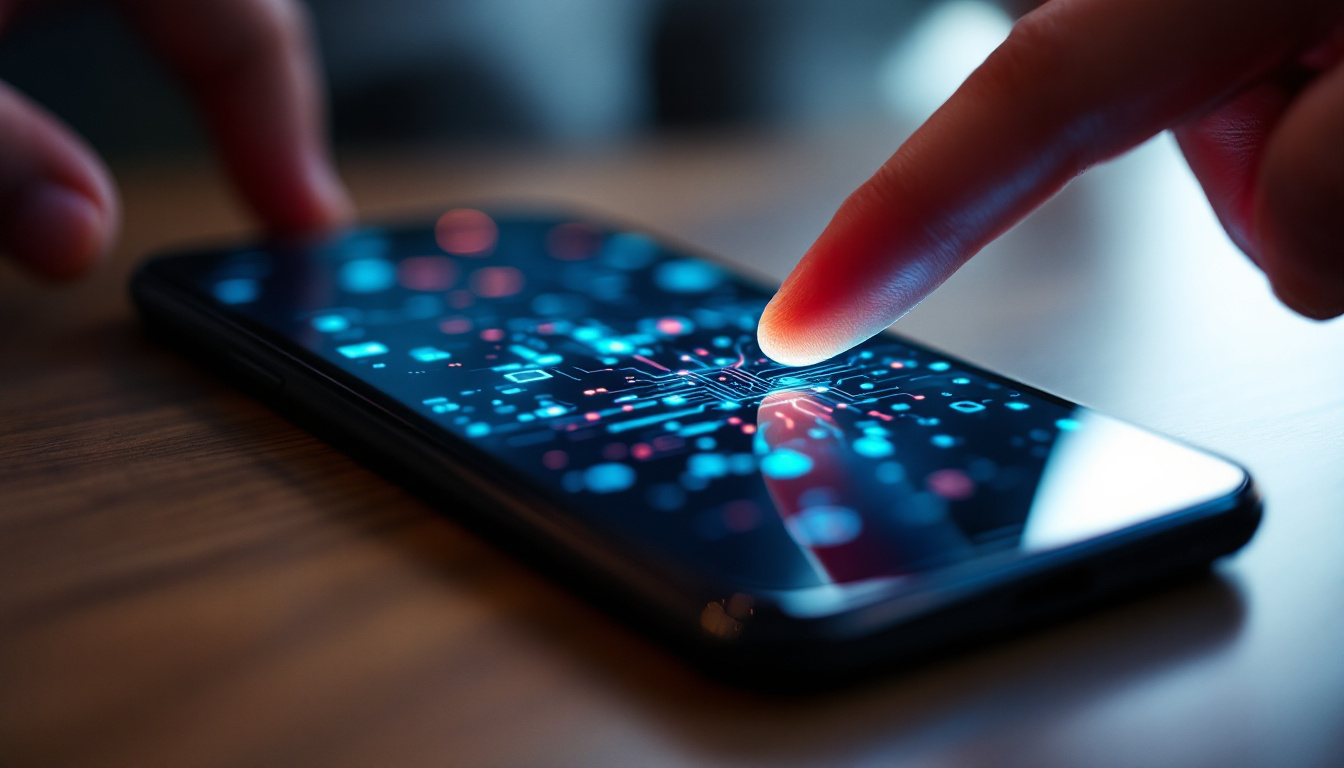
Touch screen technology on televisions enables users to interact directly with the screen using fingers or styluses, bypassing traditional remote controls. The most common touch technologies integrated into LED TVs include:
- Capacitive Touch: This technology detects changes in electrical charge when a finger touches the screen. It is highly responsive and supports multi-touch gestures, making it ideal for consumer electronics.
- Infrared (IR) Touch: IR touch screens use a grid of infrared light beams across the display surface. When a finger interrupts the beams, the system detects the touch location. IR touch is durable and works with any pointing device but can be less precise.
- Optical Touch: This method uses cameras or optical sensors to detect touch points. It is scalable for large displays and supports multi-touch but can be affected by ambient lighting conditions.
Among these, capacitive touch is most commonly found in consumer-grade touch screen TVs due to its responsiveness and accuracy. However, infrared and optical touch solutions are often used in commercial or educational settings where larger screens and stylus input are required. The versatility of these technologies allows for a wide range of applications, from interactive gaming to educational tools, enhancing user engagement and experience.
Challenges of Integrating Touch Screens with LED TVs
While touch screen technology offers exciting possibilities, integrating it with LED televisions presents several challenges:
- Screen Size and Sensitivity: Larger screens require more complex touch sensor arrays to maintain accuracy across the entire surface.
- Cost Implications: Adding touch functionality increases the manufacturing cost, which can affect retail pricing and market adoption.
- Durability and Maintenance: Touch screens are prone to fingerprints, smudges, and potential damage, necessitating durable coatings and easy maintenance options.
- Latency and Performance: Ensuring that touch input is processed quickly and accurately without lag is critical for a seamless user experience.
Manufacturers continuously innovate to overcome these hurdles, employing advanced materials such as Gorilla Glass for durability and optimizing touch controller software to reduce latency. Additionally, they are exploring new technologies like haptic feedback to enhance the tactile experience, allowing users to feel a response when they interact with the screen. This can create a more immersive experience, especially in gaming and interactive applications, where the sensation of touch can significantly enhance engagement.
Moreover, as smart home technology evolves, the integration of touch screen TVs with other devices is becoming increasingly important. Users can control smart home features, such as lighting and security systems, directly from their TV screens. This convergence of technology not only simplifies user interaction but also paves the way for innovative applications that blend entertainment with practical home management, making touch screen TVs a central hub in modern smart homes.
Applications and Benefits of Touch Screen LED Televisions
Enhanced User Interaction and Accessibility
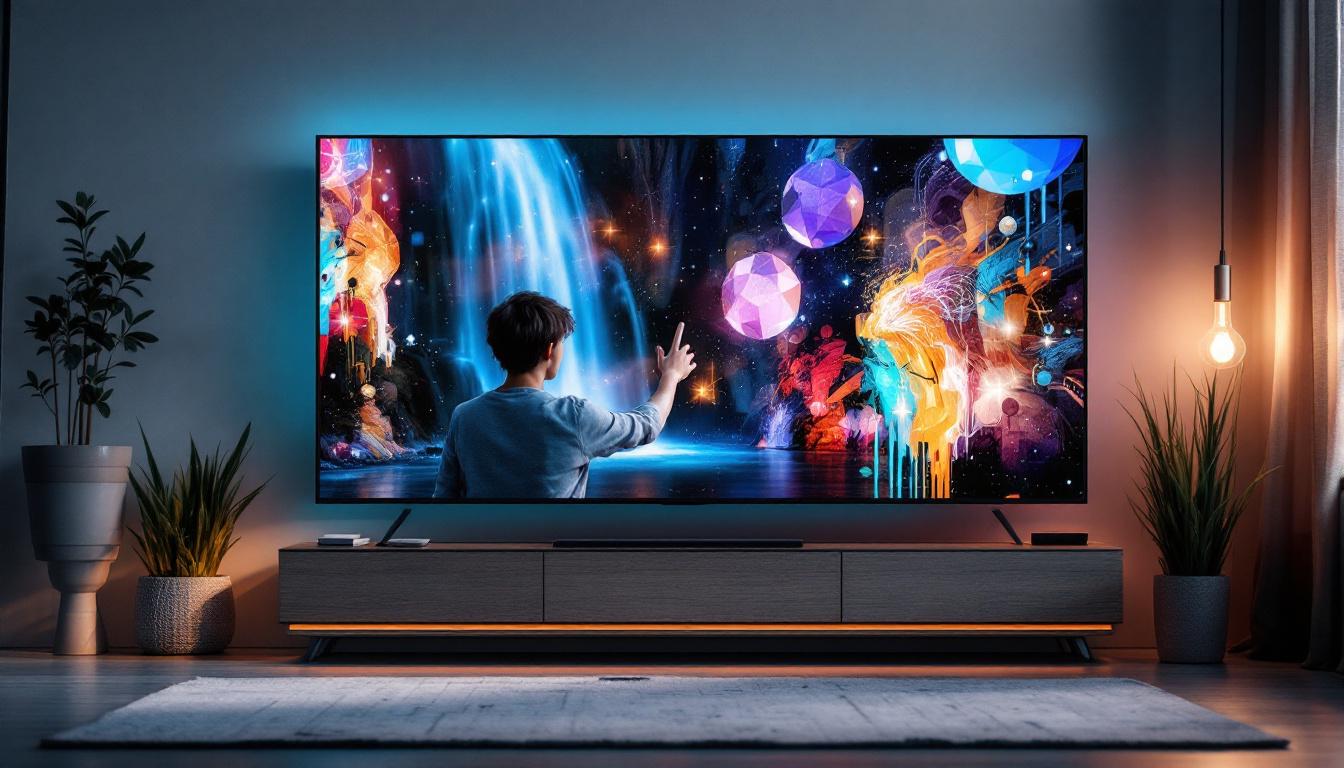
Touch screen LED TVs redefine how users interact with their television sets. Instead of relying solely on remote controls, users can navigate menus, adjust settings, and launch applications directly on the screen. This tactile interface is particularly beneficial for smart TVs, which often feature complex operating systems with numerous apps.
Moreover, touch screen functionality enhances accessibility for individuals with mobility or dexterity challenges. Larger on-screen buttons and gesture controls can simplify navigation, making television use more inclusive.
Educational and Commercial Uses
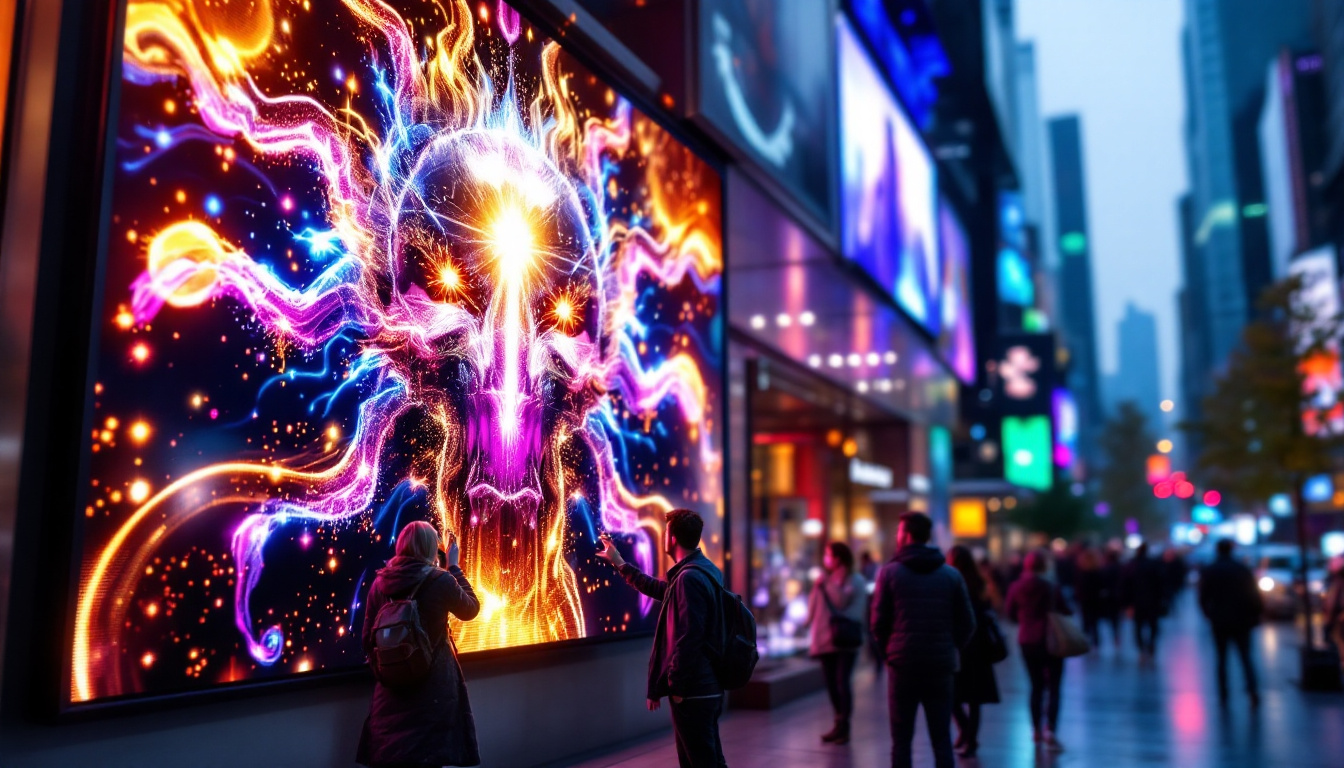
Beyond home entertainment, touch screen LED TVs have found significant applications in education and business environments. Interactive whiteboards and digital signage leverage large touch screen displays to facilitate collaboration, presentations, and information sharing.
For instance, classrooms equipped with touch screen LED displays enable teachers to annotate lessons in real-time, engage students with interactive content, and foster more dynamic learning experiences. Similarly, conference rooms use these displays for video conferencing, brainstorming sessions, and interactive data visualization.
Gaming and Multimedia Experiences
The gaming industry benefits from the integration of touch screen technology in LED TVs by offering new modes of interaction. Touch controls can complement traditional gamepads, enabling gesture-based commands and multi-touch inputs for certain game genres.
Additionally, multimedia applications such as photo galleries, video editing, and creative apps become more intuitive on touch screen TVs, allowing users to manipulate content directly on the display.
Future Trends in Touch Screen LED Television Technology
Advancements in Display Quality and Touch Responsiveness
Emerging technologies like Mini-LED and Micro-LED promise to elevate display quality even further. Mini-LEDs use thousands of tiny LEDs to provide more precise local dimming, resulting in higher contrast ratios and improved HDR performance. Micro-LEDs, still in early stages of commercialization, offer self-emissive pixels with exceptional brightness and color accuracy.
Simultaneously, touch screen technology continues to evolve. Innovations such as haptic feedback and pressure sensitivity are being explored to provide more immersive and nuanced interactions. These advancements could allow users to feel textures or resistance when interacting with on-screen elements, bridging the gap between physical and digital experiences.
Integration with Voice and Gesture Controls
While touch screens enhance direct interaction, voice recognition and gesture control technologies are increasingly integrated into smart TVs. Combining these input methods creates a multimodal interface that caters to diverse user preferences and situations.
For example, users might use voice commands to search for content, gesture controls to adjust volume without touching the screen, and touch input for precise navigation. This synergy enhances convenience and accessibility, making televisions smarter and more adaptive.
Impact of AI and Smart Home Connectivity
Artificial intelligence (AI) is playing a growing role in optimizing touch screen TV interfaces. AI-driven personalization can adjust display settings based on user habits, recommend content, and even predict user actions to streamline interactions.
Moreover, touch screen LED TVs are becoming central hubs in smart home ecosystems. Integration with IoT devices allows users to control lighting, thermostats, security cameras, and more directly from their television screens, enhancing the role of TVs beyond entertainment.
Conclusion: The Future of Interactive LED Televisions
The fusion of LED display technology with touch screen capabilities marks a significant milestone in television evolution. This combination not only enhances visual performance but also transforms how users engage with their devices. From improved accessibility and immersive gaming to educational and commercial applications, touch screen LED TVs offer versatile benefits that cater to a wide range of needs.
As display and touch technologies continue to advance, consumers can expect even more refined, responsive, and intelligent televisions that seamlessly integrate into daily life. Staying informed about these developments empowers buyers and professionals to make educated decisions in a rapidly changing market.
In summary, understanding the intricacies of LED displays and touch screen integration is essential for appreciating the full potential of modern televisions and anticipating future innovations.
Discover the Future of LED Displays with LumenMatrix
As we embrace the transformative era of interactive LED televisions, LumenMatrix stands at the forefront, pioneering the integration of touch screen functionality with superior LED display technology. Whether you’re looking to elevate your home entertainment, enrich educational environments, or captivate customers in commercial settings, LumenMatrix offers an array of innovative solutions. From Indoor and Outdoor LED Wall Displays to specialized options like Vehicle and Sports Displays, our products are designed to deliver unparalleled visual experiences. Embrace the future of visual communication and Check out LumenMatrix LED Display Solutions today, where engagement and clarity meet cutting-edge technology.