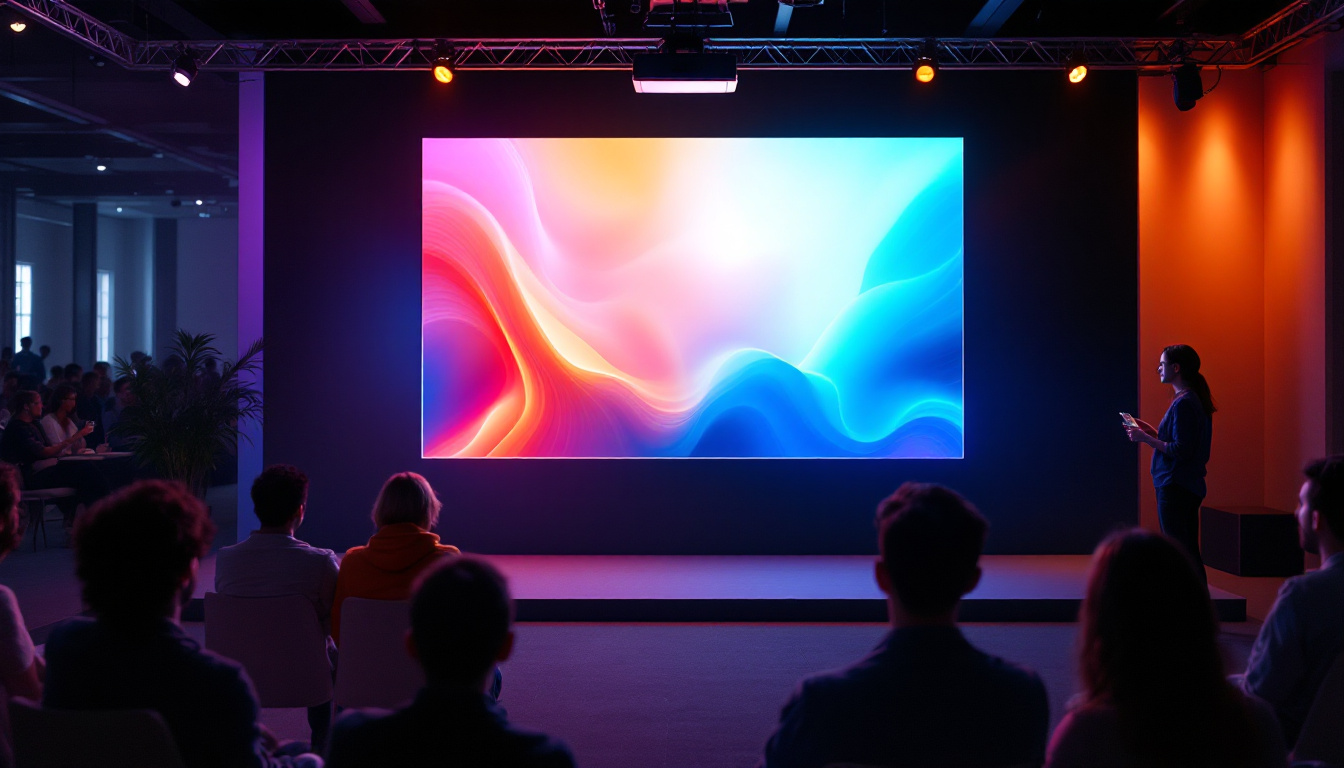
In recent years, the cinematic experience has undergone a significant transformation thanks to advances in display technology. Among these innovations, LED displays have emerged as a game-changer, offering filmmakers and audiences an unprecedented level of visual immersion. One of the most notable examples of this technology in action is “The Wall,” a full-length movie that leverages LED display technology to enhance storytelling and production quality. This article delves into the intricacies of LED displays, their application in filmmaking, and how “The Wall” exemplifies this cutting-edge approach.
Understanding LED Display Technology
LED, or Light Emitting Diode, displays have become ubiquitous in various industries, from advertising billboards to smartphone screens. However, their application in film production is relatively new and rapidly evolving. At its core, an LED display consists of numerous tiny diodes that emit light when an electric current passes through them. These diodes are arranged in a grid, creating a screen capable of producing vibrant, high-contrast images.
Unlike traditional projection systems that rely on external light sources, LED displays are self-illuminating. This characteristic allows for brighter images with deeper blacks and a wider color gamut, which is particularly beneficial in controlled lighting environments such as film sets. The ability to display dynamic backgrounds and environments in real-time has opened new creative avenues for filmmakers. For instance, directors can now visualize complex scenes without the need for extensive physical sets, allowing for greater flexibility in shooting schedules and locations.
Key Advantages of LED Displays in Filmmaking
One of the primary advantages of LED displays is their ability to produce incredibly high brightness levels, often exceeding 1,000 nits. This brightness ensures that images remain vivid even under strong studio lighting, a common challenge with traditional green screens and projections. Additionally, LED displays offer superior color accuracy and consistency, which reduces the need for extensive post-production color correction. This not only saves time but also allows filmmakers to focus more on the creative aspects of storytelling rather than technical adjustments.
Another significant benefit is the reduction of the “spill” effect, where background lighting reflects onto actors or props, complicating compositing processes. LED walls emit light that matches the on-screen imagery, creating natural reflections and lighting on the subjects, thereby enhancing realism. This integration between foreground and background elements is crucial for immersive storytelling. Furthermore, the use of LED technology can significantly streamline the production process. With the capability to change backgrounds instantly, filmmakers can shoot multiple scenes in a single location without the need for extensive set changes or location scouting, ultimately reducing costs and time spent on production logistics. This adaptability is particularly advantageous for projects with tight deadlines or limited budgets, making LED displays an increasingly popular choice in contemporary filmmaking.
The Role of LED Walls in “The Wall” Full Movie Production
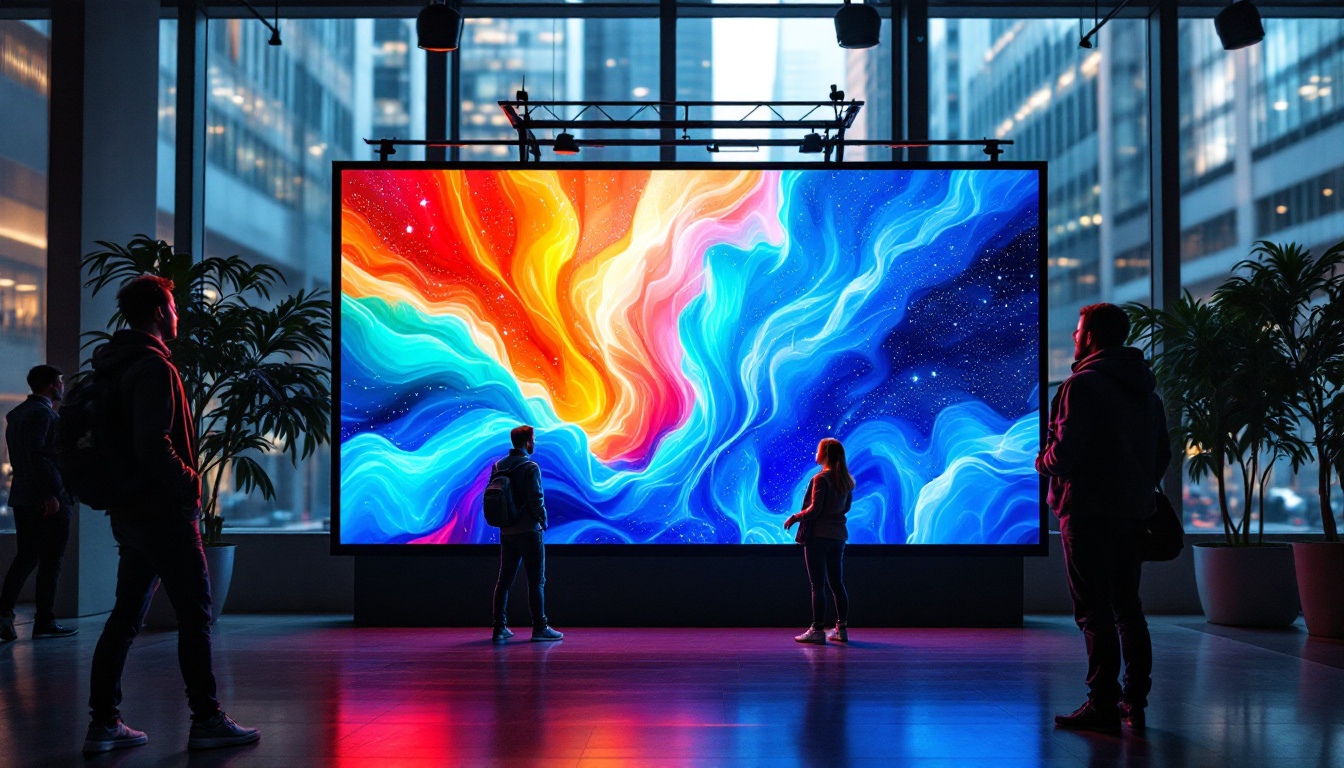
“The Wall” is a pioneering film that showcases the potential of LED wall technology in modern cinema. Instead of relying on traditional green screen techniques, the filmmakers utilized expansive LED walls as dynamic backdrops throughout the production. This approach not only improved visual fidelity but also transformed the way actors interacted with their environment.
By projecting real-time rendered environments on LED walls, the production team was able to create complex scenes that would have been difficult or impossible to achieve on location. For example, vast cityscapes, alien landscapes, and intricate interiors were displayed seamlessly behind the actors, allowing for natural eye lines and authentic lighting interactions.
Technical Setup and Workflow
The LED walls used in “The Wall” consisted of modular panels with a pixel pitch of 1.5 millimeters, delivering ultra-high resolution images suitable for close-up shots. These walls were integrated with powerful graphics engines capable of rendering photorealistic environments in real-time. The synchronization between the camera movements and the displayed imagery was achieved through advanced tracking systems, ensuring parallax and perspective matched perfectly.
This real-time rendering pipeline allowed directors and cinematographers to adjust backgrounds on the fly, experiment with lighting conditions, and visualize the final composition during filming. Such flexibility significantly reduced the reliance on post-production visual effects, streamlining the overall production timeline and budget.
Moreover, the use of LED walls fostered a more immersive experience for the actors. With the vibrant visuals surrounding them, performers could draw on the energy of the environment, enhancing their emotional delivery and engagement with the narrative. This innovation not only elevated the performances but also contributed to a more cohesive storytelling experience, as the actors were able to react to their surroundings in a way that felt authentic and immediate.
In addition to the artistic benefits, the LED walls also provided practical advantages in terms of location management. Filming in controlled environments reduced the challenges associated with weather, lighting changes, and logistical constraints of traditional outdoor shoots. This adaptability allowed the crew to focus on creative storytelling without the interruptions that often accompany location-based filming, ultimately leading to a smoother production process and a more polished final product.
Comparing LED Walls to Traditional Green Screen Techniques
While green screens have been a staple in visual effects for decades, LED walls offer several distinct advantages that are reshaping industry standards. Traditional green screen setups require actors to perform in front of a monochromatic backdrop, with environments added in post-production. This process can be time-consuming, costly, and sometimes results in less convincing visuals due to lighting mismatches and compositing errors.
In contrast, LED walls provide live backgrounds that interact naturally with the scene’s lighting and actors. This immediate feedback enhances performances by giving actors a tangible environment to engage with, rather than imagining the setting. Moreover, directors can make creative decisions in real-time, adjusting scenes without waiting for post-production renders. The immersive experience created by LED walls can also lead to more authentic performances, as actors can react to dynamic backgrounds that change in real-time, making their interactions feel more genuine and grounded.
Limitations and Challenges
Despite their advantages, LED walls are not without challenges. The initial cost of setting up LED stages can be substantial, often limiting their use to high-budget productions. Additionally, the technology requires specialized expertise in both hardware and software to operate effectively. Issues such as screen refresh rates, color calibration, and potential moiré patterns must be carefully managed to maintain image quality. The learning curve associated with this technology can be steep, requiring crew members to undergo training to fully leverage the capabilities of LED walls and ensure seamless integration with other production elements.
Furthermore, LED walls are best suited for controlled environments, as their brightness can be affected by ambient light conditions. Outdoor shoots or locations with unpredictable lighting may still necessitate traditional methods or hybrid approaches. In such cases, filmmakers may choose to combine the two techniques, utilizing green screens for certain elements while employing LED walls for others, thus maximizing the strengths of both methods. This hybrid approach not only allows for greater flexibility in shooting but also opens up new creative possibilities, enabling filmmakers to blend the best of both worlds and push the boundaries of visual storytelling.
The Future of LED Displays in Film and Beyond
The success of “The Wall” and similar productions signals a broader shift towards LED display technology in the entertainment industry. As the technology becomes more accessible and affordable, it is expected to democratize high-quality visual effects, enabling independent filmmakers to create immersive worlds without exorbitant budgets. This shift not only empowers creators but also encourages a diverse range of voices and stories to emerge, reflecting a more comprehensive spectrum of human experiences and cultures.
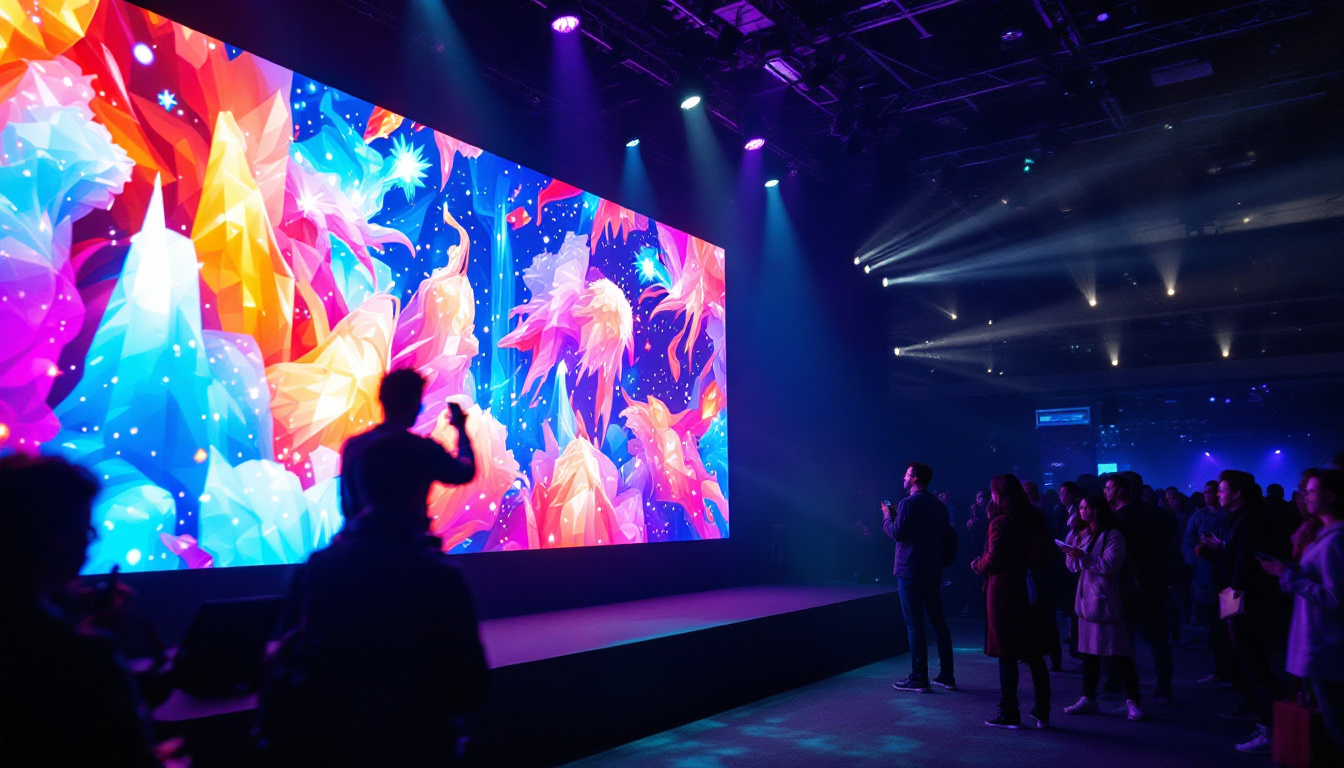
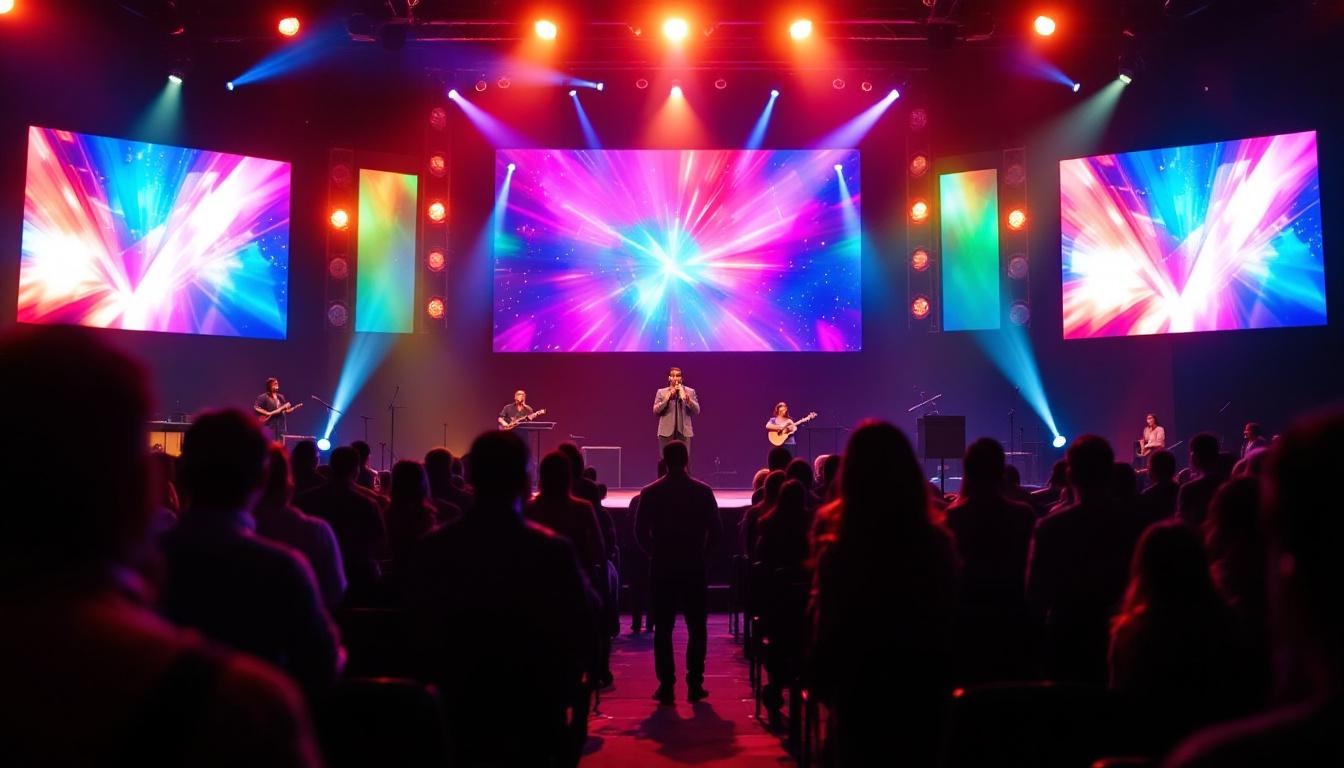
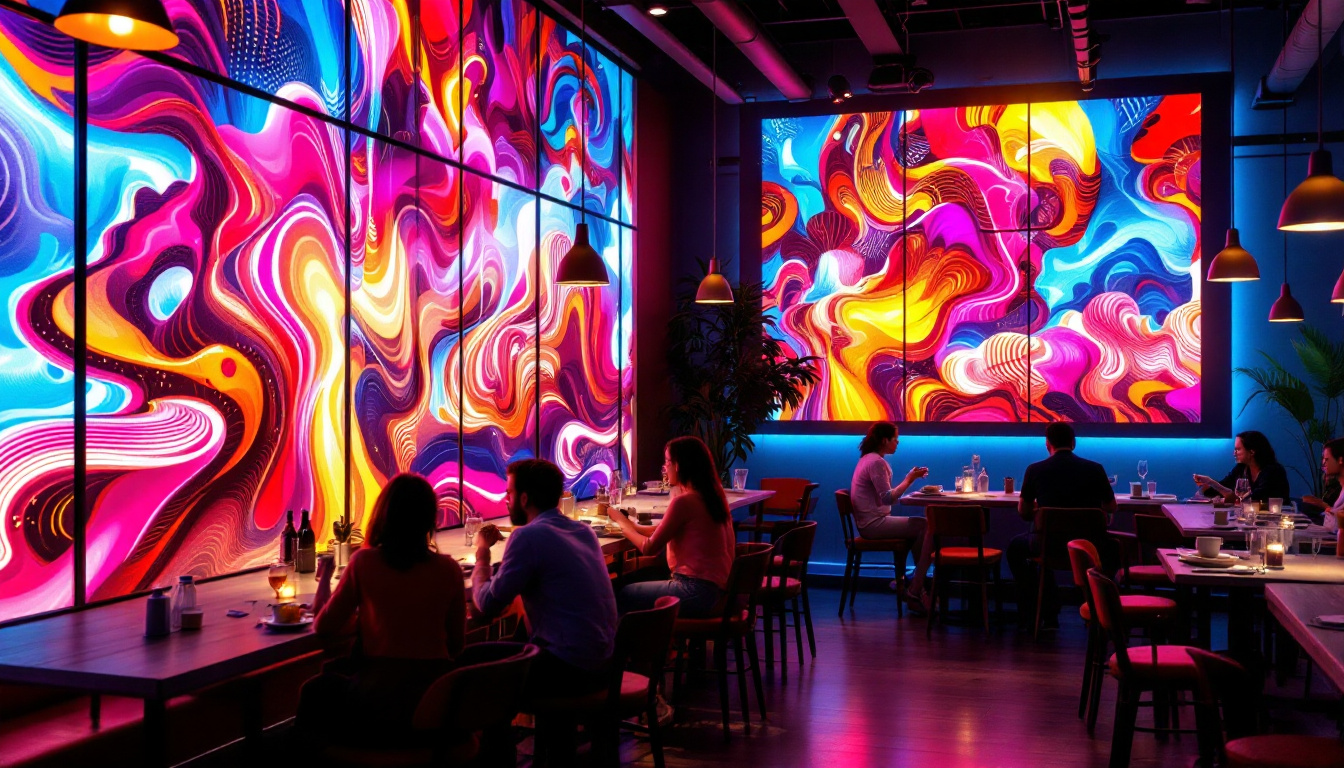
Beyond film, LED walls are increasingly used in live events, virtual production studios, and broadcast environments. The integration of LED displays with augmented reality (AR) and virtual reality (VR) technologies promises even more innovative storytelling possibilities in the near future. For instance, live concerts are now incorporating LED technology to create dynamic backdrops that change in real-time, enhancing the audience’s emotional connection to the performance. This fusion of technology and artistry is reshaping how audiences engage with their favorite forms of entertainment.
Emerging Trends and Innovations
One exciting development is the use of microLED technology, which offers even higher resolution, better energy efficiency, and longer lifespan compared to conventional LEDs. This advancement not only improves the visual quality but also reduces the environmental impact of display technology, aligning with the growing demand for sustainable practices in the industry. As filmmakers and producers become more conscious of their carbon footprints, microLEDs present a viable solution that balances performance with ecological responsibility.
Additionally, advancements in AI-driven rendering and real-time compositing are enhancing the realism and responsiveness of LED wall content. These technologies allow for seamless integration of live-action footage with digital environments, creating a more immersive experience for viewers. As these tools become more sophisticated, they enable creators to experiment with new narrative structures and visual styles, pushing the boundaries of traditional storytelling. Collaborations between hardware manufacturers, software developers, and creative studios are fostering an ecosystem where LED display technology can evolve rapidly. This synergy is critical for overcoming current limitations and expanding the creative potential of visual storytelling. The ongoing dialogue between technology and creativity promises to unlock new avenues for expression, ensuring that the future of entertainment remains vibrant and engaging.
Conclusion
The integration of LED display technology in filmmaking, as exemplified by “The Wall” full movie, represents a significant leap forward in visual storytelling. By combining high-resolution, dynamic backgrounds with real-time rendering and precise camera tracking, LED walls create immersive environments that enhance both the production process and the viewer experience.
While challenges remain, the benefits of LED displays—richer visuals, improved actor interaction, and streamlined workflows—are compelling reasons for the industry to continue investing in this technology. As LED displays become more sophisticated and accessible, they are poised to redefine the future of cinema and beyond, offering storytellers new tools to bring their visions to life.
Discover the Future of Visual Storytelling with LumenMatrix
Ready to elevate your cinematic productions or enhance your brand’s visual impact? Explore LumenMatrix’s comprehensive range of LED display solutions, where innovation meets creativity. From Indoor and Outdoor LED Wall Displays to specialized options like Vehicle, Sports, and Floor LED Displays, LumenMatrix offers tailored solutions to bring your visual narratives to life. Embrace the revolution in visual communication with our Custom, All-in-One, and Transparent LED Displays, designed to captivate audiences and deliver your message with unparalleled clarity. Check out LumenMatrix LED Display Solutions today and join the forefront of digital storytelling.