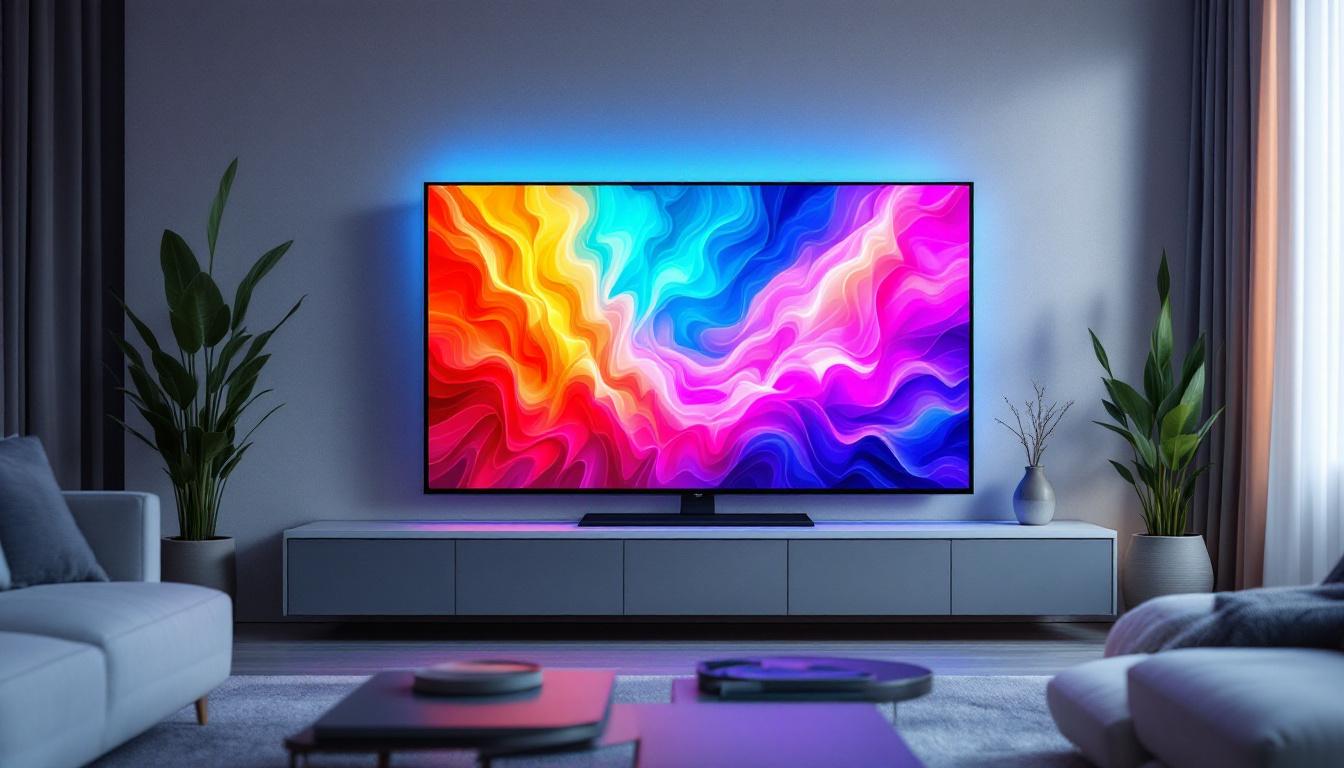
Thin Flat TV: LED Display Explained
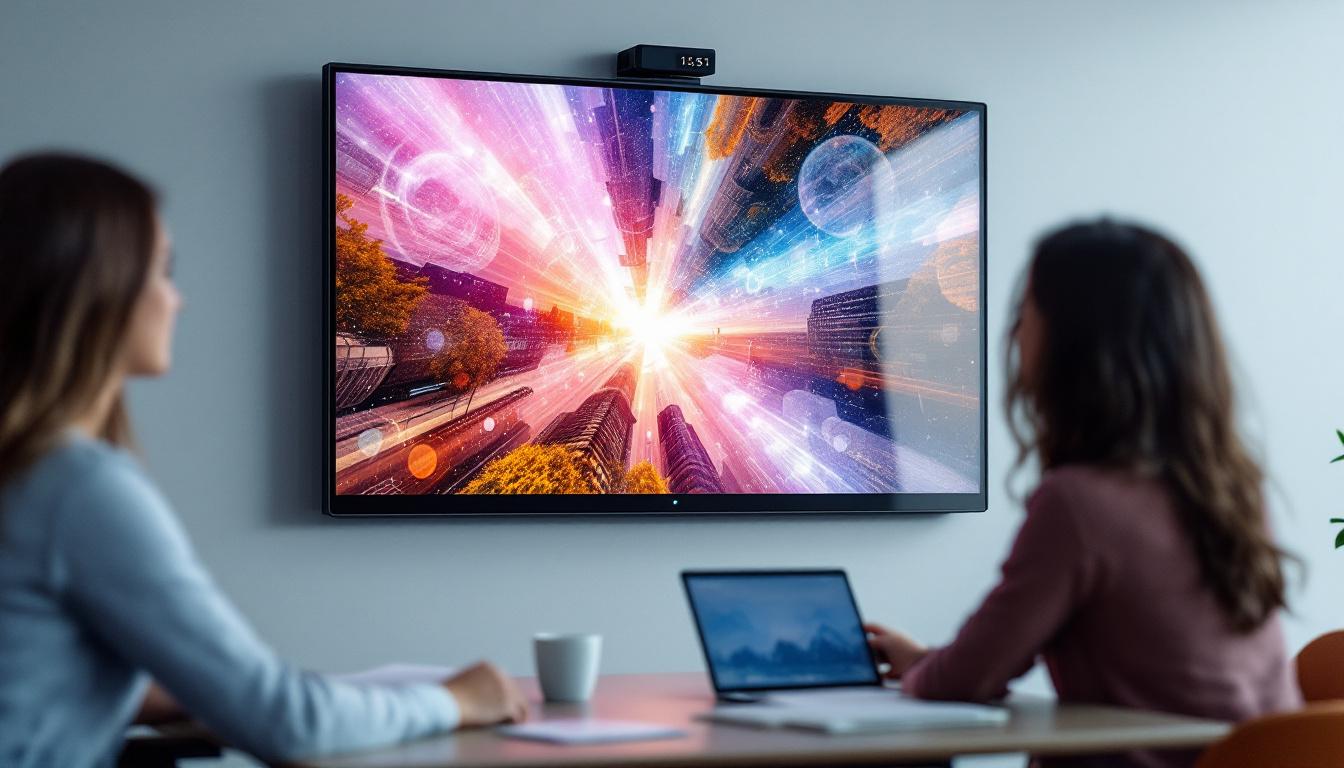
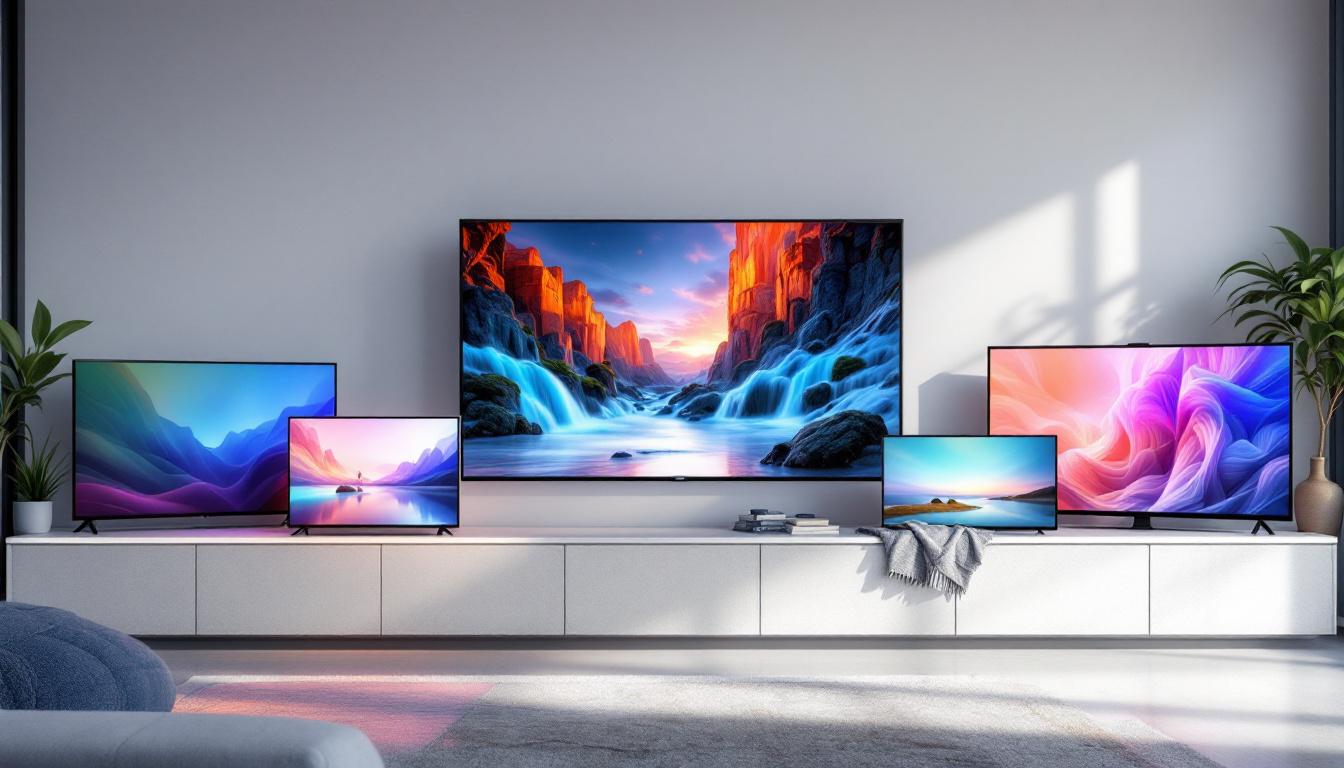
In today’s world of home entertainment, thin flat TVs have become the centerpiece of many living rooms. Their sleek design and stunning picture quality have revolutionized how viewers experience movies, sports, and gaming. Among the various display technologies available, LED TVs stand out as a popular choice due to their impressive performance and affordability. This article explores the intricacies of LED displays in thin flat TVs, helping consumers understand what makes these screens tick and how to choose the right one for their needs.
Understanding LED Display Technology
What Does LED Mean?
LED stands for Light Emitting Diode, a semiconductor device that emits light when an electric current passes through it. In the context of television displays, LED refers to the type of backlighting used to illuminate the screen. Unlike older LCD TVs that relied on cold cathode fluorescent lamps (CCFLs) for backlighting, LED TVs use arrays of tiny LEDs to light up the liquid crystal display (LCD) panel.
This shift to LED backlighting has allowed manufacturers to produce thinner, more energy-efficient TVs with better brightness and contrast levels. However, it’s important to note that LED TVs are essentially LCD TVs with LED backlights, not a completely different display technology like OLED. The energy efficiency of LED technology also contributes to a reduced carbon footprint, making it a more environmentally friendly option compared to traditional display technologies. As consumers become increasingly aware of their environmental impact, the adoption of LED technology continues to rise, reflecting a broader trend towards sustainability in electronics.
Types of LED Backlighting
There are two primary methods of LED backlighting used in thin flat TVs: edge-lit and full-array. Each method affects the TV’s thickness, picture quality, and price point.
- Edge-Lit LED: In this design, LEDs are placed along the edges of the screen, and light is diffused across the panel using light guides. This allows for extremely thin TV profiles, often less than an inch thick. However, edge-lit TVs can suffer from uneven brightness and limited local dimming capabilities, which impacts contrast and black levels. The sleek design of edge-lit TVs makes them popular for modern home decor, as they can easily blend into any living space without being obtrusive.
- Full-Array LED: Here, LEDs are distributed evenly behind the entire screen. This setup enables better control of brightness zones through local dimming, where specific sections of LEDs can be dimmed or brightened independently. Full-array LED TVs tend to be slightly thicker but offer superior picture quality, especially in dark scenes. This technology enhances the viewing experience by providing deeper blacks and more vibrant colors, making it an ideal choice for movie enthusiasts and gamers who seek immersive visuals.
In addition to these two primary types, some manufacturers have begun to explore advanced variations, such as mini-LED technology. Mini-LEDs are significantly smaller than traditional LEDs, allowing for more precise control over local dimming zones and improved contrast ratios. This innovation aims to bridge the gap between LED and OLED technologies, offering consumers a compelling alternative that combines the best of both worlds—enhanced brightness and color accuracy without the risk of burn-in associated with OLED displays. As the competition in the display market heats up, these advancements promise to deliver even more impressive viewing experiences in the near future.
Key Features of LED TVs That Affect Viewing Experience
Brightness and Contrast
Brightness is a critical factor for LED TVs, especially in well-lit rooms. LED backlighting allows TVs to reach brightness levels exceeding 1,000 nits in some premium models, which enhances HDR (High Dynamic Range) content by making highlights pop and details more visible. This capability is particularly advantageous during daytime viewing or in spaces with large windows, where ambient light can wash out the picture quality of lesser models. The ability to maintain clarity and vibrancy in such conditions is a significant selling point for many consumers.
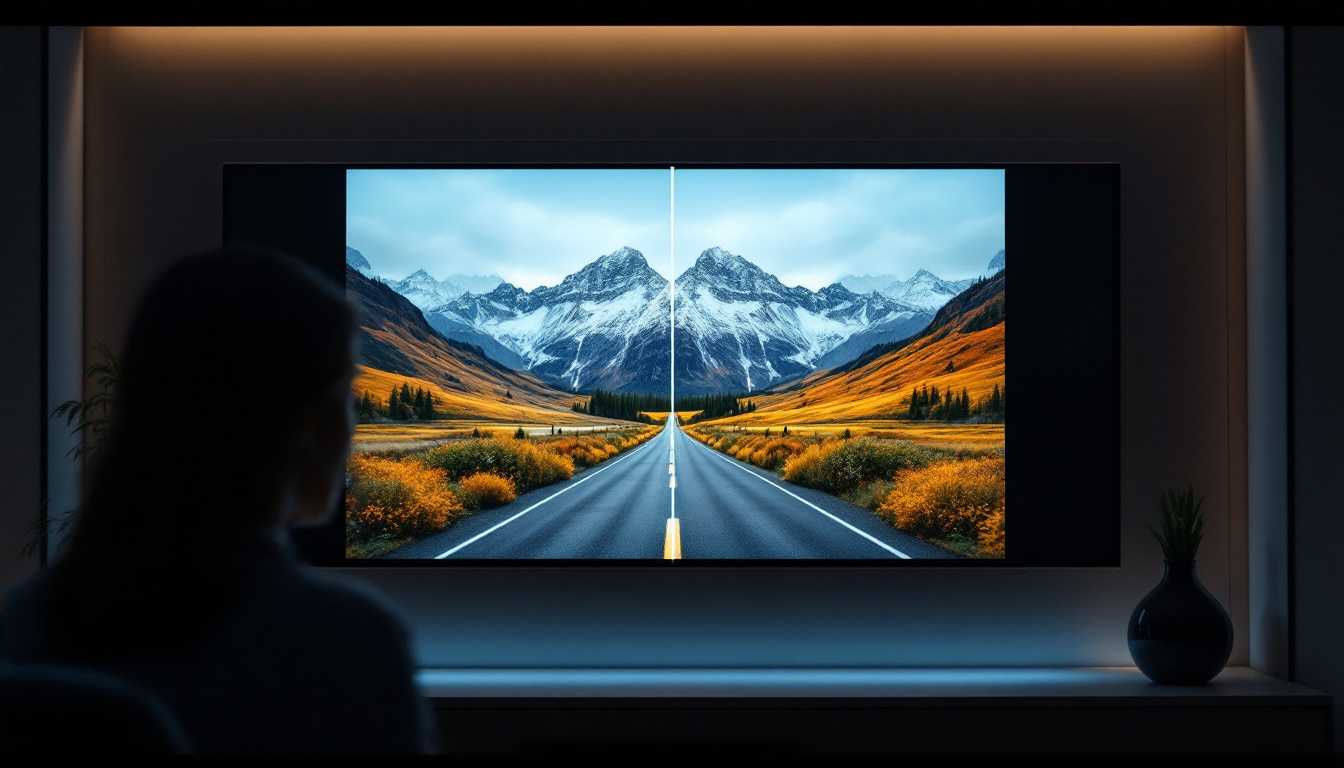
Contrast ratio, the difference between the darkest black and the brightest white a TV can display, is equally important. Full-array LED TVs with local dimming can achieve higher contrast ratios by dimming the LEDs in dark areas of the screen, producing deeper blacks and more vivid colors. This feature is crucial for cinematic experiences, as it allows for a more dynamic range of visuals, enhancing the depth of shadows and the brilliance of highlights. Moreover, the improved contrast can make a significant difference when watching content with intricate details, such as nature documentaries or action-packed films, where the interplay of light and shadow plays a pivotal role in storytelling.
Color Accuracy and Wide Color Gamut
Modern LED TVs often support wide color gamuts such as DCI-P3 or Rec. 2020, which enable them to display a broader range of colors. This is essential for HDR content and for delivering a more lifelike and immersive viewing experience. The ability to reproduce colors that are closer to what the human eye naturally perceives enhances not just the visual appeal but also the emotional impact of the content being viewed. For instance, animated films or video games benefit immensely from this technology, as they can showcase vibrant landscapes and character designs that captivate audiences.
Manufacturers use various techniques to enhance color accuracy, including quantum dot technology. Quantum dots are microscopic semiconductor particles that emit precise colors when illuminated by LEDs, resulting in brighter and more accurate colors compared to standard LED TVs. This innovation has revolutionized the way colors are displayed, allowing for more saturated hues and finer gradients. Additionally, some high-end models incorporate advanced calibration features that allow users to fine-tune their TV settings, ensuring that the colors displayed are not only vibrant but also true to the creator’s original vision.
Refresh Rate and Motion Handling
Refresh rate, measured in hertz (Hz), indicates how many times per second a TV updates its image. Higher refresh rates (120Hz or above) are beneficial for fast-moving content like sports and gaming, reducing motion blur and providing smoother visuals. This is particularly important for gamers who require quick response times and fluid motion to enhance their competitive edge. The difference between a 60Hz and a 120Hz refresh rate can be quite pronounced, especially in high-octane scenes where every millisecond counts.
LED TVs use various motion enhancement technologies, such as backlight scanning and frame interpolation, to improve motion clarity. However, some viewers may find these features introduce the “soap opera effect,” making movies look unnaturally smooth. This phenomenon occurs when the interpolation technology creates additional frames, resulting in a hyper-realistic look that can detract from the cinematic experience. Many manufacturers now offer settings that allow users to adjust or turn off these enhancements, giving viewers the flexibility to choose their preferred viewing style. Furthermore, advancements in motion handling continue to evolve, with some models now incorporating AI-driven algorithms that intelligently analyze content to optimize motion performance without compromising the artistic intent of the filmmakers.
Advantages of Thin Flat LED TVs
Sleek Design and Space Efficiency
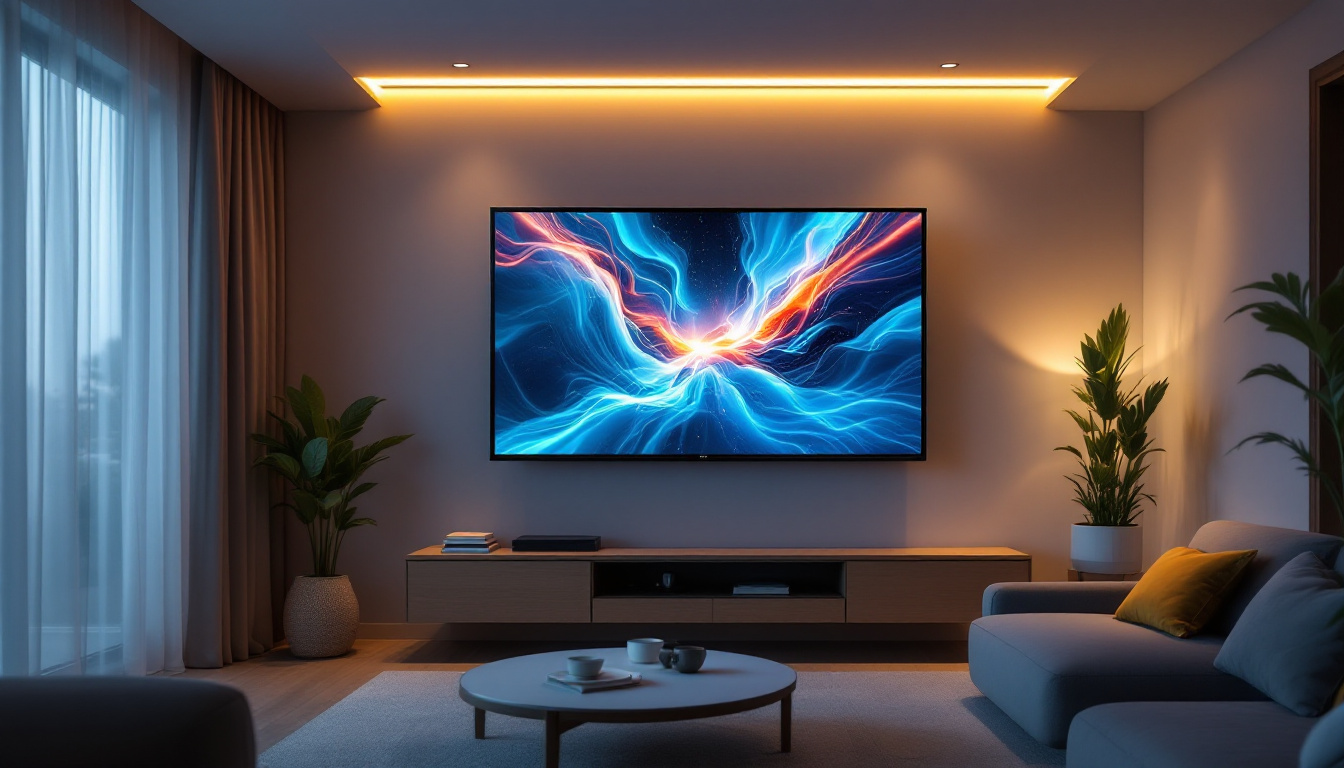
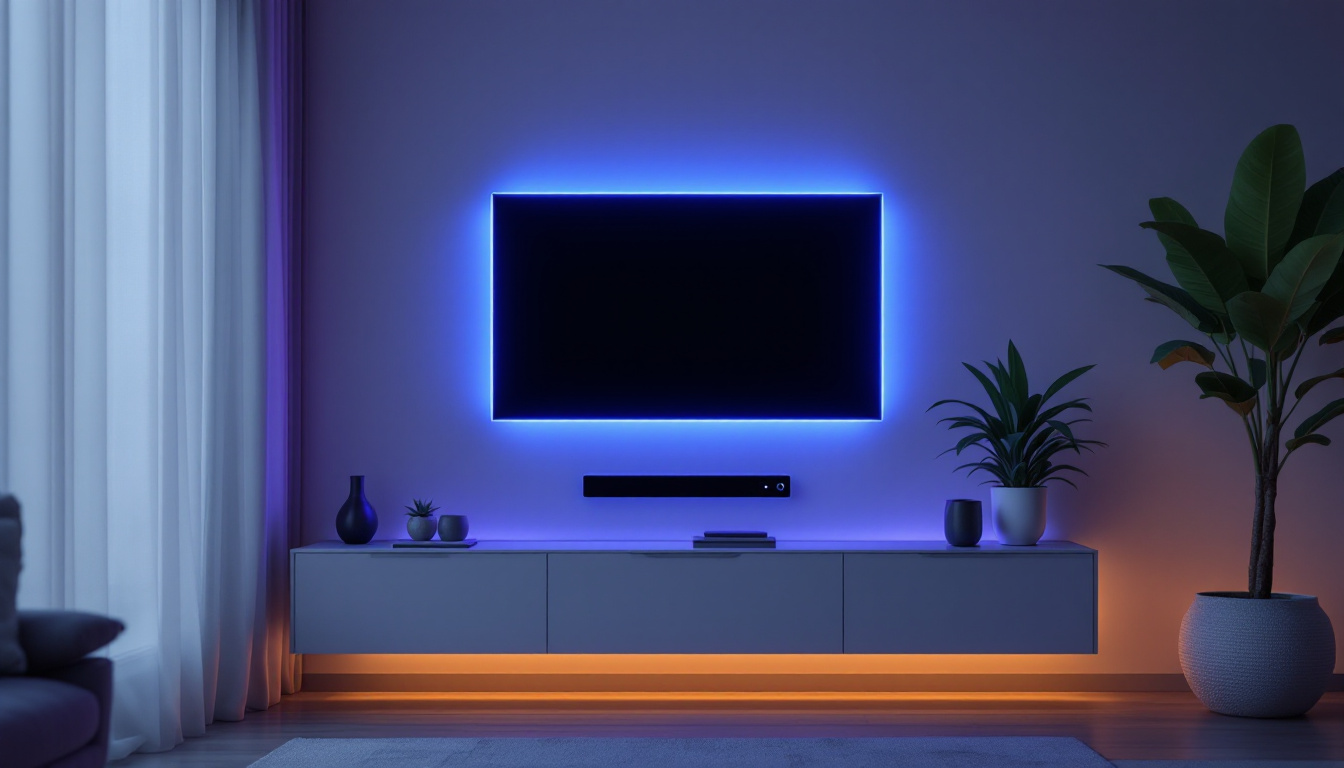
One of the most appealing aspects of thin flat LED TVs is their slim profile. Thanks to LED backlighting, manufacturers can create screens that are just a few centimeters thick, allowing for elegant wall mounting and minimal footprint on entertainment units.
This design flexibility caters to modern interior aesthetics, where minimalism and clean lines are favored. Additionally, thinner TVs are lighter, making installation and repositioning easier.
Energy Efficiency
Compared to older CCFL-backlit LCD TVs and plasma displays, LED TVs consume significantly less power. According to the U.S. Department of Energy, LED TVs can use up to 40% less energy than CCFL LCDs, which not only reduces electricity bills but also lowers environmental impact.
Longevity and Reliability
LED backlights typically have a longer lifespan than CCFLs, often lasting tens of thousands of hours before brightness diminishes noticeably. This durability means LED TVs maintain their picture quality over many years, offering better long-term value.
Considerations When Choosing a Thin Flat LED TV
Screen Size and Viewing Distance
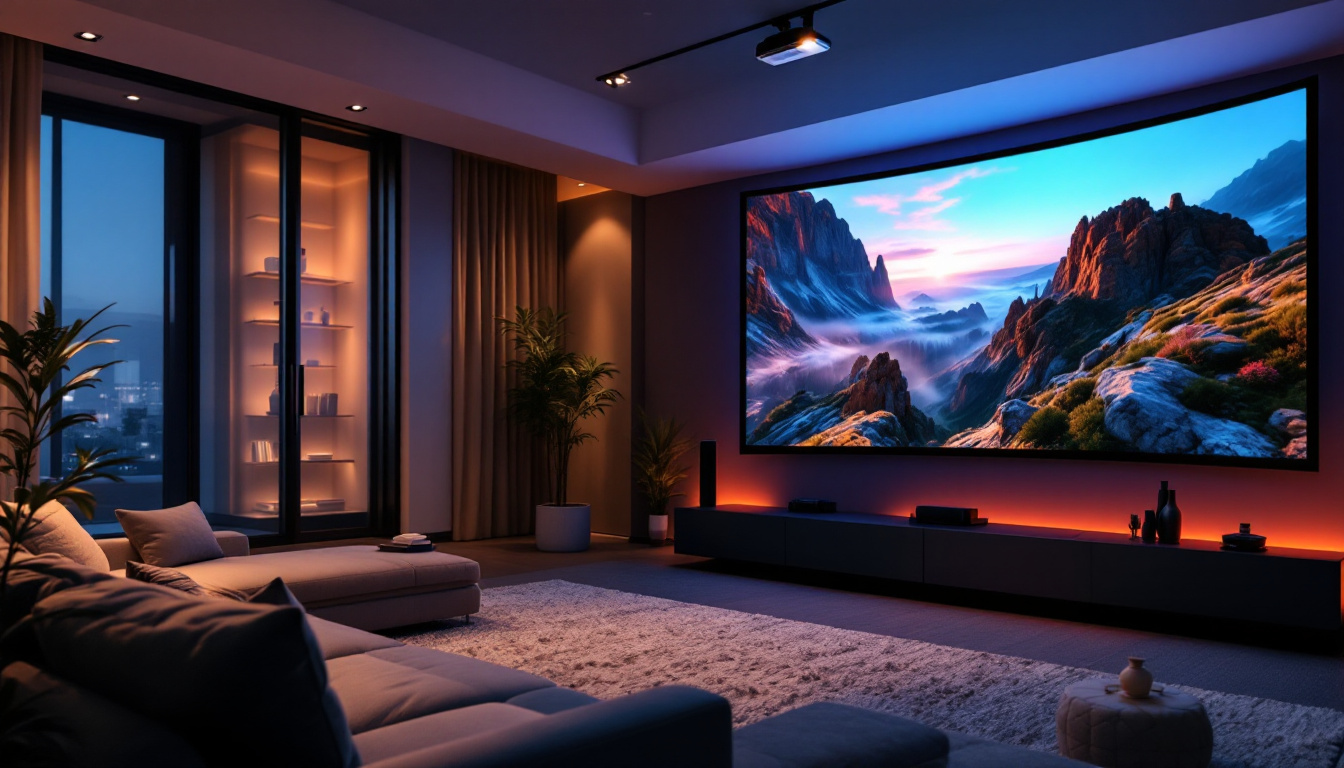
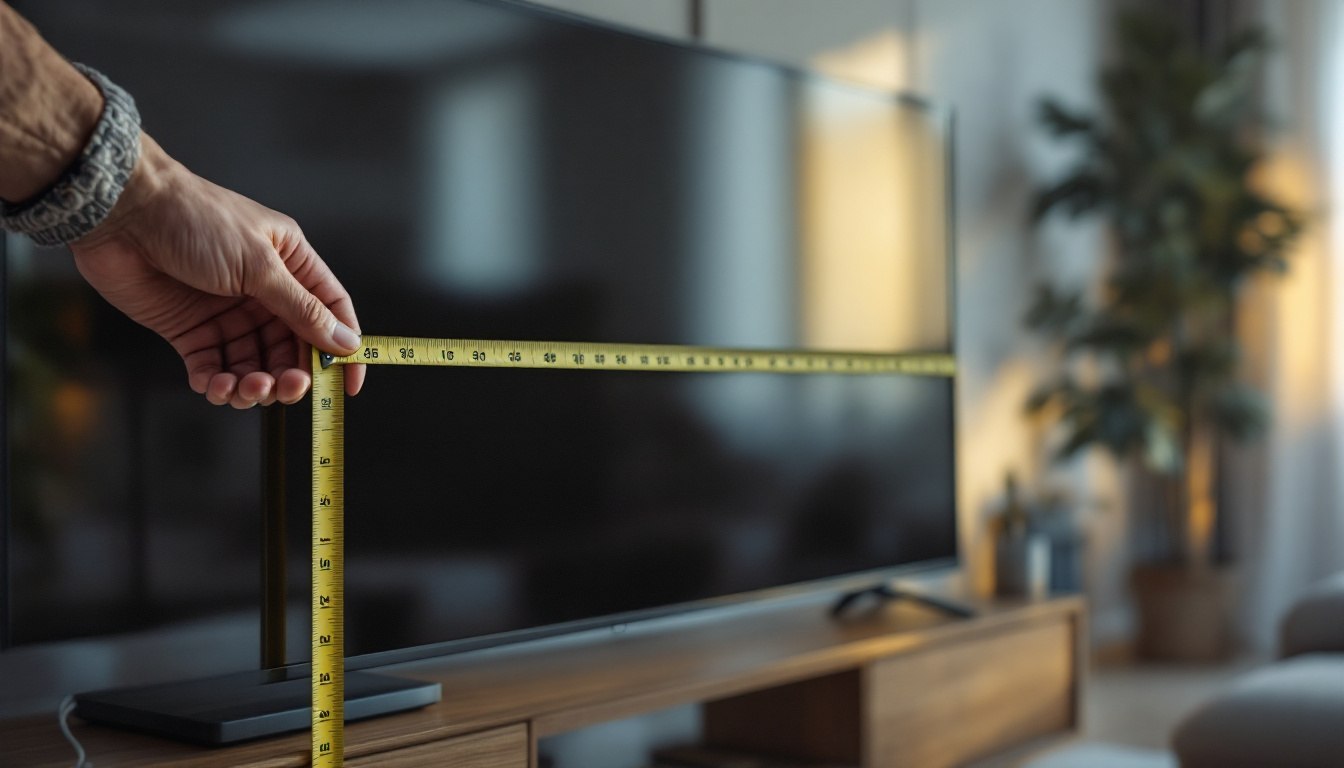
Choosing the right screen size depends largely on the viewing distance and room size. For example, a 55-inch LED TV is ideal for a typical living room where viewers sit about 7 to 9 feet away. Larger screens, such as 65 or 75 inches, provide a more immersive experience in bigger spaces.
It’s also important to consider the resolution. Most modern LED TVs offer 4K Ultra HD resolution, which is recommended for screens 50 inches and above to ensure crisp images.
HDR Support
High Dynamic Range (HDR) dramatically improves picture quality by expanding the range of brightness and color. When shopping for LED TVs, look for models that support popular HDR formats like HDR10, Dolby Vision, or HDR10+ to future-proof your purchase.
Smart TV Features
Most thin flat LED TVs come with integrated smart platforms, enabling access to streaming services, apps, and voice assistants. Consider the user interface, app availability, and compatibility with other smart home devices when selecting a TV.
Price and Brand Reputation
LED TVs are available across a wide price spectrum, from budget-friendly models to premium flagship sets. While higher-priced TVs often offer better picture quality, features, and build, many mid-range options provide excellent value.
Choosing a reputable brand with strong customer support and warranty policies can provide peace of mind and ensure a satisfying ownership experience.
Future Trends in LED TV Technology
Mini-LED and Micro-LED Innovations
Recent advancements in LED technology have introduced mini-LED and micro-LED displays. Mini-LEDs use thousands of tiny LEDs as backlights, enabling more precise local dimming and improved contrast compared to traditional full-array LED TVs. This technology bridges the gap between LED and OLED performance at a more accessible price point.
Micro-LED, on the other hand, involves self-emissive LEDs that do not require a backlight, similar to OLED but with potentially higher brightness and longer lifespan. Although still in the early stages of commercial availability, micro-LED promises exceptional picture quality and ultra-thin designs.
Integration with Smart Home Ecosystems
As smart home technology evolves, thin flat LED TVs are increasingly becoming hubs for connected living. Voice control, AI-based content recommendations, and seamless integration with other devices like smart speakers and lighting systems are becoming standard features.
Enhanced Gaming Features
With the rise of next-generation gaming consoles, LED TVs are incorporating features like variable refresh rate (VRR), auto low latency mode (ALLM), and HDMI 2.1 support to deliver smoother gameplay and reduce input lag. These enhancements make LED TVs an excellent choice for gamers seeking immersive experiences on a thin, stylish display.
Conclusion
Thin flat LED TVs represent a perfect blend of style, performance, and affordability in the modern television market. Understanding the underlying LED technology, from backlighting methods to advanced features like local dimming and HDR, empowers consumers to make informed decisions tailored to their viewing preferences and budgets.
As LED technology continues to evolve with innovations like mini-LED and micro-LED, the future promises even thinner, brighter, and more vibrant displays. Whether for casual viewing, cinematic experiences, or gaming, LED TVs remain a versatile and compelling choice for anyone looking to enhance their home entertainment setup.
Discover the Future of LED Displays with LumenMatrix
Ready to take your viewing experience to the next level? LumenMatrix is at the forefront of LED display innovation, offering a wide array of cutting-edge solutions that cater to every need. From immersive indoor and outdoor LED wall displays to dynamic vehicle and sports displays, our technology is designed to captivate and engage. Explore our versatile range, including the sleek LED Poster Display, interactive Floor LED Display, and the revolutionary All-in-One and Transparent LED Displays. Experience the pinnacle of visual communication with LumenMatrix and transform the way you share your message. Check out LumenMatrix LED Display Solutions today and step into a world of vivid clarity and unparalleled performance.