In recent years, the landscape of indoor display technology has evolved dramatically, with LED displays emerging as a prominent alternative to traditional projector screens. Whether for corporate boardrooms, educational institutions, retail environments, or home theaters, understanding the nuances between projector screens and LED displays is crucial for making informed decisions. This article delves into the world of indoor LED displays, explaining their technology, advantages, applications, and how they compare to conventional projector screens.
Understanding Indoor Projector Screens
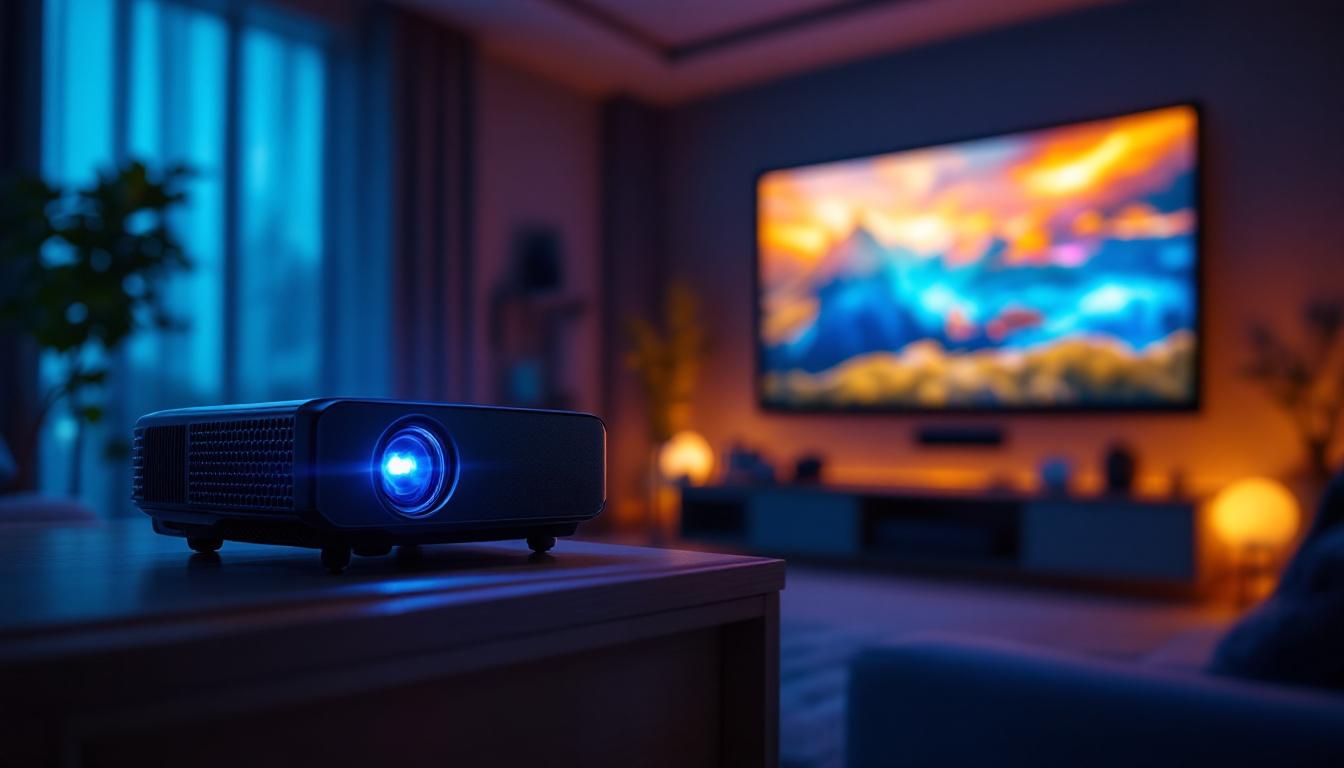
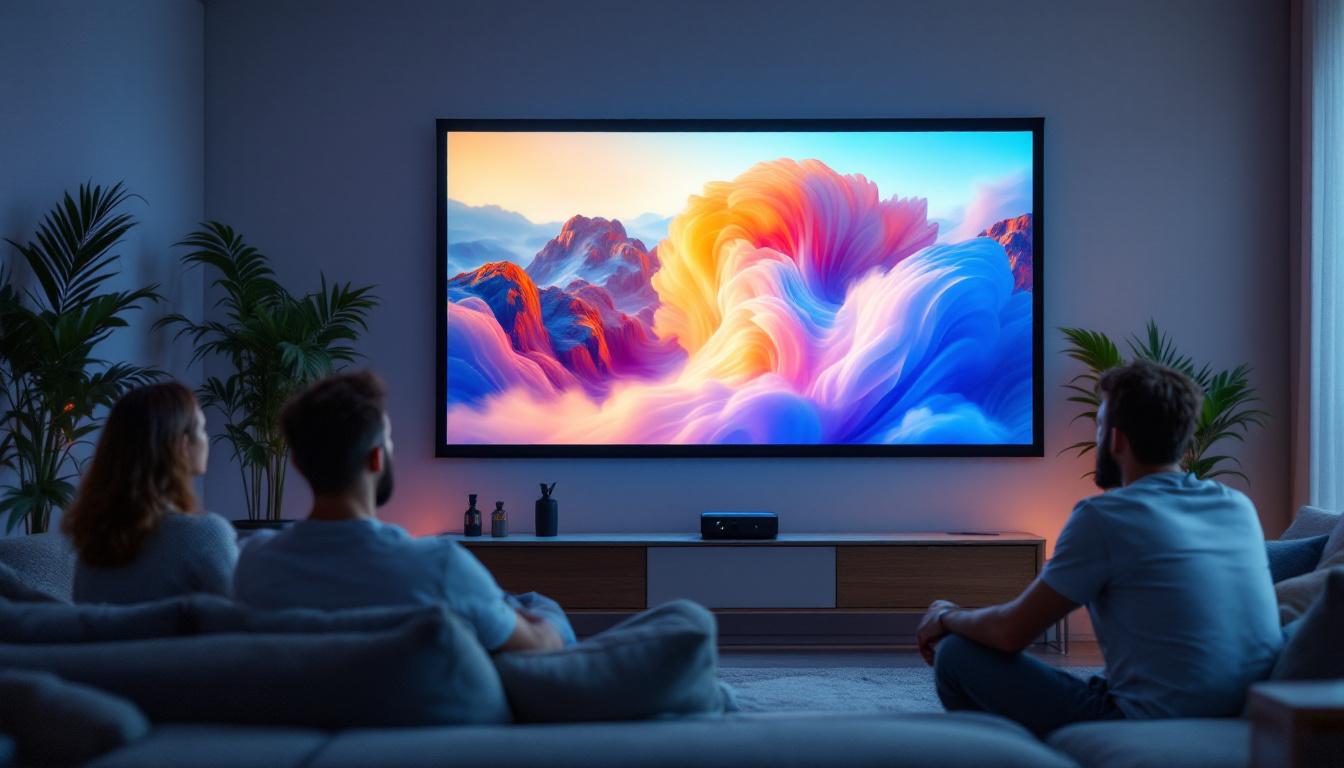
Projector screens have been a staple of indoor visual presentations for decades. Typically, these screens are designed to reflect projected light from a projector, creating a large, clear image suitable for audiences in classrooms, conference rooms, and home theaters.
Traditional projector screens come in various types, including fixed-frame, pull-down, and motorized screens, each tailored for different environments and user preferences. The image quality depends heavily on the projector’s brightness, resolution, and the ambient lighting conditions of the room.
Despite their widespread use, projector screens have limitations. They require a projector, which can be bulky and generate heat and noise. Additionally, ambient light can wash out the image, reducing clarity unless the room is darkened significantly.
In recent years, advancements in screen technology have introduced new materials and coatings that enhance performance. For instance, some screens now feature ambient light-rejecting capabilities, allowing for clearer images even in well-lit environments. These innovative screens utilize specialized coatings that selectively reflect the projector’s light while absorbing unwanted ambient light, making them ideal for versatile settings where complete darkness isn’t feasible.
Moreover, the rise of ultra-short throw projectors has transformed the way we think about projector screens. These projectors can be placed just inches away from the screen, eliminating the need for long throw distances and allowing for more flexible room layouts. This development has led to a growing interest in portable and retractable screens that can be easily set up and stored, catering to mobile presentations and dynamic spaces. As a result, users can enjoy high-quality visuals without the constraints of traditional setups, making projector screens more adaptable to modern needs.
What Are Indoor LED Displays?
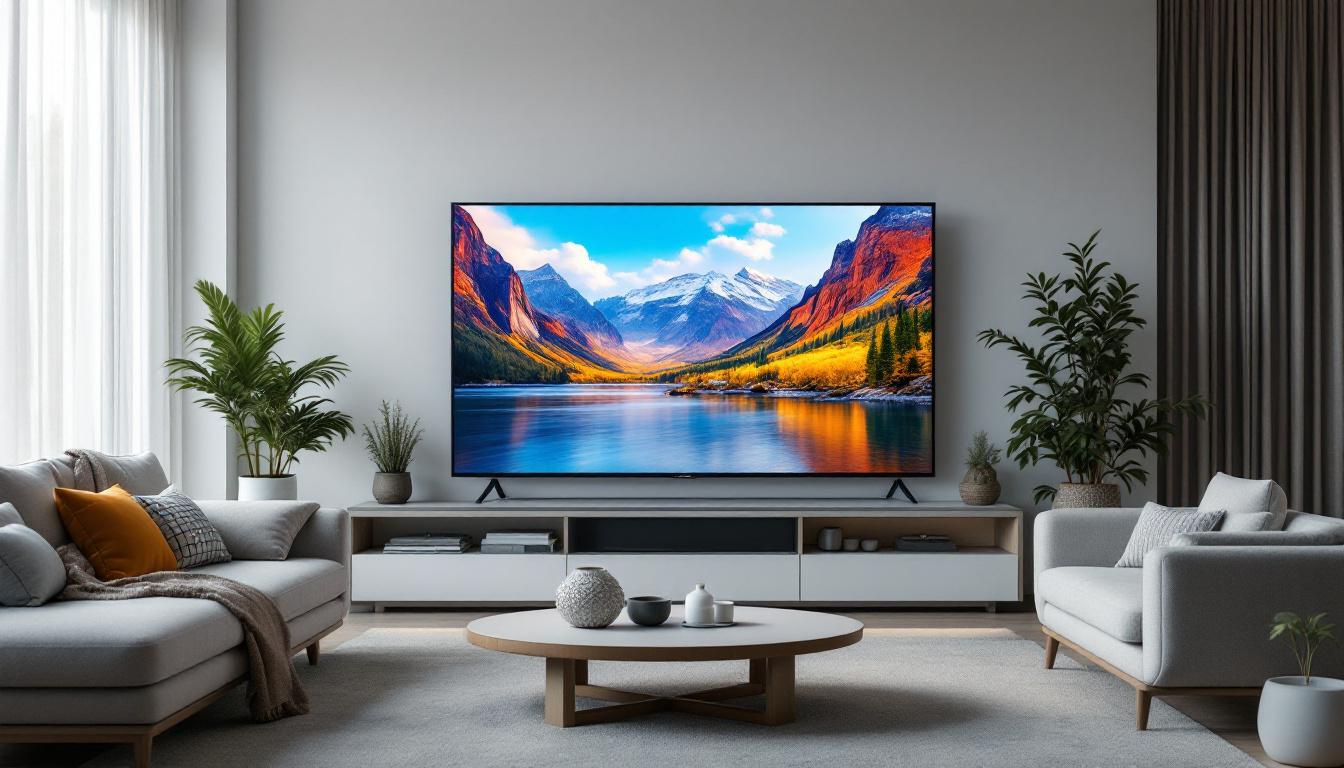
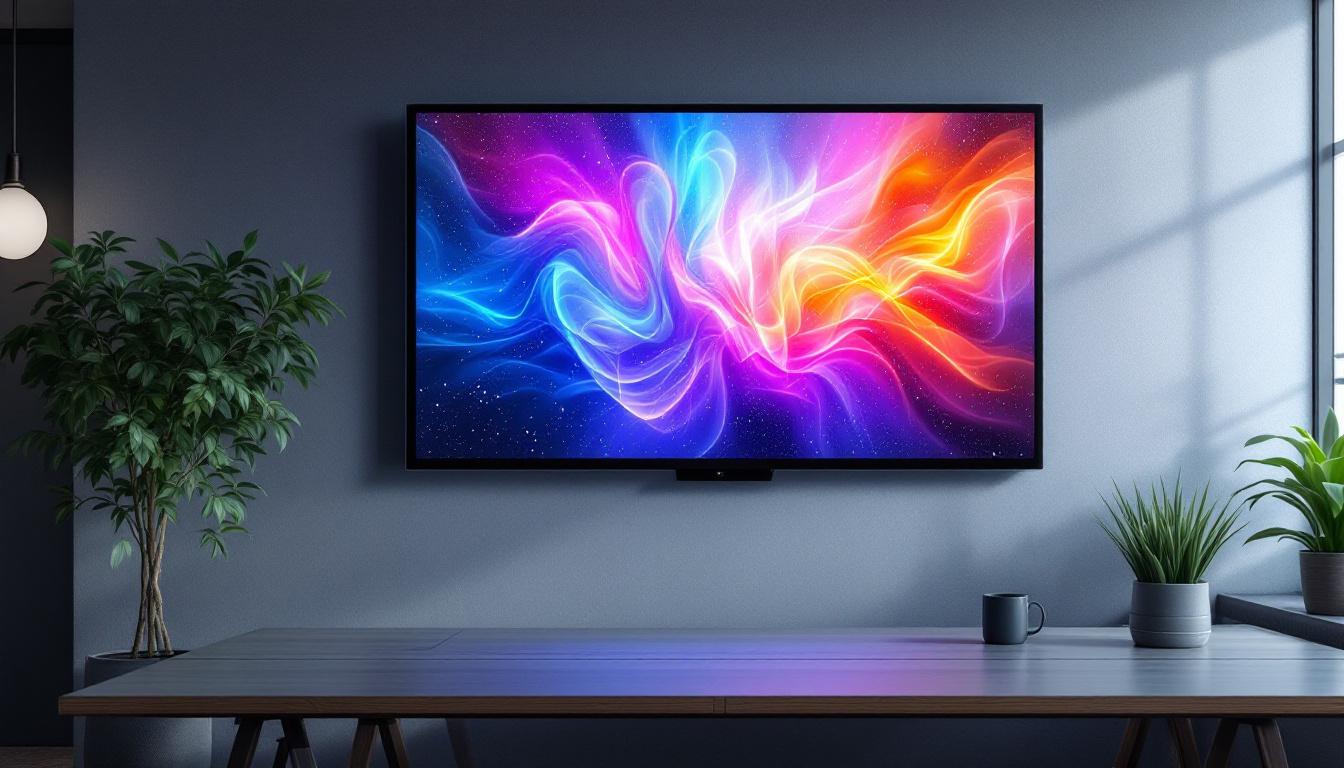
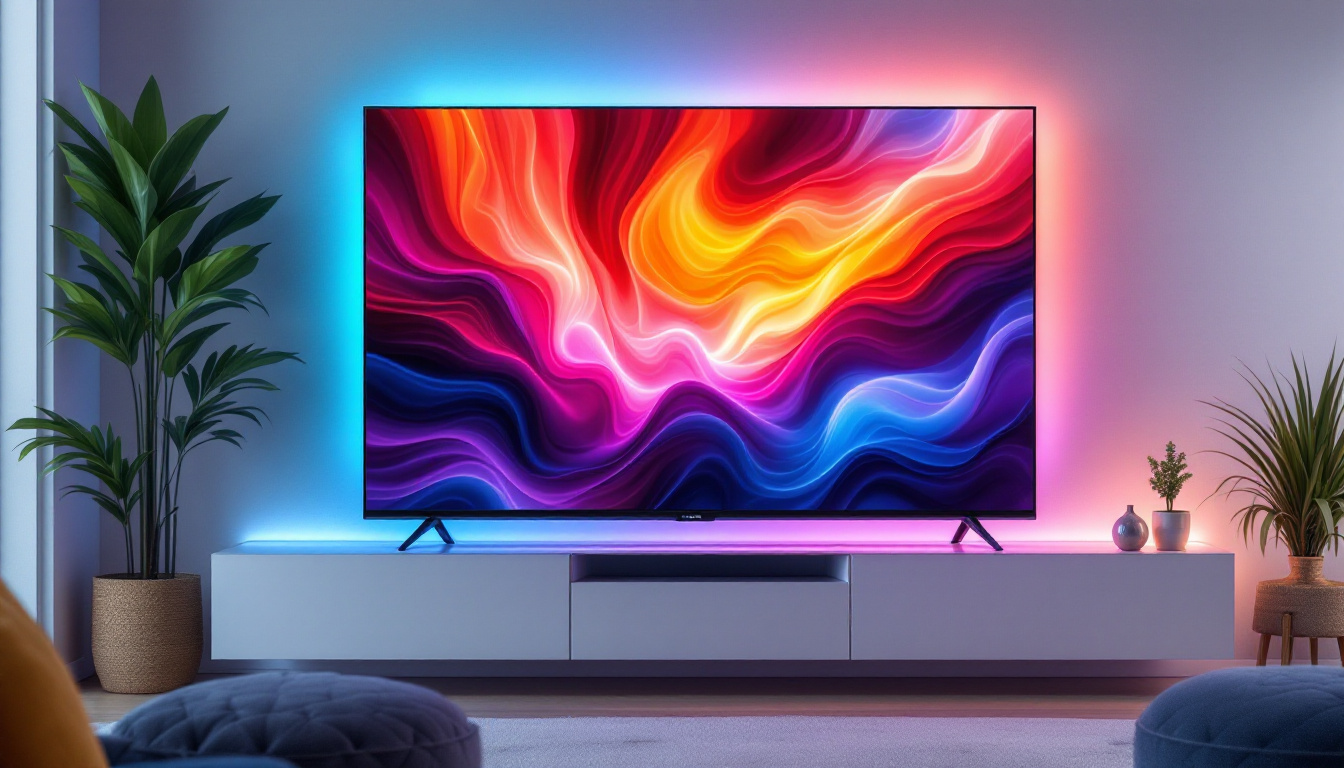
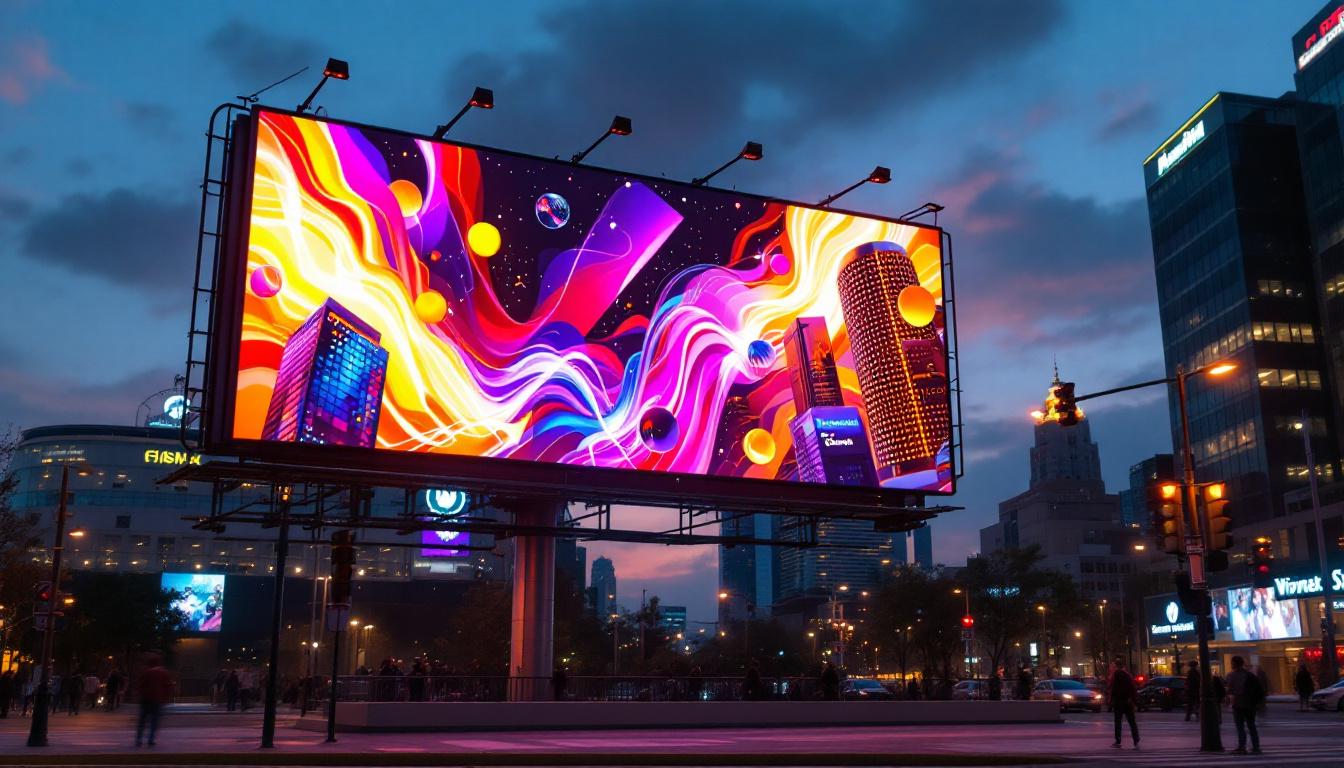
Indoor LED displays represent a modern visual technology that uses light-emitting diodes (LEDs) to produce images directly on the screen surface. Unlike projector screens, which rely on an external light source, LED displays are self-illuminating, meaning each pixel emits its own light.
This technology has rapidly advanced, allowing for ultra-thin, high-resolution panels that can be customized to almost any size or shape. Indoor LED displays are designed to perform optimally in controlled lighting environments, making them ideal for indoor use where image quality and brightness are paramount. Their versatility has made them a popular choice in various sectors, from retail and entertainment to corporate environments, where engaging visual communication is essential.
Moreover, the energy efficiency of LED displays cannot be overlooked. Compared to traditional display technologies, LED screens consume significantly less power, which not only reduces operational costs but also aligns with growing sustainability efforts. As businesses increasingly prioritize eco-friendly solutions, the adoption of LED displays serves as a step toward greener technology in visual communications.
How LED Displays Work
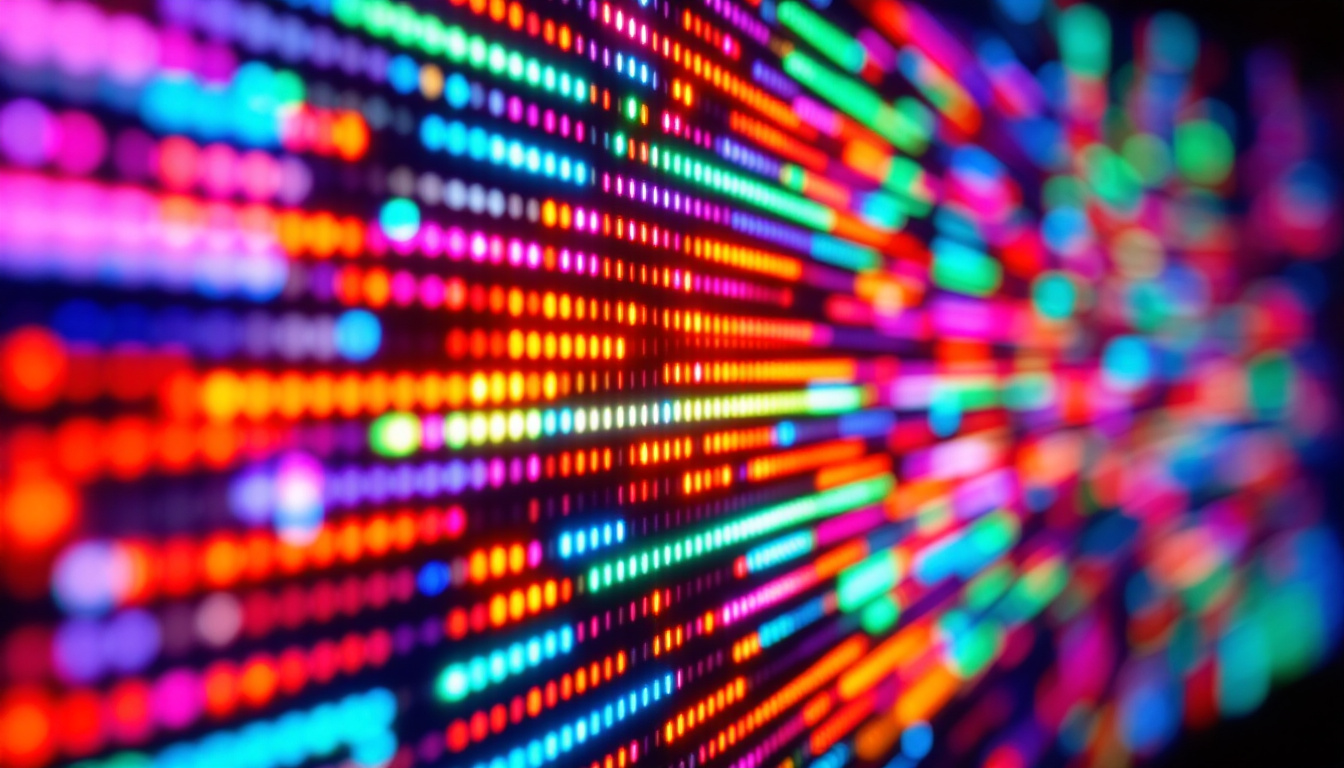
Each pixel in an LED display consists of red, green, and blue diodes that combine to create a full spectrum of colors. By adjusting the intensity of each diode, the display can render vivid, accurate images with high contrast ratios and brightness levels.
Modern LED displays use surface-mounted device (SMD) technology, where tiny LEDs are mounted directly onto the circuit board, allowing for higher pixel density and sharper images. This is particularly important for indoor applications where viewers are closer to the screen. Additionally, advancements in image processing technology have enhanced the performance of LED displays, enabling smoother motion graphics and more dynamic content playback. This capability is especially beneficial for environments such as sports arenas and concert venues, where real-time updates and high-energy visuals are crucial for audience engagement.
Types of Indoor LED Displays
Indoor LED displays come in several varieties, including:
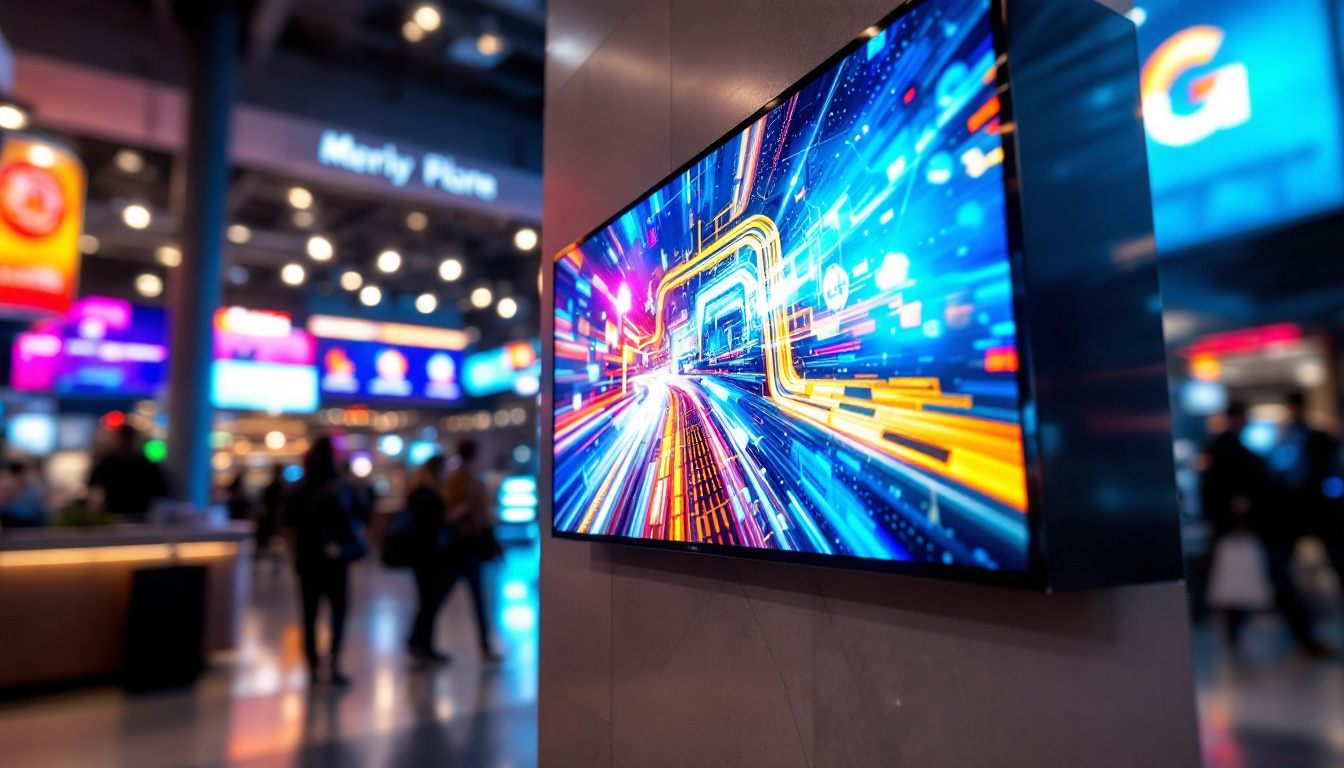
- Fixed LED Walls: Large, permanent installations often used in auditoriums, shopping malls, and control rooms.
- Rental LED Displays: Modular and portable, ideal for events, exhibitions, and temporary setups.
- Transparent LED Screens: Allow light to pass through, suitable for storefronts and architectural applications.
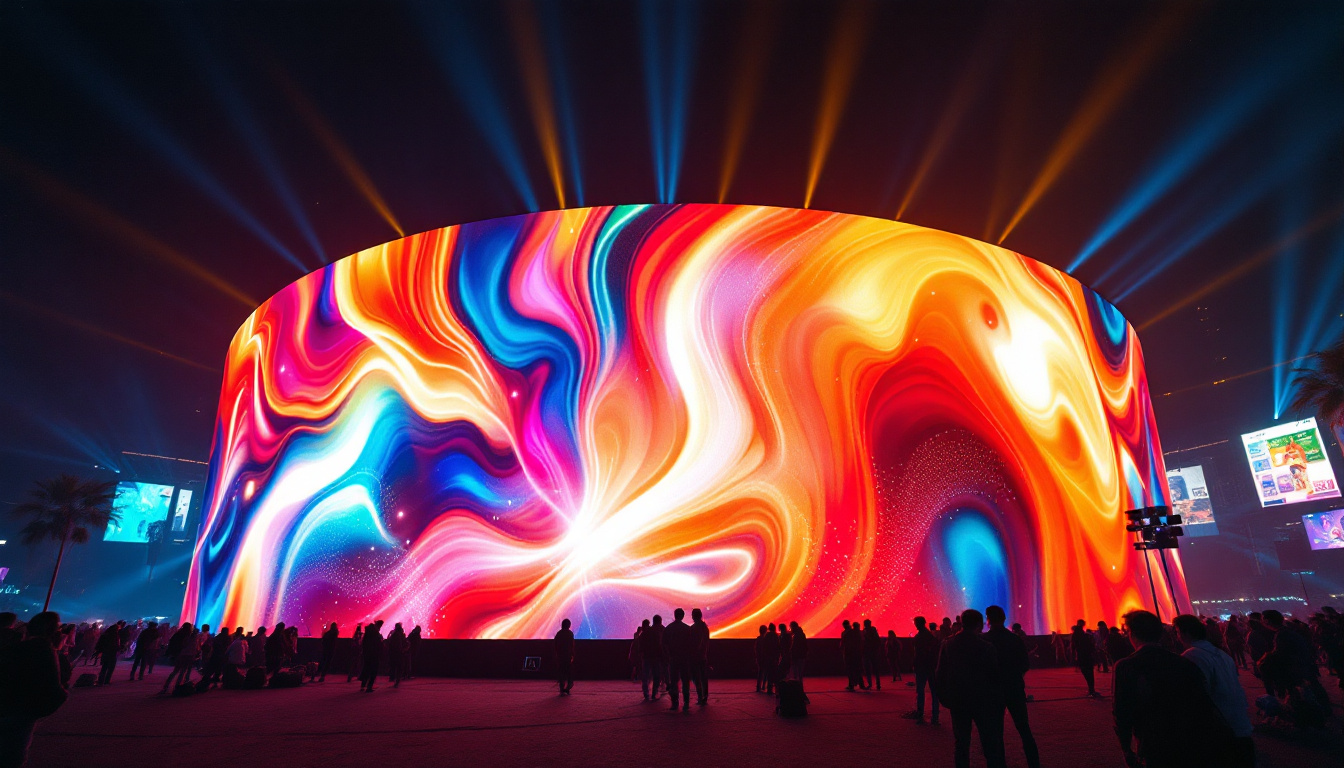
- Curved and Flexible LED Displays: Designed for creative installations and immersive environments.
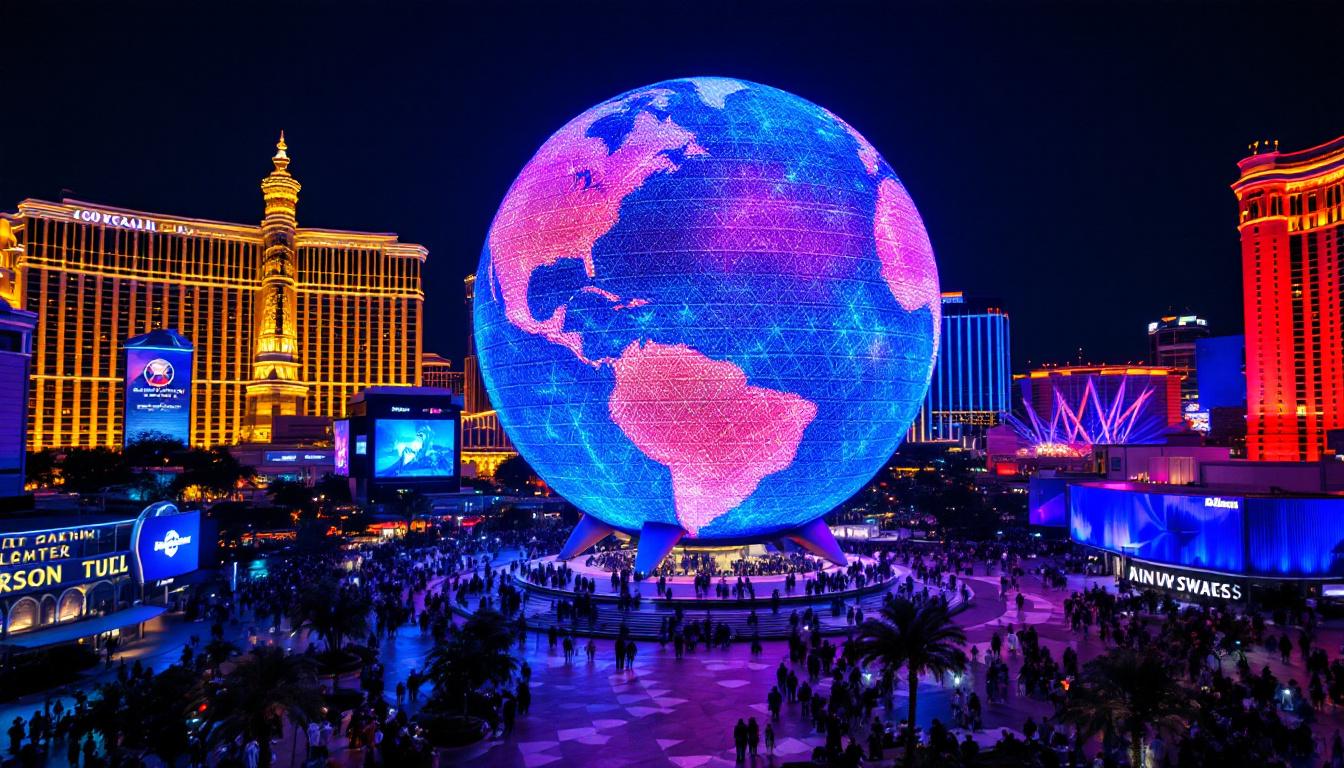
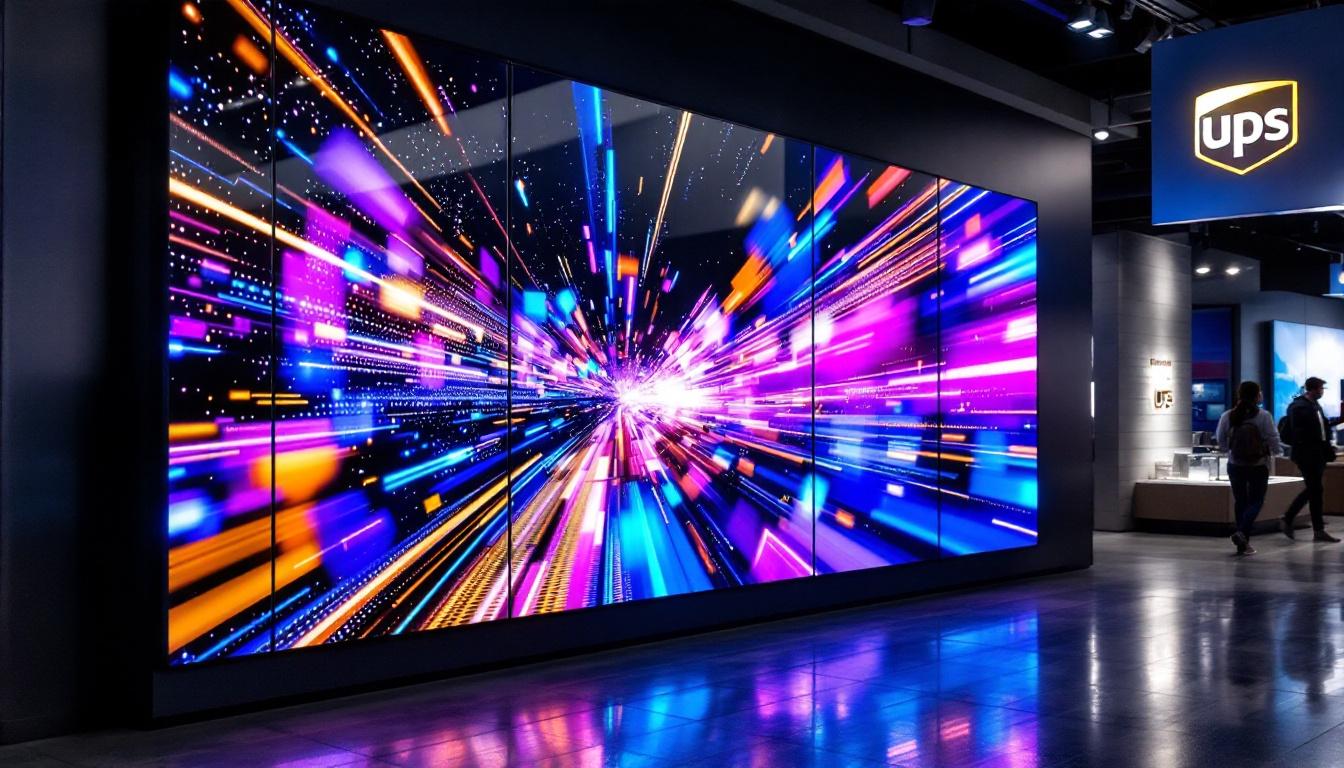
Each type of indoor LED display serves a unique purpose and caters to specific needs. For instance, fixed LED walls are often integrated into the architecture of a space, providing a seamless visual experience that can be utilized for advertising, branding, or information dissemination. On the other hand, rental LED displays are engineered for quick assembly and disassembly, making them perfect for trade shows and live events where adaptability is key. Furthermore, transparent LED screens are revolutionizing retail by allowing businesses to showcase products while maintaining visibility into their stores, creating a captivating shopping experience. The innovation in curved and flexible displays opens up new possibilities for artistic expression, enabling designers to create captivating environments that draw viewers in and enhance storytelling through visual media.
Advantages of Indoor LED Displays Over Projector Screens
LED displays offer several compelling benefits compared to traditional projector screens, especially in indoor environments where image quality and reliability are critical.
Superior Brightness and Contrast
One of the most significant advantages of LED displays is their brightness. While projectors typically range from 2,000 to 5,000 lumens for indoor use, LED displays can achieve brightness levels upwards of 1,000 nits or more, ensuring clear visibility even in well-lit rooms.
Additionally, LED displays boast exceptional contrast ratios because each pixel can be turned off completely to produce true blacks, unlike projector screens where light bleed can reduce image depth.
Enhanced Image Quality and Resolution
Indoor LED displays can deliver ultra-high-definition resolutions, including 4K and beyond, with consistent color accuracy and uniformity across the entire screen. This is particularly beneficial for applications requiring detailed visuals, such as data visualization, medical imaging, and digital signage.
Wide Viewing Angles and Consistent Performance
LED technology provides wide viewing angles, typically around 160 to 180 degrees, allowing audiences to see the image clearly from various positions without color shifting or brightness loss. This contrasts with projector screens, which often suffer from reduced image quality when viewed off-center.
Durability and Low Maintenance
LED displays are built to last, with lifespans often exceeding 50,000 hours. They require minimal maintenance compared to projectors, which need periodic lamp replacements and cleaning. Moreover, LED panels are less susceptible to damage from dust and environmental factors.
Space Efficiency and Installation Flexibility
Because LED displays are self-illuminating and do not require a separate projector unit, they save space and simplify installation. Their modular design allows for custom sizing and shapes, enabling creative integration into architectural designs.
Applications of Indoor LED Displays
Indoor LED displays are increasingly popular across various sectors due to their versatility and performance.
Corporate and Conference Rooms
Businesses use LED walls for presentations, video conferencing, and digital signage. The high brightness and clarity improve communication and engagement during meetings and events.
Education and Training Facilities
Classrooms and lecture halls benefit from LED displays’ ability to deliver crisp visuals that enhance learning experiences. Interactive LED screens can also facilitate collaborative teaching methods.
Retail and Advertising
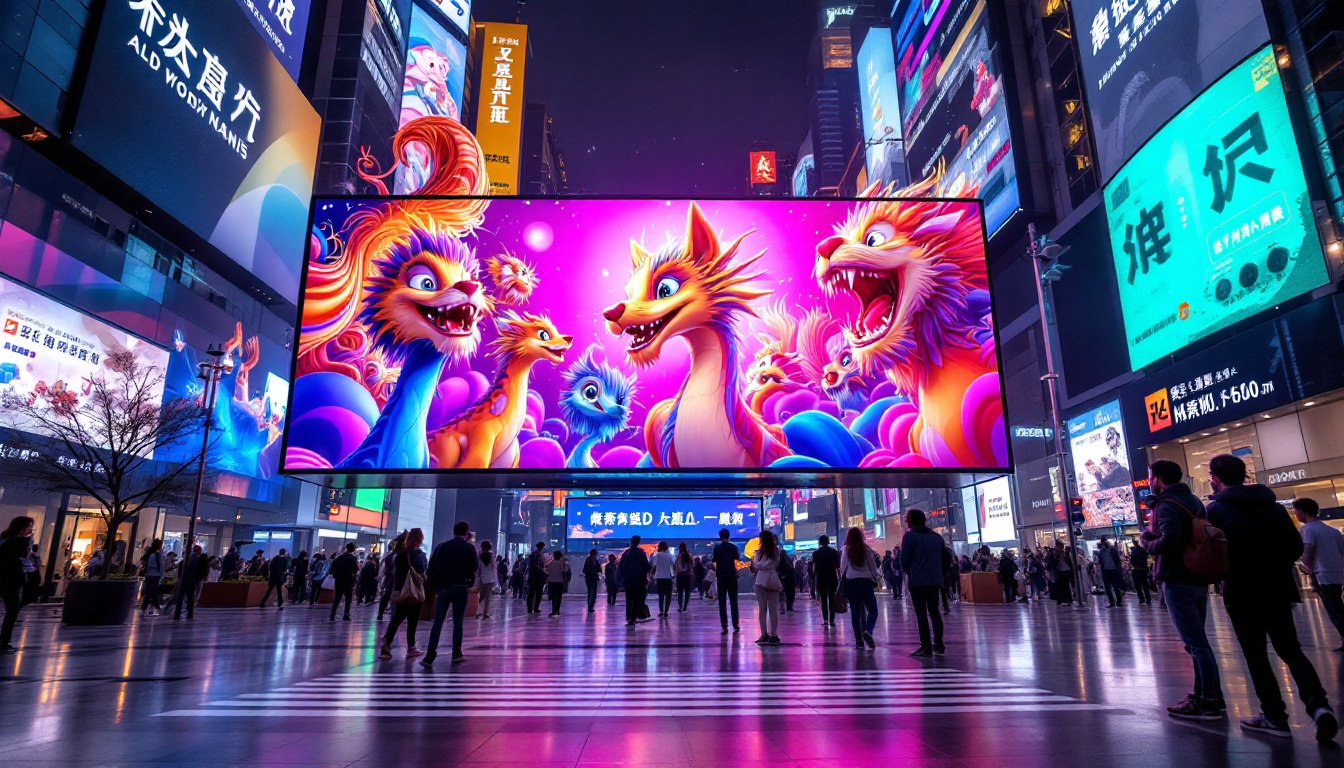
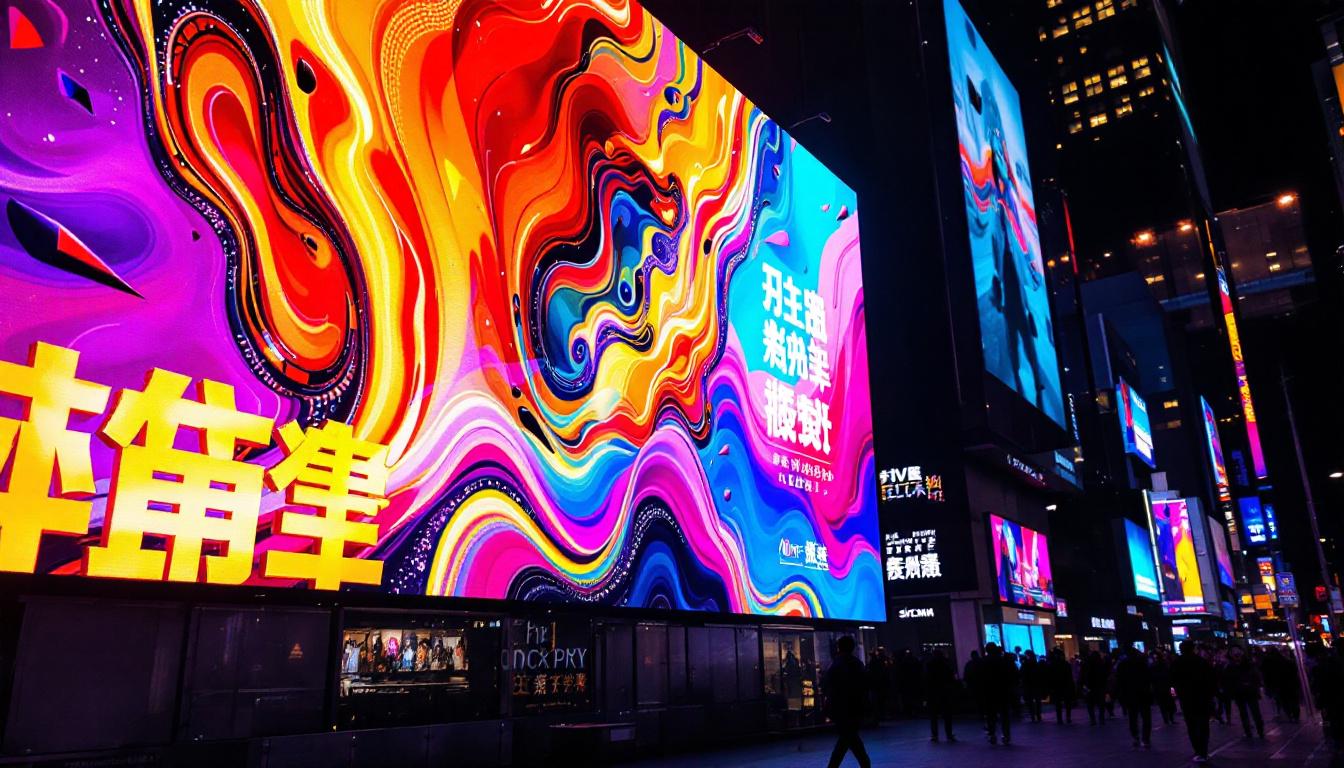
Retailers leverage LED displays for dynamic advertising, promotional content, and brand storytelling. Transparent LED screens enable eye-catching window displays without blocking natural light.
Entertainment and Hospitality
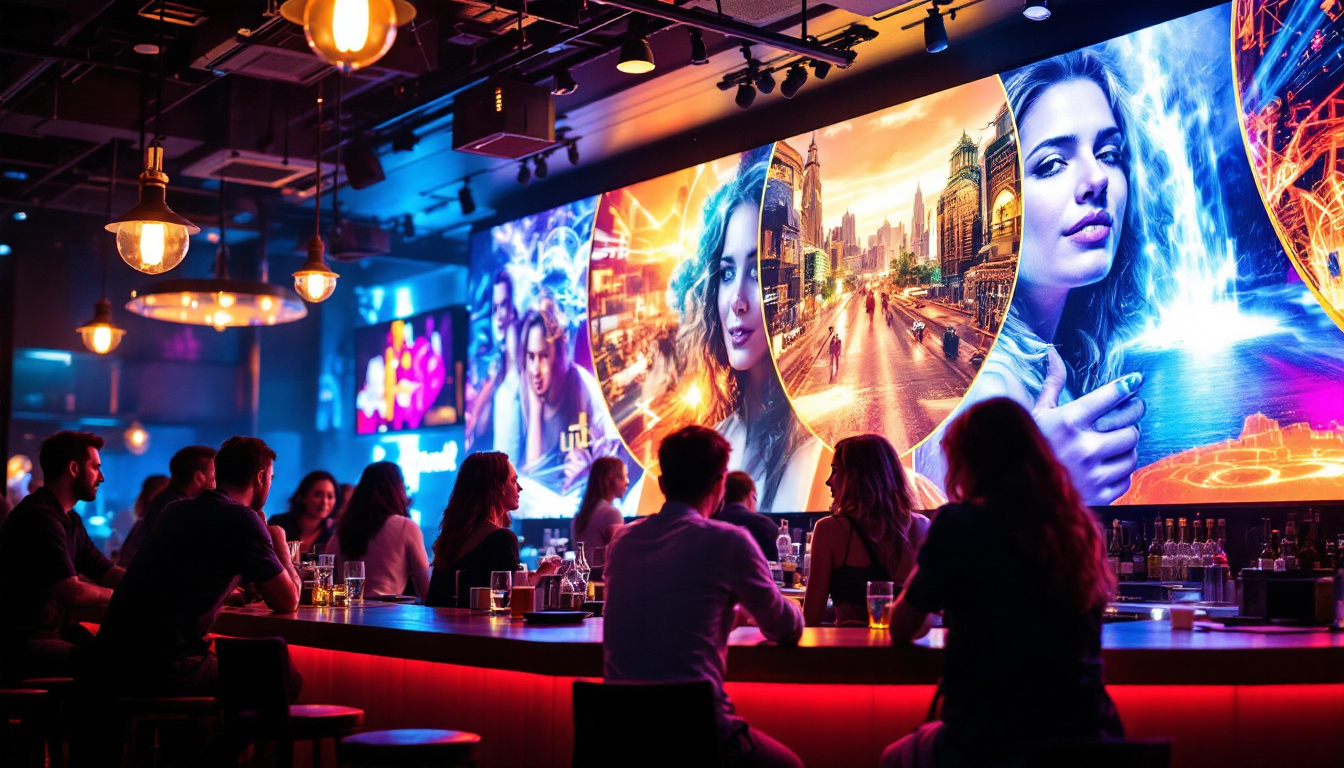
Theaters, hotels, and restaurants use LED displays for immersive experiences, digital menus, and ambient visuals that elevate customer engagement.
Healthcare and Control Rooms
In healthcare, LED displays assist in diagnostics by providing high-resolution imaging. Control rooms utilize large LED walls for monitoring and situational awareness.
Comparing Costs: LED Displays vs. Projector Screens
Cost is a critical factor when choosing between LED displays and projector screens. While LED technology offers many advantages, it typically comes with a higher upfront investment.
Projector setups can be more affordable initially, especially for smaller screens or home theater applications. However, the total cost of ownership should consider maintenance, lamp replacements, and the need for controlled lighting environments.
LED displays, though more expensive upfront, tend to have lower ongoing costs and longer lifespans, making them cost-effective over time for commercial and high-usage scenarios.
Choosing the Right Solution for Your Indoor Space
Deciding between an indoor projector screen and an LED display depends on several factors, including budget, room size, ambient lighting, intended use, and desired image quality.
For environments where ambient light is difficult to control, or where high brightness and image clarity are paramount, LED displays are often the superior choice. Conversely, projector screens remain viable for applications where cost constraints exist or where a more traditional setup is preferred.
Considerations for Installation
When installing LED displays, factors such as power supply, ventilation, and mounting options must be planned carefully. Professional installation is recommended to optimize performance and ensure safety.
Future-Proofing Your Investment
As display technology continues to advance, investing in LED displays can provide greater flexibility and scalability. Modular LED panels allow for easy upgrades and expansions, helping organizations stay current with evolving visual communication needs.
Conclusion
Indoor LED displays represent a significant advancement in visual technology, offering superior brightness, image quality, and versatility compared to traditional projector screens. While the initial investment may be higher, the long-term benefits in performance, durability, and maintenance make LED displays an attractive option for a wide range of indoor applications.
Understanding the differences and advantages of LED displays empowers businesses, educators, and consumers to select the best indoor display solution tailored to their specific needs, ensuring impactful and engaging visual experiences.
Discover LumenMatrix LED Display Solutions
Ready to elevate your indoor visual experience with the latest in LED display technology? LumenMatrix offers a comprehensive range of innovative LED display modules, from captivating Indoor LED Wall Displays to dynamic Custom LED Displays, designed to meet the diverse needs of any space. Embrace the future of visual communication and transform your environment with our cutting-edge solutions. Check out LumenMatrix LED Display Solutions today and see how we can help you create an unforgettable visual impact.