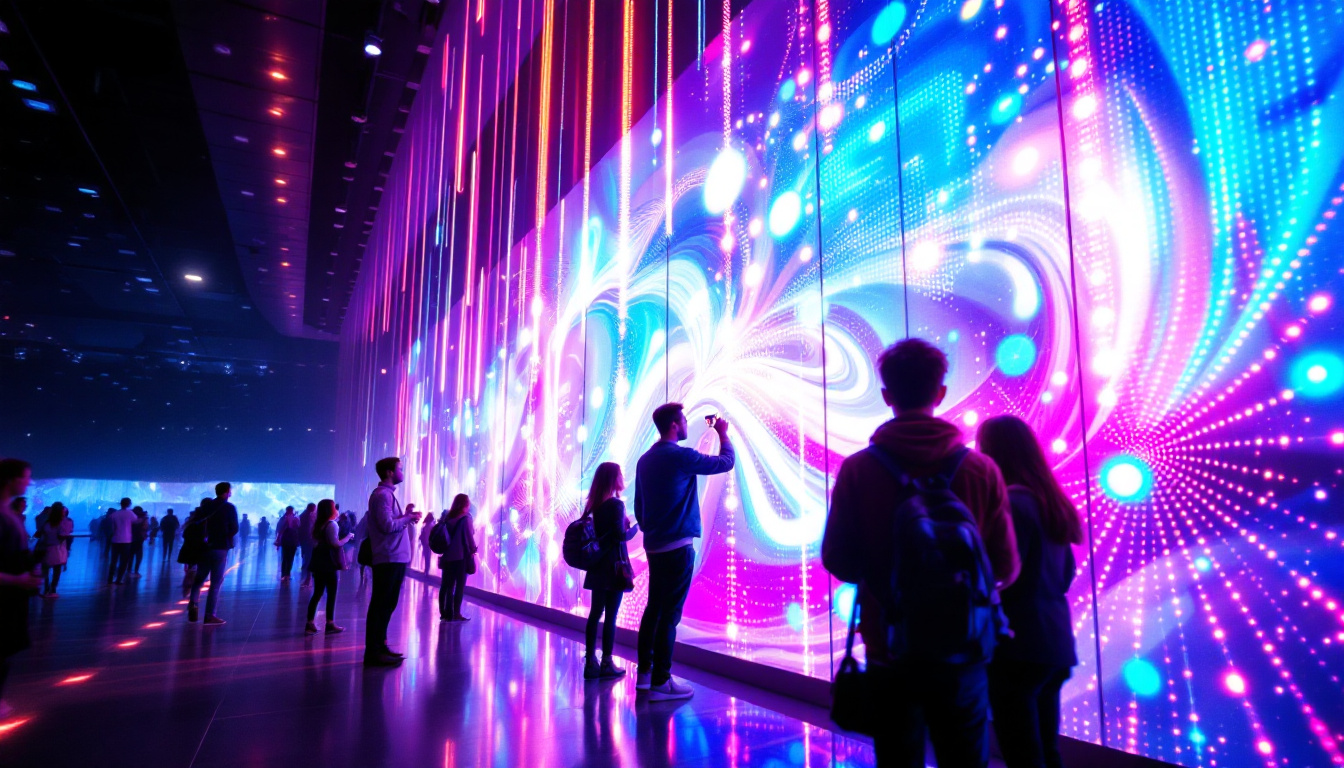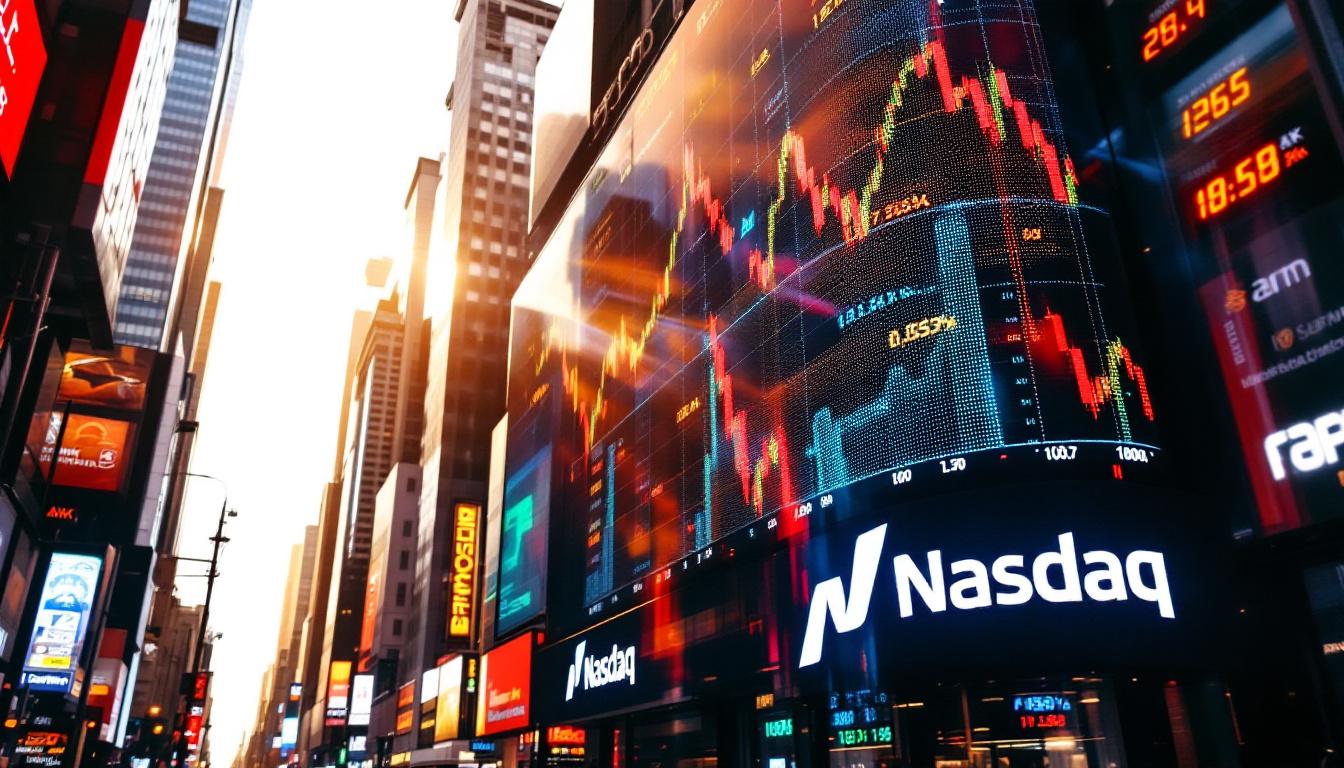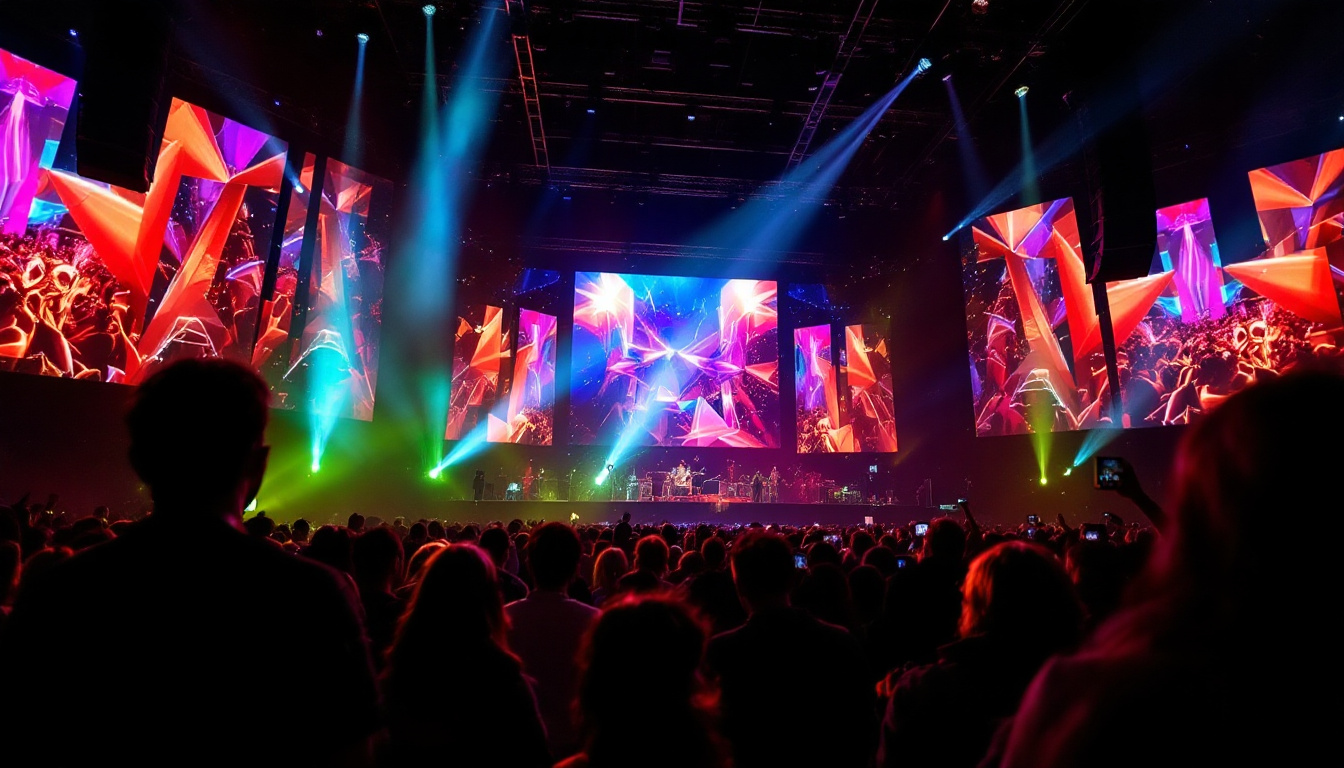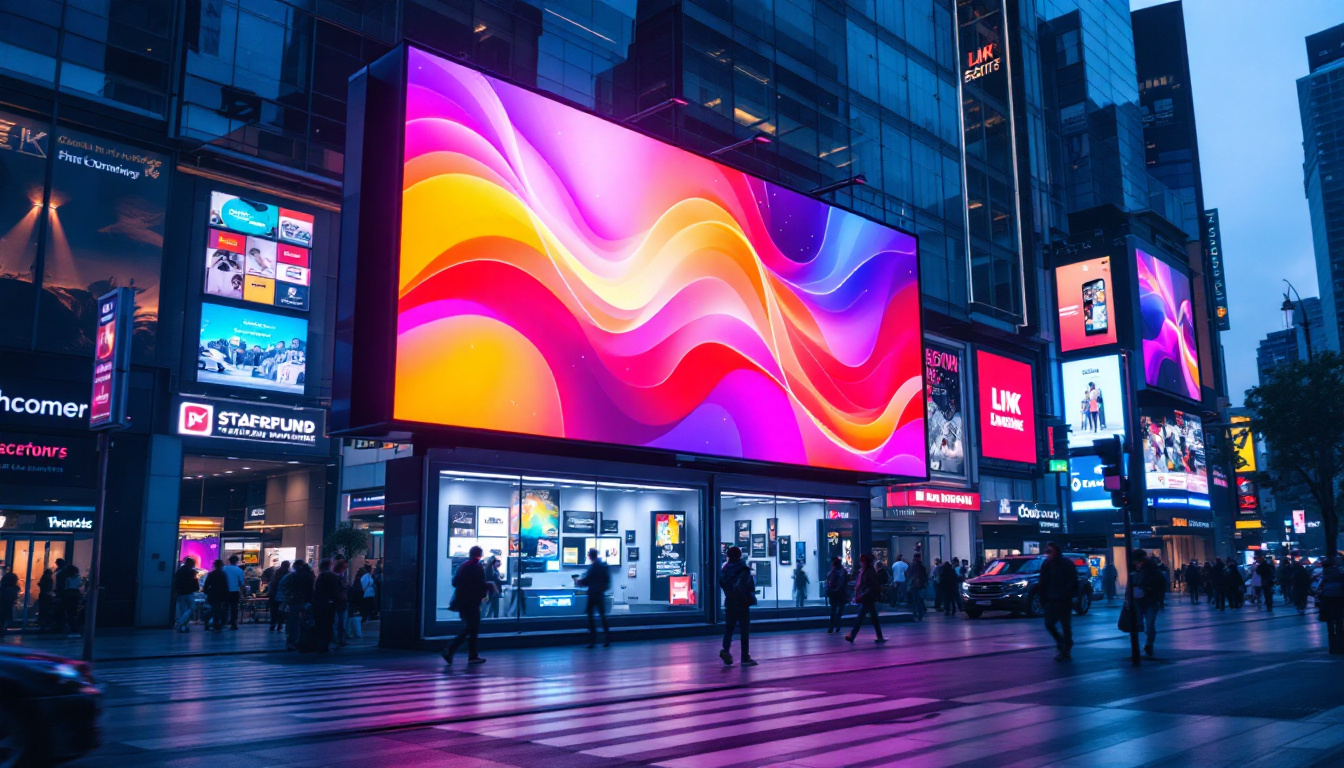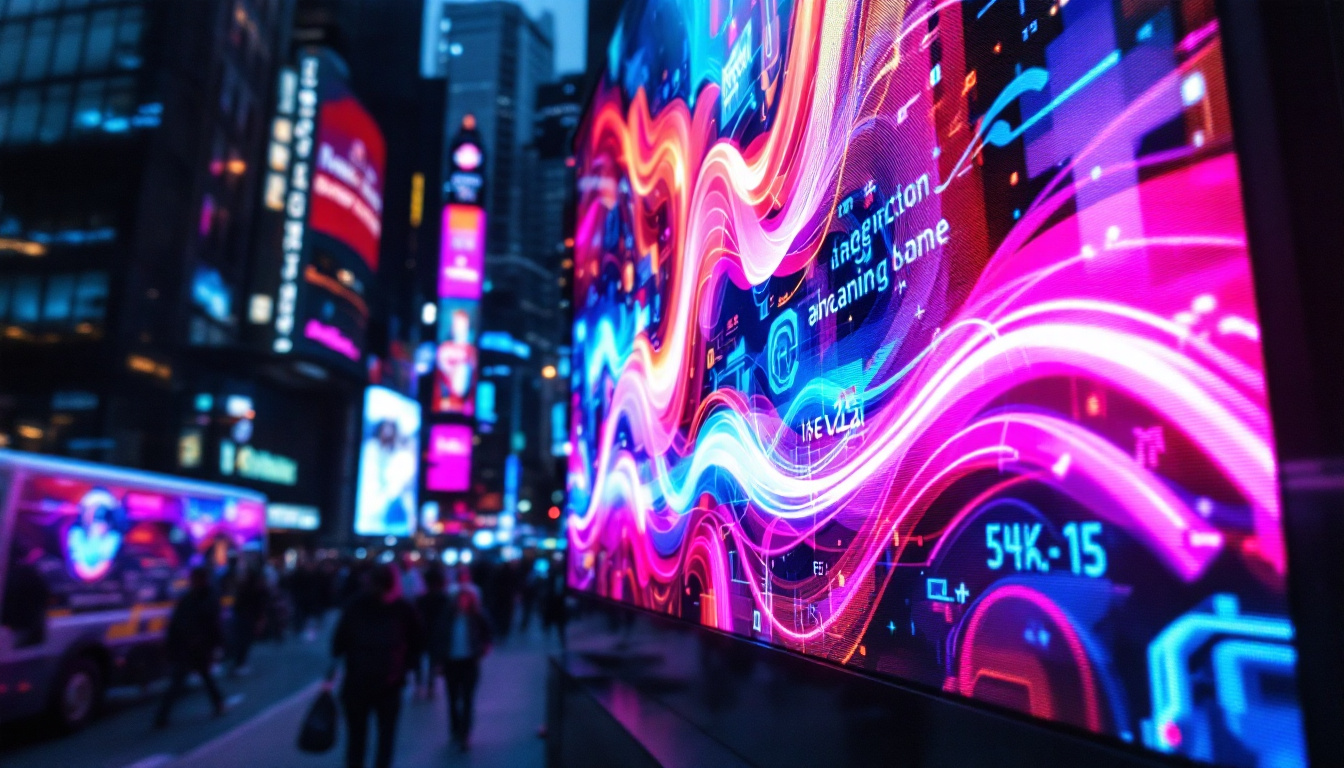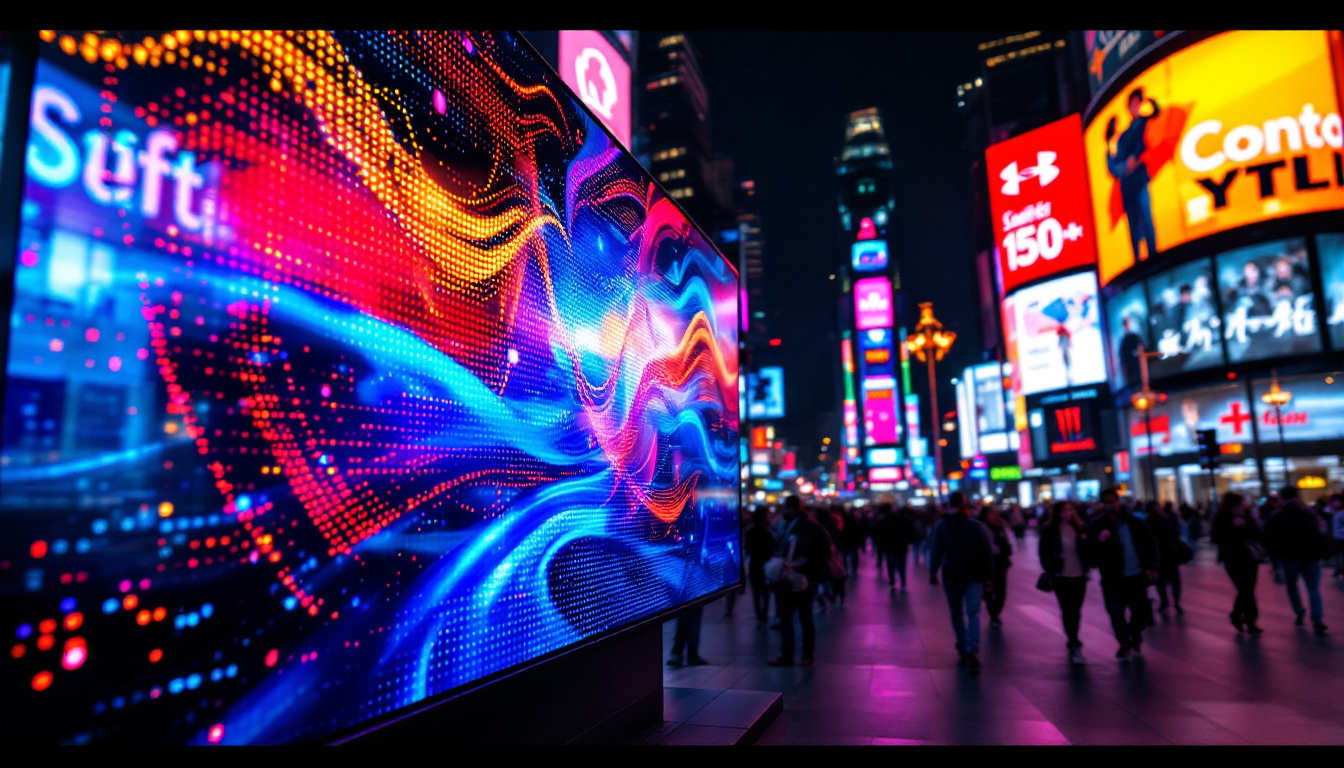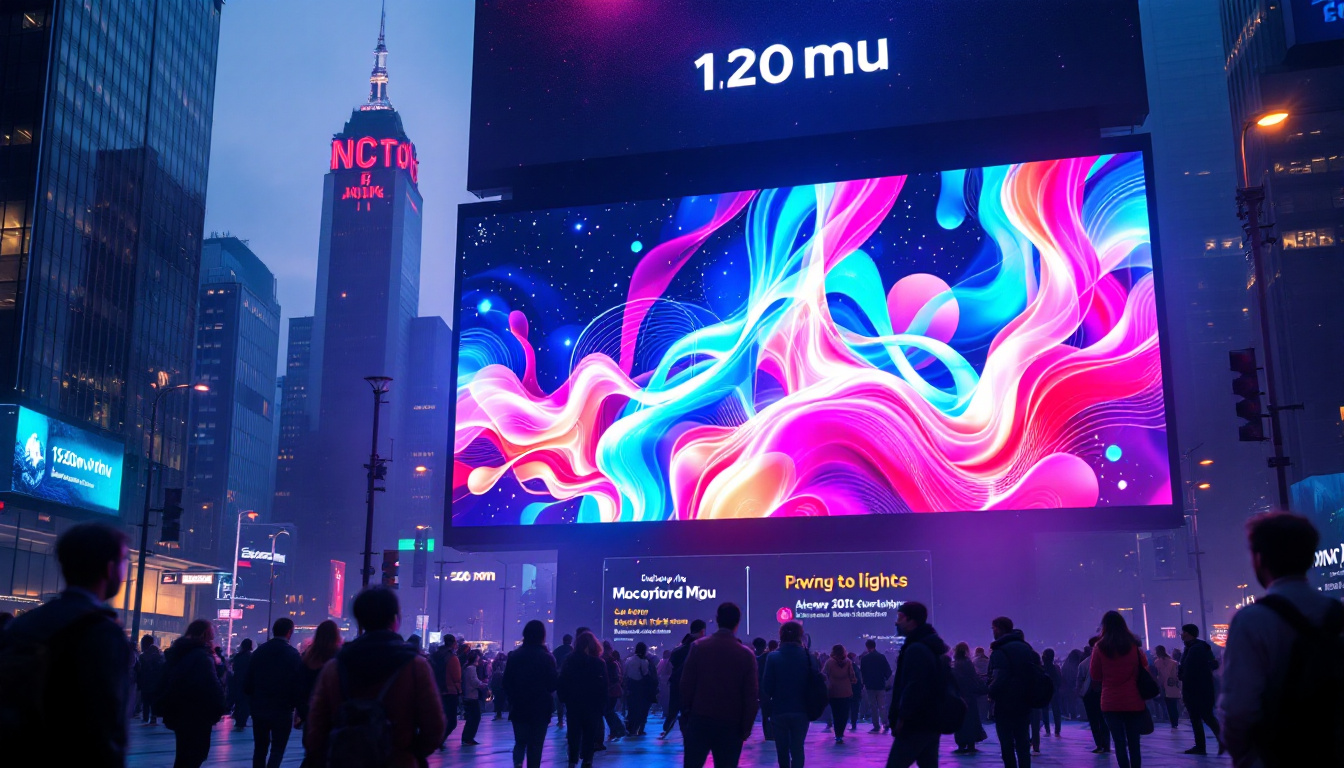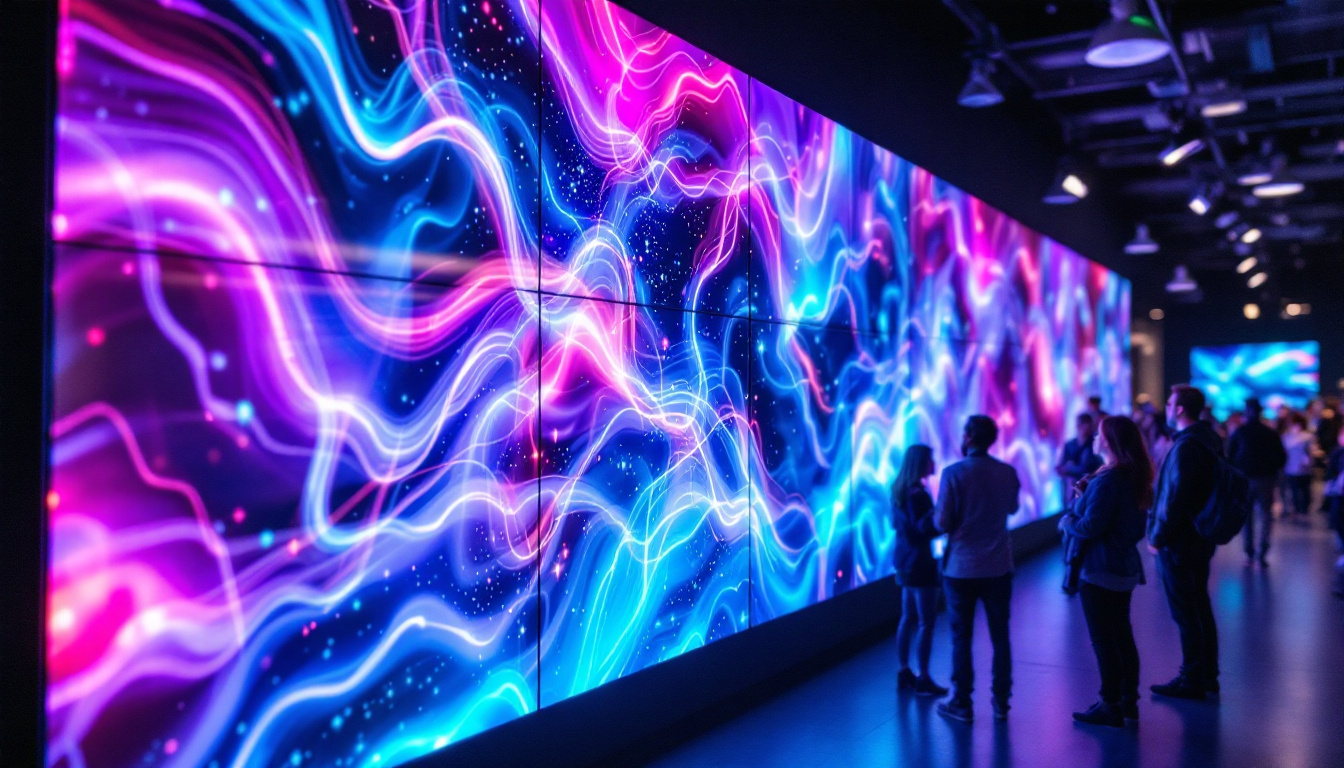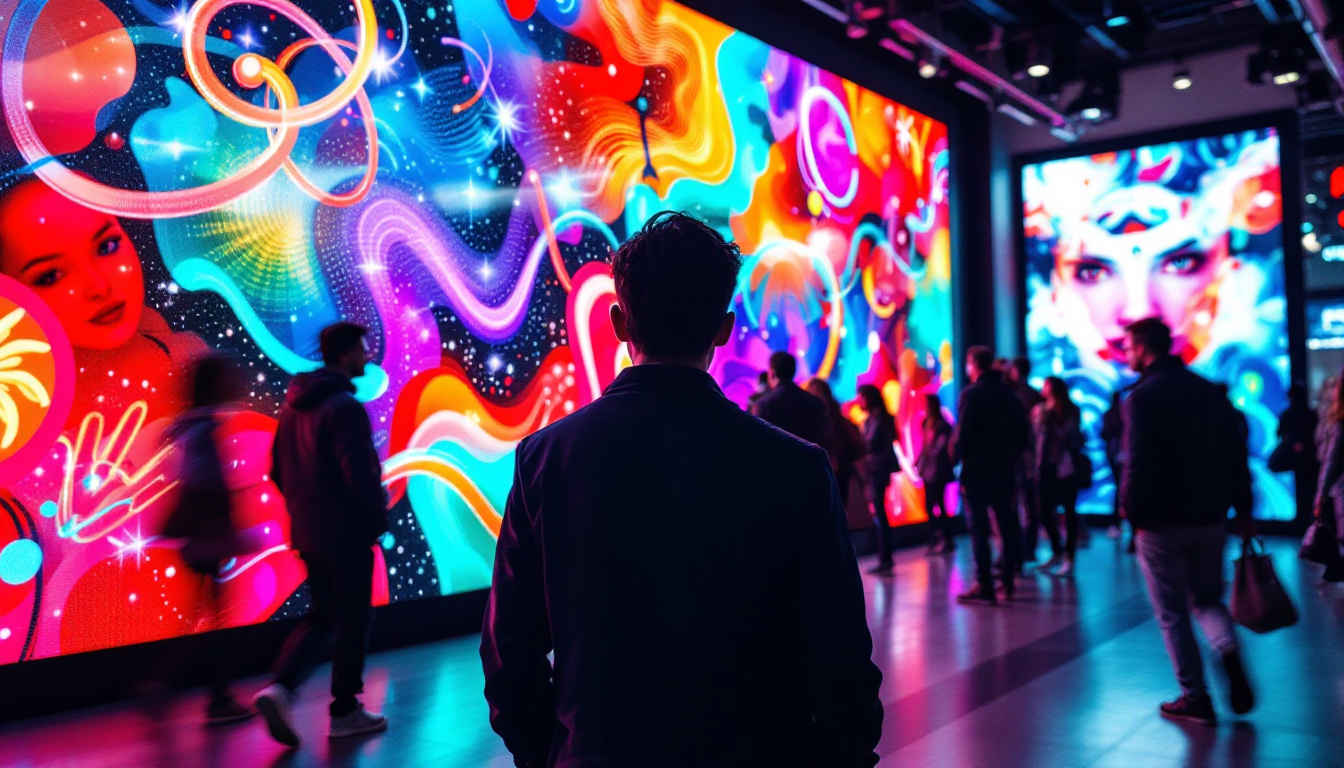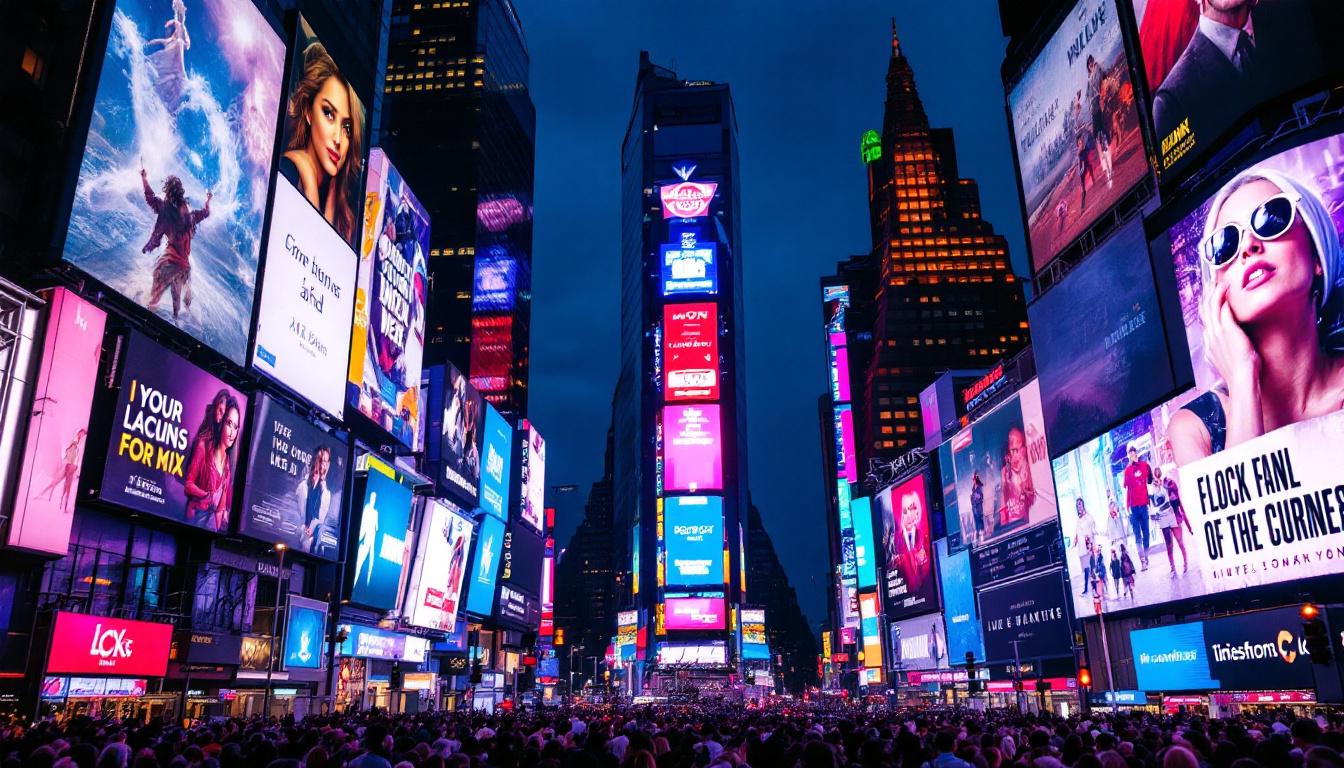
Times Square, often dubbed “The Crossroads of the World,” is renowned for its dazzling array of digital billboards and LED screens that light up the New York City skyline day and night. These massive displays are not just advertising tools; they have become an iconic part of the urban landscape, influencing marketing, tourism, and even culture. Understanding how these LED screens work, their technological evolution, and their impact provides valuable insights into one of the most vibrant advertising hubs on the planet.
The Evolution of Times Square Displays
Times Square’s transformation from traditional static billboards to dynamic LED screens reflects broader technological advancements and shifts in advertising strategies. In the early 20th century, Times Square was filled with painted signs and incandescent bulbs. The transition to electronic displays began in the 1970s and accelerated rapidly with the advent of LED technology in the 1990s.
LED (Light Emitting Diode) technology revolutionized outdoor advertising by offering brighter, more energy-efficient, and visually dynamic options. The first large-scale LED display in Times Square appeared in the late 1990s, and since then, the number and sophistication of these screens have grown exponentially. Today, Times Square features some of the largest and most advanced LED displays in the world, including the iconic Nasdaq MarketSite tower and the massive One Times Square Jumbotron.
From Neon to LED: A Technological Leap
Before LEDs, neon signs dominated the landscape. Neon offered vibrant colors and a glowing effect but was limited in size and flexibility. LEDs, by contrast, can be scaled to enormous sizes without losing brightness or clarity. They also enable video playback, animations, and real-time updates, which neon signs cannot support.
This shift has allowed advertisers to create immersive, eye-catching campaigns that engage millions of visitors annually. The ability to quickly change content also means that Times Square’s screens can respond to current events, holidays, or promotional campaigns instantly, keeping the area fresh and relevant.
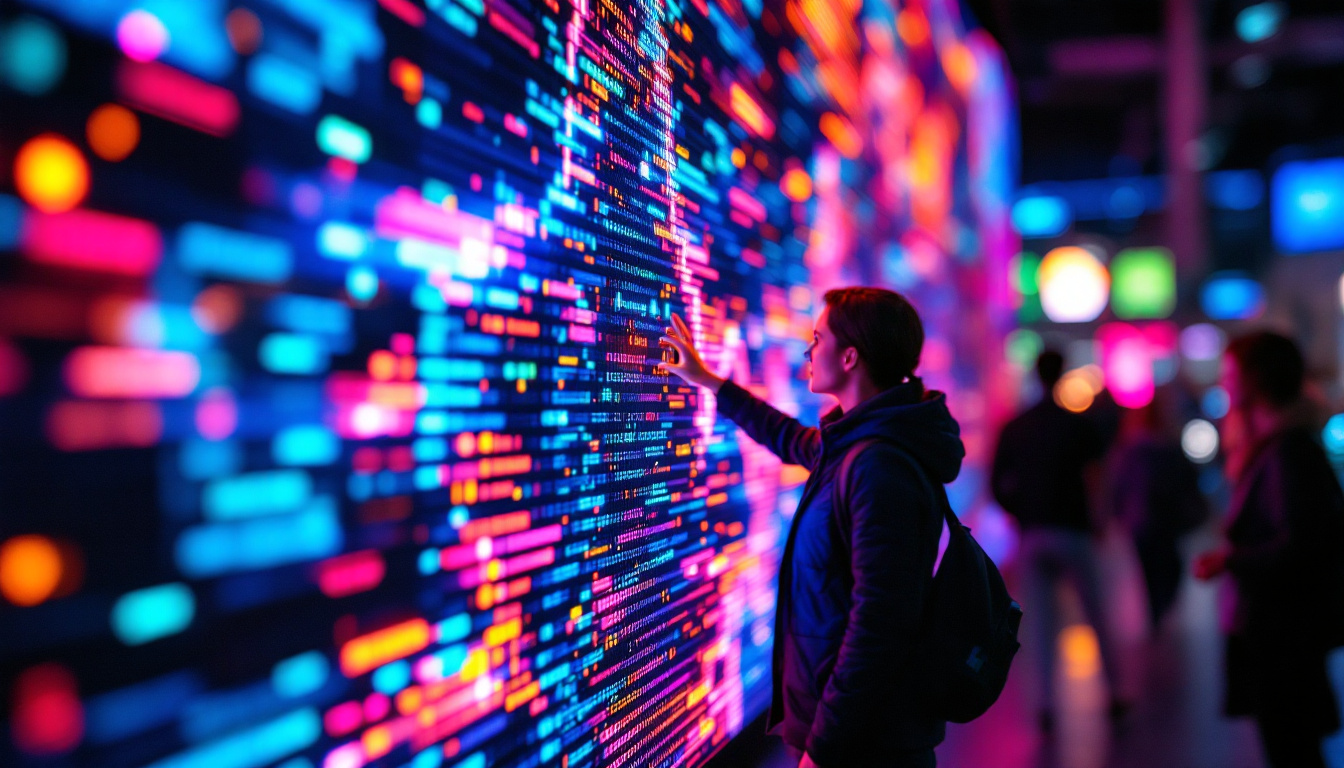
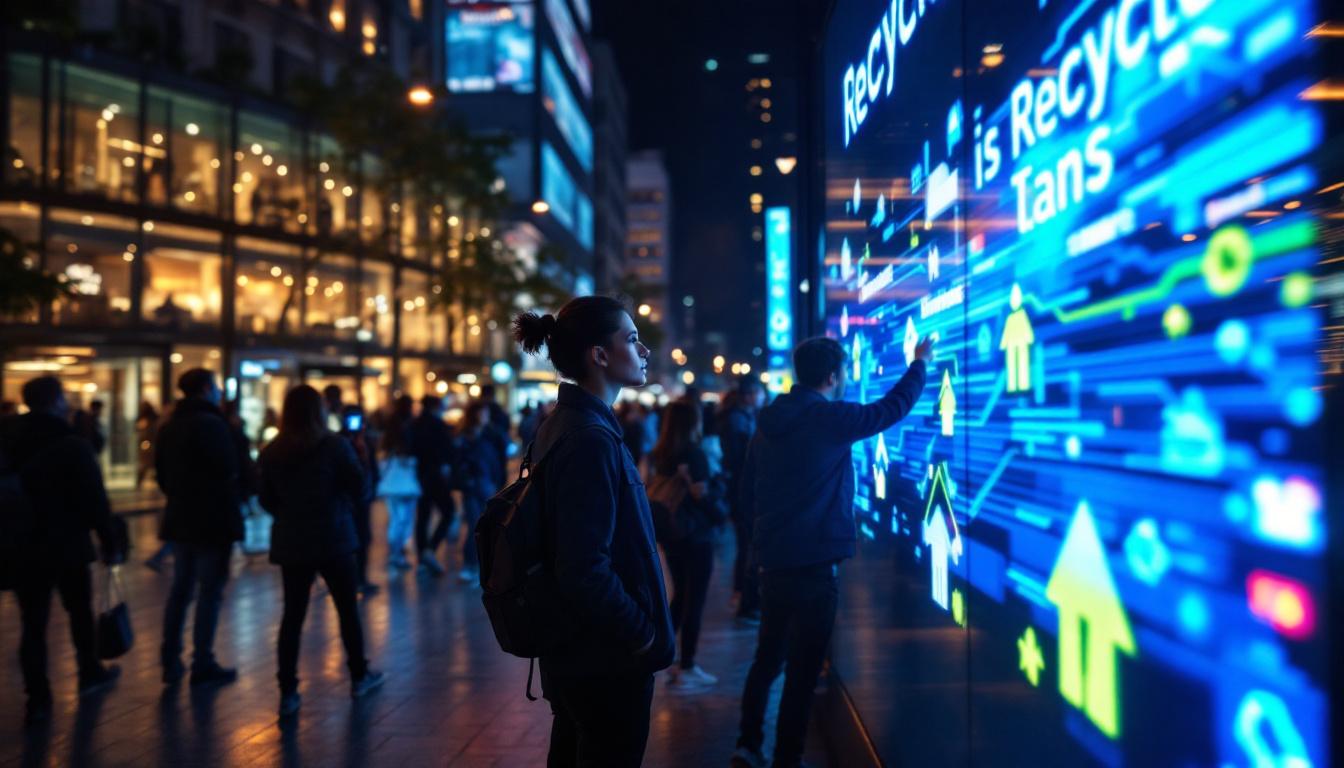
Moreover, the integration of interactive technology has further enhanced the experience for visitors. Many LED displays now incorporate touch screens and augmented reality features, allowing passersby to engage directly with the content. This interactivity not only captivates audiences but also encourages social media sharing, amplifying the reach of the advertisements beyond the physical space of Times Square. For example, campaigns that invite people to take selfies with a branded display or participate in live polls create a buzz that extends far into the digital realm, making Times Square a hub of both physical and virtual engagement.
As the landscape of advertising continues to evolve, the future of Times Square displays looks promising. Innovations such as 3D holographic projections and artificial intelligence-driven content personalization are on the horizon, promising to take the visual spectacle to new heights. These advancements will not only enhance the aesthetic appeal of the area but also deepen the connection between brands and consumers, ensuring that Times Square remains a vibrant and influential advertising epicenter for years to come.
How LED Displays Work: The Technology Behind the Glow
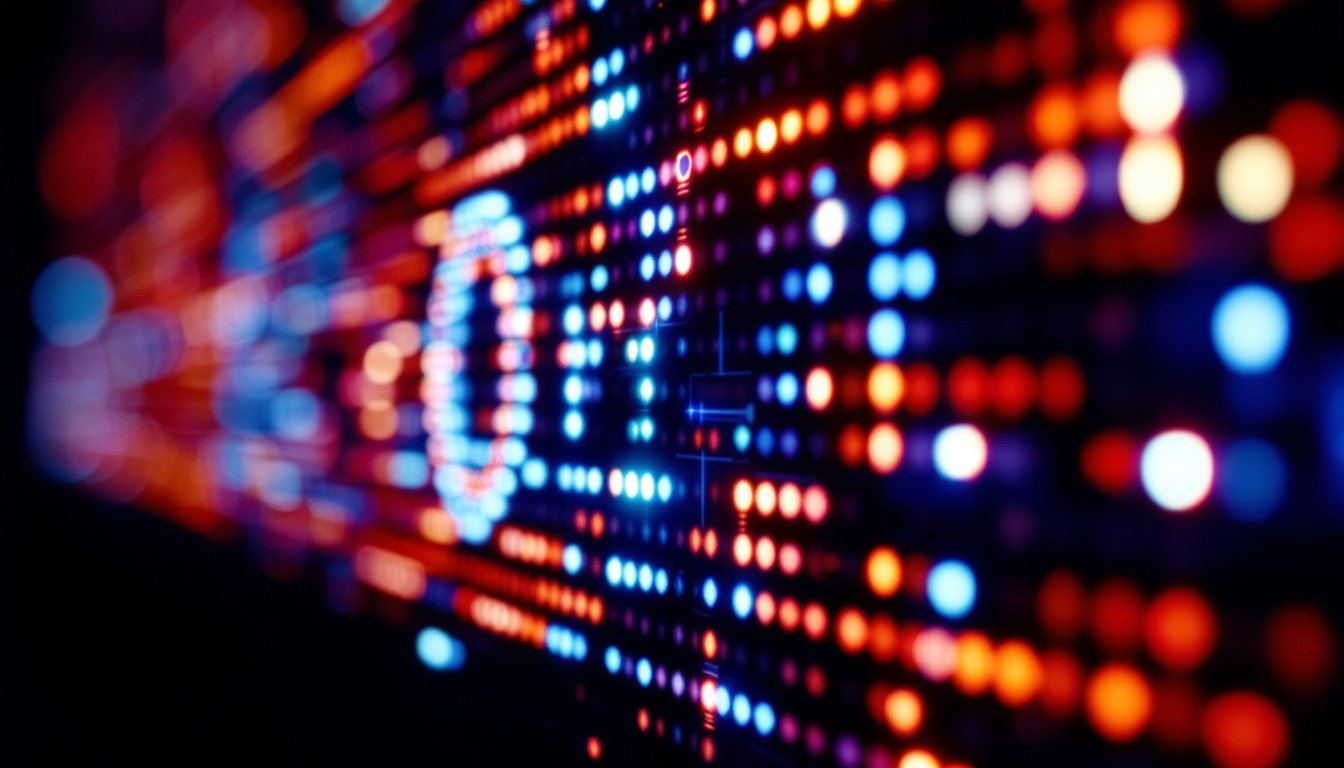
LED displays in Times Square are complex systems that combine hardware and software to deliver stunning visuals visible even in direct sunlight. At the core, these displays consist of thousands to millions of tiny LEDs arranged in a grid, each capable of emitting red, green, and blue light. By varying the intensity of these three colors, the screen can produce a full spectrum of colors.
Pixel Pitch and Resolution
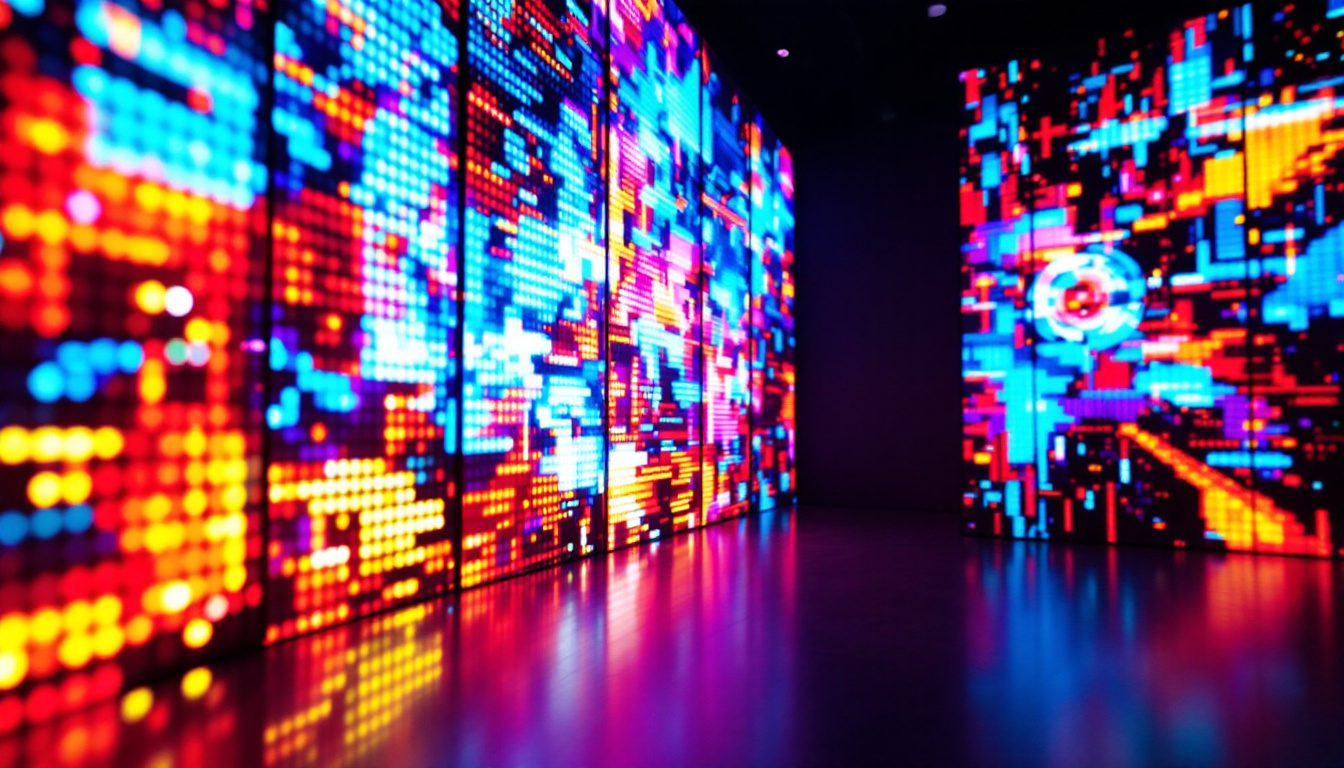
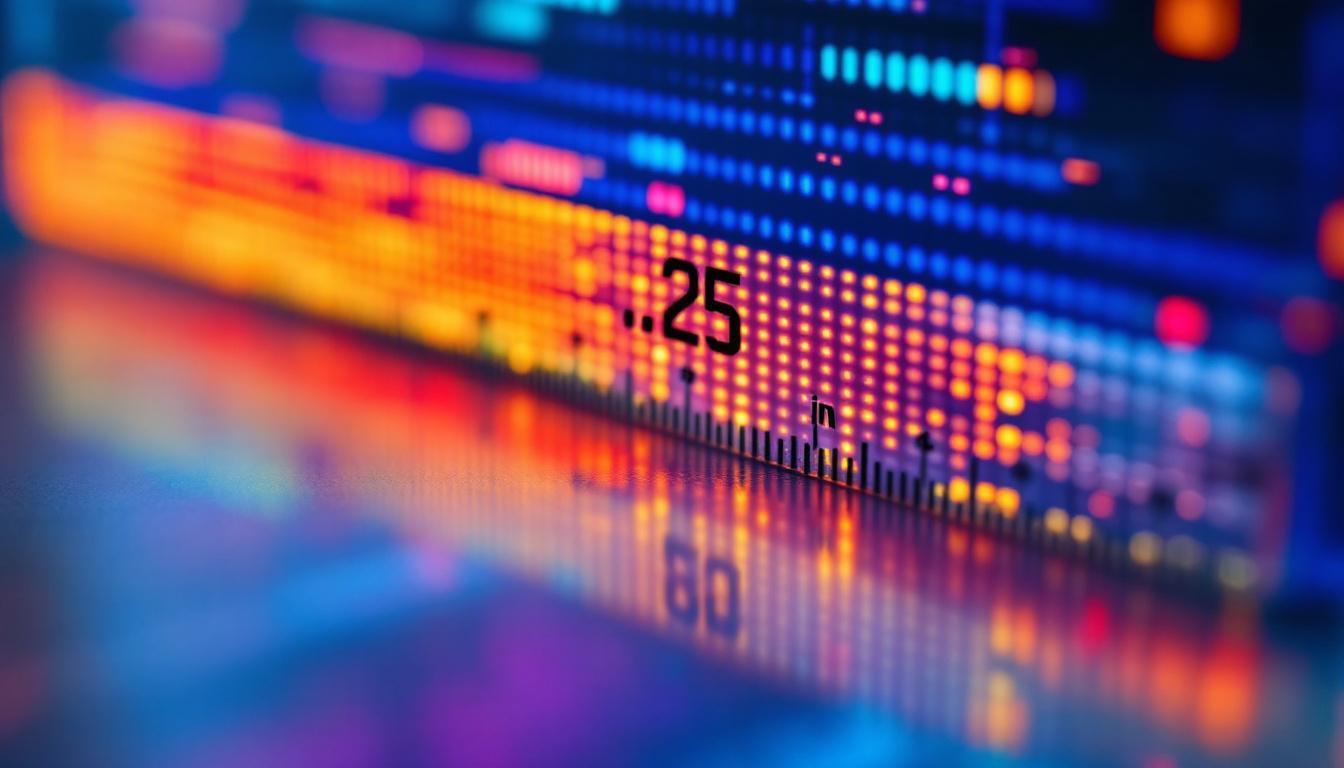
One of the key technical terms associated with LED displays is “pixel pitch,” which refers to the distance between the centers of two adjacent pixels. A smaller pixel pitch means higher resolution and sharper images, which is crucial for large displays viewed from close distances.
In Times Square, pixel pitches vary depending on the screen’s size and intended viewing distance. For example, a smaller screen viewed up close might have a pixel pitch as low as 4mm, while massive billboards designed to be seen from across the street or from a distance might have a pitch of 10mm or more. This balance ensures optimal image quality while managing costs and technical feasibility. Additionally, advancements in technology have led to the development of fine-pitch LED displays, which can deliver ultra-high-definition visuals that rival traditional LCD screens, making them a popular choice for both advertising and artistic installations.
Brightness and Visibility
Brightness is another critical factor, especially for outdoor displays exposed to sunlight. Times Square LED screens typically have brightness levels ranging from 5,000 to 10,000 nits (a unit measuring luminance), making them visible even on the brightest days. For comparison, a typical smartphone screen has a brightness of around 500 nits.
Advanced sensors are often integrated into these displays to automatically adjust brightness based on ambient light conditions, reducing energy consumption at night while maintaining visibility during the day. This adaptability not only enhances the viewing experience but also contributes to the sustainability of the displays, as they can operate more efficiently without sacrificing performance. Furthermore, innovations in LED technology, such as the use of quantum dots and improved phosphor materials, are paving the way for even brighter and more vibrant displays that can capture the attention of passersby in the bustling environment of Times Square.
Durability and Maintenance
Given their exposure to weather, pollution, and constant use, Times Square LED screens are built to be highly durable. They are designed to withstand rain, snow, extreme temperatures, and even strong winds. The LED modules are typically housed in weatherproof enclosures with cooling systems to prevent overheating.
Regular maintenance is essential to keep the displays functioning flawlessly. This includes cleaning, replacing faulty LEDs, and updating software. Many operators use remote monitoring systems to detect issues in real-time, minimizing downtime and ensuring continuous operation. Additionally, some companies have begun to implement predictive maintenance strategies, utilizing data analytics and machine learning algorithms to forecast potential failures before they occur. This proactive approach not only enhances the longevity of the displays but also reduces operational costs by minimizing the need for emergency repairs. As technology continues to evolve, the integration of AI and IoT in the maintenance of LED displays will likely become standard practice, ensuring that these vibrant installations remain a hallmark of Times Square for years to come.
The Business and Cultural Impact of Times Square LED Screens
Times Square’s LED screens are more than just advertising platforms; they are powerful economic and cultural drivers. The area attracts over 50 million visitors annually, many of whom come specifically to experience the vibrant atmosphere created by these digital displays.
Advertising Powerhouse
For advertisers, Times Square offers unparalleled visibility and prestige. The cost of advertising on these screens can range from tens of thousands to over a million dollars per day, depending on the screen size, location, and time slot. Despite the high cost, brands see significant returns through increased awareness and engagement.
Major brands like Coca-Cola, Samsung, and Disney have long-standing presences in Times Square, using the LED screens to launch campaigns, promote products, and even create interactive experiences. The ability to combine video, animation, and real-time data makes these ads highly engaging and memorable.
Tourism and Urban Identity
Times Square’s LED displays contribute significantly to New York City’s identity as a global metropolis. The bright lights and dynamic content create a sense of excitement and energy that draws tourists from around the world. This, in turn, supports local businesses, theaters, restaurants, and hotels.
The screens also play a role in cultural events and celebrations. For example, during New Year’s Eve, the LED displays coordinate with the famous ball drop, enhancing the spectacle with synchronized visuals and messages. Seasonal campaigns and public service announcements further embed the screens into the social fabric of the city.
Future Trends and Innovations in LED Display Technology
As technology advances, Times Square’s LED screens continue to evolve, incorporating new features that enhance their impact and sustainability.
Higher Resolution and Flexibility
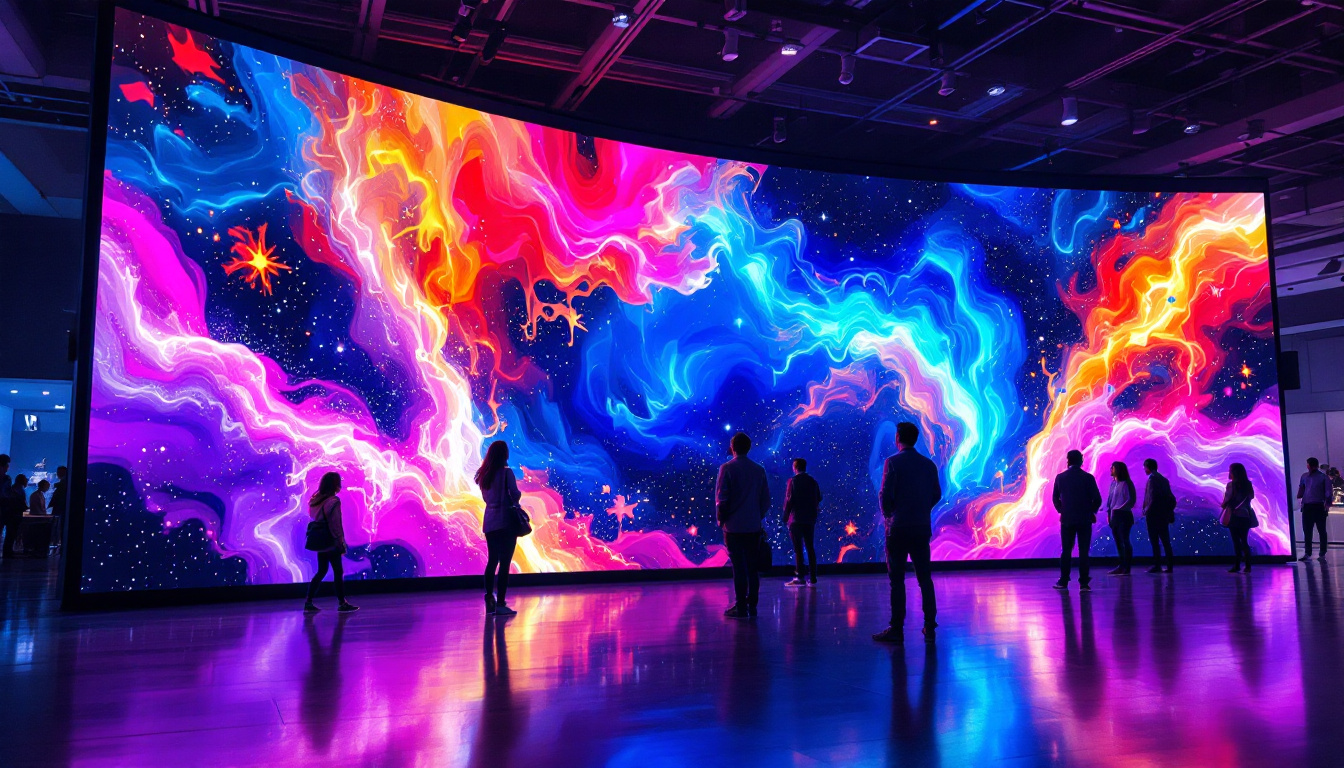
Emerging LED technologies are pushing pixel pitches even lower, enabling ultra-high-definition displays that can show intricate details and lifelike images. Flexible and curved LED panels are also becoming more common, allowing for innovative shapes and installations that blend seamlessly with architectural elements.
Interactive and Immersive Experiences
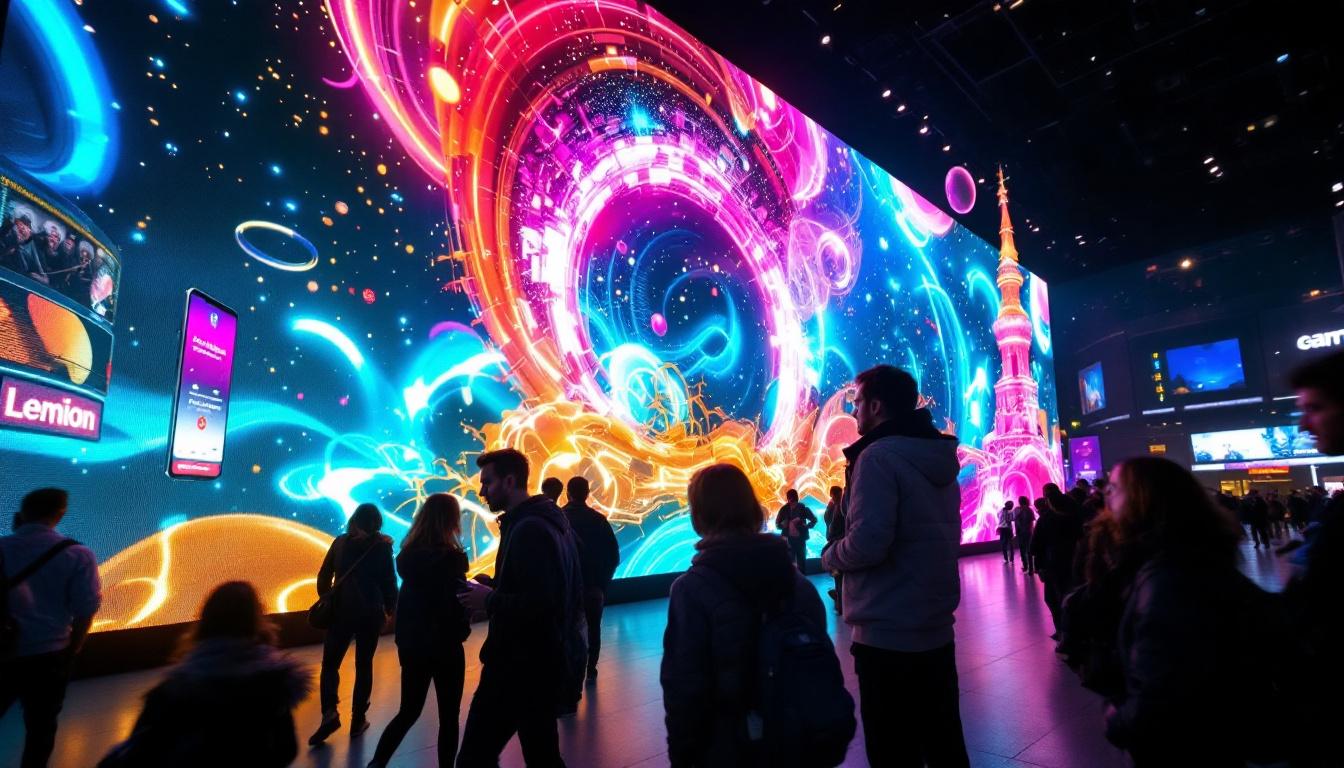
Interactivity is a growing trend in outdoor advertising. Some Times Square screens now incorporate sensors and cameras to respond to audience movements or social media inputs, creating personalized and immersive experiences. Augmented reality (AR) and mixed reality (MR) technologies are also being explored to deepen engagement.
Sustainability and Energy Efficiency
With increasing focus on environmental responsibility, LED screens are being designed to consume less power and use eco-friendly materials. Advances in LED chip efficiency, solar-powered installations, and smart energy management systems are helping reduce the carbon footprint of these massive displays.
Conclusion
The LED screens of Times Square represent a fascinating intersection of technology, business, and culture. From their origins as simple illuminated signs to today’s high-tech digital canvases, these displays have transformed the way brands communicate and how people experience urban spaces. Understanding the technology behind these screens, their impact, and future trends offers a window into the evolving world of digital advertising and public engagement.
As Times Square continues to innovate and captivate, its LED displays will remain a symbol of modernity and creativity, lighting up the city and the imaginations of millions around the globe.
Illuminate Your Brand with LumenMatrix
As you’ve seen, the LED displays of Times Square are not just a spectacle; they’re a testament to the power of visual innovation. If you’re inspired to elevate your brand’s presence and captivate audiences with unparalleled clarity and vibrancy, look no further than LumenMatrix. Our extensive range of LED display solutions, from Indoor and Outdoor LED Walls to Custom and Transparent Displays, are designed to revolutionize your visual communication. Experience the future of digital signage with LumenMatrix and let your message shine in the urban canvas. Check out LumenMatrix LED Display Solutions and join the ranks of those who choose to stand out in the city that never sleeps.