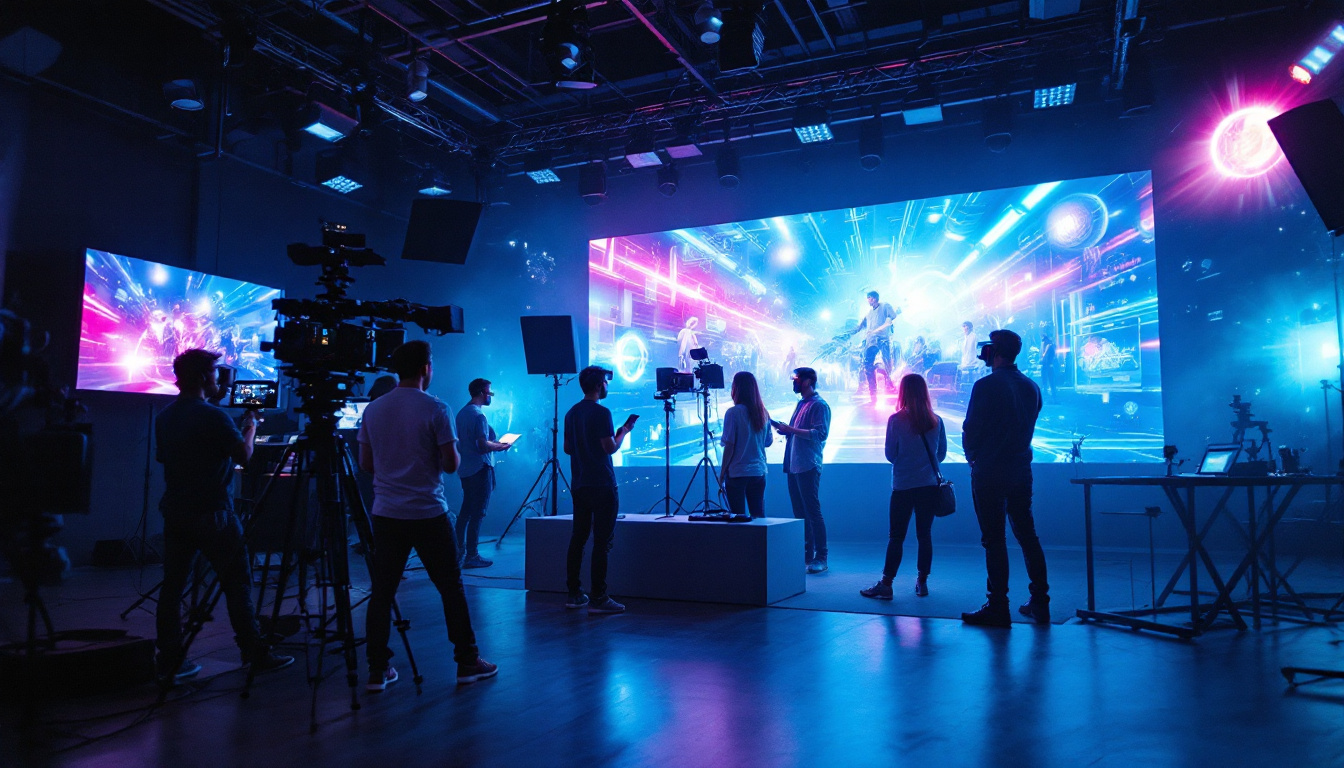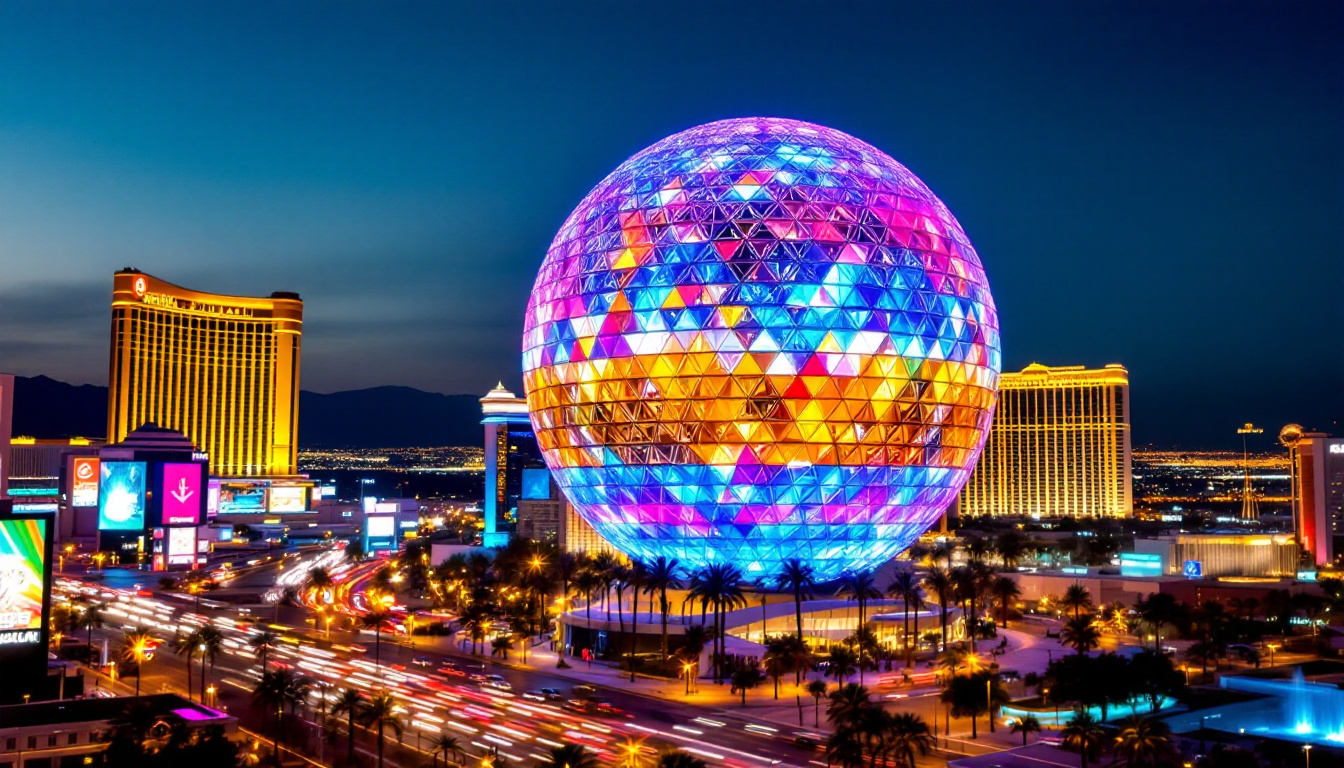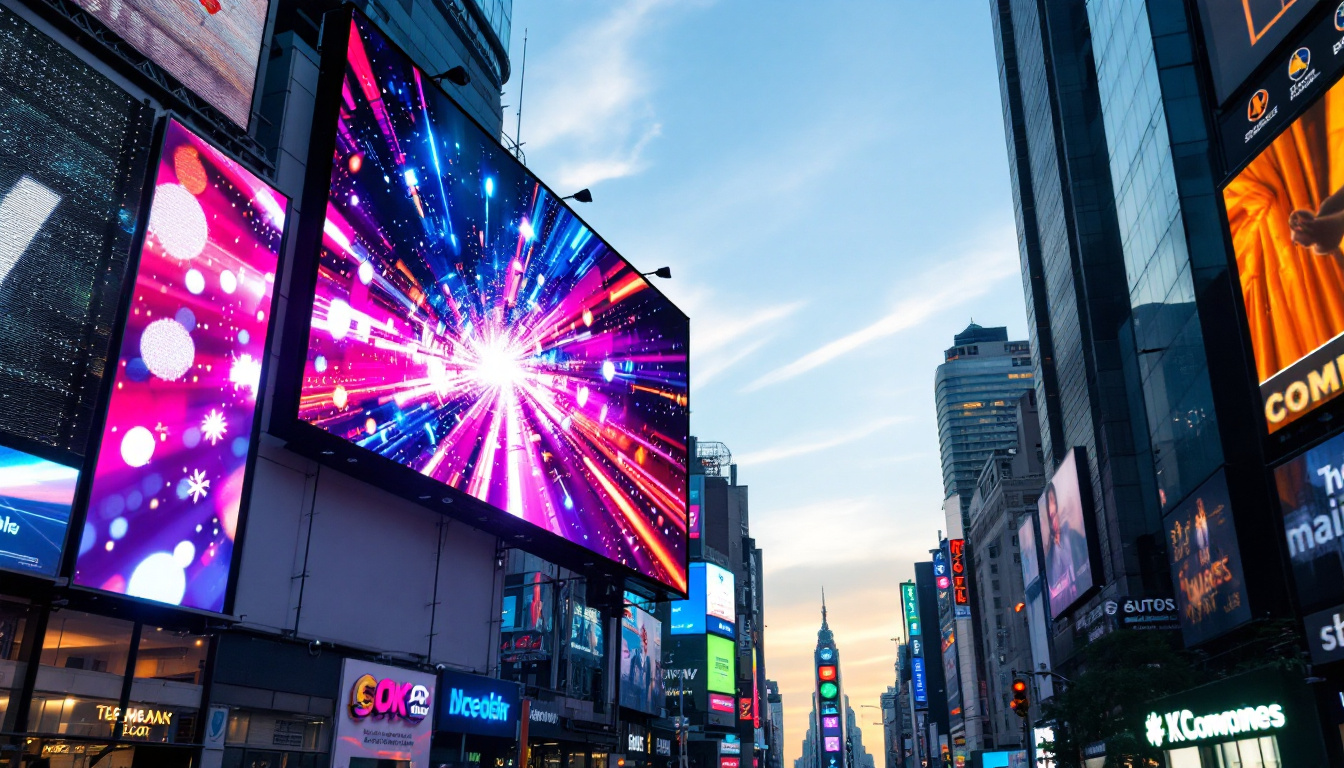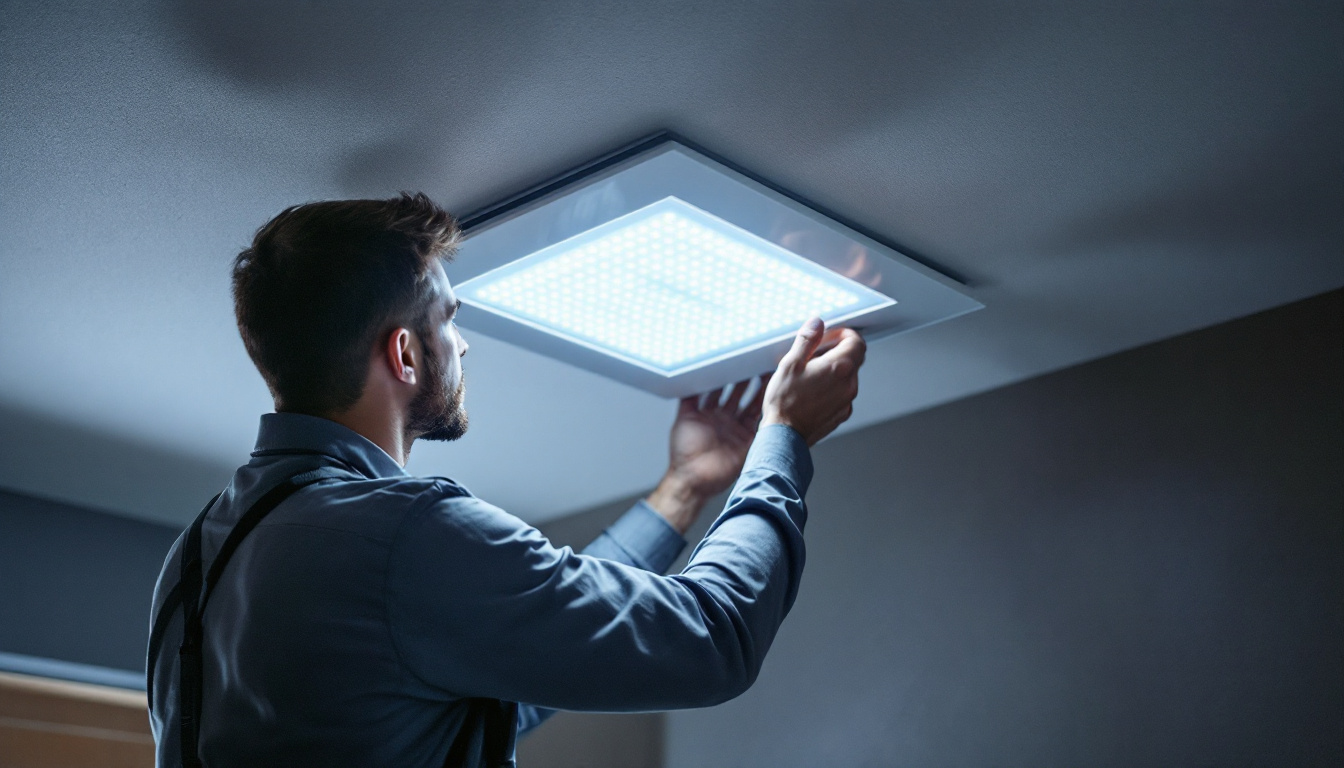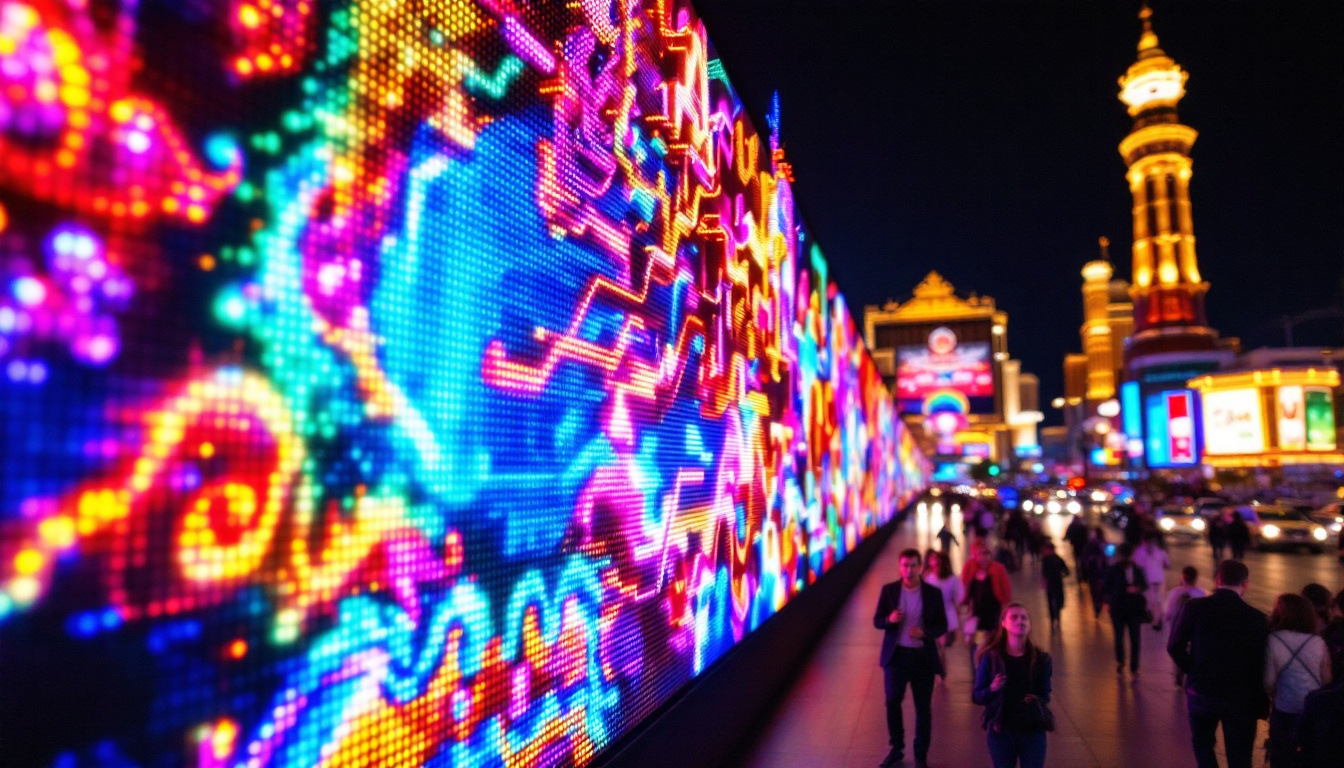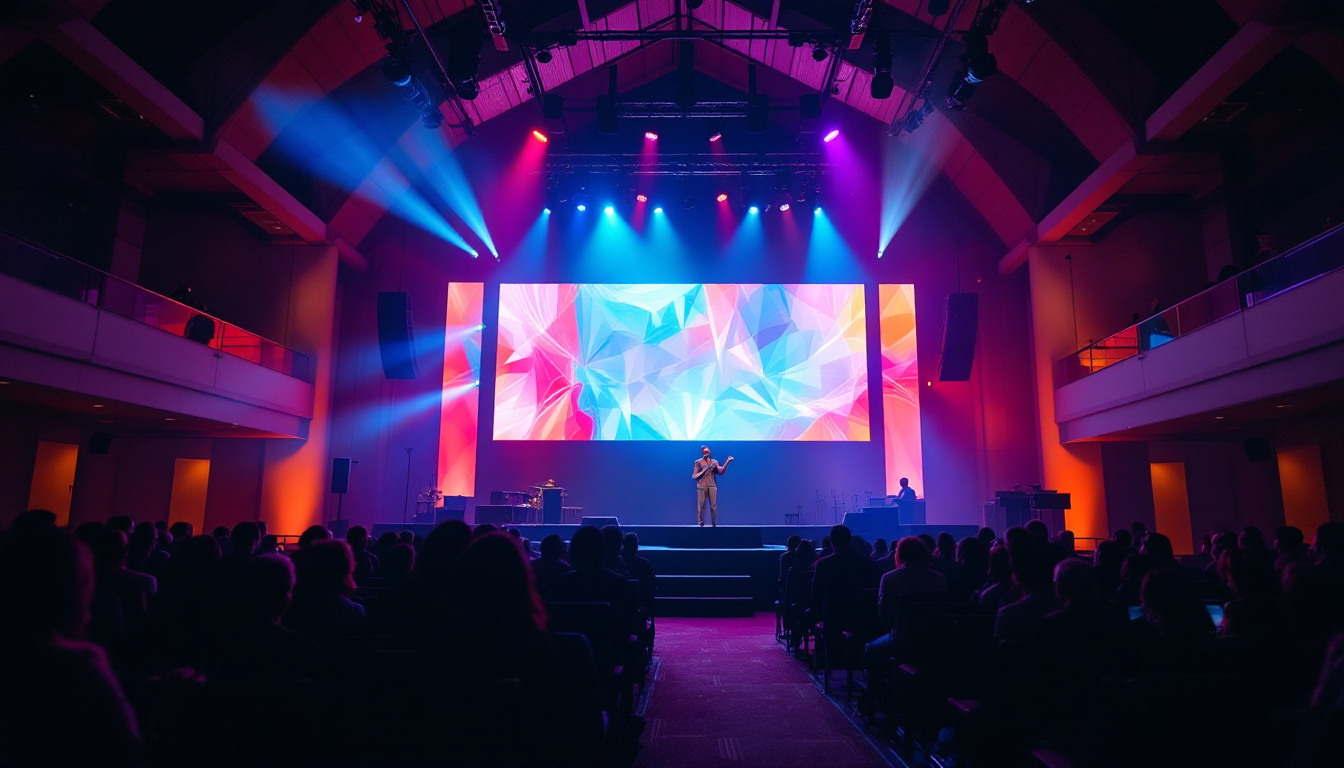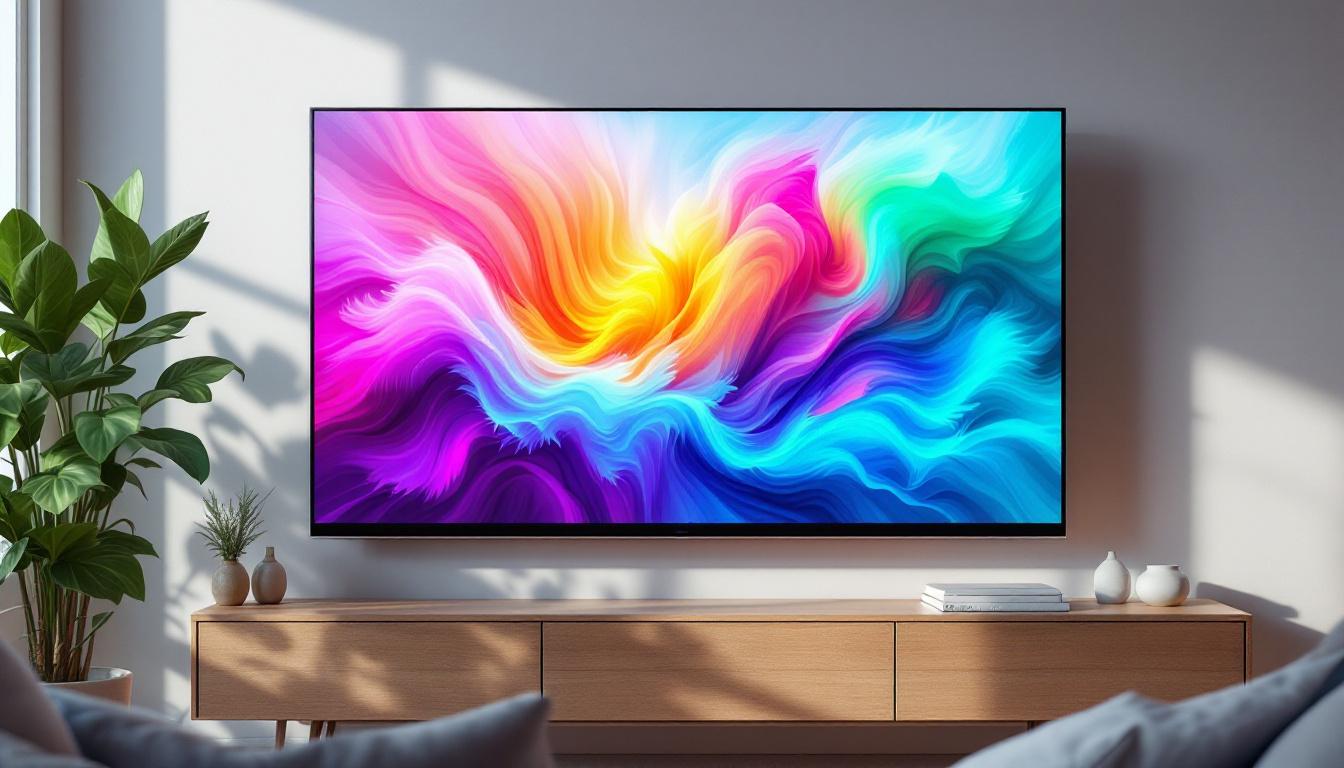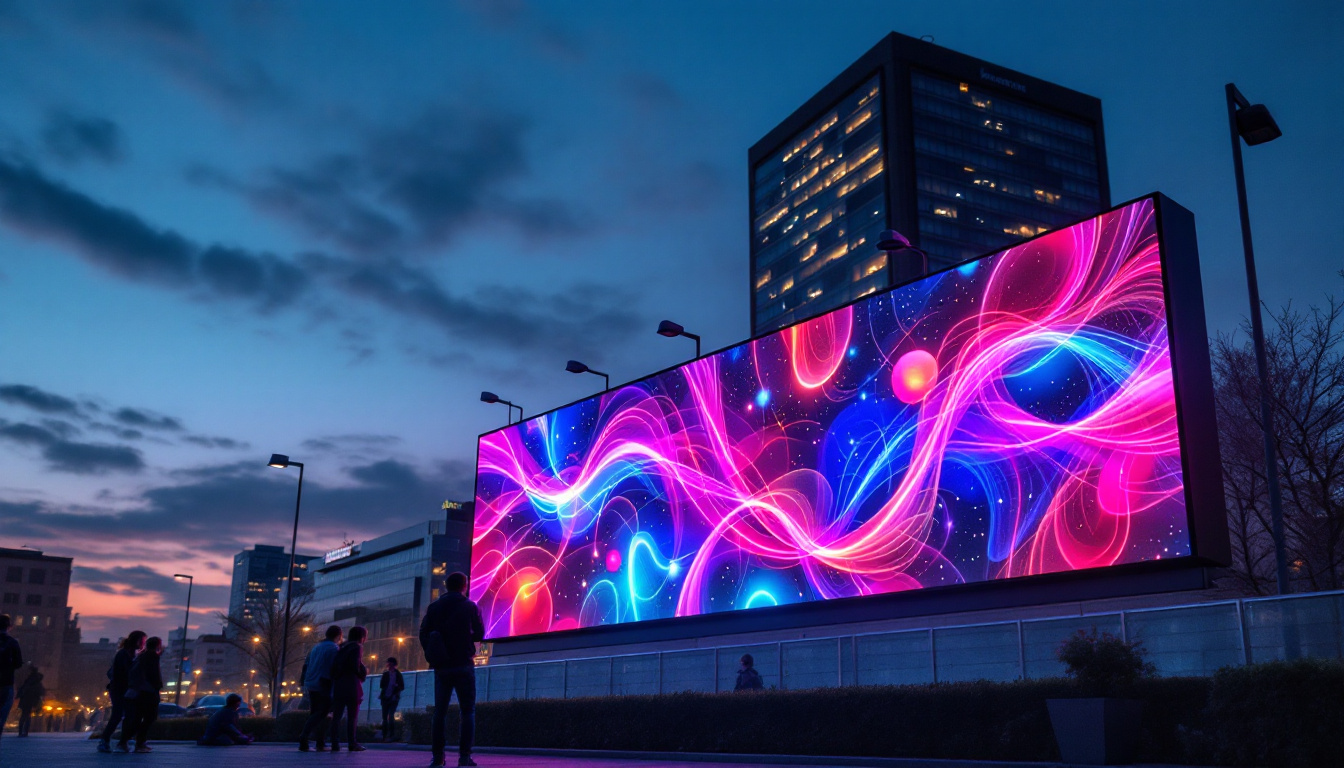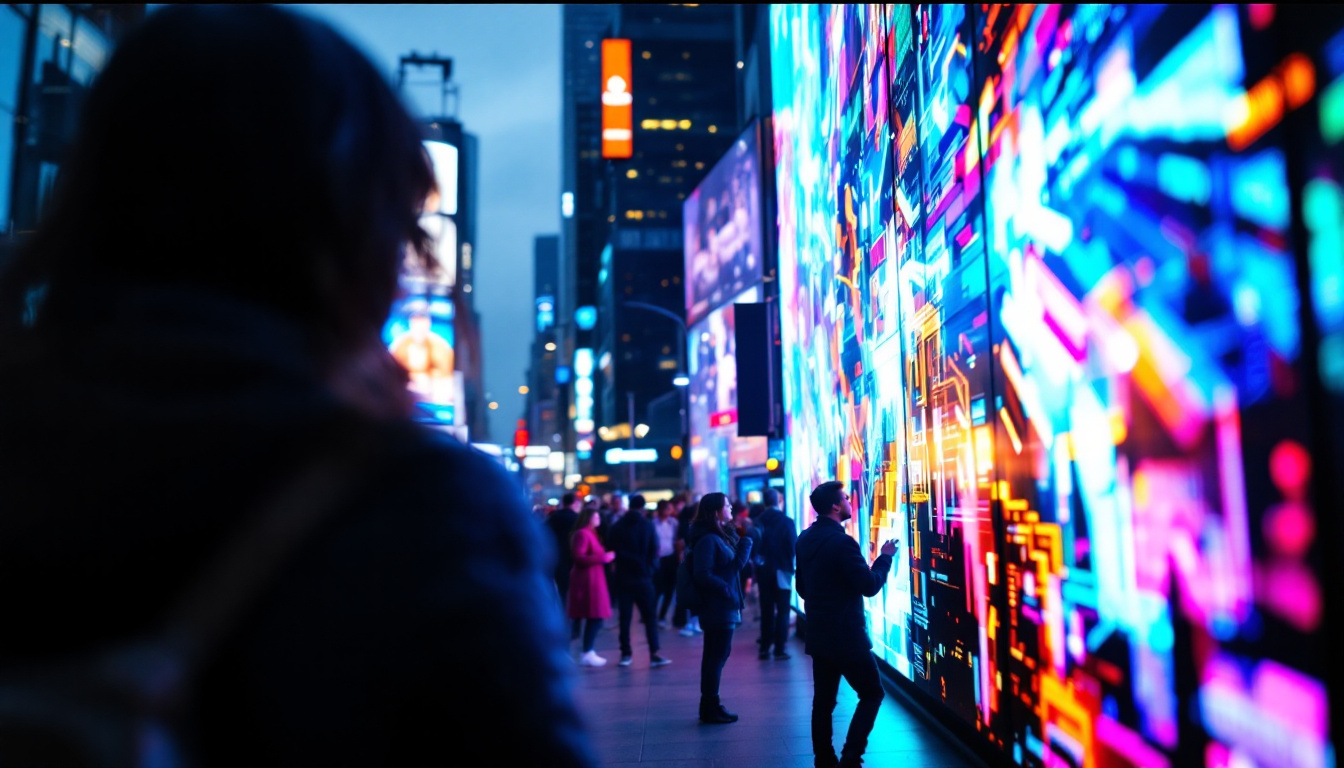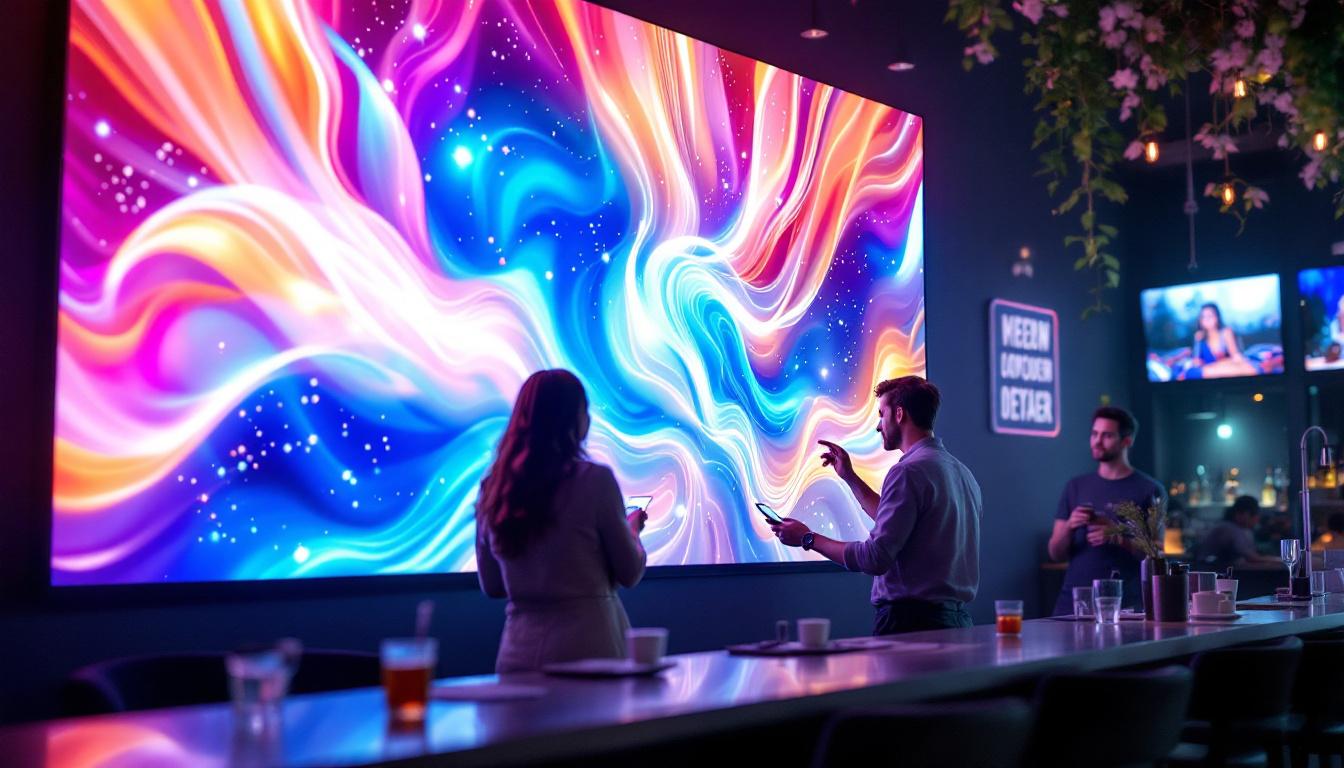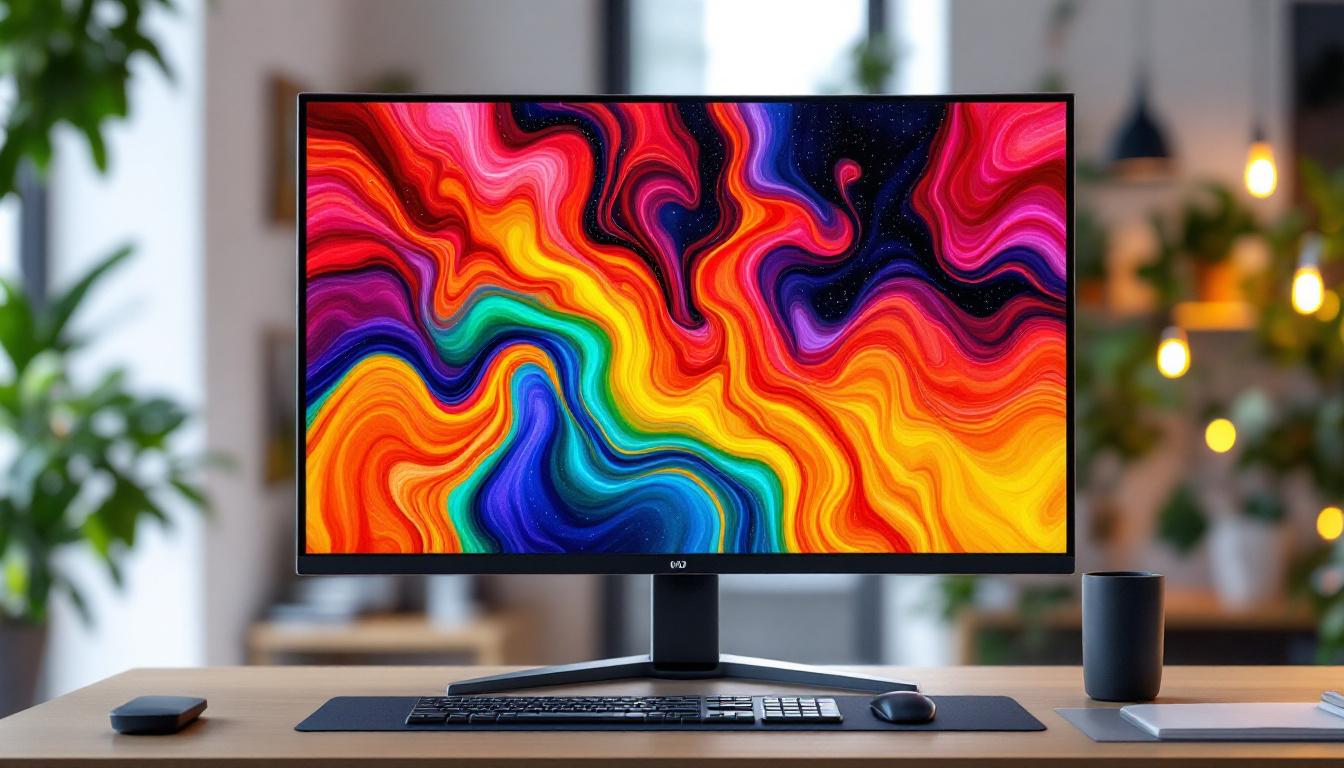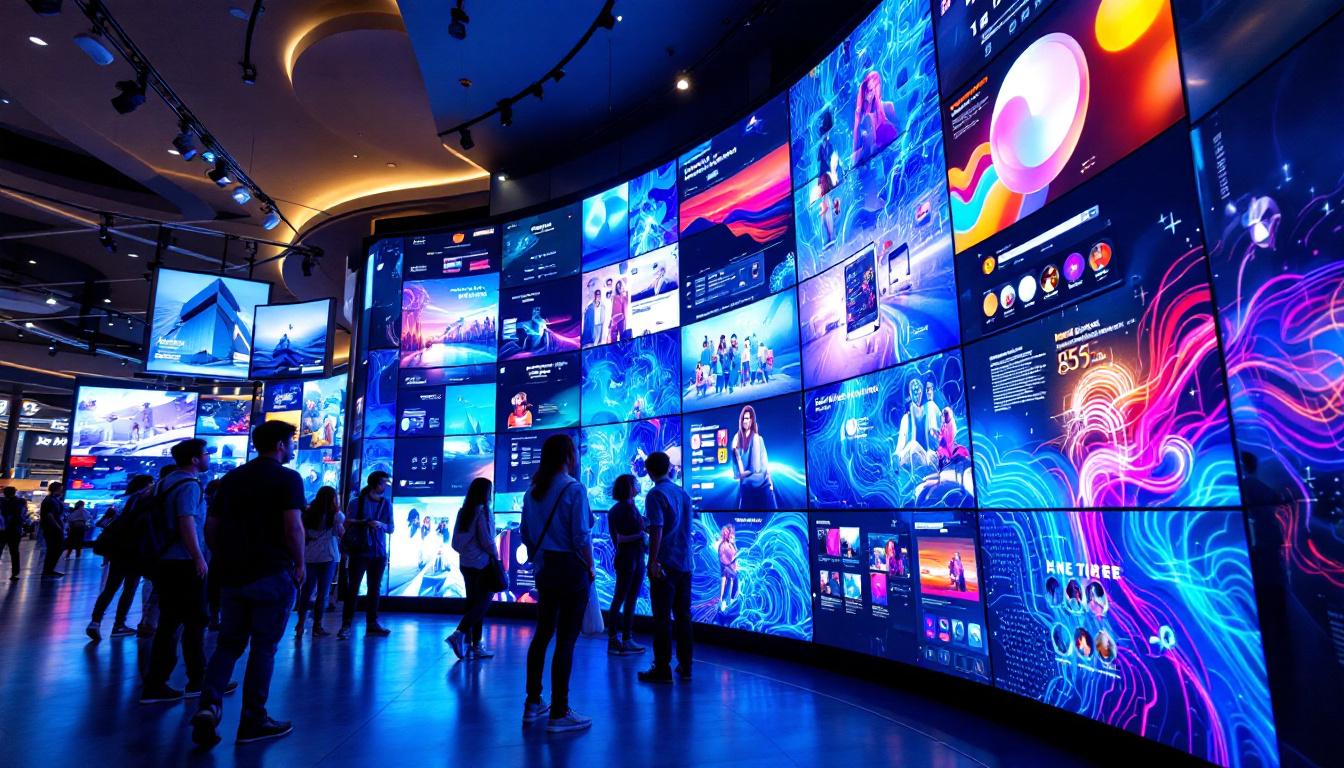
In the rapidly evolving world of digital signage and display technology, LED displays have become a cornerstone for delivering vibrant, high-impact visual content. Among the many types of LED displays, “Touch P” LED displays have emerged as a significant innovation, combining interactive touch capabilities with the brilliance of LED technology. This article delves deep into what Touch P LED displays are, how they work, their applications, benefits, and considerations for businesses and consumers looking to leverage this technology.
Understanding Touch P LED Displays: What Are They?
Touch P LED displays are interactive LED screens that integrate touch-sensitive technology directly with LED panels. Unlike traditional LED displays that are primarily used for broadcasting visual content, Touch P displays allow users to interact with the screen through touch gestures, similar to smartphones and tablets but on a much larger scale. This interactivity opens up a world of possibilities for various applications, from retail environments where customers can browse products to educational settings where students can engage with learning materials in a dynamic way.
The “P” in Touch P typically refers to the pixel pitch of the LED display, which is the distance in millimeters between the centers of two adjacent pixels. This pixel pitch determines the resolution and clarity of the display. For example, a Touch P1.5 LED display has a pixel pitch of 1.5mm, offering very high resolution suitable for close-up viewing and detailed interactive applications. As technology advances, manufacturers are continually working on reducing pixel pitch, which not only enhances image quality but also allows for more versatile use cases, making these displays increasingly popular in various sectors.
How Does the Touch Functionality Work?
The touch capability in these LED displays is usually achieved through capacitive or infrared touch technologies. Capacitive touch uses the electrical properties of the human body to detect touch, providing high accuracy and multi-touch support. Infrared touch systems utilize an array of IR sensors around the screen to detect touch by interruption of the infrared light beams. Both methods enable users to interact with the display intuitively, whether through tapping, swiping, or multi-finger gestures. This level of interactivity not only enhances user engagement but also allows for innovative applications such as collaborative workspaces where multiple users can interact with the same display simultaneously, fostering creativity and teamwork.
Pixel Pitch and Its Importance
Pixel pitch is a critical factor in LED display quality. A smaller pixel pitch means more pixels per square meter, resulting in sharper images and finer detail. For Touch P LED displays, the pixel pitch affects not only the visual clarity but also the responsiveness and precision of the touch interface. Displays with a pixel pitch ranging from 0.9mm to 2.5mm are common in interactive applications, balancing high resolution with cost-effectiveness. Additionally, the choice of pixel pitch can significantly influence the viewing distance; smaller pixel pitches are ideal for close-range viewing, making them perfect for environments like trade shows or interactive kiosks, while larger pitches may be more suitable for outdoor advertising where viewers are typically farther away.
“`html
Key Features and Advantages of Touch P LED Displays
Touch P LED displays bring together the best of two worlds: the visual brilliance of LED technology and the interactive capabilities of touchscreens. This combination offers several compelling advantages for various industries.
Superior Visual Quality
LED technology is renowned for its brightness, color accuracy, and energy efficiency. Touch P LED displays maintain these qualities while enabling users to engage directly with the content. The high brightness levels, often exceeding 1,000 nits, ensure visibility even in brightly lit environments, making them ideal for retail, corporate, and public spaces. Additionally, the wide color gamut provided by these displays enhances the vibrancy of images and videos, allowing brands to present their products in the most appealing light. This feature is particularly beneficial for industries such as fashion and automotive, where visual presentation can significantly influence consumer decisions.
Interactive User Experience
Interactivity transforms passive viewing into active engagement. Whether it’s a digital kiosk in a shopping mall, an interactive menu board in a restaurant, or a collaborative display in a corporate meeting room, Touch P LED displays allow users to navigate content, access information, and participate in immersive experiences. This interactivity can increase customer engagement, improve information retention, and enhance overall satisfaction. Furthermore, the integration of multi-touch capabilities enables multiple users to interact with the display simultaneously, fostering collaboration and social interaction in educational settings or during events, where group participation is encouraged.
Durability and Longevity
LED displays are built to last, with lifespans often exceeding 50,000 hours of use. Touch P LED displays are designed to withstand frequent touch interactions without degradation in performance. Many models feature robust protective glass or coatings to resist scratches, dust, and moisture, making them suitable for high-traffic public areas. This durability not only reduces maintenance costs but also ensures that the displays remain visually appealing over time, even in challenging environments. Additionally, many Touch P LED displays are designed with energy-saving features that contribute to lower operational costs, further enhancing their appeal for businesses looking to optimize their investments.
Scalability and Customization
Touch P LED displays come in various sizes and can be customized to fit unique spaces and requirements. Modular designs allow for seamless scaling from small interactive panels to large video walls. This flexibility makes them suitable for diverse applications, from retail storefronts to control rooms and educational environments. The ability to tailor the display’s content and functionality to specific audience needs or branding guidelines enhances the overall effectiveness of communication strategies. Moreover, with the advancement of software solutions, these displays can be easily updated and managed remotely, allowing businesses to adapt their messaging in real-time based on customer feedback or market trends.
“`
Applications of Touch P LED Displays Across Industries
The versatility of Touch P LED displays has led to their adoption in numerous sectors, each leveraging the technology to meet specific needs and goals.
Retail and Advertising
Retailers use Touch P LED displays to create dynamic, interactive storefronts and in-store experiences. These displays can showcase product information, promotions, and virtual try-ons, encouraging customers to engage more deeply with brands. According to a 2023 report by the Digital Signage Federation, interactive displays can increase customer dwell time by up to 30%, directly influencing sales.
Corporate and Education
In corporate environments, Touch P LED displays facilitate collaborative meetings, presentations, and brainstorming sessions. Their large, high-resolution screens combined with touch interactivity support real-time editing, annotation, and data visualization. Similarly, educational institutions use these displays to create engaging, interactive lessons that cater to diverse learning styles, enhancing student participation and comprehension.
Healthcare and Public Information
Hospitals and clinics utilize Touch P LED displays for patient check-in kiosks, wayfinding, and health education. The interactive nature helps reduce wait times and improves patient experience. Public spaces such as airports, museums, and government buildings deploy these displays for information dissemination, ticketing, and interactive exhibits, improving accessibility and user engagement.
Technical Considerations When Choosing a Touch P LED Display
Selecting the right Touch P LED display involves understanding several technical factors to ensure optimal performance and user satisfaction.
Resolution and Viewing Distance
The pixel pitch and overall resolution should align with the typical viewing distance. For example, a pixel pitch of 1.5mm is ideal for close-up interaction within 1 to 3 meters, while larger pixel pitches may be suitable for displays viewed from a distance. This ensures that images remain crisp and touch interactions are precise.
Touch Technology Type
Choosing between capacitive and infrared touch depends on the application environment. Capacitive touch offers superior accuracy and multi-touch support but may be more sensitive to environmental factors. Infrared touch is more durable and can detect touch from gloves or styluses, making it suitable for industrial or outdoor settings.
Brightness and Contrast Ratios
Brightness levels should be sufficient to overcome ambient lighting conditions. High contrast ratios enhance image depth and readability. For outdoor or brightly lit indoor environments, LED displays with brightness levels above 1,000 nits are recommended.
Connectivity and Software Integration
Effective integration with content management systems (CMS) and other software platforms is essential for managing interactive content. Many Touch P LED displays support multiple input sources, wireless connectivity, and compatibility with popular operating systems, enabling seamless content updates and remote management.
Future Trends in Touch P LED Display Technology
The intersection of LED display technology and touch interactivity continues to evolve, driven by advancements in hardware, software, and user experience design.
Higher Resolutions and Smaller Pixel Pitches
Manufacturers are pushing the boundaries of pixel pitch, with displays now available at sub-millimeter pitches (below 1.0mm). This advancement allows for ultra-high-definition interactive displays suitable for medical imaging, design studios, and other precision-demanding applications.
Integration with AI and IoT
Artificial intelligence (AI) and the Internet of Things (IoT) are beginning to enhance Touch P LED displays. AI-powered analytics can personalize content based on user interactions, while IoT connectivity enables real-time data integration and remote diagnostics, improving operational efficiency and user engagement.
Flexible and Transparent Displays
Emerging technologies are enabling flexible and transparent LED displays with touch capabilities. These innovations open new possibilities for architectural integration, wearable devices, and augmented reality applications, creating immersive environments that blend digital and physical worlds.
Conclusion: Why Touch P LED Displays Matter
Touch P LED displays represent a significant leap forward in digital display technology, merging stunning visual performance with interactive functionality. Their ability to engage users directly makes them invaluable tools across retail, corporate, education, healthcare, and public sectors. As the technology continues to advance, these displays will play an increasingly central role in how people interact with digital content in everyday environments.
For businesses and organizations looking to enhance communication, engagement, and user experience, investing in Touch P LED display technology offers a future-proof solution that combines durability, scalability, and cutting-edge interactivity.
“`html
Discover Interactive Display Excellence with LumenMatrix
Ready to transform your space with the interactive brilliance of Touch P LED displays? LumenMatrix is at the forefront of LED display innovation, offering a wide array of solutions from Indoor and Outdoor LED Walls to specialized displays for vehicles, sports, and even customizable options. Embrace the future of visual communication with displays that not only captivate but also engage your audience in a truly interactive experience. Check out LumenMatrix LED Display Solutions today and see how our technology can revolutionize your messaging and audience engagement.
“`