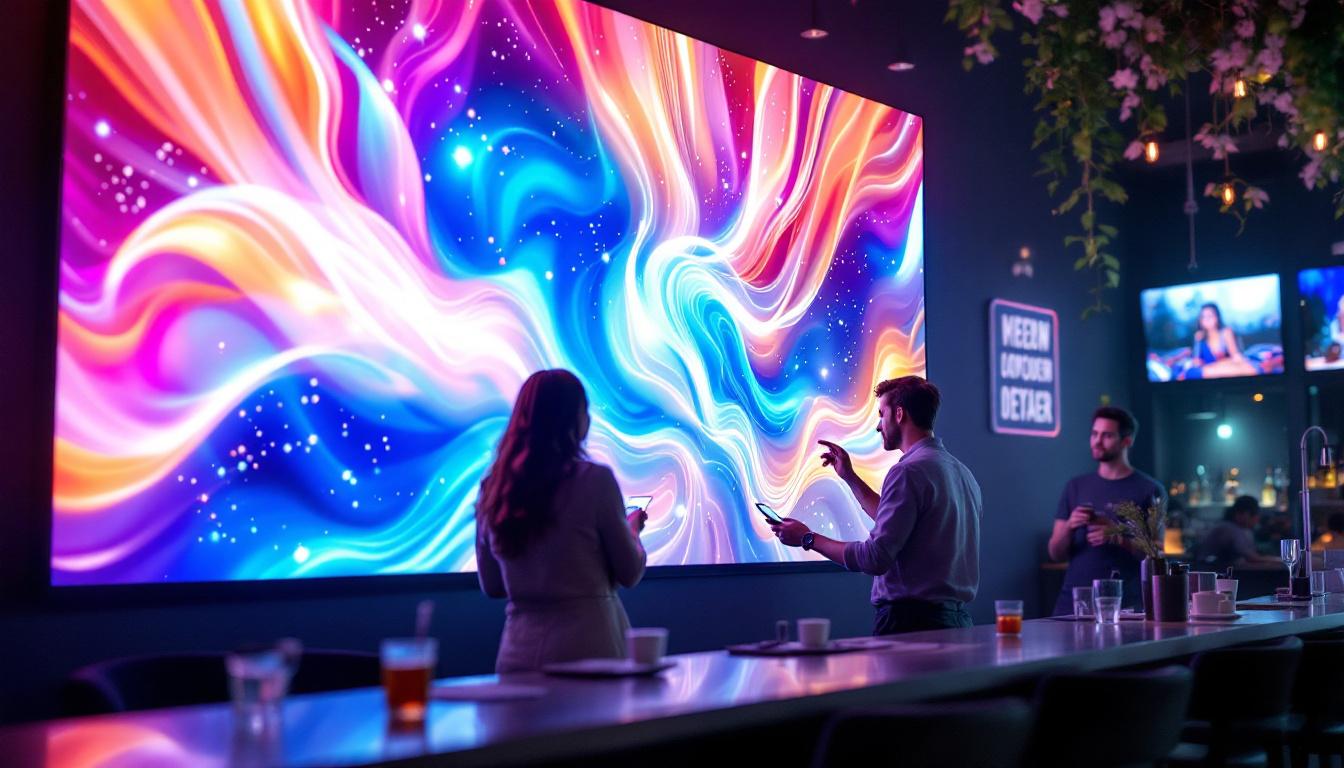
In the dynamic world of hospitality, experience is a currency that can open doors to new opportunities and career growth. However, the definition of what qualifies as hospitality experience can sometimes be ambiguous, especially as the industry evolves with technology and changing customer expectations. One emerging area that intersects with hospitality is the use of LED displays, which have become integral in enhancing guest experiences and operational efficiency. This article explores what truly counts as hospitality experience, with a detailed explanation of the role LED displays play in modern hospitality environments.
Defining Hospitality Experience: Beyond Traditional Roles
Hospitality experience traditionally refers to hands-on work in hotels, restaurants, event management, or customer service roles directly related to guest interaction. These roles often include front desk operations, food and beverage service, housekeeping, and concierge services. However, the hospitality industry is broad and multifaceted, encompassing many behind-the-scenes functions that contribute to guest satisfaction and business success.
For example, roles in event planning, marketing, and even technology support can be considered hospitality experience if they contribute to the overall guest experience. This broader understanding is crucial because it acknowledges the complex ecosystem that supports hospitality operations, recognizing that every touchpoint matters. From the moment a guest books a room online to the follow-up communication after their stay, each interaction is an opportunity to enhance their experience and build loyalty.
According to the American Hotel & Lodging Association, employers increasingly value diverse experiences that demonstrate adaptability, customer focus, and problem-solving skills. This shift means that experience gained in related fields such as retail, customer service, or technology implementation can also be relevant, especially if it involves interaction with customers or improving service delivery. For instance, a professional with a background in retail may possess valuable skills in managing customer expectations and resolving conflicts, which are essential in hospitality settings.
Why Clarifying Hospitality Experience Matters
For job seekers, understanding what counts as hospitality experience helps tailor resumes and interview responses to highlight relevant skills. By framing their previous roles in a way that aligns with the expectations of the hospitality industry, candidates can better position themselves as ideal hires. This might include emphasizing teamwork, communication, and the ability to thrive in fast-paced environments, all of which are critical in hospitality. Furthermore, showcasing transferable skills can open doors for those looking to transition into hospitality from other sectors.
For employers, it ensures they recognize the full spectrum of candidate qualifications, leading to better hiring decisions. This comprehensive view allows organizations to build teams that are not only skilled in traditional hospitality roles but also bring innovative perspectives from other industries. Additionally, educational institutions and training programs can better prepare students by integrating real-world applications that reflect the industry’s evolving nature. By collaborating with industry professionals, these programs can create curricula that include hands-on experiences, internships, and simulations that mirror the complexities of modern hospitality environments, ensuring that graduates are well-equipped to meet the demands of the field.
The Role of LED Displays in Hospitality
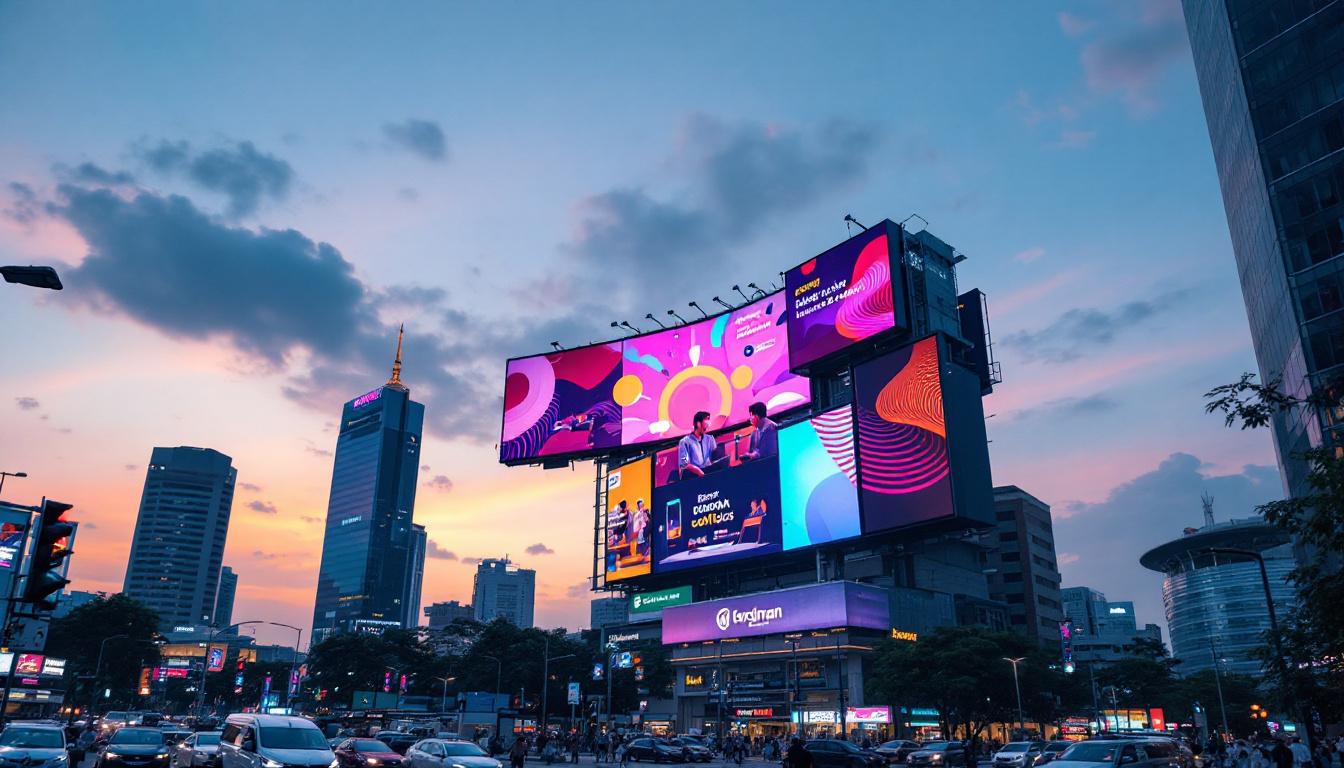
LED (Light Emitting Diode) displays have transformed how hospitality businesses communicate with guests and manage operations. From digital signage in hotel lobbies to interactive menus in restaurants, LED technology offers vibrant, dynamic, and customizable solutions that enhance the guest experience.
These displays are not just decorative elements; they serve practical functions such as wayfinding, advertising, event schedules, and real-time updates. For example, a hotel might use LED displays to provide guests with weather updates, local attractions, or check-in information, reducing wait times and improving satisfaction. The ability to change content on-the-fly means that hotels can promote last-minute deals or special events, ensuring that guests are always informed and engaged.
Applications of LED Displays in Various Hospitality Settings
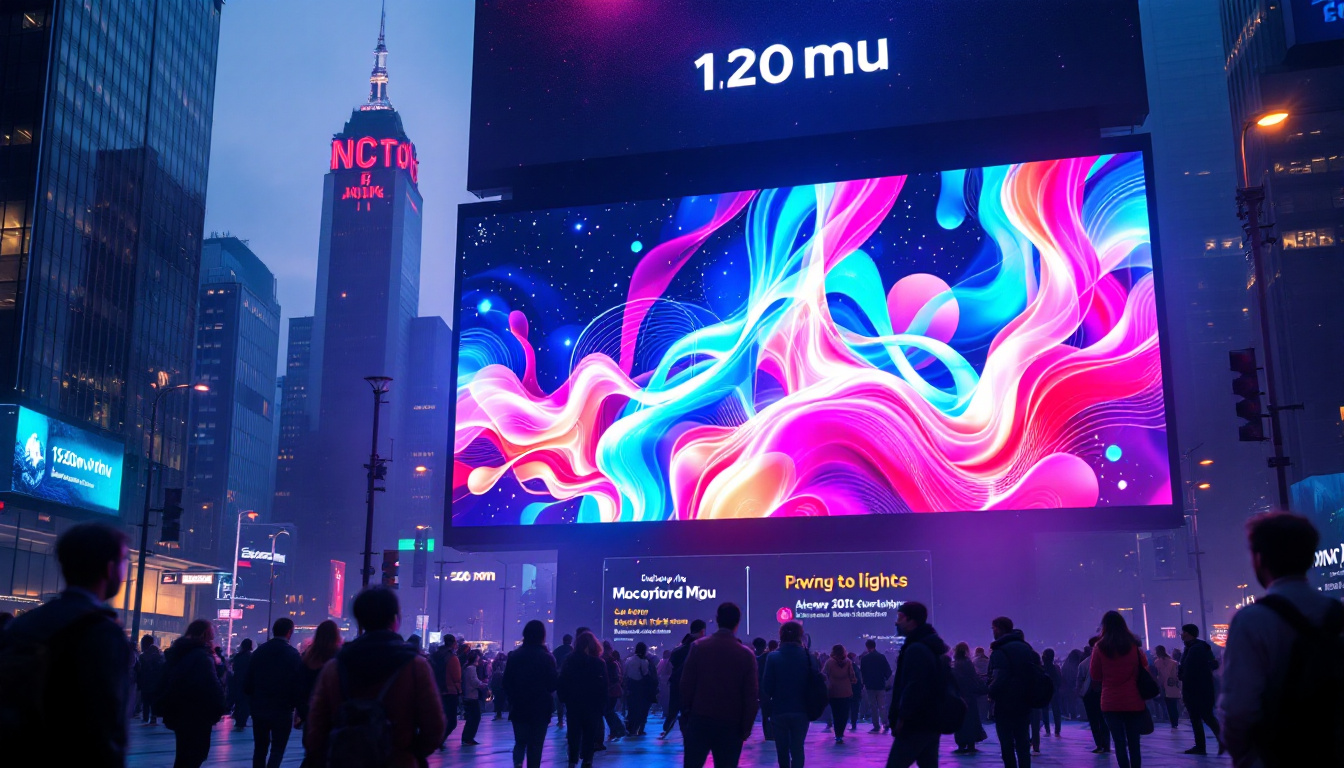
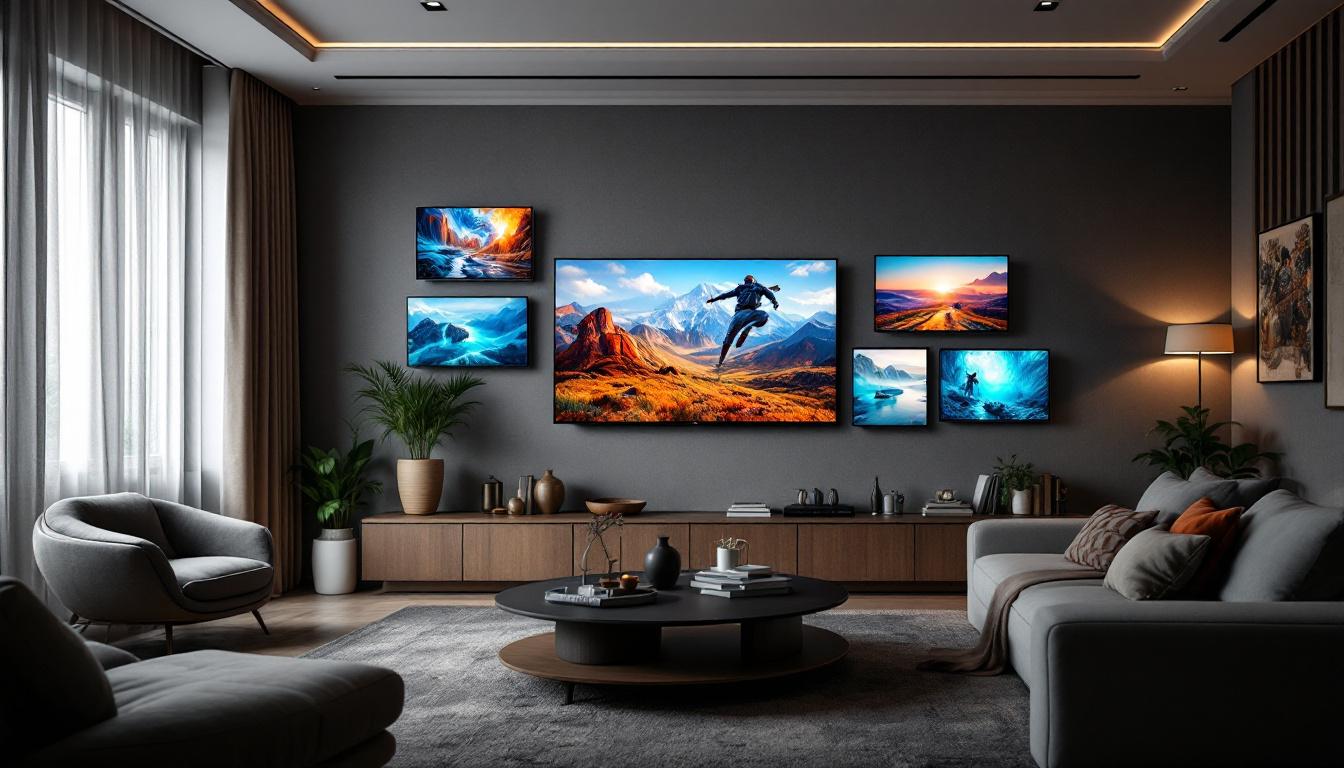
In hotels, LED displays are commonly found in lobbies, conference centers, and guest elevators. They provide essential information and create an inviting atmosphere. In restaurants, LED menu boards allow for easy updates to pricing and specials, while in event venues, LED walls can deliver immersive experiences that captivate attendees. The versatility of LED displays means they can be tailored to fit the specific needs of any establishment, whether it’s a cozy bed-and-breakfast or a large convention center.
Moreover, LED displays contribute to operational efficiency. For instance, kitchen display systems (KDS) use LED screens to streamline order processing, reducing errors and speeding up service. This integration of technology is increasingly recognized as part of the hospitality experience, especially for roles involved in managing or supporting these systems. Additionally, the use of LED displays for staff communication can enhance teamwork and coordination, ensuring that everyone is on the same page regarding daily specials, guest requests, and operational updates. As the hospitality industry continues to evolve, the integration of LED technology is likely to become even more sophisticated, incorporating features such as touch interactivity and AI-driven content management to further personalize the guest experience.
How Experience with LED Displays Counts as Hospitality Experience
Experience with LED displays in hospitality settings can be a valuable asset, reflecting technical skills, customer interaction, and operational knowledge. This experience can be categorized in several ways:
Technical and Operational Experience
Managing LED displays often requires understanding hardware setup, software programming, content management, and troubleshooting. Staff who operate these systems contribute directly to the guest experience by ensuring information is accurate, timely, and visually appealing. For example, a digital signage coordinator who curates content to promote hotel amenities or local events is enhancing the guest journey.
Technical roles supporting LED displays, such as IT specialists or audiovisual technicians, also play a critical role in hospitality. Their work ensures that displays function seamlessly during high-traffic periods, such as conferences or special events, which directly impacts guest satisfaction.
Customer-Facing Experience
In many cases, hospitality employees interact with LED displays as part of their daily tasks. For instance, front desk agents may use LED screens to check guests in or provide information, while restaurant servers might rely on digital menus to explain options. Experience in these roles demonstrates adaptability to technology and an understanding of how digital tools enhance service delivery.
Marketing and Communication Experience
Creating and managing content for LED displays often involves marketing and communication skills. Crafting messages that resonate with guests, promoting services effectively, and updating content in response to guest feedback are all part of this experience. Employees involved in these tasks contribute to brand image and guest engagement, which are core to hospitality success.
Examples of Hospitality Roles Involving LED Display Experience
To better understand how LED display experience integrates with hospitality, consider the following roles:
Digital Signage Manager
This role involves overseeing the deployment and maintenance of LED displays across a property or chain. Responsibilities include content scheduling, ensuring technical functionality, and collaborating with marketing teams. Experience in this position demonstrates a blend of technical proficiency and guest-focused communication.
Event Coordinator
Event coordinators often utilize LED displays to manage schedules, provide directions, and enhance event ambiance. Experience in setting up and managing these displays reflects organizational skills and a commitment to delivering seamless guest experiences.
Front Desk Agent
While primarily a customer service role, front desk agents increasingly interact with digital systems, including LED displays for check-in kiosks or information boards. Familiarity with these technologies indicates adaptability and a modern approach to hospitality service.
Restaurant Manager or Server
In food service, LED menu boards and order display systems are common. Experience managing or using these tools shows an understanding of operational efficiency and guest communication, both vital in hospitality.
Integrating LED Display Experience into Your Hospitality Career
For professionals aiming to highlight their LED display experience within hospitality, it is important to frame this experience in terms of its impact on guest satisfaction and operational success. Here are some strategies:
Highlight Relevant Skills on Your Resume
Include technical skills such as content management systems, troubleshooting, and digital marketing. Emphasize your role in enhancing guest experience through effective communication and technology use.
Provide Concrete Examples
Use specific instances where your work with LED displays improved service delivery, increased guest engagement, or contributed to operational efficiency. Quantify results where possible, such as reduced wait times or increased event attendance.
Continuous Learning and Certification
Consider pursuing certifications in digital signage technology or hospitality technology management. Staying updated on the latest trends and tools will make your experience more valuable and relevant.
The Future of Hospitality Experience and Technology Integration
As the hospitality industry continues to evolve, technology will play an increasingly central role. LED displays are just one example of how digital tools enhance guest experiences and streamline operations. Other technologies, such as mobile check-in, AI-powered chatbots, and smart room controls, are also becoming standard.
Understanding and gaining experience with these technologies will be essential for hospitality professionals seeking to remain competitive. Employers will look for candidates who not only have traditional hospitality skills but also the ability to leverage technology in service delivery.
Embracing a Holistic View of Hospitality Experience
Ultimately, hospitality experience encompasses a wide range of skills and roles, from direct guest interaction to behind-the-scenes technology management. Recognizing the value of LED display experience within this spectrum reflects the industry’s commitment to innovation and excellence.
By embracing this holistic view, both job seekers and employers can better navigate the evolving landscape of hospitality, ensuring that experience is accurately recognized and effectively utilized.
Conclusion
What counts as hospitality experience is expanding beyond traditional roles to include technological competencies, such as managing and utilizing LED displays. These displays are integral to modern hospitality environments, enhancing communication, operational efficiency, and guest satisfaction.
Experience with LED displays demonstrates a valuable combination of technical skills, customer service, and marketing acumen. As the industry continues to integrate technology, professionals who understand and can leverage these tools will have a distinct advantage.
For anyone building a career in hospitality, recognizing the importance of LED display experience and articulating it effectively can open new doors and contribute to long-term success in this vibrant and evolving field.
Enhance Your Hospitality Experience with LumenMatrix
As the hospitality industry embraces the digital age, the expertise in LED display technology becomes increasingly valuable. LumenMatrix, a leader in innovative LED display solutions, offers a range of products designed to elevate your hospitality environment. From Indoor and Outdoor LED Wall Displays to Custom and All-in-One LED solutions, LumenMatrix is committed to transforming your visual communication and guest experiences. Don’t miss the opportunity to captivate your audience and streamline your operations with our cutting-edge technology. Check out LumenMatrix LED Display Solutions today and take the first step towards a brighter, more engaging hospitality experience.