Touchscreen: LED Display Explained
In today’s digital age, touchscreens have become an integral part of everyday life, powering everything from smartphones and tablets to interactive kiosks and advanced automotive dashboards. At the heart of many of these devices lies the LED display technology, a critical component that defines the visual experience. Understanding how LED displays work in conjunction with touchscreens is essential for anyone interested in technology, design, or user experience. This article delves into the fundamentals of LED displays, their integration with touchscreen technology, and the innovations shaping the future of interactive displays.
Understanding LED Display Technology
What is an LED Display?
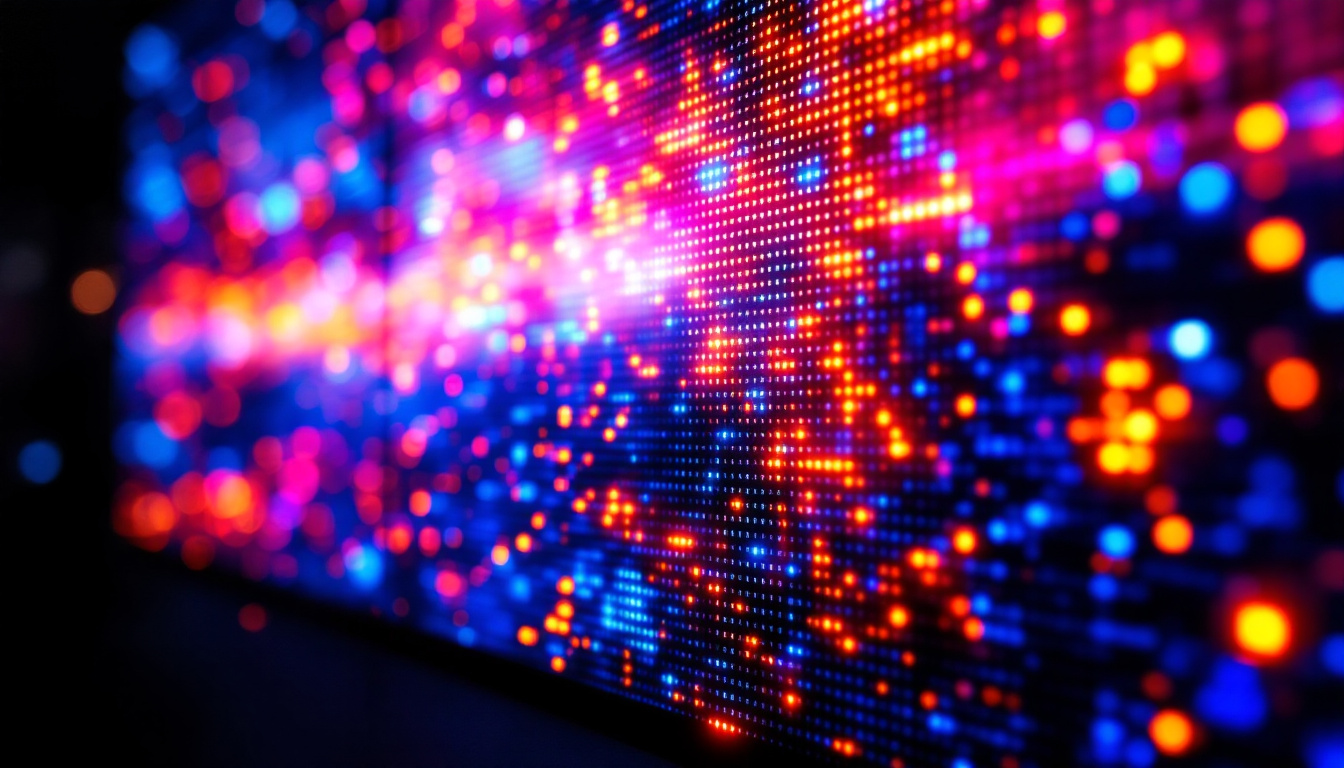
LED stands for Light Emitting Diode, a semiconductor device that emits light when an electric current passes through it. An LED display is a flat panel display that uses an array of these tiny LEDs as pixels to produce images, videos, or text. Unlike traditional LCDs that rely on backlighting, LED displays use the LEDs themselves as the light source, resulting in brighter, more vivid images with better contrast.
LED displays come in various forms, including direct-view LED panels, OLED (Organic LED), and microLED displays. Each type has unique characteristics, but all share the fundamental principle of using light-emitting diodes to create visual content. The versatility of LED technology has led to its widespread adoption across various industries, from advertising to entertainment, and even in the realm of smart home devices. As technology continues to evolve, LED displays are becoming increasingly integrated into our daily lives, providing not only visual appeal but also enhanced functionality.
Types of LED Displays
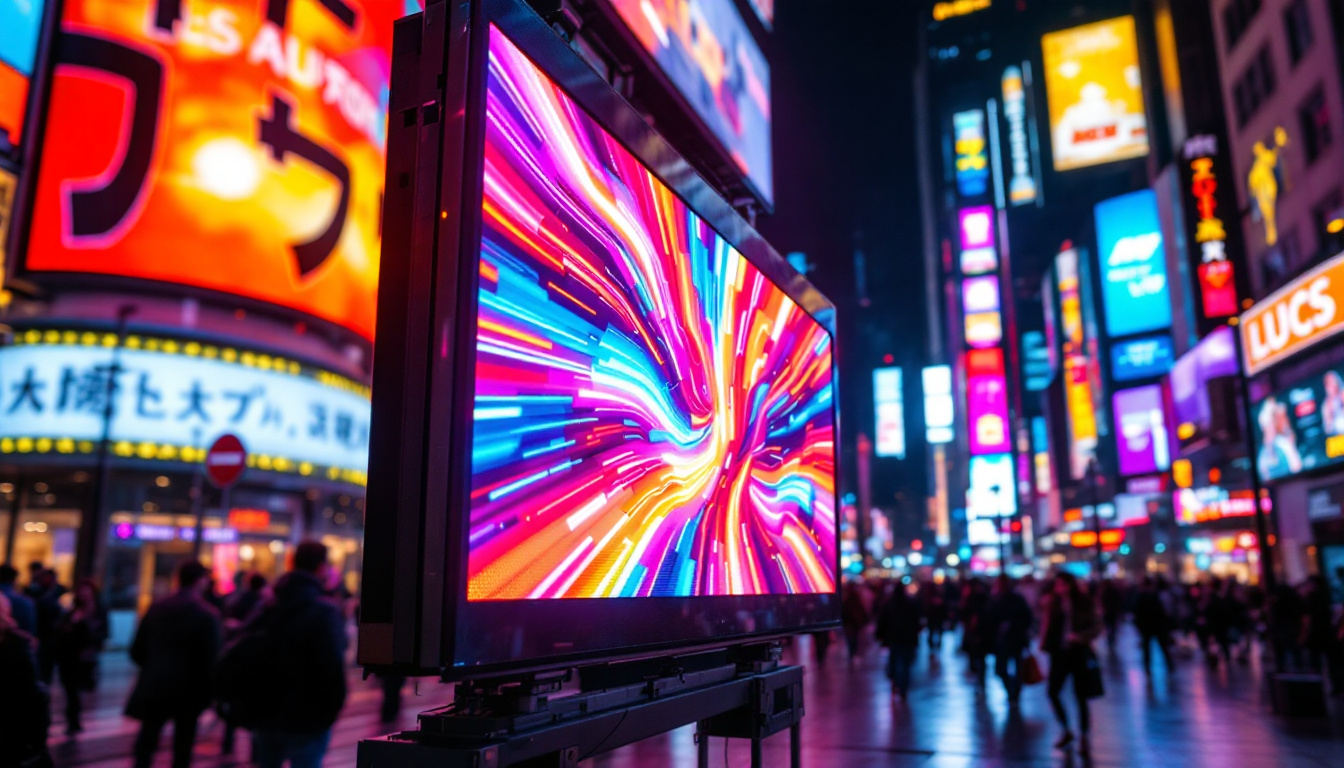
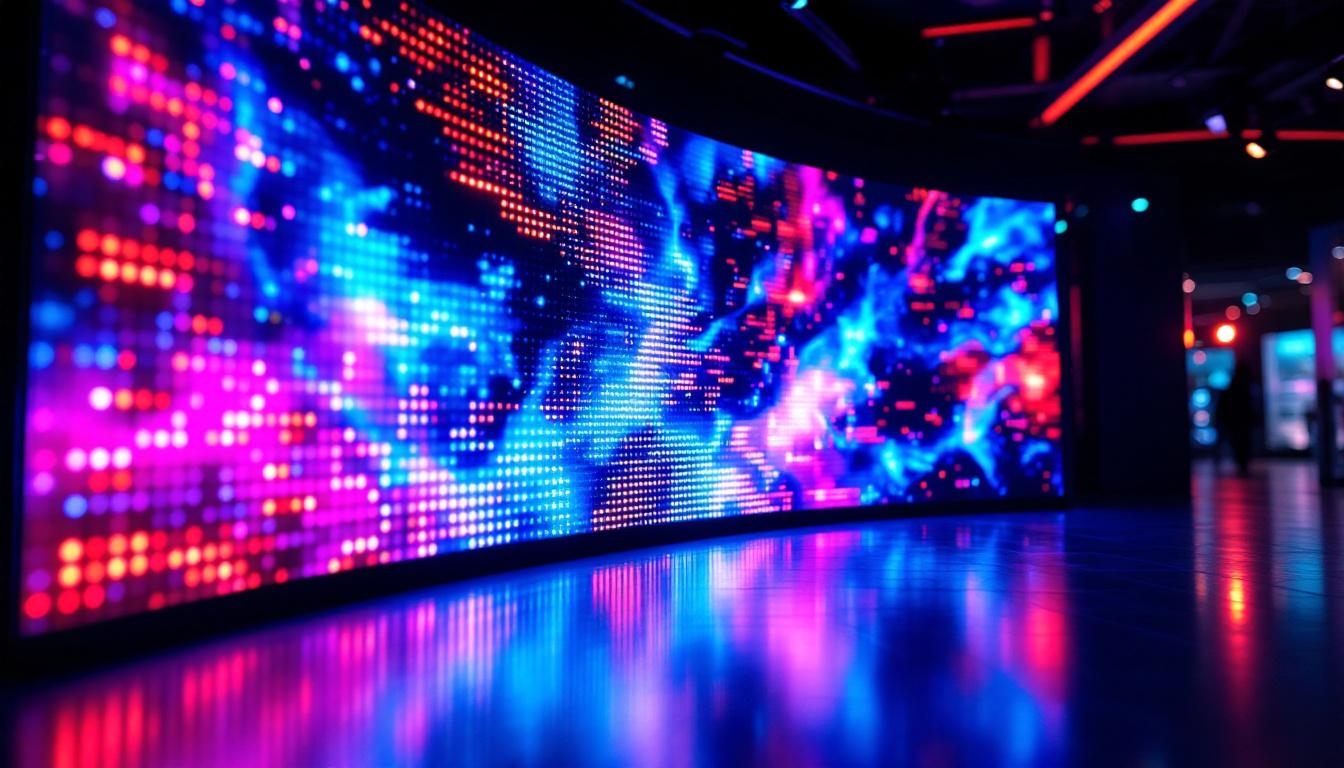
Direct-view LED displays are commonly used in large-scale applications such as stadium screens, billboards, and outdoor signage. These displays consist of thousands of LEDs arranged in a grid, each representing a pixel. They offer excellent brightness and visibility even in direct sunlight. Moreover, their modular design allows for easy scalability, enabling businesses to customize the size and shape of their displays to fit specific needs, whether for a small storefront or a massive outdoor event.
OLED displays, on the other hand, use organic compounds that emit light when electrically stimulated. OLEDs are thinner, more flexible, and capable of producing deeper blacks because they can turn off individual pixels completely. This technology is prevalent in high-end smartphones and televisions, where the quality of the display can significantly enhance the viewing experience. Additionally, OLED technology allows for innovative designs, such as curved screens and foldable devices, pushing the boundaries of how we interact with visual media.
MicroLED is an emerging technology that combines the benefits of OLED and traditional LEDs. It uses microscopic LEDs to create displays with superior brightness, energy efficiency, and longevity, making it a promising candidate for future touchscreen devices. MicroLED displays also boast faster response times and higher pixel densities, which can lead to stunning visual clarity and detail. As research and development continue, we may soon see MicroLED technology being utilized in a wider array of applications, potentially revolutionizing everything from virtual reality headsets to large-scale digital art installations.
The Integration of LED Displays with Touchscreen Technology
How Touchscreens Work
Touchscreens enable users to interact directly with what is displayed on the screen by detecting touch input. There are several types of touchscreen technologies, including resistive, capacitive, infrared, and surface acoustic wave. Among these, capacitive touchscreens are the most common in modern devices due to their responsiveness and multi-touch capabilities.
Capacitive touchscreens work by sensing the electrical properties of the human finger. When a finger touches the screen, it disturbs the electrostatic field, which the device detects and translates into input commands. This technology requires a transparent conductive layer placed over the LED display, allowing for seamless interaction without compromising image quality. The sensitivity of capacitive screens also allows for gestures such as pinch-to-zoom and swipe, enhancing user experience and making navigation intuitive. This has led to their widespread adoption in smartphones, tablets, and interactive kiosks.
Combining LED Displays and Touchscreens
The marriage of LED display technology with touchscreens is a complex engineering feat. The display must maintain high brightness and color accuracy while accommodating the touch-sensitive layer. This integration involves layering the LED panel, touch sensors, and protective glass in a way that maximizes durability and responsiveness. The design considerations also include ensuring that the touch interface remains functional in various environmental conditions, such as outdoor settings where sunlight glare can be a significant challenge.
Manufacturers often use advanced bonding techniques to reduce the air gap between the LED panel and the touch sensor, minimizing reflections and improving clarity. Additionally, technologies like in-cell and on-cell touch integration embed the touch sensors directly into the display layers, resulting in thinner, lighter, and more responsive screens. This not only enhances the aesthetic appeal of devices but also contributes to energy efficiency, as thinner screens typically consume less power. Furthermore, the integration of LED displays with touch technology has opened up new possibilities in various sectors, including retail, education, and healthcare, where interactive displays are being utilized for everything from advertising to patient engagement, creating a more immersive and engaging experience for users.
Advantages of LED Displays in Touchscreen Devices
Superior Visual Quality
One of the primary reasons LED displays are preferred for touchscreen devices is their exceptional visual performance. LEDs provide high brightness levels, vibrant colors, and excellent contrast ratios. This is particularly important for outdoor or brightly lit environments where screen visibility can be challenging.
For example, smartphones equipped with OLED displays offer stunning color accuracy and deep blacks, enhancing the user experience during media consumption and gaming. Similarly, automotive touchscreens benefit from LED displays that remain visible under direct sunlight, ensuring safety and usability.
Energy Efficiency and Longevity
LED displays are generally more energy-efficient than traditional LCDs with fluorescent backlighting. This efficiency translates into longer battery life for portable touchscreen devices, a critical factor for consumer satisfaction. Furthermore, LED technology tends to have a longer lifespan and better resistance to screen burn-in, especially in the case of microLED displays.
Energy efficiency also plays a significant role in large-scale touchscreen installations such as digital signage and interactive kiosks, where reducing power consumption can lead to substantial cost savings over time.
Design Flexibility and Durability
LED displays enable greater design flexibility due to their thin form factor and ability to be manufactured on flexible substrates. This has led to innovations such as curved and foldable touchscreens, expanding the possibilities for device form factors.
Moreover, LED displays are generally more durable and resistant to shock and vibration compared to older display technologies. This robustness is vital for industrial touchscreen applications and devices used in rugged environments.
Challenges and Considerations in LED Touchscreen Displays
Cost and Manufacturing Complexity
While LED displays offer numerous benefits, they also present challenges, particularly in terms of manufacturing costs. High-quality OLED and microLED panels require sophisticated fabrication processes, which can drive up the price of devices. This cost factor influences the adoption rate of these technologies in budget-sensitive markets.
Additionally, integrating touch sensors without compromising display quality demands precision engineering, further adding to production complexity and expenses.
Potential for Screen Burn-In
Some LED display types, notably OLEDs, are susceptible to screen burn-in, where static images left on the screen for extended periods cause permanent discoloration. Although manufacturers have implemented software and hardware solutions to mitigate this issue, it remains a consideration for users and designers of touchscreen devices.
Environmental Impact
The production and disposal of LED displays involve materials and processes that can impact the environment. As the demand for touchscreen devices continues to grow, manufacturers are under increasing pressure to adopt sustainable practices, including recycling programs and the use of eco-friendly materials.
Future Trends in LED Touchscreen Displays
MicroLED and Beyond
MicroLED technology is poised to revolutionize touchscreen displays by offering the perfect balance of brightness, efficiency, and durability. Unlike OLEDs, microLEDs are inorganic and less prone to burn-in, making them ideal for long-lasting devices.
Recent advancements have demonstrated microLED displays with pixel densities exceeding those of current OLED screens, promising unparalleled image quality. As manufacturing techniques improve and costs decrease, microLED could become the standard for next-generation touchscreen devices.
Flexible and Transparent Displays
Flexible LED displays are enabling new form factors such as foldable smartphones, rollable tablets, and wearable devices that conform to the body. These innovations are expanding the ways users interact with technology, making devices more portable and adaptable.
Transparent LED displays are another exciting development, allowing screens to be embedded in windows, mirrors, and other surfaces without obstructing visibility. This technology opens up possibilities for augmented reality applications and futuristic user interfaces.
Integration with AI and Gesture Controls
Future touchscreen devices will likely integrate LED displays with advanced sensors and artificial intelligence to enable gesture recognition, eye tracking, and voice commands. These enhancements aim to create more intuitive and immersive user experiences, reducing reliance on physical touch and expanding accessibility.
Conclusion
LED displays are a cornerstone of modern touchscreen technology, offering superior visual quality, energy efficiency, and design flexibility. Their integration with touch sensors has transformed how users interact with devices across industries, from consumer electronics to automotive and industrial applications.
While challenges such as manufacturing costs and environmental impact remain, ongoing innovations in microLED, flexible displays, and AI integration promise an exciting future for LED touchscreen technology. Understanding these fundamentals equips consumers, designers, and technologists to appreciate the capabilities and potential of the devices that have become indispensable in everyday life.
Explore Cutting-Edge LED Display Solutions with LumenMatrix
As you’ve seen, LED display technology is reshaping the way we interact with the world around us. If you’re inspired by the potential of LED touchscreen displays and want to experience the pinnacle of visual quality and innovation, look no further than LumenMatrix. Our comprehensive range of products, from Indoor and Outdoor LED Wall Displays to specialized solutions like Vehicle LED Displays and LED Sports Displays, are designed to captivate and engage. Whether you’re looking to enhance your brand visibility or create immersive visual experiences, LumenMatrix is at the forefront of revolutionizing visual communication. Check out LumenMatrix LED Display Solutions today and see how our technology can empower your business to communicate with impact and clarity.