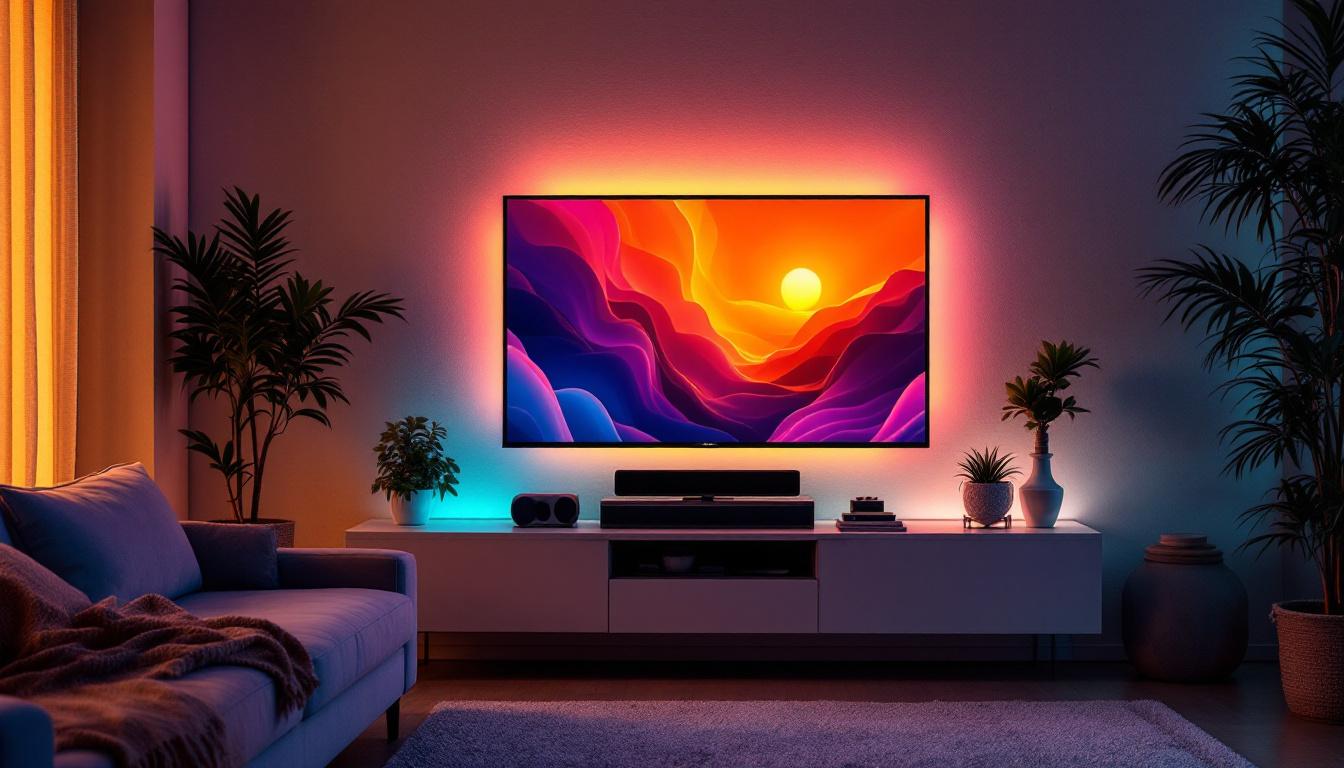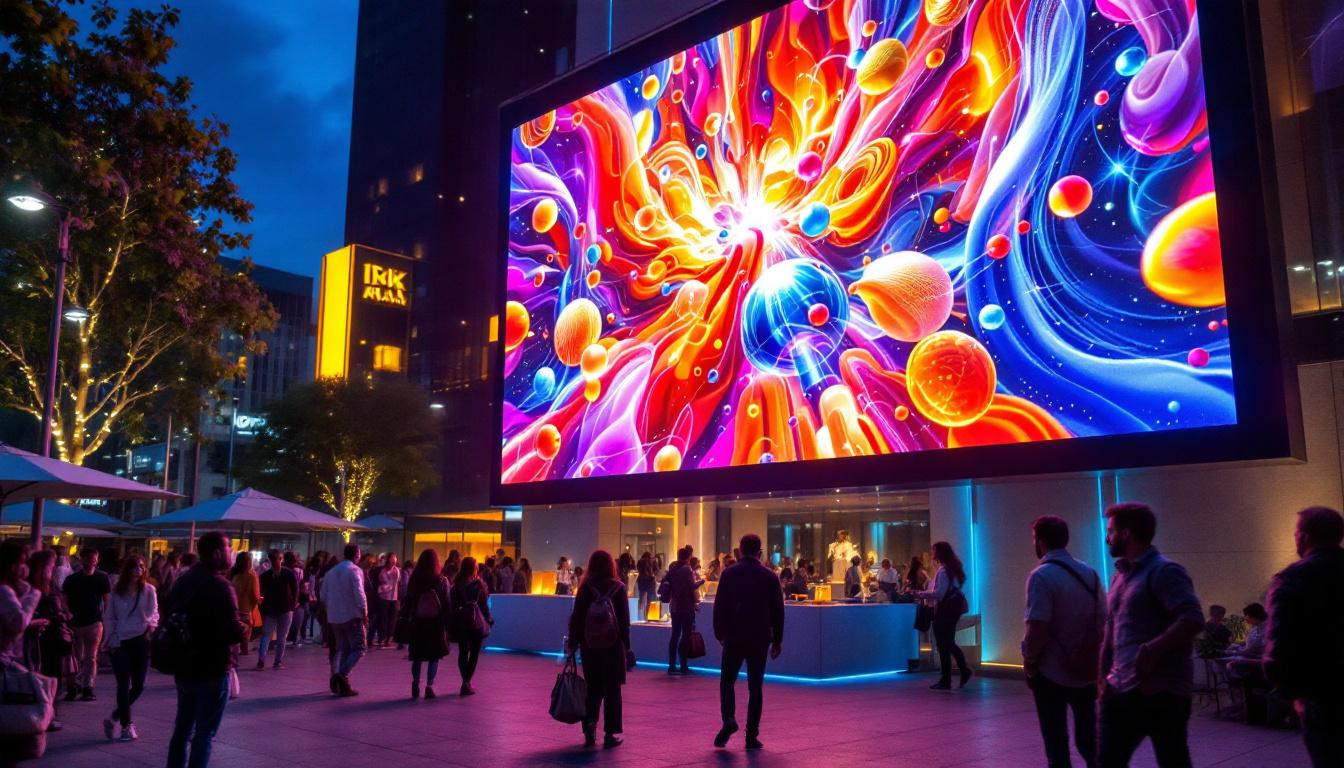
In today’s digital era, touchscreen panels have become an integral part of our daily interactions with technology. From smartphones and tablets to kiosks and industrial control systems, the seamless integration of touch functionality with vibrant LED displays has revolutionized user experiences. Understanding how touchscreen panels work, particularly those incorporating LED technology, is crucial for professionals in electronics, design, and user interface development.
This article delves into the fundamentals of touchscreen panels, explores the role of LED displays, and examines the latest advancements shaping this dynamic field. Whether you’re a tech enthusiast, a product designer, or a business decision-maker, this comprehensive guide will provide valuable insights into the technology behind touchscreen LED displays.
Understanding Touchscreen Technology
Types of Touchscreen Panels
Touchscreen panels are categorized based on the technology used to detect touch input. The most common types include:
- Resistive Touchscreens: These consist of two flexible layers separated by a gap. When pressed, the layers make contact, registering the touch. Resistive screens are cost-effective and work with any input device but offer lower clarity and durability compared to other types.
- Capacitive Touchscreens: These use the electrical properties of the human body to detect touch. They offer higher clarity, multi-touch capability, and better durability, making them the preferred choice for smartphones and tablets.
- Infrared and Optical Touchscreens: These detect touch by interrupting an array of infrared beams. They are often used in large-format displays and kiosks.
Among these, capacitive touchscreens dominate the market due to their responsiveness and image quality, especially when paired with LED displays. Their ability to support multiple touch points simultaneously has revolutionized user interaction, allowing for more complex gestures and a more intuitive user experience. This has led to their widespread adoption in various devices, from handheld gadgets to large interactive displays in public spaces.
How Touch Detection Works
Capacitive touchscreens operate by sensing changes in the electrostatic field when a finger or conductive stylus touches the screen. The screen is coated with a transparent conductor, typically indium tin oxide (ITO). When touched, the capacitance at that point changes, and the system interprets this as a touch event.
Advanced controllers process these signals to determine the precise location of the touch, enabling multi-touch gestures such as pinch-to-zoom and swipe. This technology requires a conductive input, which is why gloves or non-conductive styluses may not work unless specially designed. The precision of capacitive touchscreens also allows for features like pressure sensitivity, which can enhance creative applications such as drawing or graphic design. As technology advances, manufacturers are continually refining these screens to improve their responsiveness and reduce latency, making interactions feel even more seamless and natural.
Additionally, the integration of haptic feedback in touchscreen devices has further enriched the user experience. By providing tactile responses to touch events, users can receive confirmation of their actions, which enhances usability, especially in gaming and virtual reality applications. As the demand for more immersive and interactive experiences grows, the evolution of touchscreen technology will likely continue to play a pivotal role in shaping how we interact with digital content.
The Role of LED Displays in Touchscreen Panels
What is an LED Display?
LED (Light Emitting Diode) displays use an array of tiny LEDs to create images. Unlike traditional LCDs that rely on backlighting, LED displays can be either direct-emission or use LEDs as backlights for LCD panels.
There are two primary types of LED display technologies used in touchscreen panels:
- LED-backlit LCDs: These combine an LCD panel with LED backlighting, offering improved brightness, contrast, and energy efficiency compared to older CCFL backlights.
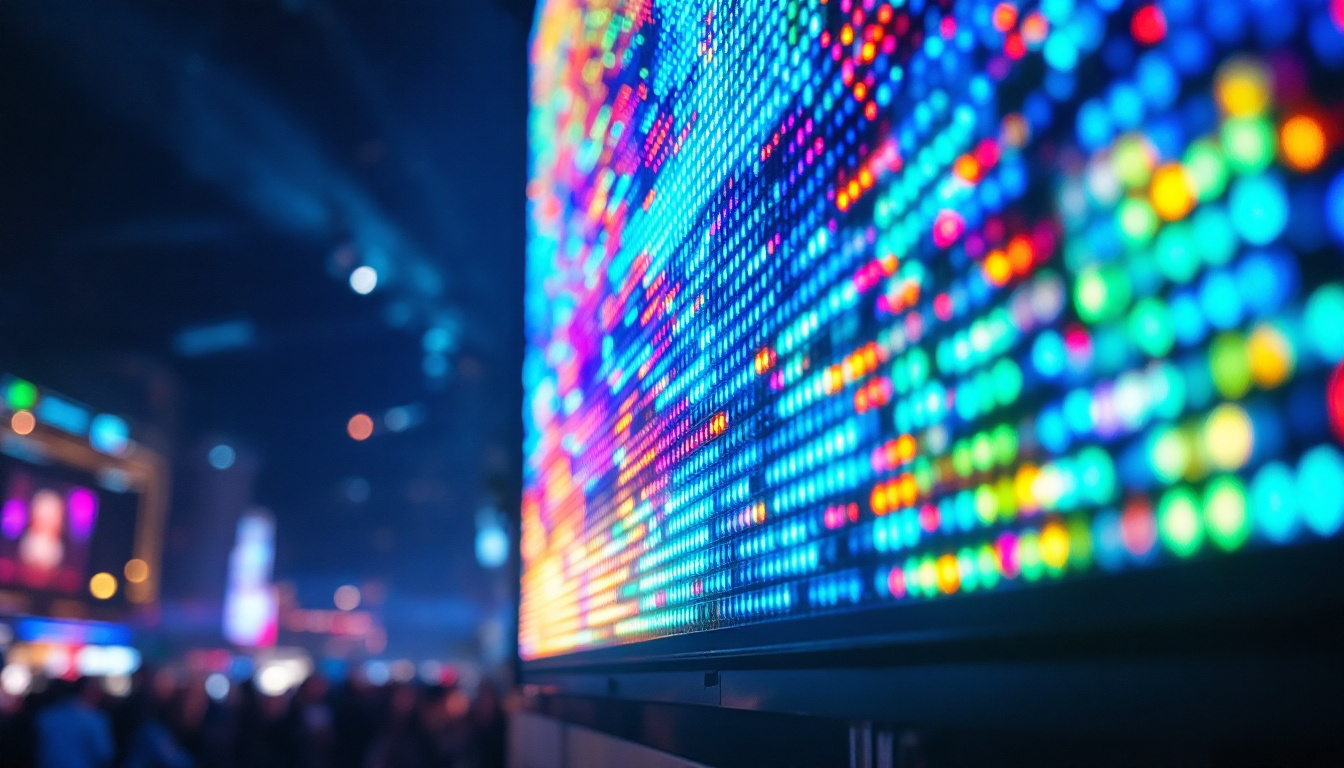
- Direct-View LED Displays: These use LEDs themselves as pixels, common in large-scale digital signage but less so in handheld devices due to size constraints.
Advantages of LED Displays in Touchscreens
Integrating LED technology into touchscreen panels offers several benefits:
- Brightness and Visibility: LED backlighting provides higher brightness levels, enhancing visibility in various lighting conditions, including direct sunlight.
- Energy Efficiency: LEDs consume less power than traditional backlighting methods, extending battery life in portable devices.
- Color Accuracy and Contrast: LED displays deliver richer colors and deeper blacks, improving the overall visual experience.
- Thin and Lightweight Design: LEDs allow for slimmer panel designs, contributing to sleek and lightweight devices.
Common Applications of LED Touchscreen Panels
LED touchscreen panels are ubiquitous across multiple industries:
- Consumer Electronics: Smartphones, tablets, laptops, and smartwatches rely heavily on capacitive touchscreens with LED-backlit LCDs for vibrant displays.
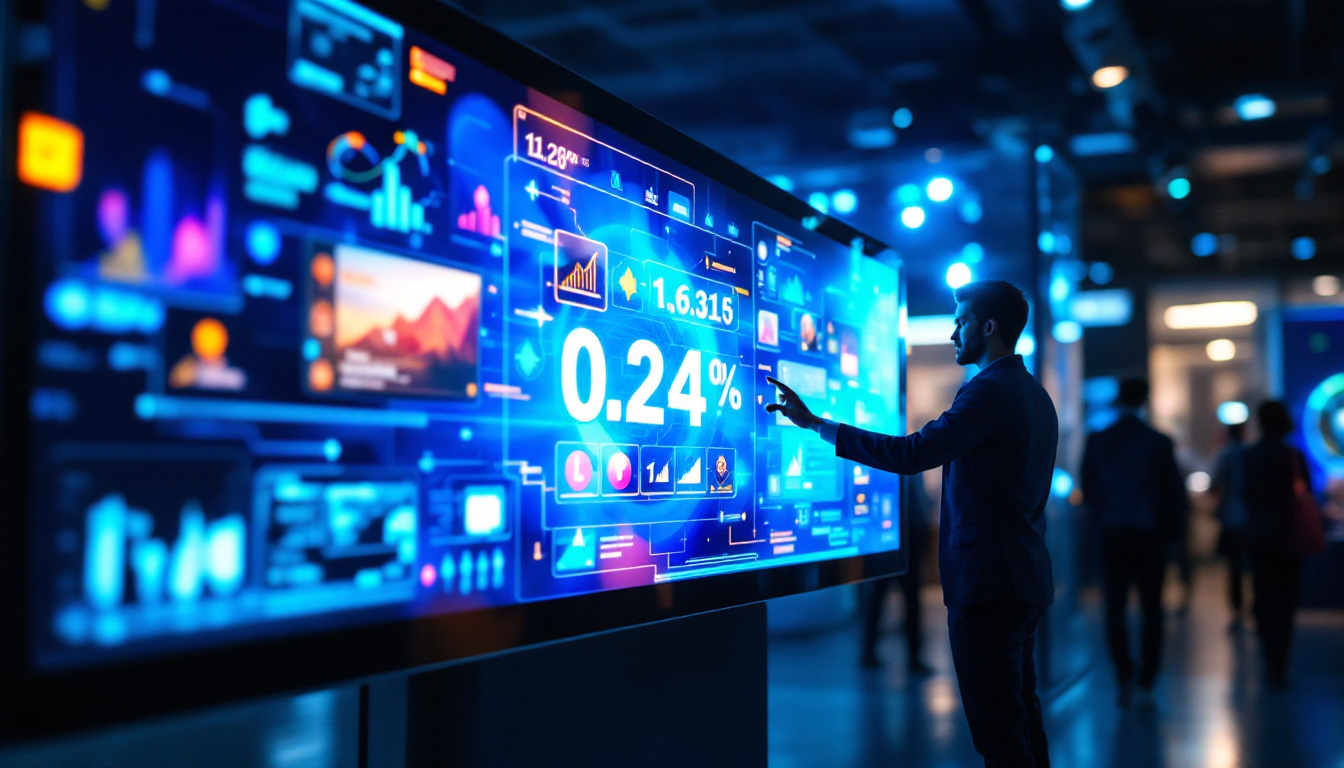
- Retail and Hospitality: Interactive kiosks, point-of-sale terminals, and digital menu boards utilize LED touchscreens for engaging customer experiences.
- Industrial and Medical: Ruggedized LED touchscreen panels enable precise control and monitoring in manufacturing environments and healthcare devices.
- Automotive: Infotainment systems and digital instrument clusters increasingly feature LED touchscreens for intuitive user interfaces.
Beyond these applications, LED touchscreen panels are also making significant inroads into the realm of education and training. Interactive whiteboards equipped with LED displays are transforming classrooms into dynamic learning environments, allowing educators to present information in engaging ways while enabling students to interact with the material directly. This technology not only fosters collaboration but also accommodates various learning styles, making education more accessible and effective.
Moreover, the entertainment industry is leveraging LED touchscreen technology for immersive experiences. From interactive exhibits in museums to high-tech gaming setups, LED displays enhance visual storytelling and user engagement. These panels can create stunning visual effects and responsive environments, captivating audiences and elevating the overall experience. As technology continues to evolve, we can expect to see even more innovative uses of LED touchscreen panels across diverse sectors, further blurring the lines between digital and physical interactions.
Technical Aspects and Innovations in LED Touchscreen Panels
Integration Challenges
Combining touch sensors with LED displays involves overcoming several technical challenges:
- Optical Clarity: The touchscreen layer must be transparent and minimally affect the display’s brightness and color accuracy.
- Durability: The panel must withstand repeated touch inputs, environmental factors, and potential impacts without degrading performance.
- Power Consumption: Balancing high brightness with energy efficiency is critical, especially for battery-powered devices.
- Latency: Touch response time must be minimal to ensure a smooth user experience.
Manufacturers use advanced materials such as chemically strengthened glass (e.g., Gorilla Glass) and optically clear adhesives to address these issues. Additionally, innovations in sensor design reduce interference with the LED display beneath.
Emerging Technologies
The touchscreen and LED display industry is rapidly evolving with several promising technologies:
MicroLED Displays
MicroLED technology involves microscopic LEDs that serve as individual pixels, offering superior brightness, color accuracy, and energy efficiency. Unlike OLEDs, MicroLEDs are not prone to burn-in and have longer lifespans. Although still emerging, MicroLED displays are expected to revolutionize touchscreens in high-end devices.
In-Cell and On-Cell Touch Panels
These designs integrate touch sensors directly within or on top of the display panel rather than as a separate layer. This integration reduces thickness and improves optical clarity. In-cell technology is widely adopted in smartphones, enhancing responsiveness and display quality.
Flexible and Foldable Displays
Advancements in flexible LED and touch sensor materials have enabled foldable smartphones and tablets. These devices require highly durable, bendable touchscreen panels that maintain performance despite repeated folding.
Choosing the Right LED Touchscreen Panel for Your Application
Key Considerations
When selecting an LED touchscreen panel, several factors should guide the decision-making process:
- Display Size and Resolution: The intended use dictates the optimal size and pixel density for clarity and usability.
- Touch Technology: Capacitive touchscreens are preferred for consumer devices, while resistive or infrared may suit industrial applications requiring stylus input or gloves.
- Brightness and Contrast: Outdoor or brightly lit environments require higher brightness and anti-reflective coatings.
- Durability and Environmental Resistance: Consider IP ratings for water and dust resistance, as well as impact resistance for rugged environments.
- Power Consumption: Critical for portable devices to maximize battery life.
- Cost and Availability: Balancing budget constraints with performance needs is essential.
Case Study: Retail Kiosk Implementation
A leading retail chain upgraded its customer service kiosks by integrating 21.5-inch capacitive LED-backlit touchscreen panels. The new displays offered 2500 nits brightness, enabling clear visibility even under direct store lighting. Multi-touch support allowed customers to navigate menus intuitively, reducing wait times and improving satisfaction.
Additionally, the panels featured anti-glare coatings and robust Gorilla Glass protection, ensuring durability in a high-traffic environment. The energy-efficient LED backlighting contributed to lower operational costs, demonstrating how thoughtful selection of LED touchscreen panels can enhance both user experience and business outcomes.
Future Trends and Market Outlook
Market Growth and Demand
The global touchscreen panel market is projected to grow significantly, driven by increasing demand for interactive devices in consumer electronics, automotive, healthcare, and industrial sectors. According to recent market research, the touchscreen display market is expected to exceed $20 billion by 2027, with LED-backlit LCDs maintaining a strong presence due to their balance of cost and performance.
Advancements in AI and Gesture Recognition
Future touchscreen panels will likely incorporate advanced AI algorithms and gesture recognition capabilities. This will enable more natural and intuitive interactions, such as air gestures without physical contact, enhancing accessibility and hygiene.
Sustainability and Eco-Friendly Materials
As environmental concerns grow, manufacturers are exploring sustainable materials and energy-efficient designs for touchscreen panels. Innovations include recyclable components, reduced hazardous substances, and lower power consumption, aligning with global sustainability goals.
Conclusion
Touchscreen panels with LED displays represent a cornerstone of modern interactive technology. Their combination of responsive touch detection and vibrant visual output has transformed how users engage with devices across countless applications. Understanding the underlying technologies, benefits, and challenges is essential for making informed decisions in design, procurement, and development.
As LED display technology continues to evolve with innovations like MicroLED and flexible panels, the future promises even more immersive and efficient touchscreen experiences. Staying abreast of these trends will empower businesses and developers to harness the full potential of touchscreen LED displays in an increasingly connected world.
Discover Cutting-Edge Touchscreen Solutions with LumenMatrix
Ready to elevate your interactive technology with the latest in LED display innovation? LumenMatrix is at the forefront of creating immersive visual experiences that captivate and engage. From dynamic Indoor and Outdoor LED Wall Displays to versatile Vehicle and Sports LED Displays, our solutions are designed to revolutionize visual communication. Whether you’re looking to enhance brand visibility, create interactive environments, or deliver messages with unparalleled clarity, LumenMatrix has the state-of-the-art LED display modules you need. Check out LumenMatrix LED Display Solutions today and step into the future of vibrant, responsive touchscreen panels.