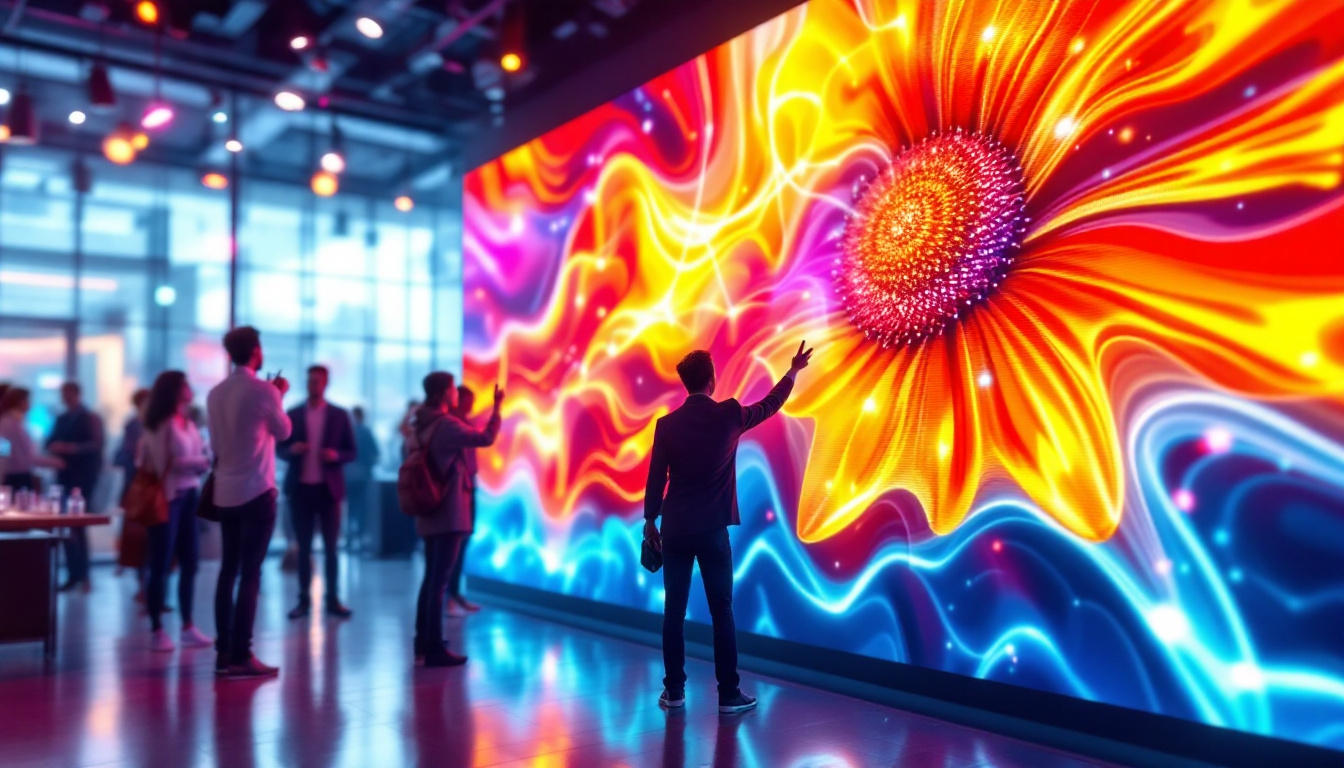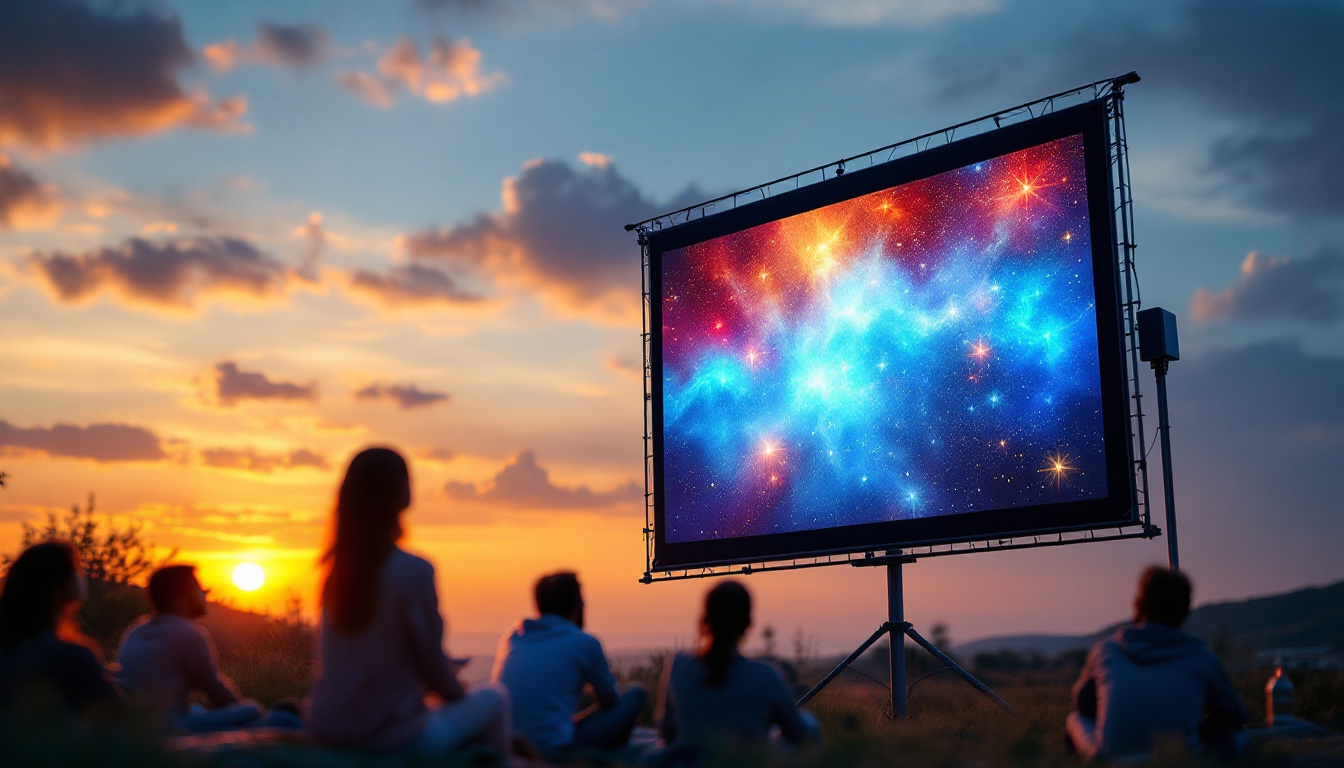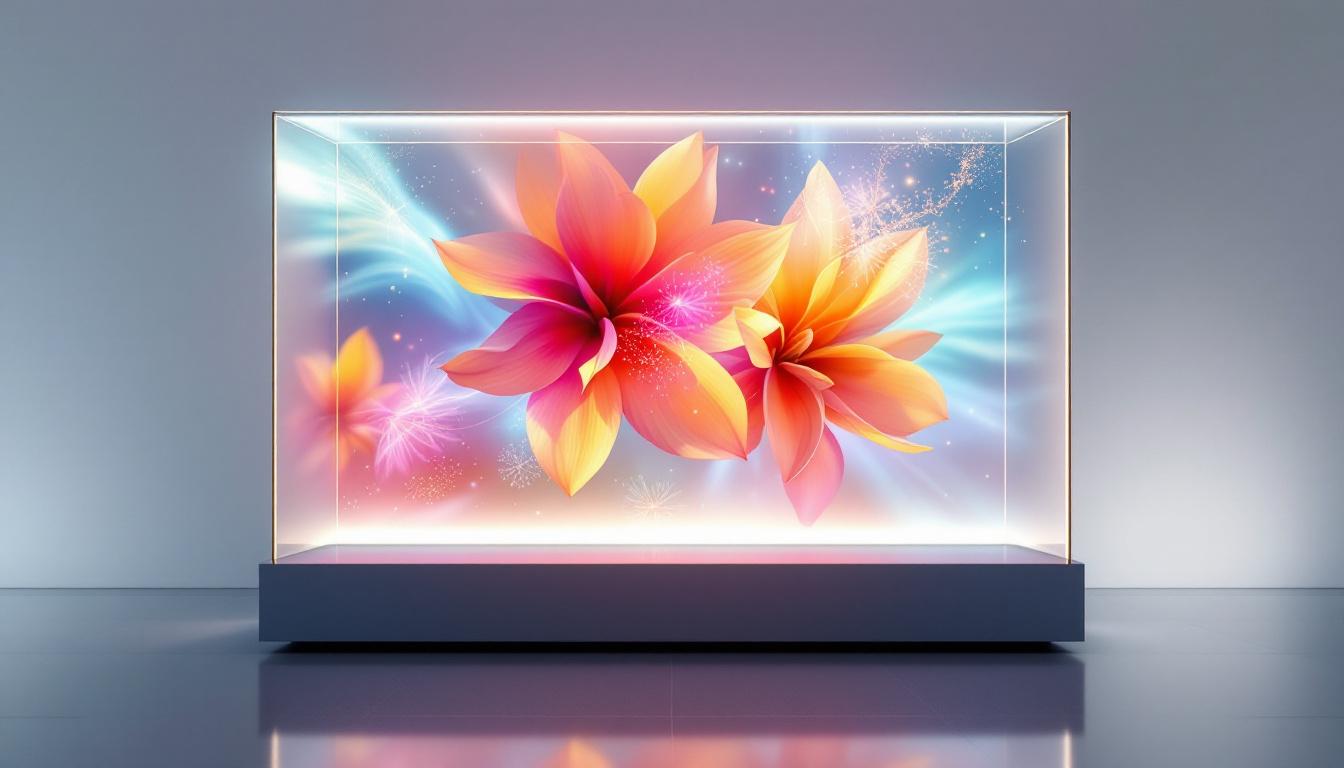
In the evolving landscape of visual display technology, transparent screens have emerged as a captivating innovation, merging the worlds of projection and LED technology. These screens offer a futuristic way to present images and videos, allowing audiences to see digital content while simultaneously viewing what lies behind the display. This article delves into the mechanics, applications, and advantages of transparent screens for projectors, with a particular focus on LED displays.
Understanding Transparent Screens: What Are They?
Transparent screens are specialized display surfaces designed to allow light to pass through them while simultaneously displaying images or videos. Unlike traditional opaque screens, these screens maintain visibility of the background, creating a layered, immersive viewing experience. This unique characteristic makes them ideal for applications where blending digital content with real-world environments is desirable.
There are several types of transparent screen technologies, including glass-based LCD panels, OLED transparent displays, and LED mesh or LED transparent displays. Among these, LED transparent screens have gained significant traction due to their brightness, scalability, and energy efficiency. The versatility of these screens allows them to be used in various settings, from advertising and marketing to art installations and interactive exhibits, showcasing their potential to transform how we interact with visual information.
The Role of LED in Transparent Screens
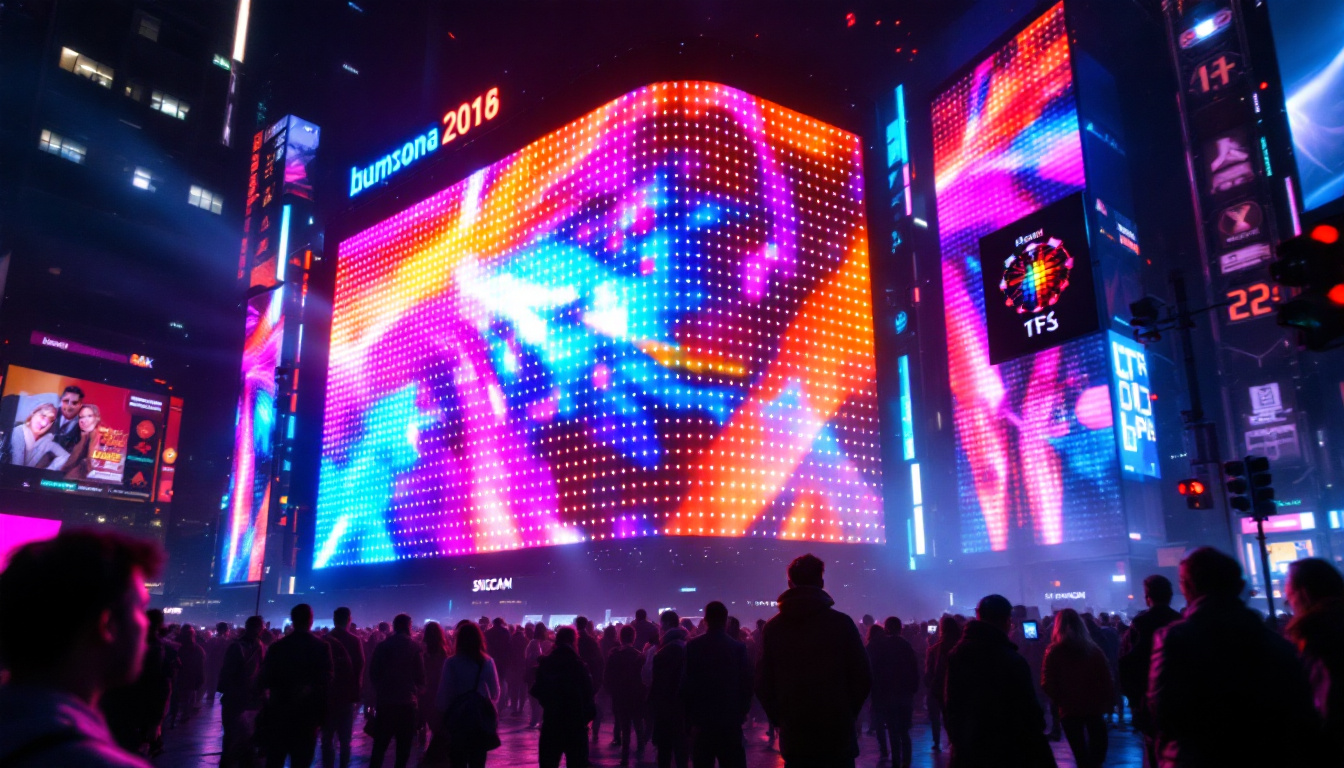
LED (Light Emitting Diode) transparent screens consist of a matrix of LEDs arranged on a transparent substrate, often glass or acrylic. These LEDs emit light to form images, while the gaps between them allow light to pass through, preserving transparency. The density and arrangement of LEDs determine the screen’s resolution and transparency level. This innovative design not only enhances aesthetic appeal but also enables dynamic content to be overlaid on physical objects, creating an engaging experience that captivates viewers.
Modern transparent LED displays achieve transparency rates ranging from 40% to 90%, depending on design and application needs. This balance between visibility and image clarity is crucial for environments like retail storefronts, museums, and stage performances, where both the displayed content and the background are important. Furthermore, the adaptability of transparent screens allows for creative applications such as augmented reality experiences, where users can interact with digital elements while still being aware of their surroundings. As technology continues to evolve, we can expect even more innovative uses for transparent screens, pushing the boundaries of how we perceive and engage with visual media in our daily lives.
How Transparent Screens Work with Projectors
Integrating transparent screens with projectors involves a nuanced understanding of light behavior and display technology. Traditional projection screens rely on reflective surfaces to bounce projected light back to the viewer. Transparent screens, however, must allow some light to pass through while displaying images clearly. This unique characteristic opens up a myriad of applications, from retail displays to art installations, where the interplay of light and transparency can create immersive experiences.
Projection on Transparent LED Screens
Transparent LED screens can function independently as self-illuminating displays, eliminating the need for external projectors. However, in some setups, projectors are used in conjunction with transparent screens to enhance image brightness or to project additional content. The screen’s transparency allows the projector’s light to interact with the LEDs, creating a layered visual effect. This synergy not only amplifies the visual impact but also allows for creative storytelling, where the background and foreground can merge seamlessly.
For example, a transparent LED screen might display dynamic graphics while a projector casts complementary visuals or environmental lighting effects behind it. This combination can create stunning visual narratives, especially in theatrical productions or advertising installations. In retail environments, brands can use this technology to showcase products in an engaging way, allowing customers to see both the product and the promotional content simultaneously, thereby enhancing the shopping experience.
Challenges in Projection on Transparent Screens
Using projectors with transparent screens presents challenges such as light loss, image distortion, and reduced contrast. Since the screen allows light to pass through, some projected light may be lost or scattered, requiring higher brightness projectors or specialized screen coatings to maintain image quality. The calibration of these systems is crucial, as even minor adjustments can significantly affect the overall visual output, making it essential for technicians to have a deep understanding of both projection and screen technology.
Moreover, ambient lighting conditions significantly impact the effectiveness of projection on transparent screens. Controlled lighting environments are often necessary to ensure the projected image remains vivid and clear without overpowering the transparency effect. In addition, the angle of projection must be carefully considered; a projector positioned incorrectly can lead to unwanted shadows or reflections that detract from the intended visual experience. As technology evolves, solutions such as adaptive brightness controls and advanced image processing algorithms are being developed to address these challenges, paving the way for more versatile and effective uses of transparent screens in various fields.
Advantages of Transparent LED Displays Over Traditional Screens
Transparent LED displays offer several compelling benefits that make them attractive for a wide range of applications, from commercial advertising to architectural installations.
High Brightness and Visibility
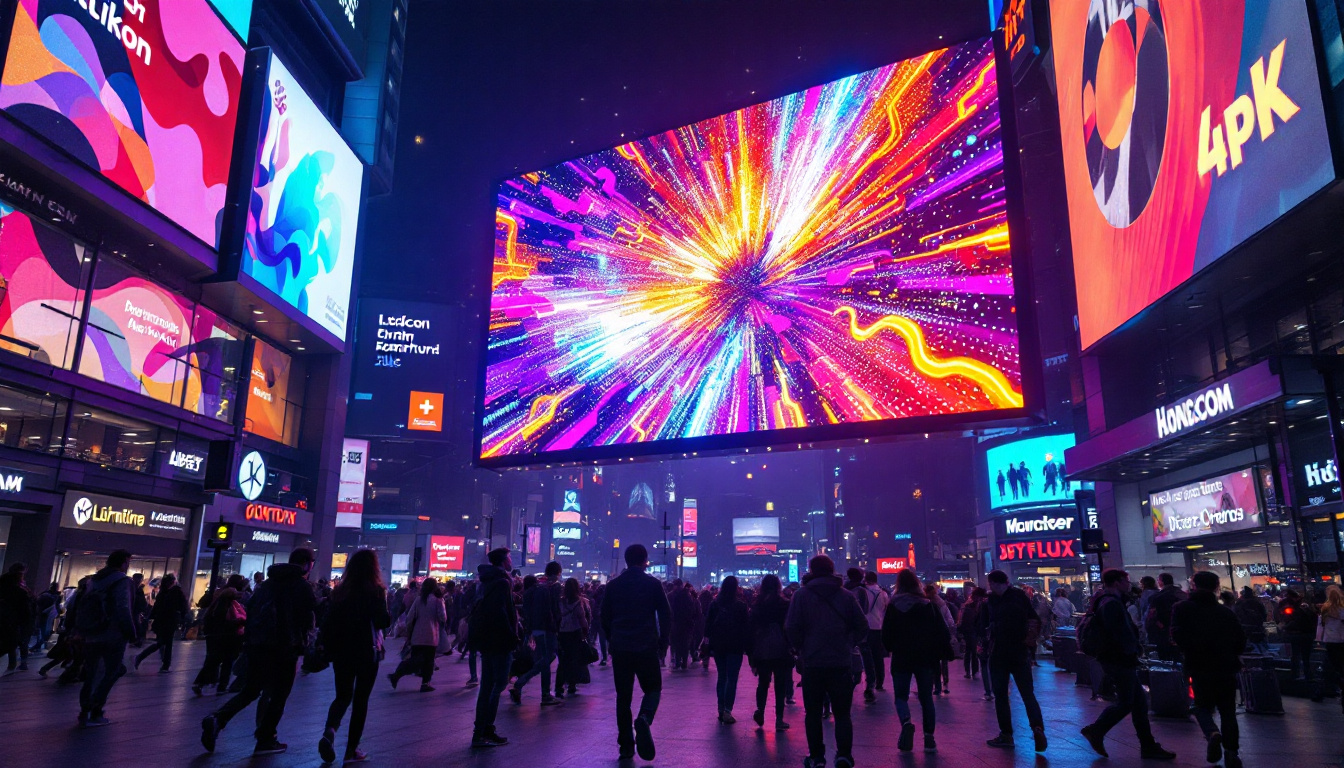
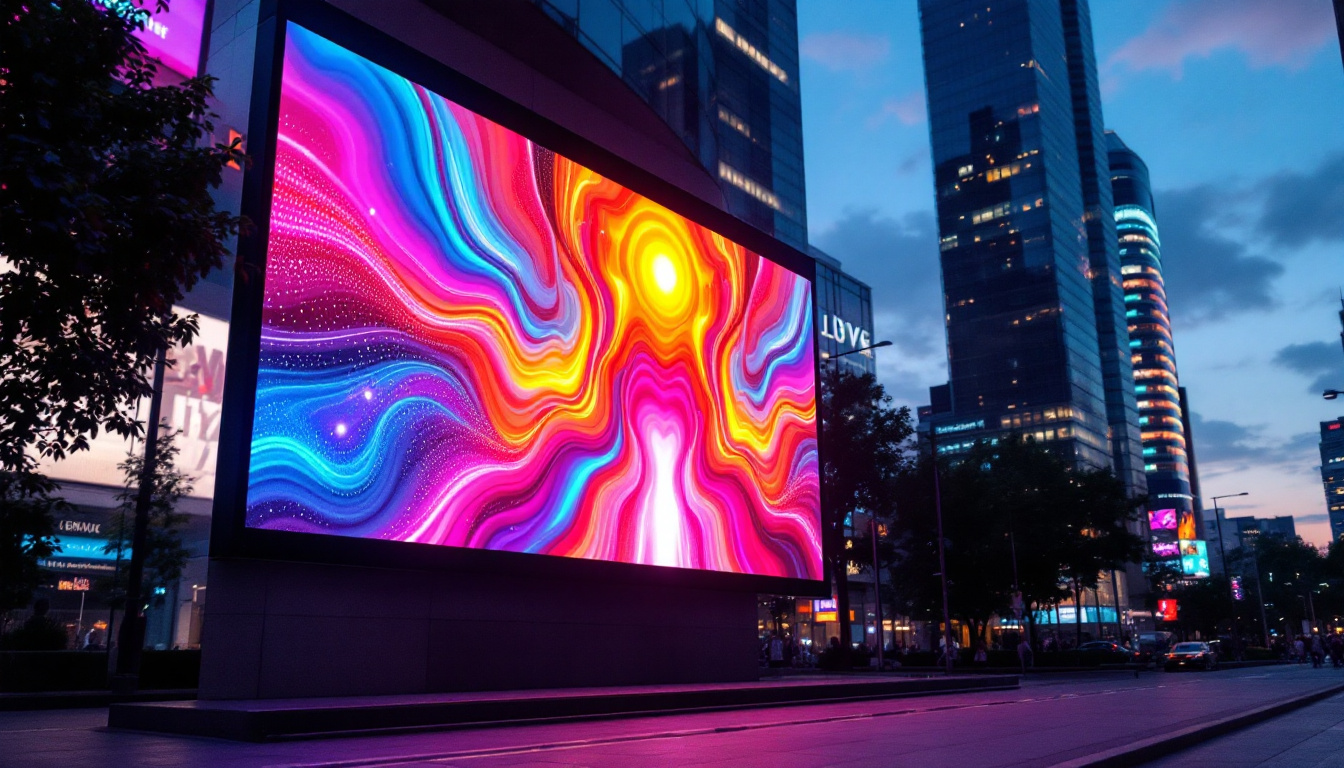
One of the standout advantages of transparent LED screens is their brightness. Unlike projection screens that rely on reflected light, LED displays emit their own light, making them visible even in brightly lit environments. This feature is particularly valuable for outdoor advertising and retail windows exposed to sunlight. Moreover, the high contrast ratio of these displays ensures that the colors remain vivid and engaging, drawing the attention of passersby and enhancing the overall impact of the visual content.
Energy Efficiency and Longevity
LED technology is renowned for its energy efficiency and long lifespan. Transparent LED screens consume less power compared to traditional projection setups that require high-lumen projectors. Additionally, LEDs have a longer operational life, reducing maintenance costs and downtime. This energy efficiency not only translates to lower operational costs but also aligns with sustainability goals, making transparent LED displays a greener choice for businesses looking to minimize their environmental footprint.
Design Flexibility and Aesthetic Appeal
Transparent LED screens can be customized in size and shape, offering architects and designers creative freedom. Their see-through nature allows for seamless integration into glass facades, creating visually striking installations without obstructing natural light or views. This adaptability is particularly beneficial in urban environments where space is at a premium, allowing for innovative advertising solutions that blend with the architecture.
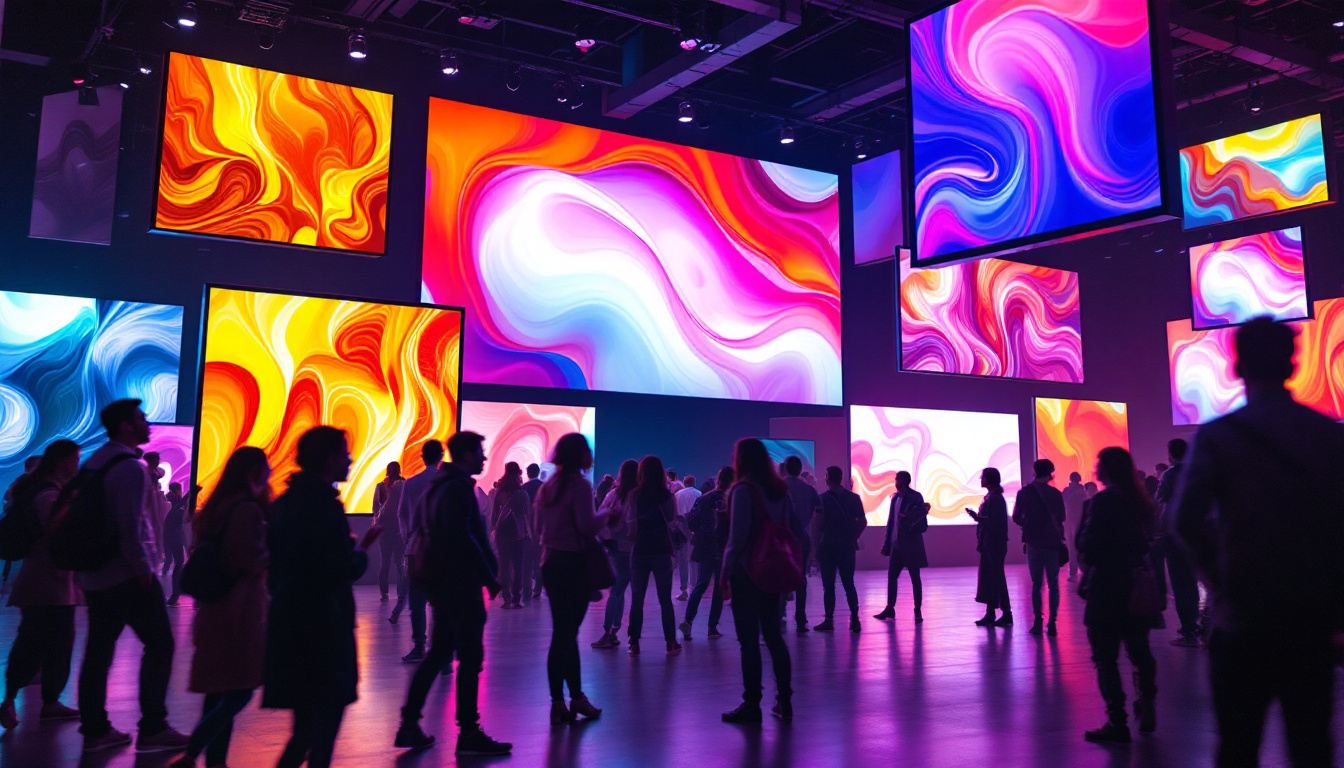
For instance, luxury retail stores use transparent LED displays embedded in storefront glass to showcase promotional content without compromising the store’s interior visibility or natural lighting. This not only enhances the shopping experience but also allows brands to convey their message in a sophisticated manner. Furthermore, transparent displays can be utilized in museums and galleries, where they can present information or artwork without detracting from the surrounding exhibits, creating an immersive experience for visitors. The ability to layer digital content over physical spaces opens up new avenues for storytelling and engagement in various settings.
Applications of Transparent Screens in Various Industries
The unique properties of transparent screens have led to their adoption across diverse sectors, enhancing both functionality and user experience.
Retail and Advertising
Retailers leverage transparent LED screens to create eye-catching window displays that attract passersby while maintaining a view into the store. This dual visibility increases customer engagement and enhances brand presence. According to recent market reports, transparent LED displays have contributed to a 20-30% increase in foot traffic for stores employing this technology.
Museum and Exhibition Displays
Museums use transparent screens to overlay digital information onto physical exhibits, enriching visitor interaction. For example, a transparent screen placed in front of an ancient artifact can display contextual videos or animations without obscuring the artifact itself.
Corporate and Event Spaces
In corporate environments, transparent LED screens serve as dynamic partitions or presentation surfaces, enabling interactive meetings and presentations without sacrificing openness. Event organizers also use these screens for immersive stage designs that blend live performances with digital effects.
Transportation and Public Spaces
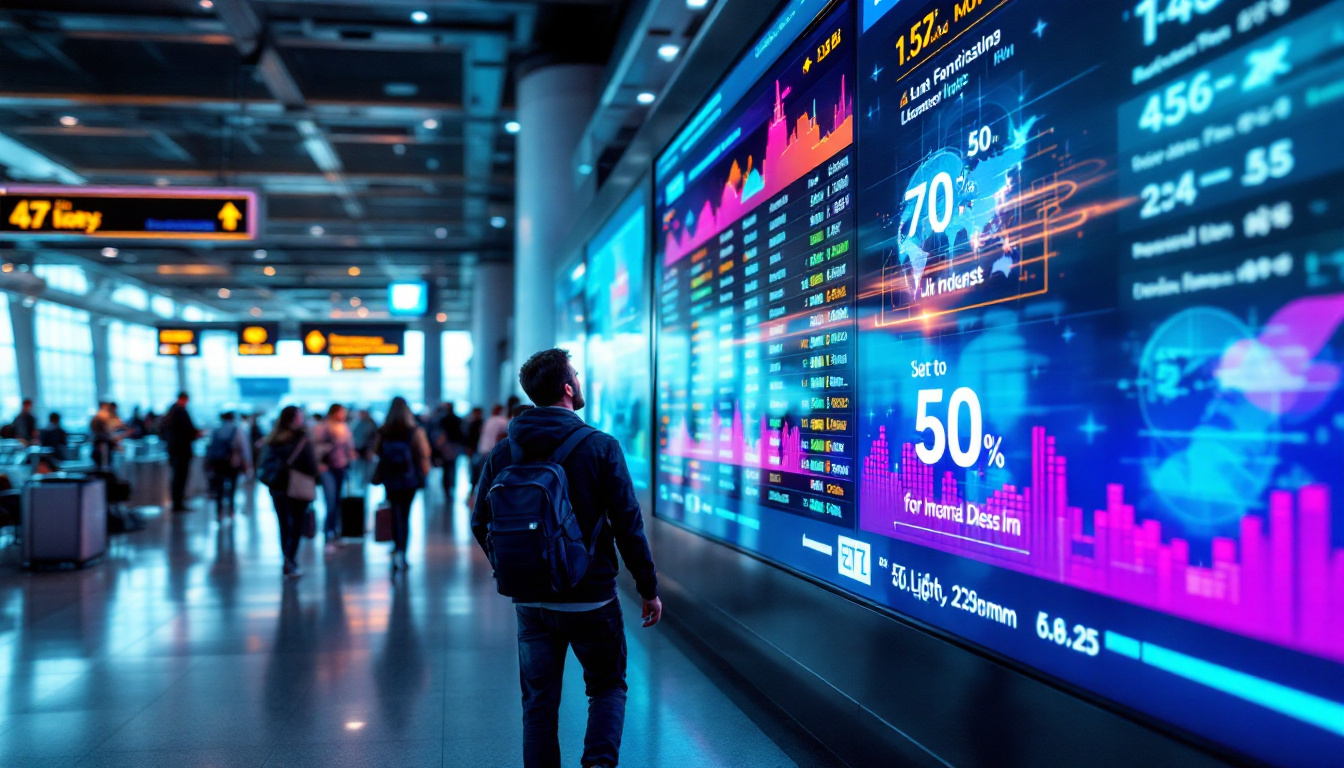
Transparent screens are increasingly installed in transportation hubs and public spaces for wayfinding, advertising, and information dissemination. Their transparency ensures that they do not obstruct views or architectural aesthetics while delivering essential content.
Future Trends and Innovations in Transparent Screen Technology
As technology advances, transparent screens are expected to become more sophisticated, with improvements in resolution, transparency, and interactivity.
Higher Resolution and Pixel Density
Emerging transparent LED displays are achieving higher pixel densities, enabling sharper images and more detailed content. This advancement will expand their use in applications requiring fine detail, such as medical imaging or high-end retail displays.
Integration with Augmented Reality (AR)
Transparent screens are poised to play a significant role in AR environments, serving as windows into augmented digital worlds. By combining transparent displays with AR glasses or sensors, users can experience enriched, context-aware information seamlessly integrated into their surroundings.
Flexible and Curved Transparent Displays
Research into flexible transparent LED displays is underway, promising screens that can conform to curved surfaces or be rolled for portability. This flexibility will open new design possibilities in automotive, wearable technology, and architectural applications.
Conclusion
Transparent screens for projectors, particularly those based on LED technology, represent a transformative approach to digital display. Their ability to blend digital imagery with real-world environments creates engaging, immersive experiences across a variety of industries. While challenges remain in optimizing projection quality and managing ambient light, ongoing innovations continue to enhance their performance and versatility.
For businesses and creators seeking to captivate audiences with futuristic, visually striking displays, transparent LED screens offer a compelling solution that balances aesthetics, functionality, and energy efficiency. As this technology matures, it is set to redefine the boundaries of visual communication and interactive design.
Discover the Future of Visual Displays with LumenMatrix
Ready to elevate your visual display capabilities? LumenMatrix is at the forefront of LED display innovation, offering a comprehensive range of solutions that bring your content to life. From Indoor and Outdoor LED Wall Displays to specialized options like Vehicle, Sports, and Floor LED Displays, our products are designed to maximize brand visibility and audience engagement. Embrace the future of digital signage with our Custom, All-in-One, and LED Transparent Displays, each crafted to deliver unparalleled visual experiences. Don’t miss out on the opportunity to transform your visual communication. Check out LumenMatrix LED Display Solutions today and see your message shine like never before.