In recent years, transparent touchscreen LED displays have emerged as a groundbreaking technology, transforming the way we interact with digital content in both commercial and consumer environments. From futuristic retail windows to advanced automotive dashboards, these displays blend visibility and interactivity in ways previously thought impossible. This article delves into the fundamentals of transparent touchscreen LED displays, exploring their technology, applications, benefits, and future potential.
Understanding Transparent Touchscreen LED Displays
What Is a Transparent Touchscreen LED Display?
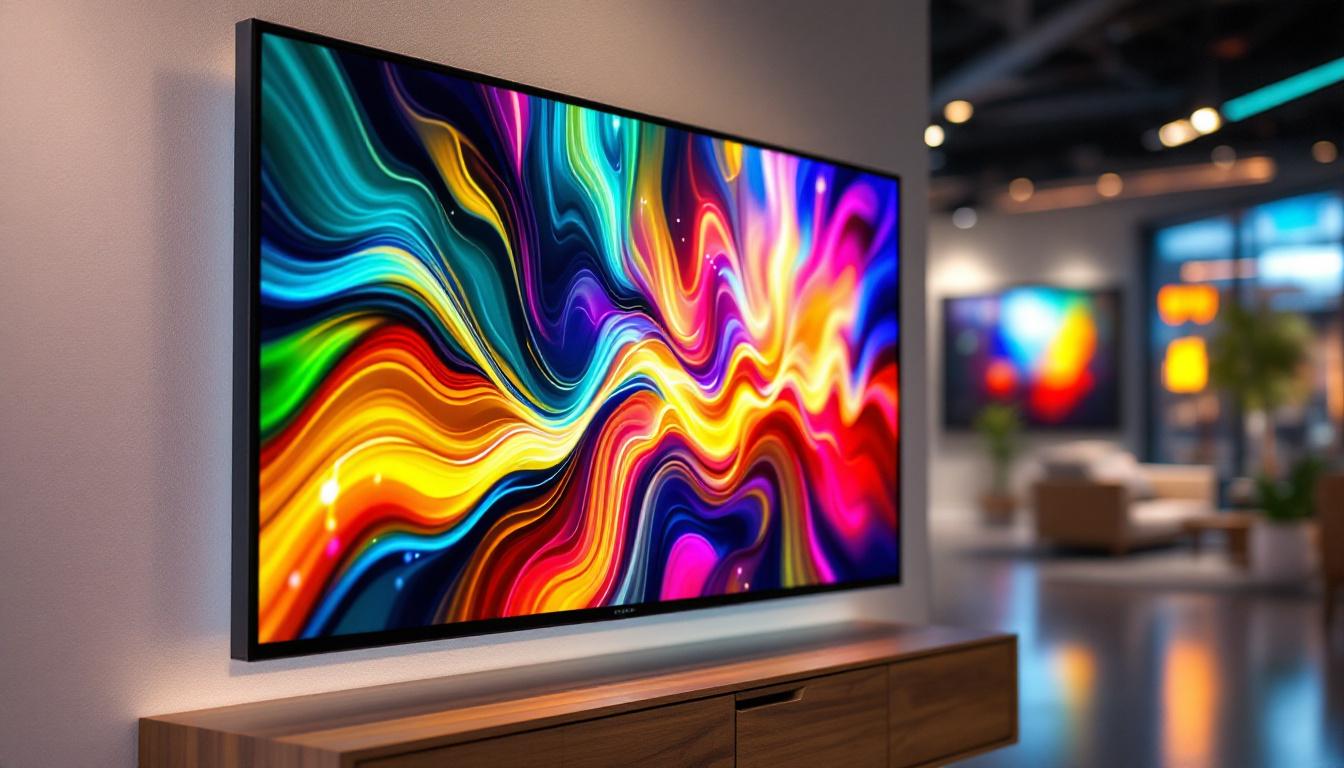
A transparent touchscreen LED display is a type of screen that combines two key features: transparency and touch interactivity, powered by LED technology. Unlike traditional LED screens that are opaque, these displays allow users to see through them while simultaneously displaying vibrant images or videos. The touchscreen capability adds an interactive layer, enabling users to engage directly with the content by touch gestures.
These displays typically consist of a transparent substrate, such as glass or acrylic, embedded with LED pixels arranged in a matrix. The LEDs emit light to form images, while the transparent sections allow light to pass through, maintaining see-through visibility. The touchscreen functionality is often implemented using capacitive or infrared touch sensors integrated seamlessly into the display.
Transparent touchscreen LED displays have found their way into various industries, revolutionizing how information is presented and interacted with. Retail environments utilize these displays to showcase products while allowing customers to view the store’s interior, creating an engaging shopping experience. In museums and galleries, they can provide interactive exhibits that overlay digital information on physical artifacts, enhancing educational experiences without obstructing views. The versatility of these displays makes them suitable for both commercial and artistic applications.
How Does the Technology Work?
The core of transparent LED displays lies in the arrangement and density of the LED pixels. Unlike conventional LED screens where pixels cover the entire surface, transparent LED displays use spaced-out pixels or micro-LEDs that leave gaps for transparency. This pixel arrangement balances image quality with see-through capability.
In terms of touch technology, capacitive sensors detect changes in the electrical field caused by a finger or stylus, while infrared systems use light beams that get interrupted by touch. Both methods are adapted to function on transparent surfaces without compromising the display’s clarity or brightness.
Advanced electronics control the synchronization of the LED pixels and the touch sensors, ensuring smooth visual output and responsive touch input. The display’s brightness and contrast are optimized to remain visible even under ambient light conditions, which is crucial for applications like storefront windows or vehicle windshields. Moreover, the integration of artificial intelligence can enhance user interaction by predicting user gestures or preferences, making the experience more intuitive. As technology continues to evolve, the potential for transparent touchscreen LED displays expands, paving the way for innovative applications in smart homes, automotive displays, and even augmented reality environments.
Applications of Transparent Touchscreen LED Displays
Retail and Advertising
One of the most prominent uses of transparent touchscreen LED displays is in retail environments. Storefront windows equipped with these displays can showcase dynamic advertisements, promotions, and product information while allowing passersby to see inside the store. The interactive touchscreen feature invites customers to explore catalogs, customize products, or access additional details without entering the store.
For example, luxury fashion brands have adopted transparent LED displays to create immersive window shopping experiences that blend physical products with digital content. This technology not only attracts attention but also increases engagement and potentially drives sales. Retailers can also utilize data analytics from these displays to track customer interactions, tailoring their marketing strategies to better meet consumer preferences and behaviors. This level of engagement transforms the shopping experience, making it more personalized and interactive, which is crucial in a competitive market.
Automotive and Transportation
In the automotive industry, transparent touchscreen LED displays are revolutionizing dashboards and heads-up displays (HUDs). Transparent screens integrated into windshields or instrument panels provide drivers with critical information such as speed, navigation, and safety alerts without obstructing the view of the road.
Moreover, public transportation systems use transparent displays on bus and train windows to provide real-time route information, advertisements, and emergency notifications. The interactive aspect allows passengers to access schedules or service updates conveniently. This innovation not only enhances the travel experience but also promotes safety by ensuring that crucial information is readily available without the need for passengers to divert their attention away from their surroundings. Furthermore, as cities continue to evolve towards smart transportation solutions, these displays can be integrated with mobile apps to offer personalized travel assistance based on individual passenger needs.
Architecture and Interior Design
Architects and interior designers are leveraging transparent touchscreen LED displays to create multifunctional spaces. Glass walls or partitions embedded with these displays can serve as digital whiteboards, presentation screens, or decorative elements that change dynamically.
In corporate offices, transparent displays facilitate collaborative work by enabling interactive presentations without sacrificing natural light or open space aesthetics. Similarly, museums and galleries use them to provide contextual information about exhibits while preserving the visual integrity of the artifacts. These displays can also be programmed to adapt to different events or themes, allowing spaces to transform seamlessly for various functions, from business meetings to art exhibitions. The ability to integrate technology into the very fabric of architectural design not only enhances functionality but also promotes a forward-thinking, innovative image for businesses and institutions alike.
Healthcare and Medical Devices
Healthcare environments benefit from transparent touchscreen LED displays in several ways. Medical equipment with integrated transparent displays allows practitioners to view patient data and imaging results directly on glass surfaces without interrupting workflow.
Operating rooms can utilize these displays on protective glass to show vital signs or procedural checklists, enhancing efficiency and safety. Additionally, patient-facing transparent screens offer interactive educational content and entertainment, improving the overall care experience. These displays can also facilitate telemedicine consultations, allowing specialists to interact with patients remotely while displaying relevant medical information in real-time. By bridging the gap between technology and patient care, transparent touchscreen LED displays are poised to redefine the standards of healthcare delivery, making it more accessible and efficient for both providers and patients.
Advantages of Transparent Touchscreen LED Displays
Enhanced User Engagement
The combination of transparency and touch interactivity creates an engaging user experience. Users can interact directly with digital content in a natural and intuitive way while still perceiving the environment behind the display. This dual visibility fosters deeper engagement, whether in retail, education, or public information settings.
Space Optimization and Aesthetic Appeal
Transparent displays eliminate the need for bulky screens or additional hardware, making them ideal for environments where space and design aesthetics are priorities. They blend seamlessly into existing architecture and can transform ordinary glass surfaces into dynamic digital interfaces.
Improved Information Accessibility
By integrating touch capabilities, transparent LED displays provide immediate access to information without physical barriers. This is particularly valuable in public spaces, where users can obtain directions, product details, or service information quickly and conveniently.
Energy Efficiency and Durability
Modern transparent LED displays use energy-efficient LEDs and durable materials designed for long-term use. They typically consume less power than traditional backlit displays and are resistant to environmental factors such as sunlight, humidity, and temperature variations.
Challenges and Considerations
Cost and Manufacturing Complexity
Despite their advantages, transparent touchscreen LED displays are generally more expensive to produce than conventional screens. The precision required in arranging micro-LEDs and integrating touch sensors on transparent substrates contributes to higher manufacturing costs.
However, as technology advances and production scales up, prices are expected to decrease, making these displays more accessible for a broader range of applications.
Image Quality and Brightness Limitations
The transparency of these displays inherently limits pixel density, which can affect image resolution and brightness compared to opaque LED screens. Manufacturers must balance transparency with visual performance, often resulting in trade-offs depending on the intended use case.
For outdoor or brightly lit environments, additional measures such as anti-reflective coatings or higher brightness LEDs may be necessary to maintain visibility.
Touch Sensitivity and Calibration
Ensuring accurate and responsive touch input on transparent surfaces can be challenging. Environmental factors like dust, moisture, or screen smudges may interfere with touch sensors, requiring robust calibration and maintenance protocols.
The Future of Transparent Touchscreen LED Displays
Advancements in Micro-LED Technology
Micro-LED technology is at the forefront of enhancing transparent LED displays. These tiny LEDs offer higher brightness, better color accuracy, and lower power consumption than traditional LEDs. As micro-LED manufacturing matures, transparent displays will achieve improved resolution and transparency simultaneously.
Integration with Augmented Reality (AR)
Transparent touchscreen LED displays are poised to play a critical role in augmented reality applications. By overlaying digital information onto real-world views, these displays can create immersive AR experiences in retail, education, and industrial settings.
For instance, smart glasses or vehicle windshields equipped with transparent displays could provide contextual data without obstructing the user’s vision, enhancing safety and productivity.
Expansion into Consumer Electronics
While currently more prevalent in commercial and industrial sectors, transparent touchscreen LED displays are gradually entering consumer markets. Future smartphones, tablets, and wearable devices may incorporate transparent screens to offer novel interaction modes and aesthetic appeal.
As manufacturing costs decrease and technology improves, consumers can expect more innovative transparent display products in the coming years.
Conclusion
Transparent touchscreen LED displays represent a significant leap in display technology, merging visibility, interactivity, and digital content in a single, elegant solution. Their applications span retail, automotive, architecture, healthcare, and beyond, offering enhanced user engagement and design flexibility.
Despite current challenges related to cost and image quality, ongoing advancements in micro-LED technology and touch sensor integration promise a bright future for transparent displays. As this technology evolves, it will continue to redefine how people interact with digital information in everyday environments, making the invisible visible and the ordinary extraordinary.
Discover the Future of LED Displays with LumenMatrix
Ready to elevate your space with the cutting-edge technology of transparent touchscreen LED displays? LumenMatrix is at the forefront of this innovation, offering a wide range of LED display solutions that bring your brand to life. From engaging Indoor and Outdoor LED Wall Displays to dynamic Vehicle and Sports Displays, our products are designed to captivate and communicate with unparalleled clarity. Experience the transformative power of our LED Transparent Displays and discover how LumenMatrix can help you create immersive visual experiences. Check out LumenMatrix LED Display Solutions today and step into the future of digital engagement.