In the evolving landscape of digital displays, transparent LED screens have emerged as a groundbreaking technology, blending visibility with innovation. Among these, the transparent white screen variant stands out, offering unique aesthetic and functional advantages for a variety of applications. This article delves into the technology behind transparent white LED displays, their benefits, practical uses, and future prospects.
Understanding Transparent LED Displays
Transparent LED displays are a type of digital screen that allows light to pass through them, creating a see-through effect while simultaneously displaying vivid images or video content. Unlike traditional LED screens, which are opaque and block the view behind them, transparent LEDs integrate seamlessly into glass surfaces such as windows or partitions. This innovative technology opens up a world of possibilities in advertising, architecture, and interior design, allowing businesses to engage customers without sacrificing natural light or visibility.
The core technology involves embedding tiny LED modules onto a transparent substrate, often glass or acrylic. These LEDs illuminate selectively to form images, while the gaps between them maintain transparency. The result is a dynamic screen that can display content without obstructing the view. This unique feature makes transparent LED displays particularly appealing for retail environments, where they can showcase products or promotions while allowing customers to see the store layout or street view beyond the display.
What Makes a Transparent White Screen Unique?
Within the realm of transparent LED displays, the transparent white screen is a specialized variant designed to enhance brightness and color fidelity, particularly in environments with high ambient light. It achieves this by incorporating white LEDs alongside traditional red, green, and blue (RGB) LEDs. This innovative approach not only improves the overall visual quality but also expands the color gamut, allowing for more vibrant and lifelike images.
The addition of white LEDs boosts luminance and improves the display’s ability to render whites and lighter colors accurately. This is especially important for applications requiring clear visibility under direct sunlight or bright indoor lighting, where conventional RGB-only transparent screens might struggle. Moreover, transparent white screens are increasingly being utilized in various sectors, including transportation hubs, museums, and corporate environments, where they serve as both functional displays and artistic installations, blending technology with aesthetics to create captivating visual experiences that draw in viewers and enhance the surrounding space.
Technical Components and Working Principles
To appreciate the sophistication of transparent white LED screens, it is essential to understand their technical makeup and operational principles.
LED Module Structure
The LED modules used in transparent white screens consist of four types of LEDs per pixel: red, green, blue, and white. This RGBW configuration allows for a broader color gamut and higher brightness levels. Each LED is tiny, typically less than a millimeter in size, and arranged in a grid pattern with precise spacing to maintain transparency.
The substrate material is usually ultra-clear tempered glass or acrylic, which supports the LED modules while allowing light to pass through unimpeded. The spacing between LEDs—known as pixel pitch—varies depending on the application, with smaller pitches offering higher resolution but reduced transparency.
Driving and Control Systems
Transparent white LED displays require advanced driving electronics to manage the four-color LED configuration efficiently. The control system modulates the intensity of each LED to produce the desired colors and brightness levels. This involves complex algorithms that balance the RGB and white LEDs to optimize image quality and energy consumption.
Additionally, the display’s transparency is controlled by adjusting the density and arrangement of LEDs. Manufacturers often use software calibration to fine-tune the balance between image visibility and see-through clarity, ensuring optimal performance for specific installation environments.
Applications of Transparent White LED Screens
The unique properties of transparent white LED displays have led to their adoption across various industries and settings. Their ability to combine digital content with physical transparency opens up creative possibilities that were previously unattainable with traditional display technologies.
Retail and Advertising
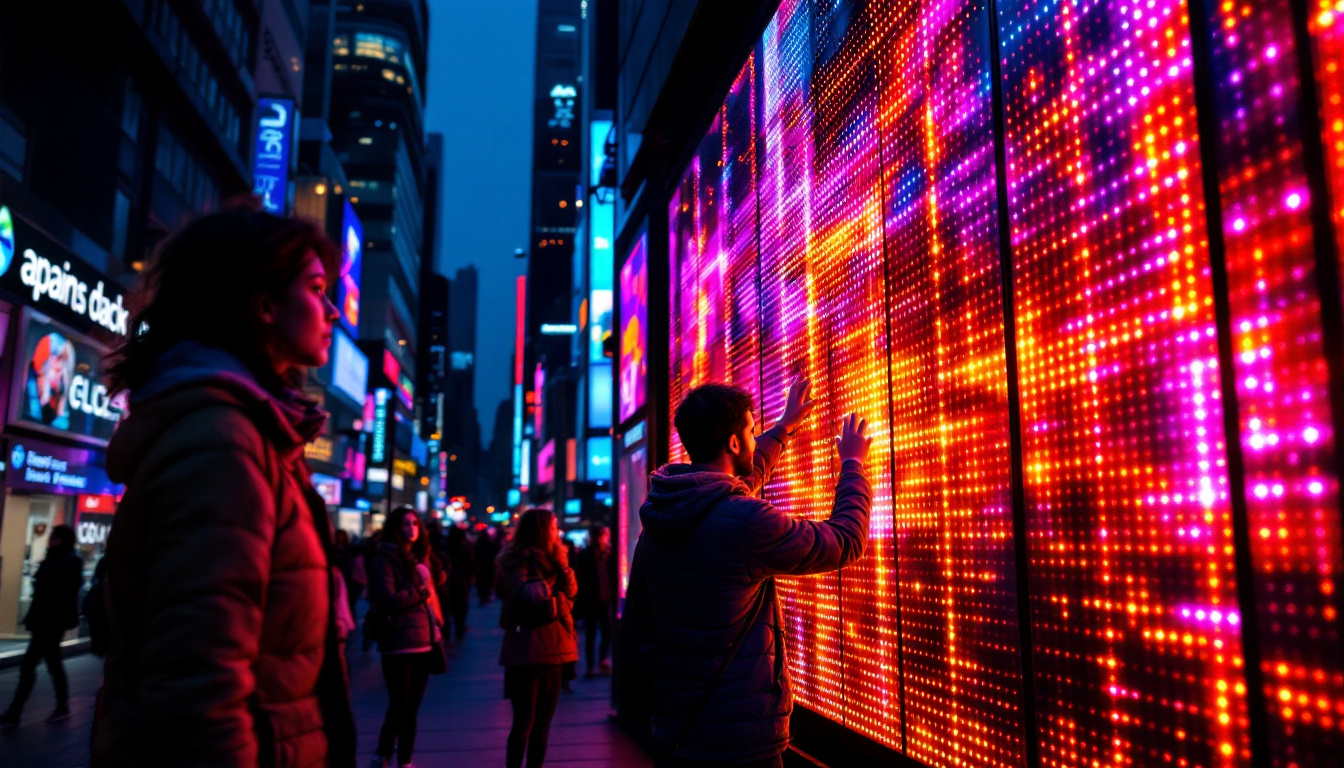
One of the most prominent uses of transparent white LED screens is in retail storefronts. These screens can be installed on glass windows, allowing retailers to showcase dynamic advertisements and promotions without blocking the view into the store. This dual functionality attracts customers while maintaining an inviting atmosphere.
For example, luxury brands in high-traffic shopping districts use transparent white LED displays to create eye-catching window installations that display vibrant visuals during the day and night. The enhanced brightness from the white LEDs ensures the content remains visible even under strong sunlight, a crucial factor in outdoor advertising effectiveness.
Architectural and Interior Design
Architects and interior designers leverage transparent white LED screens to integrate digital art and information displays into building facades and interior partitions. These screens can transform glass walls into interactive canvases, blending technology with aesthetics.
In corporate offices, transparent white screens serve as digital whiteboards or presentation surfaces that do not compromise natural light flow. Museums and galleries also use them to overlay digital content onto exhibits, enriching visitor experiences without detracting from the physical artifacts.
Transportation and Public Spaces
Transparent white LED displays are increasingly used in transportation hubs such as airports, train stations, and bus terminals. Their see-through nature allows them to be mounted on glass surfaces without obstructing sightlines, while providing real-time information, advertisements, and wayfinding assistance.
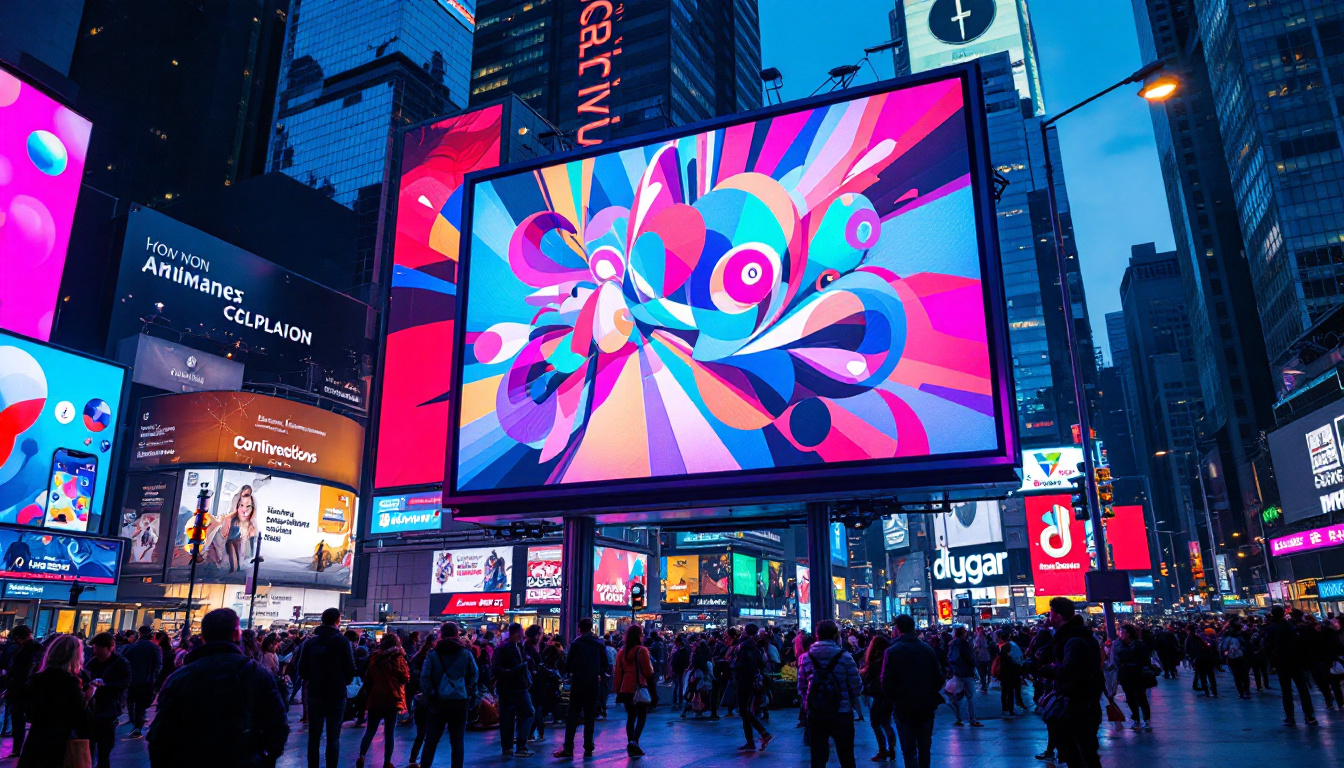
In urban environments, these screens are integrated into bus shelters and building windows to deliver public service announcements and commercial content, blending functionality with minimal visual disruption.
Advantages Over Traditional Display Technologies
Transparent white LED screens offer several advantages compared to conventional LED or LCD displays, making them a compelling choice for modern applications.
Enhanced Brightness and Color Accuracy
The inclusion of white LEDs significantly improves brightness levels, often reaching up to 5,000 nits or more, which is substantially higher than many traditional displays. This makes transparent white screens suitable for outdoor use and bright indoor environments.
Moreover, the RGBW configuration enhances color accuracy and vibrancy, delivering richer whites and more natural tones. This is particularly beneficial for branding and advertising, where visual impact is critical.
Transparency and Aesthetic Integration
Unlike opaque displays, transparent white LED screens maintain up to 70% transparency, depending on pixel pitch and LED density. This allows natural light to pass through and preserves the architectural integrity of glass surfaces.
The ability to integrate digital content without sacrificing transparency enables designers to create visually stunning environments that blend technology with space seamlessly.
Energy Efficiency and Durability
Transparent white LED displays are energy-efficient, consuming less power than traditional backlit LCD screens due to their direct LED illumination and absence of a backlight layer. Additionally, the use of high-quality LEDs ensures long operational lifespans, often exceeding 50,000 hours.
The robust construction of these screens, including tempered glass substrates and weather-resistant coatings, makes them durable for both indoor and outdoor installations.
Challenges and Considerations
Despite their advantages, transparent white LED screens come with certain challenges that users and installers should consider.
Cost and Installation Complexity
Transparent white LED displays tend to be more expensive than traditional screens due to their advanced technology and manufacturing processes. The integration of white LEDs and the need for precise calibration add to production costs.
Installation requires expertise to ensure proper alignment, electrical connections, and integration with existing glass structures. Maintenance access can also be more complex, especially in large-scale or high-up installations.
Resolution and Pixel Pitch Trade-offs
Maintaining transparency requires spacing LEDs apart, which can limit resolution. While smaller pixel pitches improve image clarity, they reduce transparency. Selecting the right balance depends on the specific application and viewing distance.
For example, retail window displays may prioritize transparency to maintain visibility into the store, while indoor installations might favor higher resolution for detailed content.
Ambient Light and Contrast
Although white LEDs enhance brightness, transparent screens can still face challenges with contrast in extremely bright environments. Reflections on glass surfaces may also affect visibility, necessitating anti-reflective coatings or strategic placement.
The Future of Transparent White LED Displays
As display technology continues to evolve, transparent white LED screens are poised to become more versatile and accessible. Ongoing research focuses on improving pixel density, reducing costs, and enhancing energy efficiency.
Integration with Smart Building Technologies
Transparent LED screens are increasingly integrated with smart building systems, enabling dynamic control of lighting, shading, and digital content. This integration supports energy savings and enhances occupant comfort by adjusting display brightness and transparency in real-time.
Advancements in Flexible and Curved Displays
Emerging developments in flexible transparent LED technology promise new form factors, including curved and bendable screens. These innovations will expand design possibilities, allowing displays to conform to architectural elements or vehicle windows.
Expansion into New Markets
With decreasing costs and improved performance, transparent white LED screens are expected to penetrate new markets such as automotive heads-up displays, augmented reality interfaces, and consumer electronics. Their ability to merge digital content with the physical environment makes them ideal for futuristic applications.
Conclusion
Transparent white LED displays represent a significant advancement in digital screen technology, combining high brightness, color accuracy, and transparency to create visually compelling and functional installations. Their applications span retail, architecture, transportation, and beyond, offering innovative solutions that enhance both aesthetics and communication.
While challenges related to cost, installation, and environmental factors remain, ongoing technological improvements continue to expand the potential of transparent white LED screens. As they become more accessible and integrated with smart technologies, these displays are set to redefine how digital content interacts with the physical world.
Discover the Future of LED Displays with LumenMatrix
Ready to elevate your space with the cutting-edge technology of transparent white LED displays? LumenMatrix, a pioneer in LED display innovation, invites you to explore a world where vibrant visuals and transparency coexist to enhance your brand’s presence. From captivating Indoor and Outdoor LED Wall Displays to dynamic Vehicle and Sports LED Displays, our extensive range of solutions, including the revolutionary LED Transparent Display, is designed to revolutionize your visual storytelling. Experience the future of digital signage and create immersive experiences that resonate with your audience. Check out LumenMatrix LED Display Solutions today and transform your communication with clarity and impact.