In the rapidly evolving world of visual technology, LED displays have become a cornerstone for everything from home entertainment to large-scale digital advertising. Among the various configurations, TV tiles have emerged as a popular and innovative solution. This article explores the concept of TV tiles, delves into the technology behind LED displays, and examines their applications, benefits, and future prospects.
Understanding TV Tiles: What Are They?
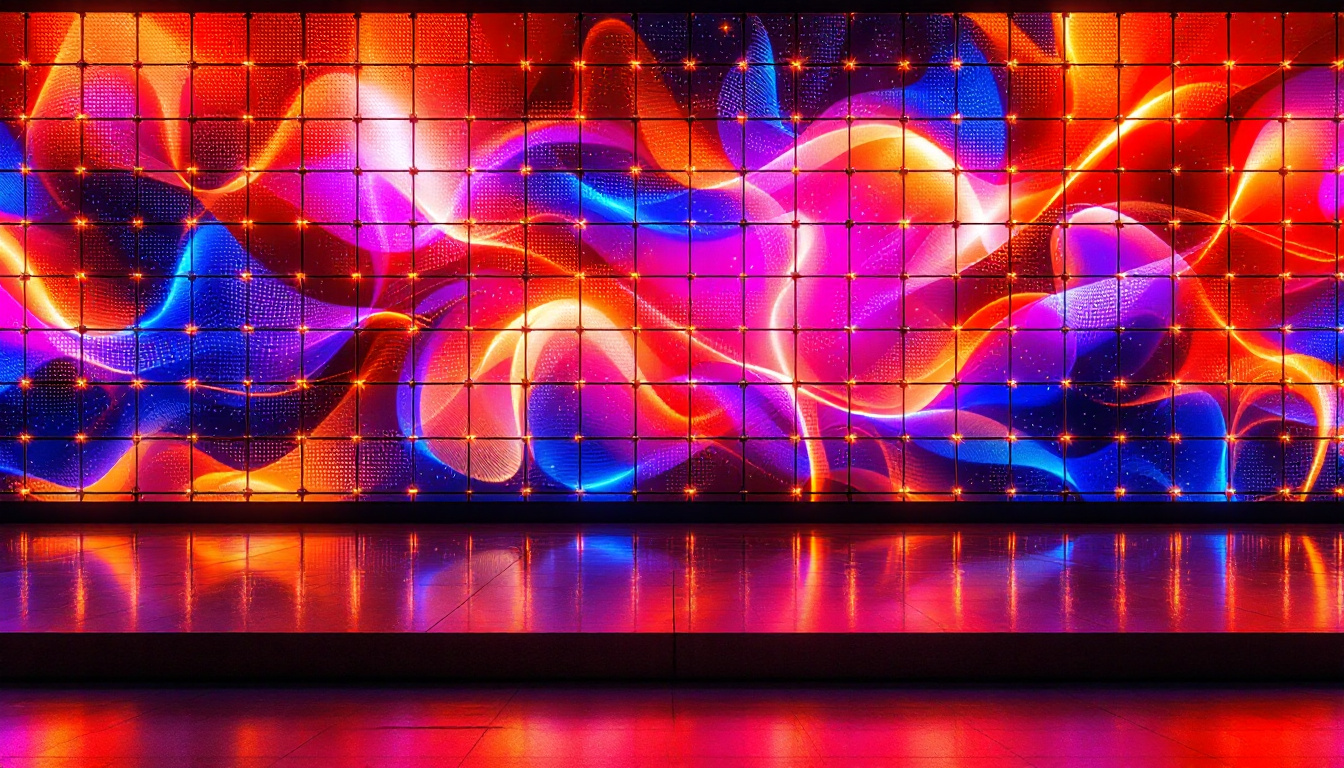
TV tiles refer to modular LED display panels that can be combined seamlessly to create larger screens of various sizes and shapes. Unlike traditional televisions or monitors, which come as a single unit, TV tiles are designed to be tiled together, much like building blocks, enabling flexible screen configurations tailored to specific needs.
This modular approach allows for customization in both size and resolution, making TV tiles suitable for a wide range of environments—from residential living rooms to commercial spaces and public venues. The ability to scale up or down without compromising image quality is one of the primary reasons for their growing popularity. Additionally, TV tiles often come with advanced features such as high dynamic range (HDR) and enhanced color accuracy, which further elevate the viewing experience, making them ideal for immersive environments where visual impact is paramount.
Moreover, the integration of smart technology into TV tiles allows for connectivity with various devices, enabling seamless streaming and interaction. This capability is particularly beneficial in settings like corporate presentations or educational environments, where real-time data visualization and collaborative tools can enhance engagement and communication.
How TV Tiles Differ from Traditional Displays
Traditional LED TVs and monitors are typically fixed in size and shape, limiting their adaptability. In contrast, TV tiles offer:
- Scalability: Multiple tiles can be combined to create a screen as large or as small as desired.
- Custom Shapes: Tiles can be arranged in non-standard configurations, including curved or irregular shapes.
- Ease of Maintenance: Individual tiles can be replaced or serviced without dismantling the entire display.
These features make TV tiles particularly attractive for commercial installations, such as video walls in shopping malls, stadiums, or control rooms, where flexibility and reliability are critical. Furthermore, the lightweight design of TV tiles allows for easier installation and mounting, reducing the time and labor costs associated with setting up large displays. This is especially advantageous in dynamic environments where displays may need to be frequently reconfigured or relocated.
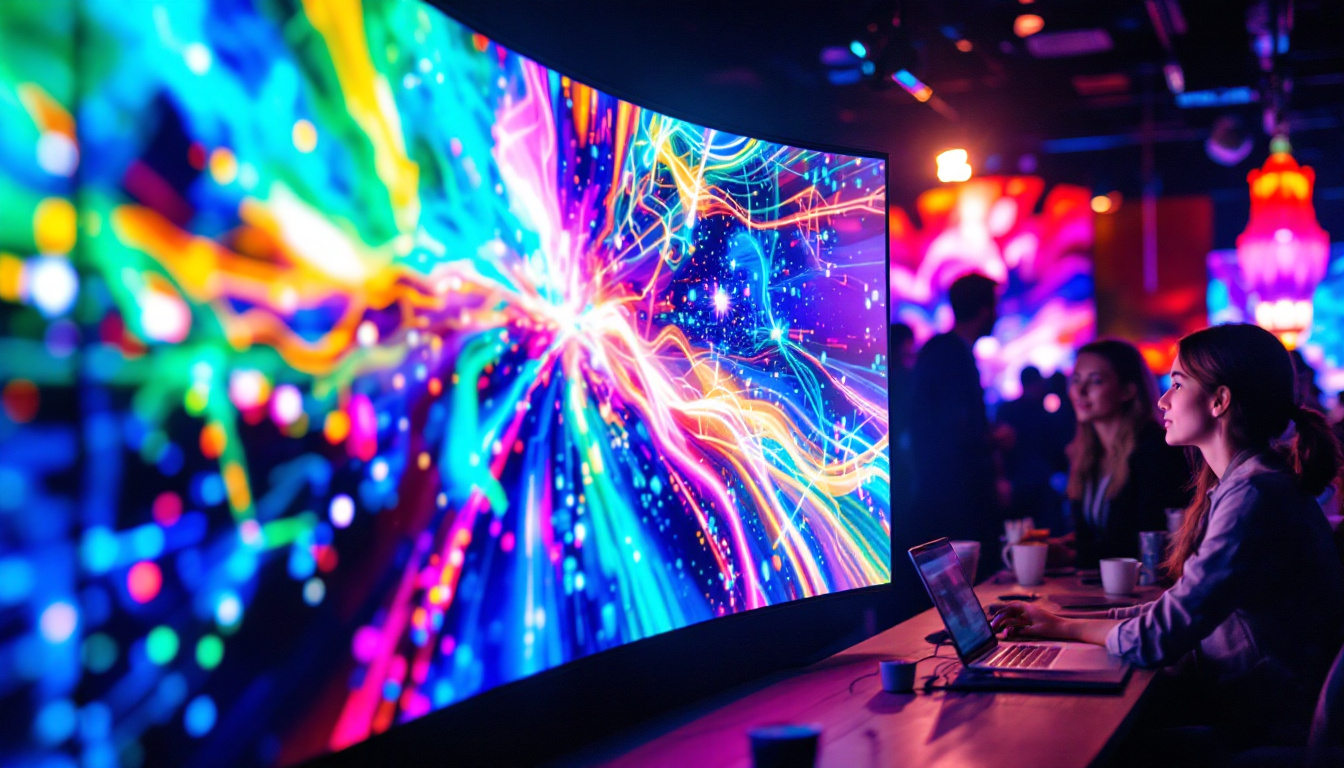
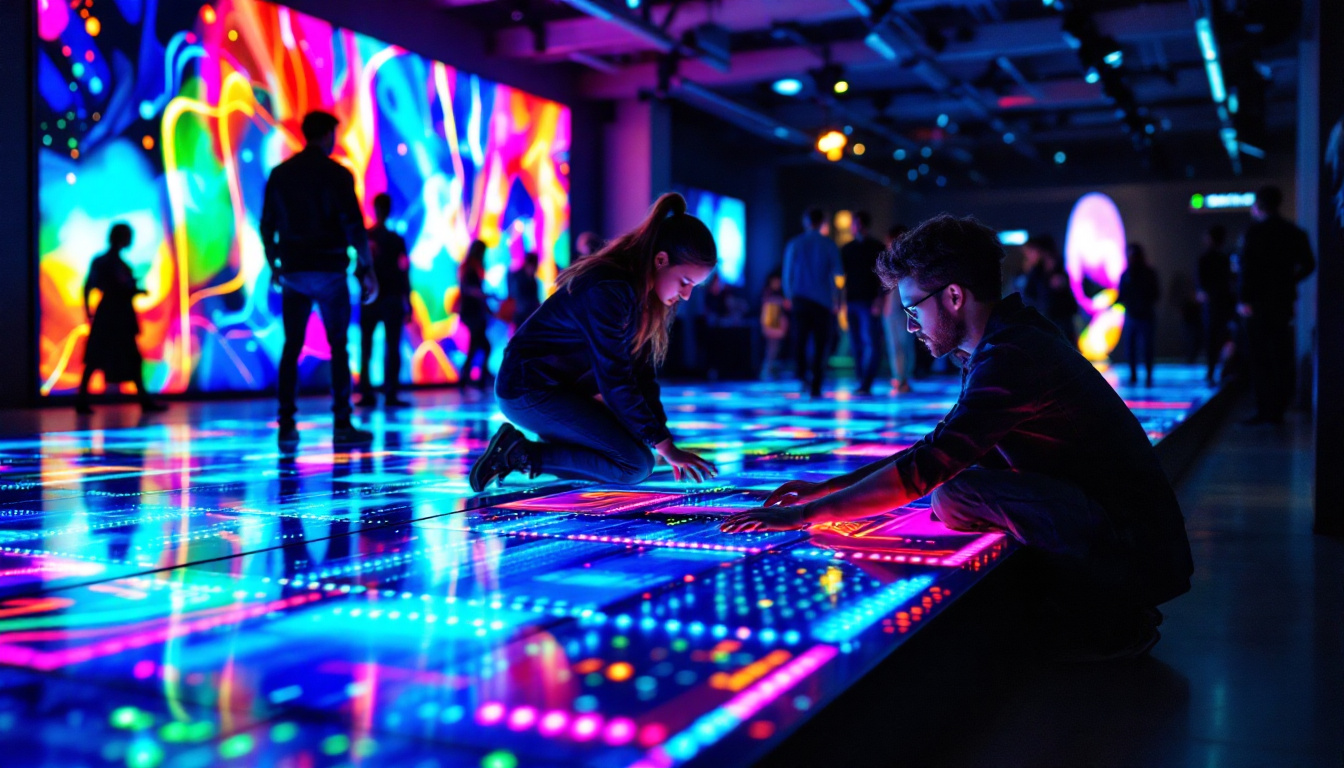
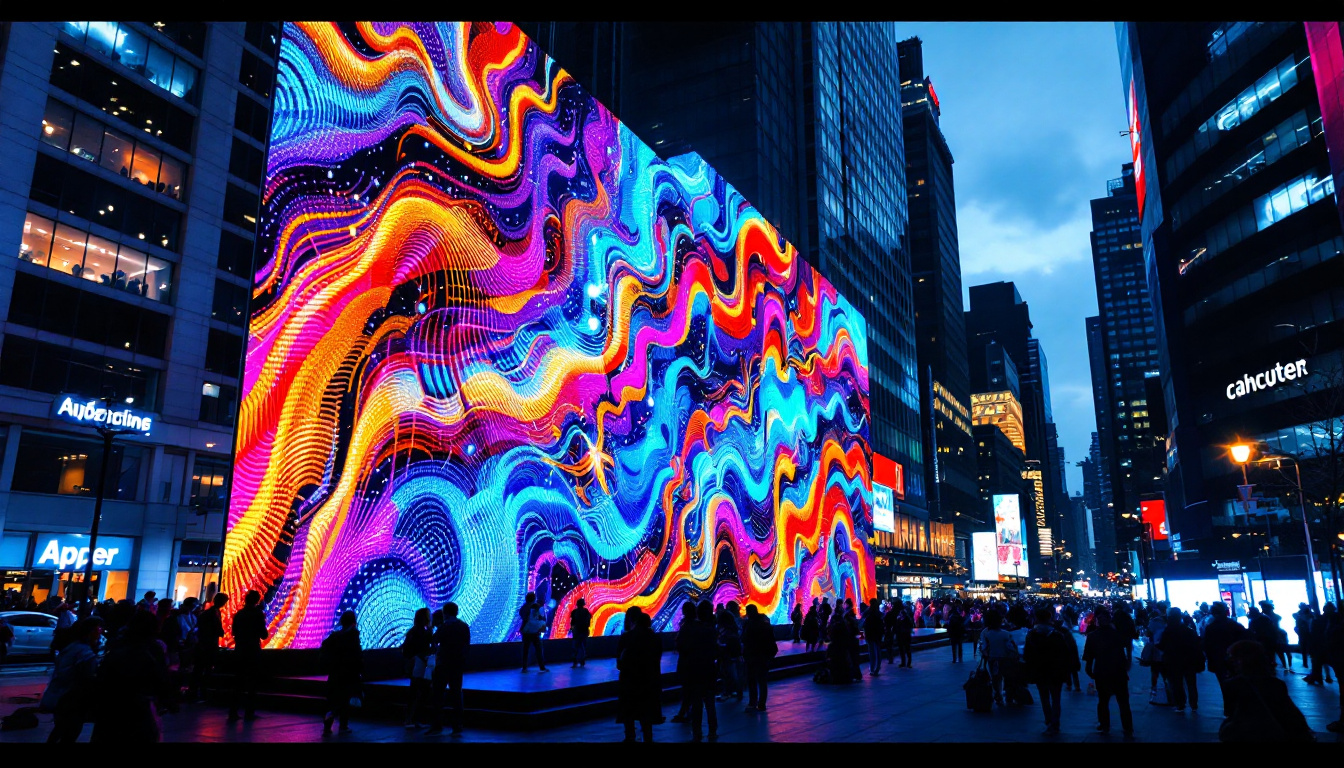
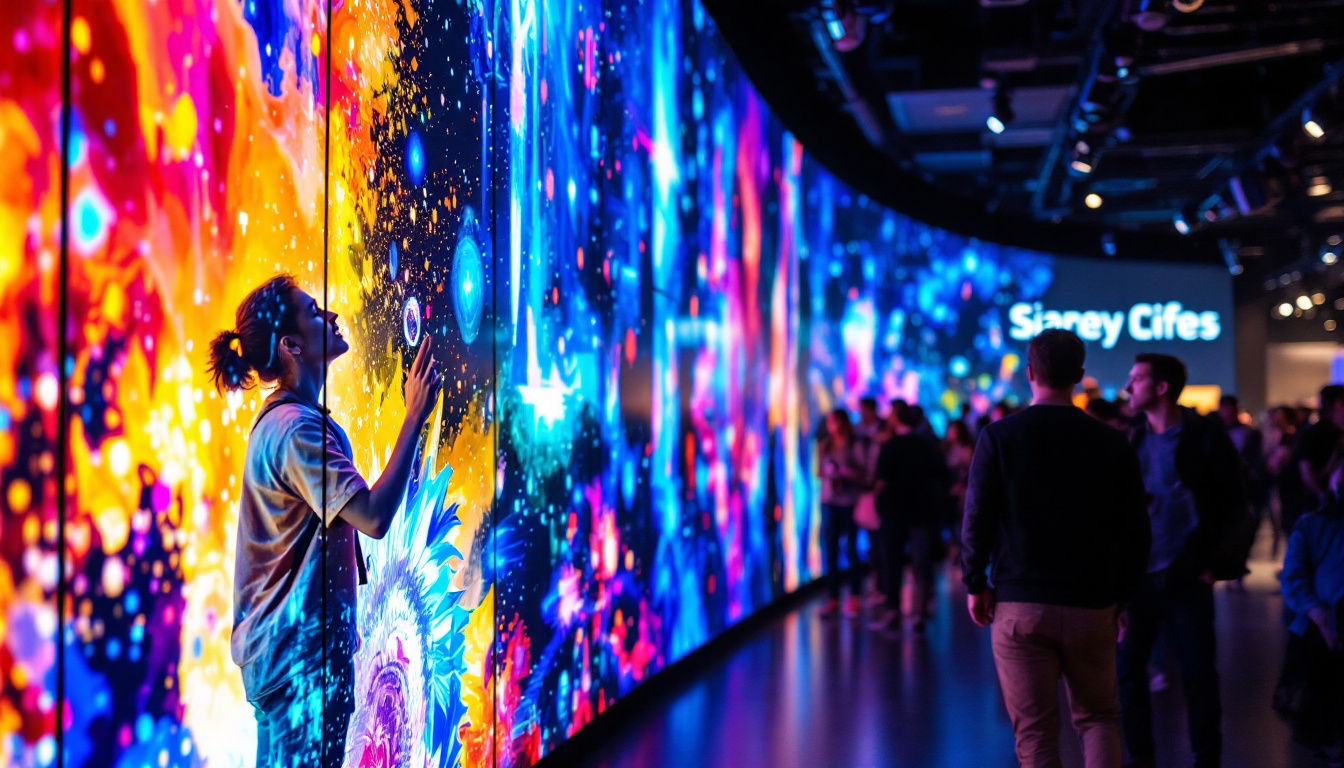
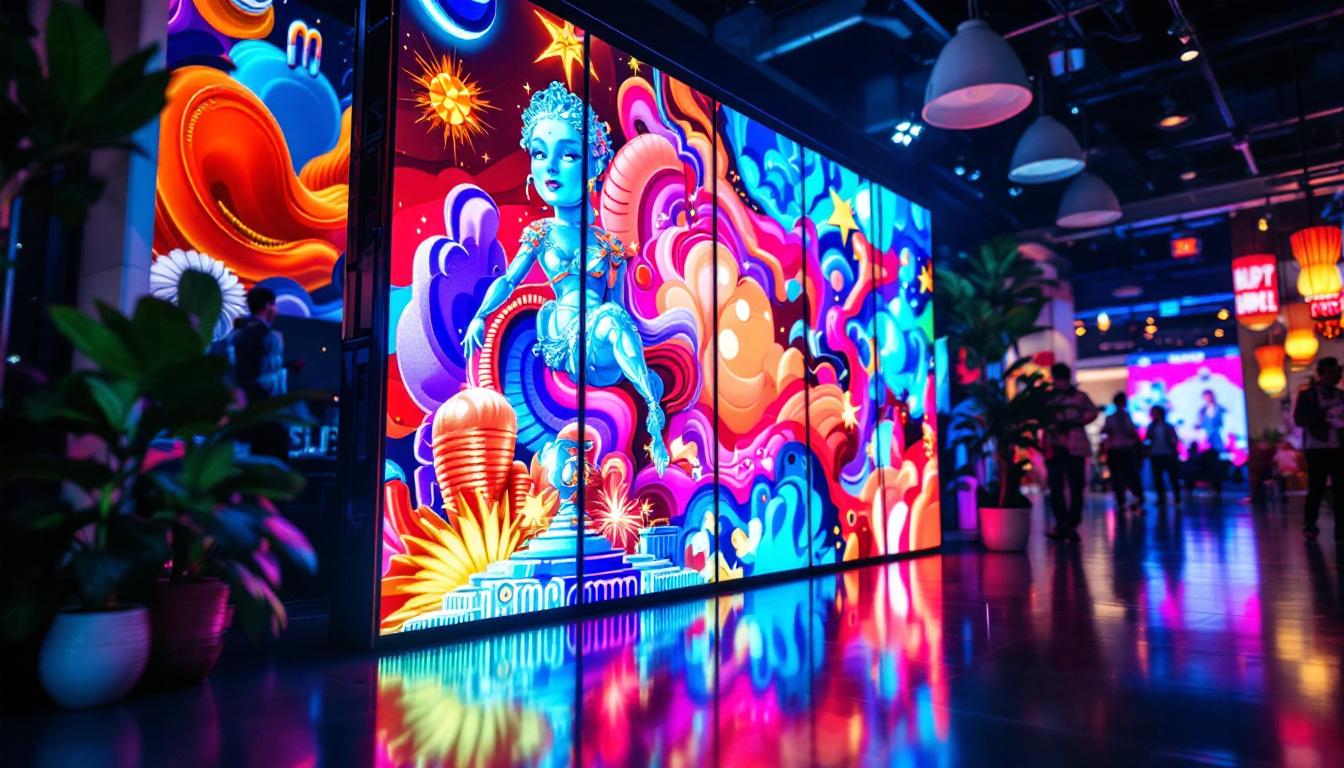
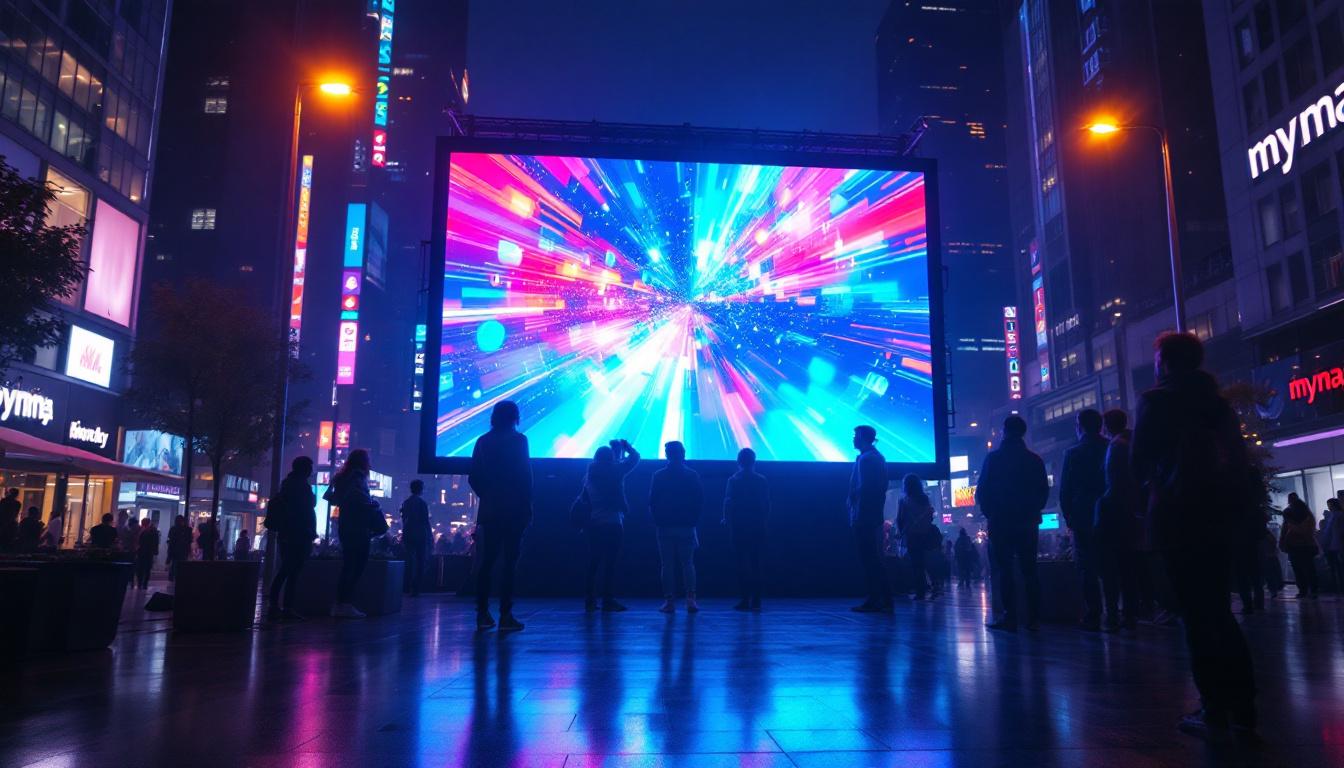
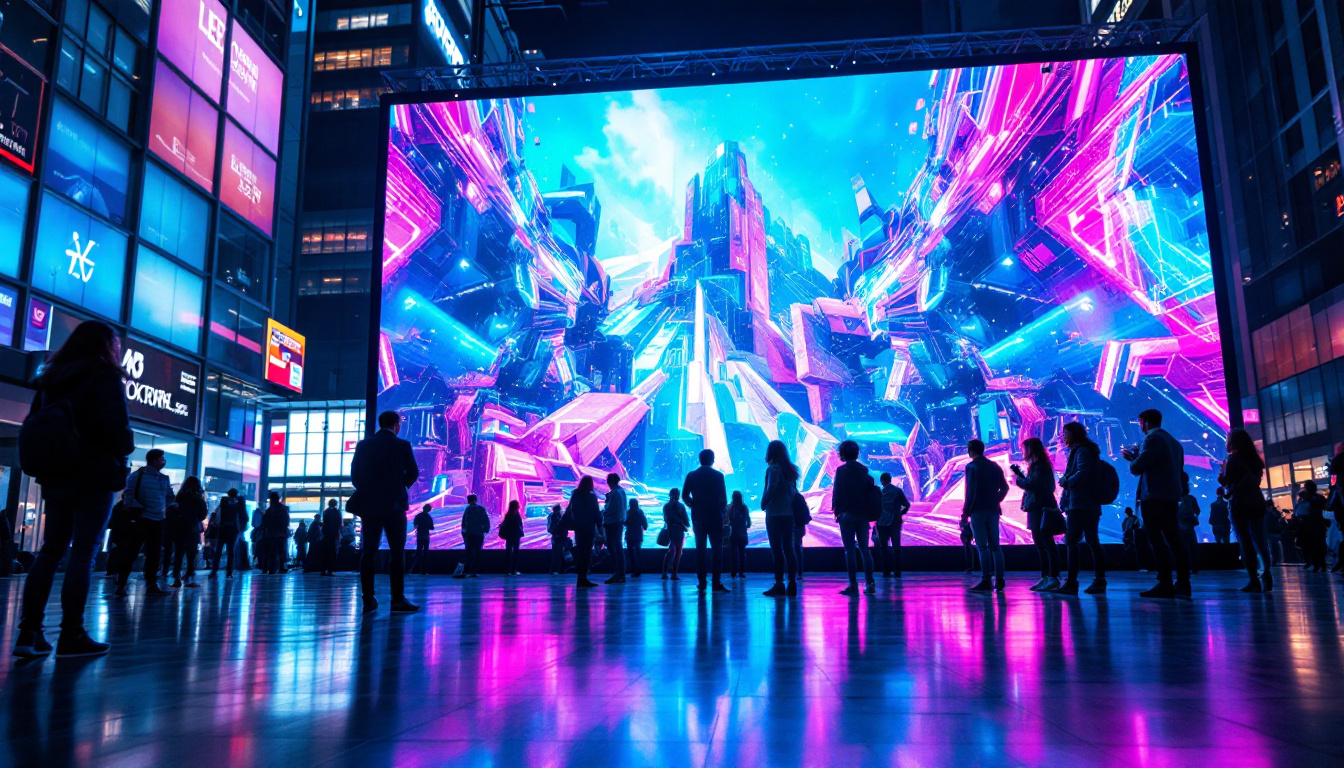
In addition to their practical applications, TV tiles also open up new avenues for creative expression in digital art and advertising. Artists and brands can leverage the unique configurations of TV tiles to create stunning visual displays that captivate audiences, transforming spaces into immersive experiences. This versatility not only enhances aesthetic appeal but also drives engagement, making TV tiles a powerful tool in the realms of marketing and entertainment.
The Technology Behind LED Displays
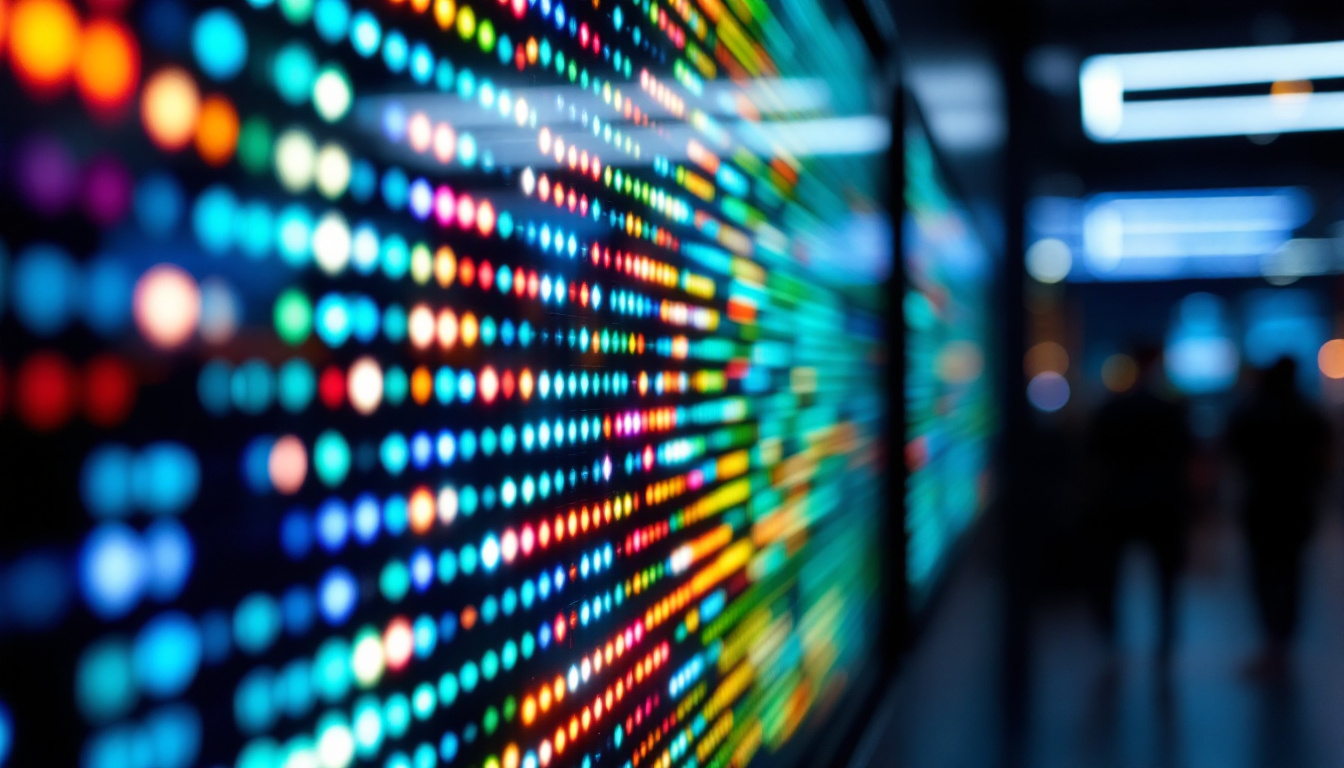
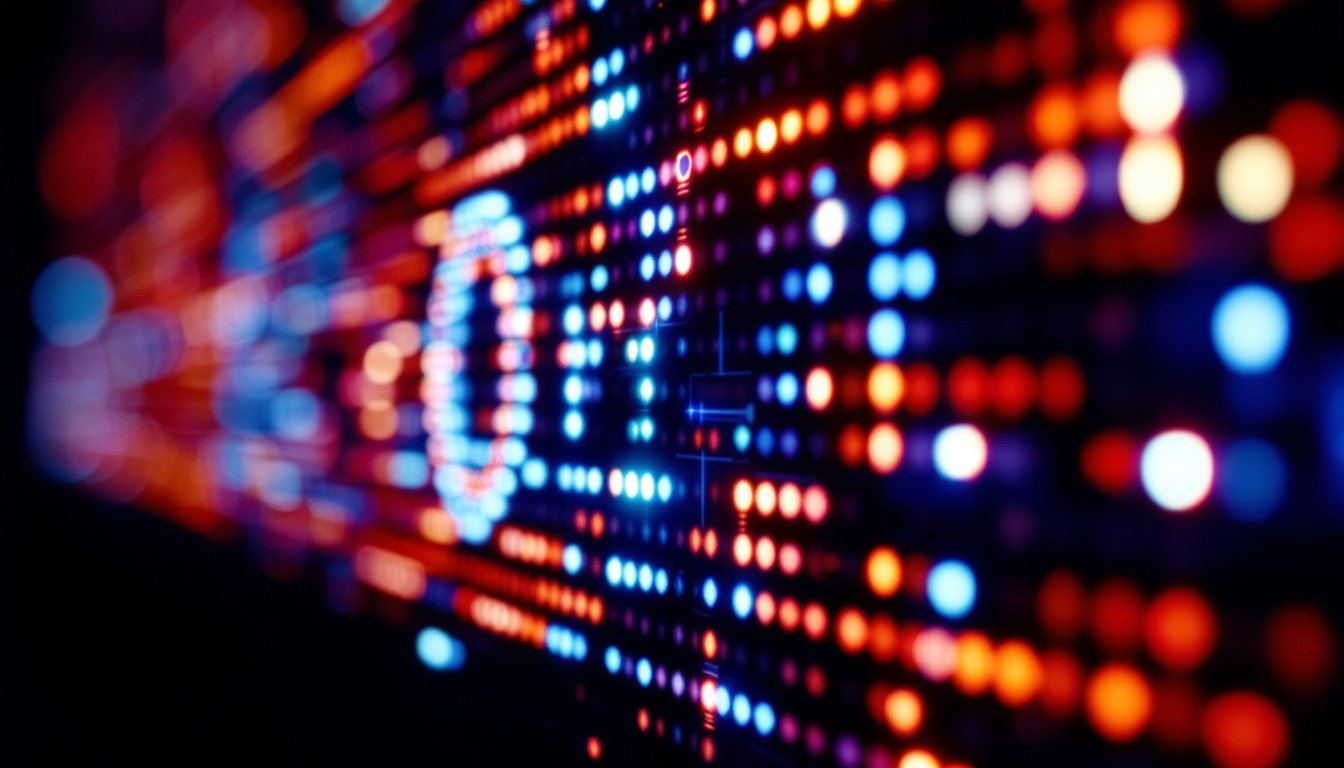
To appreciate the capabilities of TV tiles, it is essential to understand the underlying LED technology. LED stands for Light Emitting Diode, a semiconductor device that emits light when an electric current passes through it. LED displays use thousands to millions of these tiny diodes arranged in a grid to produce images. The efficiency of LEDs not only contributes to their brightness but also to their energy-saving properties, making them a popular choice in both commercial and residential settings.
Types of LED Displays
LED displays can be broadly categorized into two types based on their construction:
- Direct View LED (DVLED): Each pixel is an individual LED or cluster of LEDs that emits light directly. This type is common in large outdoor screens and video walls, offering unparalleled brightness and visibility even in direct sunlight.
- LED-backlit LCD: An LCD panel is illuminated by an array of LEDs placed behind or along the edges. This is the technology used in most consumer TVs and monitors, allowing for thinner designs and improved color accuracy.
TV tiles primarily utilize Direct View LED technology, allowing for vibrant colors, high brightness, and excellent viewing angles, which are crucial for large-scale and high-impact displays. The modular nature of TV tiles also means they can be configured in various shapes and sizes, making them versatile for different environments, from art installations to sports arenas.
Pixel Pitch and Resolution
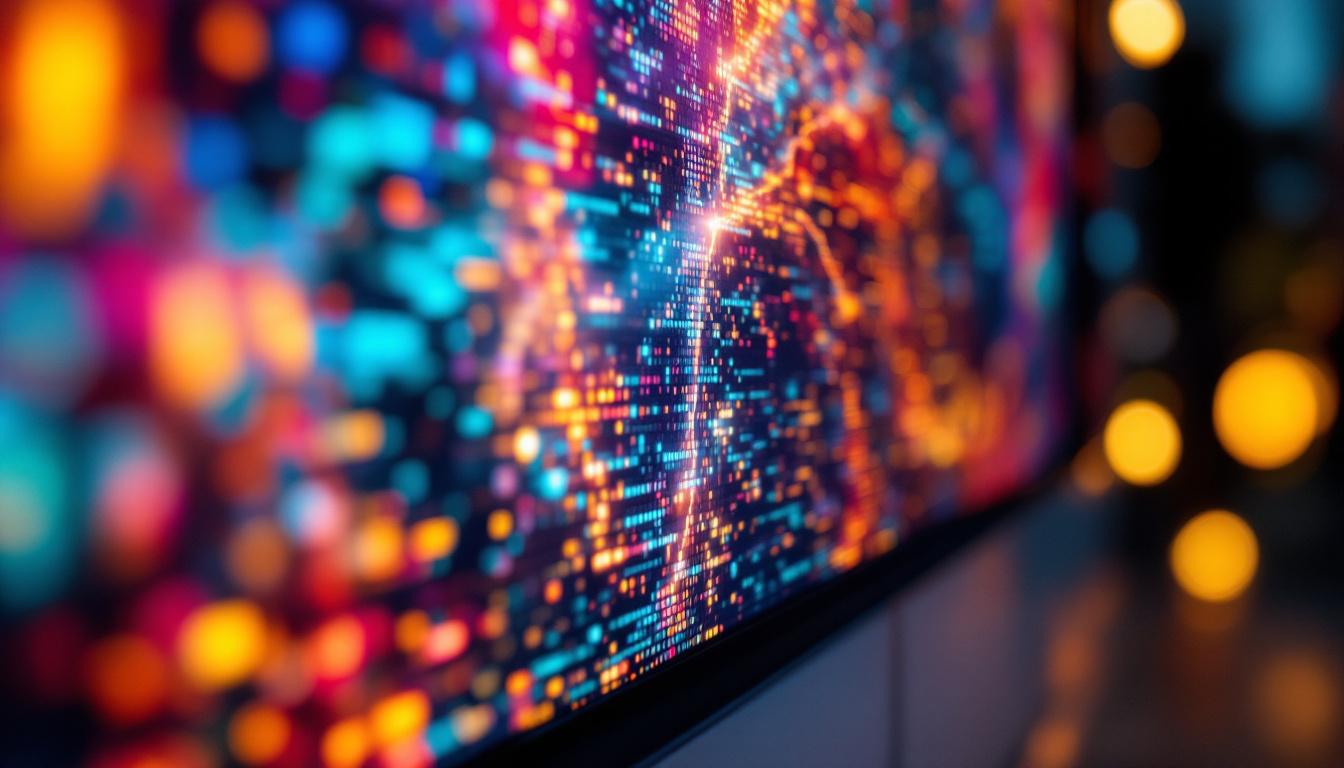
One of the most important technical specifications in LED displays is the pixel pitch—the distance between the centers of two adjacent pixels. Pixel pitch is measured in millimeters and directly affects image clarity and resolution. A smaller pixel pitch results in a higher pixel density, which enhances the detail and sharpness of the images displayed.
For example, a pixel pitch of 1.5mm means the pixels are very close together, resulting in a high-resolution display suitable for close viewing distances, such as in conference rooms or home theaters. Larger pixel pitches, such as 4mm or more, are common in outdoor billboards where viewers are farther away. This adaptability allows businesses to tailor their displays to their specific audience and location, ensuring optimal visibility and engagement.
TV tiles come in various pixel pitches, allowing users to select the ideal balance between resolution and cost for their specific application. Moreover, advancements in technology have led to the development of finer pixel pitches, with options as low as 0.9mm becoming available, making it possible to achieve stunning visual experiences even in compact spaces. This evolution in pixel pitch technology is revolutionizing how content is delivered, enabling immersive experiences in venues such as museums, retail environments, and live event spaces.
Applications of TV Tiles
The versatility of TV tiles has led to their adoption across multiple sectors. Their modularity and high-quality visuals make them an excellent choice for both indoor and outdoor environments.
Commercial and Public Spaces
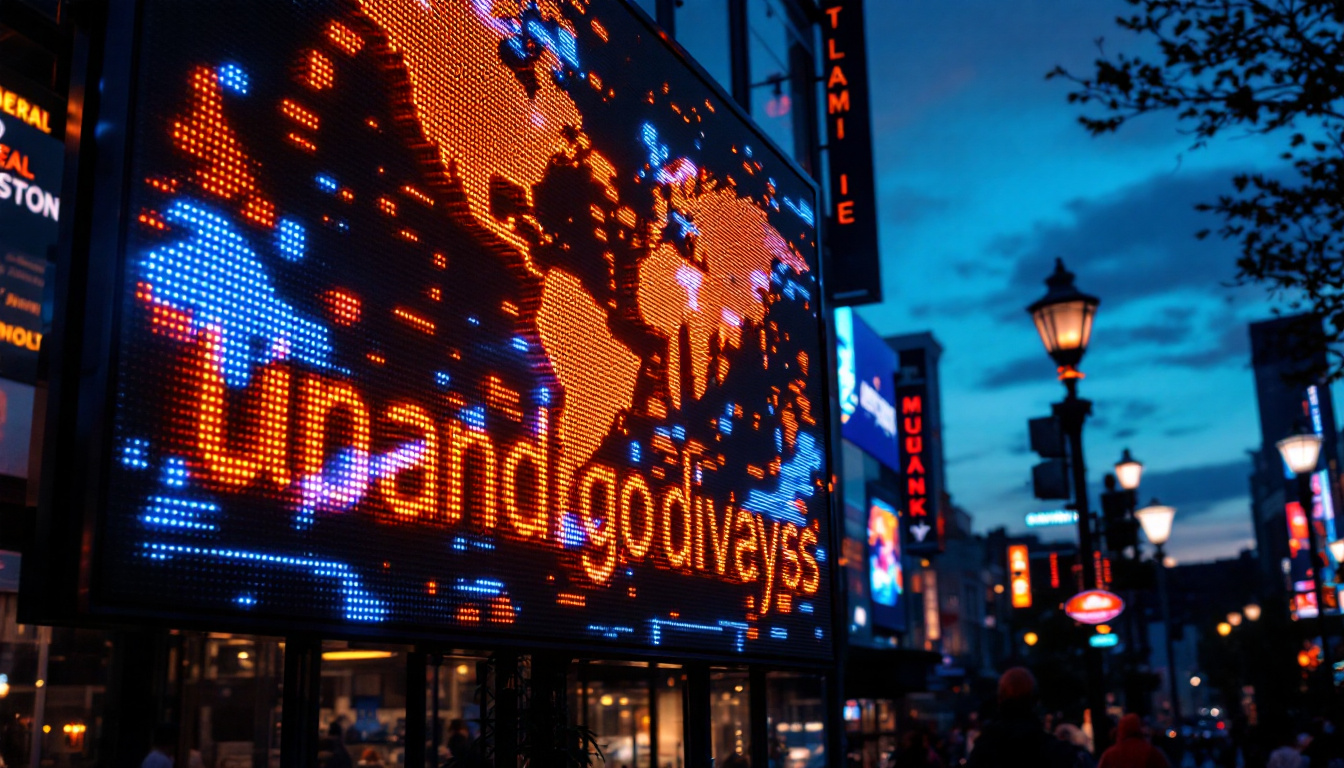
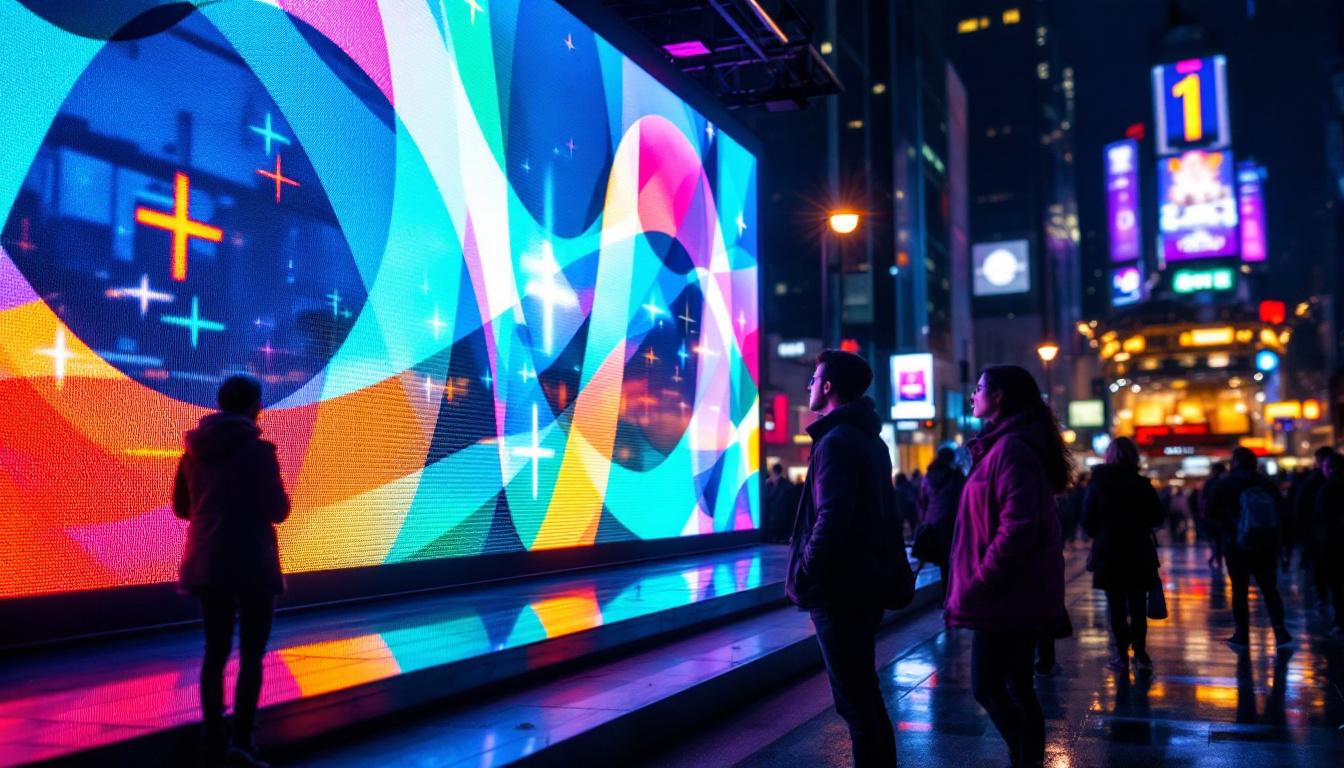
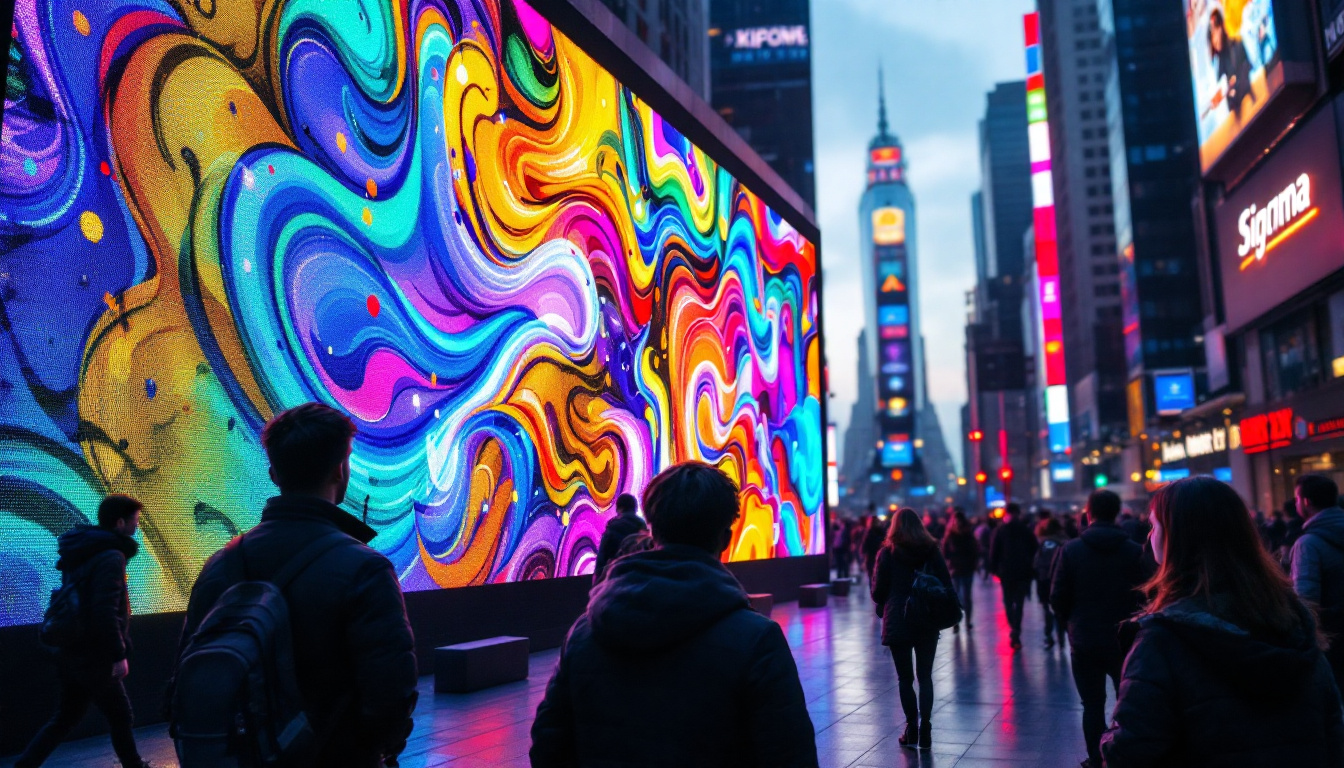
In retail, TV tiles are used to create dynamic video walls that attract customers and enhance brand messaging. For instance, flagship stores often use large LED video walls composed of TV tiles to showcase promotional content and immersive experiences.
Transportation hubs such as airports and train stations utilize TV tile walls for real-time information displays, advertisements, and wayfinding. The ability to customize the size and shape of these displays ensures they fit perfectly within architectural constraints.
Corporate and Control Rooms
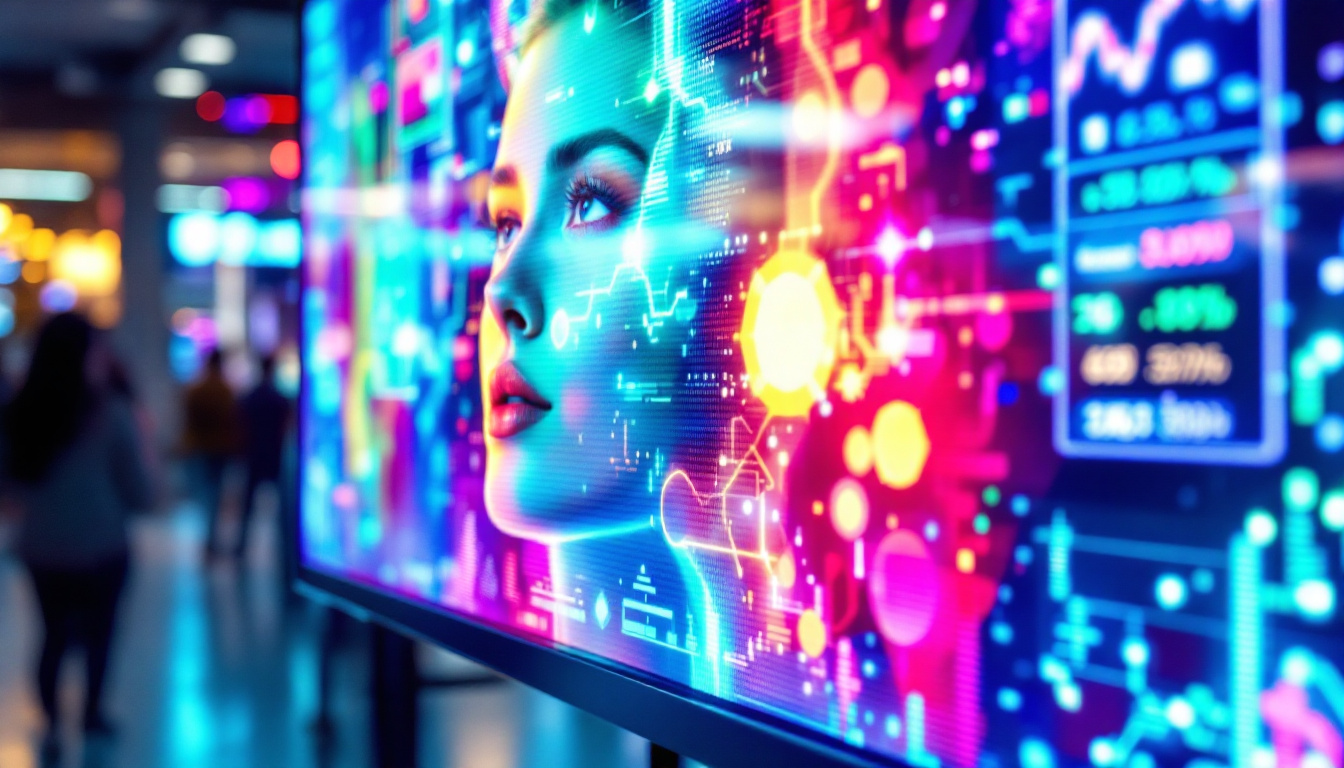
Control rooms in industries like utilities, security, and telecommunications rely on large, high-resolution displays to monitor operations. TV tiles provide the flexibility to build expansive video walls that can display multiple data streams simultaneously, improving situational awareness and decision-making.
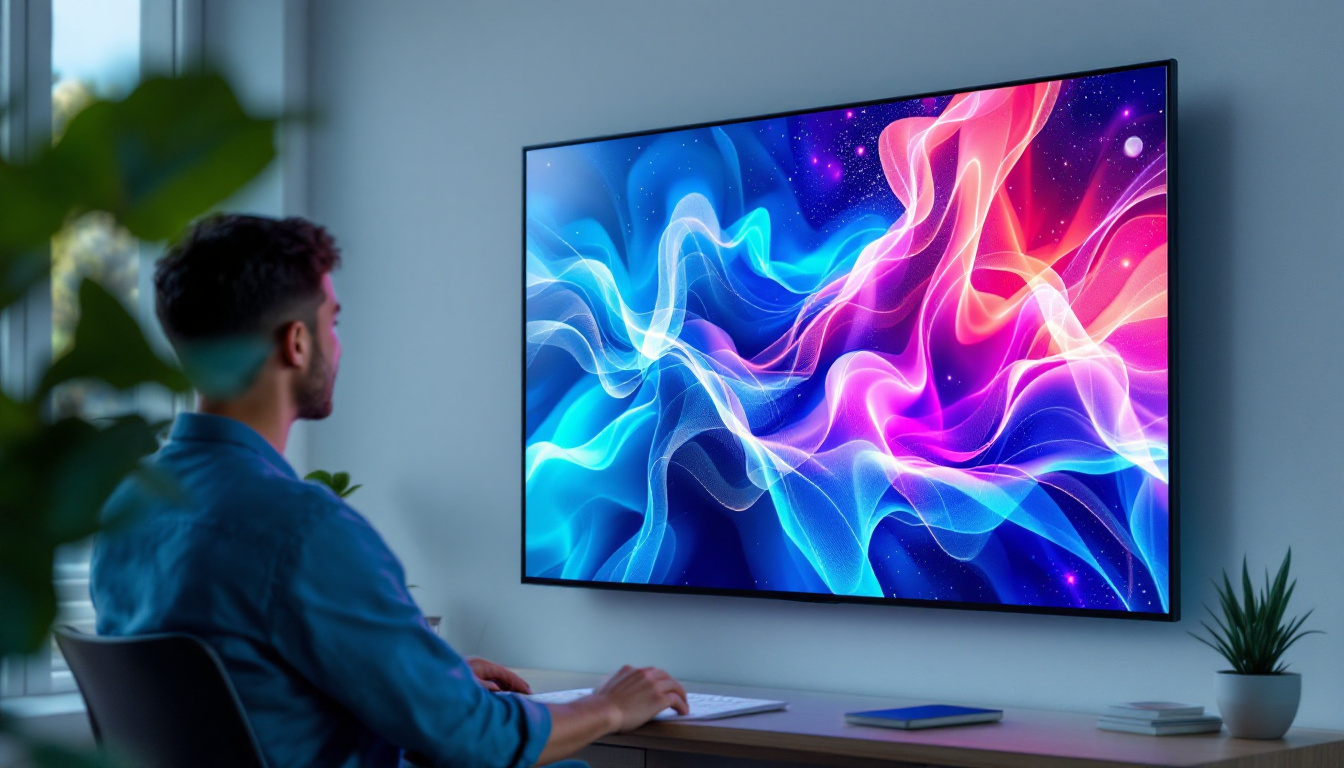
Similarly, corporate boardrooms and conference centers use modular LED displays for presentations and video conferencing, benefiting from the seamless image quality and scalability.
Entertainment and Residential Use
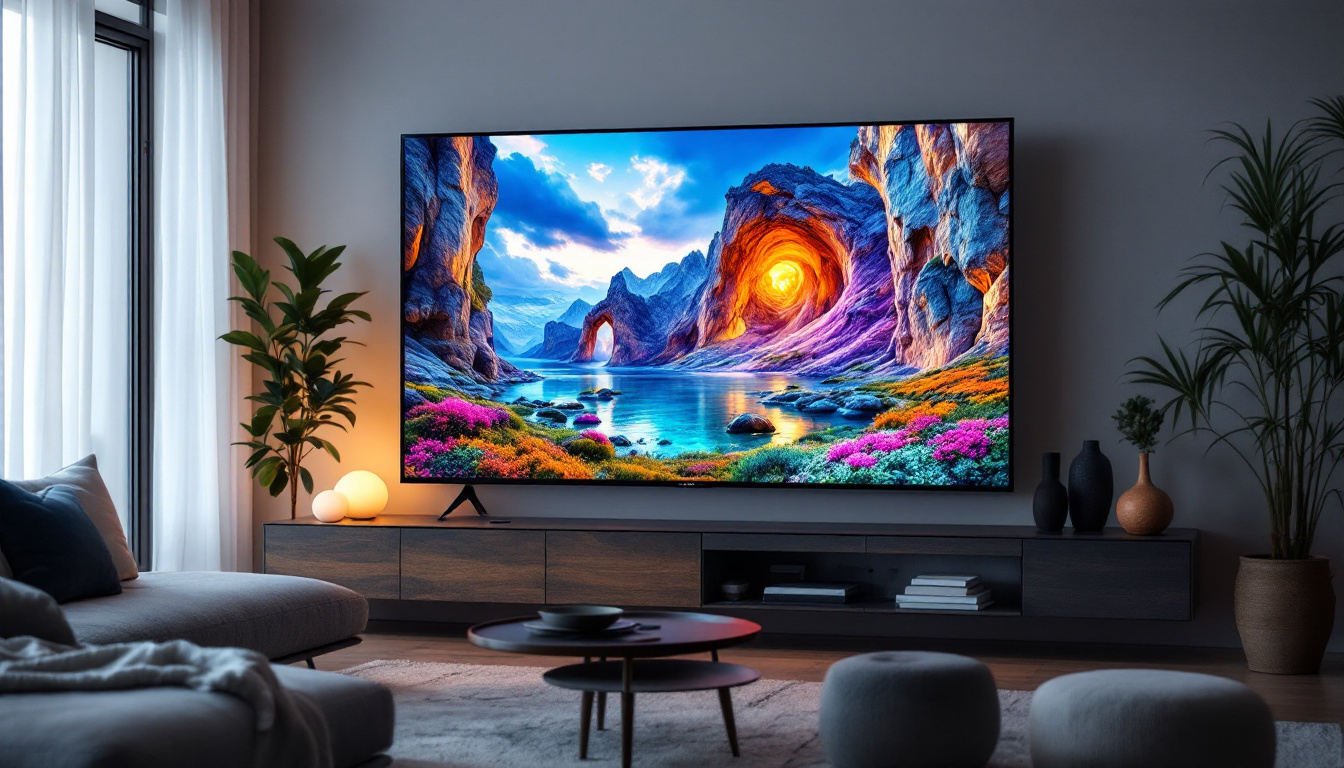
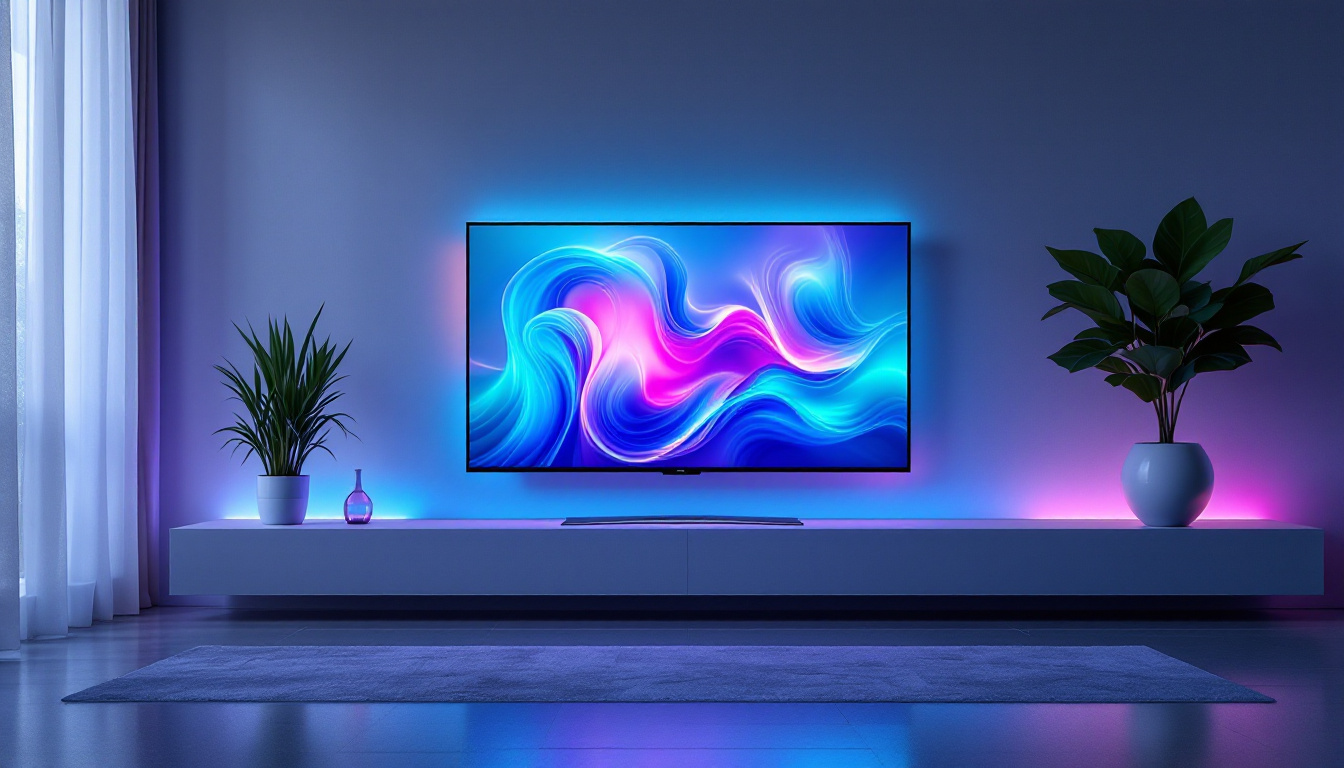
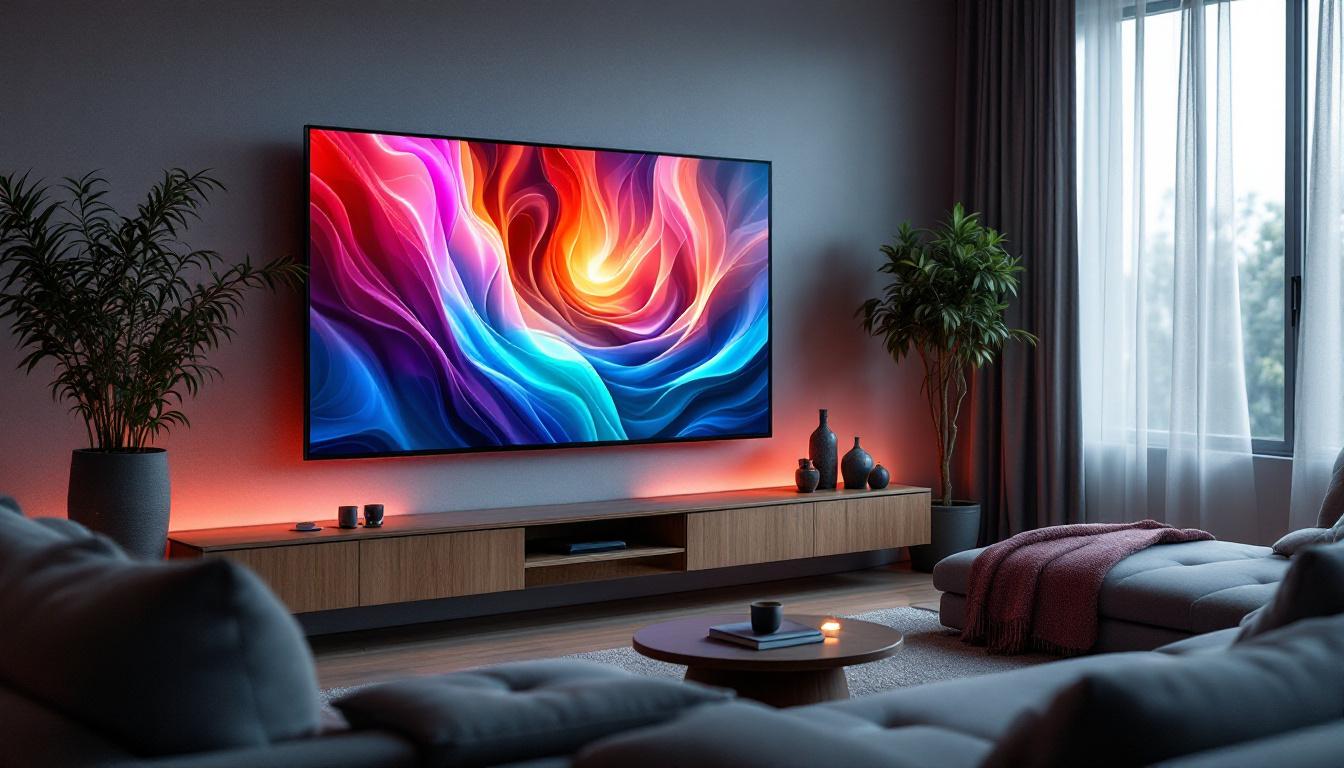
While traditionally more common in commercial settings, TV tiles are increasingly entering the residential market. High-end home theaters and luxury installations use these modular displays to create immersive viewing experiences that surpass conventional TVs.
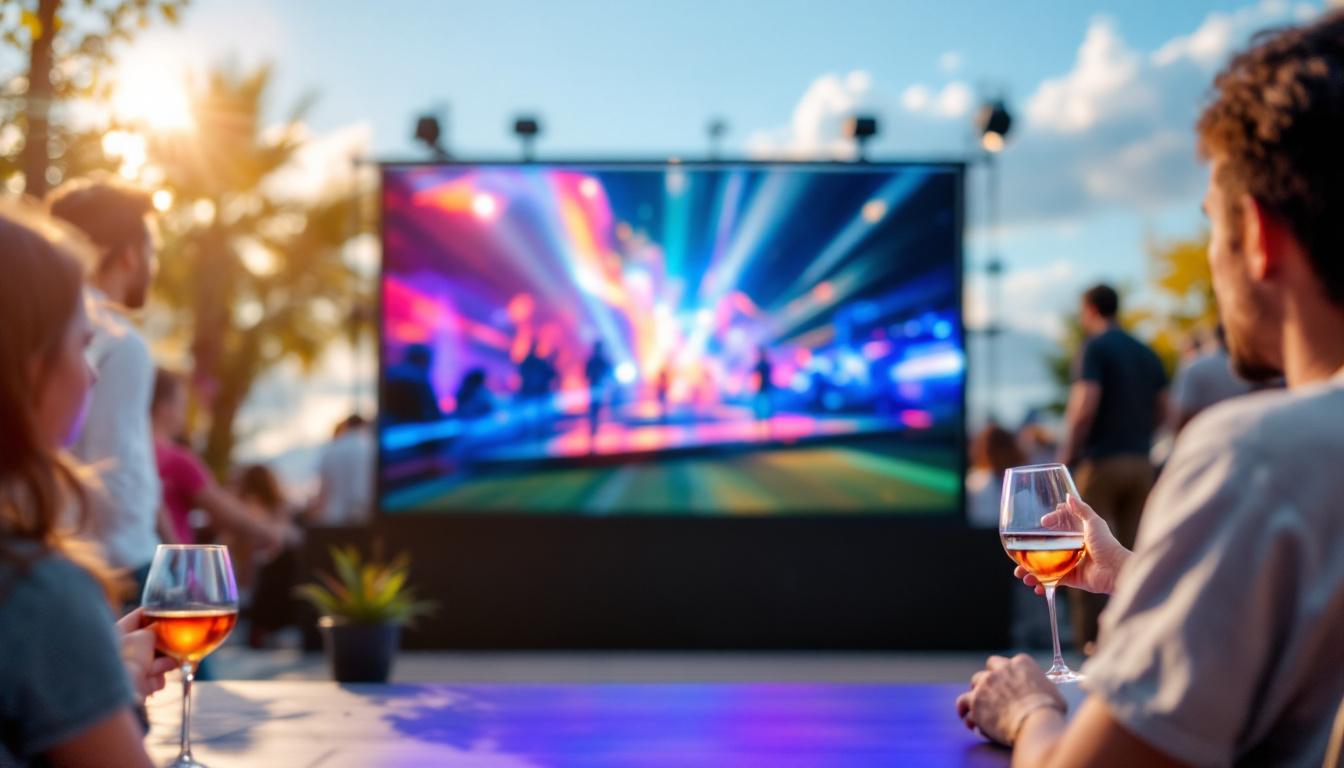
Additionally, event organizers deploy portable TV tile walls for concerts, exhibitions, and sports events, where large, bright, and flexible screens are essential.
Benefits of TV Tiles
The rise of TV tiles can be attributed to several key advantages they offer over traditional display technologies.
Flexibility and Customization
As mentioned earlier, the modular nature of TV tiles allows users to design displays that perfectly fit their spatial and aesthetic requirements. Whether it’s a massive video wall spanning an entire building facade or a compact, high-resolution screen for a conference room, TV tiles can be tailored accordingly.
Superior Image Quality
Direct View LED technology provides exceptional brightness levels, often exceeding 1,000 nits, which ensures visibility even in brightly lit environments. The color accuracy and contrast ratios are also superior, delivering vivid and lifelike images.
Durability and Longevity
LED displays are known for their long operational life, often rated at 50,000 to 100,000 hours. TV tiles are built to withstand various environmental conditions, especially those designed for outdoor use, featuring weatherproof and dust-resistant enclosures.
Energy Efficiency
Compared to traditional display technologies like plasma or LCD with fluorescent backlighting, LED displays consume less power, which translates into lower operating costs and a reduced environmental footprint.
Challenges and Considerations
Despite their many advantages, TV tiles also come with certain challenges that potential users should consider.
Initial Cost
The upfront investment for TV tile installations can be significant, especially for high-resolution, large-scale setups. However, this cost is often offset by the long-term benefits of durability, flexibility, and lower maintenance.
Installation Complexity
Assembling a seamless video wall from multiple tiles requires precise alignment and calibration. Professional installation and ongoing maintenance are essential to ensure optimal performance.
Content Management
Managing content across a modular display system can be complex, particularly when displaying dynamic or multi-source content. Advanced video processors and control software are necessary to synchronize the output and maintain image consistency.
The Future of TV Tiles and LED Displays
LED technology continues to advance rapidly, promising even greater capabilities for TV tiles in the coming years.
Mini-LED and Micro-LED Innovations
Emerging technologies like Mini-LED and Micro-LED are pushing the boundaries of pixel density and image quality. Micro-LED, in particular, offers the potential for self-emissive pixels with even higher brightness, contrast, and energy efficiency, which could revolutionize TV tiles and large-format displays.
Integration with Smart Technologies
Future TV tile systems are expected to integrate more seamlessly with smart home and building automation systems, enabling interactive and adaptive display environments. This could include features like gesture control, AI-driven content optimization, and real-time data integration.
Environmental and Sustainability Advances
Manufacturers are increasingly focusing on sustainability, developing LED displays with recyclable materials and lower energy consumption. This aligns with broader trends toward environmentally responsible technology deployment.
Conclusion
TV tiles represent a significant evolution in display technology, combining the brilliance of LED with the flexibility of modular design. Their ability to create customized, scalable, and high-quality visual experiences makes them indispensable across a wide range of applications—from commercial advertising and corporate environments to entertainment and residential use.
As LED technology continues to advance, TV tiles are poised to become even more versatile and accessible, offering unparalleled opportunities for innovation in how we consume and interact with visual content.
For businesses and consumers alike, understanding the capabilities and considerations of TV tiles is essential to making informed decisions about investing in the next generation of display technology.
Discover the Future of Visual Experience with LumenMatrix
Ready to elevate your visual impact? Explore LumenMatrix’s innovative LED display solutions and join the revolution in visual communication. From captivating Indoor and Outdoor LED Wall Displays to dynamic Vehicle and Sports LED Displays, LumenMatrix offers a comprehensive range of products designed to transform any space into an immersive experience. Whether you’re looking to enhance brand visibility, create engaging digital art, or simply make a statement, our Custom, All-in-One, and Transparent LED Displays are tailored to meet your needs. Check out LumenMatrix LED Display Solutions today and see how our cutting-edge technology can empower your business to communicate with impact and clarity.