In today’s digital age, television technology has evolved rapidly, transforming the way audiences experience visual content. Among the most significant advancements is the development of LED displays, which have revolutionized both home entertainment and commercial advertising. This article delves into the world of LED displays, explaining their technology, benefits, and applications, with a particular focus on the popular “Tv Wal” concept. Whether you’re a tech enthusiast, a consumer considering a new display, or a professional in the audiovisual industry, understanding LED displays is essential for making informed decisions.
Understanding LED Display Technology
What is an LED Display?
LED stands for Light Emitting Diode, a semiconductor device that emits light when an electric current passes through it. An LED display is a flat panel display technology that uses an array of light-emitting diodes as pixels for creating images. Unlike traditional LCDs that rely on backlighting, LED displays use these tiny diodes to produce their own light, resulting in brighter and more vibrant images.
LED displays come in various forms, including direct-view LED panels and LED-backlit LCDs. The term “Tv Wal” typically refers to large-scale LED video walls composed of multiple LED panels seamlessly tiled together to create an expansive display surface. These walls are widely used in public spaces, stadiums, retail environments, and increasingly in home theaters for immersive viewing experiences. The versatility of LED technology allows for creative applications, such as curved displays that can wrap around corners or flexible panels that can be shaped to fit unique architectural designs, enhancing the visual impact of any installation.
How Do LED Displays Work?
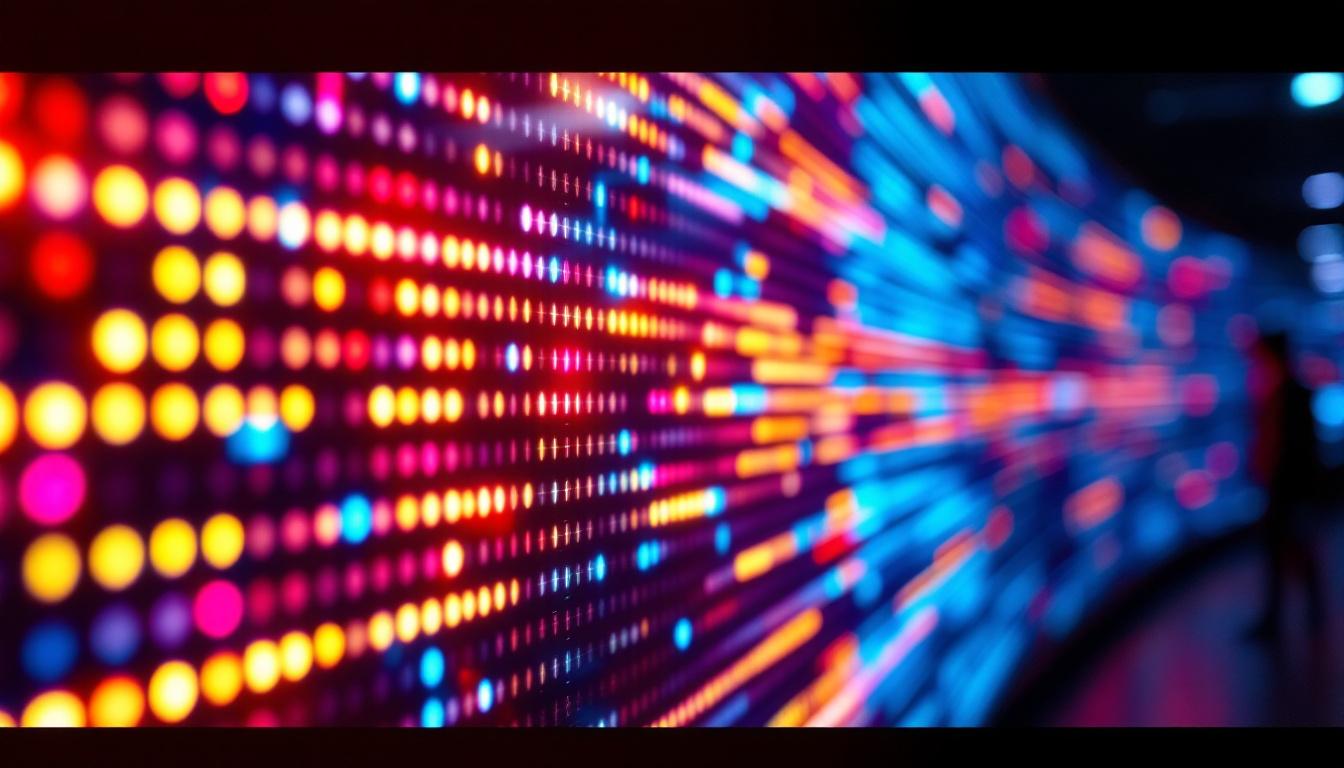
Each pixel in an LED display consists of red, green, and blue (RGB) diodes. By adjusting the brightness of each diode, the display can produce a full spectrum of colors. The combination of these tiny light sources creates images that are sharp, bright, and capable of displaying high dynamic range (HDR) content. This capability is particularly beneficial for applications that require precise color reproduction, such as digital signage and professional video production, where the accuracy of colors can significantly affect the viewer’s experience.
Direct-view LED displays operate by illuminating each diode individually, which allows for excellent contrast ratios and deep blacks. This is because when a pixel is supposed to be black, the corresponding diodes are simply turned off, unlike LCDs where backlight leakage can reduce black levels. This technology also allows for wide viewing angles and fast refresh rates, making LED displays ideal for dynamic content and fast-moving visuals. Furthermore, advancements in LED technology have led to the development of microLED displays, which utilize even smaller diodes to create ultra-high-resolution images. This innovation not only enhances the clarity of the display but also reduces power consumption and increases durability, making microLED a promising option for future display solutions.
The Advantages of LED Displays
Superior Image Quality
One of the primary reasons LED displays are favored is their superior image quality. They offer higher brightness levels compared to traditional LCD or plasma screens, which makes them suitable for both indoor and outdoor use. For instance, LED video walls in outdoor advertising can reach brightness levels exceeding 5,000 nits, ensuring visibility even in direct sunlight.
Additionally, LED displays provide excellent color accuracy and consistency. Modern LED panels are capable of covering a wide color gamut, often exceeding the Rec. 709 standard used in HDTV broadcasts. This results in more lifelike and vibrant images, enhancing the viewer’s experience whether watching movies, sports, or digital signage content. The advanced technology behind these displays also minimizes motion blur, making fast-paced action scenes appear smooth and crisp, which is particularly beneficial for sports broadcasts and gaming applications.
Energy Efficiency and Longevity
LED technology is inherently energy-efficient. Compared to older display technologies, LEDs consume less power while delivering higher brightness. This efficiency not only reduces electricity costs but also contributes to lower environmental impact, an increasingly important consideration for businesses and consumers alike. The reduced energy consumption of LED displays can lead to significant savings over time, making them a financially sound investment for large-scale installations.
Moreover, LED displays have a long lifespan, typically ranging from 50,000 to 100,000 hours of use. This durability makes them a cost-effective choice for installations where continuous operation is required, such as control rooms, broadcast studios, and public venues. Their resilience against wear and tear also means that maintenance costs are lower than those associated with other display technologies, further enhancing their appeal for commercial use. With advancements in technology, many manufacturers are now offering warranties that reflect the confidence in the longevity of their products, often extending up to 7 years or more.
Flexibility and Scalability
LED displays are highly versatile. They can be manufactured in various sizes and shapes, allowing for creative and customized installations. The modular nature of LED panels enables the construction of massive video walls that can span entire building facades or create immersive environments inside arenas and theaters. This adaptability allows businesses to tailor their displays to fit specific branding needs or architectural designs, enhancing the overall aesthetic of a space.
This scalability means businesses can start with a smaller setup and expand as needed without replacing the entire system. Additionally, the ability to create curved or flexible LED screens opens new possibilities in design and user engagement. For example, retail environments can utilize curved displays to create eye-catching product showcases, while museums can employ flexible screens to enhance interactive exhibits. The integration of LED technology with smart systems also allows for dynamic content updates, ensuring that the display remains relevant and engaging over time, further solidifying its role as a powerful tool for communication and advertising.
Applications of LED Displays in Modern Media
Home Entertainment and “Tv Wal” Setups
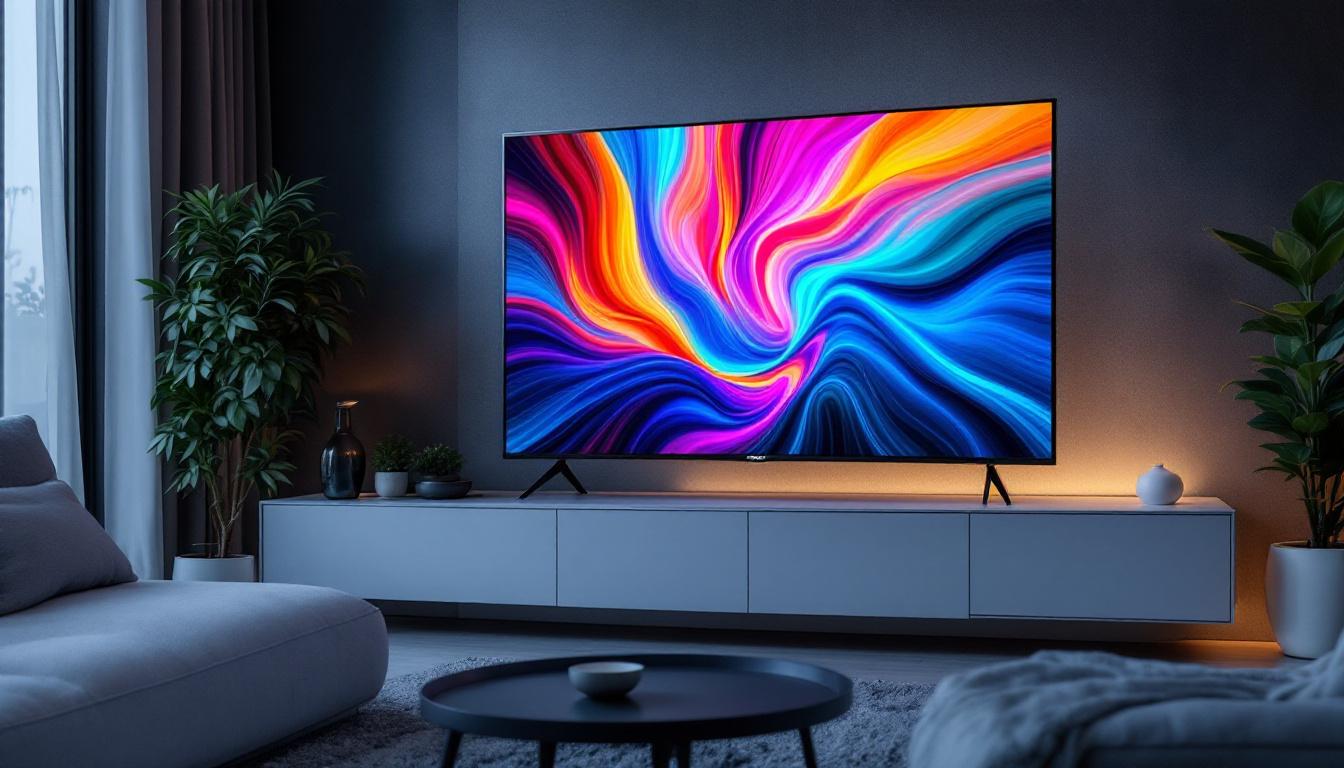
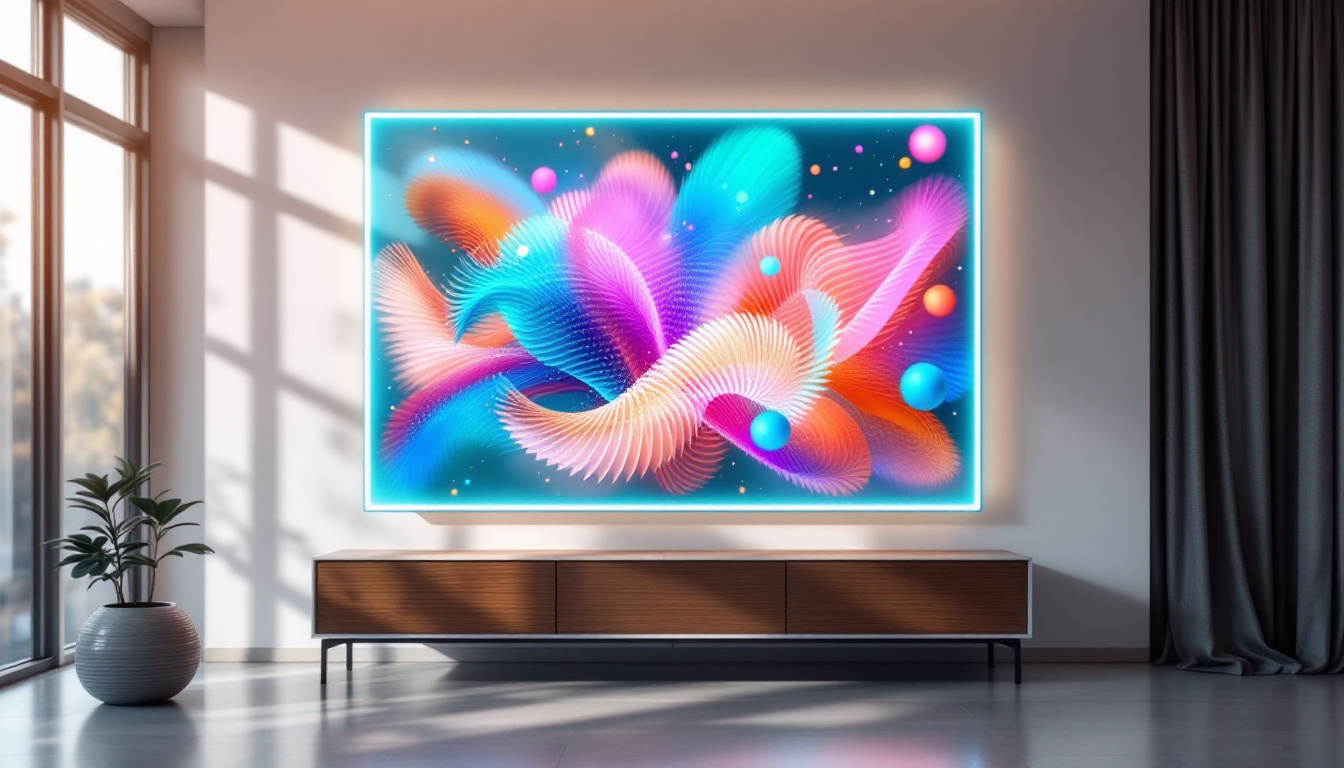
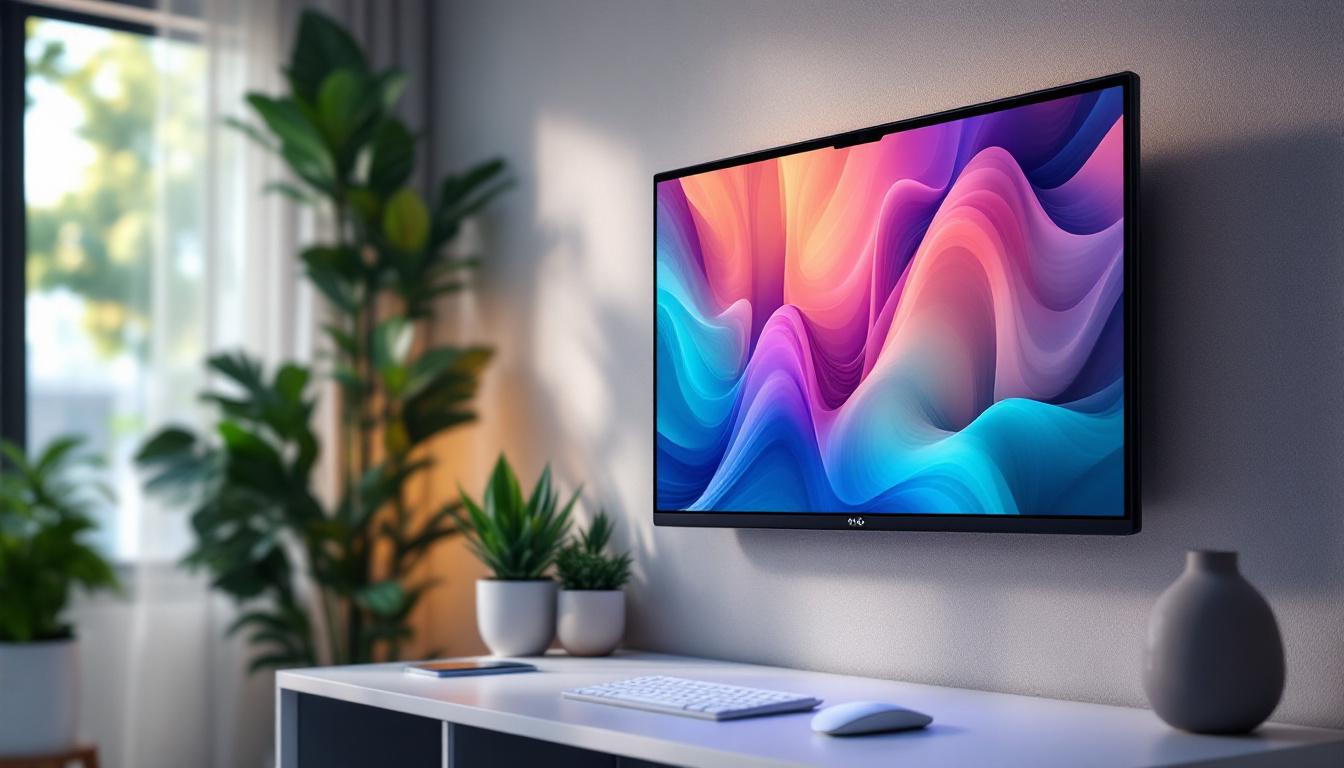
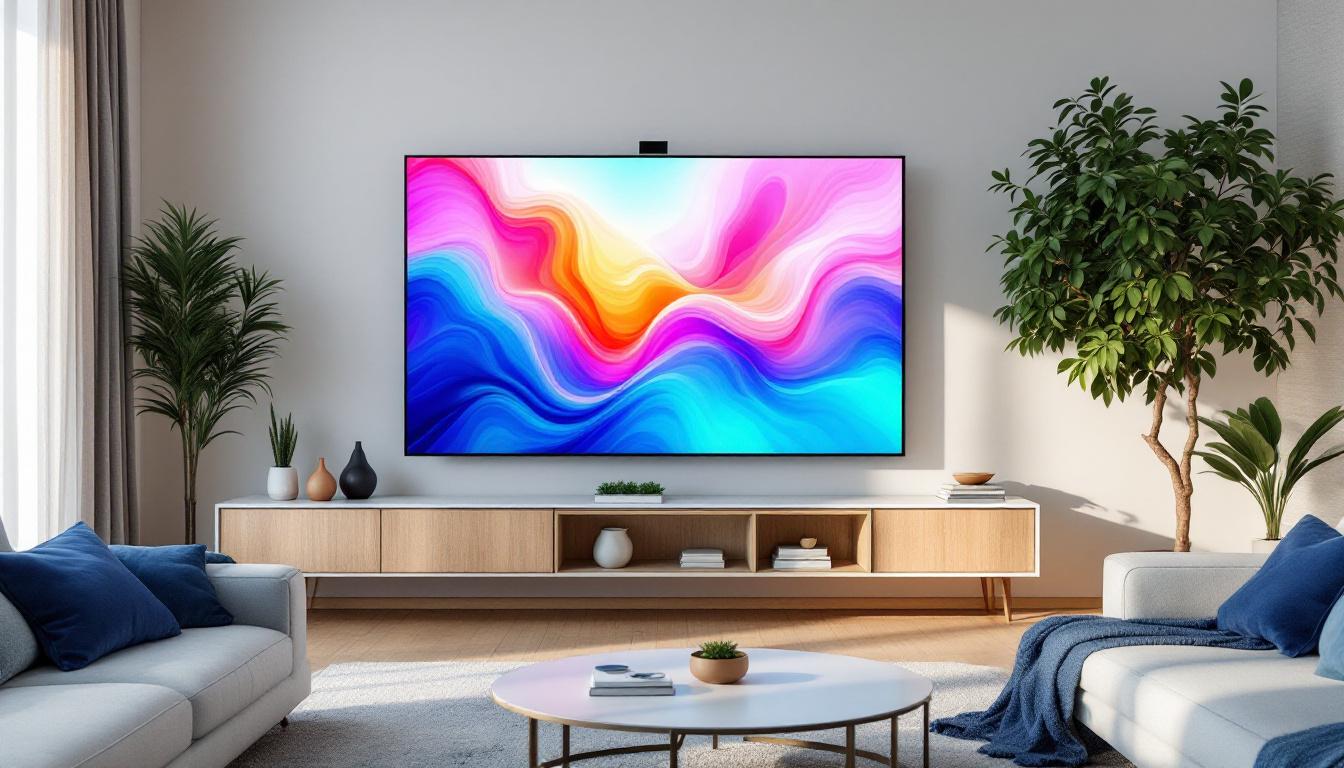
In the realm of home entertainment, LED displays have gained popularity for building “Tv Wal” setups—large, seamless video walls that replace traditional televisions. These installations deliver unparalleled image quality and screen size, turning living rooms into cinematic experiences.
High-end home theaters utilize fine-pitch LED panels, which have pixel pitches as small as 0.9 mm, allowing for close viewing distances without visible pixelation. This technology is becoming more accessible as manufacturing costs decrease, making it a compelling option for enthusiasts seeking the ultimate display.
Commercial and Public Displays
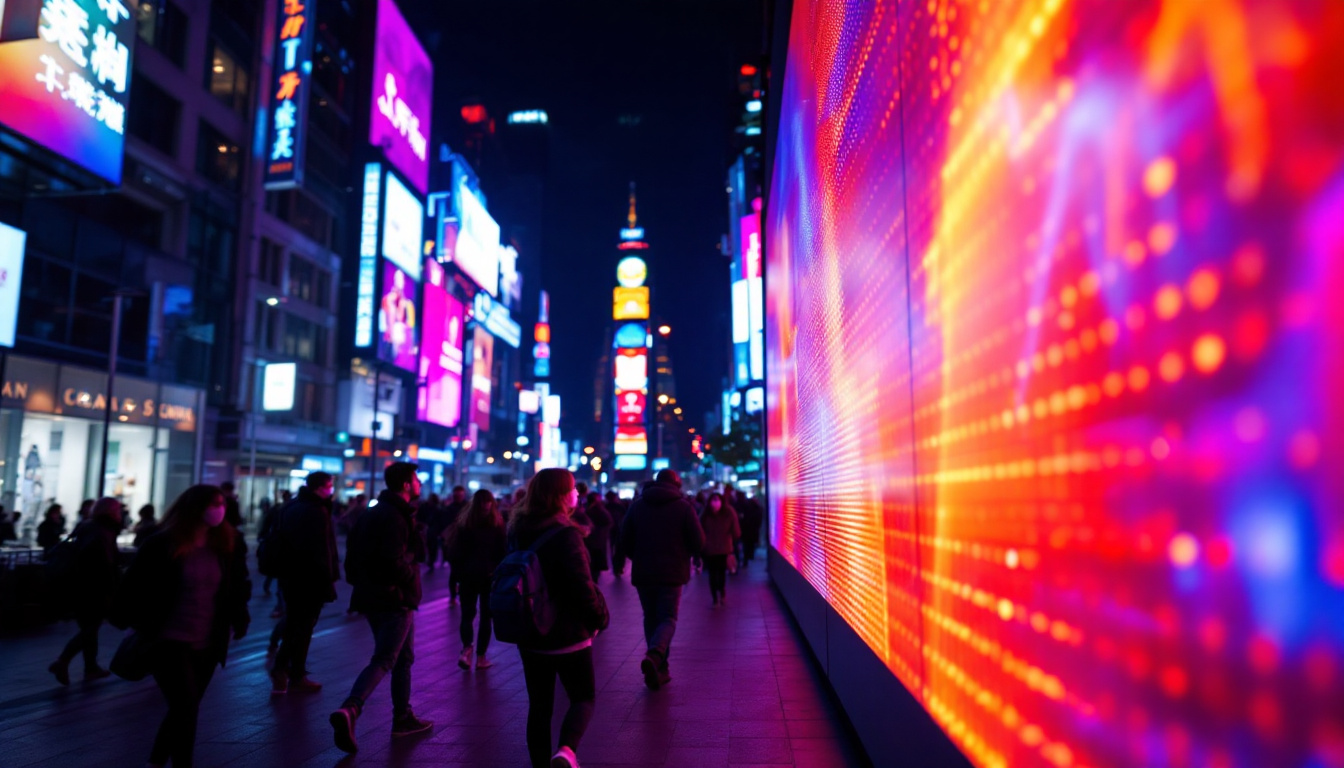
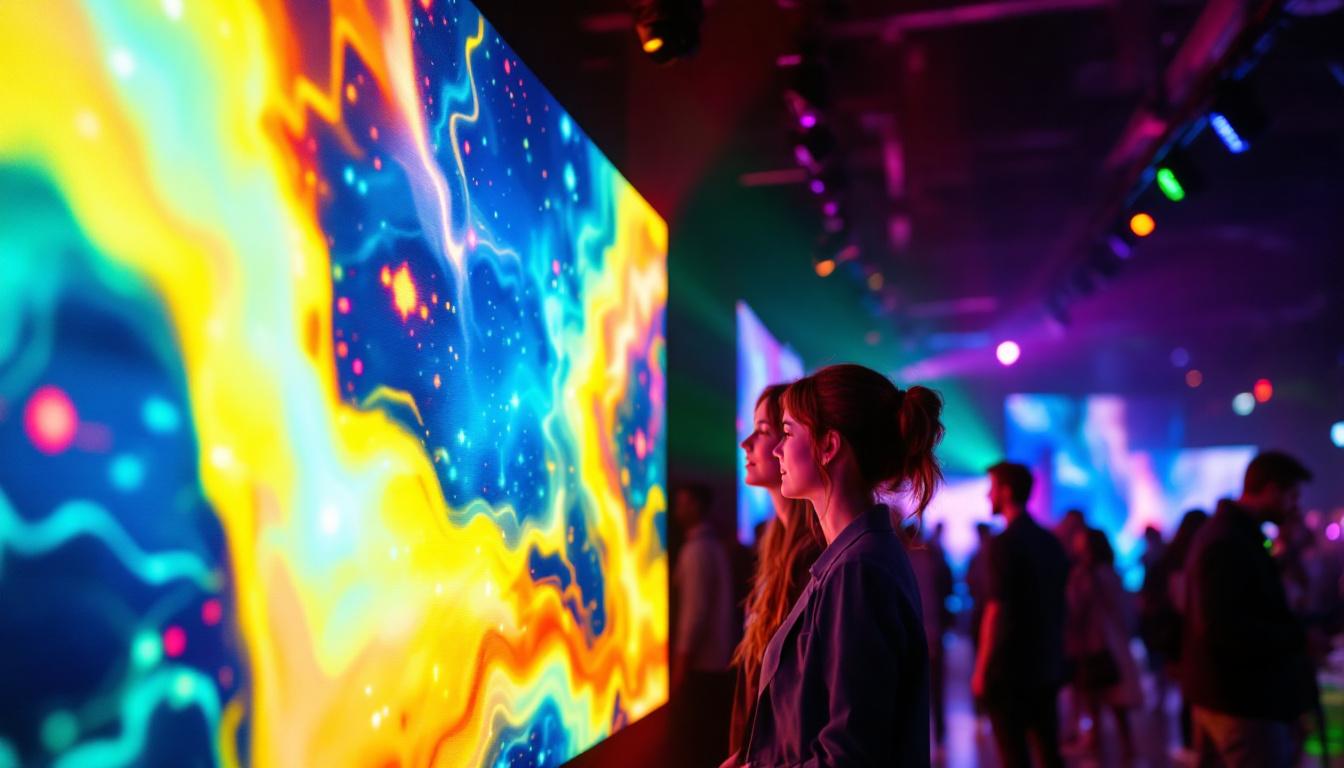
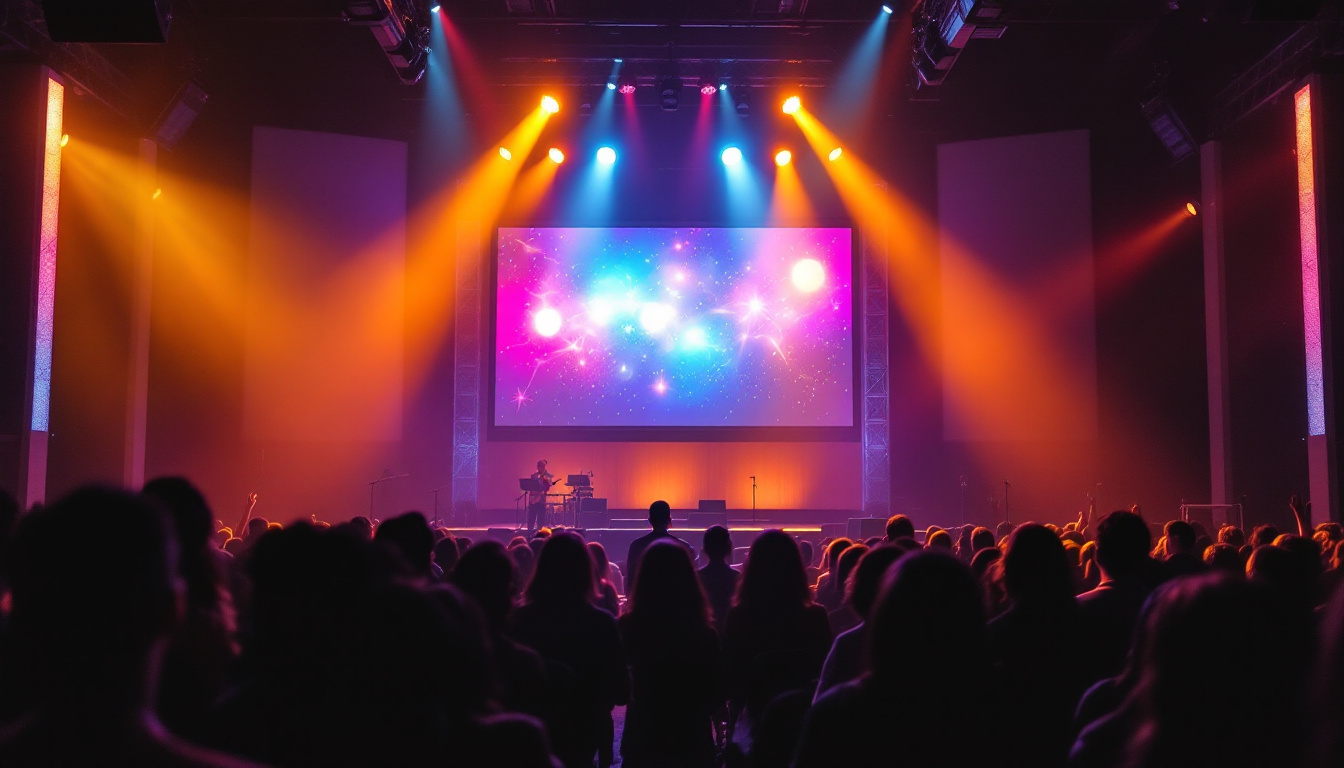
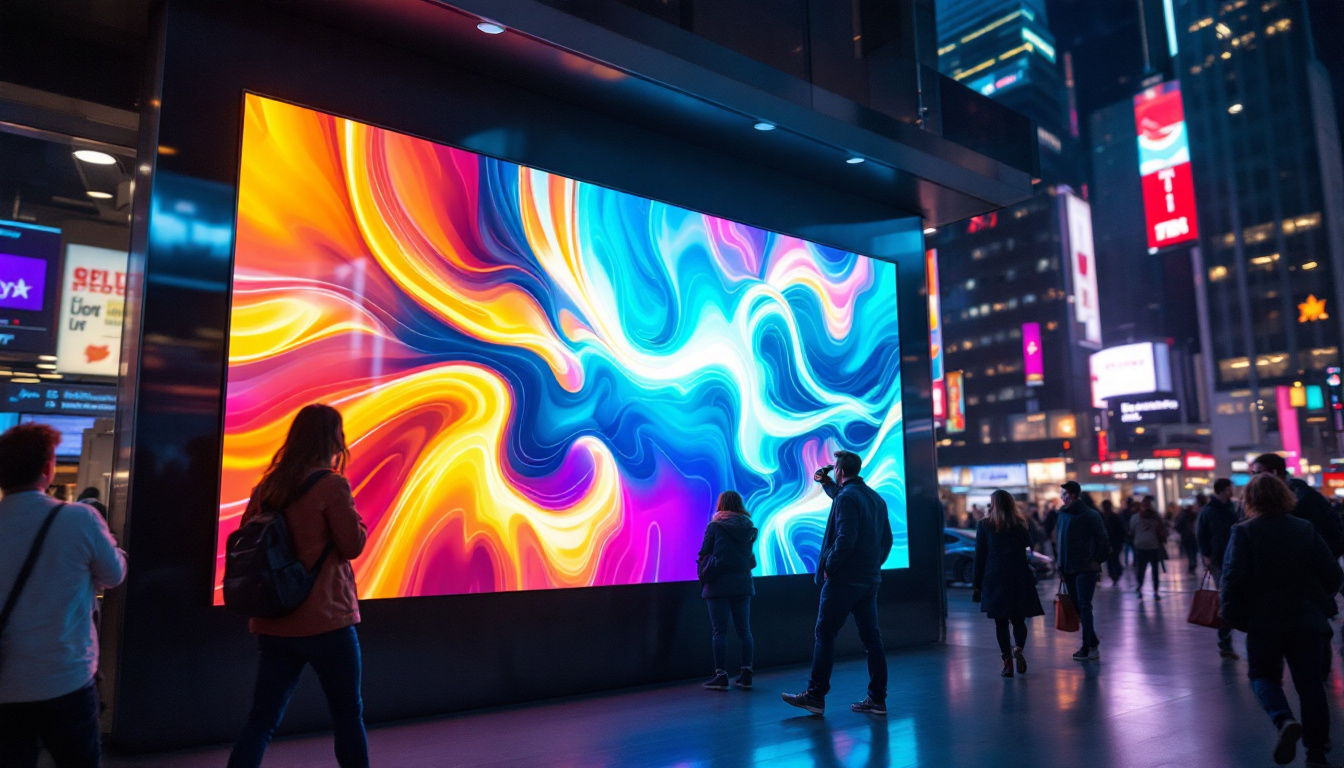
LED video walls dominate the commercial sector, particularly in advertising and information dissemination. Airports, shopping malls, sports arenas, and concert venues use large LED displays to engage audiences with dynamic content, real-time information, and interactive experiences.
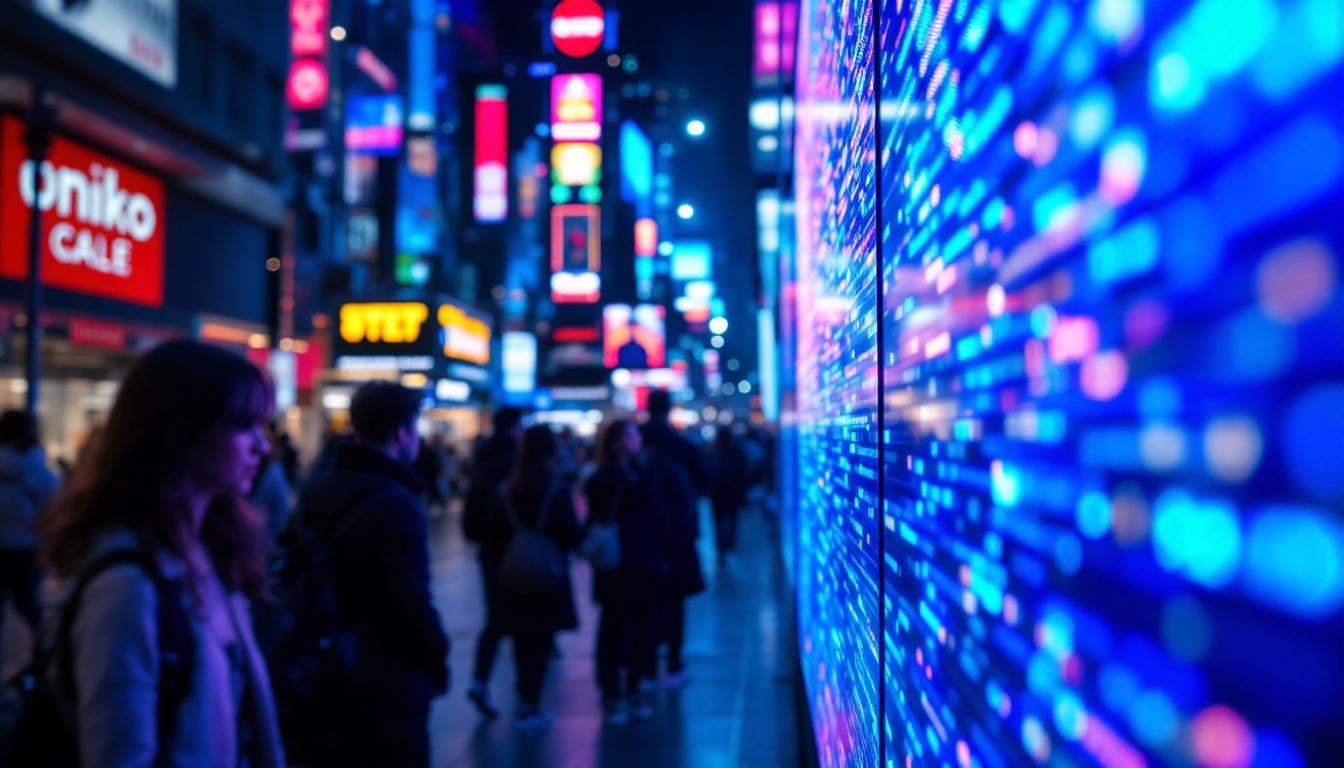
For example, Times Square in New York City is famous for its massive LED billboards that combine high brightness and resolution to attract millions of viewers daily. These displays are designed to operate continuously and withstand harsh environmental conditions, showcasing the robustness of LED technology.
Broadcast and Control Rooms
Broadcast studios and control rooms rely on LED displays for monitoring and production purposes. The high refresh rates and accurate color reproduction enable operators to manage live feeds and critical data efficiently. LED walls in these environments often serve as central command hubs, displaying multiple sources of information simultaneously.
Key Considerations When Choosing an LED Display
Pixel Pitch and Resolution
Pixel pitch refers to the distance between the centers of adjacent pixels and is a crucial factor in determining image clarity. Smaller pixel pitches mean higher resolution and sharper images, especially important for close viewing distances. For indoor “Tv Wal” setups, pixel pitches between 0.9 mm and 2.5 mm are common, while outdoor displays typically have larger pitches to accommodate viewing from a distance.
Choosing the right pixel pitch depends on the intended use and viewing environment. For example, a retail store might opt for a 2 mm pitch LED wall to balance cost and quality, whereas a home theater might invest in a 1 mm pitch for the best possible image fidelity.
Brightness and Contrast Ratio
Brightness is measured in nits, and higher brightness levels ensure visibility in various lighting conditions. Outdoor displays require brightness levels of 4,000 nits or more, while indoor displays generally operate between 500 and 1,000 nits.
Contrast ratio—the difference between the darkest and brightest parts of an image—is another critical specification. LED displays offer excellent contrast ratios due to their ability to turn off individual pixels completely, resulting in deep blacks and vibrant colors.
Installation and Maintenance
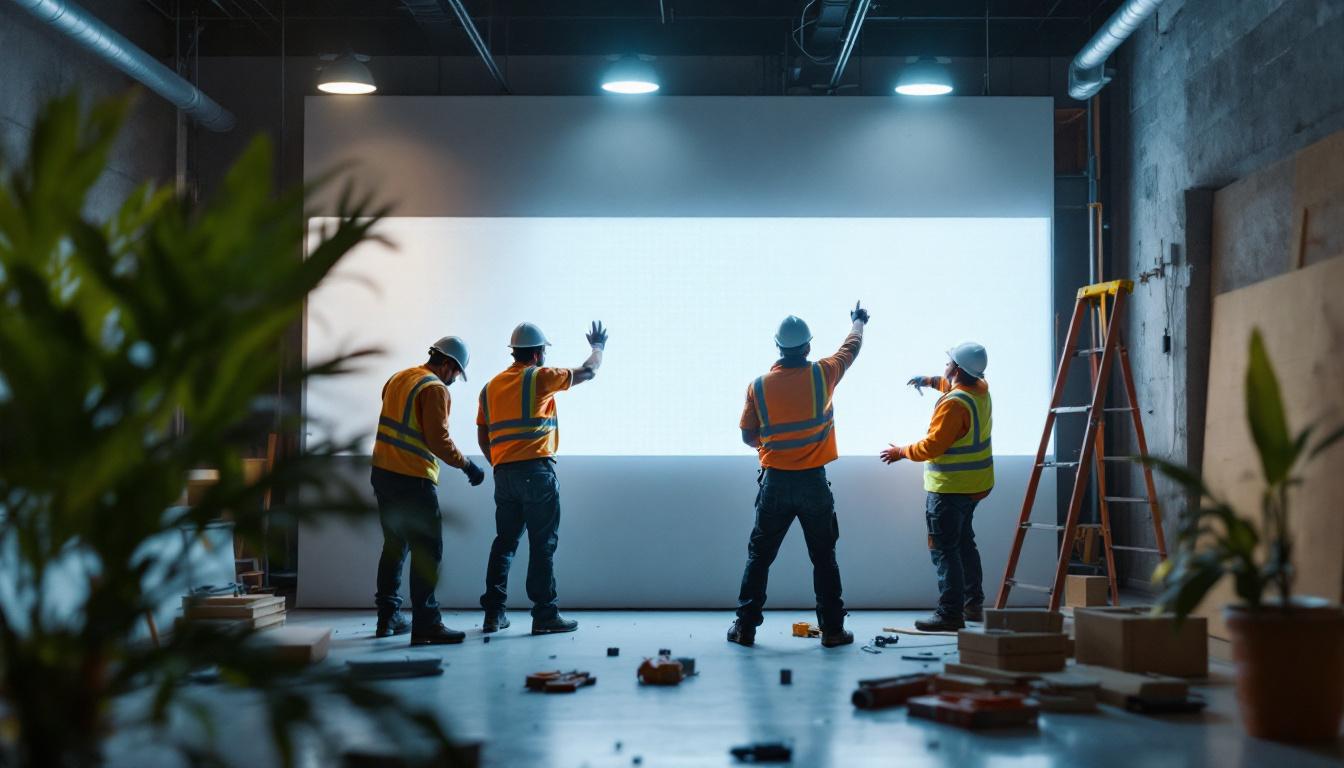
LED video walls require precise installation to ensure seamless image quality. Factors such as panel alignment, calibration, and ventilation must be considered. Professional installation is recommended for large-scale or complex setups to avoid issues like color mismatches or overheating.
Maintenance is also important to prolong the lifespan of LED displays. Regular cleaning, software updates, and inspections can prevent common problems such as dead pixels or uneven brightness. Many modern LED systems include diagnostic tools to facilitate maintenance and minimize downtime.
The Future of LED Display Technology
MicroLED and Beyond
Emerging technologies like MicroLED promise to further enhance display performance by using even smaller LEDs that can be integrated directly onto panels without the need for backlighting. MicroLED displays offer higher brightness, improved energy efficiency, and longer lifespans compared to current LED solutions.
While still in the early stages of commercial availability, MicroLED is expected to impact both consumer electronics and large-scale video walls, potentially replacing OLED and traditional LED displays in the coming years.
Integration with Smart Technologies
LED displays are increasingly integrated with smart technologies, including AI-driven content management and interactive features. This integration allows for personalized advertising, real-time data visualization, and enhanced user engagement through touch or gesture controls.
As 5G networks expand, LED video walls will benefit from faster data transmission, enabling more dynamic and responsive content delivery in public and commercial spaces.
Conclusion
LED display technology has transformed the way visual content is presented across multiple industries. From the immersive “Tv Wal” home setups to the towering commercial video walls in city centers, LEDs offer unmatched brightness, color accuracy, and flexibility. Understanding the technical aspects such as pixel pitch, brightness, and installation requirements is essential for selecting the right display for any application.
As technology continues to evolve with innovations like MicroLED and smart integration, LED displays will remain at the forefront of visual communication, shaping the future of entertainment, advertising, and information sharing.
Discover LumenMatrix’s Innovative LED Solutions
Ready to elevate your visual experience with the latest in LED display technology? Look no further than LumenMatrix, a pioneer in crafting LED display modules that bring your content to life. Whether you’re interested in transforming your home entertainment with an immersive “Tv Wal” setup or enhancing your commercial space with dynamic digital signage, LumenMatrix offers a comprehensive range of solutions including Indoor and Outdoor LED Wall Displays, Vehicle LED Displays, and more. Embrace the future of visual communication and check out LumenMatrix LED Display Solutions today to create unforgettable visual experiences that captivate and engage.