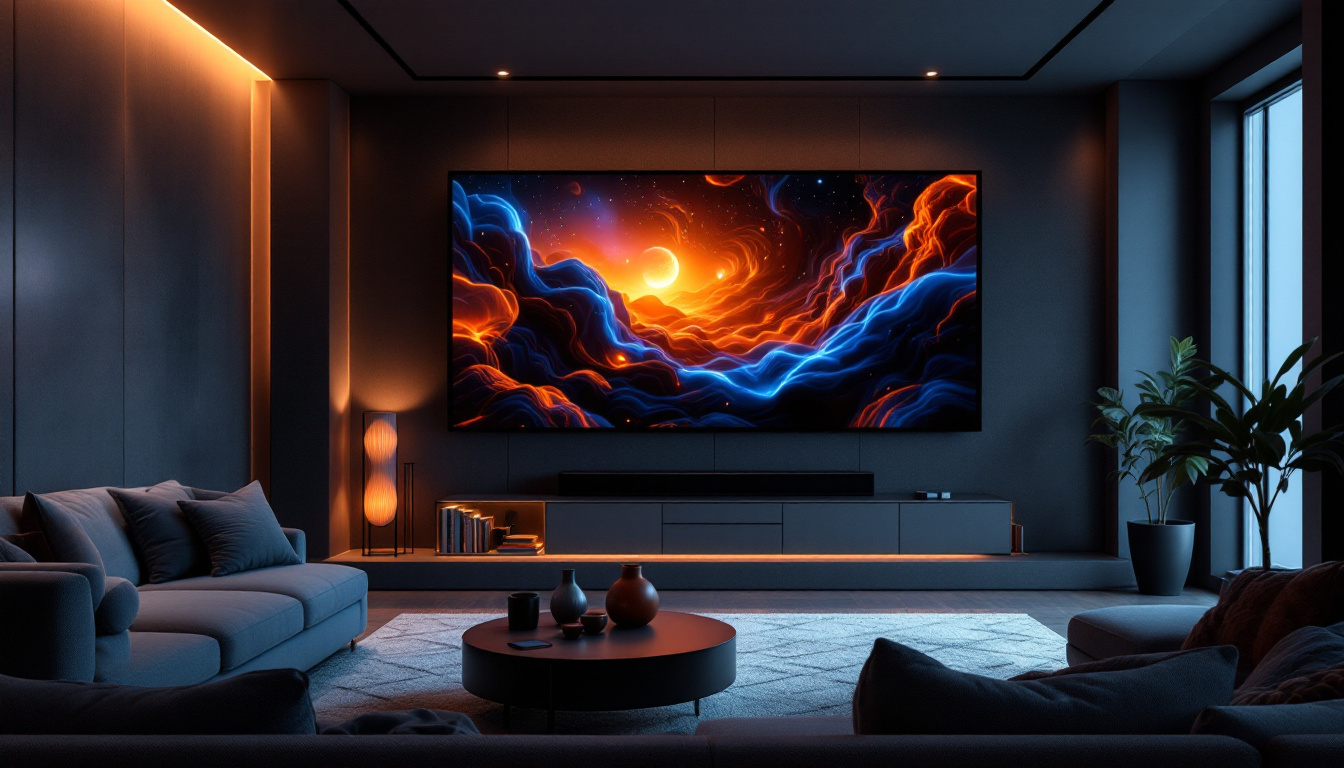
In the evolving world of home entertainment and digital signage, LED displays have become a dominant technology. Whether you’re considering a sleek TV wall mount LED setup for your living room or exploring commercial LED displays for advertising, understanding the technology behind LED displays is essential. This article delves into the fundamentals of LED displays, their advantages, installation considerations, and how TV wall mounts enhance the viewing experience.
Understanding LED Display Technology
What is an LED Display?
LED stands for Light Emitting Diode, a semiconductor device that emits light when an electric current passes through it. An LED display is a flat panel display that uses an array of LEDs as pixels to create images and videos. These displays are widely used in televisions, digital billboards, stadium screens, and more due to their brightness, energy efficiency, and versatility.
Unlike traditional LCD screens that rely on backlighting, LED displays produce their own light, allowing for deeper blacks and higher contrast ratios. This self-illumination is a key factor in the superior picture quality associated with LED technology. Additionally, LED displays are capable of producing a wider color gamut, which means they can display more vibrant and varied colors compared to their LCD counterparts. This feature is particularly important in applications such as digital signage and advertising, where visual impact is crucial for capturing audience attention.
Types of LED Displays
There are primarily two types of LED displays: direct-view LED and LED-backlit LCD.
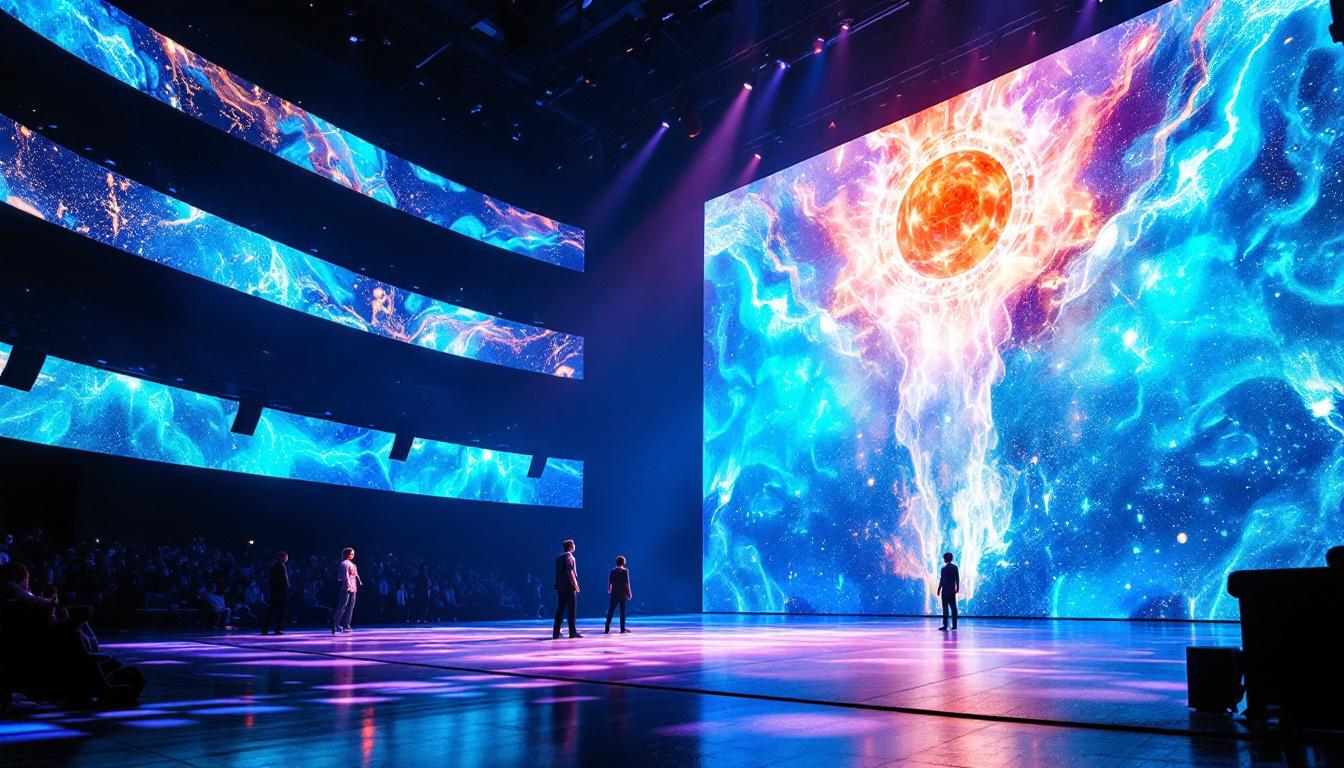
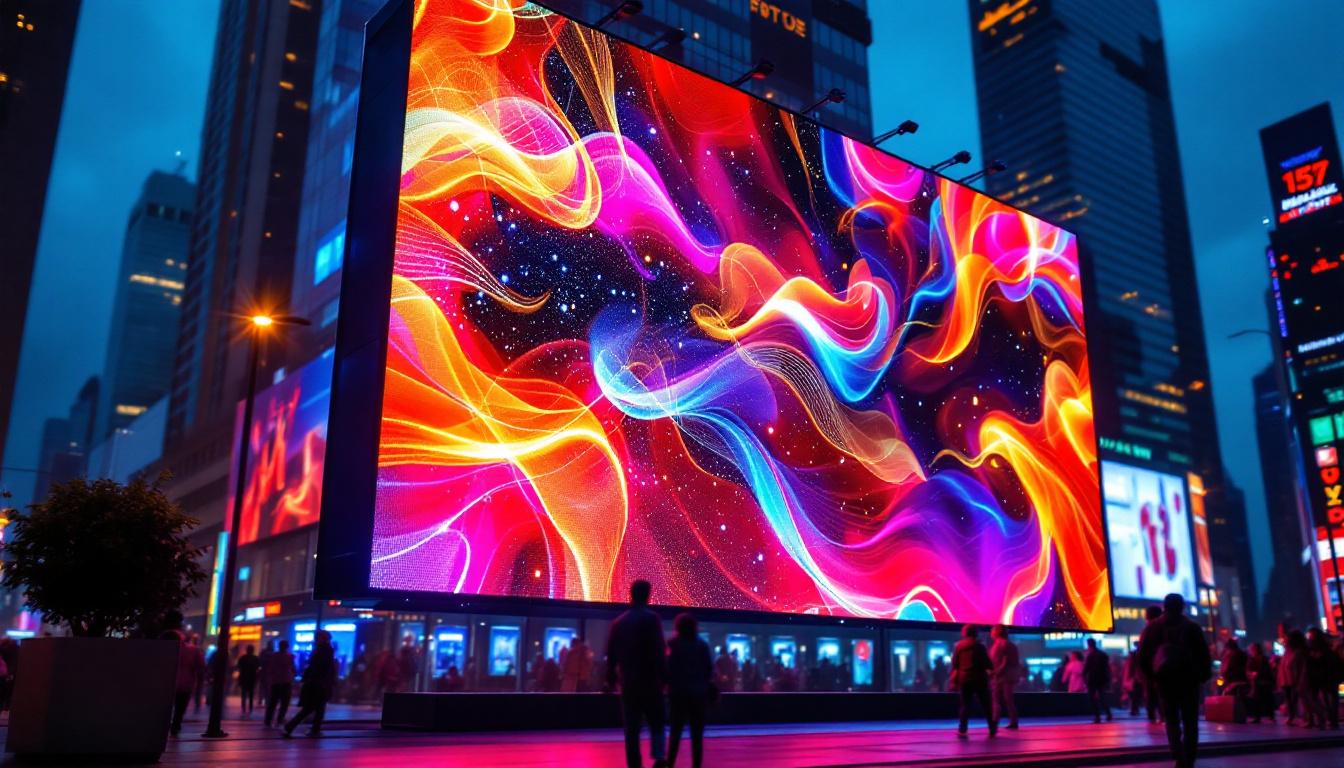
- Direct-View LED: This type uses individual LEDs as pixels. It is commonly used in large-scale displays such as stadium screens and digital billboards. These panels can be assembled in various sizes and shapes, offering flexibility for commercial applications. Furthermore, direct-view LED displays can be designed to be weather-resistant, making them ideal for outdoor use where they can withstand the elements while delivering stunning visuals.
- LED-Backlit LCD: This is the most common technology found in consumer televisions. The screen is an LCD panel, but the backlight is provided by LEDs instead of traditional fluorescent lamps. This method improves brightness, color accuracy, and energy efficiency. Moreover, advancements in LED-backlit technology, such as local dimming, allow for even greater control over contrast and brightness, enhancing the viewing experience in darker scenes.
Understanding these distinctions helps consumers and businesses select the right display technology for their needs. The choice between direct-view LED and LED-backlit LCD can significantly impact not only the visual quality but also the overall energy consumption and longevity of the display. As technology continues to evolve, newer variations such as OLED (Organic LED) and MicroLED are emerging, promising even better performance and efficiency, further enriching the landscape of display technology.
Benefits of LED Displays for TV Wall Mounts
Superior Picture Quality
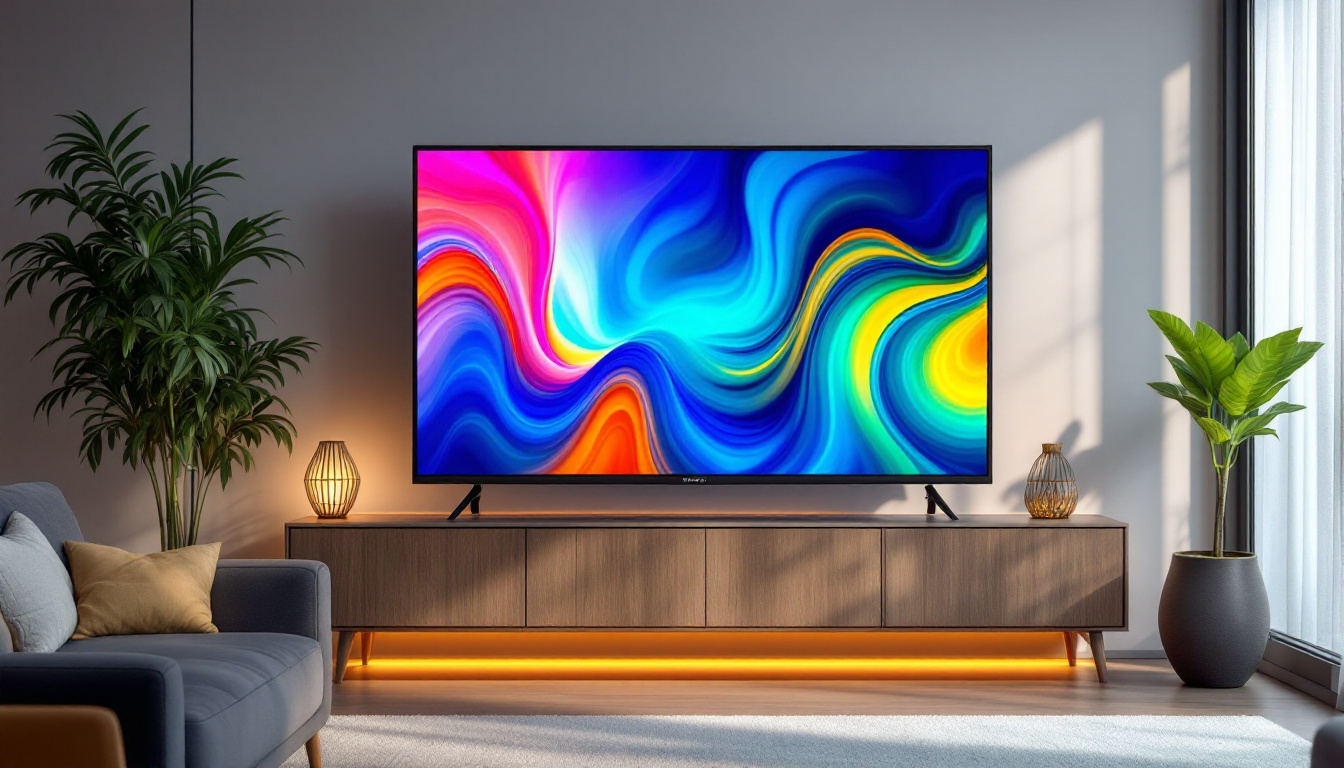
One of the primary reasons LED displays are favored for TV wall mounts is their exceptional picture quality. LEDs provide vibrant colors, high contrast ratios, and excellent brightness levels, which are crucial for viewing in various lighting conditions.
For example, LED TVs can reach brightness levels of over 1000 nits, making them suitable for rooms with ambient light. Additionally, the ability to display deep blacks enhances the overall viewing experience, especially for cinematic content. This is particularly beneficial when watching movies or playing video games, where visual detail can significantly impact immersion. Furthermore, many LED displays come equipped with advanced technologies such as HDR (High Dynamic Range), which expands the color palette and contrast, allowing viewers to experience a more lifelike image that closely resembles what the human eye can see in real life.
Energy Efficiency and Longevity
LED technology is known for its energy efficiency compared to older display technologies like plasma and CCFL-backlit LCDs. LED TVs consume less power, which not only reduces electricity bills but also contributes to environmental sustainability.
Moreover, LEDs have a longer lifespan, often exceeding 50,000 hours of use. This durability means that TV wall mount LED displays can provide years of reliable service with minimal maintenance. In fact, many manufacturers offer warranties that reflect this longevity, giving consumers peace of mind about their investment. Additionally, the reduced energy consumption of LED displays is not only beneficial for the wallet but also plays a role in decreasing the overall carbon footprint, making them an eco-friendly choice for consumers who are conscious about their environmental impact.
Thin and Lightweight Design
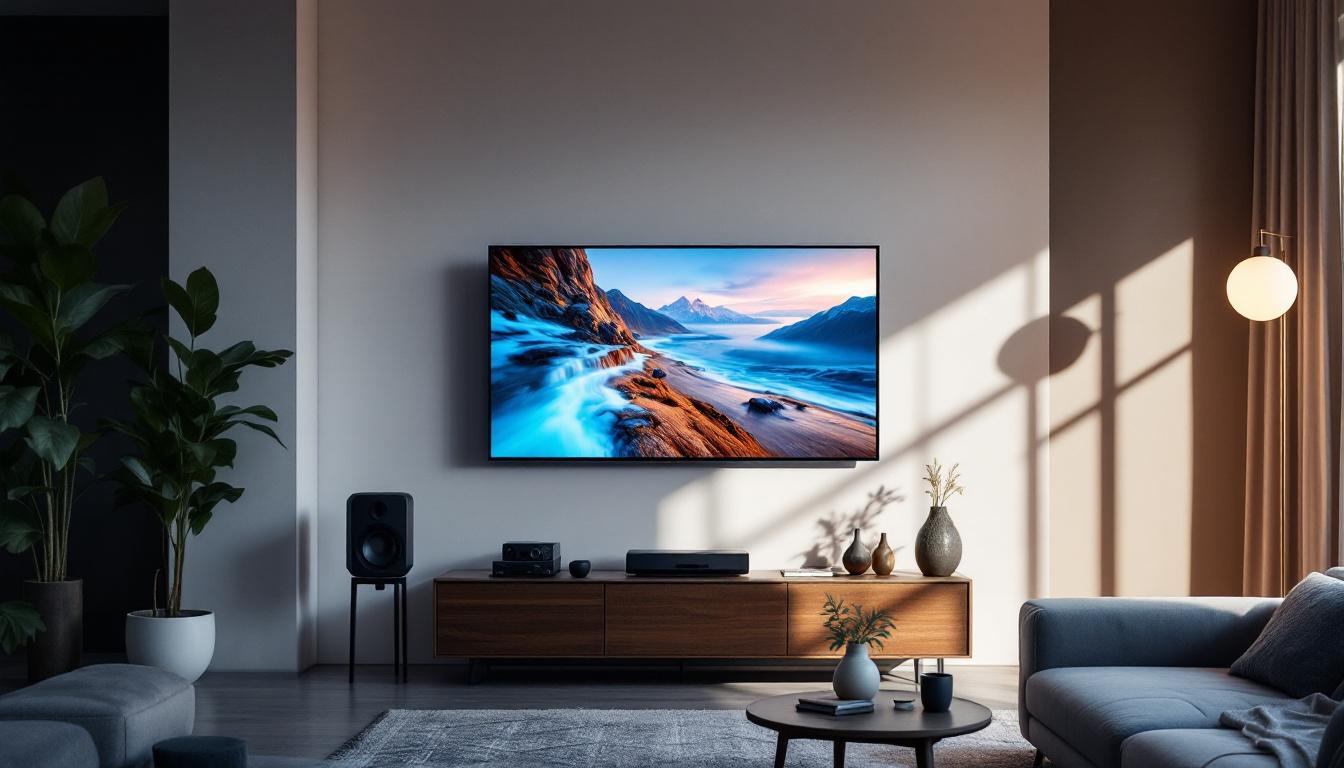
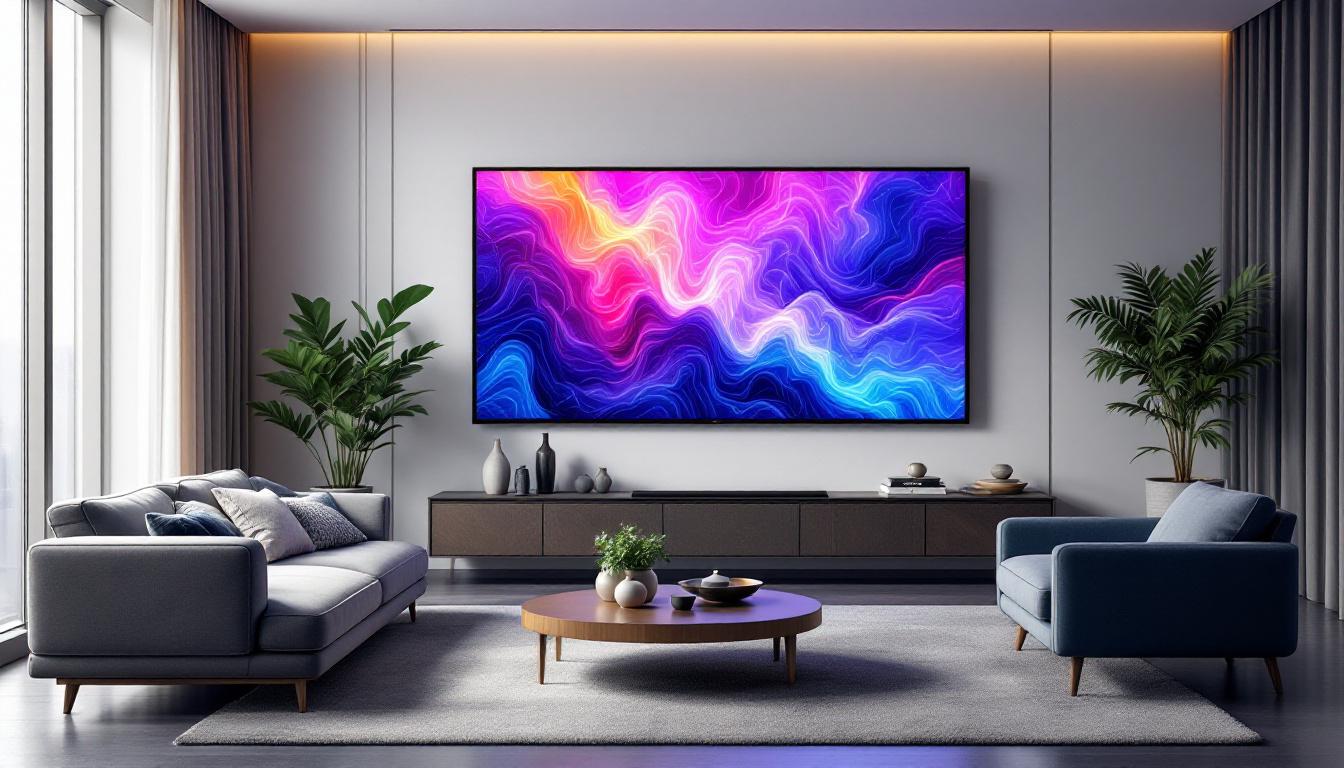
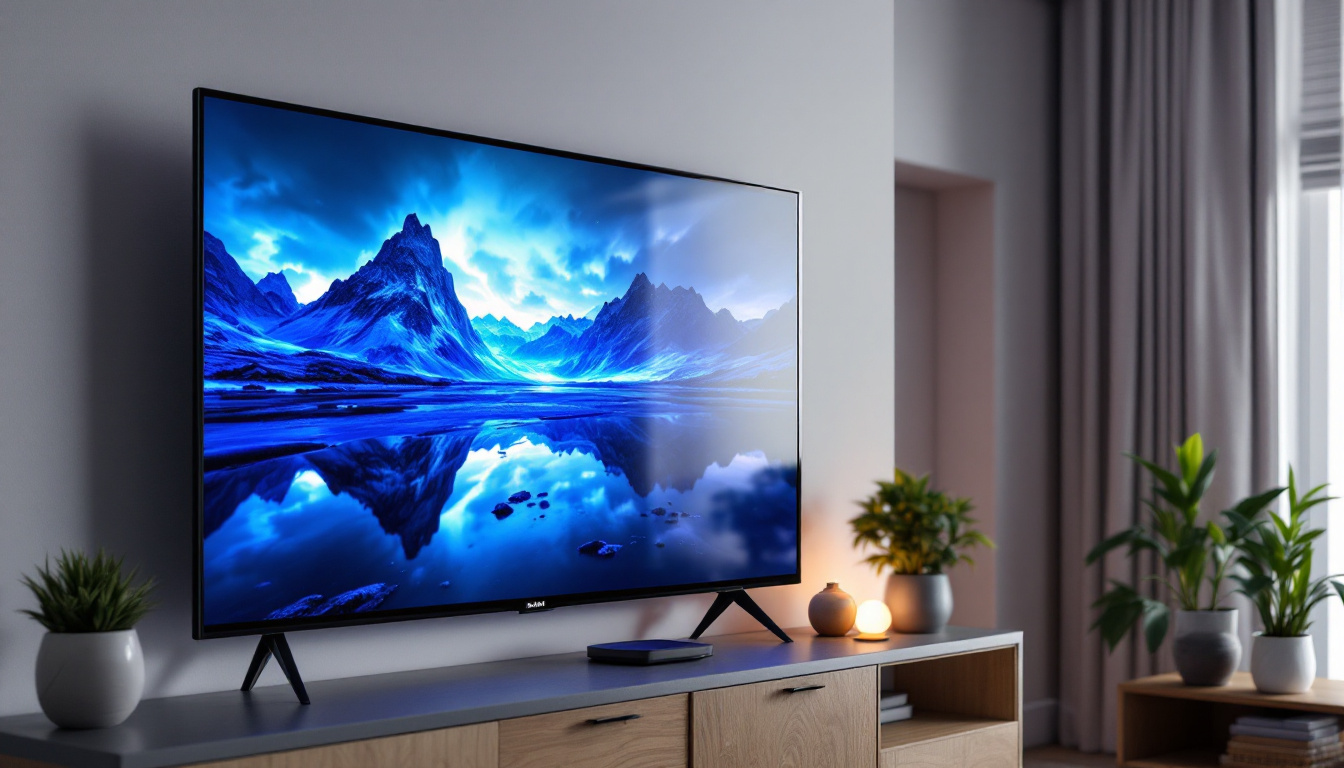
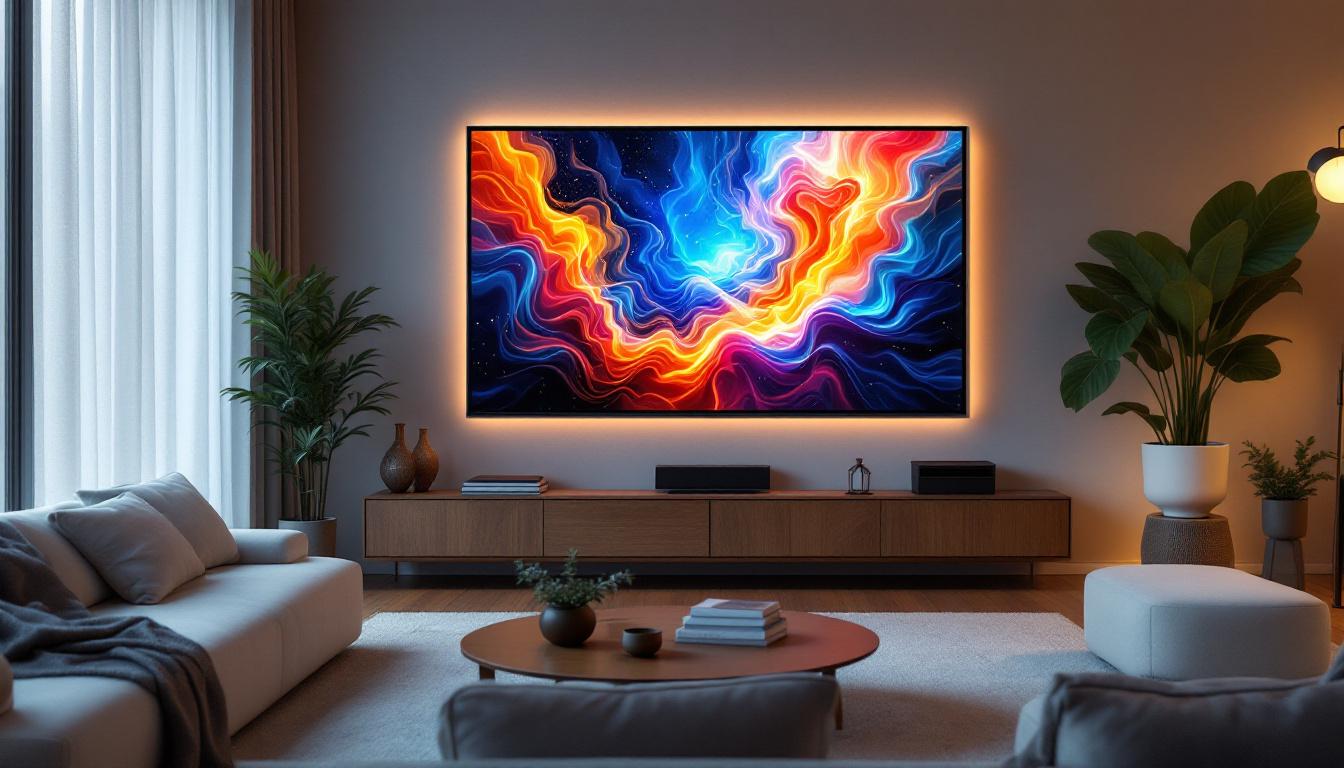
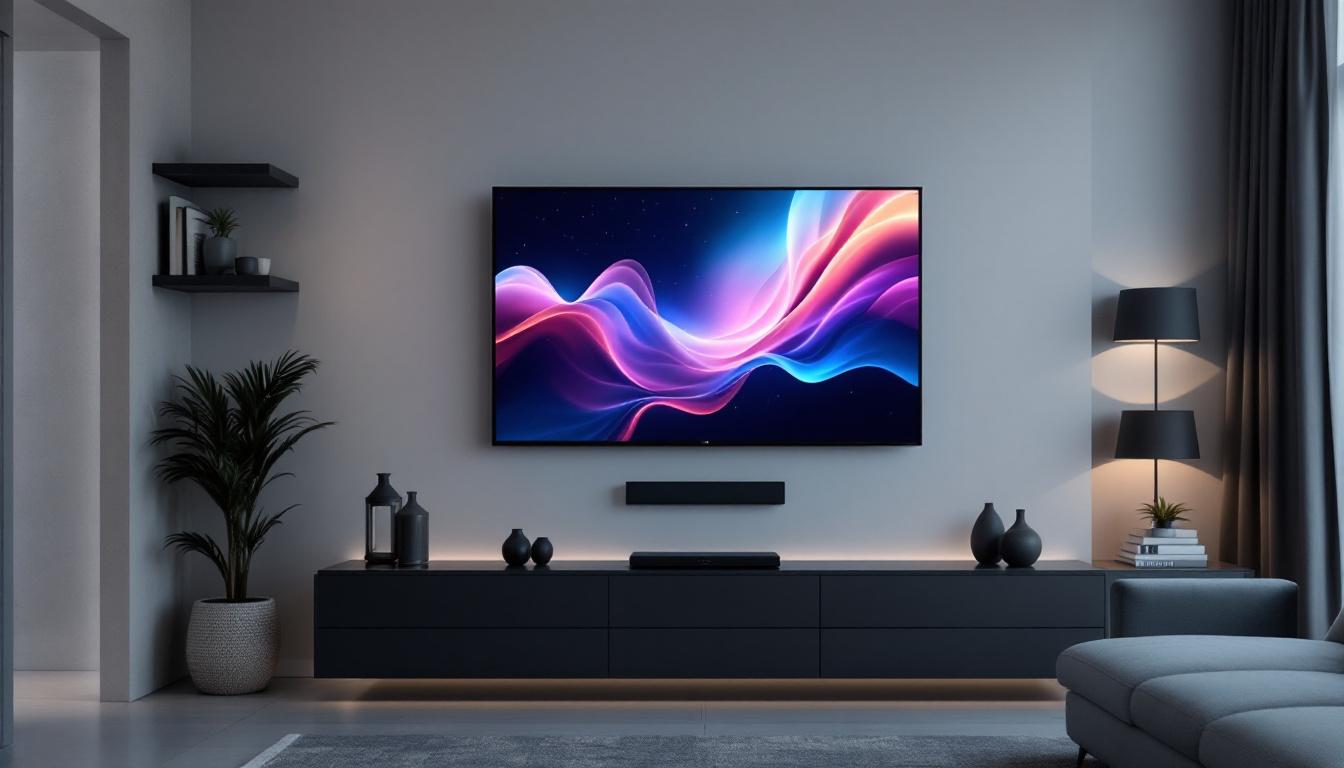
The compact size of LEDs allows manufacturers to produce ultra-thin TV panels. This slim profile is ideal for wall mounting, as it reduces the distance between the TV and the wall, creating a sleek, modern aesthetic.
Lightweight displays also simplify the installation process and reduce the need for heavy-duty mounting hardware, making it easier for homeowners and professionals alike to mount their TVs securely. The ease of installation is further enhanced by the availability of various mounting options, including tilting and full-motion mounts, which allow for optimal viewing angles. Additionally, the minimalist design of LED displays complements contemporary interior decor, enabling them to blend seamlessly into any room, whether it be a cozy living room or a professional conference space. This versatility in design not only elevates the visual appeal of a space but also encourages creative arrangements and setups that can enhance the overall atmosphere of the environment.
Choosing the Right TV Wall Mount for LED Displays
Types of Wall Mounts
Selecting the appropriate wall mount is essential to maximize the benefits of your LED TV. There are several types of mounts available, each offering different levels of flexibility and support:
- Fixed Mounts: These hold the TV close to the wall with no movement. Ideal for rooms where the viewing angle is consistent.
- Tilting Mounts: Allow the TV to tilt vertically, reducing glare and improving viewing angles from different heights.
- Full-Motion (Articulating) Mounts: Offer the most flexibility, enabling the TV to swivel, tilt, and extend away from the wall. Perfect for rooms with multiple viewing areas.
Weight and Size Compatibility
Wall mounts are rated based on the maximum weight and screen size they can safely support. LED TVs vary widely in size, from compact 32-inch models to expansive 85-inch or larger displays. It is crucial to verify that the mount you choose can handle the weight and dimensions of your LED TV.
Manufacturers typically provide these specifications, and it’s advisable to consult them before purchasing a mount. Using an incompatible mount can risk damage to the TV or wall and pose safety hazards.
Installation Considerations
Proper installation is key to ensuring the safety and longevity of your mounted LED TV. Some important factors include:
- Wall Type: Drywall, concrete, brick, and wood studs require different mounting hardware and techniques. For drywall installations, securing the mount to studs is essential for stability.
- Height and Viewing Angle: The ideal height for mounting a TV is generally at eye level when seated, which reduces neck strain and enhances comfort.
- Cable Management: Concealing cables behind the wall or using cable covers maintains a clean, organized look.
Hiring a professional installer is recommended for large or heavy LED TVs to ensure safety and optimal placement.
LED Display Innovations and Trends
MicroLED and MiniLED Technologies
Recent advancements in LED technology have introduced MicroLED and MiniLED displays, which promise even better picture quality and efficiency.
MicroLED displays use microscopic LEDs as individual pixels, similar to direct-view LED but on a much smaller scale. This technology offers perfect blacks, infinite contrast ratios, and exceptional brightness without the risk of burn-in, a common issue in OLED displays.
MiniLED technology involves thousands of tiny LEDs used as backlighting for LCD panels. This allows for more precise local dimming zones, resulting in improved contrast and reduced halo effects around bright objects.
Smart TV Integration
Most modern LED TVs come equipped with smart features, including internet connectivity, streaming apps, voice control, and integration with smart home devices. Wall-mounted LED TVs serve as a central hub for entertainment and information, enhancing convenience and user experience.
Energy Efficiency Regulations
Governments worldwide are implementing stricter energy efficiency standards for electronic devices, including LED TVs. These regulations encourage manufacturers to develop more energy-saving models without compromising performance. Consumers benefit from lower operating costs and a reduced environmental footprint.
Practical Tips for Maintaining Your Wall-Mounted LED TV
Regular Cleaning
Dust and fingerprints can degrade the picture quality of your LED TV. Use a microfiber cloth to gently wipe the screen and avoid harsh chemicals that can damage the display coating.
Ventilation and Heat Management
LED TVs generate heat during operation, and proper ventilation is crucial to prevent overheating. Ensure there is adequate space around the TV, especially if it is mounted in an enclosed cabinet or tight space.
Software Updates
Keep your smart LED TV’s firmware up to date to benefit from the latest features, security patches, and performance improvements. Most smart TVs support automatic updates, but manual checks can ensure you don’t miss critical upgrades.
Conclusion
LED displays have revolutionized the way people experience visual content, offering superior image quality, energy efficiency, and sleek designs. When combined with the right TV wall mount, an LED TV can transform any room into a modern entertainment space with optimal viewing comfort.
Understanding the technology behind LED displays, selecting the appropriate mounting hardware, and keeping up with innovations ensures that users maximize the benefits of their investment. Whether for home entertainment or commercial applications, LED displays continue to set the standard for vibrant, reliable, and versatile visual solutions.
Explore Cutting-Edge LED Display Solutions with LumenMatrix
Ready to elevate your space with the latest in LED display technology? Discover LumenMatrix’s comprehensive range of innovative LED solutions, from captivating Indoor and Outdoor LED Wall Displays to dynamic Vehicle and Sports LED Displays. Whether you’re looking to create an immersive experience with a Floor LED Display, make a bold statement with a Custom LED Display, or streamline your setup with an All-in-One LED solution, LumenMatrix has you covered. Embrace the future of visual communication and check out LumenMatrix LED Display Solutions today to see how we can help you enhance engagement and convey your message with unparalleled clarity and impact.