In today’s rapidly evolving technological landscape, the integration of LED display technology with CCTV systems has become a significant trend in security and surveillance. TVS CCTV systems equipped with LED displays are transforming how businesses and public spaces monitor and present visual information. This article delves into the fundamentals of LED displays in the context of TVS CCTV, exploring their benefits, applications, and the technology behind them.
Understanding TVS CCTV Systems
TVS CCTV refers to closed-circuit television systems that are often used for security and surveillance purposes. These systems capture video footage through cameras and transmit the signals to monitors or recording devices for real-time viewing or later analysis. Traditionally, CCTV systems relied on standard LCD or CRT monitors to display footage, but the integration of LED displays has introduced a new dimension of clarity and versatility.
TVS CCTV systems are widely deployed in commercial buildings, public transportation hubs, retail stores, and residential complexes. The primary goal is to enhance security by providing constant visual monitoring and recording capabilities. However, with advancements in display technology, these systems now offer more than just surveillance—they provide a platform for dynamic visual communication.
The Role of LED Displays in CCTV
LED (Light Emitting Diode) displays use an array of tiny light-emitting diodes to create images and videos. Unlike traditional LCD screens, LED displays offer superior brightness, contrast, and energy efficiency. When integrated with CCTV systems, LED displays can present live video feeds with exceptional clarity, even in challenging lighting conditions such as bright sunlight or dimly lit environments.
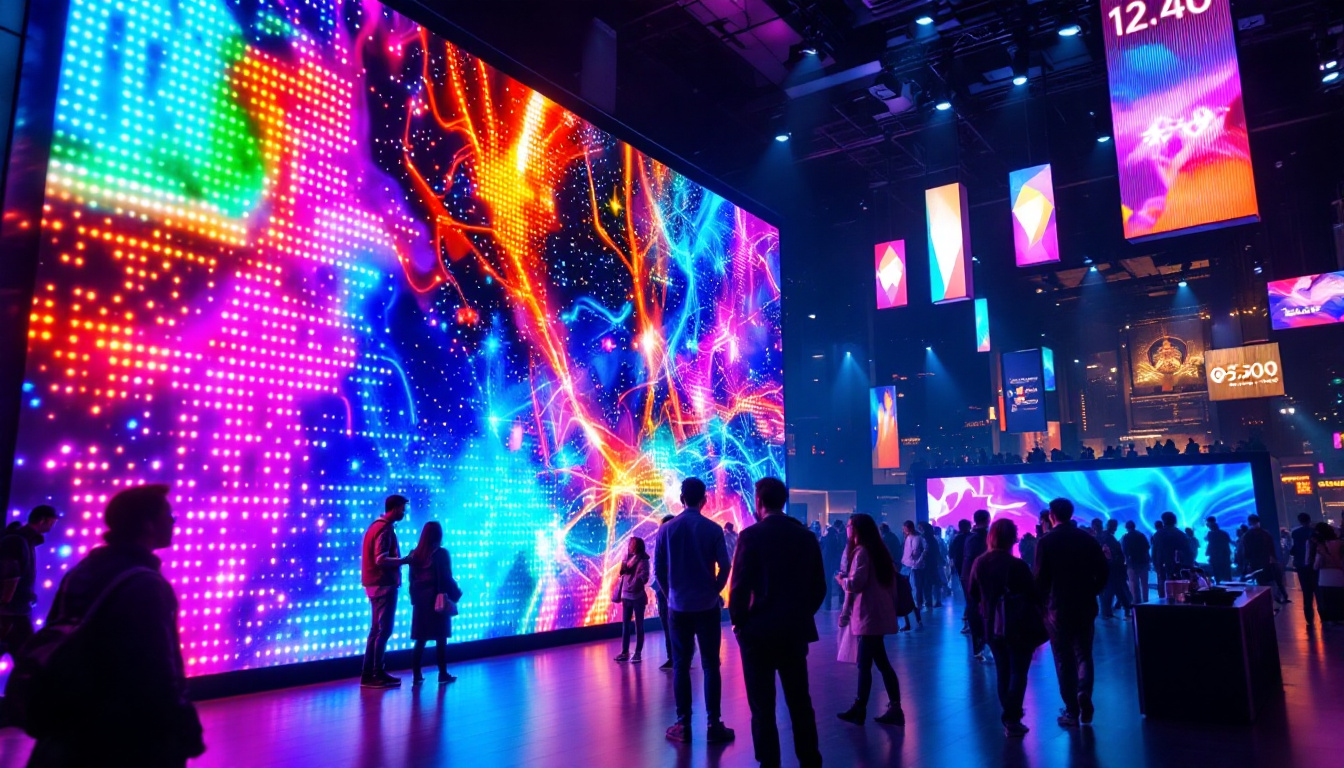
Moreover, LED displays are scalable and customizable, allowing for the creation of large video walls or custom-shaped screens that can fit various surveillance monitoring rooms or public information centers. This flexibility makes LED technology particularly valuable for TVS CCTV setups that require high-impact visual presentations.
Key Advantages of LED Displays in TVS CCTV
The adoption of LED displays in TVS CCTV systems brings several notable benefits that enhance both functionality and user experience. Understanding these advantages is crucial for businesses and organizations considering upgrading their surveillance infrastructure.
Superior Image Quality and Visibility
One of the most significant advantages of LED displays is their ability to deliver vivid, high-resolution images. LED technology provides higher brightness levels compared to LCDs, often exceeding 1,000 nits, which ensures clear visibility even in environments with intense ambient light. This feature is particularly important for CCTV monitoring stations that operate in rooms with large windows or outdoor setups exposed to sunlight.
Additionally, LED displays offer excellent contrast ratios and color accuracy, making it easier for security personnel to identify details such as faces, license plates, or suspicious activities. This improved image quality can be critical in forensic investigations or real-time threat assessment.
Energy Efficiency and Longevity
Energy consumption is a key consideration for any technology deployed on a large scale. LED displays are known for their energy efficiency, consuming significantly less power than traditional display technologies. This efficiency translates into lower operational costs, which is especially beneficial for organizations running CCTV systems 24/7.
Furthermore, LED displays have a longer lifespan, often exceeding 50,000 hours of operation. This durability reduces maintenance needs and replacement frequency, ensuring that CCTV monitoring systems remain reliable over time without frequent interruptions.
Scalability and Customization
LED displays can be configured in various sizes and shapes, from small monitors to expansive video walls composed of multiple LED panels. This scalability allows security managers to tailor their CCTV display setups according to the size of the monitoring room, the number of camera feeds, and specific operational requirements.
Customizable pixel pitches—referring to the distance between individual LEDs—enable different resolutions and viewing distances. For example, a fine pixel pitch LED display is ideal for close-up monitoring stations, while larger pixel pitches suit public surveillance displays viewed from a distance.
Applications of LED Displays in TVS CCTV Systems
The versatility of LED displays has led to their adoption across various sectors where TVS CCTV systems are critical. Below are some of the most common applications demonstrating how LED displays enhance surveillance capabilities.
Control Rooms and Command Centers
Control rooms serve as the nerve centers for security operations, where multiple camera feeds are monitored simultaneously. LED video walls in these environments provide operators with a comprehensive and detailed overview of all surveillance zones. The ability to display multiple feeds in high resolution on a single large screen improves situational awareness and response times.
For instance, law enforcement agencies and transportation authorities often use LED video walls to monitor city-wide CCTV networks, traffic flows, and emergency incidents. The high brightness and clarity of LED displays ensure that critical information is not missed, even during long shifts.
Retail and Commercial Spaces
In retail environments, TVS CCTV systems with integrated LED displays serve dual purposes: security and customer engagement. Security teams use LED screens to monitor store activity, while the same displays can also show promotional content or alerts to customers.
This integration helps reduce theft and improve customer service simultaneously. For example, a large LED display near the entrance can show live footage of store aisles alongside advertisements or safety messages, creating an interactive and secure shopping experience.
Public Safety and Transportation Hubs
Airports, train stations, and bus terminals rely heavily on CCTV systems for public safety. LED displays in these locations not only provide real-time surveillance feeds to security personnel but also serve as information boards for travelers.
By combining CCTV footage with flight or train schedules, weather updates, and emergency alerts on LED screens, transportation authorities can enhance both security and passenger communication. This multi-functional use of LED displays maximizes the utility of surveillance infrastructure.
Technical Considerations When Choosing LED Displays for TVS CCTV
Selecting the right LED display for a TVS CCTV system involves several technical factors to ensure optimal performance and cost-effectiveness. Understanding these considerations helps decision-makers make informed choices tailored to their specific needs.
Resolution and Pixel Pitch
The resolution of an LED display is determined by its pixel pitch, which is the distance between the centers of adjacent LEDs. Smaller pixel pitches result in higher resolution and finer image detail, ideal for close-range viewing. Conversely, larger pixel pitches are suitable for displays viewed from a distance, where ultra-fine detail is less critical.
For CCTV monitoring rooms where operators sit close to the screen, a pixel pitch of 1.2mm to 2.5mm is common. For public-facing displays in large spaces, pixel pitches can range from 4mm to 10mm or more, balancing cost and visibility.
Brightness and Contrast Ratio
Brightness is measured in nits and directly affects how well the display performs in various lighting conditions. High brightness levels (above 1,000 nits) are essential for outdoor or brightly lit indoor environments to maintain image clarity.
Contrast ratio—the difference between the darkest and brightest parts of the image—also impacts image quality. LED displays typically offer superior contrast compared to LCDs, enhancing the visibility of details in shadows or highlights, which is crucial for surveillance footage analysis.
Connectivity and Integration
Modern TVS CCTV systems require seamless integration between cameras, recording devices, and displays. LED displays should support multiple input formats such as HDMI, DVI, and SDI to accommodate various CCTV camera outputs and video management systems.
Additionally, software compatibility is important for managing video feeds, switching between cameras, and customizing display layouts. Many LED display manufacturers offer proprietary or third-party software solutions designed specifically for security applications.
Future Trends in TVS CCTV and LED Display Technology
The intersection of TVS CCTV and LED display technology is poised for exciting developments driven by advancements in artificial intelligence, IoT, and display innovation.
AI-Enhanced Surveillance and Display Automation
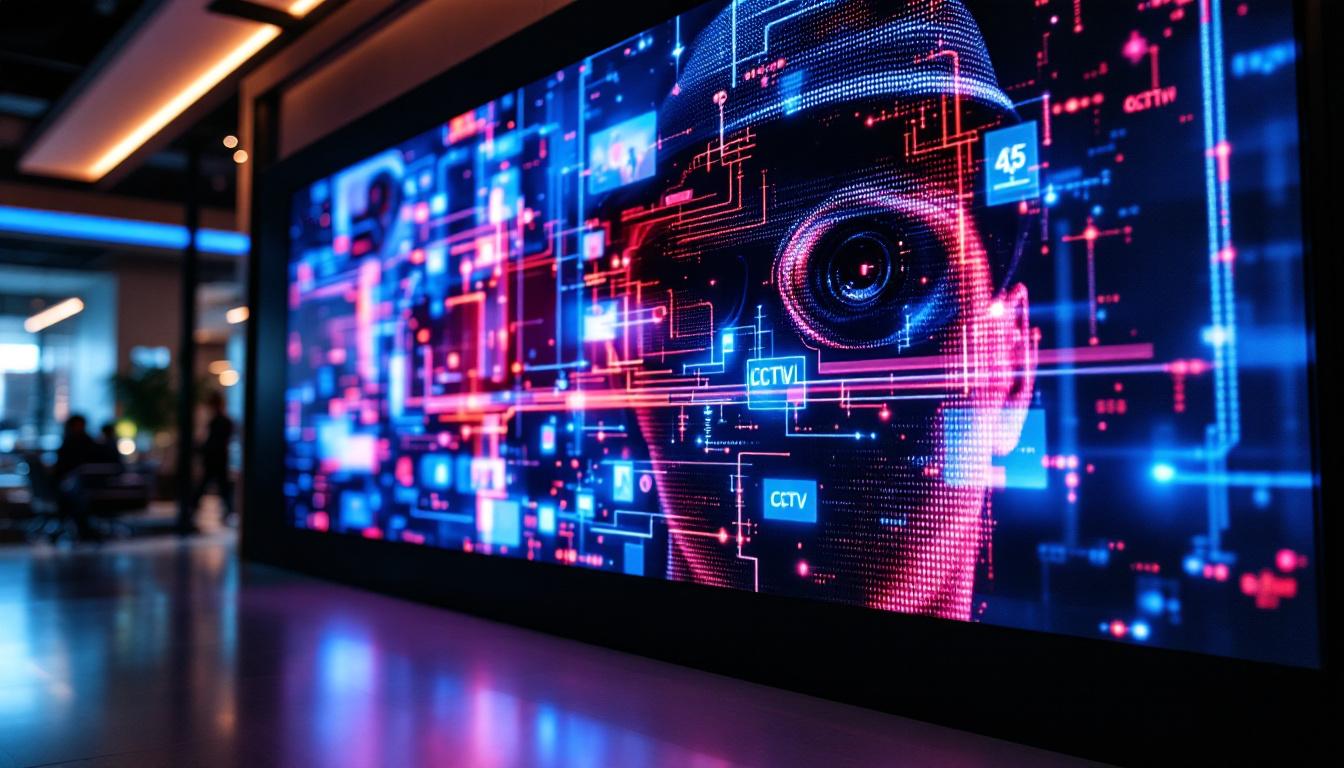
Artificial intelligence is increasingly integrated into CCTV systems for automated threat detection, facial recognition, and behavior analysis. When combined with LED displays, AI can dynamically highlight areas of interest, alert operators to anomalies, and prioritize video feeds based on real-time risk assessments.
This automation improves the efficiency of security teams and reduces the likelihood of human error. Future LED displays may incorporate interactive touch capabilities and augmented reality features to further enhance operator control and situational awareness.
Energy-Efficient and Sustainable Solutions
With growing emphasis on sustainability, LED display manufacturers are focusing on reducing power consumption and using eco-friendly materials. Innovations such as microLED technology promise even greater energy efficiency and longer lifespans, making them ideal for continuous-use CCTV applications.
Organizations adopting these technologies benefit from lower carbon footprints and compliance with environmental regulations, aligning security infrastructure with corporate social responsibility goals.
Integration with Smart City Infrastructure
As smart city initiatives expand, TVS CCTV systems with LED displays will become integral components of urban management. These systems will not only monitor security but also provide real-time data on traffic, air quality, and public events, displayed on LED screens throughout the city.
This convergence of surveillance, communication, and data analytics will enable more responsive and adaptive urban environments, improving safety and quality of life for residents.
Conclusion
The fusion of TVS CCTV systems with LED display technology represents a significant advancement in surveillance and visual communication. LED displays enhance image quality, energy efficiency, and scalability, making them ideal for a wide range of security applications—from control rooms to public spaces.
As technology continues to evolve, the integration of AI, sustainability features, and smart city connectivity will further elevate the capabilities of these systems. For organizations seeking to improve their security infrastructure, understanding the benefits and technical considerations of LED displays in TVS CCTV setups is essential for making informed investment decisions.
Ultimately, LED displays are not just screens for surveillance footage—they are dynamic platforms that enhance situational awareness, operational efficiency, and public engagement in the realm of security.
Enhance Your Security and Visual Communication with LumenMatrix
As you consider the future of your security infrastructure and the role LED display technology plays in it, LumenMatrix stands at the forefront of innovation. Our comprehensive range of LED display solutions, including Indoor and Outdoor LED Wall Displays, Vehicle LED Displays, and more, are designed to meet the dynamic needs of modern surveillance and advertising. Embrace the power of high-quality, energy-efficient LED displays to not only monitor your premises but also to engage and inform your audience. Check out LumenMatrix LED Display Solutions today and take the first step towards transforming your visual communication and security systems.