In the rapidly evolving world of digital display technology, LED video walls have emerged as a dominant force, transforming the way businesses, broadcasters, and public venues communicate visually. Whether it’s a bustling control room, a live event stage, or a retail storefront, LED displays offer unparalleled brightness, flexibility, and impact. This article delves into the fundamentals of TV walls using LED technology, exploring how they work, their advantages, and the considerations involved in selecting and deploying these impressive digital canvases.
Understanding LED Display Technology
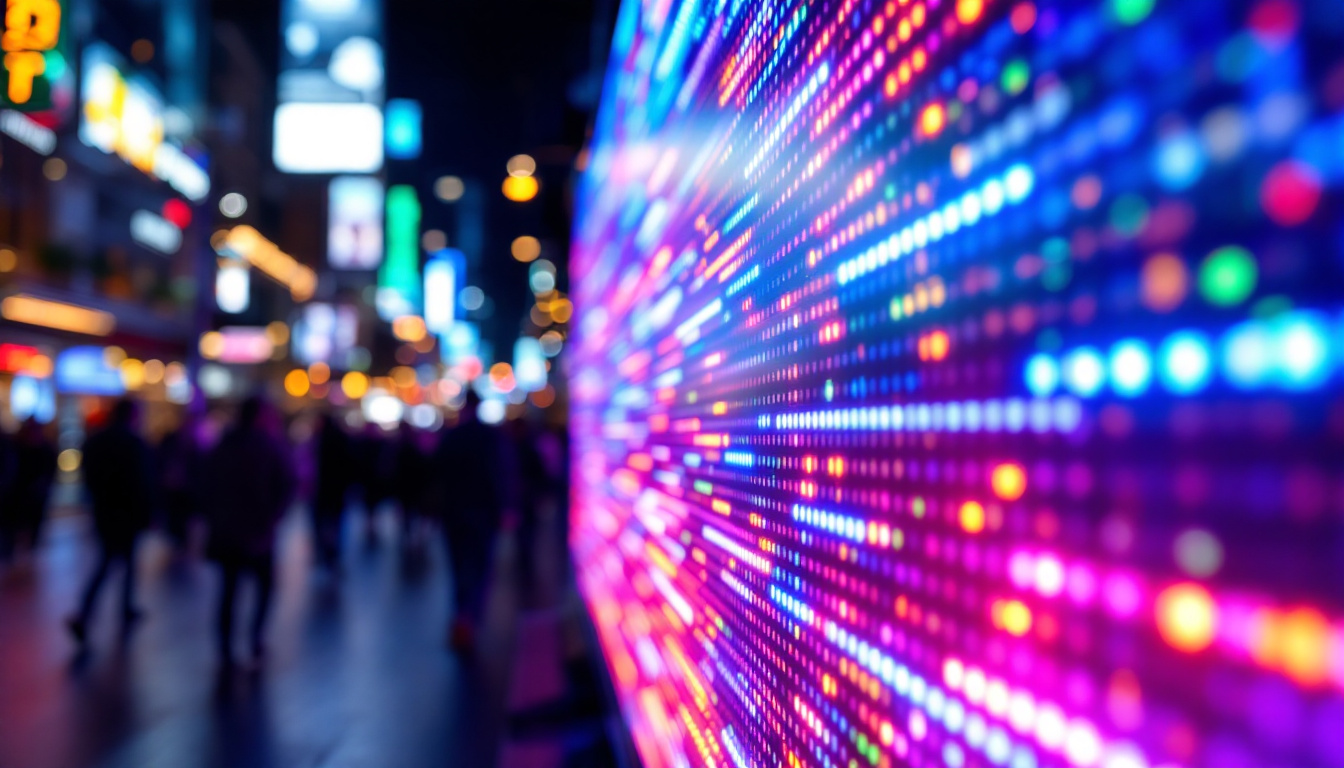
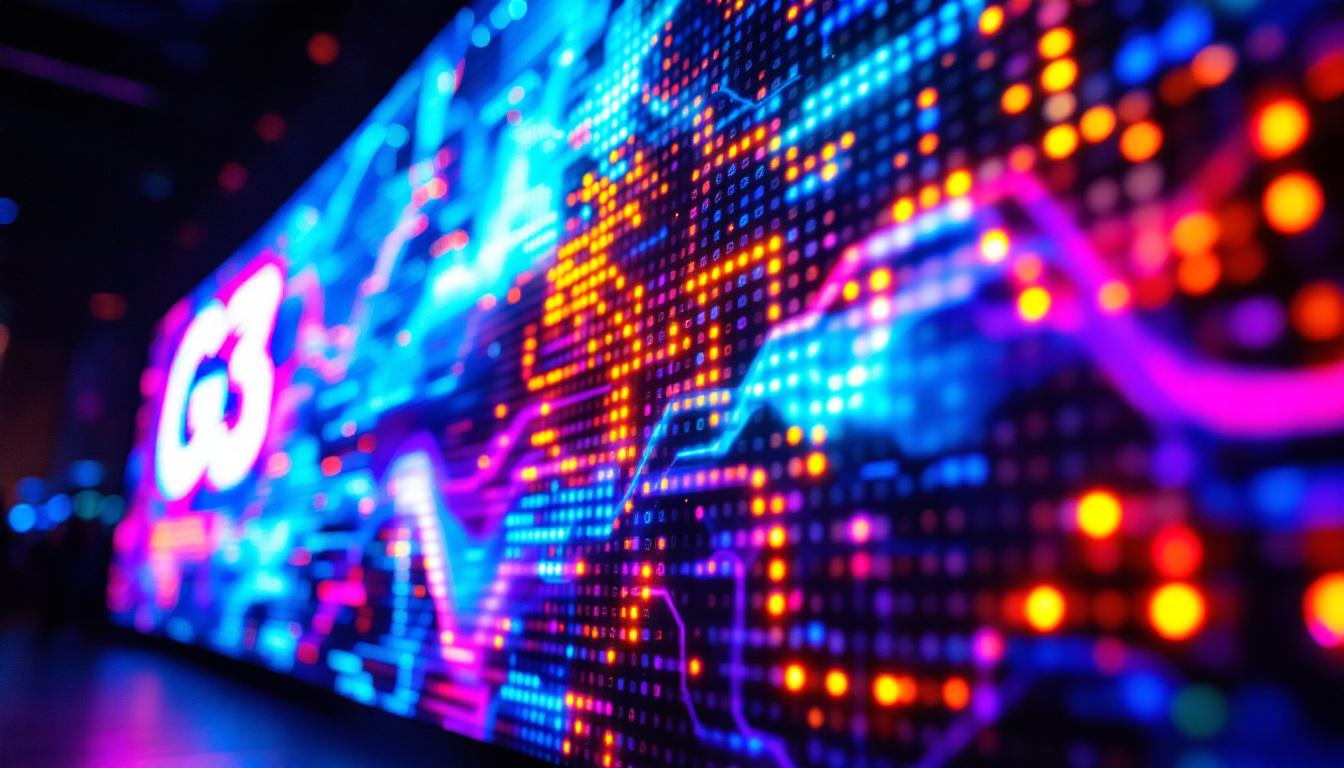
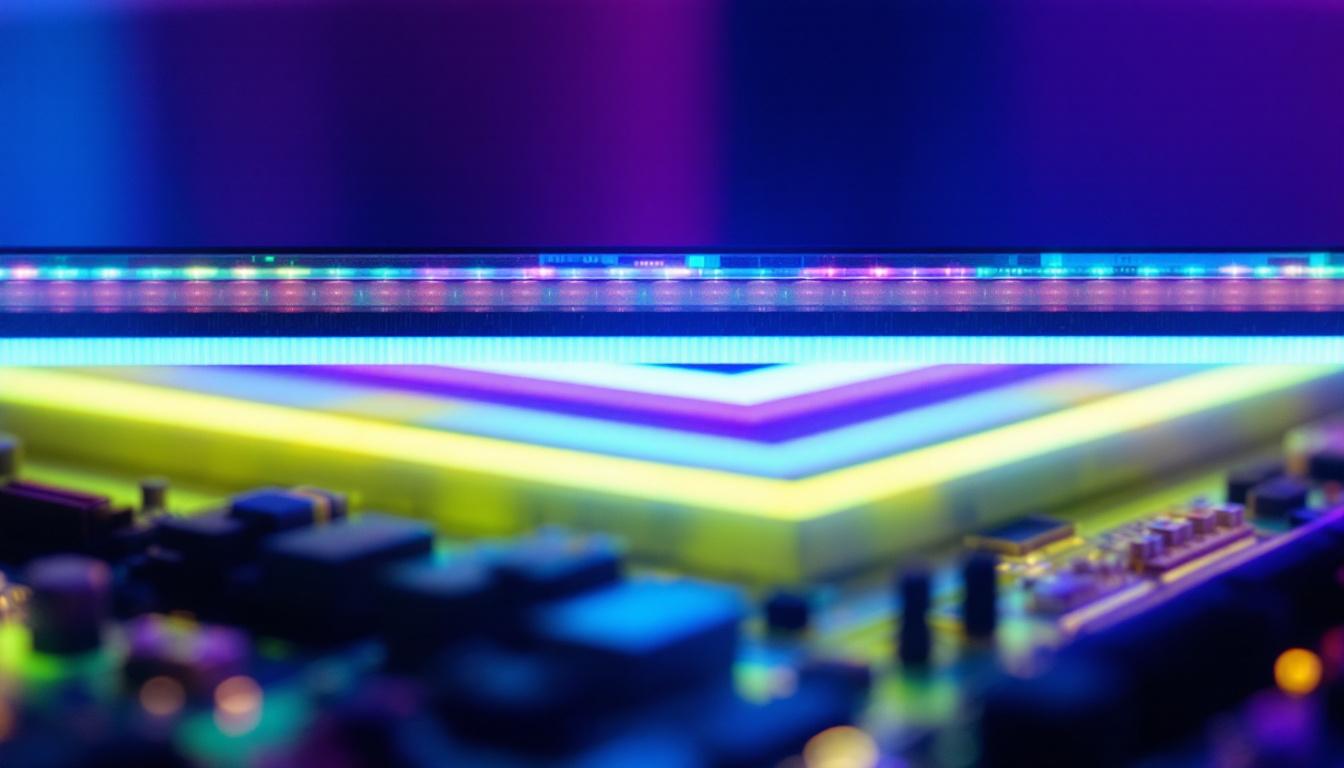
At its core, an LED display consists of numerous tiny light-emitting diodes (LEDs) arranged in a grid to form pixels. These pixels collectively produce images and videos by varying the intensity and color of each diode. Unlike traditional LCD or projection screens, LED displays emit their own light, making them exceptionally bright and visible even in challenging lighting conditions. This self-illuminating property allows for deeper blacks and more vibrant colors, enhancing the overall viewing experience. Additionally, LED displays are known for their energy efficiency, consuming less power compared to older display technologies, which is a significant advantage for both environmental sustainability and cost savings.
The term “TV wall” typically refers to a large-scale video wall composed of multiple LED panels seamlessly tiled together. These panels are modular, allowing for scalable screen sizes and customized aspect ratios. This modularity is one of the key reasons LED video walls have gained traction across industries. From corporate environments where presentations and data visualization are paramount, to entertainment venues that require dynamic displays for concerts and events, the versatility of LED technology is unmatched. Furthermore, advancements in wireless connectivity and control systems have made it easier than ever to manage these expansive setups, enabling real-time content updates and interactive features that engage audiences.
How LEDs Work in Displays
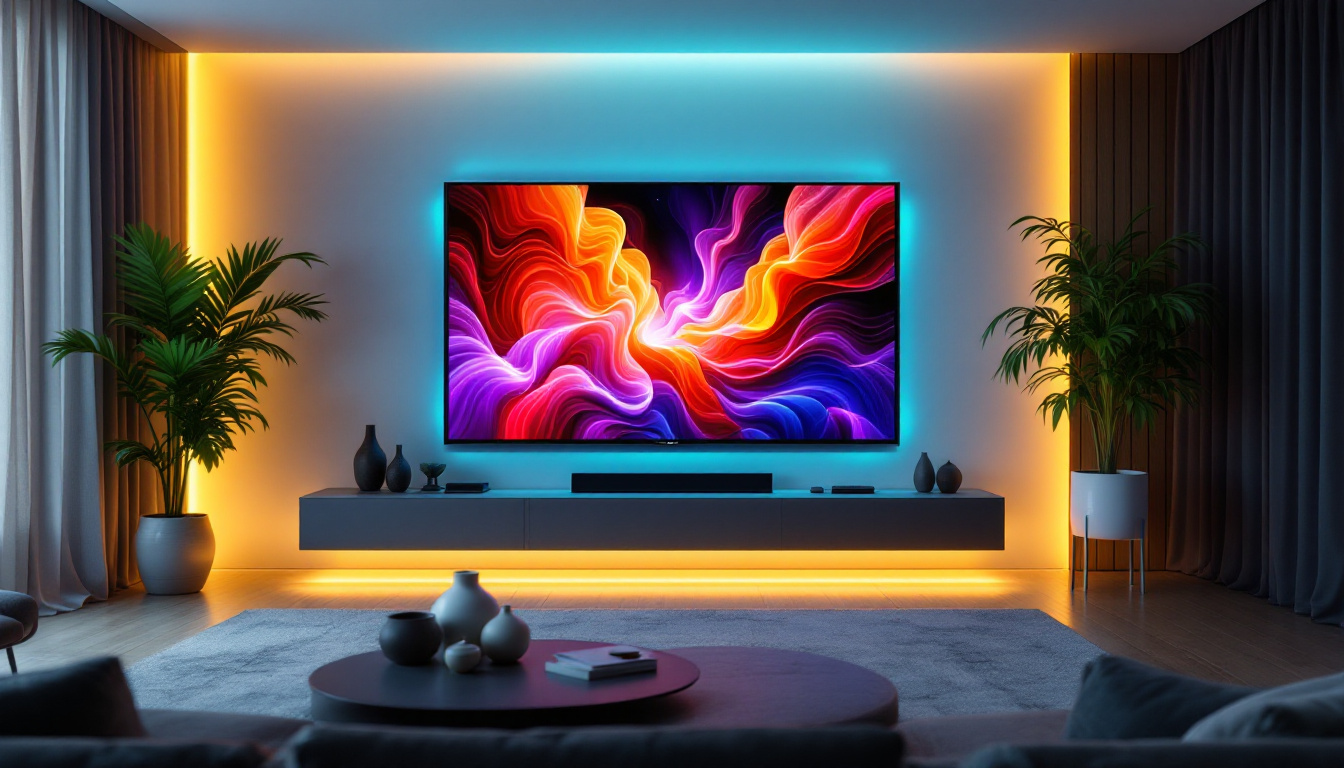
Each pixel in an LED display is made up of three sub-pixels: red, green, and blue. By adjusting the brightness of these sub-pixels, the display can produce a wide spectrum of colors. Modern LED displays use surface-mounted device (SMD) technology, where the LEDs are mounted directly onto the circuit board, enabling higher pixel density and better color accuracy. This technology not only enhances the visual output but also contributes to a thinner and lighter display profile, making installation easier in various settings, from retail spaces to high-end home theaters.
Advancements in LED technology have led to improvements in pixel pitch—the distance between the centers of two adjacent pixels. Smaller pixel pitches mean higher resolution and sharper images, which is particularly important for indoor applications where viewers are closer to the screen. Additionally, innovations like HDR (High Dynamic Range) and wide color gamut capabilities have further elevated the quality of LED displays, allowing for more realistic and immersive visuals. As a result, industries such as gaming, film production, and digital signage are increasingly adopting these displays to create stunning visual experiences that captivate audiences and enhance storytelling.
Advantages of LED TV Walls Over Other Display Technologies
LED video walls offer several benefits that make them preferable to other types of digital displays, such as LCD video walls or projection systems.
Brightness and Visibility
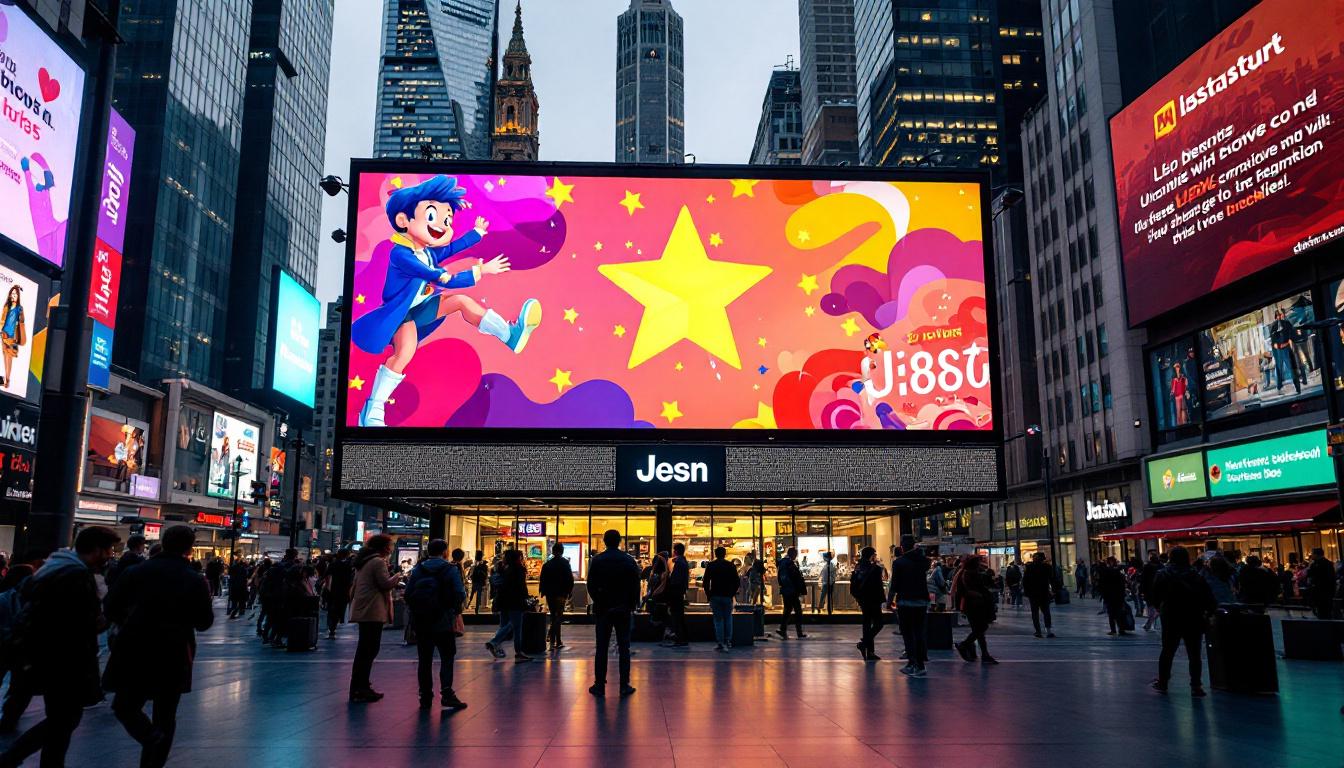
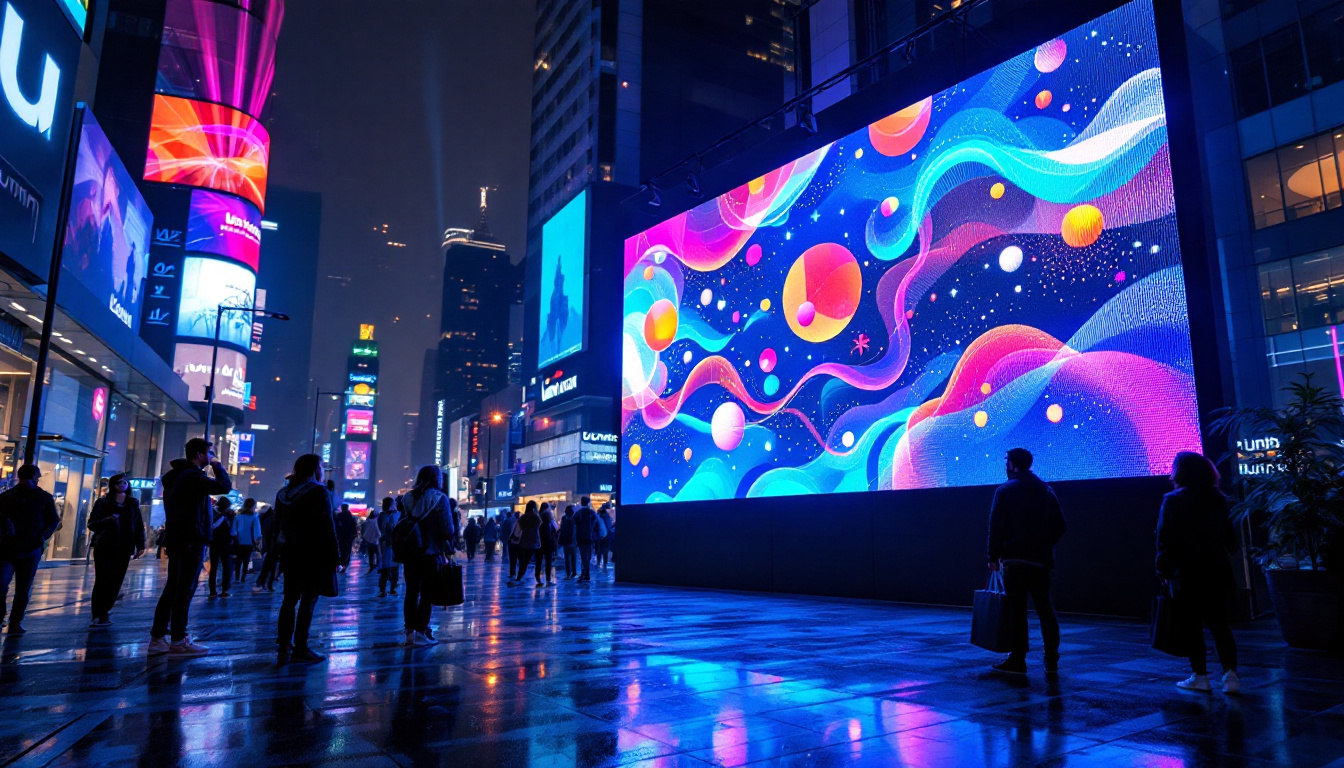
One of the standout features of LED displays is their exceptional brightness. Typical LED walls can reach brightness levels of 1,000 to 5,000 nits or more, far surpassing LCD screens, which usually max out around 500-700 nits. This makes LED walls ideal for environments with high ambient light, such as outdoor advertising billboards or airport terminals. The high brightness not only enhances visibility but also ensures that content remains vibrant and eye-catching, even in direct sunlight. This capability is particularly advantageous for businesses looking to capture the attention of passersby in busy urban settings, where competition for visual attention is fierce.
Seamless Image Quality
Unlike LCD video walls that often have visible bezels between panels, LED walls can be designed with minimal or no bezels, resulting in a virtually seamless image. This uninterrupted display surface enhances viewer immersion and is critical for applications like control rooms or broadcast studios where image continuity is essential. Furthermore, the advanced technology behind LED displays allows for superior color accuracy and contrast ratios, which means that images pop with clarity and depth. This is particularly important in environments where detailed visuals are crucial, such as in medical imaging or high-end gaming setups, where every pixel counts in delivering an engaging experience.
Durability and Longevity
LED panels are known for their robustness and long lifespan, often rated for 50,000 to 100,000 hours of operation. They are less susceptible to issues like burn-in, which can plague OLED and plasma displays. Additionally, LED walls are generally more resistant to temperature fluctuations and physical impacts, making them suitable for both indoor and outdoor use. The durability of LED technology also translates into lower maintenance costs over time, as fewer replacements and repairs are needed compared to more fragile display technologies. This reliability is particularly beneficial for businesses that rely on continuous operation, such as retail stores or event venues, where downtime can lead to lost revenue and diminished customer engagement.
Applications of LED TV Walls
The versatility of LED video walls has led to their adoption across a wide variety of sectors. Their ability to deliver large, bright, and dynamic visuals makes them invaluable in many contexts.
Broadcast and Control Rooms
In broadcast studios and control rooms, LED walls provide operators with real-time data visualization and live feeds in high resolution. The seamless display surface allows for multiple sources to be shown simultaneously without distraction from screen borders. This capability enhances situational awareness and decision-making efficiency.
Retail and Advertising
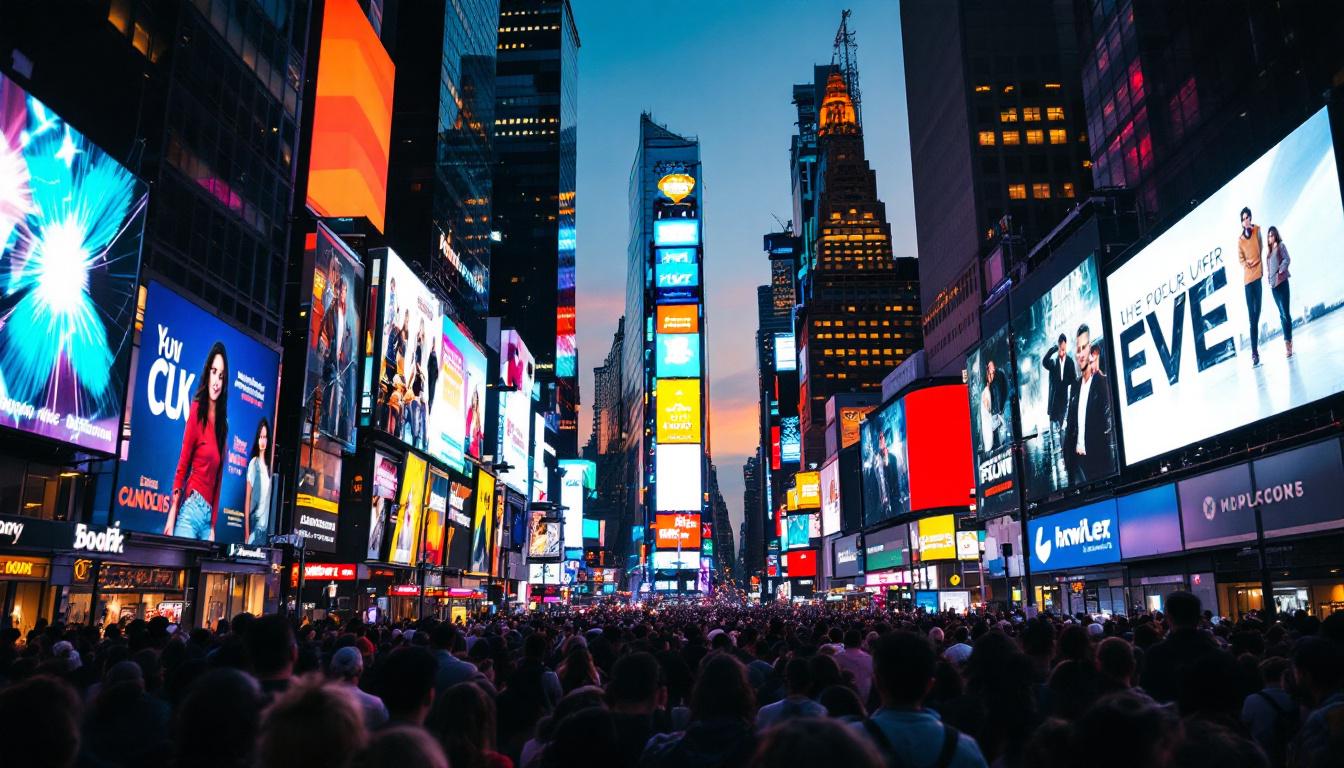
Retailers and advertisers leverage LED walls to capture consumer attention with vibrant, dynamic content. Large-format LED displays installed in shopping malls, storefronts, and urban centers serve as digital billboards, delivering targeted messaging that can be updated instantly. According to a 2023 report by Grand View Research, the global digital signage market is expected to reach $32 billion by 2028, driven largely by LED technology adoption.
Events and Entertainment
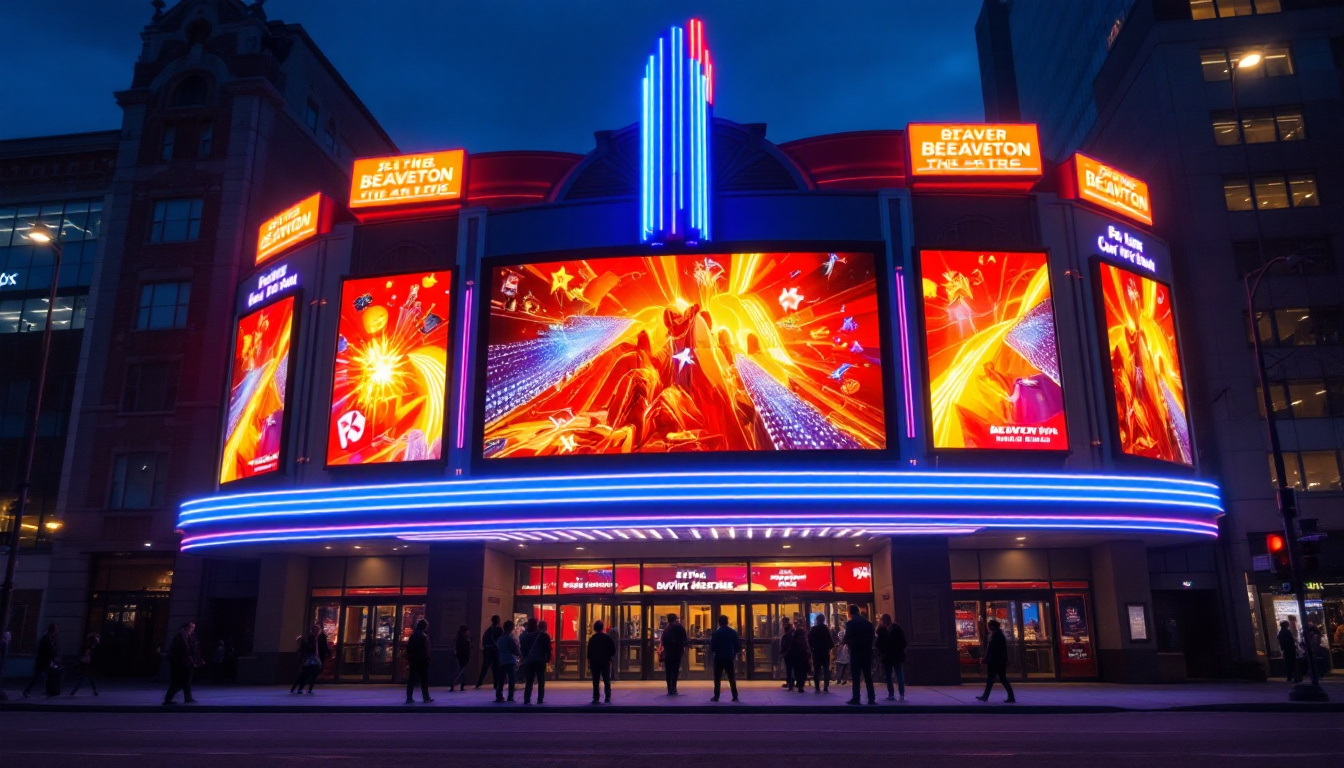
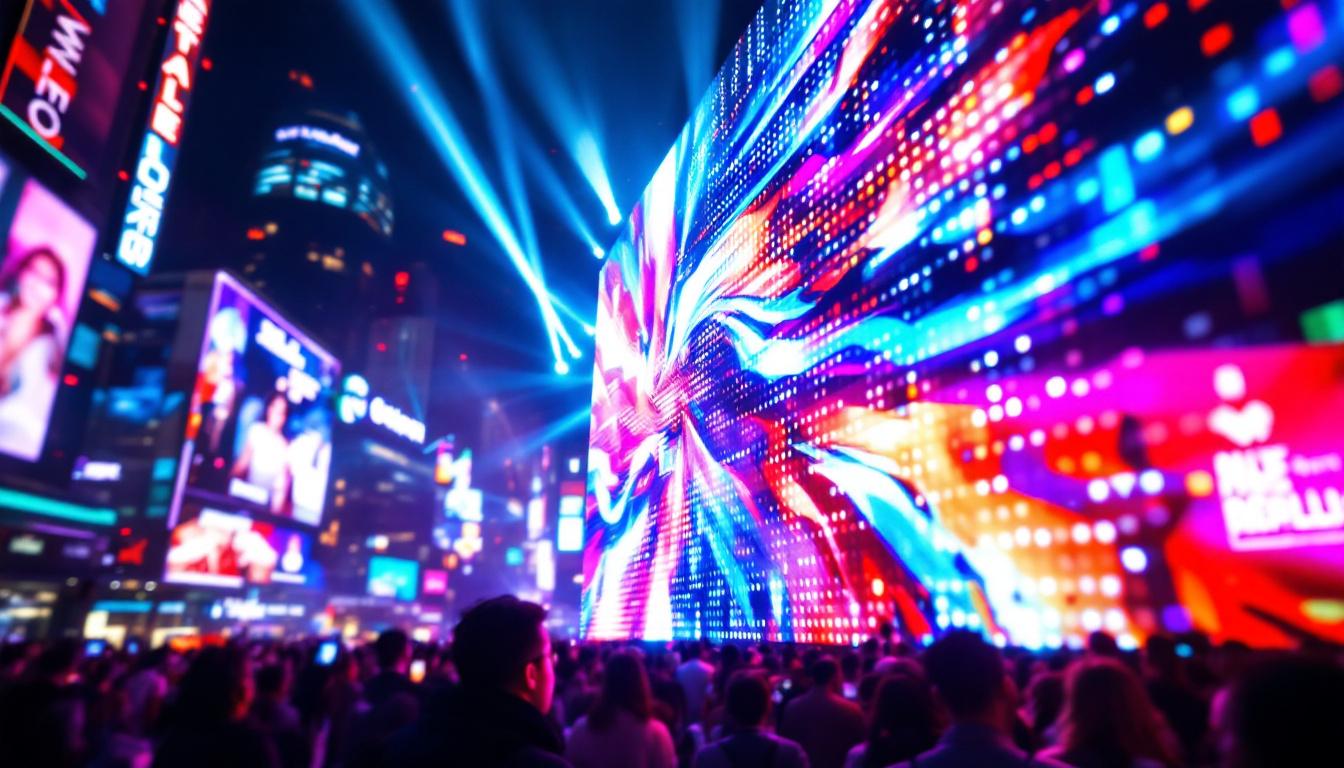
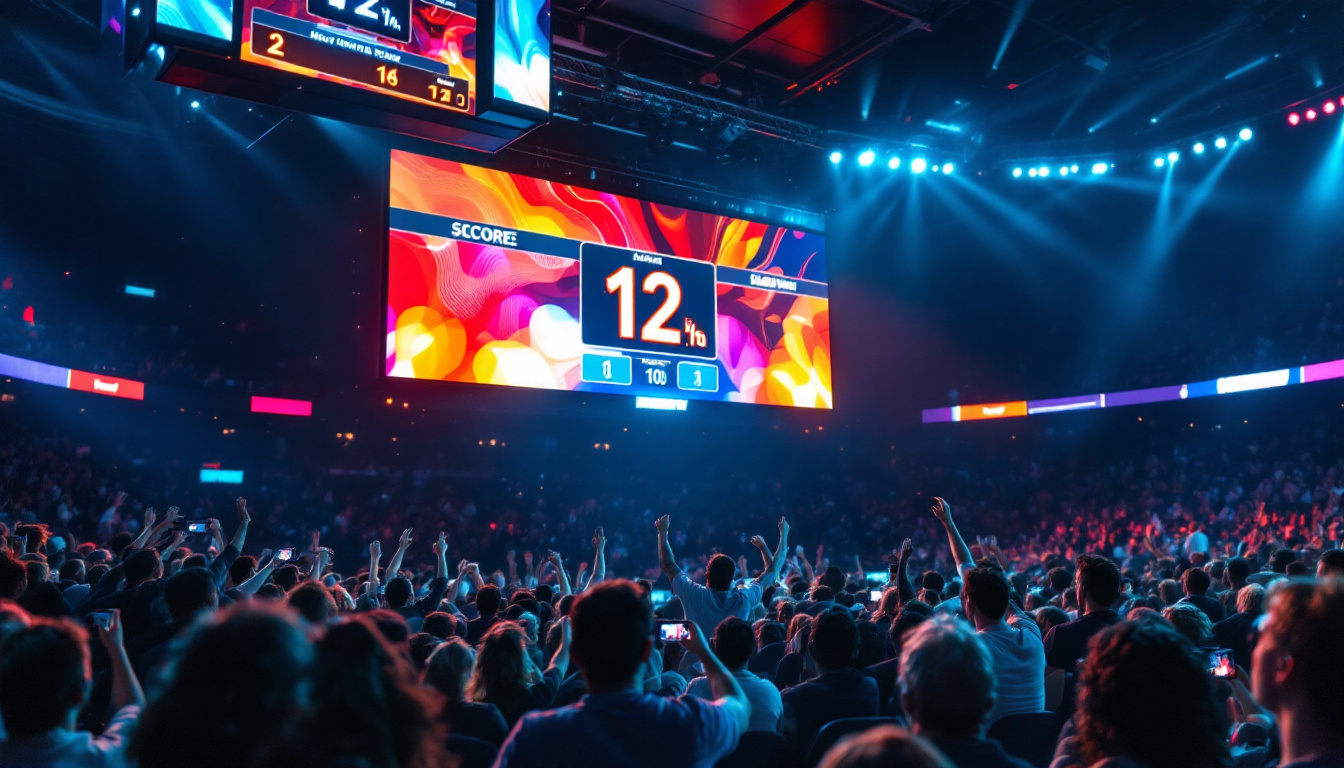
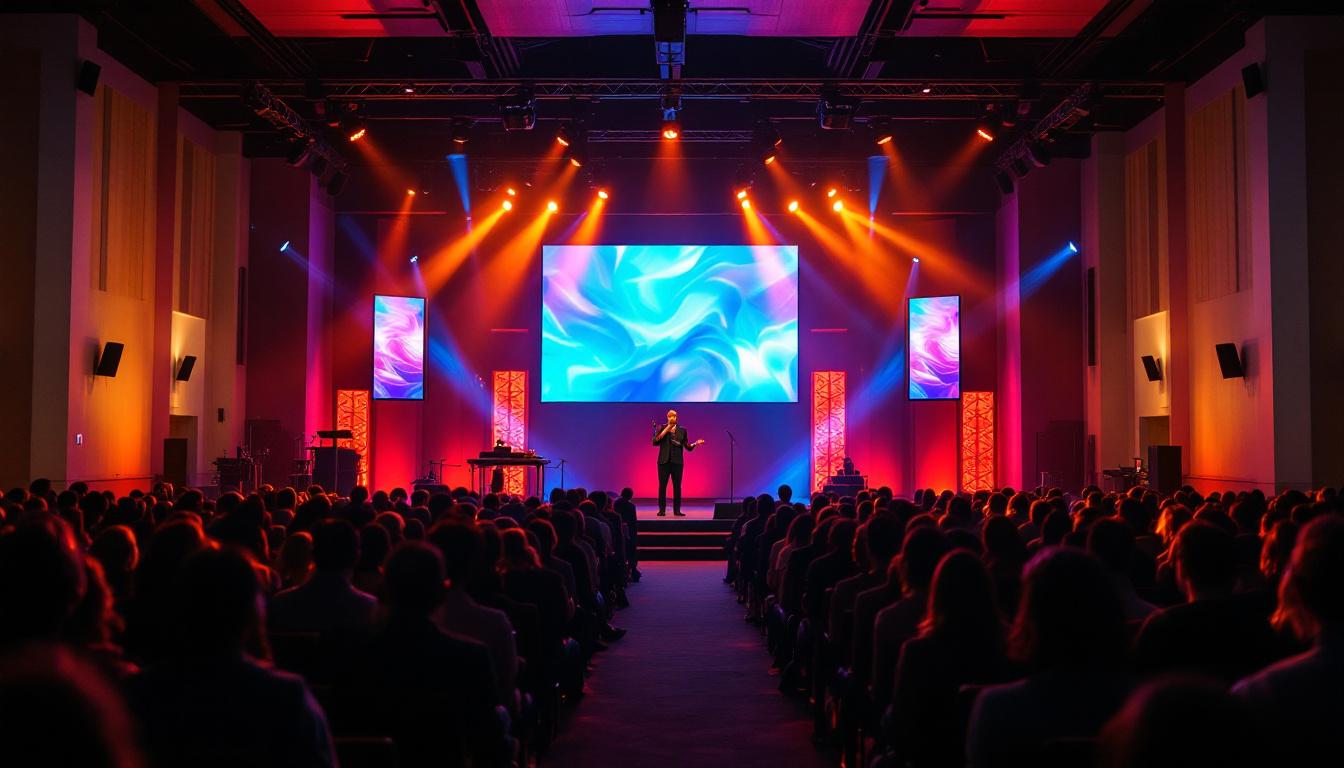
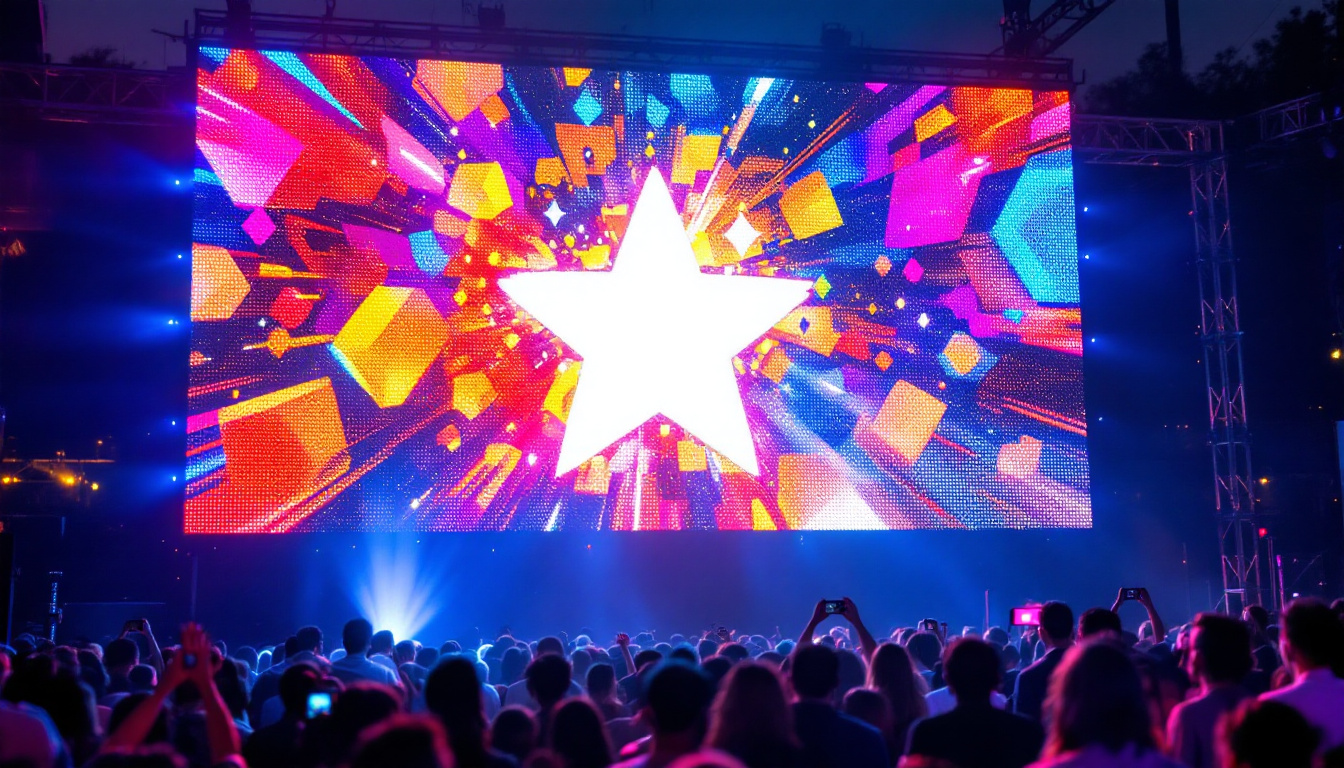
Concerts, sports arenas, and conference venues use LED walls to create immersive experiences for audiences. The flexibility in size and shape allows designers to craft visually stunning backdrops and interactive installations. For example, the 2022 FIFA World Cup utilized massive LED video walls in stadiums to display live action and replays with unmatched clarity.
Corporate and Educational Environments
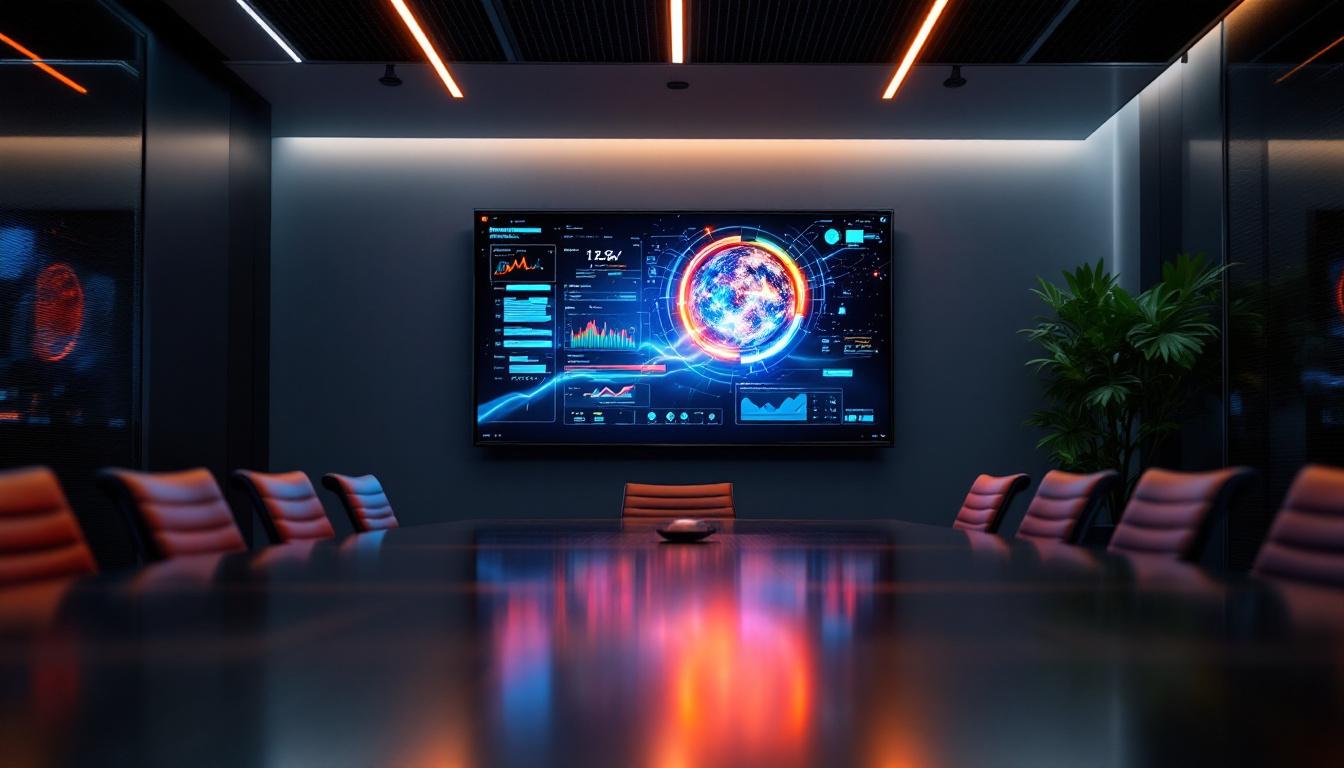
Companies and educational institutions employ LED video walls in boardrooms, lecture halls, and auditoriums to facilitate presentations and collaborative work. The high resolution and brightness ensure that content is clear to all attendees, enhancing engagement and communication.
Key Considerations When Choosing an LED TV Wall
Selecting the right LED video wall involves evaluating several technical and practical factors to ensure optimal performance and return on investment.
Pixel Pitch and Viewing Distance
Pixel pitch is arguably the most critical specification. For indoor environments where viewers are close, a pixel pitch of 1.2mm to 2.5mm is common, offering crisp images and text readability. For outdoor or large venue applications where viewers are farther away, pixel pitches of 4mm to 10mm or more are typical, balancing resolution and cost.
Brightness and Environmental Conditions
Understanding the ambient light conditions is essential. Outdoor LED walls require higher brightness levels (often exceeding 5,000 nits) and weatherproof enclosures rated to IP65 or higher to withstand rain, dust, and temperature extremes. Indoor installations can utilize lower brightness and less ruggedized panels.
Refresh Rate and Color Accuracy
High refresh rates (above 3,000 Hz) are important, especially for broadcast and live event applications, to prevent flickering and ensure smooth motion reproduction on camera. Color calibration capabilities also matter for applications demanding precise color fidelity.
Installation and Maintenance
Modular design simplifies installation and future maintenance. Front-serviceable panels allow technicians to replace modules without dismantling the entire wall, minimizing downtime. Additionally, the weight and mounting requirements must be compatible with the installation site.
Future Trends in LED TV Wall Technology
The LED display industry continues to innovate, pushing the boundaries of what is possible with TV walls.
MicroLED and MiniLED Advances
Emerging technologies like MicroLED and MiniLED promise even higher resolution, improved contrast, and better energy efficiency. MicroLED, in particular, offers self-emissive pixels with superior brightness and color performance, potentially rivaling OLED displays without the risk of burn-in.
Flexible and Transparent LED Displays
Flexible LED panels enable curved or irregularly shaped video walls, opening new creative possibilities for architects and designers. Transparent LED displays are also gaining traction, allowing for see-through digital signage on glass surfaces, blending digital content with physical environments.
Integration with AI and IoT
Smart LED walls integrated with artificial intelligence and Internet of Things (IoT) technologies can dynamically adapt content based on audience demographics, environmental conditions, or real-time data feeds. This level of interactivity enhances user engagement and operational efficiency.
Conclusion
LED TV walls represent a powerful and versatile display solution that continues to redefine visual communication across industries. Their superior brightness, scalability, and durability make them an excellent choice for applications ranging from retail advertising to mission-critical control rooms. As technology advances, the capabilities of LED video walls will only expand, offering richer, more immersive experiences for viewers worldwide.
For organizations considering an LED TV wall, understanding the underlying technology and key selection criteria is essential to maximize the benefits and ensure a successful installation. With the right approach, LED video walls can become a centerpiece of any visual strategy, delivering stunning imagery that captivates and informs audiences.
Discover LumenMatrix LED Display Solutions
Ready to elevate your visual communication with the latest in LED technology? Explore LumenMatrix’s comprehensive range of LED display solutions, from vibrant Indoor and Outdoor LED Wall Displays to innovative Custom and All-in-One LED Displays. Whether you’re looking to enhance your retail space, captivate an audience at an event, or integrate cutting-edge displays into your project, LumenMatrix has the expertise and technology to bring your vision to life. Check out LumenMatrix LED Display Solutions today and see how we can help you create unforgettable visual experiences.