In the rapidly evolving world of display technology, LED displays have become a cornerstone for everything from advertising billboards to stadium screens and indoor digital signage. Among the various types of LED displays, the Type S LED stands out for its unique features and applications. This article delves into what Type S LED displays are, how they work, and why they are becoming increasingly popular in both commercial and industrial settings.
Understanding LED Display Technology
LED, or Light Emitting Diode, technology has revolutionized the way images and videos are displayed. Unlike traditional LCD or plasma screens, LED displays use an array of tiny light-emitting diodes to produce bright, vibrant images with excellent contrast and color accuracy. This technology not only enhances the visual experience but also offers energy efficiency, making it a preferred choice for various applications.
There are several types of LED displays, including direct view LED, OLED, and micro-LED. Each has its own advantages and use cases. The Type S LED is a specific category within direct view LED displays, designed to meet particular performance and durability criteria. These displays are often employed in high-traffic areas such as shopping malls, stadiums, and concert venues, where visibility and reliability are paramount.
What Makes Type S LED Different?
Type S LED displays are characterized by their superior build quality and enhanced performance metrics. The “S” typically stands for “Standard” or “Superior,” depending on the manufacturer, but universally, these displays are known for their reliability and consistent output in demanding environments. They are engineered to withstand harsh weather conditions, making them suitable for both indoor and outdoor installations.
One of the key differentiators of Type S LED panels is their pixel pitch and brightness levels. Pixel pitch refers to the distance between the centers of two adjacent pixels, which directly impacts the display’s resolution and viewing distance. Type S LEDs usually have a pixel pitch optimized for medium to long viewing distances, making them ideal for outdoor advertising and large venue screens. Additionally, these displays often feature advanced heat management systems that ensure optimal performance even under intense operational demands, further enhancing their longevity and effectiveness.
Moreover, Type S LED displays are often equipped with advanced calibration technologies that allow for precise color adjustments and uniform brightness across the screen. This capability is particularly important in environments where multiple displays are used in tandem, as it ensures a cohesive visual experience. The integration of smart technology also enables remote monitoring and control, allowing operators to adjust settings in real-time and troubleshoot any issues swiftly, thereby minimizing downtime and maximizing the impact of the displayed content.
Technical Specifications and Performance
When evaluating Type S LED displays, several technical specifications are crucial to understanding their capabilities and suitability for different applications.
Pixel Pitch and Resolution
Type S LED displays often feature pixel pitches ranging from 4mm to 10mm. This range strikes a balance between image clarity and cost-effectiveness, making these displays versatile for various environments. For example, a 4mm pixel pitch is suitable for closer viewing distances such as indoor arenas or retail spaces, while 10mm is better suited for outdoor billboards where viewers are farther away.
The resolution of a Type S LED display depends on the total number of pixels in the panel. Higher resolution panels offer sharper images but require more processing power and can be more expensive. In applications where detailed visuals are paramount, such as in museums or high-end retail environments, opting for a display with a lower pixel pitch can significantly enhance the viewer’s experience. Furthermore, advancements in pixel technology have led to the development of finer pitches, pushing the boundaries of resolution even further, making it possible to achieve stunning visual effects that captivate audiences.
Brightness and Contrast
Brightness is a critical factor, especially for outdoor LED displays exposed to direct sunlight. Type S LED displays typically offer brightness levels between 5,000 and 8,000 nits, ensuring clear visibility even in bright daylight. This high brightness capability is essential for outdoor advertising, where image clarity can be compromised by ambient light. Moreover, some models can even exceed these levels, making them suitable for extremely sunny locations or events where high visibility is crucial.
Contrast ratio also plays a vital role in image quality. Type S LEDs deliver high contrast ratios, which contribute to deeper blacks and more vivid colors, enhancing the overall visual experience. This feature is particularly beneficial in dynamic content scenarios, such as live sports broadcasts or concerts, where quick changes in lighting conditions can affect visibility. The ability to maintain color accuracy and vibrancy under varying conditions ensures that the display remains effective in conveying the intended message, regardless of the environment.
Durability and Weather Resistance
One of the reasons Type S LED displays are favored for outdoor use is their robust construction. These panels are designed to withstand harsh weather conditions, including rain, wind, dust, and extreme temperatures. Many Type S LED modules come with an IP65 or higher rating, indicating strong protection against water and dust ingress. This level of durability not only extends the lifespan of the displays but also minimizes downtime, which is crucial for businesses relying on continuous advertising or information dissemination.
Additionally, these displays often incorporate advanced heat dissipation technologies to maintain optimal operating temperatures, which prolongs their lifespan and reduces maintenance costs. Some models are equipped with built-in sensors that monitor environmental conditions and adjust performance accordingly, ensuring that the display operates efficiently even in fluctuating temperatures. This proactive approach to environmental adaptability not only enhances reliability but also contributes to energy efficiency, making Type S LED displays a sustainable choice for long-term use in various settings.
Applications of Type S LED Displays
The versatility of Type S LED displays makes them suitable for a wide range of applications across different industries.
Outdoor Advertising and Billboards
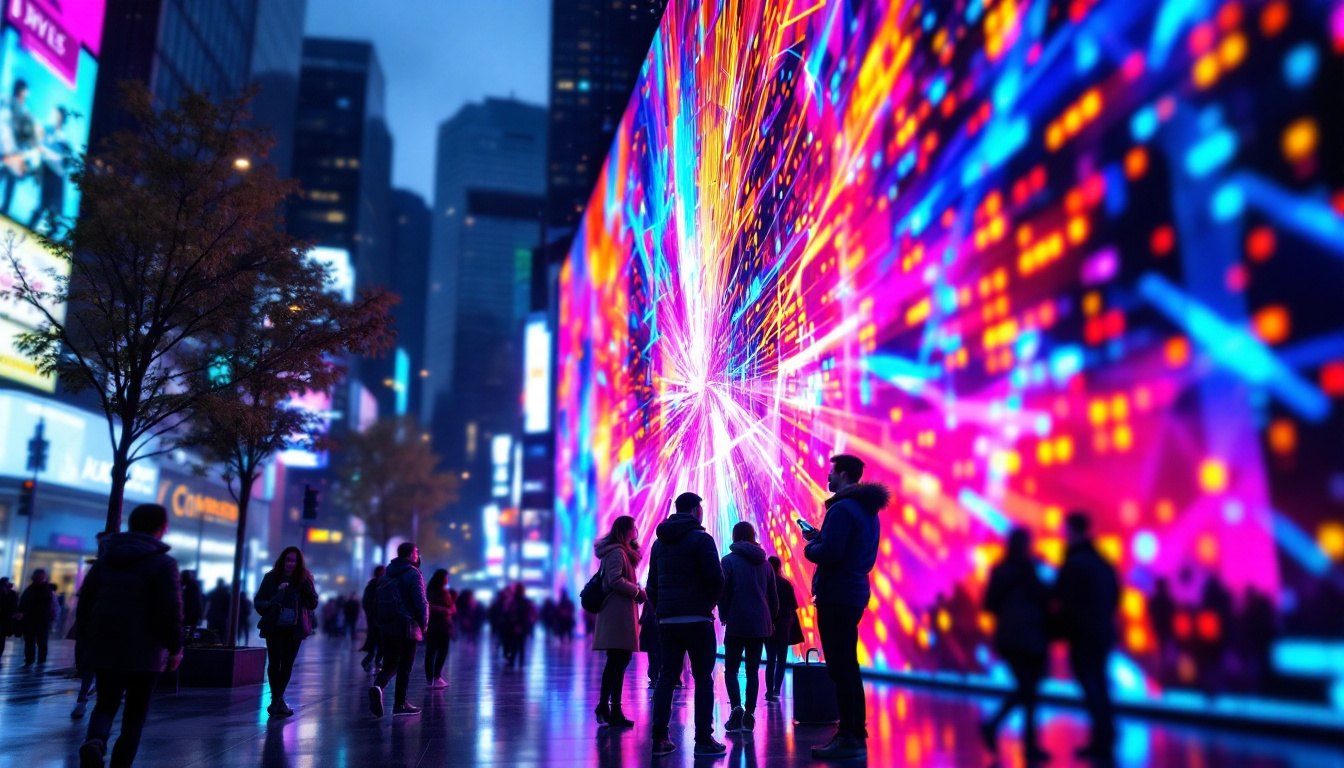
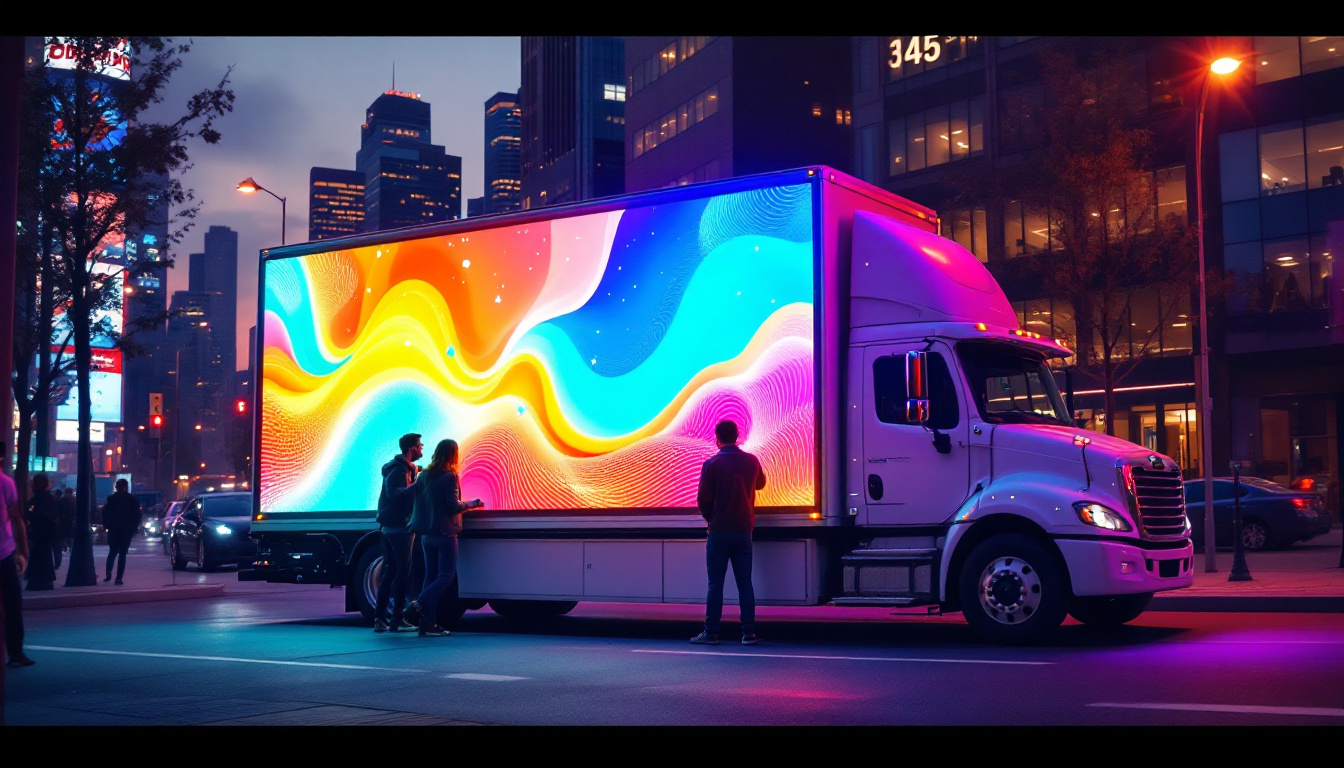
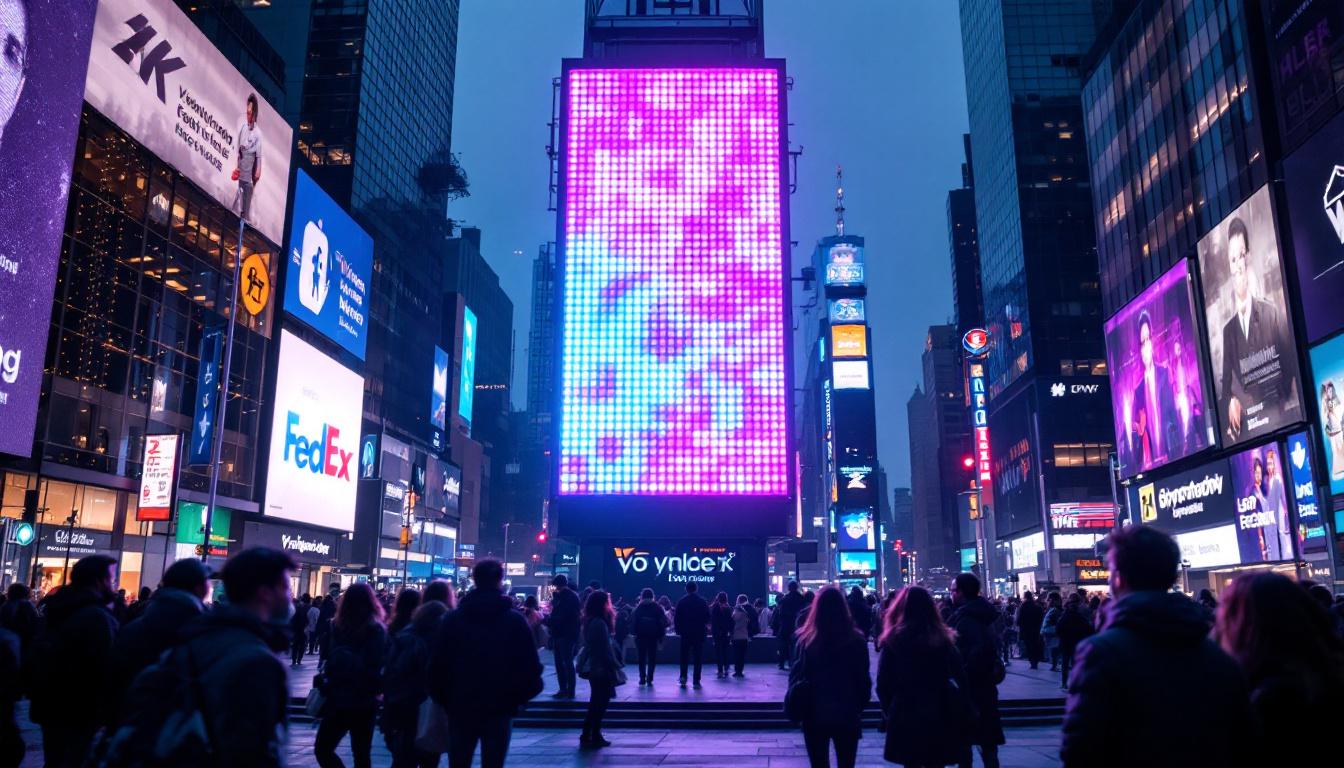
Outdoor advertising is one of the primary markets for Type S LED displays. Their high brightness and weather-resistant features make them perfect for digital billboards, roadside advertising, and public information displays. Advertisers benefit from the ability to update content remotely and instantly, allowing for dynamic campaigns that can respond to real-time events or promotions.
For example, major cities worldwide have adopted Type S LED billboards to replace traditional static signs, enabling more engaging and interactive advertising experiences.
Sports Arenas and Event Venues
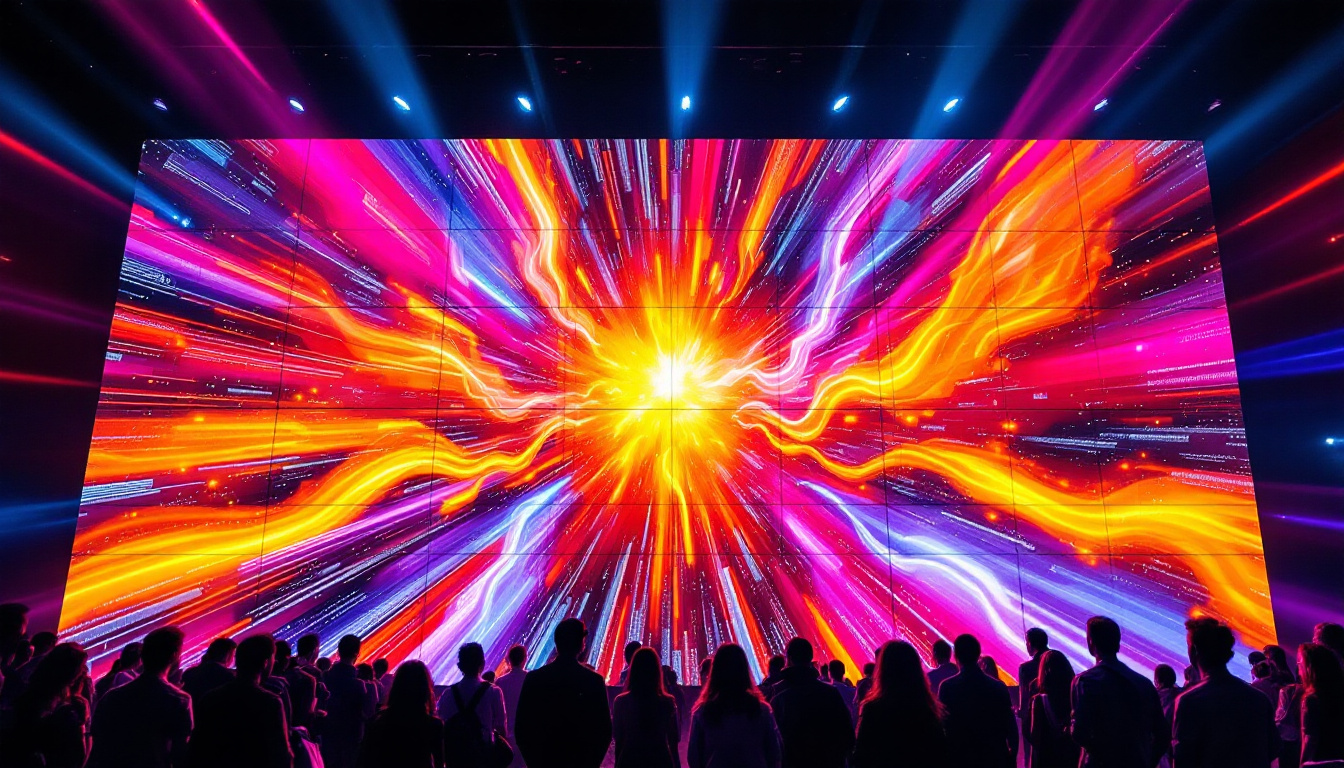
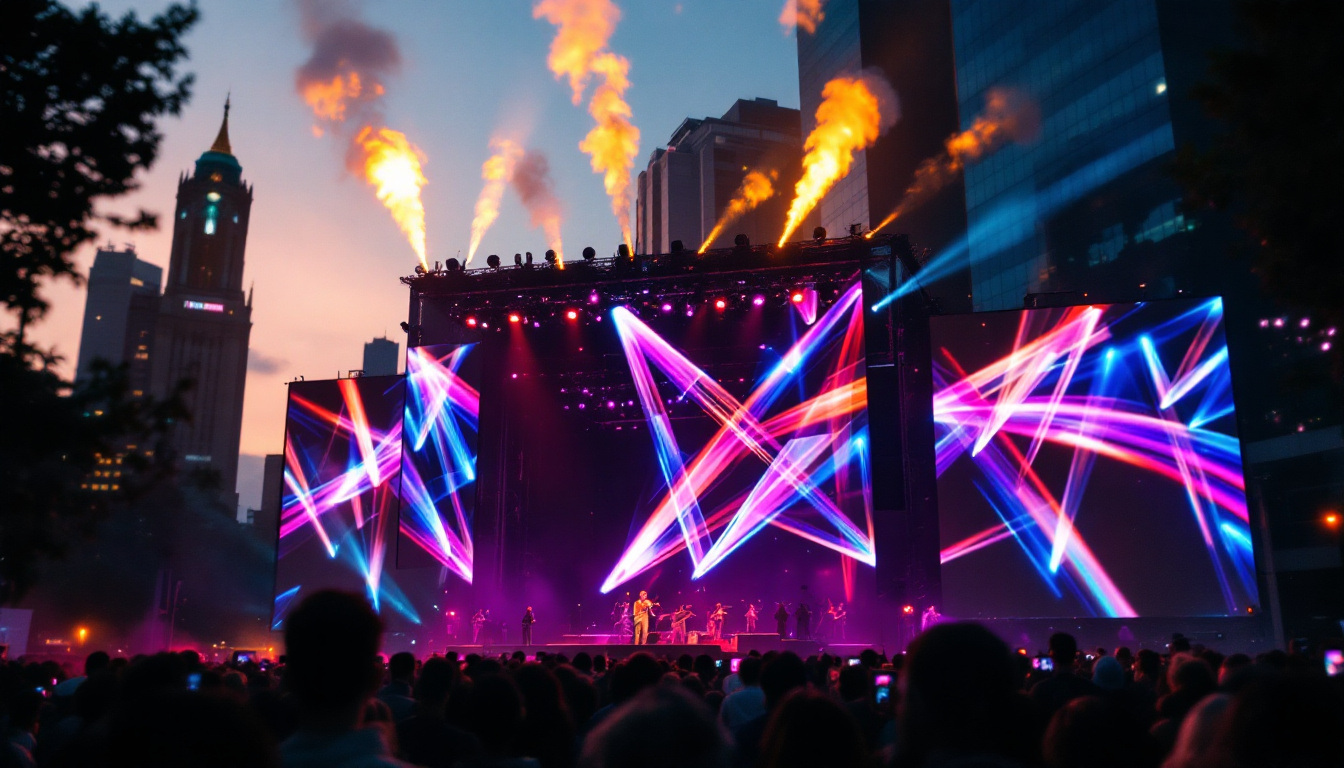
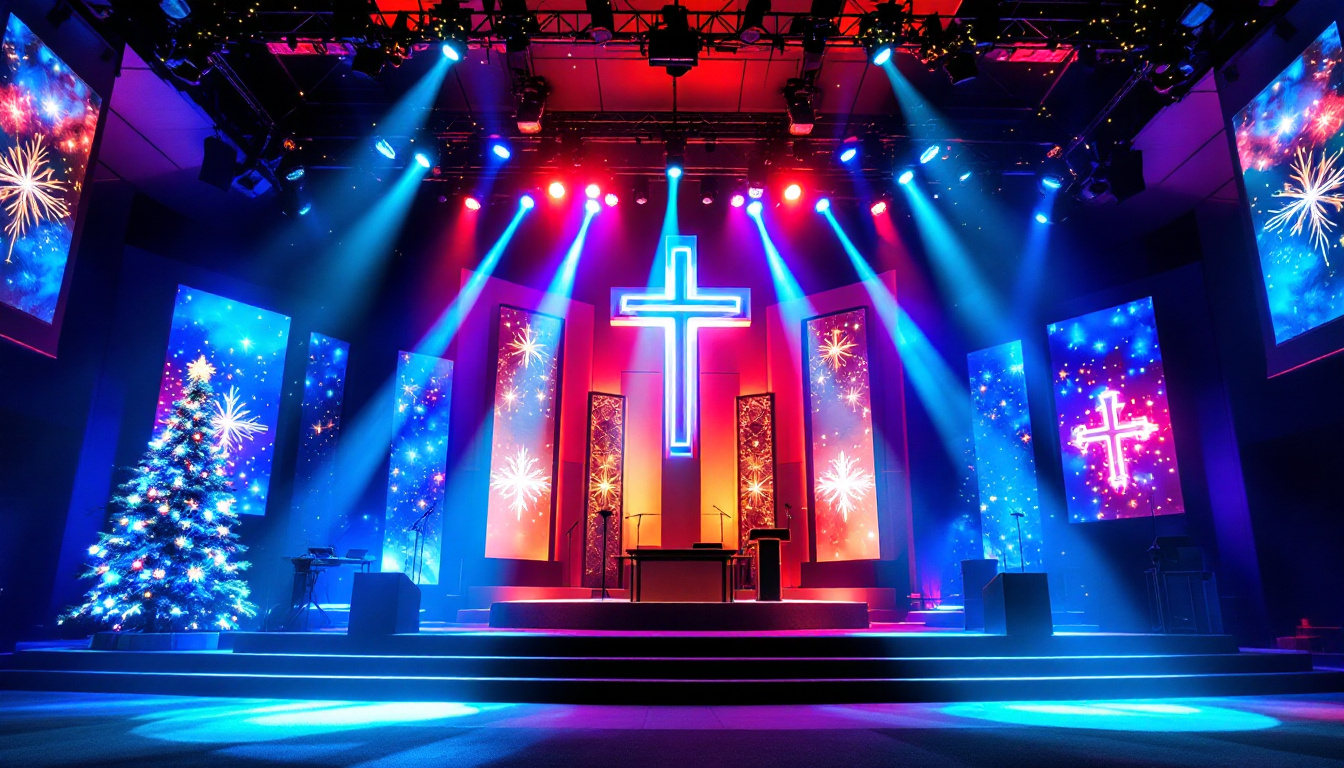
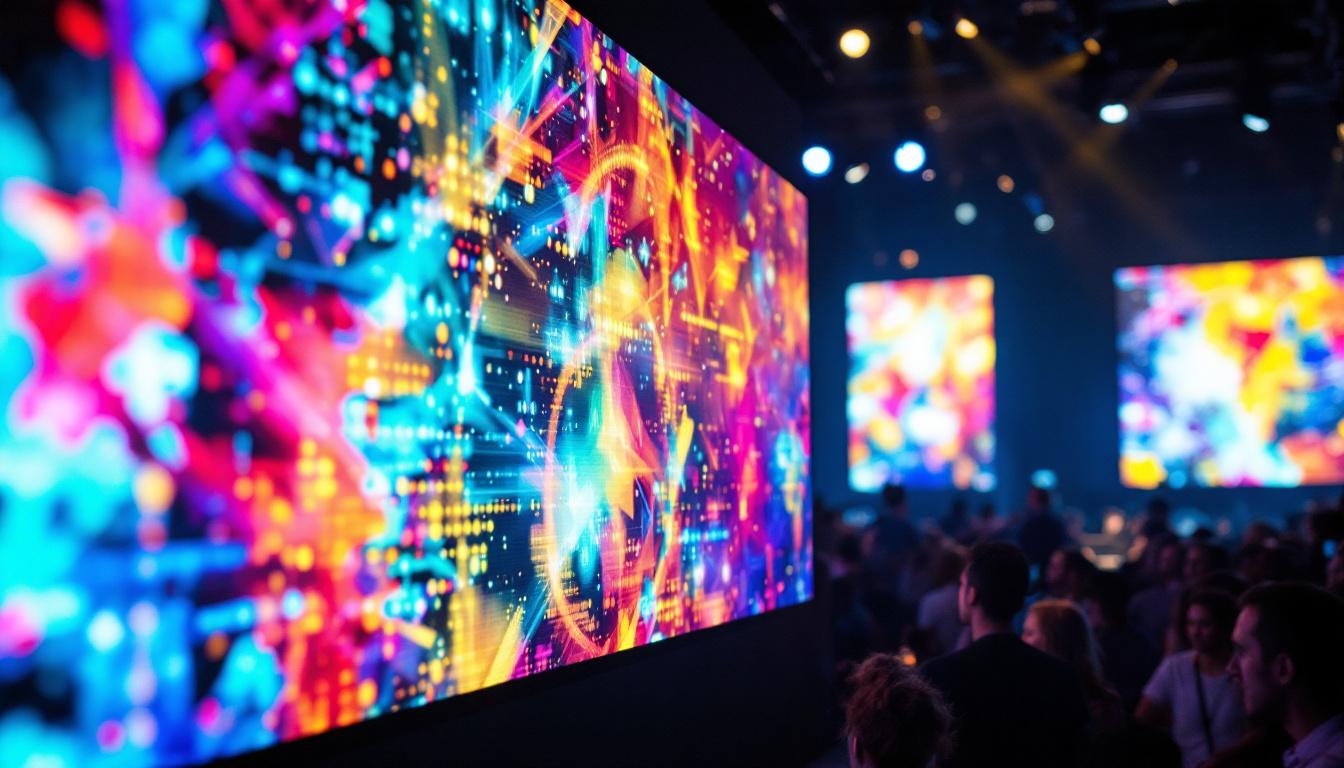
Type S LED displays are widely used in sports arenas and event venues due to their large size and excellent visibility. These displays can showcase live game footage, replays, advertisements, and interactive content, enhancing the spectator experience.
Because of their durability, these screens can handle the rigors of outdoor stadium environments, including exposure to weather and high-impact events.
Retail and Commercial Spaces
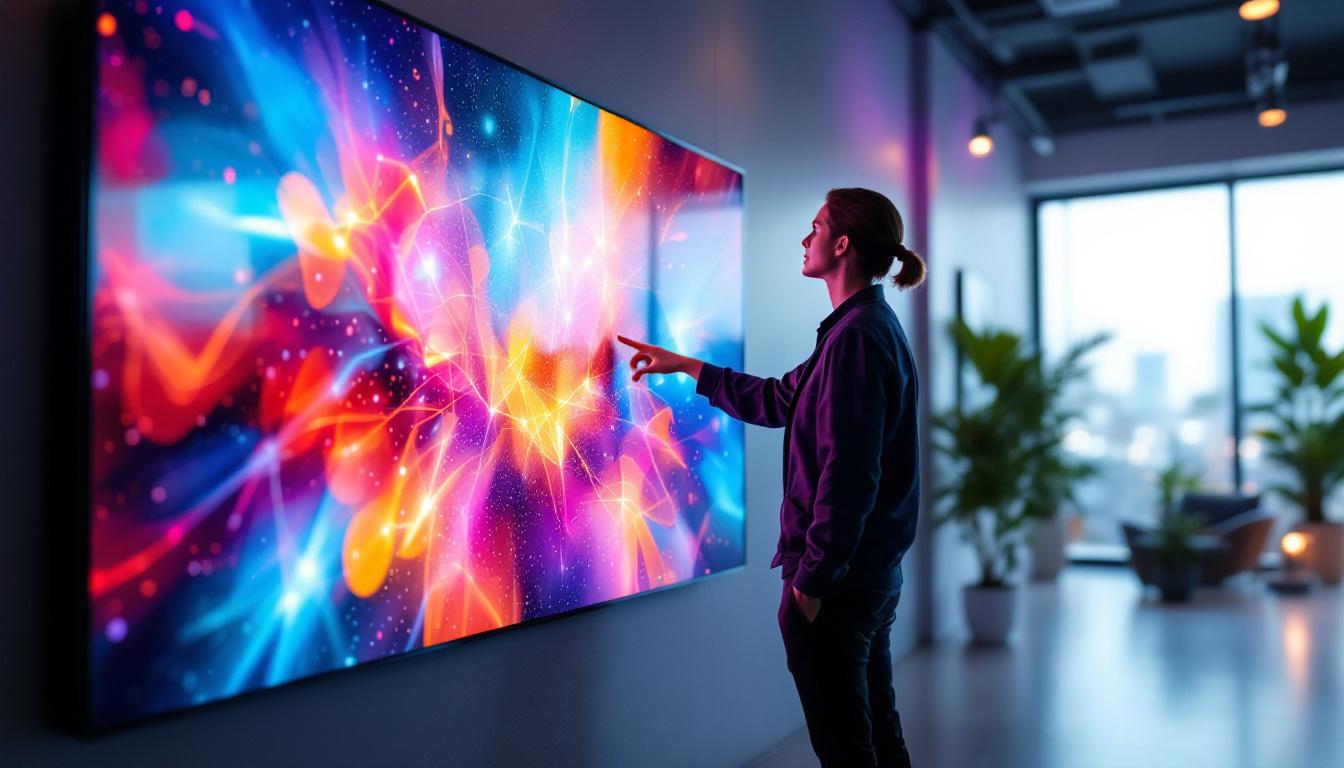
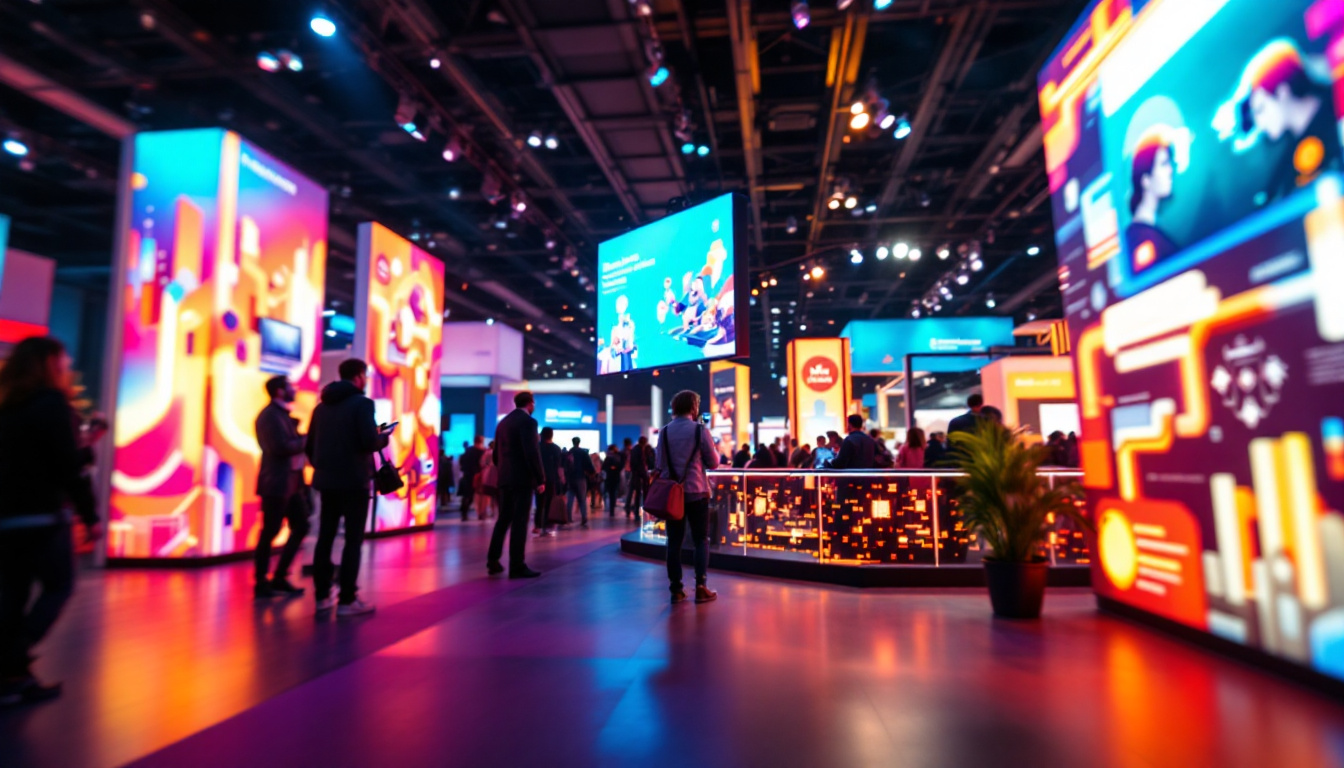
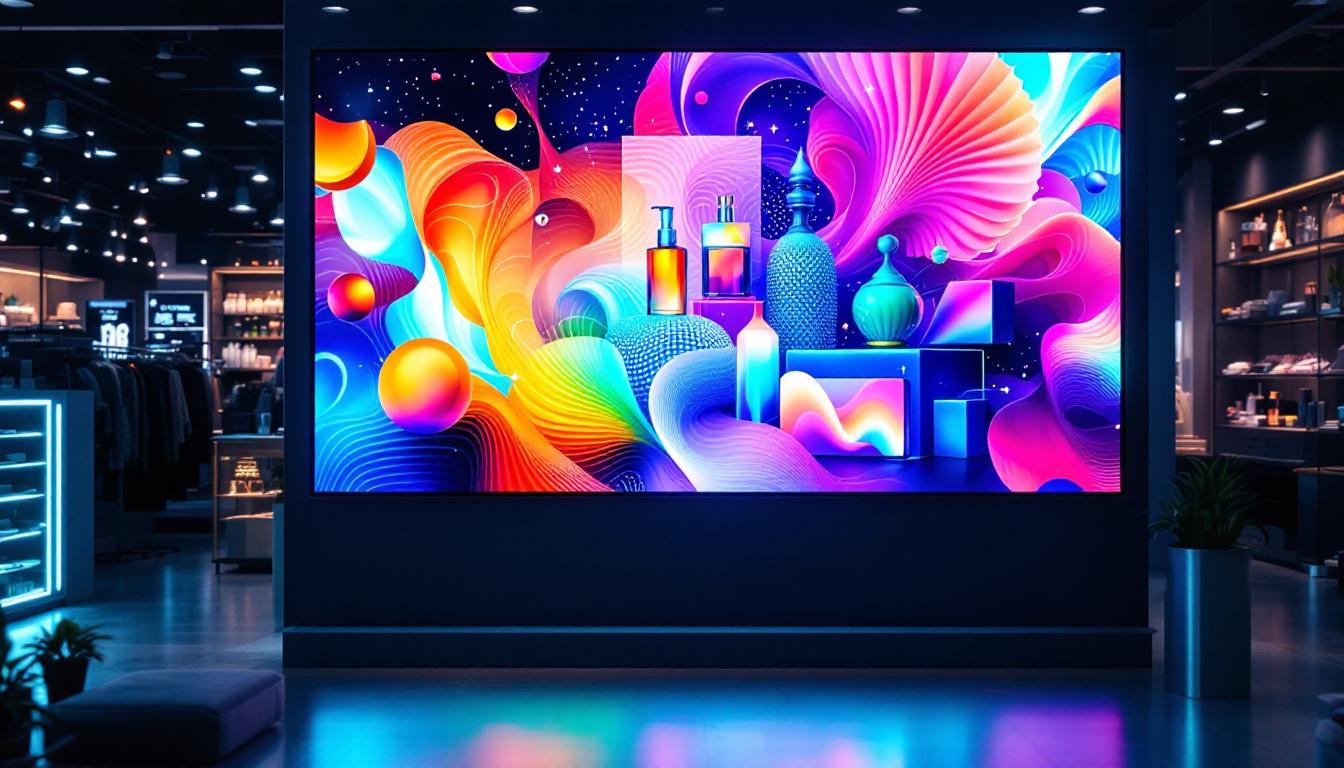
In retail, Type S LED displays serve as eye-catching digital signage that attracts customers and promotes products. Their high resolution and brightness make them suitable for indoor and semi-outdoor environments such as shopping malls and storefronts.
Retailers leverage these displays to deliver targeted marketing messages, seasonal promotions, and interactive content that drives engagement and sales.
Installation and Maintenance Considerations
Proper installation and ongoing maintenance are critical to maximizing the performance and lifespan of Type S LED displays.
Installation Best Practices
Installing a Type S LED display requires careful planning to ensure optimal viewing angles, structural support, and electrical safety. The panels must be securely mounted on stable frameworks that can withstand environmental stresses.
Electrical wiring and data connections should be performed by certified professionals to prevent faults and ensure consistent signal transmission. Additionally, considerations such as ventilation and accessibility for maintenance should be incorporated into the installation design.
Maintenance and Troubleshooting
Regular maintenance helps prevent common issues such as dead pixels, color inconsistencies, and brightness degradation. Maintenance routines typically include cleaning the display surface, checking electrical connections, and updating firmware or control software.
Many Type S LED systems come equipped with diagnostic tools that allow technicians to monitor performance remotely and identify potential problems before they impact display quality.
Future Trends in Type S LED Technology
The LED display industry is continuously advancing, and Type S LED technology is no exception. Several emerging trends are set to enhance the capabilities and applications of these displays.
Higher Resolution and Smaller Pixel Pitch
As manufacturing techniques improve, Type S LED displays are expected to feature smaller pixel pitches, enabling higher resolution and more detailed images. This development will expand their use in environments requiring close viewing distances, such as corporate lobbies and control rooms.
Energy Efficiency Improvements
Energy consumption is a significant consideration for large LED installations. Advances in LED chip technology and power management systems are making Type S LED displays more energy-efficient, reducing operational costs and environmental impact.
Integration with Smart Technologies
Integration with IoT (Internet of Things) and AI-driven content management systems is another promising trend. These technologies will allow Type S LED displays to deliver personalized, context-aware content, improving user engagement and advertising effectiveness.
Conclusion
Type S LED displays represent a powerful and versatile solution in the world of digital signage and large-format displays. Their combination of high brightness, durability, and flexible pixel pitch makes them suitable for a wide range of applications, from outdoor advertising to sports venues and retail environments.
Understanding the technical specifications, installation requirements, and maintenance needs of Type S LED displays is essential for businesses and organizations looking to invest in this technology. As advancements continue, Type S LED displays will likely become even more integral to how information and advertising are communicated in public and commercial spaces.
Discover LumenMatrix’s Advanced LED Display Solutions
Ready to elevate your visual displays with unparalleled brightness, durability, and resolution? LumenMatrix is at the forefront of LED display innovation, offering a diverse range of solutions tailored to meet your specific needs. From captivating Indoor LED Walls to dynamic Outdoor LED Displays, and specialized options like Vehicle LED Displays and LED Sports Displays, our technology is designed to make your brand stand out. Experience the future of visual communication with LumenMatrix and transform your space into a mesmerizing visual journey. Check out LumenMatrix LED Display Solutions and see how our cutting-edge products can enhance your messaging and audience engagement.