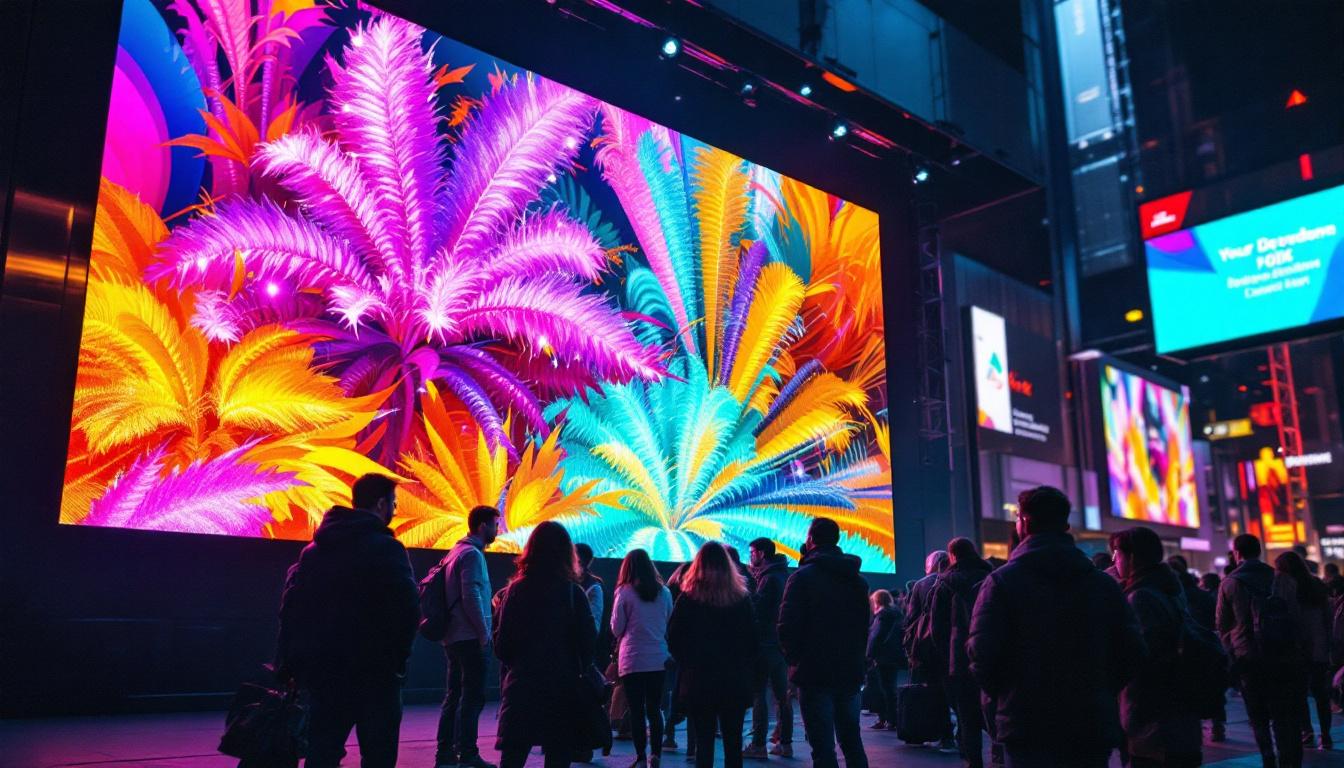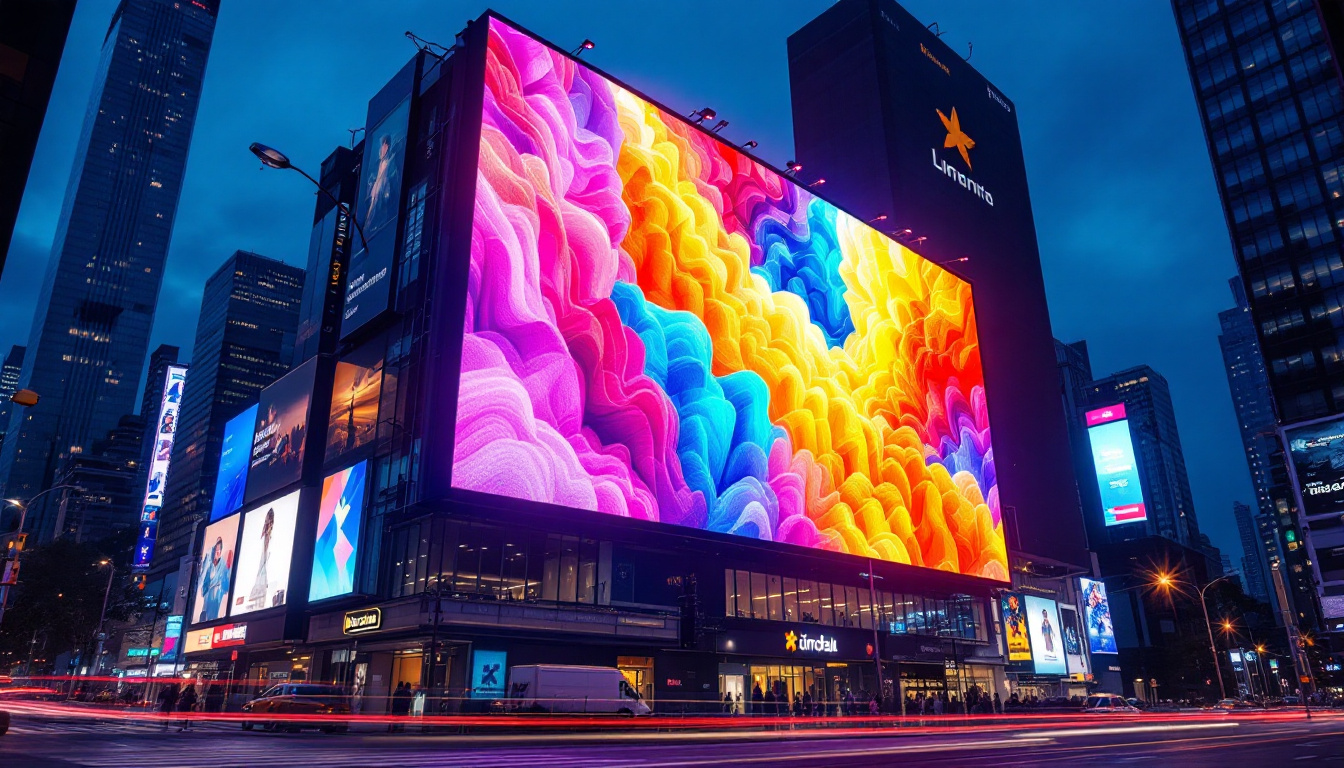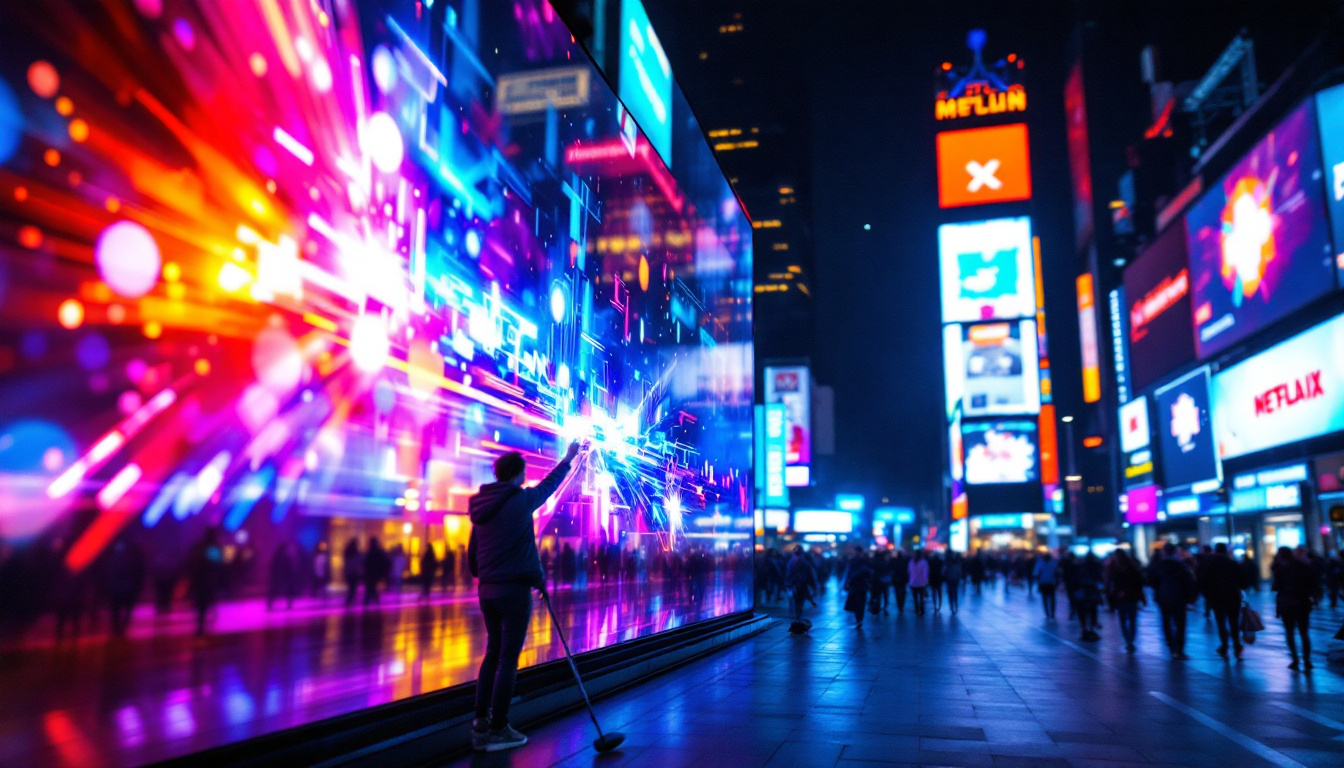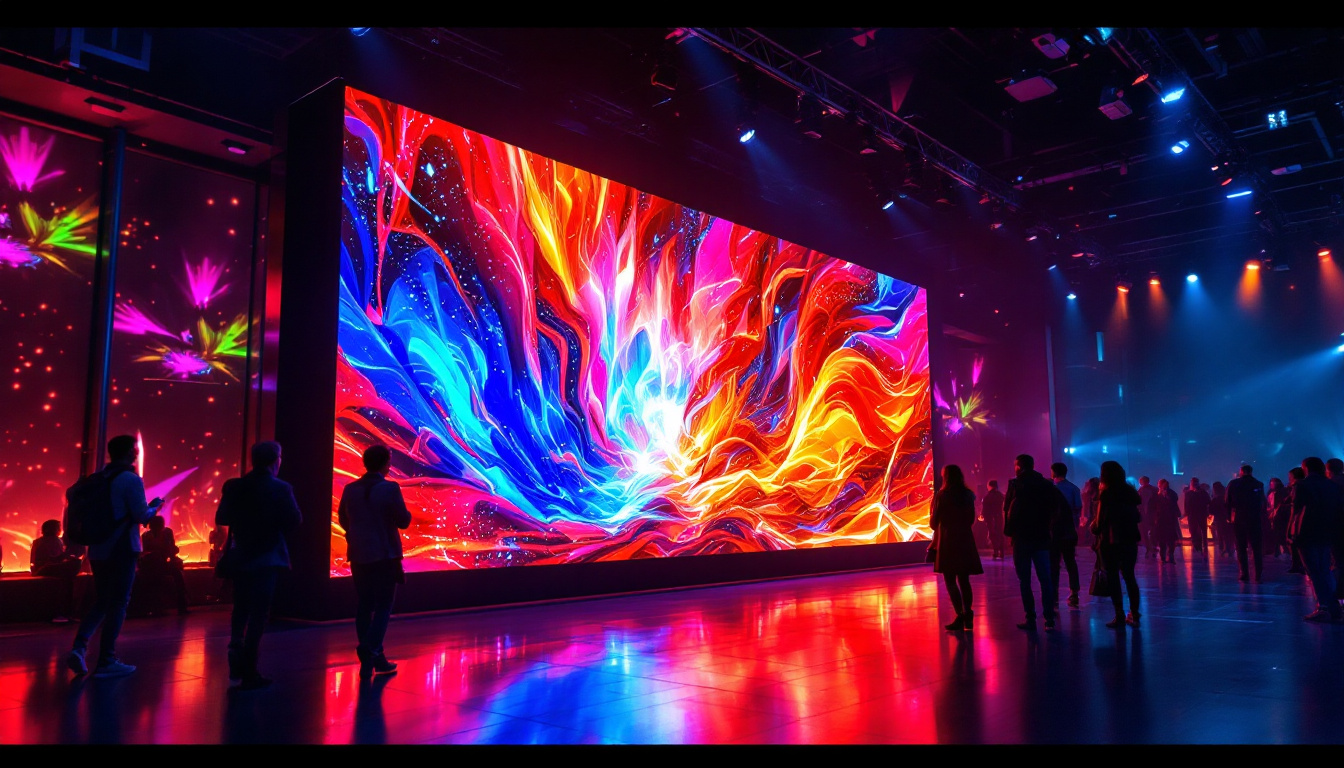
In the rapidly evolving world of digital signage and visual communication, LED displays have become a cornerstone technology. Among the various configurations and designs, interlocking LED displays stand out for their versatility, scalability, and visual impact. This article delves into the concept of interlocking lights within LED displays, explaining their structure, benefits, applications, and future trends.
Understanding Interlocking LED Displays
What Are Interlocking Lights in LED Displays?
Interlocking lights refer to the modular LED panels designed to connect seamlessly, creating a larger, continuous display surface. These panels, often called tiles or modules, fit together like pieces of a puzzle, allowing for expansive screens of virtually any size or shape. The interlocking mechanism ensures structural stability and precise alignment, which is critical for maintaining image quality and uniformity.
Each module contains an array of LEDs arranged in a grid, and when combined, these modules form a high-resolution display capable of showing dynamic content such as videos, images, and text. The interlocking design also facilitates easy installation, maintenance, and scalability, making it a preferred choice for both indoor and outdoor applications. This flexibility is particularly beneficial for event organizers and advertisers who require quick setup and teardown, as well as the ability to customize displays for different venues.
Technical Composition of Interlocking LED Modules
At the core, each interlocking LED module consists of a printed circuit board (PCB) populated with light-emitting diodes (LEDs), driver ICs, and connectors that enable electrical and data transmission between panels. The LEDs are typically surface-mounted devices (SMDs), which provide high brightness and wide viewing angles. The choice of materials used in the construction of these modules also plays a crucial role in their performance; for instance, high-quality substrates can enhance thermal management, ensuring longevity and reliability in various environmental conditions.
The interlocking mechanism usually involves mechanical locks or clips along the edges of the modules, ensuring tight and secure connections. This mechanical precision is vital to avoid gaps or misalignments that could disrupt the visual continuity of the display. Additionally, data cables or ribbon connectors link the modules, allowing synchronized control of the entire display. Advanced systems may even incorporate wireless technology, enabling remote control and monitoring of the display, which can be particularly advantageous in large installations where access to the modules is limited. Furthermore, the integration of smart technology allows for real-time content updates and adjustments, enhancing the overall user experience and engagement.
Advantages of Interlocking LED Displays
Scalability and Customization
One of the most significant advantages of interlocking LED displays is their scalability. Since modules can be added or removed, the display size can be customized to fit specific spatial requirements, whether it’s a small retail window or a massive stadium scoreboard. This modularity also supports various aspect ratios and shapes, enabling creative and unconventional designs.
For businesses and event organizers, this means the ability to tailor digital signage to different venues without investing in entirely new displays. The flexibility reduces costs and increases the lifespan of the investment. Additionally, the ability to create unique configurations allows brands to stand out in competitive environments, capturing the attention of potential customers with eye-catching displays that can adapt to seasonal promotions or special events.
Ease of Installation and Maintenance
Interlocking LED panels are designed for straightforward assembly. The modular system allows technicians to install or replace individual panels without dismantling the entire display. This feature significantly reduces downtime and maintenance costs.
Moreover, the lightweight nature of these modules simplifies transportation and handling. For temporary installations such as concerts or trade shows, this ease of setup and teardown is invaluable. In addition, the design of interlocking LED displays often includes user-friendly features such as plug-and-play connections, which streamline the installation process even further. This means that even those with limited technical expertise can manage installations effectively, making it an appealing option for a wide range of users.
High Visual Quality and Uniformity
Because the modules lock together precisely, interlocking LED displays achieve a seamless visual experience. The uniform spacing of LEDs across modules ensures consistent brightness and color reproduction, essential for delivering clear and vibrant images.
Modern interlocking LED displays also incorporate advanced calibration technologies that compensate for any minor variations among modules, further enhancing image uniformity. This level of precision is particularly crucial in environments where visual impact is paramount, such as in advertising displays or live event backdrops. Furthermore, the high refresh rates and excellent contrast ratios of these displays ensure that they perform exceptionally well even in bright outdoor settings, making them a versatile choice for a variety of applications, from sports arenas to outdoor festivals.
Applications of Interlocking LED Displays
Advertising and Retail Environments
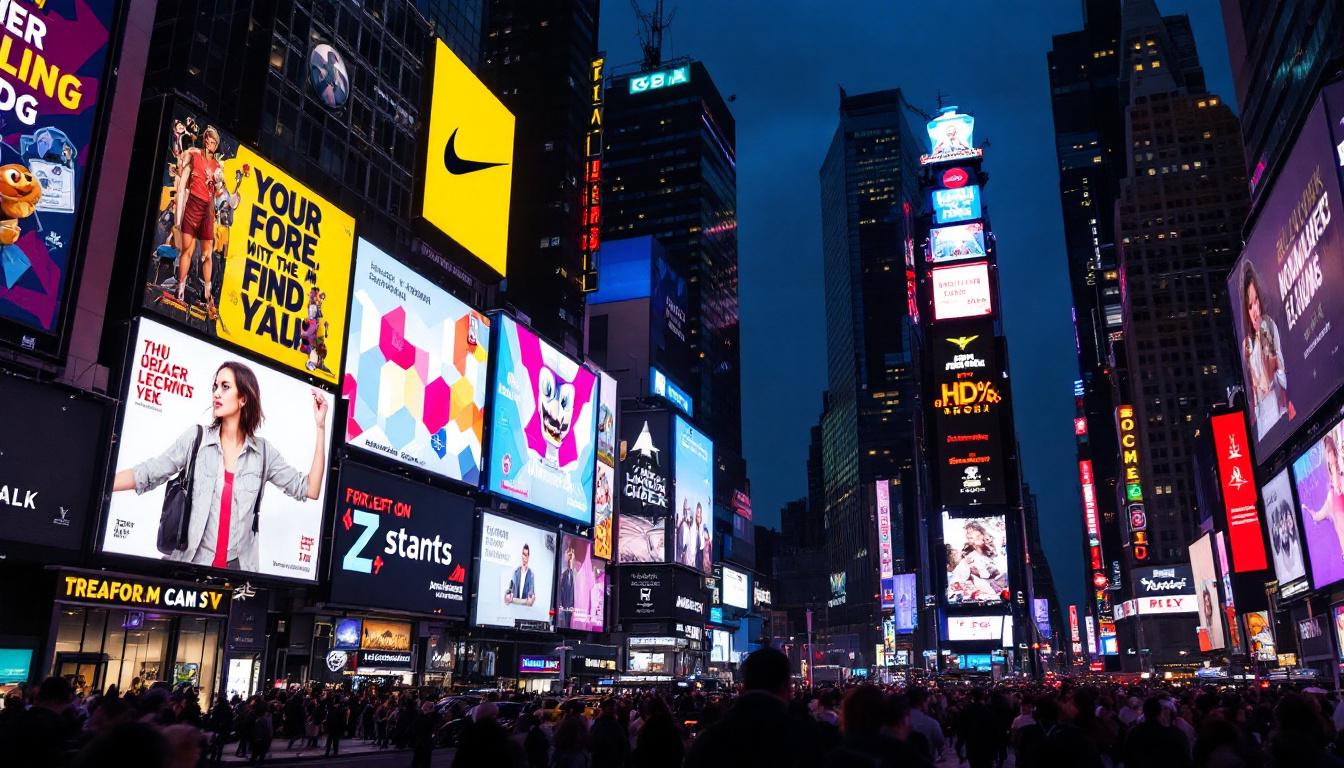
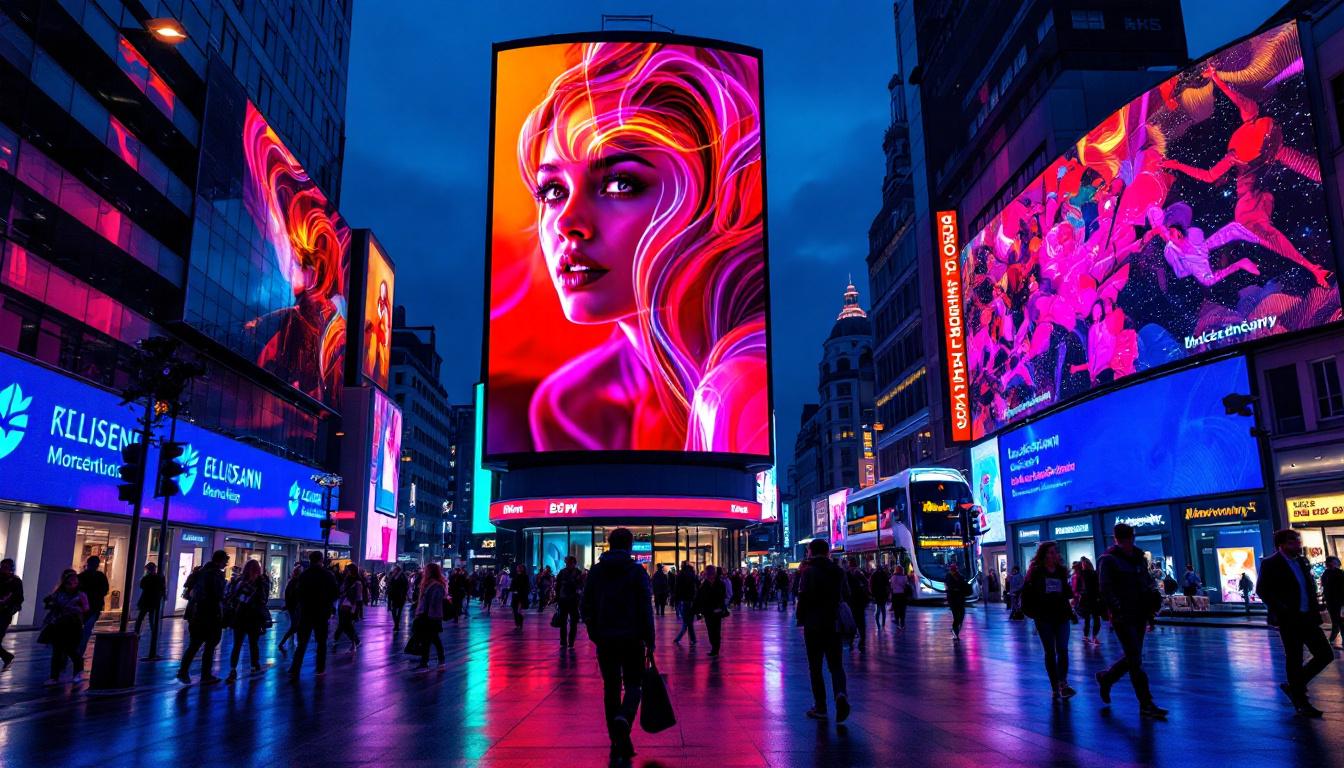
Retailers and advertisers leverage interlocking LED displays to create eye-catching digital signage that attracts customers and promotes products effectively. The ability to customize display size and shape means these screens can fit into various architectural features, from storefront windows to shopping mall atriums.
According to recent market research, digital out-of-home advertising, which includes LED displays, is projected to grow by over 15% annually worldwide. Interlocking LED technology plays a pivotal role in this growth by offering dynamic, engaging content delivery that static signs cannot match. Furthermore, the integration of real-time data feeds allows advertisers to tailor their messages based on current trends, weather conditions, or even audience demographics, making the advertising more relevant and impactful.
Additionally, the interactive capabilities of these displays enable retailers to engage customers directly. Touchscreen interfaces can provide product information, promotional offers, and even gamified experiences that encourage customer interaction and dwell time, ultimately leading to increased sales conversions.
Sports and Entertainment Venues
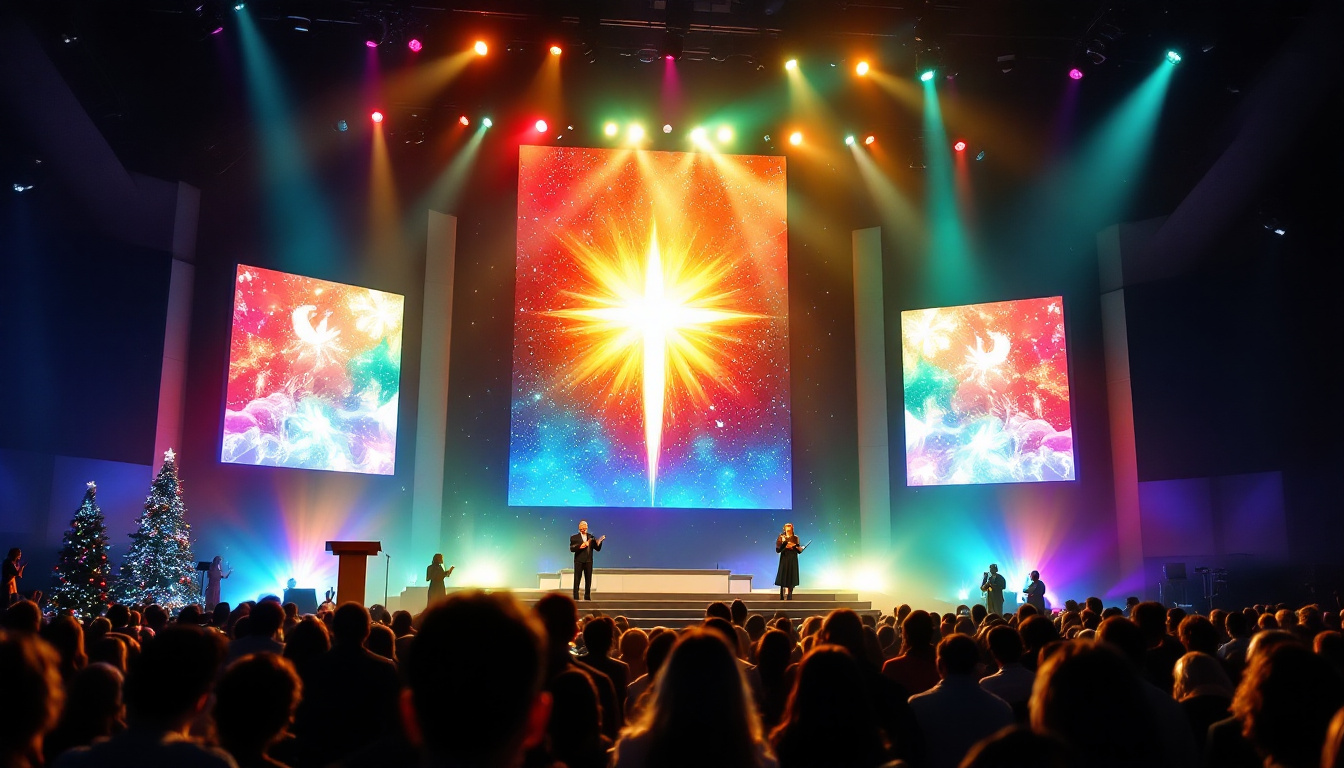
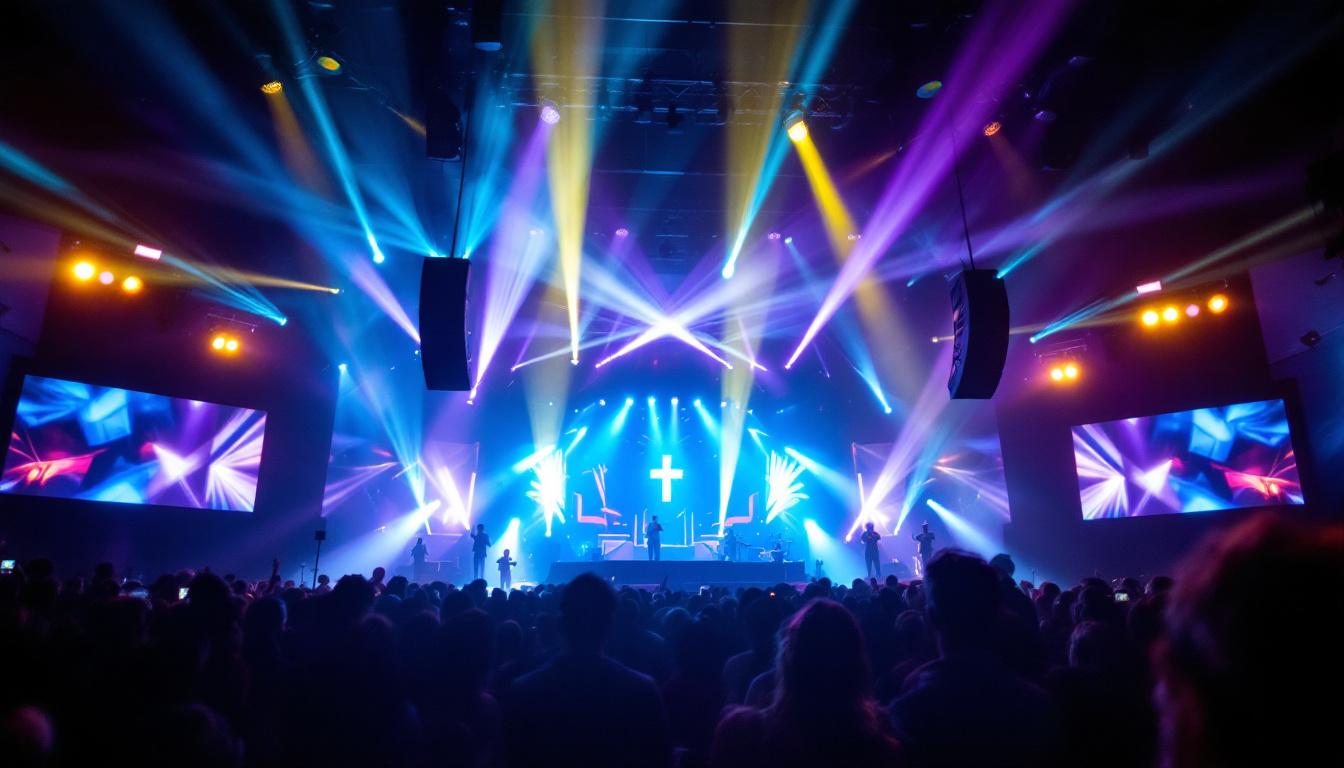
Stadiums, arenas, and concert venues frequently use interlocking LED displays for scoreboards, video walls, and immersive stage backdrops. The scalability and brightness of these displays make them ideal for large, open spaces where visibility is crucial.
For example, the use of interlocking LED video walls in major sports events like the FIFA World Cup and the Olympics has transformed spectator experience, providing real-time replays, statistics, and interactive content. These displays not only enhance the viewing experience but also serve as a platform for fan engagement through social media integration, allowing spectators to see their posts featured live on the big screen.
Moreover, the versatility of interlocking LED displays extends beyond sports; they are increasingly being utilized in live concerts and festivals to create stunning visual effects that complement the performances. By synchronizing the display content with music and lighting, organizers can craft an unforgettable atmosphere that captivates audiences and elevates the overall experience.
Corporate and Conference Settings
In corporate environments, interlocking LED displays serve as dynamic presentation tools in conference rooms, auditoriums, and lobbies. Their modularity allows companies to adapt the display size based on the venue and event requirements.
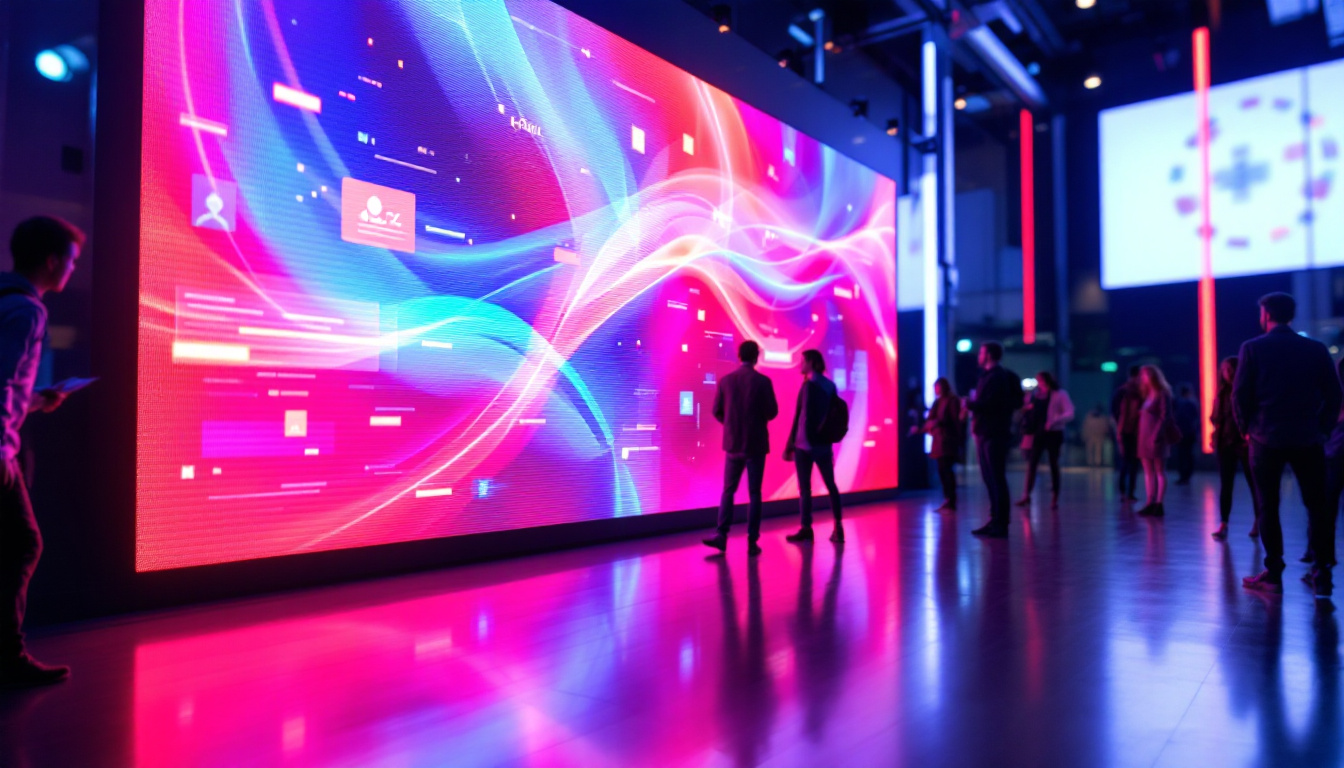
Interactive LED walls can also facilitate collaboration and engagement during meetings, enhancing communication and productivity. These displays can showcase real-time data visualizations, making complex information more digestible and engaging for participants. Additionally, the ability to integrate video conferencing tools allows remote team members to participate seamlessly, bridging the gap between in-person and virtual attendees.
Furthermore, companies are increasingly using interlocking LED displays for branding purposes. By displaying company logos, mission statements, and key achievements in high-definition, organizations can reinforce their identity and values to both employees and visitors alike. This not only creates a professional atmosphere but also fosters a sense of pride and belonging among staff members, further enhancing workplace culture.
Technical Considerations When Choosing Interlocking LED Displays
Pixel Pitch and Resolution
Pixel pitch, the distance between the centers of adjacent LEDs, is a critical factor influencing image clarity and viewing distance. Smaller pixel pitches (e.g., 1.5mm to 3mm) offer higher resolution suitable for close-range viewing, such as indoor retail or corporate displays. Larger pixel pitches (e.g., 6mm to 10mm) are more appropriate for outdoor or large venue applications where viewers are farther away.
Choosing the right pixel pitch ensures optimal image quality without unnecessary cost, as higher resolution panels tend to be more expensive.
Brightness and Contrast Ratio
Brightness levels are measured in nits (cd/m²) and determine how well the display performs under various lighting conditions. Outdoor interlocking LED displays typically require brightness levels exceeding 5,000 nits to remain visible in direct sunlight, while indoor displays can operate effectively at 800 to 1,500 nits.
Contrast ratio, the difference between the brightest and darkest parts of the image, affects the display’s ability to render vivid colors and deep blacks. High contrast ratios are essential for delivering impactful visual content.
Durability and Weather Resistance
For outdoor applications, interlocking LED modules must be robust and weatherproof. Ratings such as IP65 or higher indicate protection against dust and water ingress, ensuring reliable operation in harsh environments.
Additionally, temperature tolerance and ventilation design are important to prevent overheating and extend the lifespan of the display.
Future Trends in Interlocking LED Display Technology
Advancements in Mini-LED and Micro-LED Technologies
Emerging technologies like mini-LED and micro-LED promise even higher resolution and brightness with improved energy efficiency. These technologies involve smaller LED chips, allowing for tighter pixel pitches and thinner display profiles.
As manufacturing processes mature and costs decrease, interlocking LED displays incorporating mini-LED or micro-LED modules will become more accessible, opening new possibilities for ultra-high-definition digital signage.
Integration with Smart and Interactive Features
The future of interlocking LED displays includes enhanced interactivity through touch sensors, gesture recognition, and integration with IoT devices. Such features enable personalized content delivery and real-time audience engagement, transforming passive displays into interactive experiences.
Smart LED displays can also leverage AI-driven content management systems to optimize messaging based on viewer demographics, time of day, or environmental conditions.
Sustainability and Energy Efficiency
With growing emphasis on environmental responsibility, manufacturers are focusing on improving the energy efficiency of LED modules and using recyclable materials. Innovations in power management and cooling systems help reduce the carbon footprint of large-scale LED installations.
These advancements align with corporate sustainability goals and regulatory requirements, making interlocking LED displays a greener choice for businesses.
Conclusion
Interlocking lights in LED displays represent a transformative approach to digital signage, combining modularity, scalability, and high visual quality. Their adaptability suits a wide range of applications, from retail advertising to large-scale entertainment venues, making them an indispensable tool in modern visual communication.
As technology advances, interlocking LED displays will continue to evolve, offering even greater resolution, interactivity, and sustainability. Understanding the technical aspects and benefits of these systems enables businesses and organizations to make informed decisions that maximize impact and return on investment.
Whether for a dynamic storefront, a captivating sports arena installation, or an engaging corporate presentation, interlocking LED displays illuminate the future of digital media with unmatched flexibility and brilliance.
Illuminate Your Space with LumenMatrix
Ready to transform your visual communication and captivate your audience with unparalleled clarity and brilliance? Discover LumenMatrix’s innovative LED display solutions, where cutting-edge technology meets creative design. From vibrant Indoor and Outdoor LED Wall Displays to dynamic Vehicle and Sports Displays, each solution is crafted to elevate your brand’s presence. Embrace the future with Custom, All-in-One, Floor, and Transparent LED Displays that promise to revolutionize your space. Don’t just take our word for it; check out LumenMatrix LED Display Solutions and see how we can illuminate your world with impact and precision.