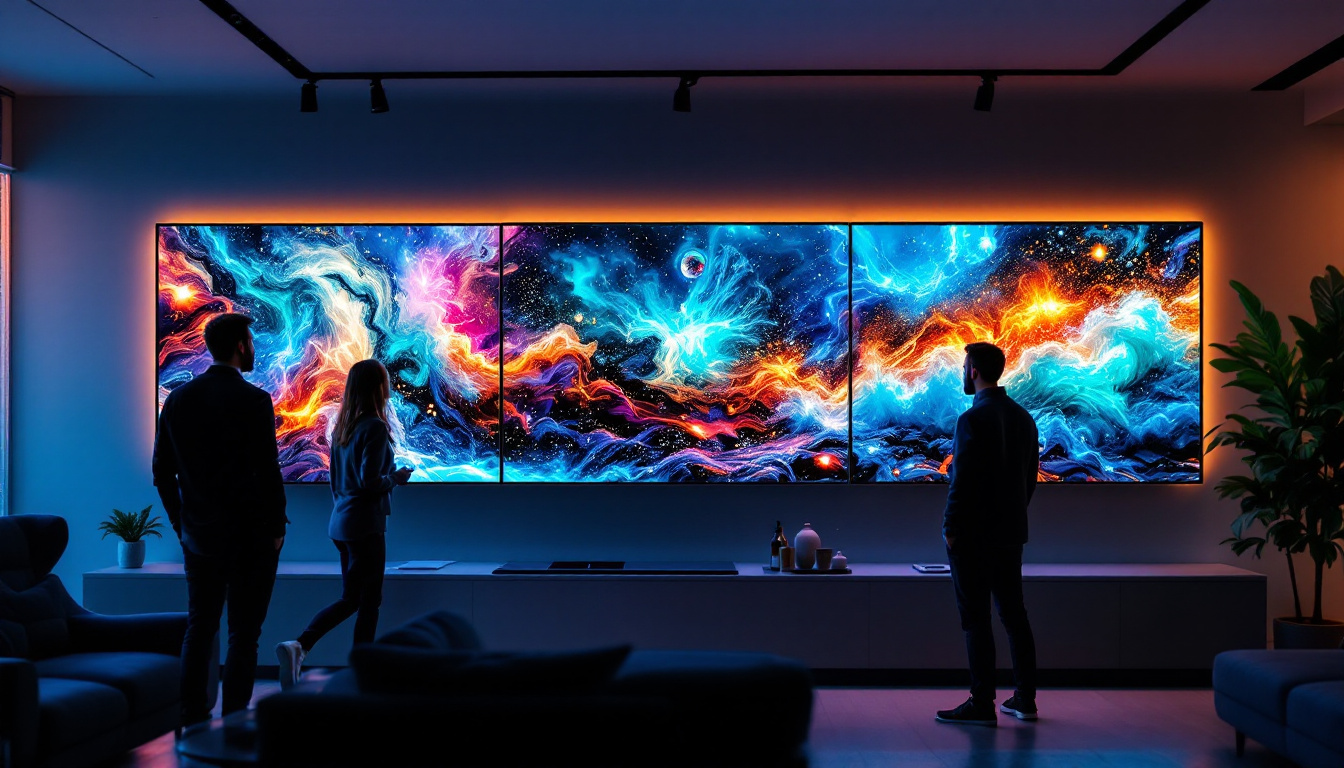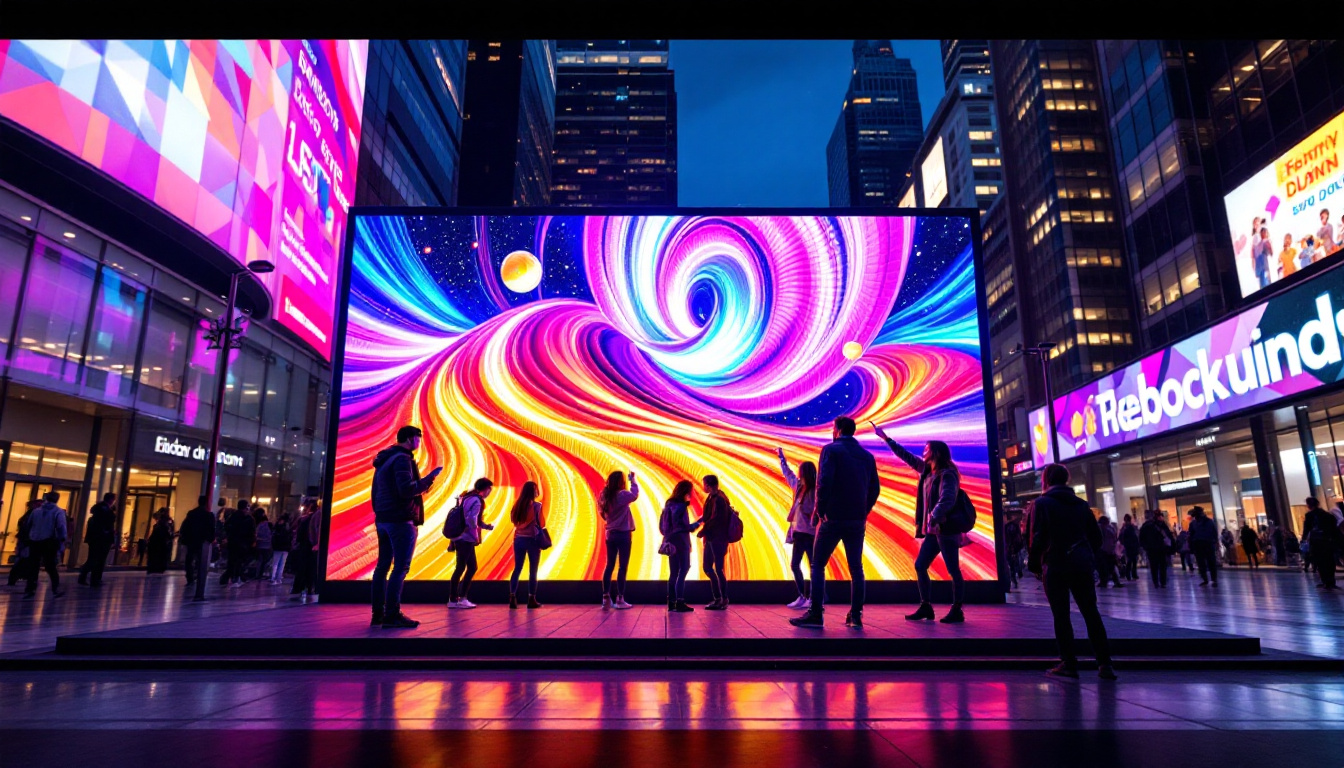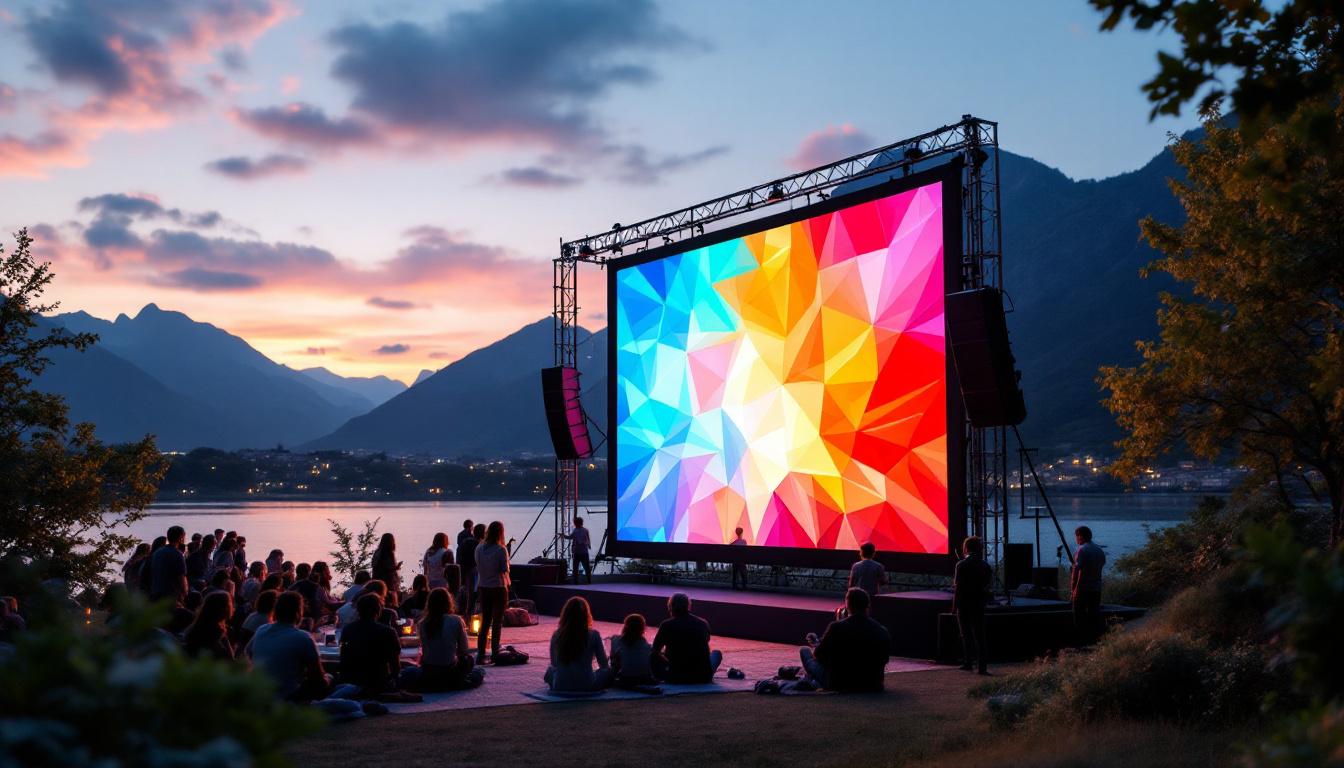
Outdoor entertainment has evolved tremendously over the past decade, with large outdoor projector screens becoming a staple for events ranging from backyard movie nights to massive public gatherings. Among the technologies powering these impressive displays, LED (Light Emitting Diode) screens have emerged as a leading choice. This article delves into the world of large outdoor projector screens, focusing on LED displays, their advantages, technical aspects, and practical considerations to help you make an informed decision for your next outdoor event.
Understanding Large Outdoor Projector Screens
Large outdoor projector screens have transformed how people experience visual content outside traditional indoor settings. Whether it’s a community movie night, a sports event, a concert backdrop, or a corporate presentation, these screens offer a shared viewing experience that can captivate hundreds or even thousands of viewers.
Traditionally, outdoor projection relied on front or rear projection systems paired with a physical screen made from fabric or vinyl. While this setup can be effective, it often comes with limitations such as sensitivity to ambient light, weather conditions, and the need for a dark environment to achieve optimal image quality.
In contrast, LED displays have introduced a new dimension of brightness, durability, and versatility, making them increasingly popular for large-scale outdoor applications.
What Is an LED Display?
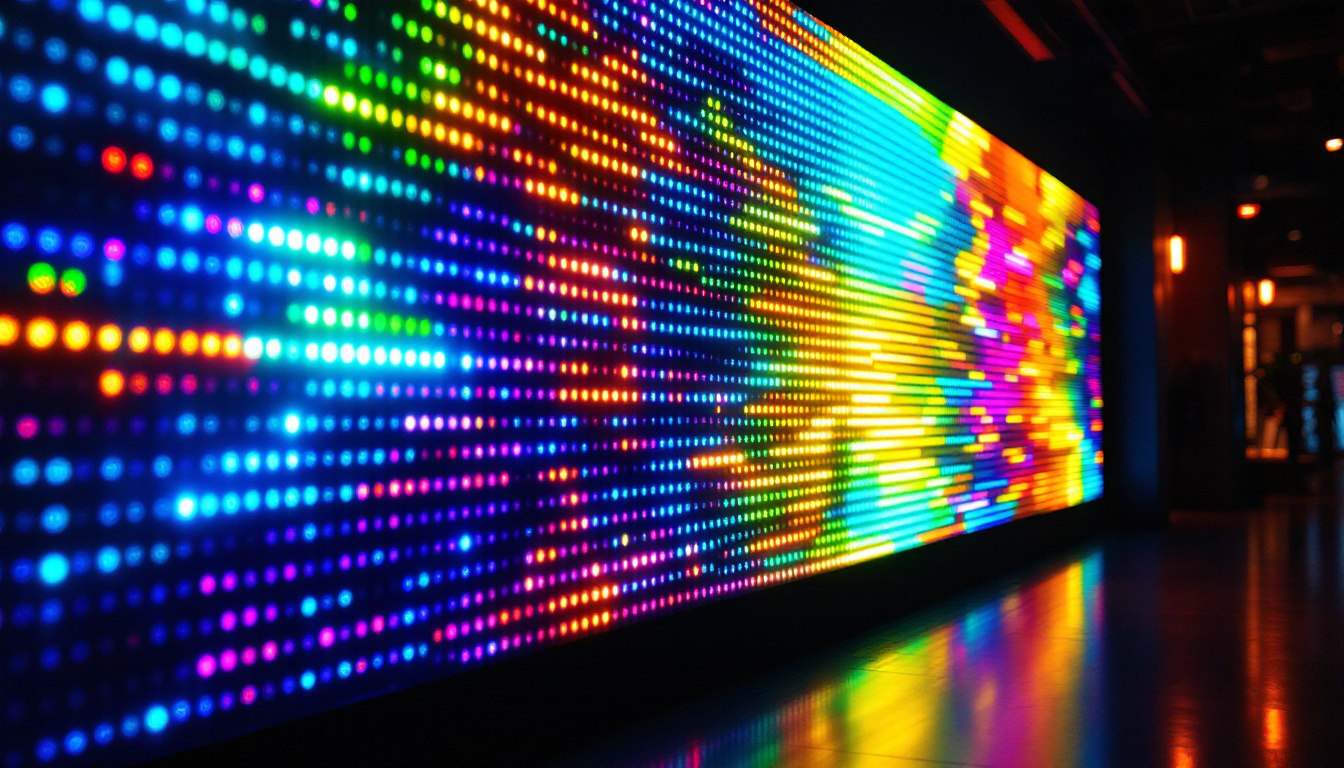
LED displays are composed of thousands to millions of tiny light-emitting diodes arranged in a grid. Each diode acts as a pixel, capable of emitting its own light in various colors. This self-illumination characteristic means LED screens do not require external light sources like projectors do, allowing them to produce vivid images even under direct sunlight.
LED technology has advanced rapidly, with innovations in pixel pitch (the distance between diodes), brightness levels, and energy efficiency. These improvements have made LED displays highly adaptable for outdoor use, from small portable screens to massive stadium-sized installations.
Advantages of LED Displays for Outdoor Use
When comparing LED displays to traditional projector screens for outdoor use, several key advantages stand out. These benefits explain why LED technology is becoming the preferred choice for many event organizers and venues.
Superior Brightness and Visibility
One of the most significant advantages of LED displays is their exceptional brightness. Outdoor environments often present challenges such as direct sunlight, street lighting, or other ambient light sources that can wash out projected images. LED screens can reach brightness levels exceeding 5,000 nits (a unit of luminance), making them clearly visible even in broad daylight.
By contrast, traditional projectors typically produce brightness levels measured in lumens, which can struggle against strong ambient light. This makes LED displays a more reliable option for daytime events or locations with limited control over lighting conditions.
Durability and Weather Resistance
LED displays designed for outdoor use are built to withstand various weather conditions, including rain, wind, dust, and extreme temperatures. Many outdoor LED screens come with IP65 or higher ratings, indicating robust protection against water and dust ingress.
This durability reduces the risk of damage during events and lowers maintenance costs over time. In comparison, projector setups often require additional protective measures such as weatherproof enclosures and careful placement to avoid exposure.
Flexible Size and Shape Options
LED screens are modular, meaning they can be assembled from smaller panels to create virtually any size or shape. This flexibility allows event planners to customize screen dimensions to fit specific venues or creative concepts.
For example, a music festival might use a massive curved LED screen behind the stage, while a community movie night might opt for a smaller, rectangular display. The modular nature also facilitates easier transportation and installation compared to large, single-piece projector screens.
Improved Image Quality and Color Accuracy
LED displays offer excellent color reproduction and contrast ratios, resulting in vibrant and sharp images. The ability of each pixel to emit light independently enhances black levels and overall picture depth, which is particularly noticeable in high-definition content.
Moreover, modern LED technology supports HDR (High Dynamic Range), further enhancing the viewing experience by expanding the range of colors and brightness.
Energy Efficiency and Longevity
LED technology is known for its energy efficiency compared to other display types. Outdoor LED screens consume less power than equivalent projector setups that require high-wattage lamps and cooling systems.
Additionally, LEDs have a long operational lifespan, often exceeding 50,000 hours, which translates to years of reliable use with minimal degradation in brightness or color quality.
Technical Considerations for Choosing an Outdoor LED Screen
Selecting the right LED display for your outdoor projector screen project involves understanding several technical factors. These elements influence the performance, cost, and suitability of the screen for your specific needs.
Pixel Pitch and Viewing Distance
Pixel pitch refers to the distance between the centers of two adjacent pixels, typically measured in millimeters. It plays a crucial role in determining image resolution and clarity.
Smaller pixel pitches (e.g., 2-4 mm) provide higher resolution and are ideal for close viewing distances, but they tend to be more expensive. Larger pixel pitches (e.g., 10 mm or more) are suitable for long-distance viewing, such as in stadiums or outdoor arenas, where viewers are far from the screen.
For example, a pixel pitch of 10 mm means that the optimal viewing distance is roughly 10 meters or more. Choosing the correct pixel pitch ensures that the image appears sharp and detailed to the audience.
Brightness Levels
Brightness is measured in nits for LED displays. Outdoor screens generally require a minimum of 4,000 to 5,000 nits to combat daylight visibility issues. Some high-end models can reach up to 10,000 nits, suitable for extremely bright environments.
It’s important to balance brightness with power consumption and heat management, as higher brightness levels can increase energy use and require efficient cooling solutions.
Screen Size and Aspect Ratio
The size of the LED screen depends on the venue, audience size, and content type. Common outdoor screen sizes range from 10 feet wide for small events to over 100 feet wide for large-scale productions.
Aspect ratio, typically 16:9 or 4:3, should match the content being displayed to avoid distortion or black bars. Custom aspect ratios are also possible with modular LED panels, allowing for creative display configurations.
Installation and Mounting Options
Outdoor LED screens can be installed in various ways, including fixed installations on buildings or structures, portable setups on trailers or frames, and hanging from trusses or scaffolding.
Considerations include the ease of assembly, transportation logistics, and site-specific factors such as ground stability and wind exposure.
Connectivity and Control Systems
Modern LED displays support multiple input sources, including HDMI, DVI, SDI, and wireless streaming. Control systems allow operators to manage brightness, color calibration, and content playback remotely.
Some LED screens also integrate with software platforms for real-time content updates, making them suitable for dynamic events like live sports or advertising.
Practical Applications of Large Outdoor LED Screens
The versatility and performance of outdoor LED displays have led to their widespread adoption across various sectors. Understanding these applications can help event organizers and venue managers identify the best use cases for their investment.
Sports and Live Events
Stadiums and arenas frequently use large LED screens to enhance the spectator experience. These screens display live game footage, replays, scores, and advertisements, ensuring that every seat has a clear view of the action.
For example, the Dallas Cowboys’ AT&T Stadium features one of the world’s largest high-definition LED video boards, measuring 160 feet wide and 72 feet tall, providing immersive viewing experiences for tens of thousands of fans.
Concerts and Festivals
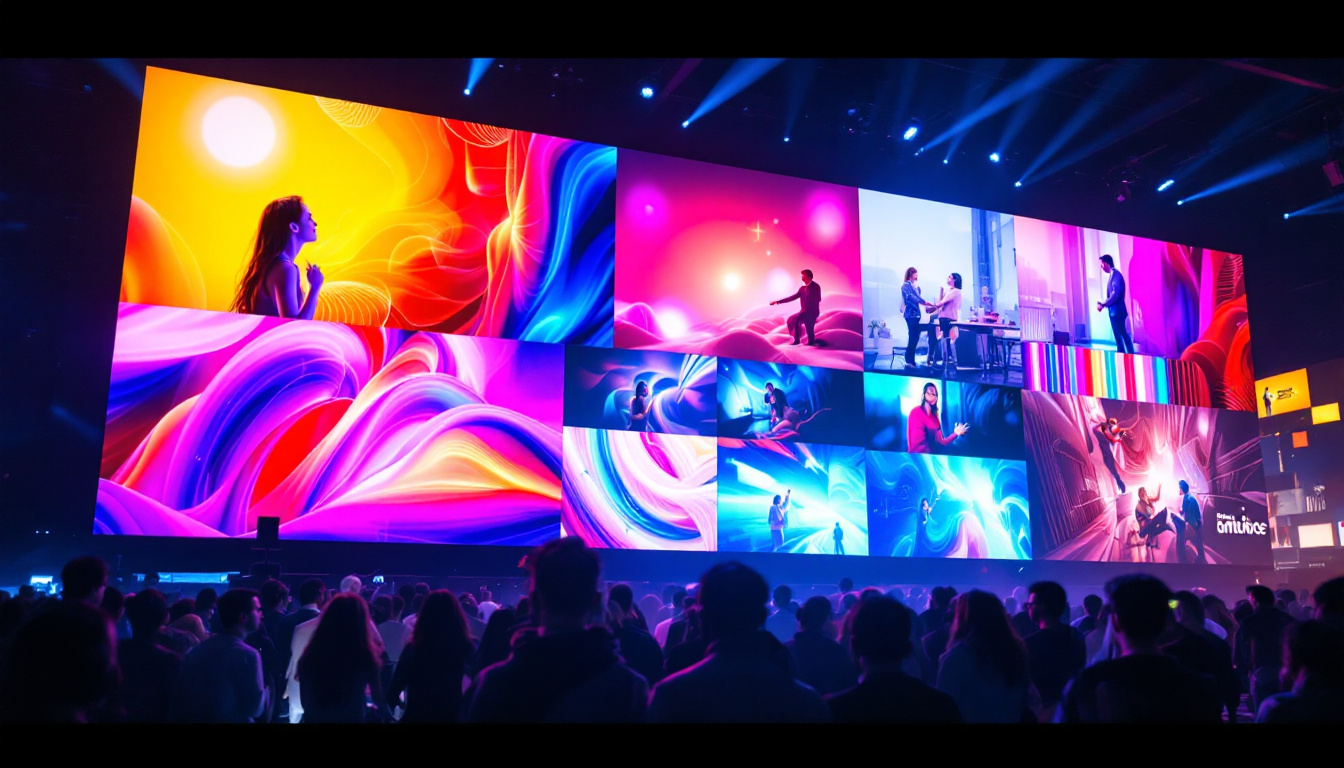
Music festivals and outdoor concerts utilize LED screens as dynamic backdrops that synchronize with performances. The ability to display vibrant visuals, animations, and live feeds adds a compelling dimension to live entertainment.
Portable LED screens also enable event organizers to set up temporary stages and visual installations quickly and efficiently.
Corporate and Community Events
Corporate gatherings, product launches, and community events benefit from large outdoor LED screens by facilitating presentations, branding, and interactive content. The high visibility and professional appearance of LED displays help convey messages effectively to large audiences.
Community movie nights and drive-in theaters have also embraced LED technology, offering brighter and more durable alternatives to traditional projection systems.
Advertising and Digital Signage
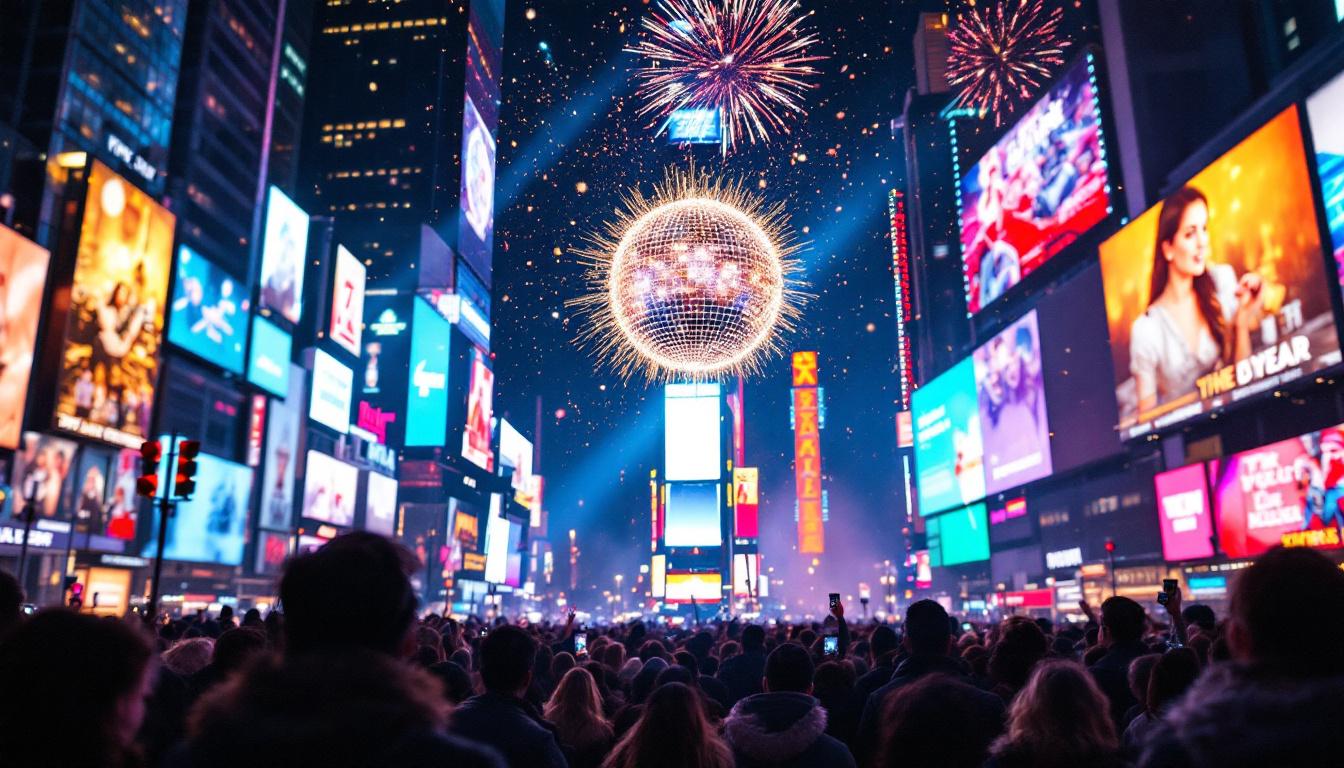
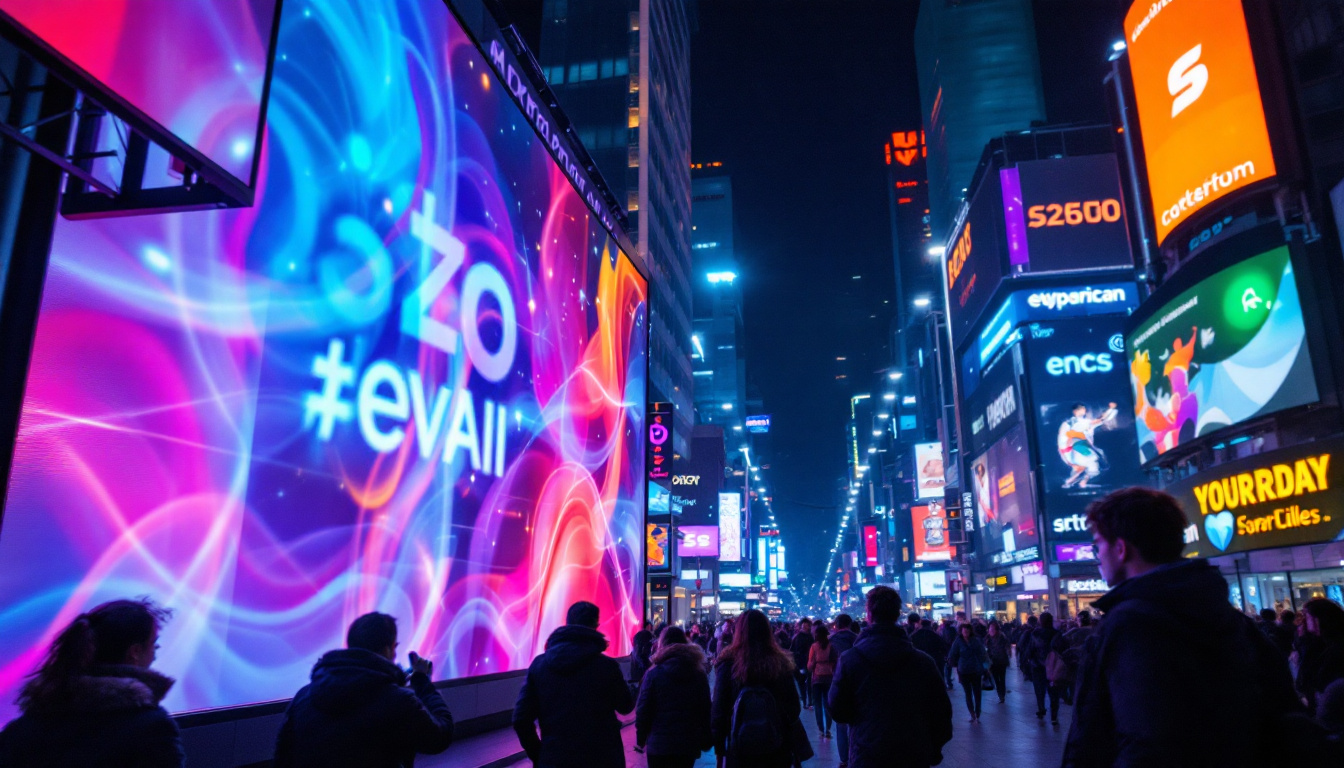
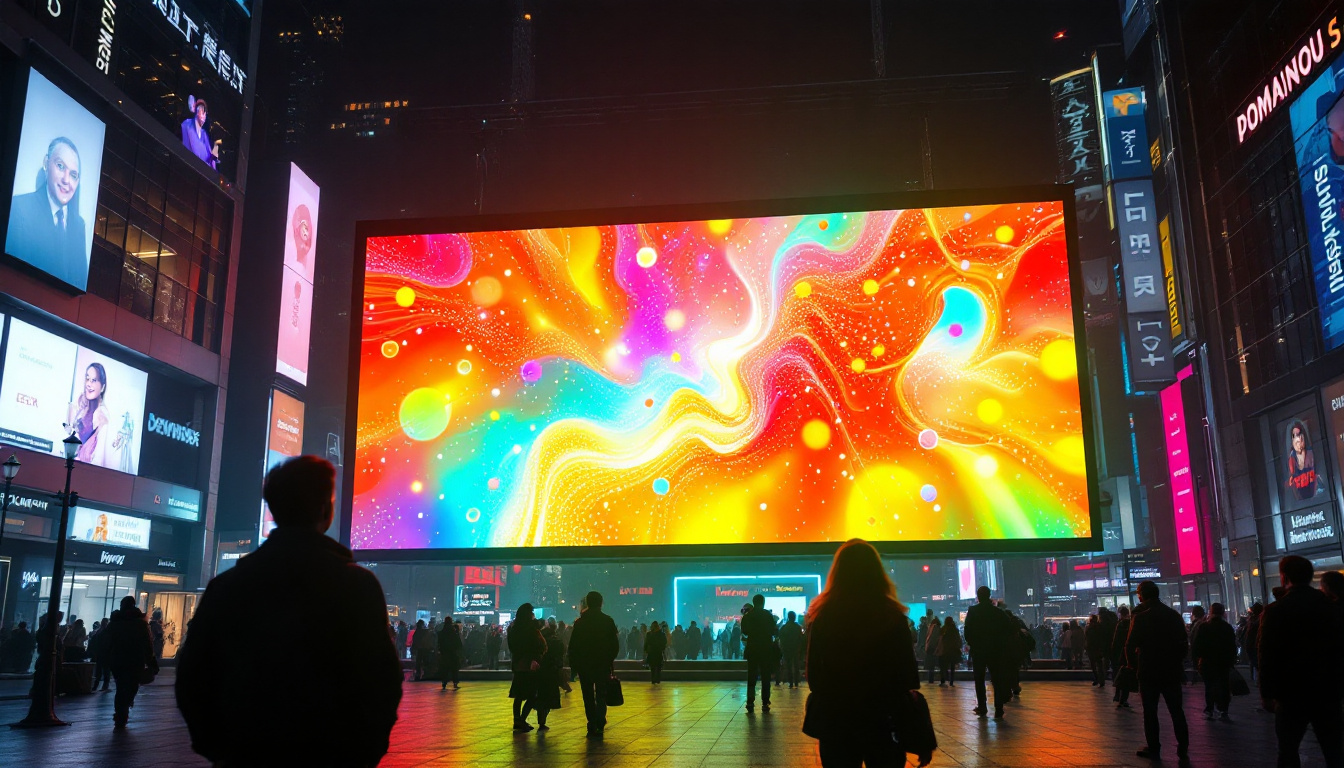
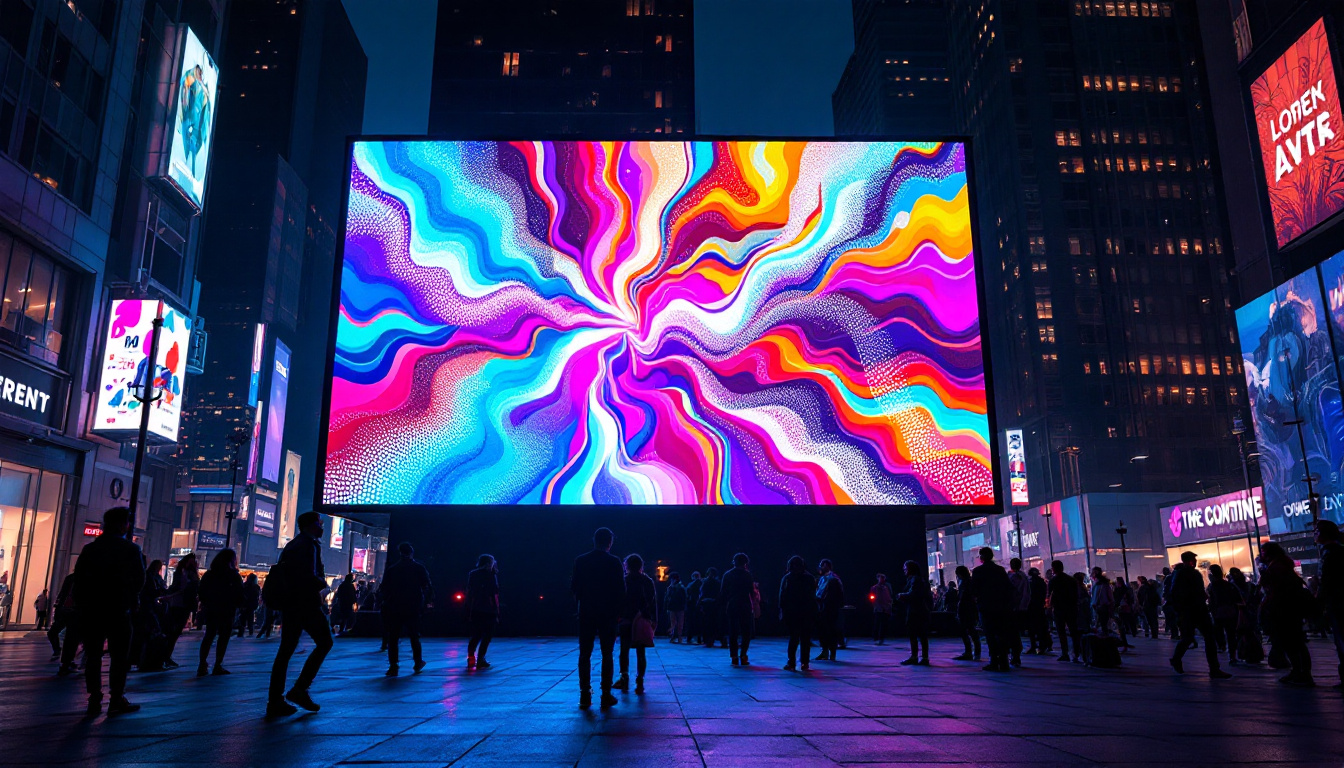
Outdoor LED screens serve as powerful advertising platforms in public spaces, shopping centers, and transportation hubs. Their brightness and color quality attract attention, even in busy urban environments.
Dynamic content capabilities allow advertisers to update messages in real-time, tailoring campaigns to specific times of day or audience demographics.
Challenges and Considerations When Using Outdoor LED Screens
While LED displays offer many benefits, there are also challenges and factors to consider to ensure successful deployment and operation.
Initial Investment and Cost
Outdoor LED screens typically require a higher upfront investment compared to traditional projector setups. Costs include the LED panels, control systems, installation, and potentially custom framing or protective enclosures.
However, the long-term benefits in durability, reduced maintenance, and superior performance often justify the initial expense for many users.
Power Requirements
LED displays consume a significant amount of power, especially at high brightness levels. Event organizers must ensure adequate electrical infrastructure is available, including backup power options for uninterrupted operation.
Maintenance and Technical Support
Regular maintenance is essential to keep LED screens functioning optimally. This includes cleaning, software updates, and occasional repairs of individual modules or diodes.
Working with experienced suppliers and technicians can help minimize downtime and extend the lifespan of the display.
Environmental and Regulatory Compliance
Depending on the location, outdoor LED screens may be subject to local regulations regarding brightness, noise, and advertising content. It is important to verify compliance to avoid fines or operational restrictions.
Additionally, considerations for light pollution and community impact should be addressed during the planning phase.
Future Trends in Outdoor LED Display Technology
The LED display industry continues to innovate, promising even more advanced features and applications in the near future.
MicroLED and MiniLED Technologies
Emerging MicroLED and MiniLED technologies offer even smaller pixel pitches and improved energy efficiency. These advancements will enable ultra-high-resolution outdoor screens with enhanced color accuracy and brightness.
Flexible and Transparent LED Screens
Flexible LED panels allow for curved or irregularly shaped displays, expanding creative possibilities for event design. Transparent LED screens can be integrated into glass surfaces, offering new ways to blend digital content with physical environments.
Integration with Augmented Reality and Interactive Features
Future outdoor LED screens may incorporate interactive elements, such as touch sensitivity or integration with augmented reality (AR) applications. This will enable more engaging and immersive audience experiences.
Conclusion
Large outdoor projector screens powered by LED display technology represent a significant leap forward in outdoor visual entertainment. Their superior brightness, durability, flexibility, and image quality make them an ideal choice for a wide range of applications, from sports and concerts to community events and advertising.
Understanding the technical aspects, practical applications, and challenges associated with LED screens is essential for making informed decisions that maximize the impact and value of your outdoor display investment. As technology continues to evolve, LED displays will undoubtedly play an increasingly central role in shaping the future of outdoor visual experiences.
Discover LumenMatrix LED Display Solutions
Ready to elevate your outdoor events with unparalleled visual quality? Look no further than LumenMatrix, a pioneer in LED display technology. Our extensive range of products, from vibrant Outdoor LED Wall Displays to innovative Custom LED Displays, is designed to transform any space into a dynamic visual spectacle. Whether you’re hosting a concert, sporting event, or corporate function, LumenMatrix has the perfect LED solution to meet your needs. Don’t miss the opportunity to create unforgettable experiences with our cutting-edge displays. Check out LumenMatrix LED Display Solutions today and see your vision come to life.