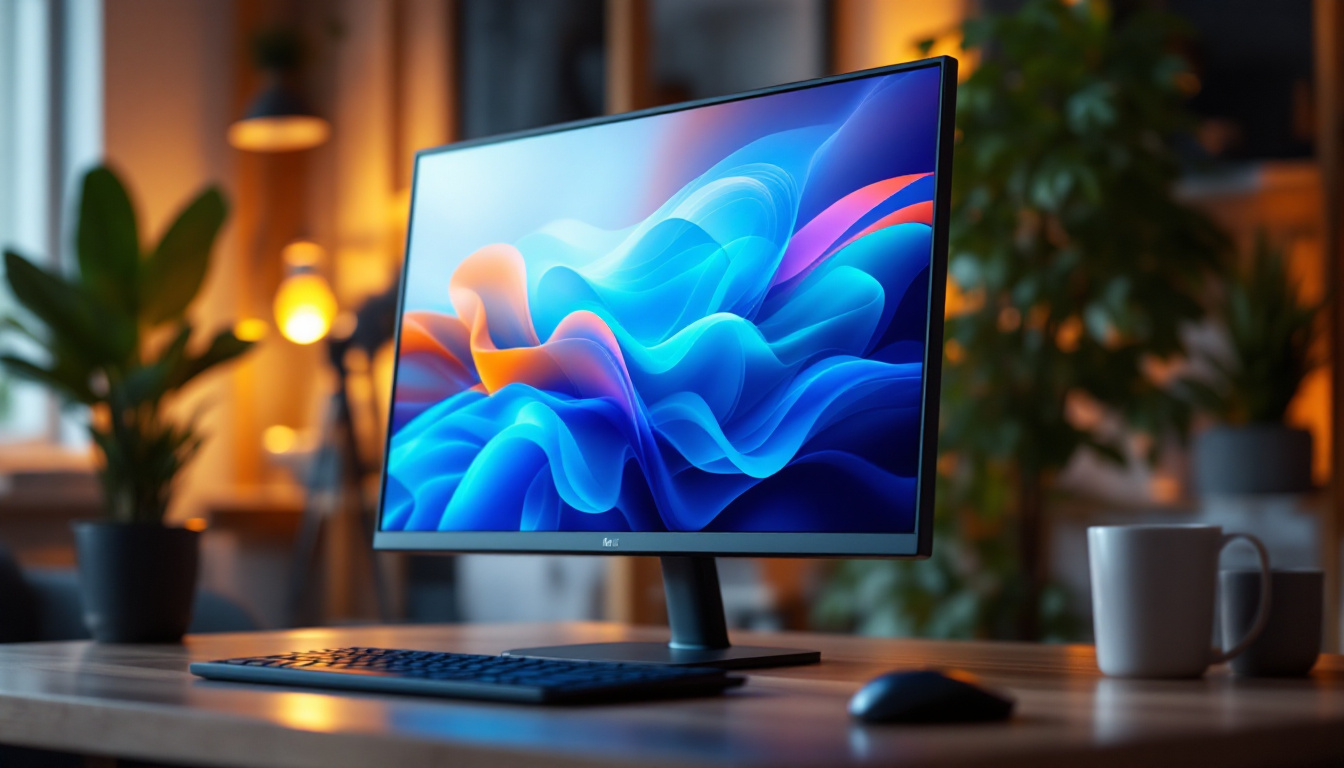
In today’s fast-paced digital world, the demand for sleek, high-performance displays has skyrocketed. Ultra thin monitors, particularly those utilizing LED technology, have become a staple in both professional and personal environments. These displays combine cutting-edge engineering with advanced visual capabilities, offering users an exceptional viewing experience without the bulk of traditional screens.
This comprehensive article delves into the technology behind ultra thin LED monitors, their advantages, and what makes them a preferred choice for various applications. Whether you are a tech enthusiast, a professional seeking the best display for your workspace, or simply curious about modern display technologies, understanding the nuances of LED monitors will help you make informed decisions.
Understanding LED Technology in Ultra Thin Monitors
What is an LED Monitor?
LED stands for Light Emitting Diode, a semiconductor device that emits light when an electric current passes through it. In the context of monitors, LED technology refers to the use of these diodes as a backlight source for LCD (Liquid Crystal Display) panels. Unlike older CCFL (Cold Cathode Fluorescent Lamp) backlighting, LEDs are more energy-efficient, produce brighter displays, and allow for thinner screen designs.
It is important to note that LED monitors are not self-emissive displays like OLEDs; rather, they rely on an LCD panel that modulates light from the LEDs behind or along the edges of the screen. This distinction is key to understanding the design and performance characteristics of ultra thin LED monitors. Furthermore, the advancements in LED technology have led to significant improvements in color accuracy and response times, making these monitors ideal for a variety of applications, from professional graphic design to immersive gaming experiences. The ability to achieve higher brightness levels also means that LED monitors can perform well in brightly lit environments, ensuring that users can enjoy clear and vibrant visuals regardless of their surroundings.
Types of LED Backlighting
There are primarily two types of LED backlighting used in ultra thin monitors:
- Edge-Lit LED: LEDs are positioned along the edges of the screen. Light is diffused across the display using light guides. This design allows for extremely thin panels but can sometimes result in uneven brightness or contrast.
- Direct-Lit LED: LEDs are placed directly behind the LCD panel. This method offers better uniformity and contrast but can be slightly thicker than edge-lit displays.
Some advanced monitors use local dimming technology with direct-lit LEDs, where sections of the backlight can be dimmed or brightened independently, enhancing contrast ratios and black levels dramatically. This technology is particularly beneficial for viewing high dynamic range (HDR) content, as it allows for deeper blacks and brighter highlights, creating a more lifelike image. Additionally, the development of quantum dot technology has further enhanced LED monitors by improving color reproduction and expanding the color gamut, making them even more appealing for both casual viewers and professionals seeking precise color accuracy. As a result, these monitors are becoming increasingly popular in creative industries, where color fidelity is paramount.
The Rise of Ultra Thin Monitors: Design and Practical Benefits
Why Ultra Thin Matters
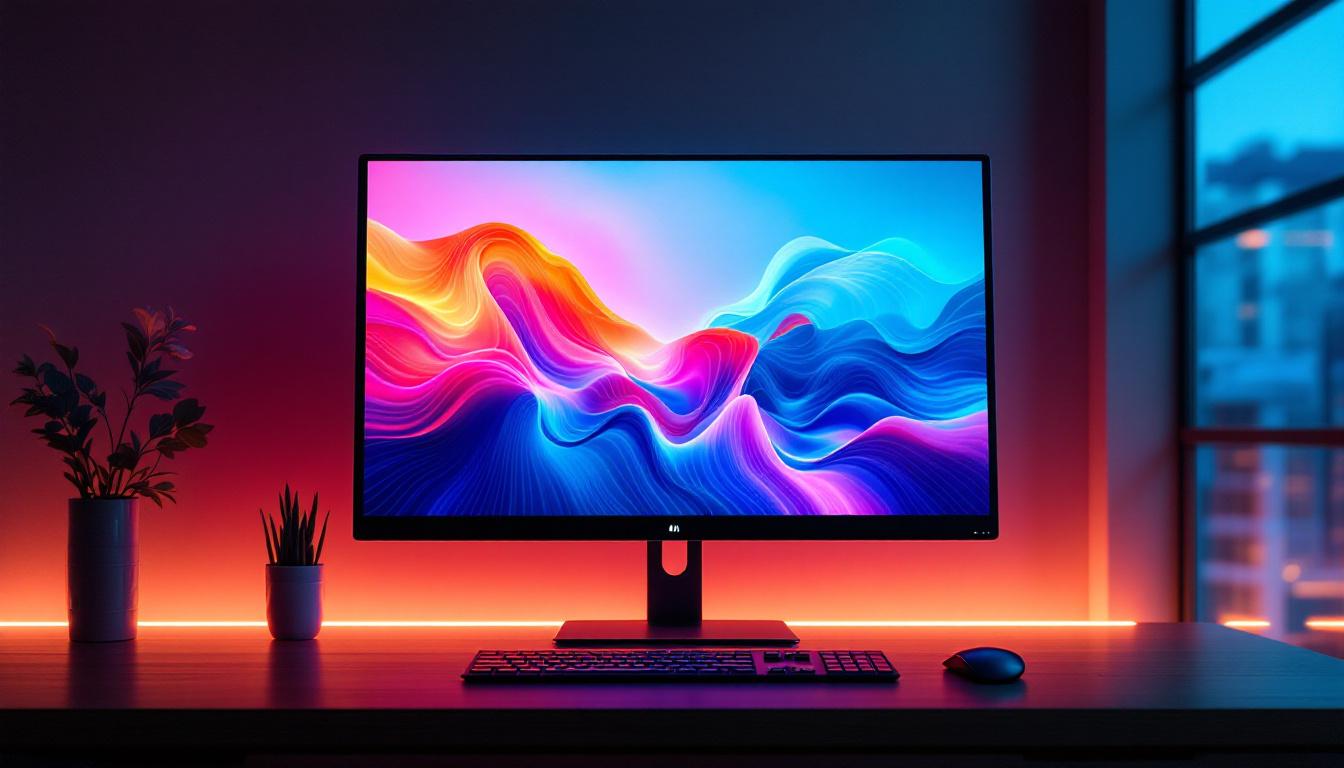
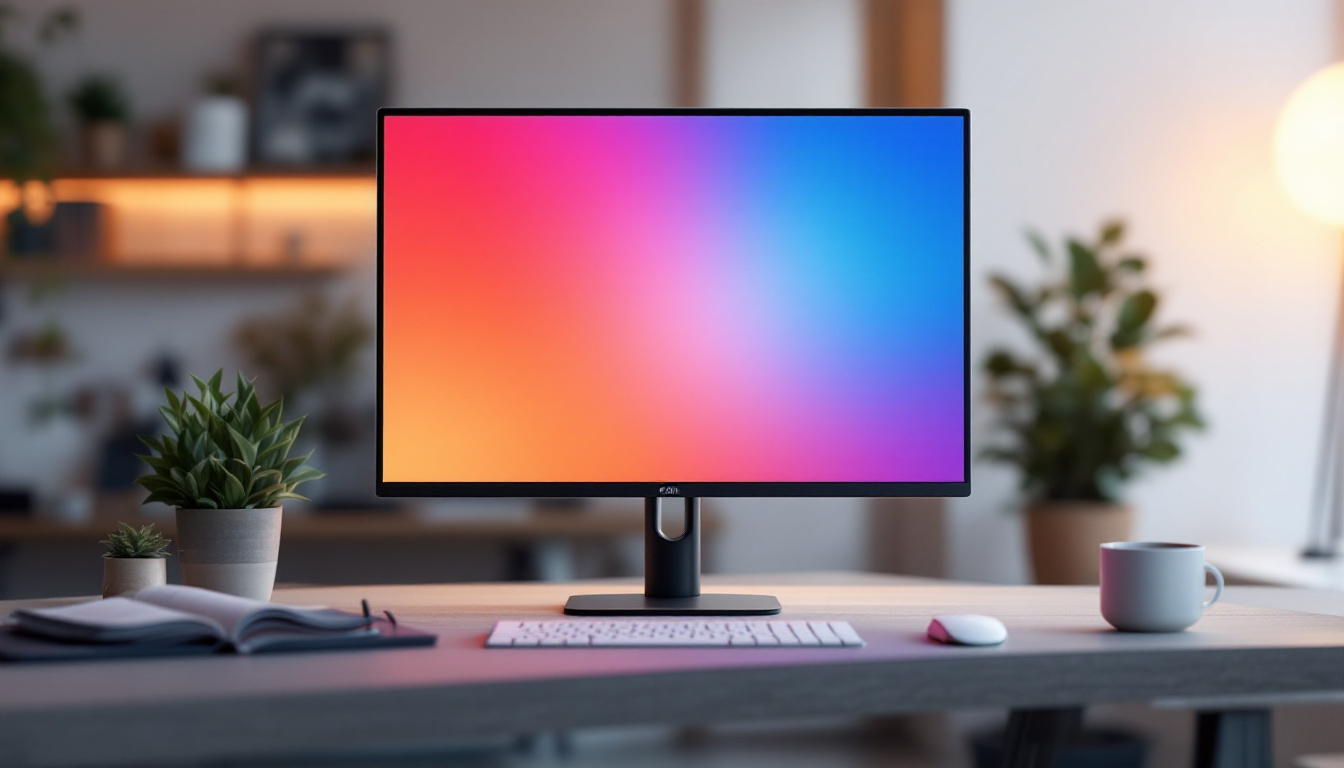
Ultra thin monitors are not just about aesthetics; their slim profiles bring tangible benefits to users. Modern workspaces prioritize minimalism and ergonomics, and a thin monitor fits seamlessly into such environments. The reduced depth of these displays saves desk space and allows for more flexible mounting options, including wall mounts and adjustable arms.
From a manufacturing perspective, advancements in LED technology and materials have enabled the production of panels that are often less than 10 millimeters thick. This is a significant reduction compared to older LCD monitors, which could be several centimeters thick due to bulky backlighting components.
Energy Efficiency and Environmental Impact
LED backlighting is inherently more energy-efficient than traditional CCFL lighting. According to the U.S. Department of Energy, LED monitors can consume up to 30-50% less power than their CCFL counterparts. This efficiency translates into lower electricity bills for consumers and a reduced carbon footprint.
Moreover, LED monitors generate less heat, contributing to a cooler operating environment and potentially extending the lifespan of internal components. The environmental benefits are further enhanced by the absence of mercury, a toxic substance commonly found in CCFL backlights.
Performance Advantages of LED Ultra Thin Monitors
Improved Brightness and Color Accuracy
One of the standout features of LED monitors is their superior brightness levels. Modern LED panels can achieve brightness levels exceeding 400 nits, with some professional-grade monitors reaching over 1000 nits for HDR content. This brightness range ensures clear visibility even in brightly lit rooms or outdoor settings.
Color accuracy is another critical factor, especially for creative professionals in photography, video editing, and graphic design. LED technology supports wider color gamuts, such as Adobe RGB and DCI-P3, enabling more vivid and true-to-life color reproduction. Many ultra thin monitors come factory-calibrated or support hardware calibration tools to maintain consistent color fidelity.
Faster Response Times and Refresh Rates
For gamers and video professionals, response time and refresh rate are crucial metrics. LED monitors typically offer faster response times compared to older LCDs with CCFL backlighting. Response times as low as 1 millisecond reduce motion blur and ghosting effects, enhancing the clarity of fast-moving images.
Additionally, many ultra thin LED monitors support high refresh rates — 120Hz, 144Hz, or even 240Hz — providing smoother motion and reducing eye strain during prolonged use. This makes them ideal not only for gaming but also for video editing and animation work where frame accuracy matters.
Applications and Use Cases of Ultra Thin LED Monitors
Professional Environments
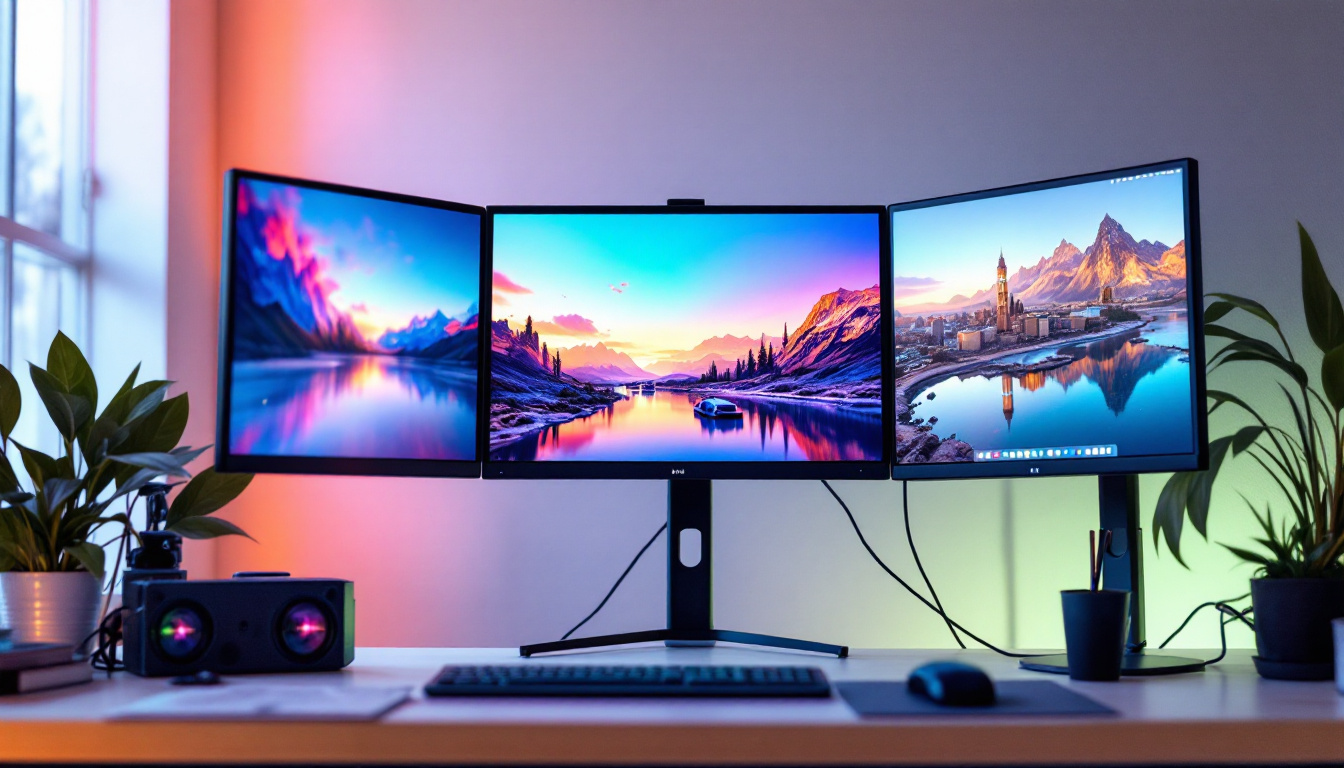
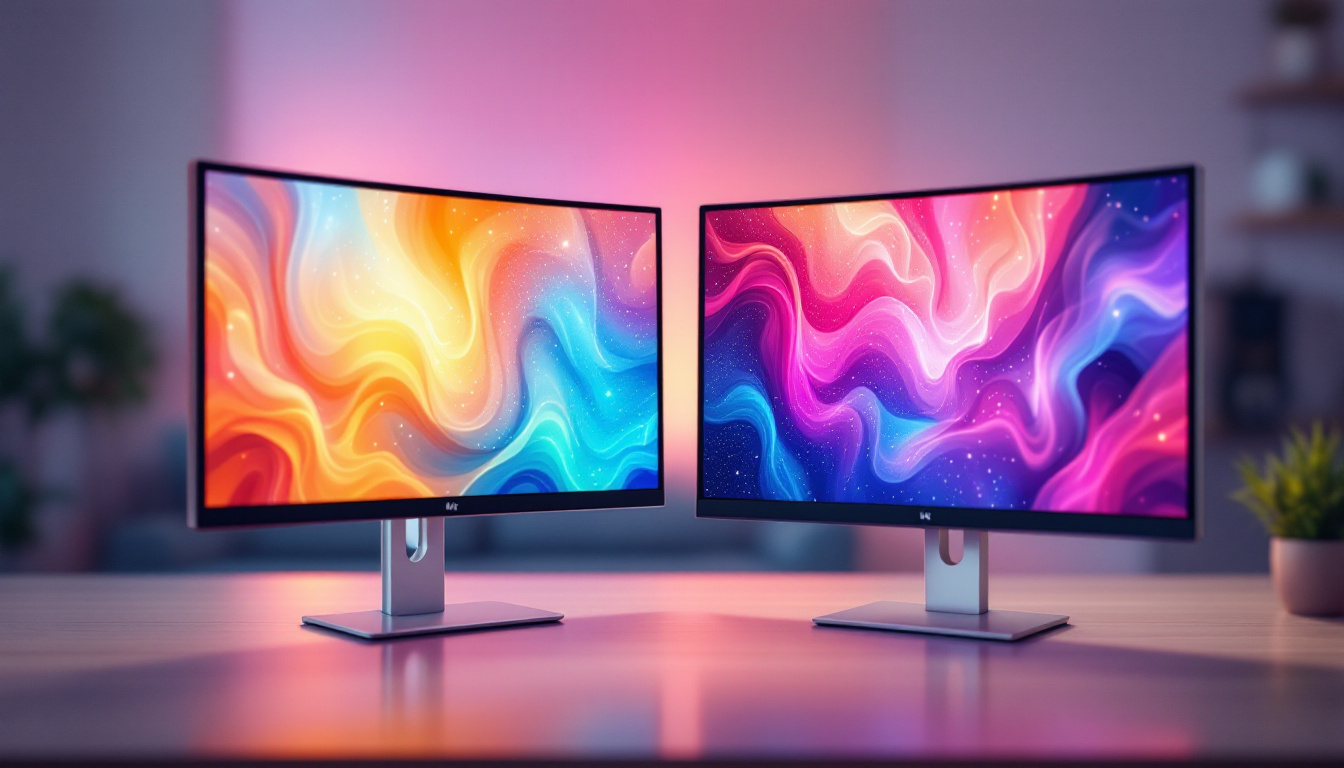
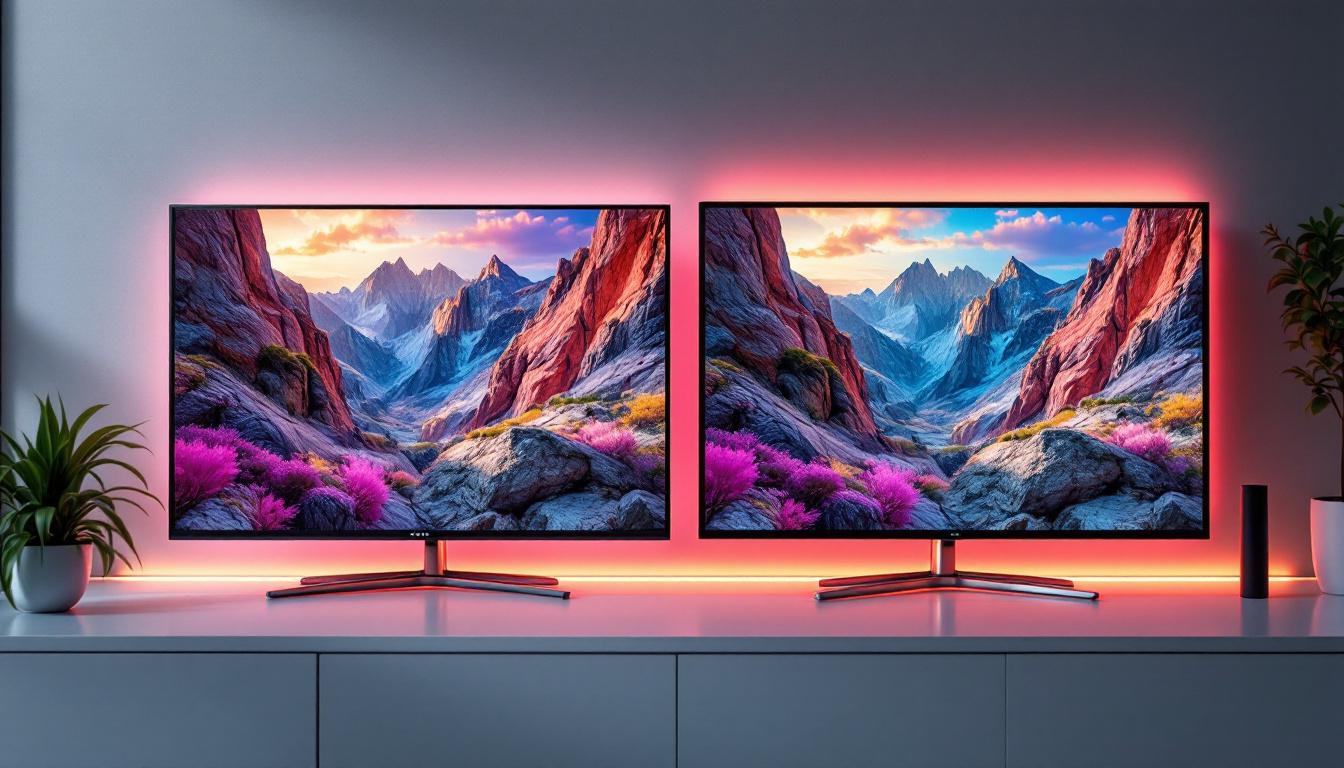
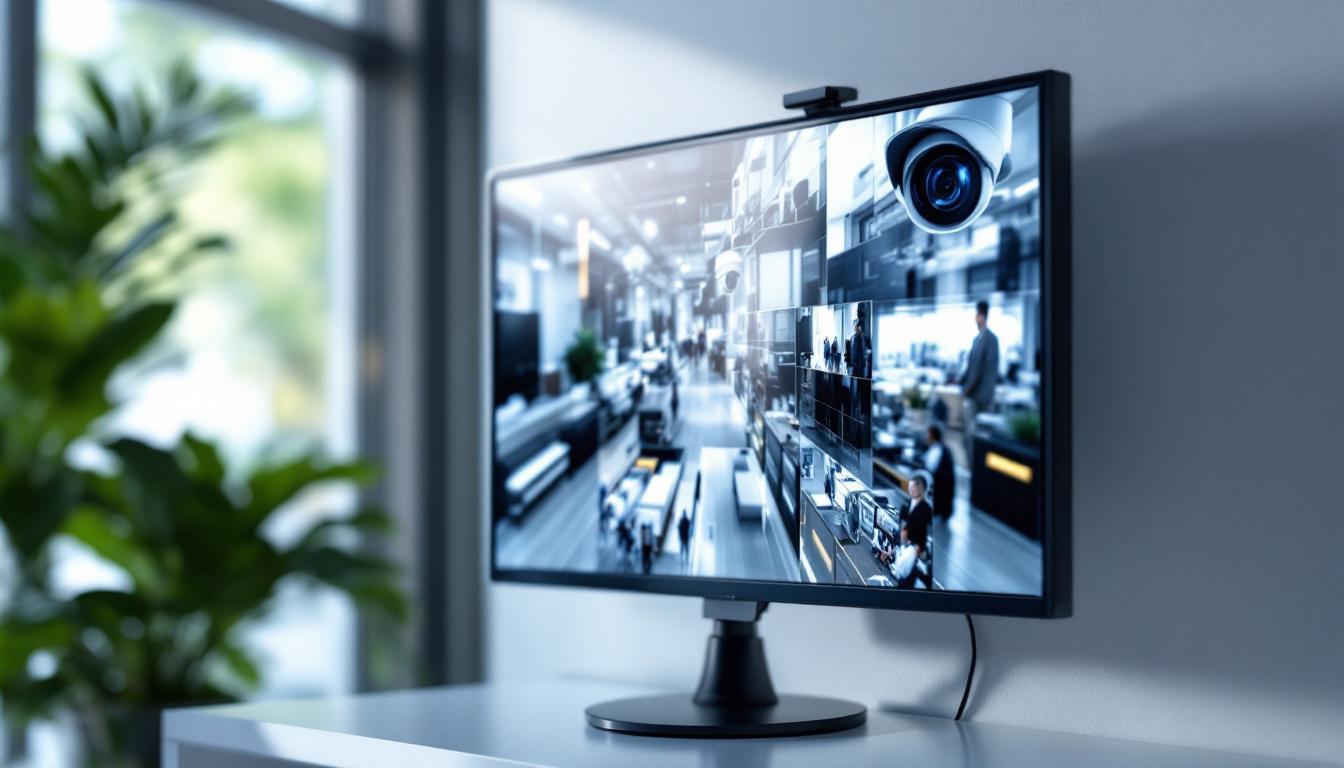
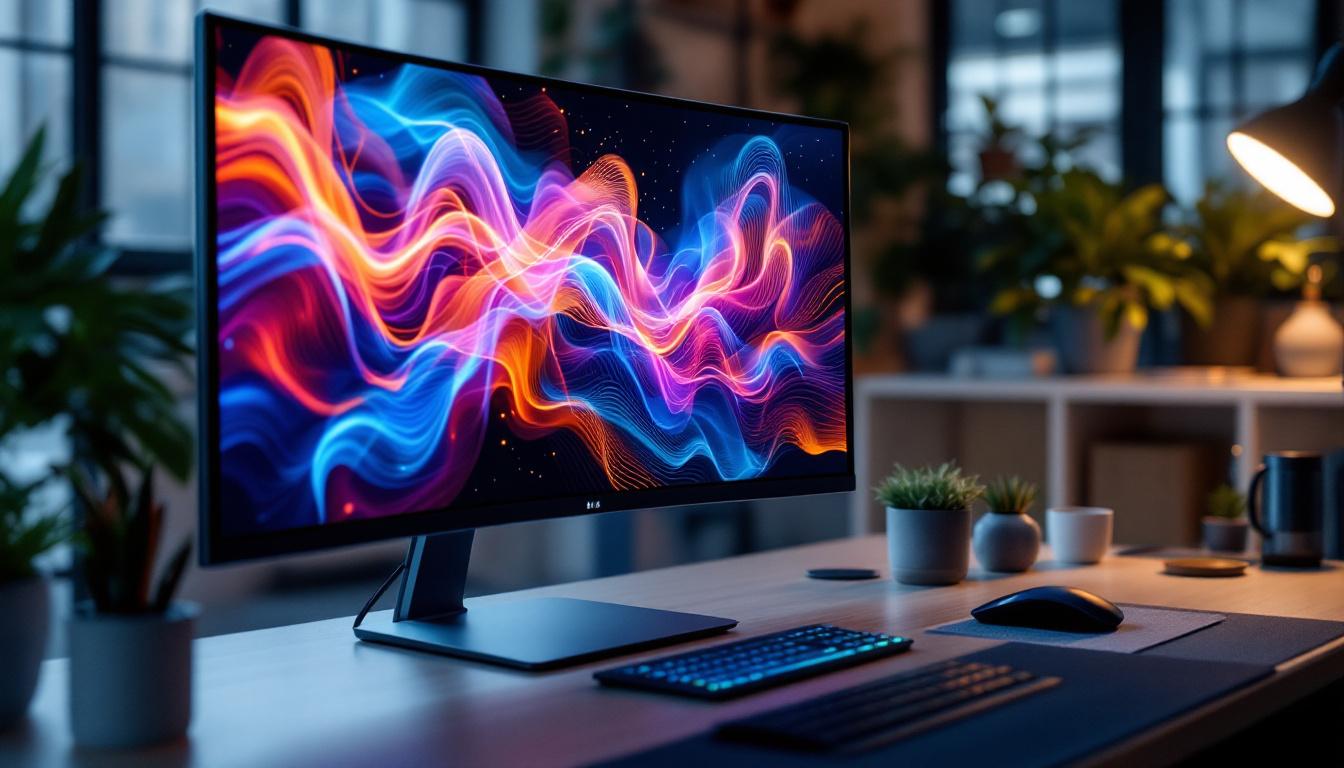
In office and corporate settings, ultra thin LED monitors contribute to a clean and organized workspace. Their lightweight design facilitates multi-monitor setups, which are increasingly common in fields such as finance, software development, and data analysis. The improved energy efficiency also aligns with corporate sustainability goals.
Creative professionals benefit from the color precision and high resolution offered by these displays. Ultra thin monitors with 4K or higher resolution provide ample screen real estate for detailed work without sacrificing desk space.
Home and Entertainment Use
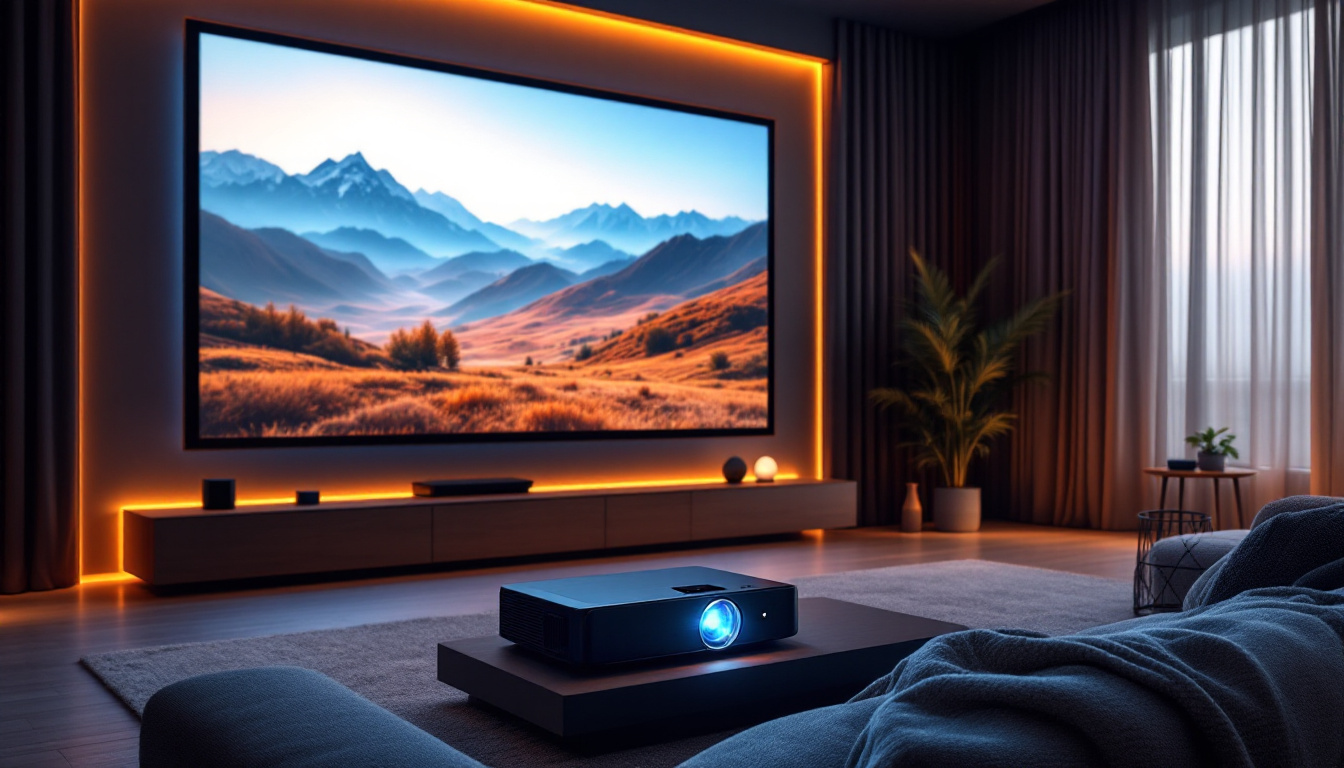
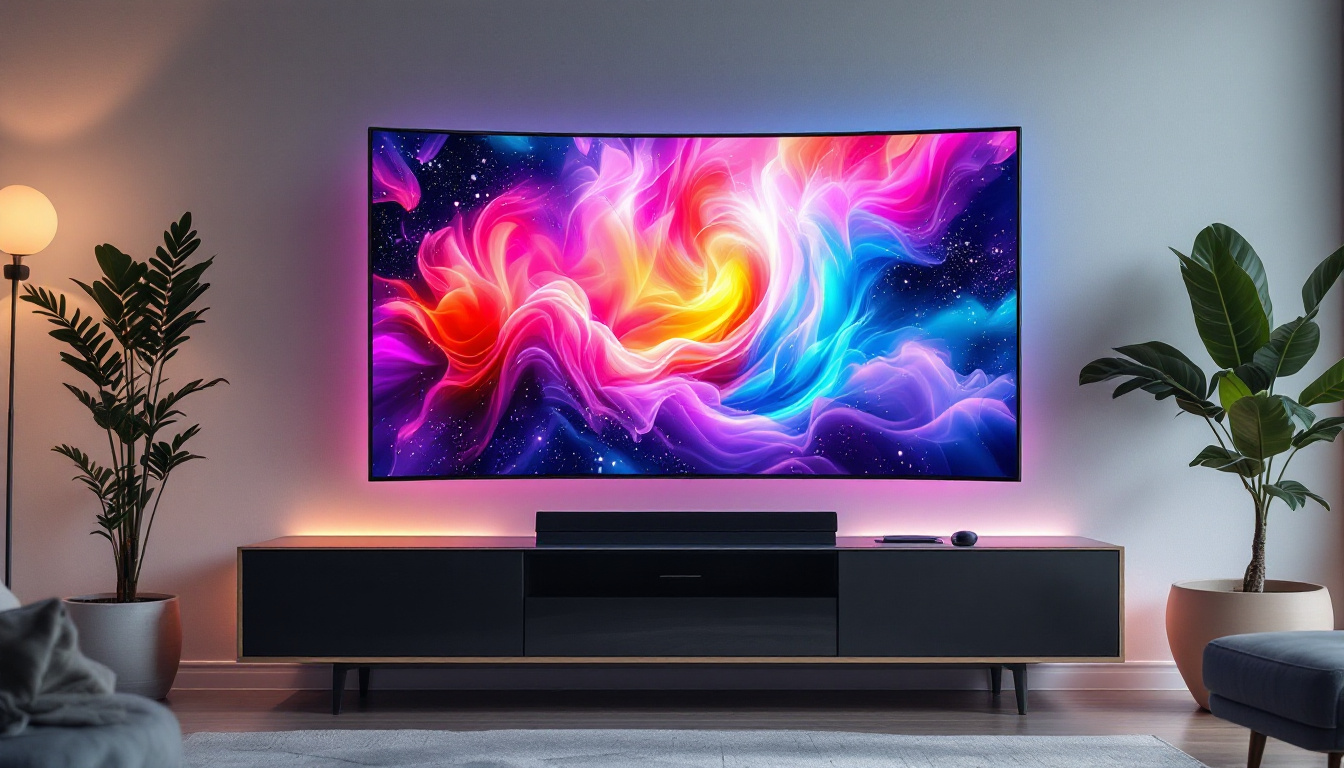
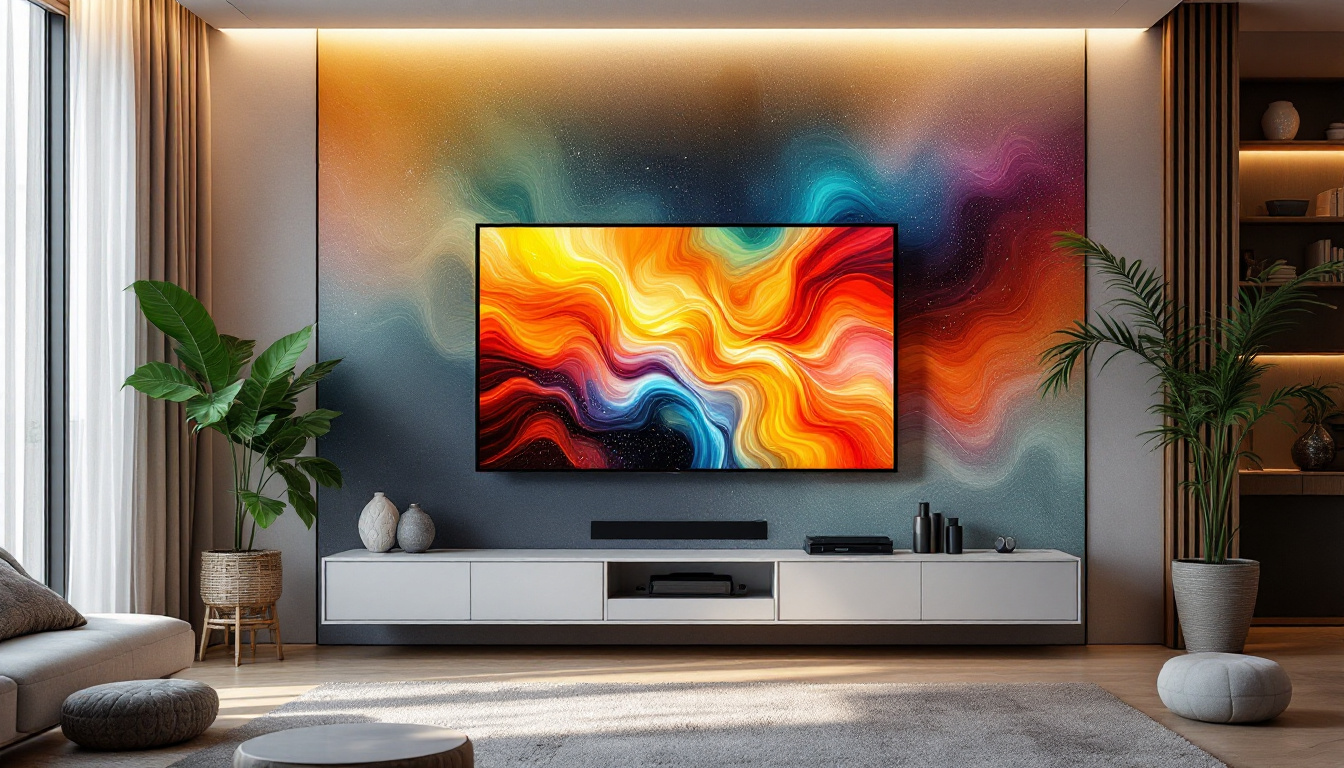
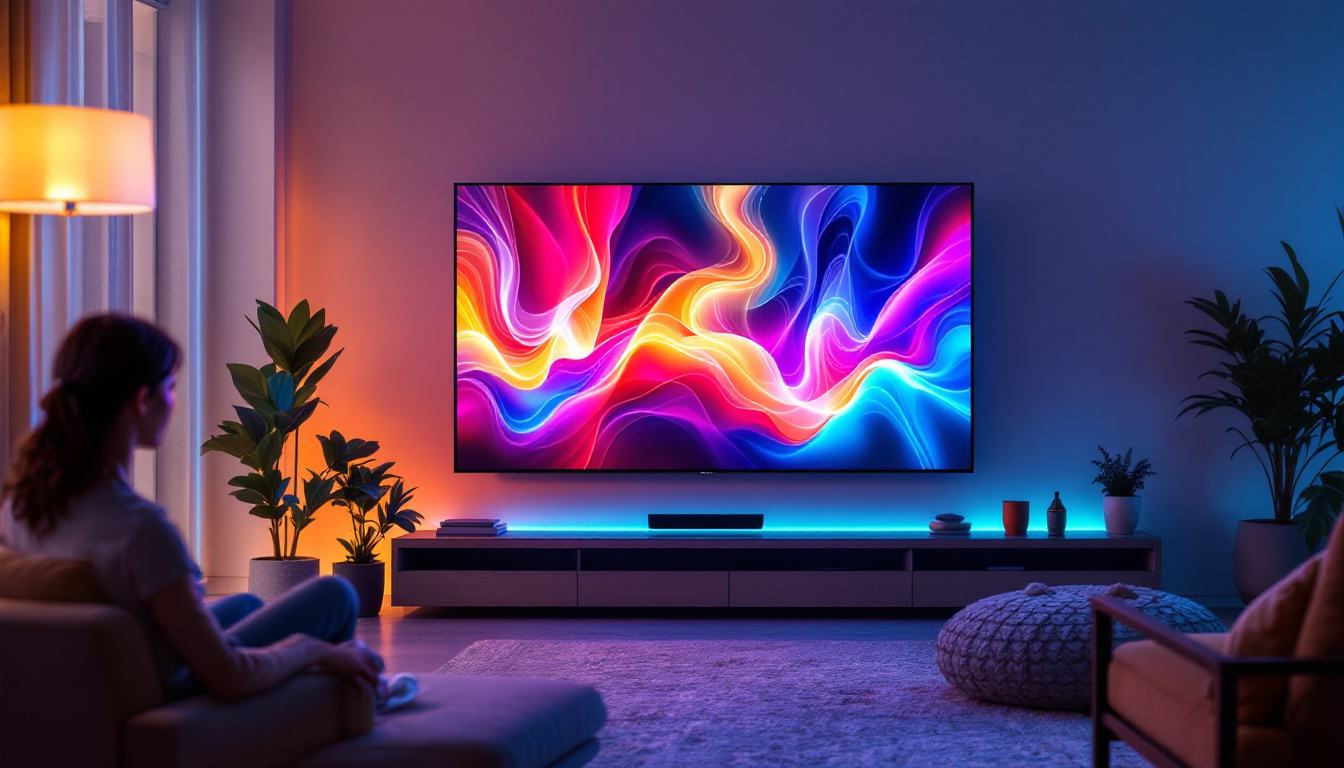
For home users, ultra thin LED monitors serve a dual purpose as both computer displays and television screens. Their slim profile allows for easy integration into living rooms or bedrooms, often mounted on walls to save space. The high brightness and color quality enhance movie watching, gaming, and streaming experiences.
Gaming enthusiasts particularly appreciate ultra thin monitors with high refresh rates and low input lag, which contribute to competitive gameplay. Additionally, many models include features like adaptive sync technologies (e.g., NVIDIA G-Sync or AMD FreeSync) to prevent screen tearing and stuttering.
Public Displays and Digital Signage
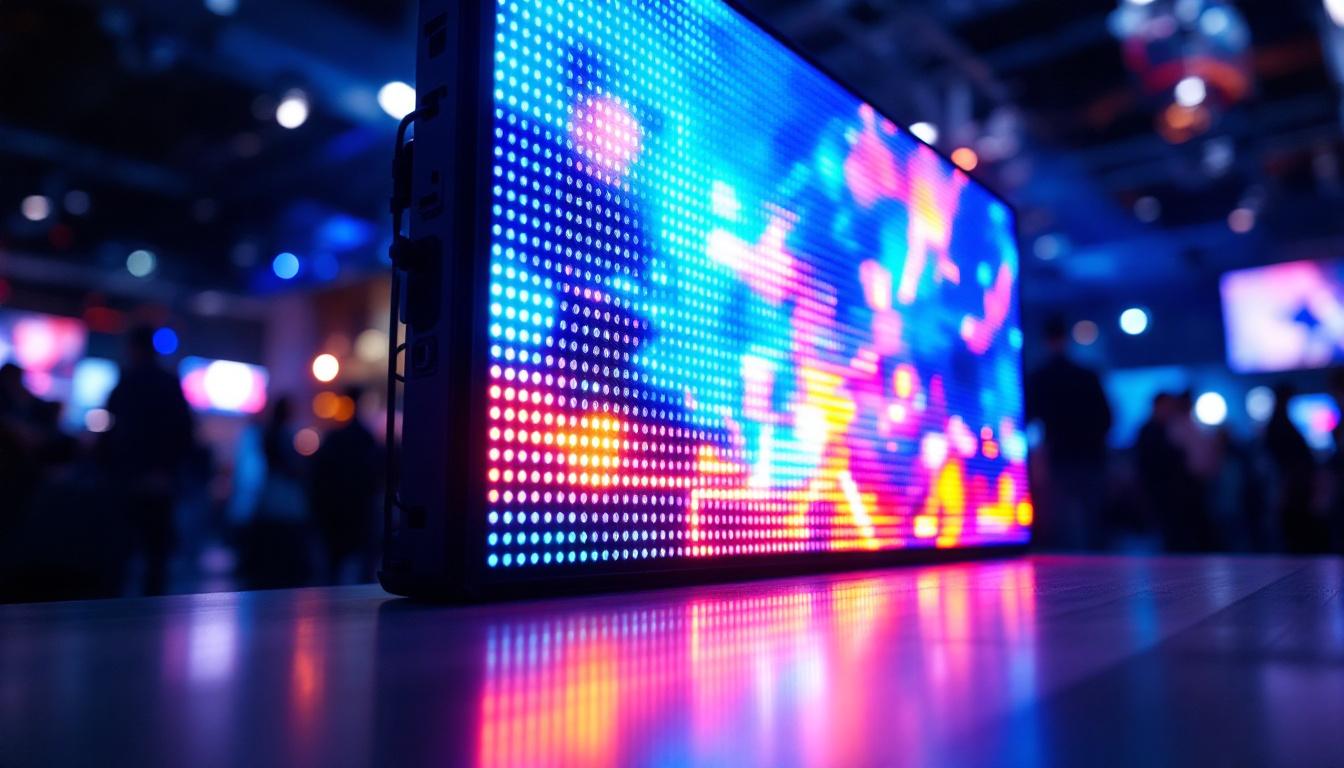
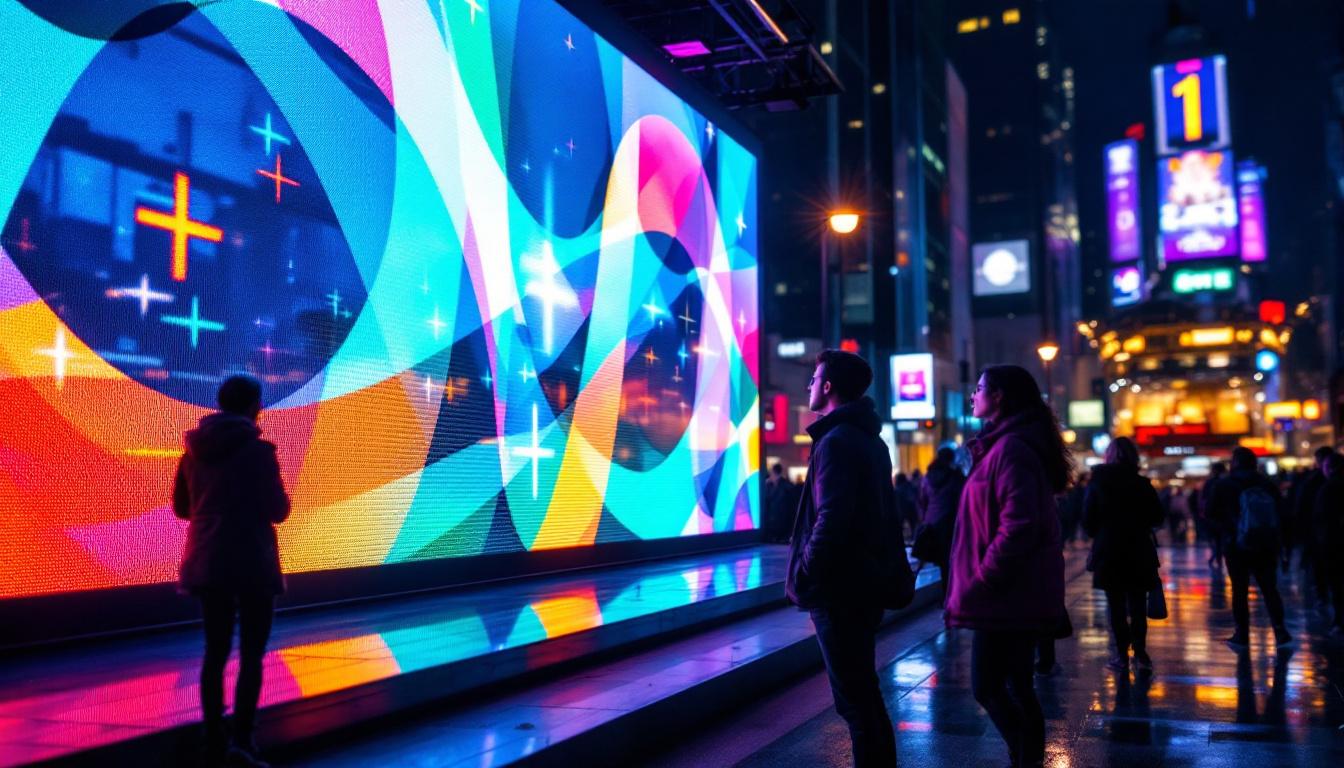
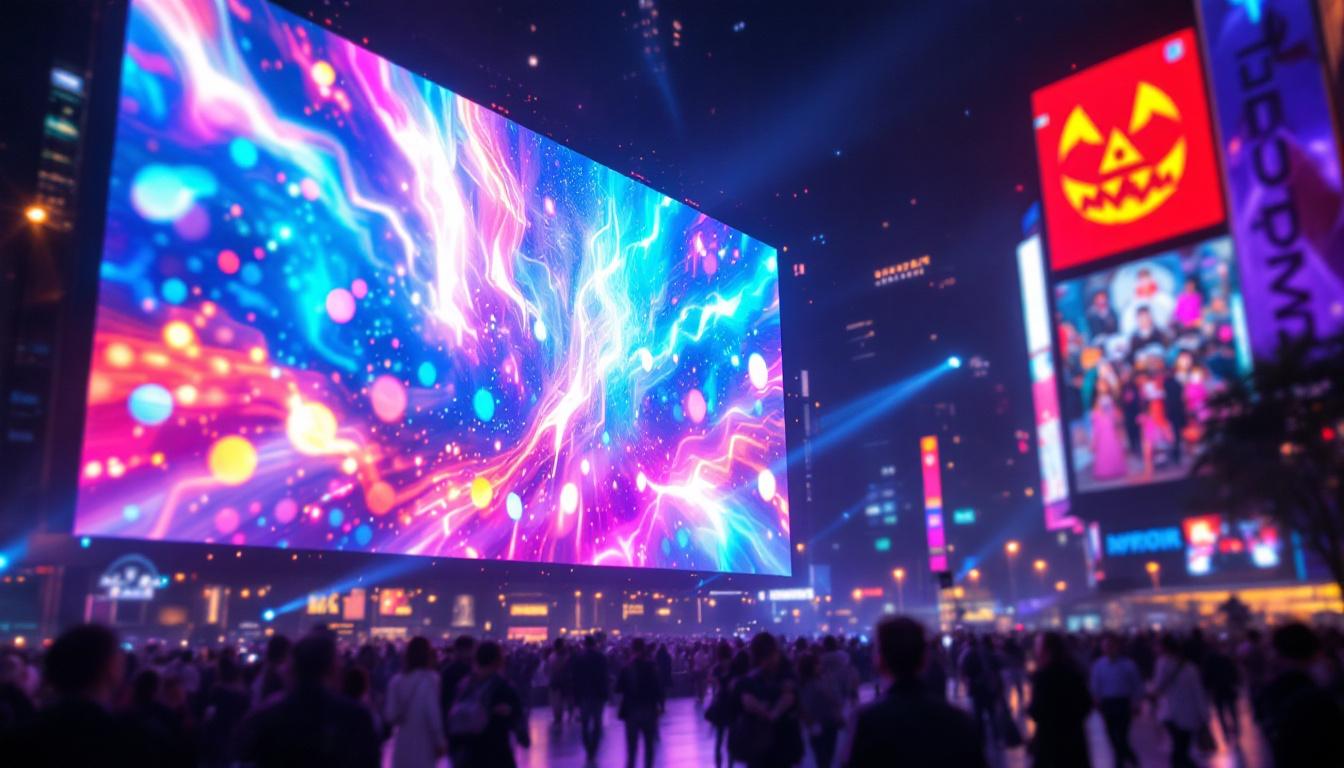
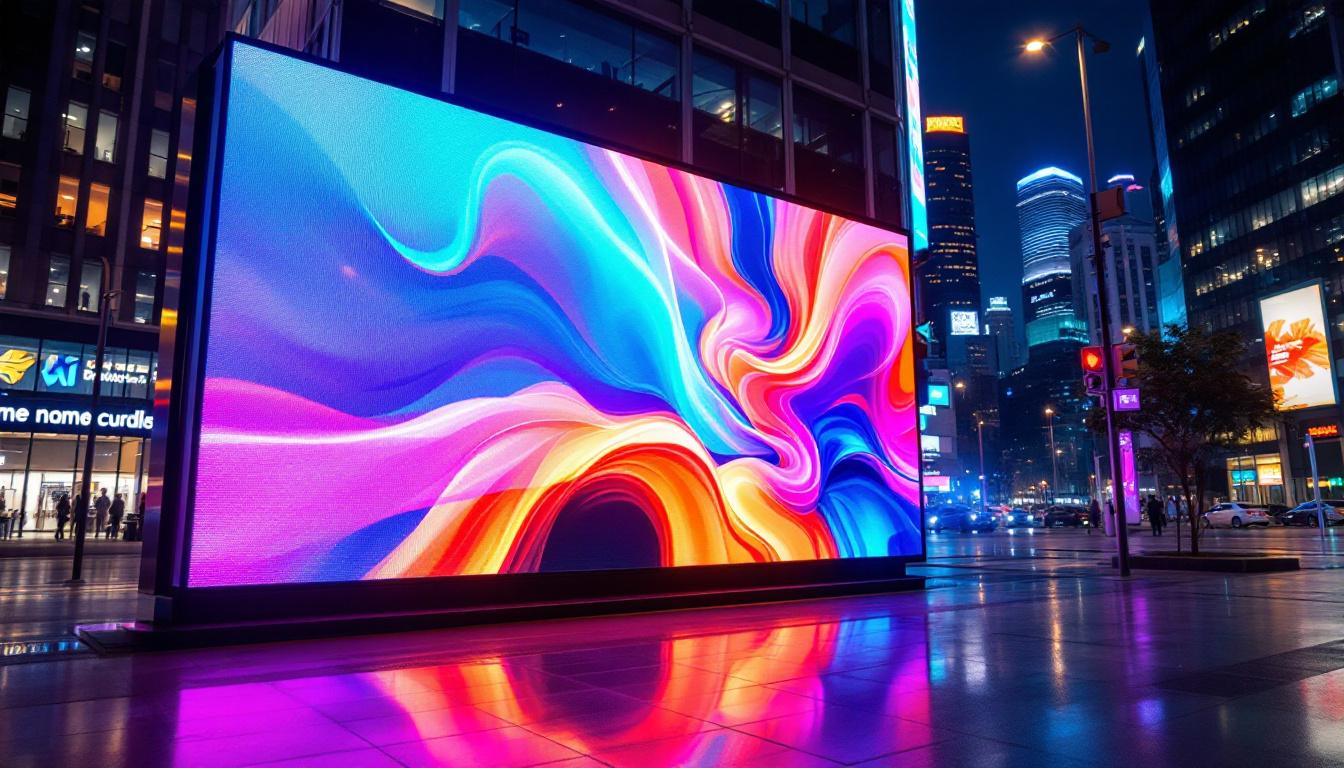
Ultra thin LED monitors are increasingly used in public spaces for digital signage due to their lightweight, slim form factor, and vibrant displays. Retail stores, airports, and corporate lobbies utilize these monitors to display advertisements, information, and interactive content. Their energy efficiency and long lifespan make them cost-effective solutions for continuous operation.
Choosing the Right Ultra Thin LED Monitor
Key Specifications to Consider
Selecting the ideal ultra thin monitor depends on the intended use. Important specifications include:
- Resolution: Higher resolutions (e.g., 4K UHD) offer sharper images and more workspace.
- Panel Type: IPS panels provide better color accuracy and viewing angles compared to TN panels, though often at a higher price.
- Refresh Rate and Response Time: Critical for gaming and video editing.
- Color Gamut and Calibration: Essential for professional color work.
- Connectivity: Availability of HDMI, DisplayPort, USB-C, and other ports for compatibility.
Ergonomics and Design Features
Beyond technical specifications, ergonomics play a vital role. Adjustable stands for height, tilt, and swivel improve comfort during extended use. VESA compatibility enables flexible mounting options, which is particularly useful for ultra thin monitors due to their lightweight construction.
Additionally, features like blue light filters and flicker-free technology help reduce eye strain, making these monitors suitable for long hours of work or entertainment.
The Future of Ultra Thin LED Monitors
Emerging Technologies and Trends
The display industry continues to evolve rapidly. Mini-LED and Micro-LED technologies are emerging as successors to traditional LED backlighting. These technologies use thousands of tiny LEDs to deliver even better contrast, brightness, and color accuracy while maintaining ultra thin profiles.
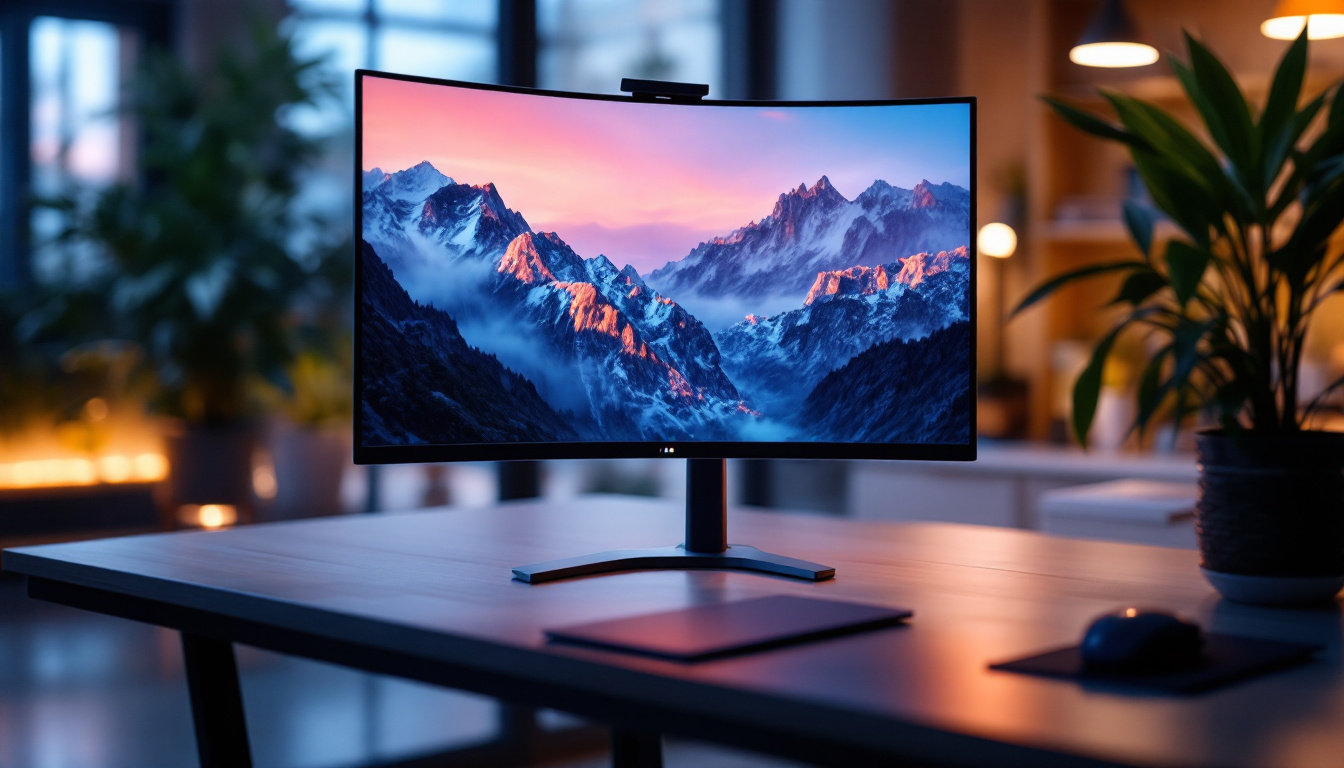
Furthermore, the integration of flexible and curved ultra thin displays is gaining traction, offering immersive viewing experiences and new design possibilities. Advances in quantum dot technology also enhance color performance, pushing the boundaries of what LED monitors can achieve.
Sustainability and Manufacturing Innovations
Manufacturers are increasingly focused on sustainability, incorporating recyclable materials and reducing harmful substances in production. Energy efficiency standards continue to improve, driven by consumer demand and regulatory policies worldwide.
As a result, future ultra thin LED monitors will not only offer superior performance and aesthetics but will also contribute to environmental responsibility, aligning with global efforts to reduce electronic waste and energy consumption.
Conclusion
Ultra thin monitors with LED technology represent a significant advancement in display design and performance. Their combination of sleek aesthetics, energy efficiency, and superior visual quality makes them an attractive choice for a wide range of users—from professionals requiring precise color accuracy to gamers seeking fast response times.
Understanding the underlying LED technology, the benefits of ultra thin designs, and the key features to consider can help consumers and businesses select the right monitor for their needs. As display technologies continue to evolve, ultra thin LED monitors are poised to remain at the forefront of innovation, delivering enhanced experiences in both work and entertainment environments.
Discover the Future of Visual Display with LumenMatrix
Ready to experience the pinnacle of ultra thin LED monitor technology? LumenMatrix is at the forefront of innovation, offering a diverse range of LED display solutions that cater to your every need. From captivating Indoor LED Walls to dynamic Outdoor LED Displays, and from versatile Vehicle LED Displays to sleek LED Poster Displays, our products are designed to revolutionize visual communication. Embrace the power of LED Sports Displays, innovative Floor LED Displays, and the creativity of Custom LED Displays. Our All-in-One and Transparent LED Displays are crafted to enhance engagement and captivate your audience. Elevate your visual experience and share your message with unparalleled clarity. Check out LumenMatrix LED Display Solutions today and step into a world of vivid imagery and impactful storytelling.