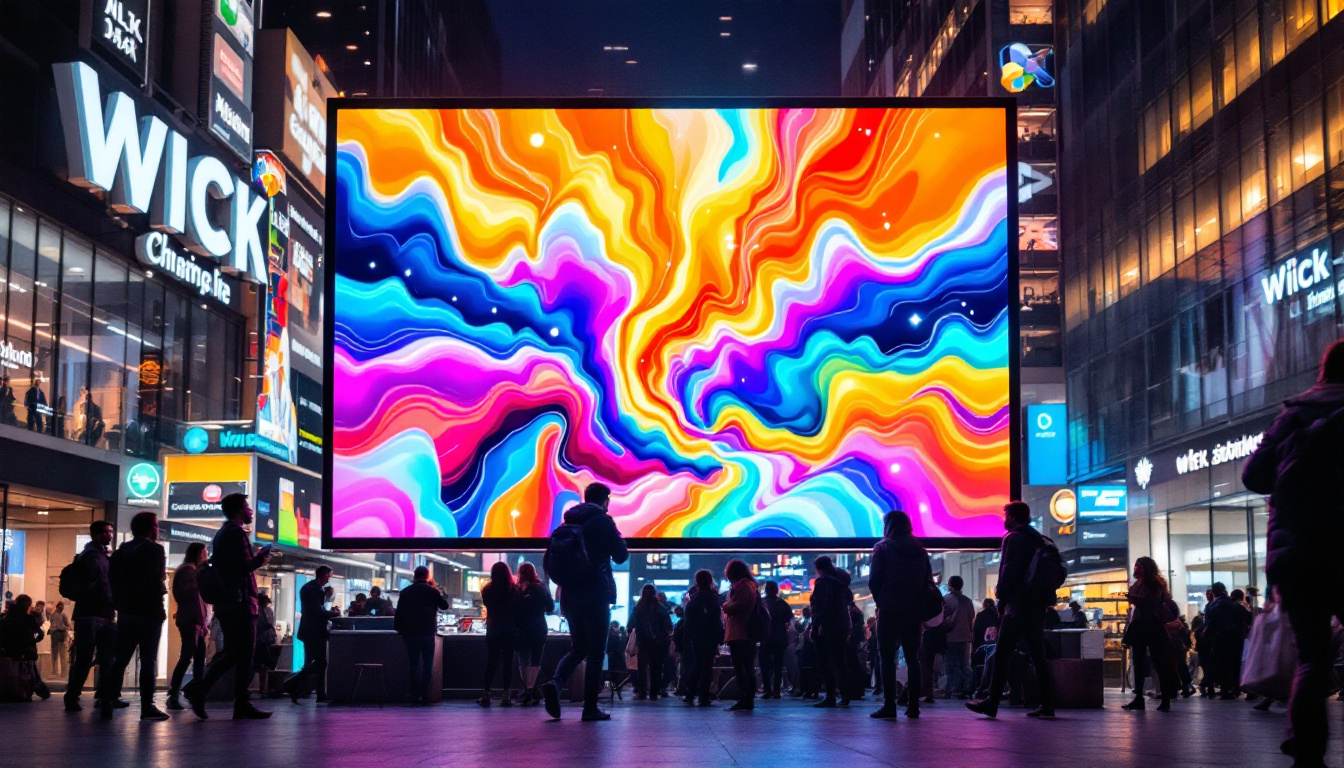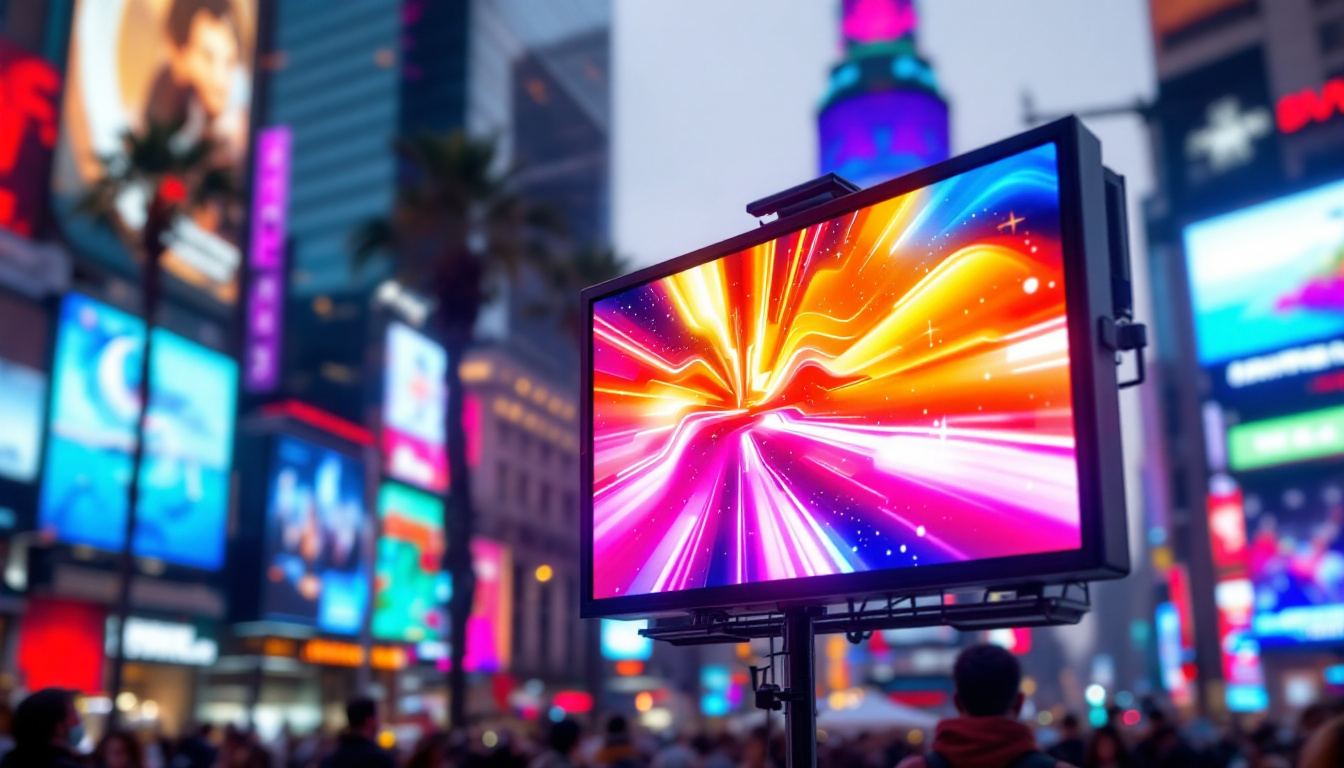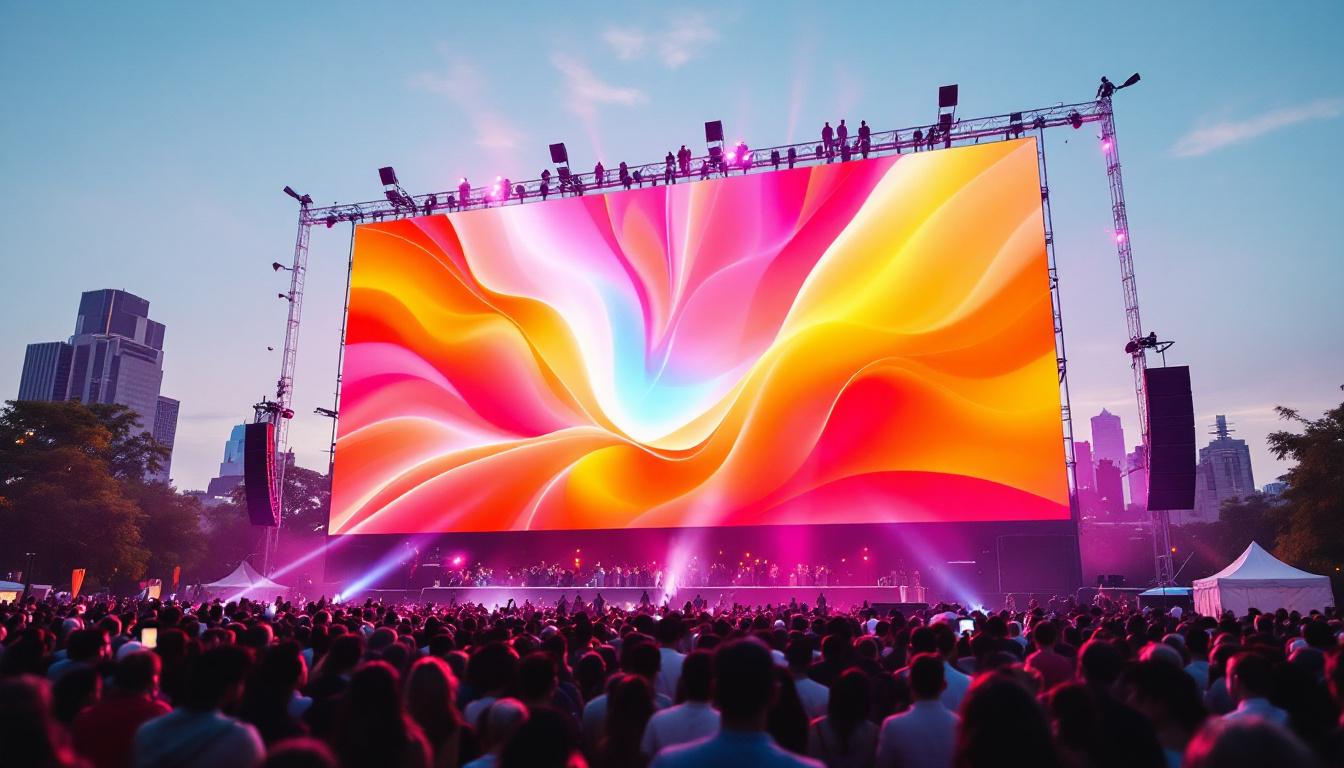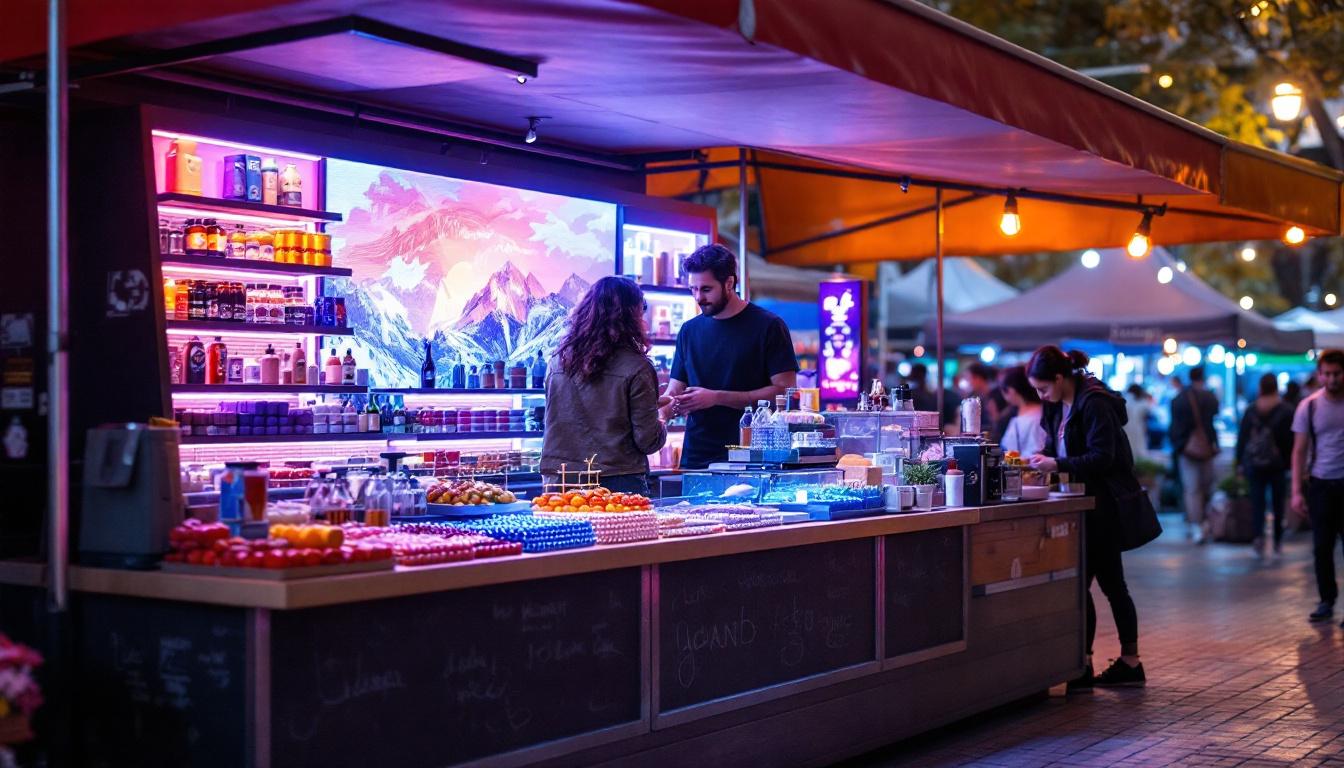
In today’s fast-paced retail and exhibition environments, grabbing customer attention is more challenging than ever. Vendor display stands equipped with LED displays have emerged as a powerful solution to this challenge, combining dynamic visual appeal with practical functionality. This article delves into the intricacies of LED display stands, exploring their technology, benefits, applications, and considerations for vendors aiming to maximize their impact.
Understanding LED Display Technology
What is an LED Display?
LED stands for Light Emitting Diode, a semiconductor device that emits light when an electric current passes through it. Unlike traditional display technologies such as LCD or plasma, LED displays use thousands of tiny diodes to create bright, vibrant images. This technology allows for high contrast ratios, excellent color accuracy, and energy efficiency, making it ideal for vendor display stands.
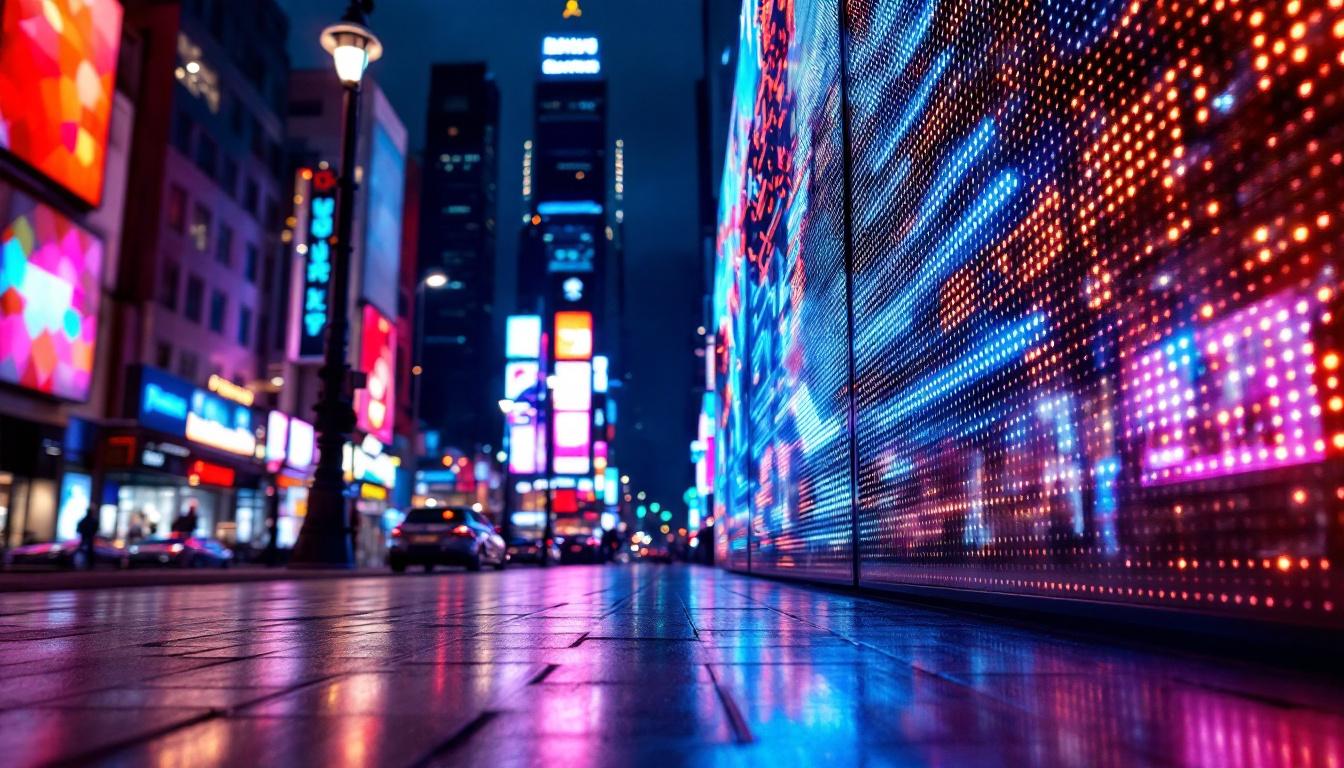
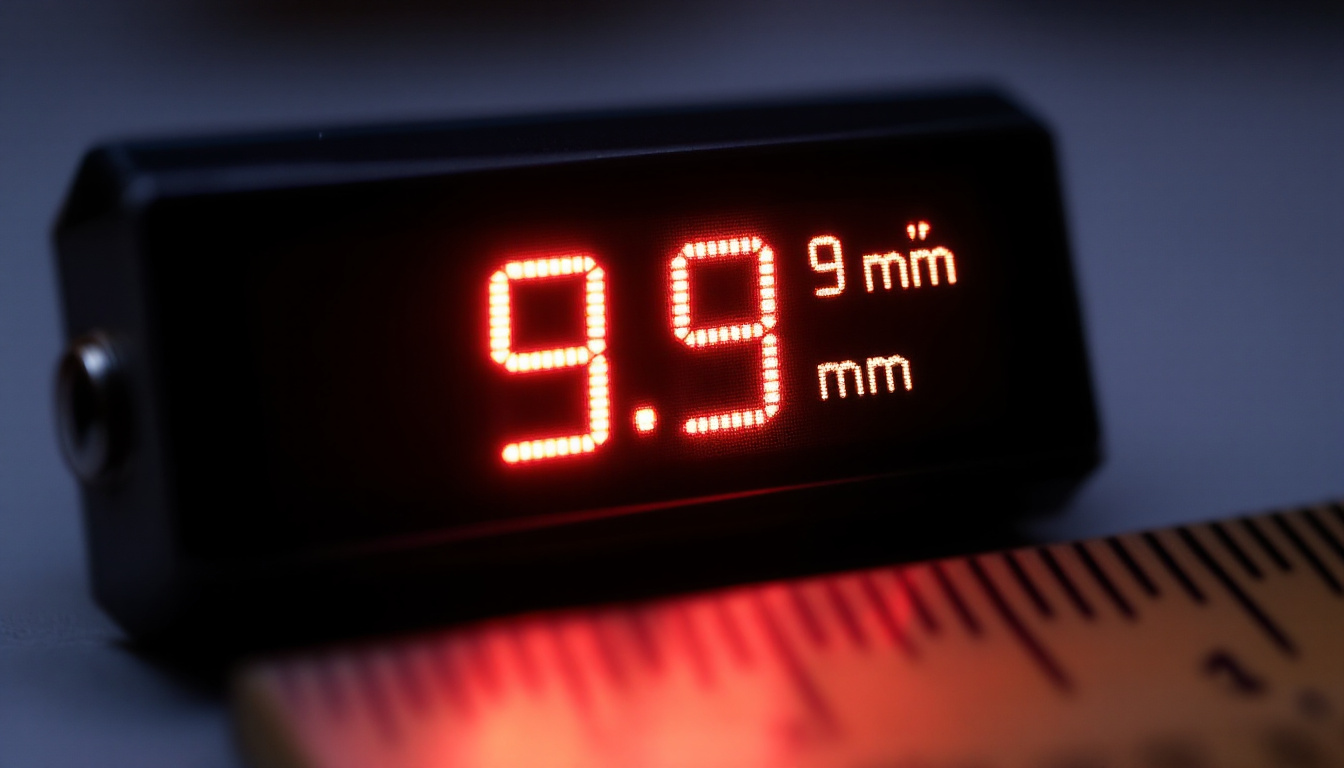
Modern LED displays can be configured in various pixel pitches—the distance between individual LEDs—which affects resolution and viewing distance. For vendor stands, pixel pitches typically range from 1.5mm to 4mm, balancing sharpness and cost-effectiveness for close-up viewing environments such as trade shows or retail outlets. The choice of pixel pitch is crucial, as it directly impacts the clarity of the visuals displayed, ensuring that intricate details are not lost even when viewed from a short distance.
Types of LED Displays Used in Vendor Stands
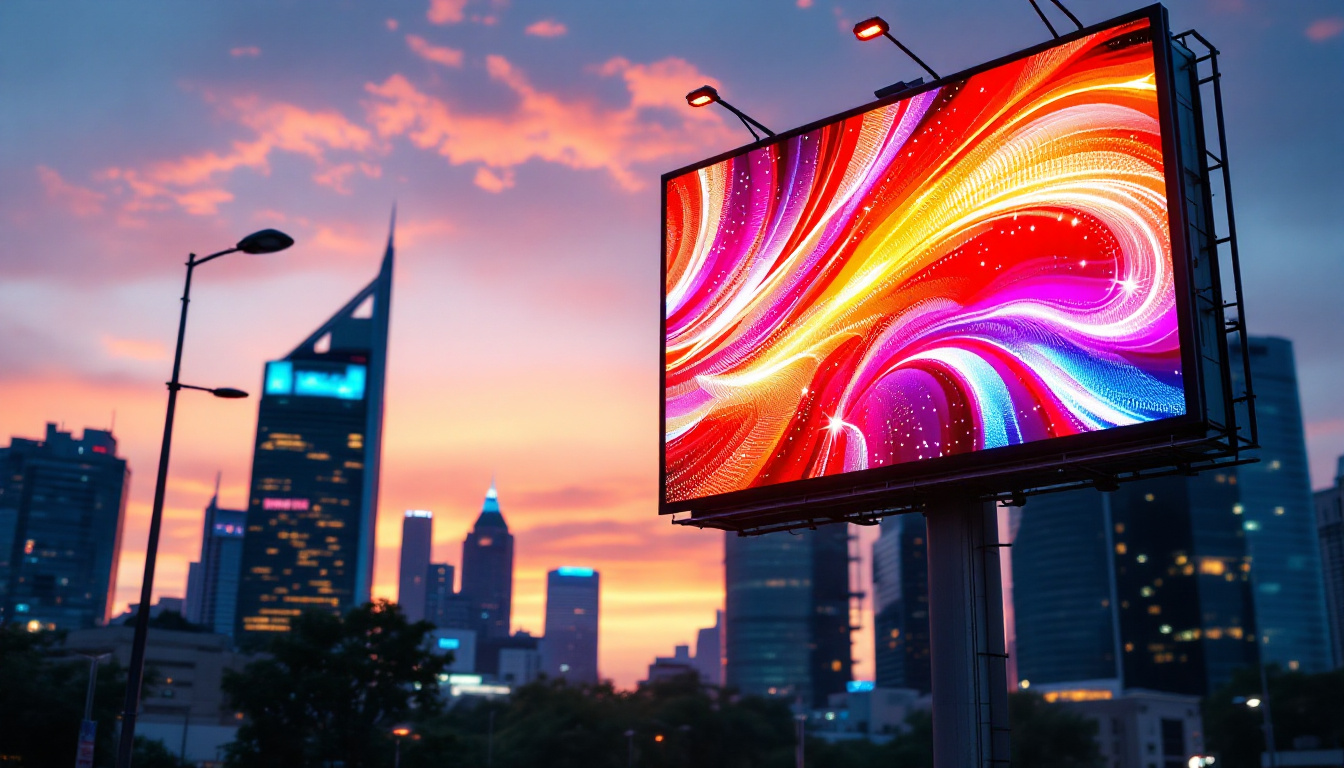
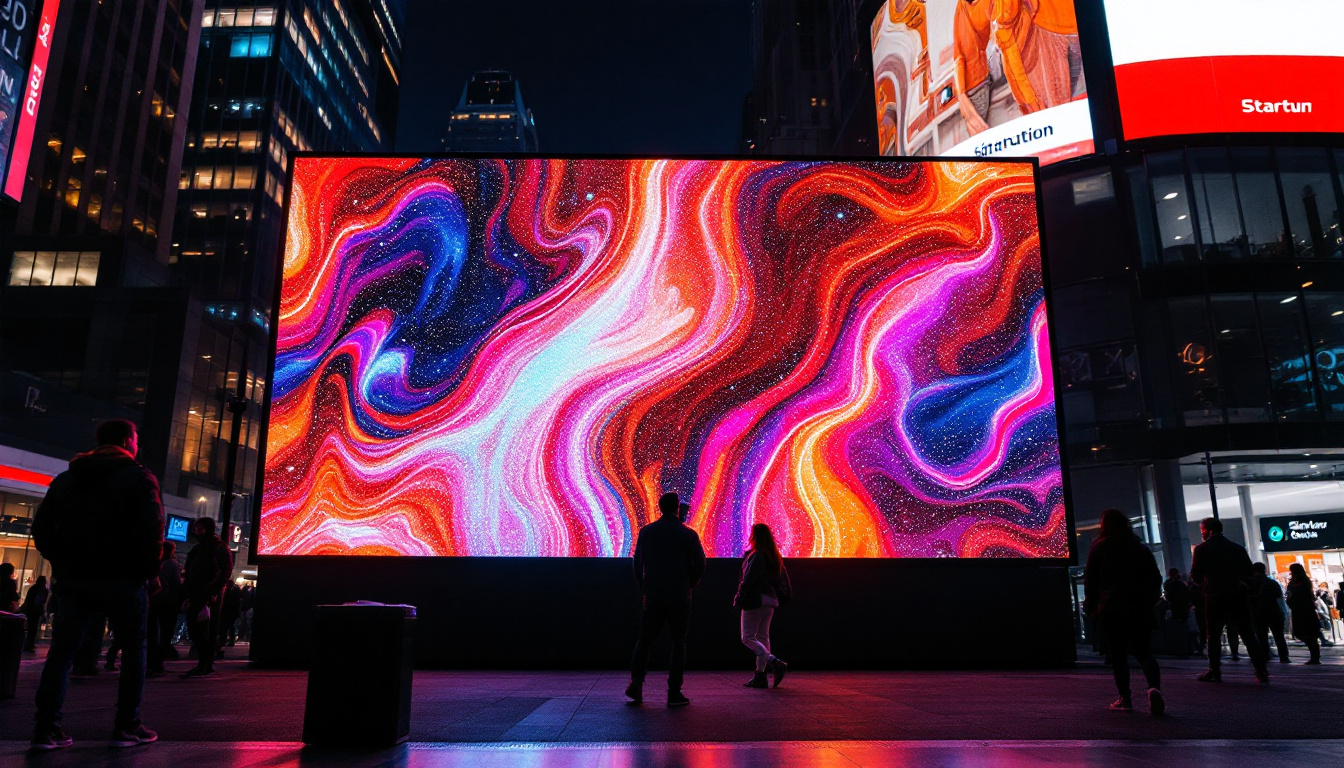
There are primarily two types of LED displays used in vendor stands: indoor and outdoor LED panels. Indoor LED displays are designed for controlled environments with lower brightness levels, typically around 800 to 1,200 nits, which is sufficient for indoor lighting conditions. Outdoor LED displays require higher brightness levels, often exceeding 5,000 nits, to remain visible under direct sunlight. This capability allows vendors to attract attention even in bright, sunny conditions, making outdoor displays a powerful tool for marketing.
Additionally, LED displays can be either fixed or modular. Modular LED panels allow vendors to customize the size and shape of their display stands, offering flexibility for different event spaces and marketing needs. Fixed LED stands, on the other hand, are pre-configured and generally easier to set up, making them suitable for permanent retail installations. The modular option is particularly advantageous for businesses that frequently participate in different events, as it enables them to adapt their display to fit various layouts and audience sizes, maximizing their visibility and engagement potential.
Moreover, advancements in LED technology have led to the development of features such as high dynamic range (HDR) and 3D capabilities, further enhancing the visual experience. HDR allows for a broader range of colors and contrasts, making images more lifelike, while 3D displays can create immersive experiences that draw in potential customers. As vendors continue to seek innovative ways to stand out in competitive markets, these advanced features can significantly elevate their display strategies, ensuring that their messages resonate with audiences in captivating ways.
Benefits of Using LED Display Stands for Vendors
Enhanced Visual Engagement
One of the most significant advantages of LED display stands is their ability to captivate audiences with vivid, dynamic content. Studies show that moving images and bright colors can increase customer engagement by up to 80% compared to static signage. LED displays support video, animations, and interactive content, enabling vendors to showcase products in a more compelling and memorable way.
For example, a cosmetics vendor at a trade show can use an LED display stand to demonstrate makeup application tutorials or highlight product features with vibrant visuals. This interactive approach not only attracts foot traffic but also encourages longer dwell times, increasing the likelihood of purchase.
Flexibility and Content Control
LED display stands offer unparalleled flexibility in content management. Vendors can update their messaging in real-time, tailoring promotions based on time of day, audience demographics, or inventory levels. This adaptability is especially valuable in retail environments where seasonal campaigns and flash sales are common.
Many LED display systems come with user-friendly software that allows for remote content scheduling and monitoring. This means vendors can manage multiple stands across different locations from a single dashboard, ensuring consistent branding and messaging without the need for physical presence.
Energy Efficiency and Durability
Compared to traditional lighting and display methods, LED technology is highly energy-efficient, consuming up to 75% less power. This efficiency translates to lower operating costs, which is a critical consideration for vendors operating on tight margins. Additionally, LED displays have longer lifespans, often exceeding 50,000 hours of use, reducing the need for frequent replacements or repairs.
Durability is another key benefit. LED panels are built to withstand various environmental conditions, including temperature fluctuations and humidity, making them suitable for both indoor and outdoor vendor stands. Their robust construction minimizes downtime during events, ensuring continuous visibility and brand presence.
Applications of LED Display Stands in Vendor Settings
Trade Shows and Exhibitions
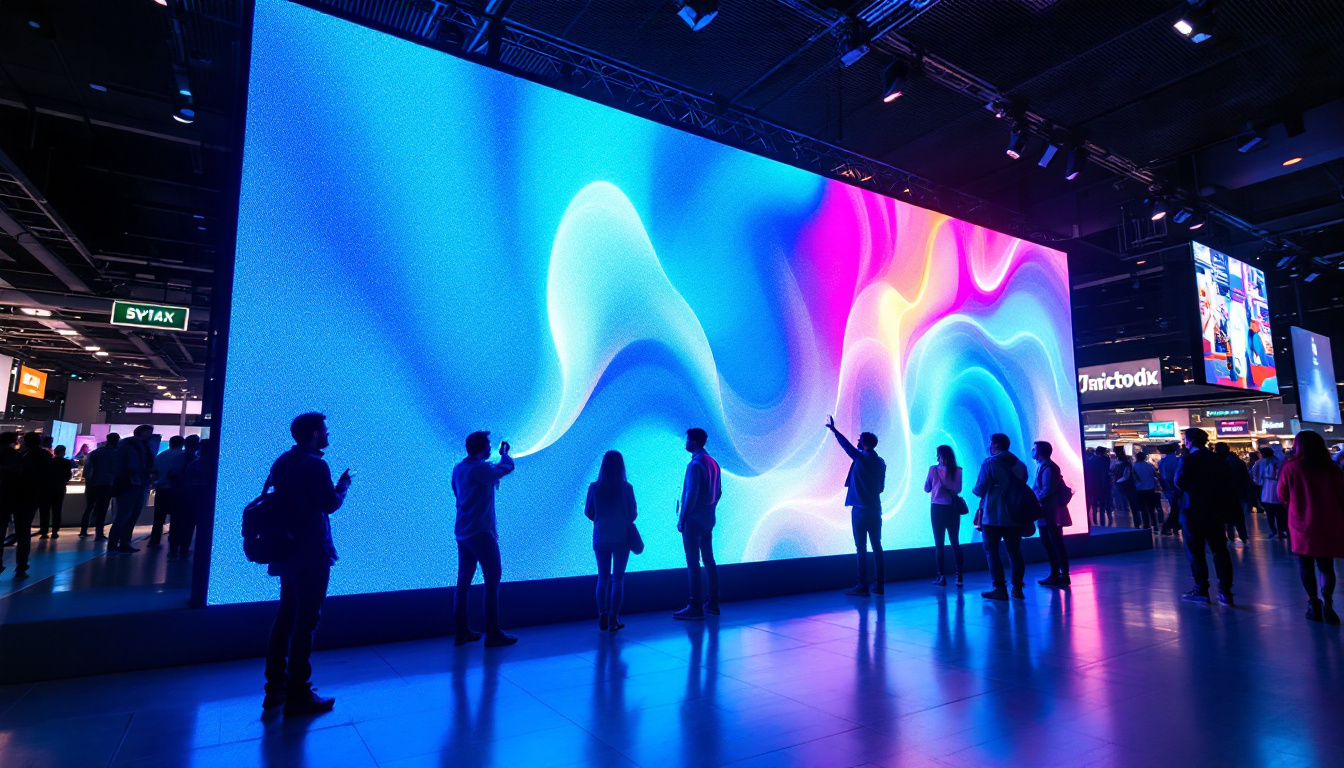
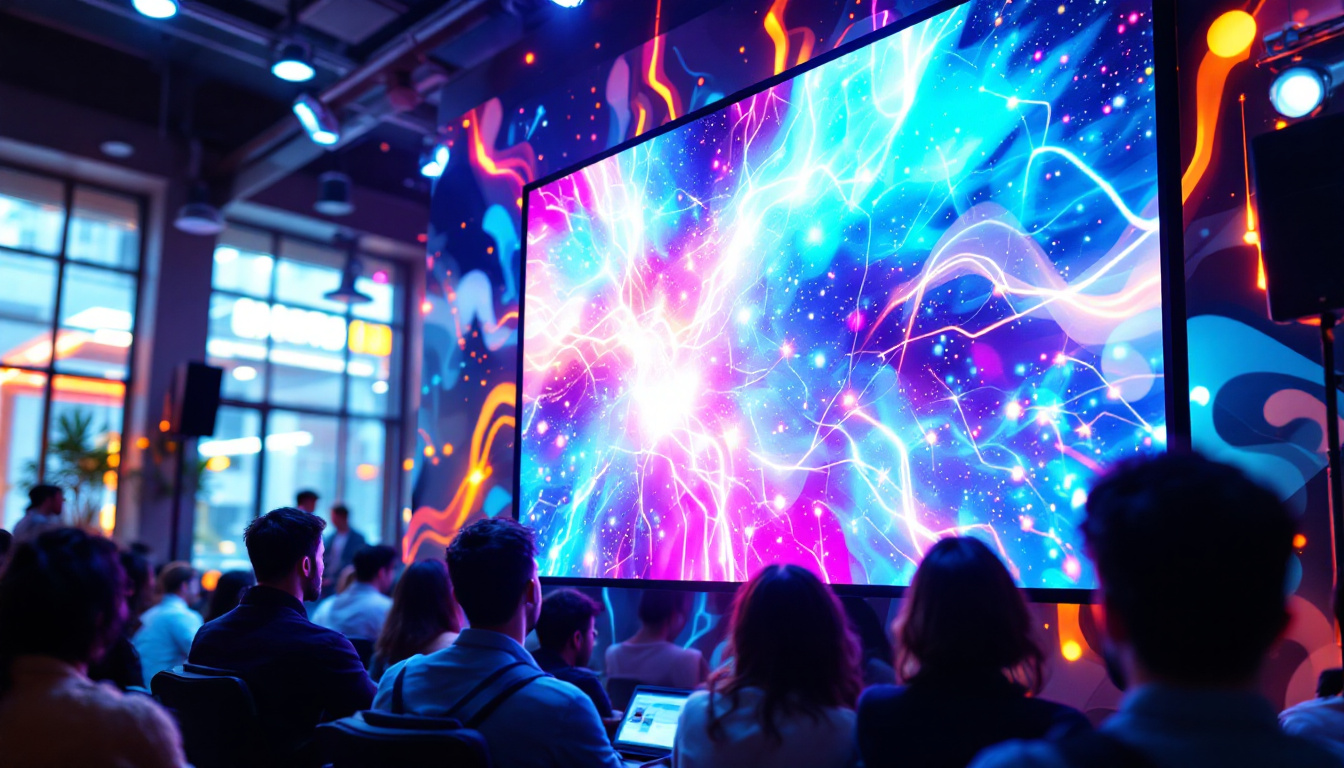
Trade shows are highly competitive environments where vendors must differentiate themselves to attract potential clients. LED display stands serve as eye-catching centerpieces that draw visitors to booths. The ability to display high-definition videos, product demonstrations, and live social media feeds can create an immersive brand experience.
For instance, technology vendors often use LED stands to showcase product specs and live demos, while food and beverage companies might display mouth-watering visuals and promotional offers. The versatility of LED displays allows vendors to customize their presentation to suit the event’s theme and audience.
Retail Environments
In retail stores, LED display stands function as dynamic signage that enhances the shopping experience. They can be strategically placed near product displays or at store entrances to highlight new arrivals, discounts, or loyalty programs. According to recent retail studies, digital signage can increase sales by up to 30% when used effectively.
Moreover, LED stands can be integrated with interactive touchscreens, enabling customers to browse product catalogs, check availability, or even place orders on the spot. This integration of digital technology with physical retail spaces helps bridge the gap between online and offline shopping.
Pop-Up Shops and Outdoor Markets
Pop-up shops and outdoor markets benefit greatly from the portability and visibility of LED display stands. Their bright, high-contrast visuals ensure that vendor messages stand out even in crowded, open-air settings. Portable LED stands are typically lightweight and easy to assemble, making them ideal for temporary setups.
For example, a vendor selling artisanal crafts at a weekend market can use an LED display stand to tell the story behind their products, share customer testimonials, or announce special discounts. This storytelling capability fosters emotional connections with customers, enhancing brand loyalty.
Key Considerations When Choosing an LED Display Stand
Resolution and Pixel Pitch
The choice of resolution and pixel pitch should align with the viewing distance and the type of content displayed. For vendor stands where customers are expected to view the display from a few feet away, a finer pixel pitch (1.5mm to 2.5mm) ensures crisp images and text readability. Conversely, larger pixel pitches may suffice for displays meant to be seen from a distance.
Brightness and Ambient Lighting
Brightness levels must be matched to the environment to ensure visibility without causing glare or eye strain. Indoor LED stands typically require lower brightness, while outdoor stands need higher brightness to combat sunlight. Vendors should also consider ambient lighting conditions, such as overhead lights or natural daylight, when selecting their LED display.
Size and Portability
The physical size of the LED display stand impacts both its visual impact and practicality. Larger stands command attention but may be cumbersome to transport and set up. Vendors must balance the desire for a big, bold display with logistical considerations, especially if the stand will be used at multiple venues.
Portability features such as detachable panels, wheeled bases, and lightweight materials can ease transportation and installation. Some vendors opt for modular designs that can be reconfigured to fit different spaces, maximizing versatility.
Content Management Software
Effective content management is crucial for leveraging the full potential of LED display stands. Vendors should evaluate software options based on ease of use, compatibility with various media formats, scheduling capabilities, and remote access. Integration with analytics tools can also provide insights into audience engagement and content performance.
Future Trends in LED Display Technology for Vendors
Interactive and Touch-Enabled Displays
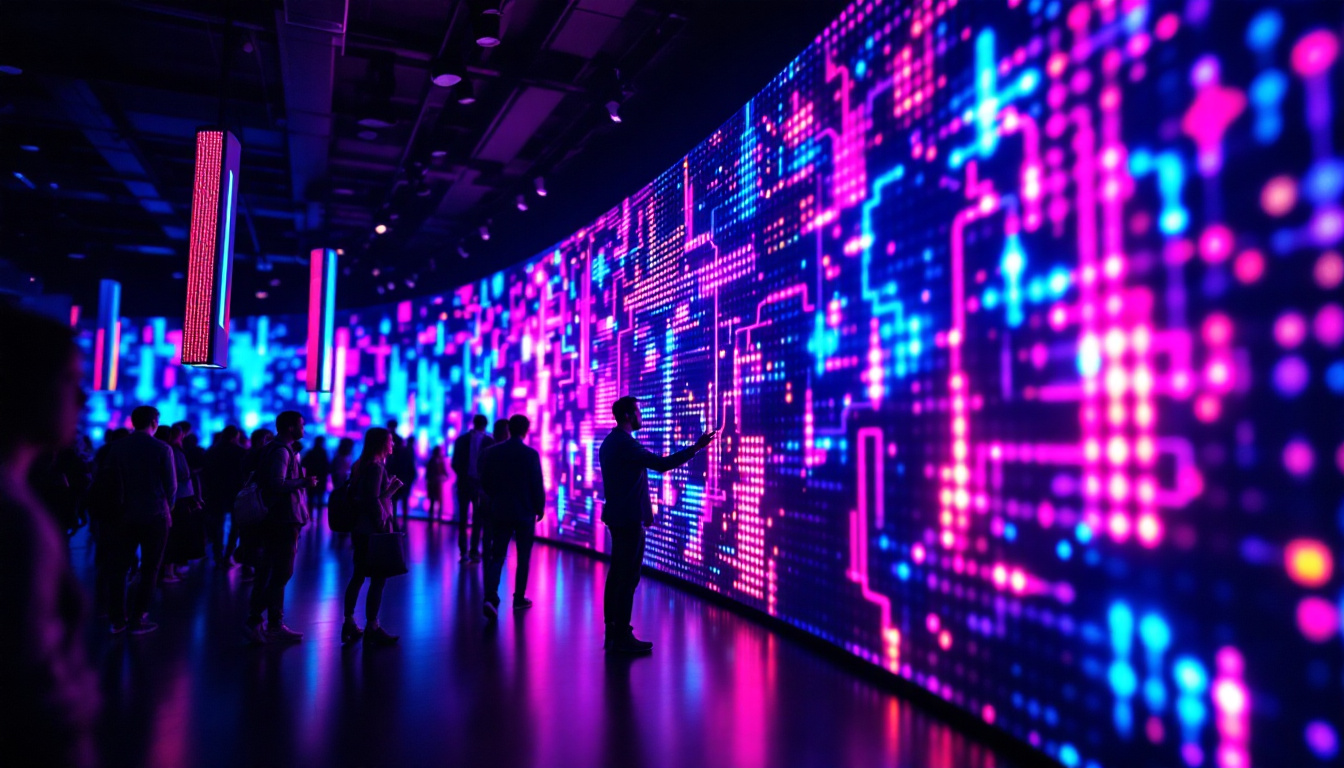
The integration of touch technology with LED displays is transforming vendor stands into interactive hubs. This trend allows customers to engage directly with content, browse product information, and even complete transactions. Interactive LED stands enhance customer experience and provide valuable data on consumer preferences.
Augmented Reality (AR) Integration
Augmented reality combined with LED displays is an emerging trend that promises to revolutionize vendor marketing. By overlaying digital content onto physical products, AR can create immersive experiences that educate and entertain customers. For example, a furniture vendor could use an LED display to show how a piece fits into different room settings through AR visualization.
Energy Harvesting and Sustainable Displays
Sustainability is increasingly important for vendors and consumers alike. Innovations in energy harvesting, such as solar-powered LED displays, are gaining traction. These technologies reduce environmental impact and operational costs, aligning with corporate social responsibility goals.
Conclusion
LED display stands represent a dynamic and versatile tool for vendors seeking to enhance their visibility and engagement in competitive marketplaces. Their superior visual quality, energy efficiency, and content flexibility make them an indispensable asset across trade shows, retail environments, and outdoor markets.
By understanding the technology, benefits, and practical considerations outlined in this article, vendors can make informed decisions that maximize the return on investment from their LED display stands. As technology continues to evolve, embracing innovations such as interactivity and AR will further empower vendors to create memorable, impactful brand experiences.
Discover LumenMatrix’s Innovative LED Solutions
Ready to elevate your vendor display and captivate your audience with unparalleled visual experiences? Look no further than LumenMatrix, a pioneer in LED display technology. From vibrant Indoor and Outdoor LED Wall Displays to versatile Vehicle and Sports LED Displays, and even bespoke Custom LED solutions, LumenMatrix offers a comprehensive range of products designed to revolutionize your visual communication. Embrace the future with our All-in-One LED Displays and LED Transparent Displays, crafted to engage and inspire. Don’t miss the opportunity to transform your brand’s presence. Check out LumenMatrix LED Display Solutions today and make a lasting impression in any competitive marketplace.