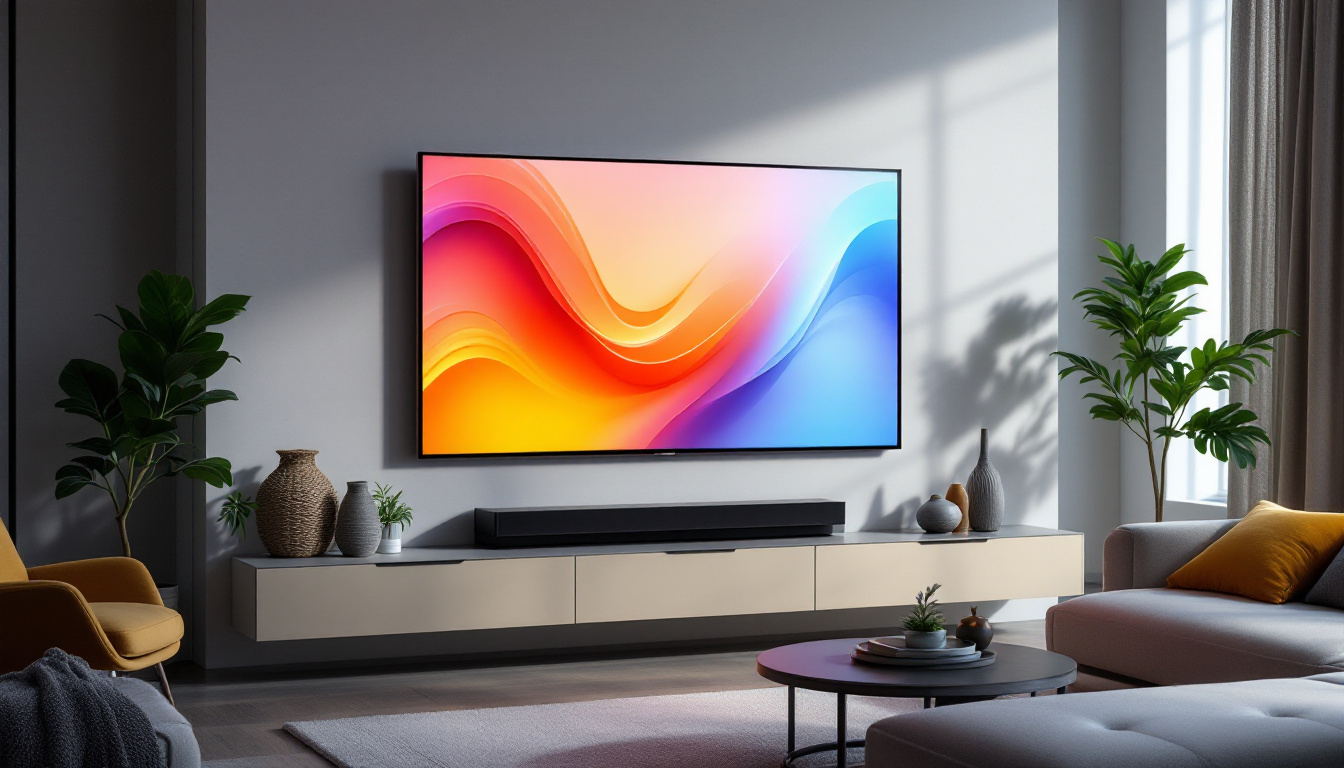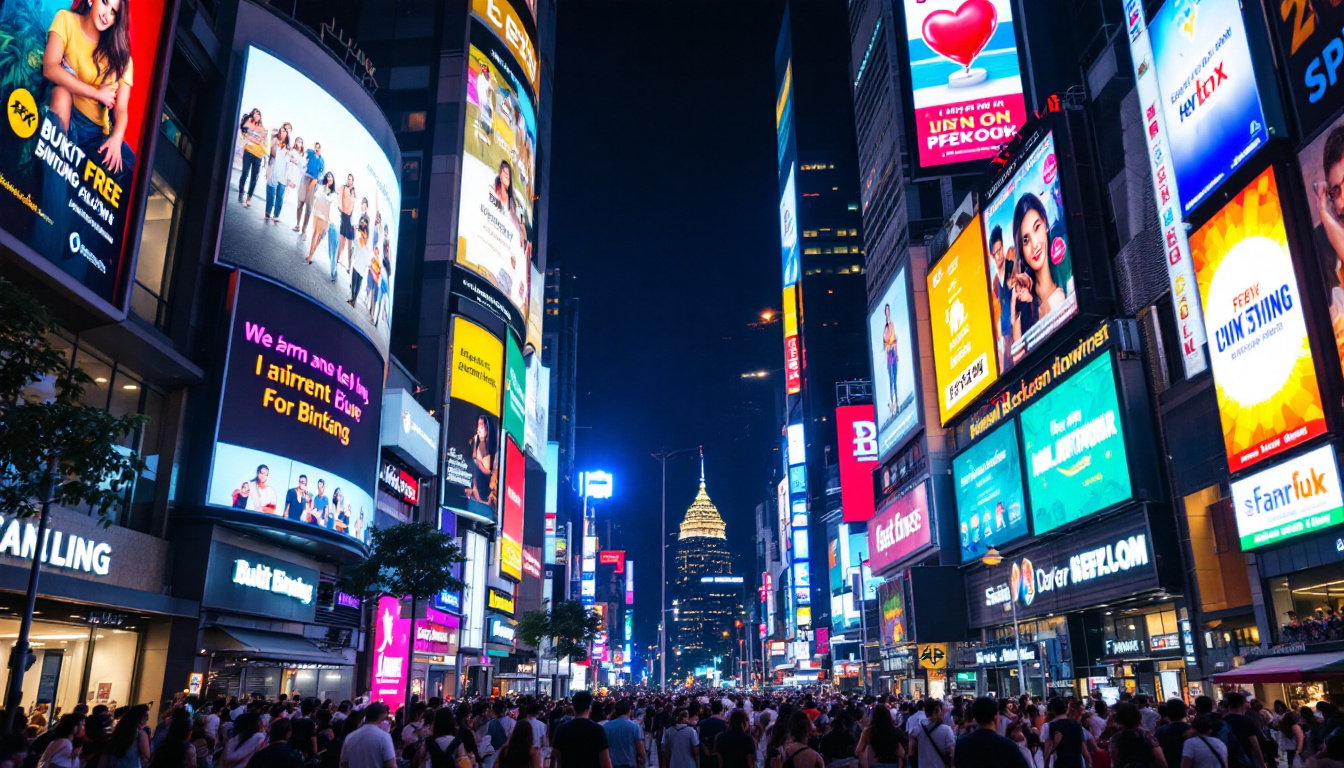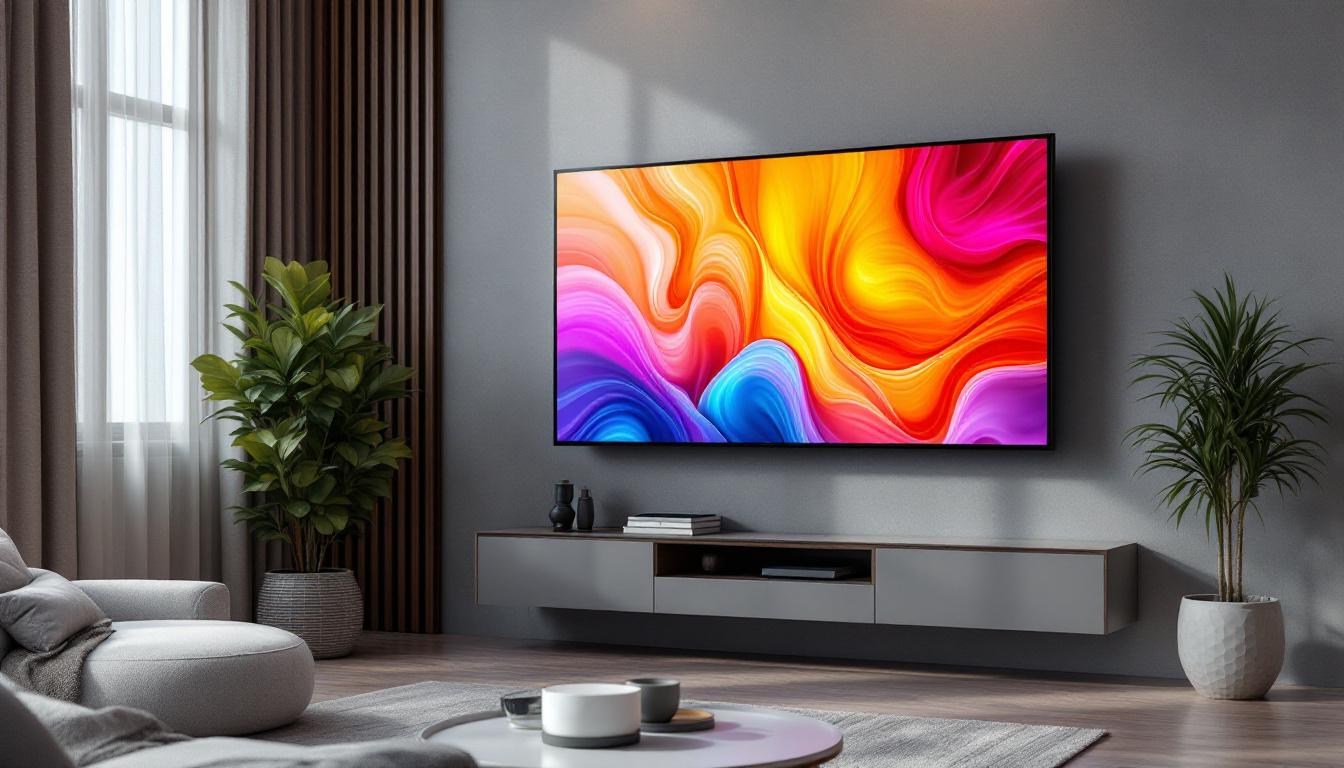
In today’s world of digital displays and home entertainment, the way a television is mounted can significantly impact both aesthetics and functionality. Vertical TV wall mounts have gained popularity, particularly with LED displays, offering a sleek and modern look that fits various spaces and uses. This article explores the concept of vertical TV wall mounts in detail, focusing on LED displays, their benefits, installation considerations, and how to choose the right setup for your needs.
Understanding Vertical TV Wall Mounts
What Is a Vertical TV Wall Mount?
A vertical TV wall mount is a mounting system designed to hold a television in a portrait orientation rather than the traditional landscape mode. Unlike standard horizontal mounts, these mounts allow the TV to be positioned vertically, which can be particularly useful for certain types of content, spaces, or design preferences.
Vertical mounting is often used in commercial environments such as digital signage, advertising, and information displays, but it is also becoming popular in residential settings for unique viewing experiences or to save space. For instance, in a small apartment or studio, a vertical mount can free up valuable floor space that would otherwise be occupied by a large entertainment center or TV stand. This innovative approach not only maximizes the utility of the area but also creates a sleek, modern look that can enhance the overall aesthetic of the room.
Why Choose Vertical Over Horizontal?
The choice between vertical and horizontal mounting depends on the intended use and the content being displayed. Vertical mounts are ideal for:
- Digital Signage: Portrait orientation is perfect for displaying posters, menus, or advertisements that are designed vertically.
- Space Optimization: In narrow or tall spaces, a vertical mount can make better use of available wall area.
- Gaming and Streaming: Some games and streaming content are optimized for vertical viewing, enhancing immersion.
- Modern Aesthetics: Vertical mounts can add a contemporary and artistic touch to home or office décor.
While horizontal mounts remain the norm for traditional TV viewing, vertical mounts open up new possibilities for content presentation and room design. Additionally, vertical wall mounts can be equipped with features such as tilt and swivel adjustments, allowing for a customizable viewing angle that can accommodate different seating arrangements or lighting conditions. This flexibility is particularly beneficial in environments where the audience may be positioned at various angles, ensuring that everyone can enjoy a clear and unobstructed view of the screen.
Furthermore, the rise of social media and content sharing has led to an increased demand for vertical video formats, particularly on platforms like Instagram and TikTok. As more creators produce content specifically for vertical viewing, having a vertical TV wall mount becomes a strategic advantage for businesses and individuals alike, enabling them to showcase this content in an engaging and visually appealing manner. Whether in a retail setting or a home theater, the ability to display vertical videos seamlessly can significantly enhance the viewer’s experience and engagement.
LED Displays: The Ideal Partner for Vertical Mounts
What Makes LED Displays Suitable?
LED (Light Emitting Diode) displays have revolutionized the television and digital signage industries due to their superior brightness, contrast, and energy efficiency compared to older technologies like LCD or plasma. Their thin profiles and lightweight design make them particularly well-suited for wall mounting, including vertical orientation.
Key advantages of LED displays for vertical mounts include:
- High Brightness and Contrast: LED displays maintain excellent picture quality even in brightly lit environments, which is crucial for vertical displays often used in public or commercial spaces.
- Durability: LEDs have longer lifespans and are less prone to burn-in, making them reliable for continuous use.
- Energy Efficiency: LED technology consumes less power, an important consideration for large-scale or multiple display setups.
- Thin and Lightweight: Easier to mount vertically without requiring heavy-duty supports.
LED Display Sizes and Vertical Orientation
LED TVs come in a wide range of sizes, from compact 24-inch models to massive 85-inch screens and beyond. When selecting a size for vertical mounting, consider the viewing distance and the space available on the wall.
For example, a 32-inch LED TV mounted vertically might fit perfectly in a narrow hallway or beside a doorway, while a larger 65-inch vertical display could serve as a striking digital art piece or information board in a lobby.
Moreover, the versatility of LED displays allows for creative applications beyond traditional viewing. Retailers often utilize vertical mounts for promotional displays that catch the eye of passersby, showcasing dynamic content such as advertisements or product videos. This not only enhances the shopping experience but also drives foot traffic and increases sales. Additionally, in corporate environments, vertical LED displays can be used for wayfinding systems, guiding visitors through complex buildings with ease and efficiency.
Furthermore, the advancements in LED technology have led to the development of flexible and curved displays, which can be adapted to fit unique architectural designs. This innovation opens up new possibilities for vertical installations, allowing for seamless integration into modern interior designs. Whether in a trendy café or a high-end office, these displays can transform ordinary walls into captivating visual experiences, making them a popular choice for designers and architects alike.
Installation Considerations for Vertical TV Wall Mounts
Choosing the Right Mount
Not all TV mounts are designed to support vertical orientation. When selecting a mount, it’s essential to ensure it explicitly supports portrait mode. Some mounts offer 90-degree rotation capabilities, allowing the TV to be easily switched between landscape and portrait.
Key factors to consider include:
- Weight Capacity: The mount must support the weight of the LED TV securely.
- VESA Compatibility: Most TVs follow the VESA (Video Electronics Standards Association) mounting hole pattern. Ensure the mount matches your TV’s VESA standard.
- Rotation and Tilt Features: Some mounts offer tilt and swivel functions, which can be beneficial for adjusting the vertical display for optimal viewing angles.
- Build Quality: Durable materials like steel ensure long-term stability.
Wall Type and Mounting Location
The type of wall where the TV will be mounted plays a critical role in installation. Drywall, concrete, brick, or wood studs each require different mounting hardware and techniques.
For vertical mounts, especially with larger LED displays, anchoring into studs or solid walls is crucial to prevent accidents. Using a stud finder and appropriate anchors will ensure the mount remains secure.
Additionally, consider the height and location of the mount. Vertical TVs are often used for signage or specialized viewing, so positioning at eye level or slightly above is ideal for readability and comfort.
Cable Management and Connectivity
One often overlooked aspect of vertical TV wall mounts is cable management. Cables for power, HDMI, and other connections need to be routed neatly to maintain a clean appearance and prevent damage.
Many vertical mounts come with integrated cable management systems or channels. Alternatively, external cable covers or raceways can be used to conceal wires along the wall.
Applications of Vertical TV Wall Mounts with LED Displays
Commercial and Retail Uses
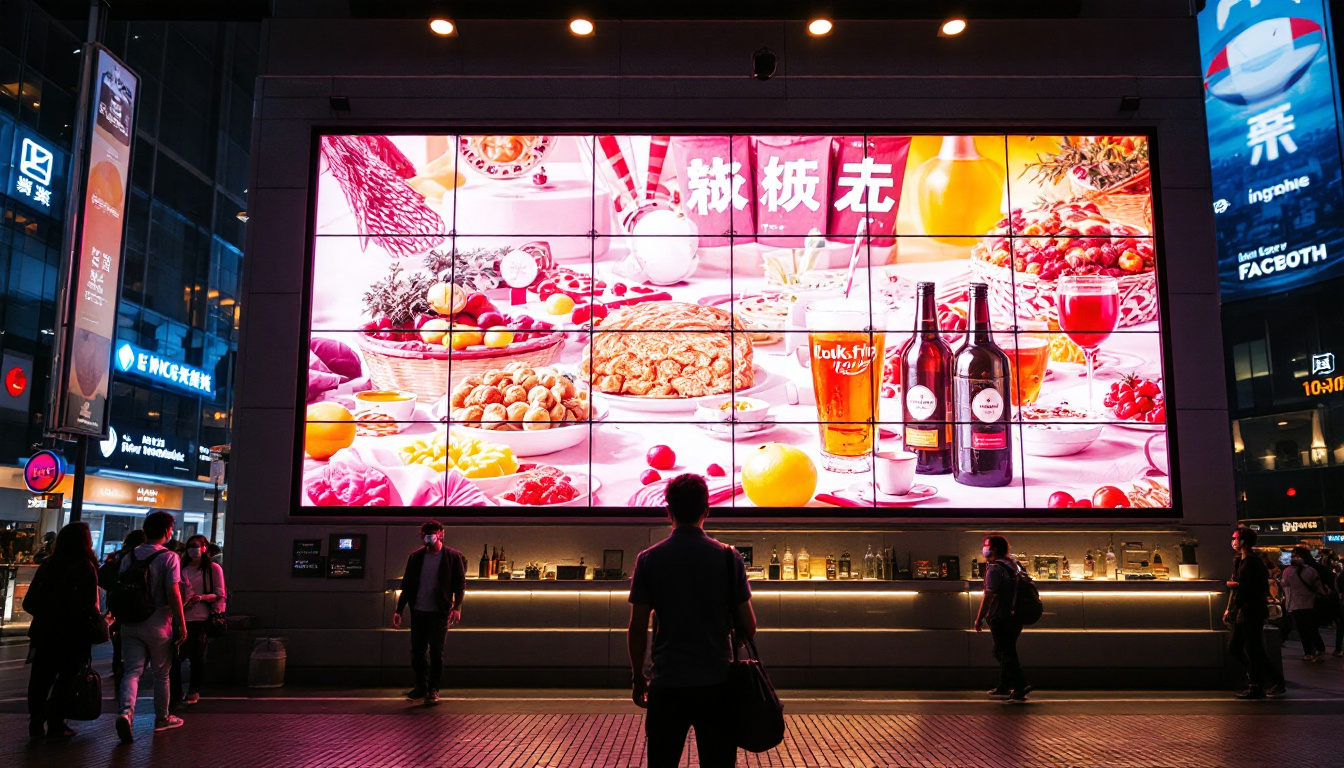
Vertical LED displays are widely used in retail environments to capture customer attention with dynamic advertisements, promotions, and product information. Their portrait orientation mimics traditional poster formats, making them intuitive and engaging.
Restaurants often use vertical LED TVs to display digital menus, which can be updated in real-time and feature vibrant visuals that attract customers.
Corporate and Educational Settings
In offices and educational institutions, vertical LED displays serve as digital bulletin boards, event schedules, or wayfinding aids. Their ability to present information clearly and attractively enhances communication and engagement.
Home Entertainment and Personal Use
While less common, vertical mounts are gaining traction in home environments. Gamers enjoy vertical screens for certain game genres, such as classic arcade or puzzle games, which were originally designed for portrait displays.
Additionally, vertical LED TVs can serve as digital art frames, displaying rotating artwork or photographs, adding a modern touch to interior design.
Choosing the Right Vertical TV Wall Mount: Tips and Recommendations
Assess Your Needs and Space
Begin by evaluating the space where the TV will be mounted and the primary purpose of the display. Consider room dimensions, viewing distances, and the type of content you plan to show.
Match the Mount to Your TV
Check your LED TV’s specifications, including weight and VESA pattern, then select a mount that supports these requirements and allows for vertical orientation.
Professional Installation vs. DIY
While many mounts are designed for consumer installation, vertical mounting can be more complex, especially with larger TVs or challenging wall materials. Professional installation ensures safety, proper alignment, and optimal cable management.
Invest in Quality
Choosing a high-quality mount made from durable materials can save money and headaches in the long run. Look for mounts with good reviews, warranties, and robust construction.
Conclusion
Vertical TV wall mounts paired with LED displays offer a versatile and visually striking solution for both commercial and residential applications. Their ability to display content in portrait mode opens up new creative and functional possibilities, from advertising and information dissemination to gaming and digital art.
When considering a vertical mount, it is essential to understand the technical requirements, installation considerations, and the specific needs of your environment. By selecting the right mount and LED display, users can enjoy a modern, efficient, and engaging viewing experience that enhances any space.
As LED technology continues to advance and vertical mounting solutions become more accessible, this trend is set to grow, transforming how screens are integrated into everyday life.
Discover the Future of Vertical Display with LumenMatrix
Ready to elevate your space with the cutting-edge technology of vertical LED displays? LumenMatrix, a pioneer in LED display innovation, offers an extensive range of solutions tailored to your unique needs. From captivating Indoor LED Wall Displays to dynamic Outdoor LED Wall Displays and beyond, our products are designed to transform your visual communication and audience engagement. Experience the revolution in digital signage and discover how our LED displays can bring your vision to life. Check out LumenMatrix LED Display Solutions today and step into a world of unparalleled clarity and impact.