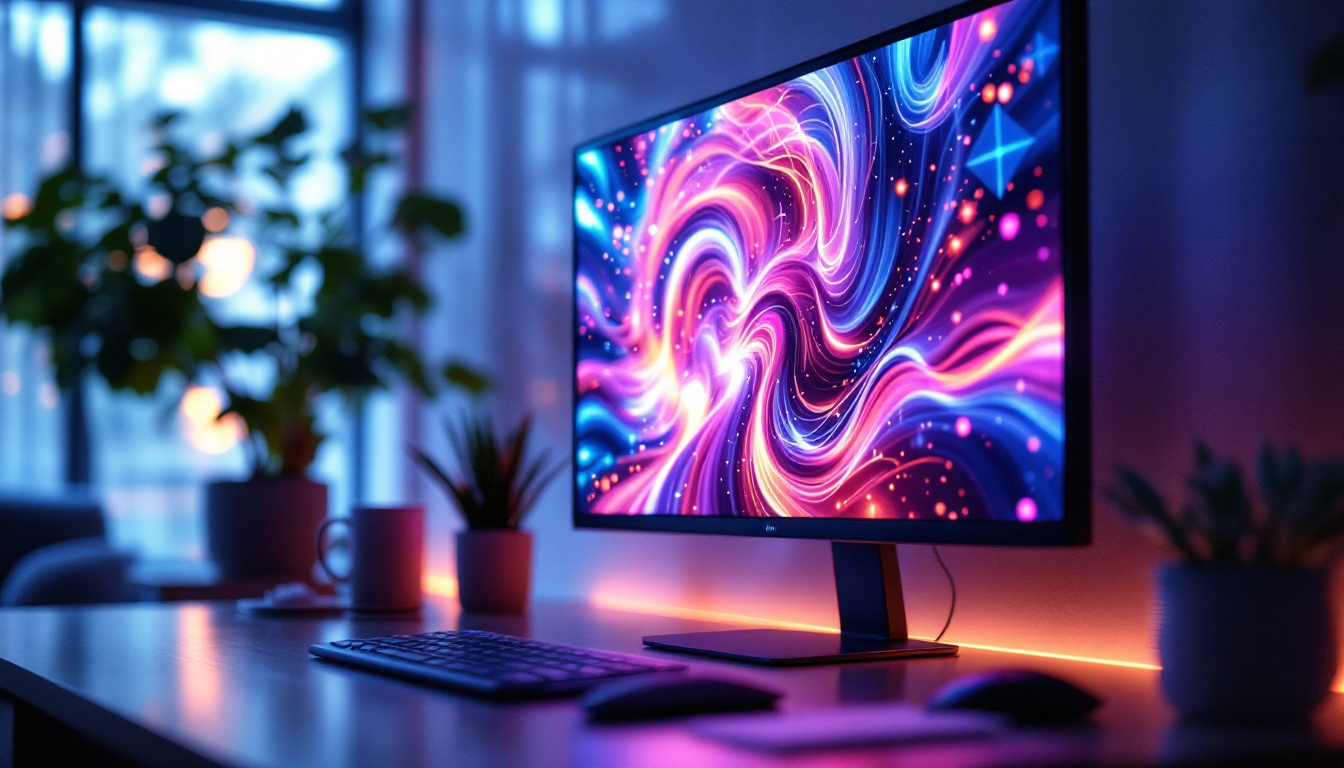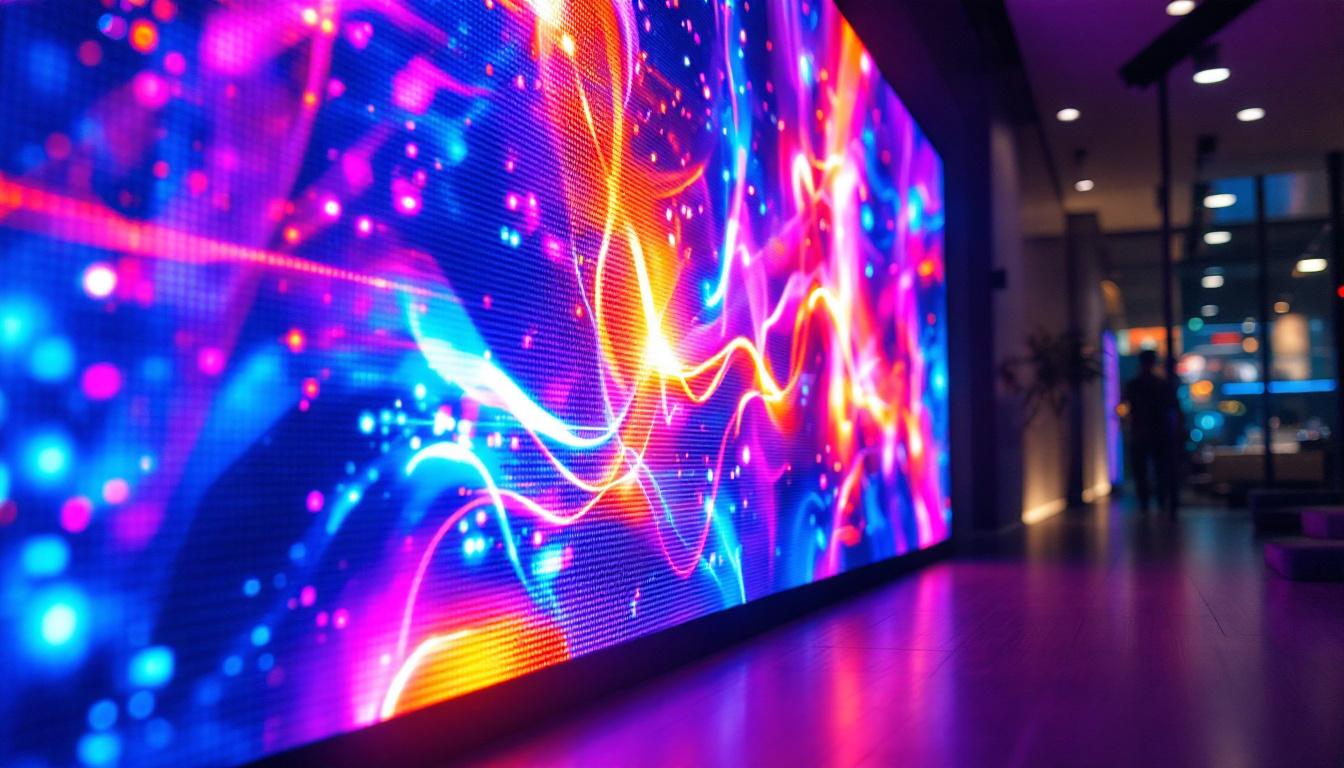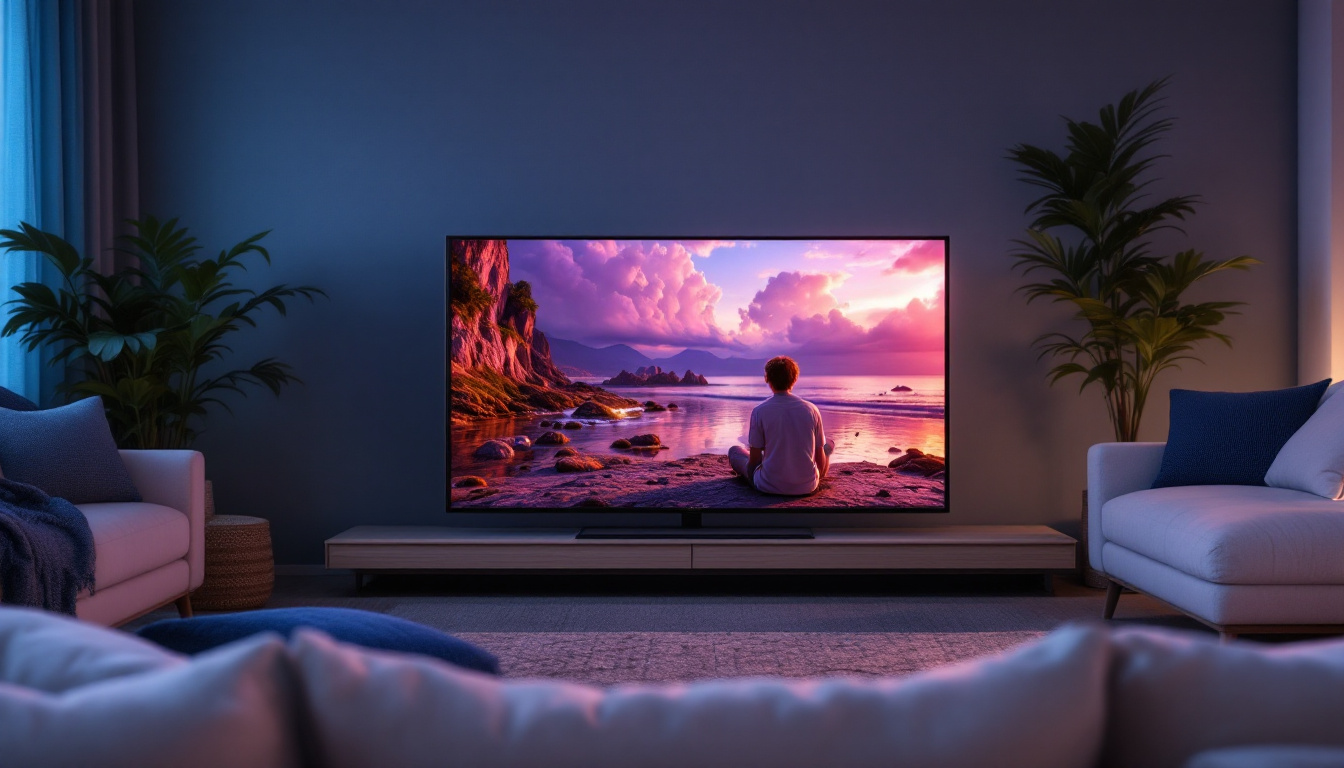
In today’s fast-paced business environment, video conferencing has become an essential tool for communication, collaboration, and decision-making. As remote work and global teams continue to rise, the demand for high-quality video conference monitors has surged. Among the various display technologies available, LED displays stand out for their superior image quality, energy efficiency, and versatility. This article delves into the world of video conference monitors with LED displays, explaining their technology, advantages, and key considerations for choosing the right display for your conferencing needs.
Understanding LED Display Technology
What is an LED Display?
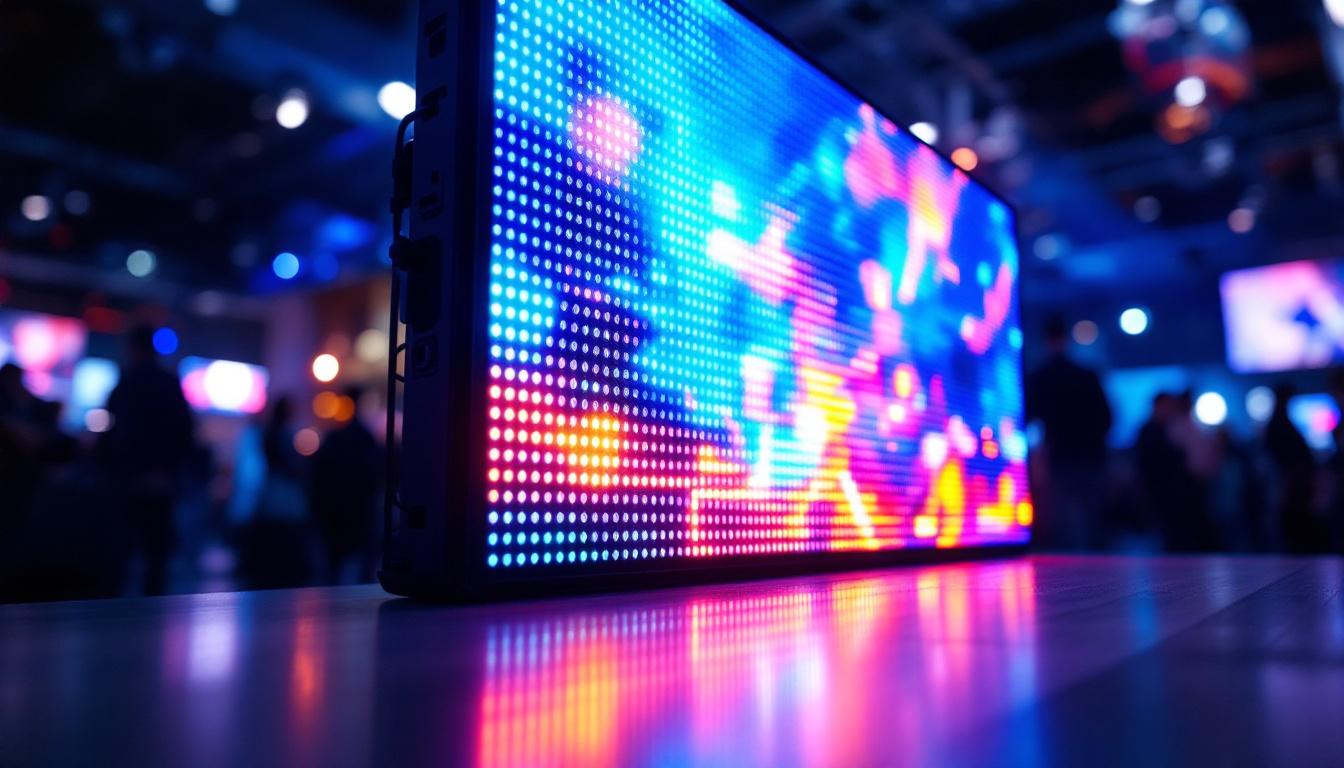
LED stands for Light Emitting Diode, a semiconductor device that emits light when an electric current passes through it. LED displays use an array of these tiny diodes to create images by controlling the brightness and color of each pixel. Unlike traditional LCD monitors that rely on fluorescent backlighting, LED displays use LEDs either as backlights or as individual pixels in the case of OLED and MicroLED technologies.
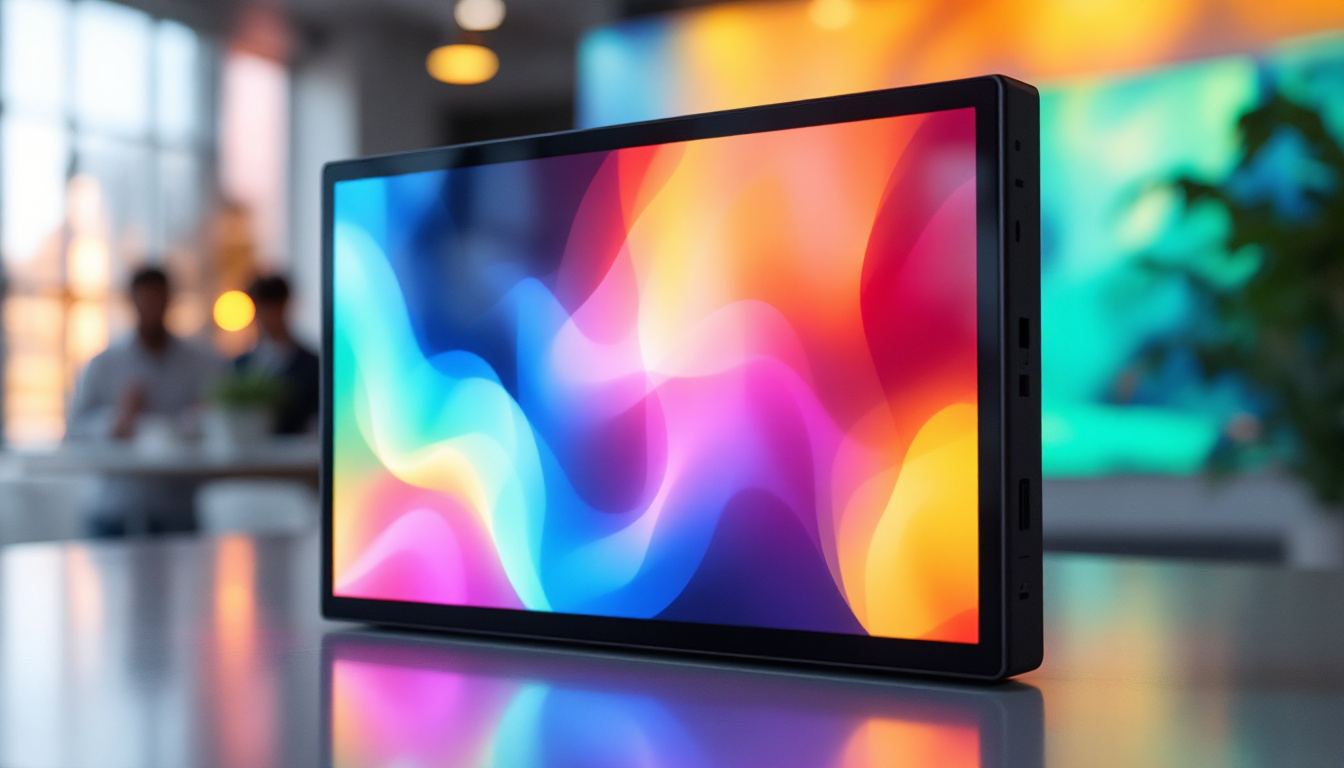
In the context of video conference monitors, LED displays typically refer to LCD panels with LED backlighting. This combination offers a balance of brightness, color accuracy, and energy efficiency, making it ideal for professional environments where image clarity is critical. The shift towards LED technology has also led to a reduction in power consumption, which is an essential factor for organizations looking to minimize their environmental impact while maintaining high-quality visual communication.
Types of LED Displays Used in Video Conferencing
There are several types of LED display technologies relevant to video conferencing:
- Edge-Lit LED: LEDs are placed along the edges of the screen, providing backlight that is diffused across the display. This design allows for thinner monitors but may result in uneven brightness.
- Direct-Lit LED: LEDs are positioned directly behind the screen, offering more uniform brightness and better contrast than edge-lit displays.
- Full-Array LED: A more advanced form of direct-lit LED with local dimming zones that improve contrast and black levels, enhancing image quality significantly.
- MicroLED and OLED: Emerging technologies where each pixel emits its own light, offering exceptional color accuracy and contrast. These are less common but represent the future of display tech.
In addition to these types, the resolution of LED displays plays a crucial role in video conferencing quality. Higher resolutions, such as 4K or even 8K, provide sharper images and more detail, which is particularly beneficial when sharing documents or presentations during a meeting. Furthermore, advancements in refresh rates and response times have made LED displays more suitable for dynamic content, reducing motion blur and enhancing the overall viewing experience. As remote work continues to rise, the demand for high-performance LED displays in video conferencing setups is likely to increase, pushing manufacturers to innovate and improve their offerings.
Moreover, the integration of smart technology into LED displays has transformed how video conferencing is conducted. Many modern LED monitors come equipped with built-in cameras, microphones, and speakers, streamlining the setup process and reducing the need for additional equipment. This all-in-one approach not only saves space but also enhances the user experience by providing seamless connectivity and ease of use. As technology evolves, we can expect even more sophisticated features, such as AI-driven enhancements for better image quality and sound management, further elevating the standard for virtual meetings.
Why LED Displays Are Ideal for Video Conference Monitors
Superior Image Quality and Color Accuracy
Video conferencing demands clear, sharp images to ensure effective communication. LED displays provide high brightness levels and excellent color reproduction, which helps participants see facial expressions and details clearly. Full-array LED monitors with local dimming enhance contrast ratios, making video feeds more lifelike and reducing eye strain during long meetings.
According to a 2023 study by DisplayMate Technologies, LED-backlit LCDs have made significant strides in color gamut coverage, often exceeding 90% of the DCI-P3 color space, which is crucial for natural skin tones and realistic video rendering. This advancement not only improves the visual experience but also fosters a more engaging and interactive environment. Participants can better connect with one another when they can see the nuances of expressions and gestures, which are vital for effective communication and collaboration.
Moreover, many modern LED displays incorporate advanced technologies such as HDR (High Dynamic Range), which further enhances the depth and realism of images. This means that during video calls, users can experience a broader range of colors and brightness levels, making the visual content more dynamic and engaging. The ability to render subtle details in shadows and highlights can significantly elevate the quality of presentations and discussions held over video conferencing platforms.
Energy Efficiency and Longevity
Compared to older CCFL (cold cathode fluorescent lamp) backlit LCDs, LED displays consume less power, reducing operational costs over time. This is particularly important for enterprises running multiple conference rooms or large video walls. LEDs also have a longer lifespan, often exceeding 50,000 hours, minimizing the need for frequent replacements and maintenance. This durability not only contributes to lower total cost of ownership but also aligns with sustainability goals, as businesses are increasingly focused on reducing their environmental footprint.
In addition to their energy efficiency, many LED displays are designed with eco-friendly features, such as the ability to automatically adjust brightness based on ambient light conditions. This smart technology not only conserves energy but also enhances the viewing experience by ensuring optimal visibility under varying lighting conditions. As organizations continue to prioritize sustainability, the adoption of LED technology in video conferencing setups becomes a strategic choice that reflects a commitment to both economic and environmental responsibility.
Thin and Lightweight Design
LED technology enables thinner and lighter monitors, which are easier to mount on walls or integrate into modern conference room setups. This flexibility supports sleek, professional environments that enhance the overall user experience. The ability to create multi-screen configurations without overwhelming the space allows companies to design their conference rooms with a focus on collaboration and innovation.
Furthermore, the lightweight nature of LED displays facilitates easy transportation and installation, making them ideal for businesses that frequently relocate or update their office layouts. Many models also come with versatile mounting options, including VESA compatibility, which allows for seamless integration into existing setups. This adaptability not only saves time during installation but also ensures that the technology can evolve alongside the changing needs of the organization, fostering a more dynamic and responsive workplace.
Key Features to Consider When Choosing an LED Video Conference Monitor
Screen Size and Resolution
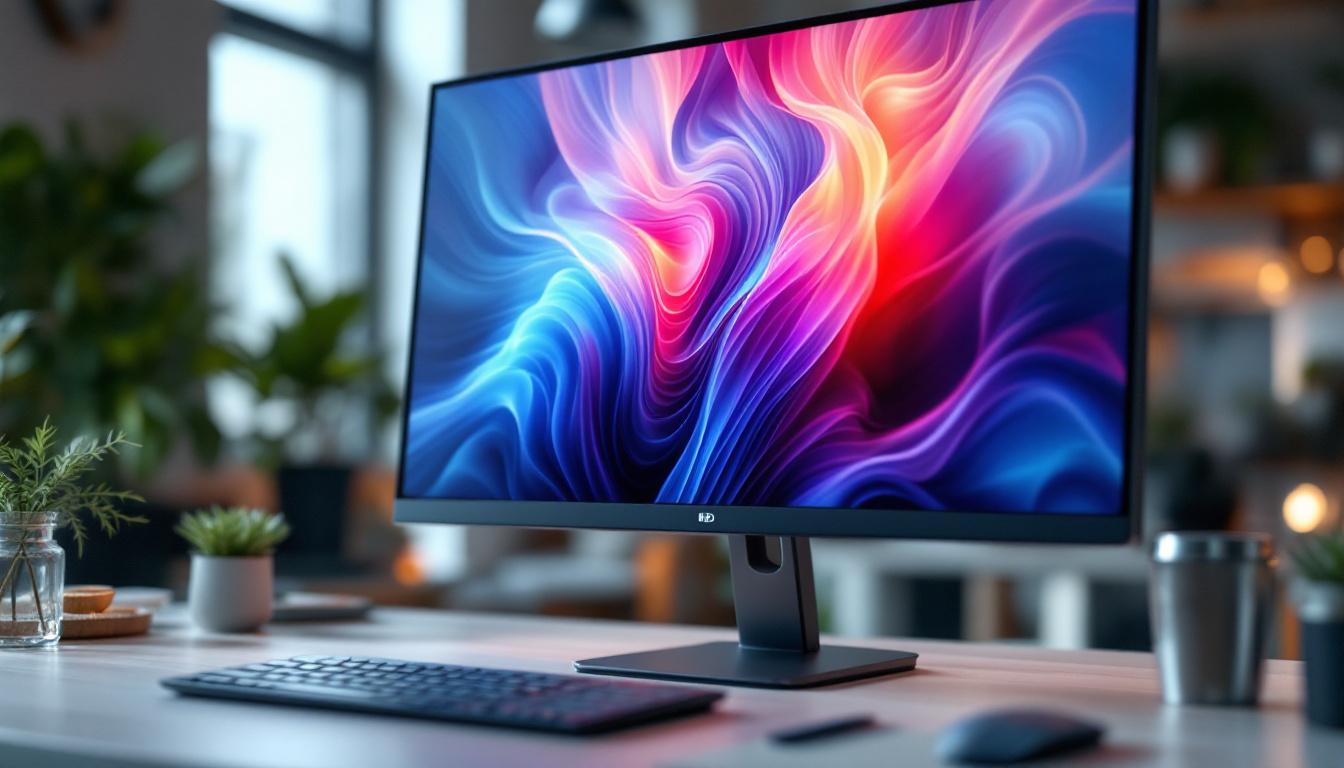
The size of the monitor should correspond to the room size and typical number of participants. For small meeting rooms, a 24 to 32-inch monitor with Full HD (1920×1080) resolution may suffice. Larger rooms benefit from 43-inch or bigger displays with 4K resolution (3840×2160) to ensure details remain clear even from a distance.
Higher resolution is particularly advantageous for displaying multiple video feeds simultaneously or sharing detailed content such as spreadsheets and design work during meetings.
Refresh Rate and Response Time
While refresh rate is more critical for gaming and fast-motion video, it still matters in video conferencing to reduce motion blur and latency. A refresh rate of 60Hz is standard and adequate for most conferencing needs. Response times under 8 milliseconds help maintain smooth video playback, preventing distracting ghosting effects during conversations.
Connectivity Options
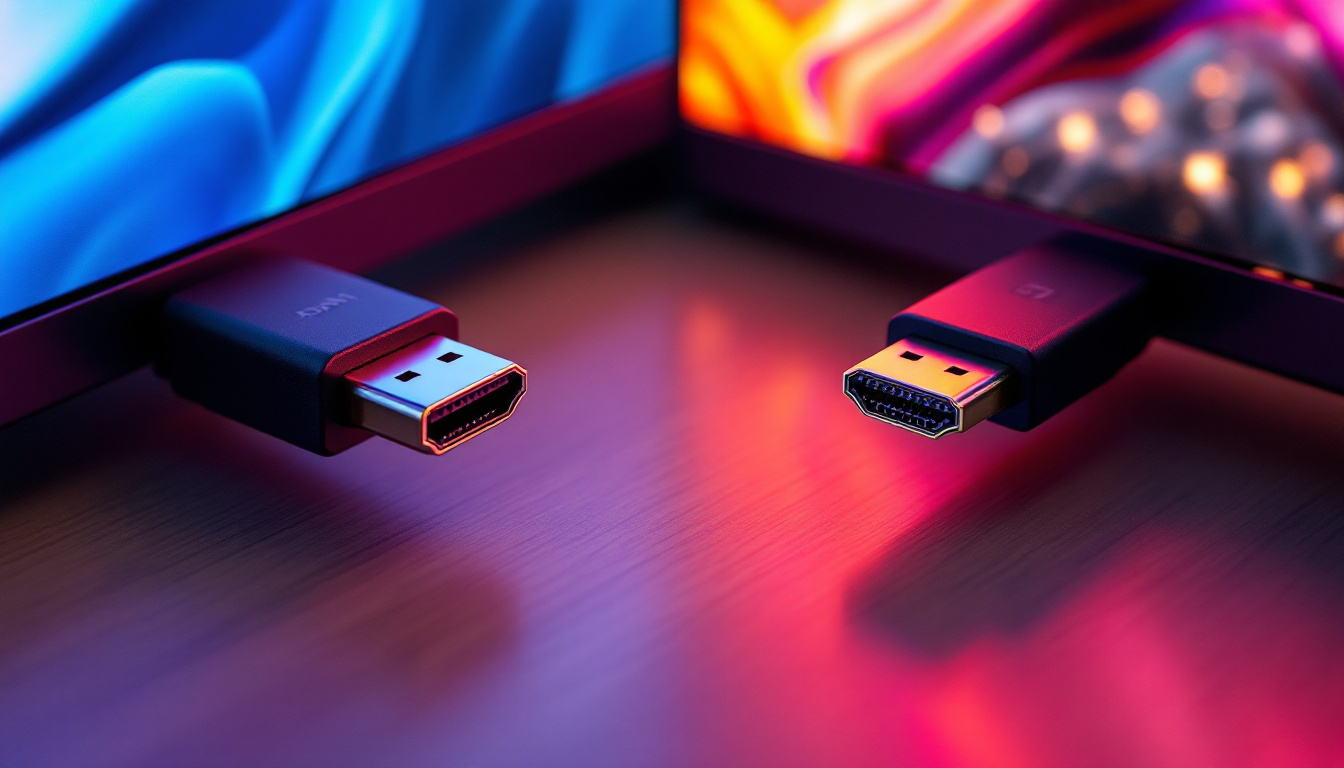
Modern video conference monitors should support a variety of input methods to connect with laptops, conferencing systems, and cameras. HDMI and DisplayPort are essential for high-definition video, while USB-C is increasingly popular for its ability to transmit video, audio, and power through a single cable.
Integrated USB hubs can simplify connections by allowing peripherals like webcams and microphones to plug directly into the monitor. Some advanced models also feature built-in cameras and microphones optimized for conferencing.
Built-In Audio and Camera Features
While external microphones and speakers often provide superior quality, many LED video conference monitors include built-in audio systems and cameras. These integrated components can streamline setup and reduce cable clutter, especially in smaller rooms or huddle spaces.
Look for monitors with noise-canceling microphones and wide-angle cameras that capture all participants clearly. Some models also support AI-powered features such as auto-framing and background noise suppression, enhancing meeting quality.
Practical Applications and Use Cases
Corporate Meeting Rooms and Boardrooms
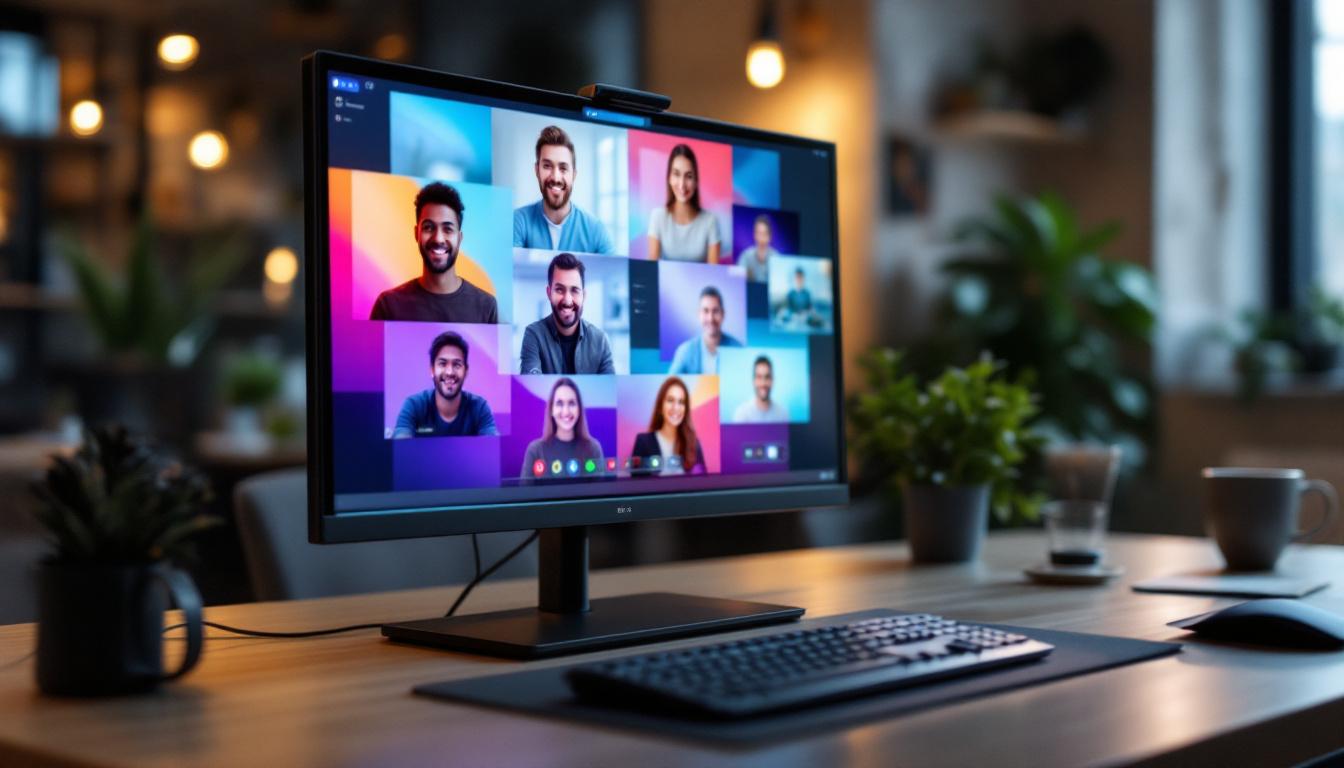
In corporate settings, video conference monitors are central to facilitating collaboration between onsite and remote teams. Large LED displays with 4K resolution and excellent color accuracy help ensure presentations and video calls are clear and engaging. Features like multi-view support allow several video feeds or content sources to be displayed simultaneously, improving meeting productivity.
Education and Training Environments
Educational institutions increasingly rely on video conferencing to connect students and instructors across locations. LED monitors with anti-glare coatings and wide viewing angles ensure that all participants can see content clearly, regardless of seating position. High-quality displays also support interactive learning tools and multimedia presentations.
Healthcare and Telemedicine
Telemedicine demands precise image quality for remote consultations and diagnostics. LED video conference monitors provide the clarity needed for medical professionals to assess patients accurately. Additionally, their energy efficiency and reliability make them suitable for continuous use in healthcare facilities.
Future Trends in LED Video Conference Displays
Integration with AI and Smart Features
Artificial intelligence is transforming video conferencing hardware. Future LED monitors will increasingly incorporate AI-driven features such as facial recognition, automatic speaker tracking, and real-time translation. These enhancements will make meetings more interactive and accessible, especially in multinational organizations.
Advancements in Display Technologies
Emerging technologies like MicroLED and OLED promise even better image quality with deeper blacks, higher contrast ratios, and wider color gamuts. While currently expensive, these technologies are expected to become more affordable and common in professional video conference monitors over the next five years.
Enhanced Collaboration Tools
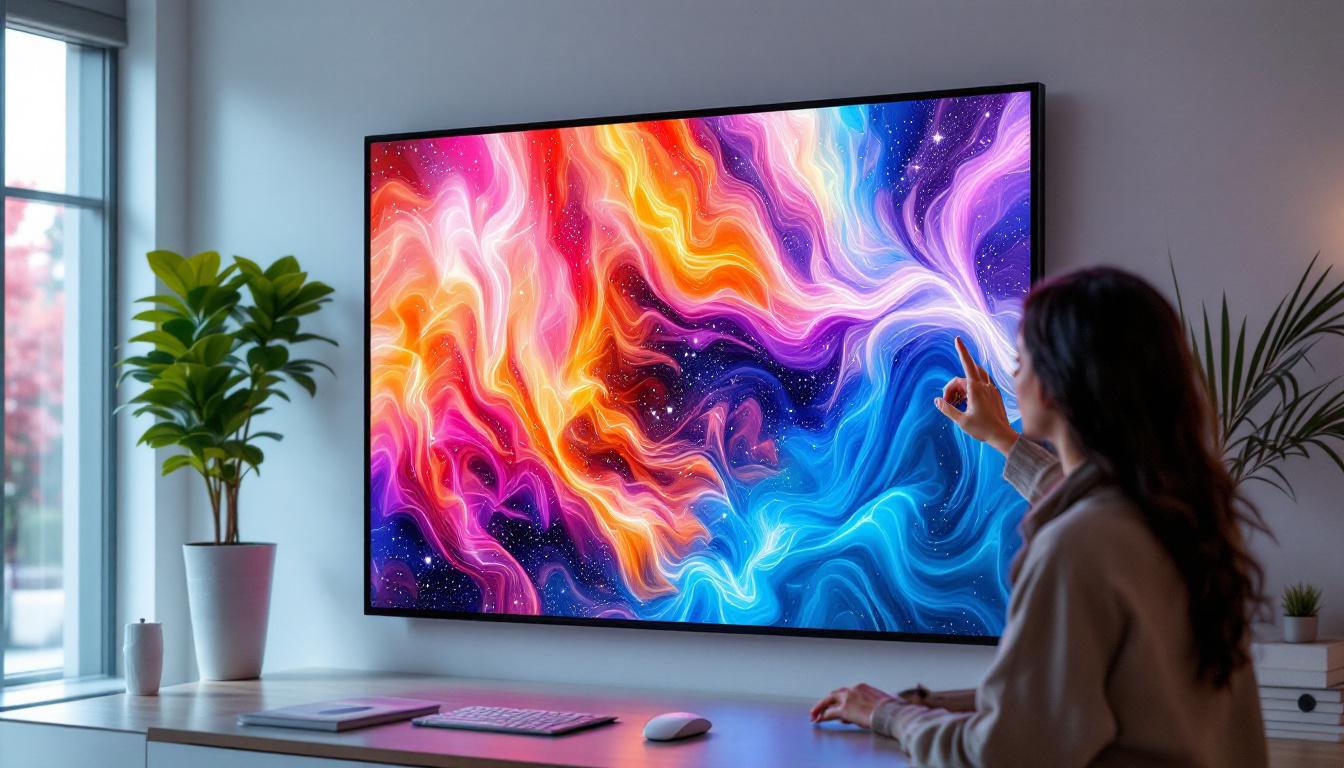
LED monitors are evolving beyond passive displays to become active collaboration hubs. Touchscreen capabilities, integrated whiteboarding software, and seamless connectivity with cloud platforms are becoming standard, enabling more dynamic and productive meetings.
Conclusion
Choosing the right video conference monitor with LED display technology is crucial for effective communication and collaboration in today’s hybrid work environments. LED displays offer superior image quality, energy efficiency, and design flexibility that enhance the video conferencing experience. By understanding the technology, key features, and future trends, organizations can make informed decisions that support their communication goals and improve overall productivity.
As video conferencing continues to evolve, investing in high-quality LED monitors ensures that businesses stay ahead in delivering seamless, engaging, and professional virtual interactions.
Discover LumenMatrix’s Advanced LED Solutions
Ready to elevate your video conferencing experience with superior LED display technology? LumenMatrix offers a comprehensive range of innovative LED display solutions tailored to meet the demands of modern communication and collaboration. From immersive Indoor LED Wall Displays to dynamic Outdoor LED Wall Displays, and from versatile Vehicle LED Displays to sleek LED Poster Displays, our products are designed to captivate your audience and deliver your message with unparalleled clarity. Explore our cutting-edge LED Sports Displays, interactive Floor LED Displays, customizable Custom LED Displays, convenient All-in-One LED Displays, and transparent LED Transparent Displays. Embrace the future of visual engagement with LumenMatrix and transform your video conferencing setup into a hub of productivity and innovation. Check out LumenMatrix LED Display Solutions and start your journey towards impactful visual communication today.