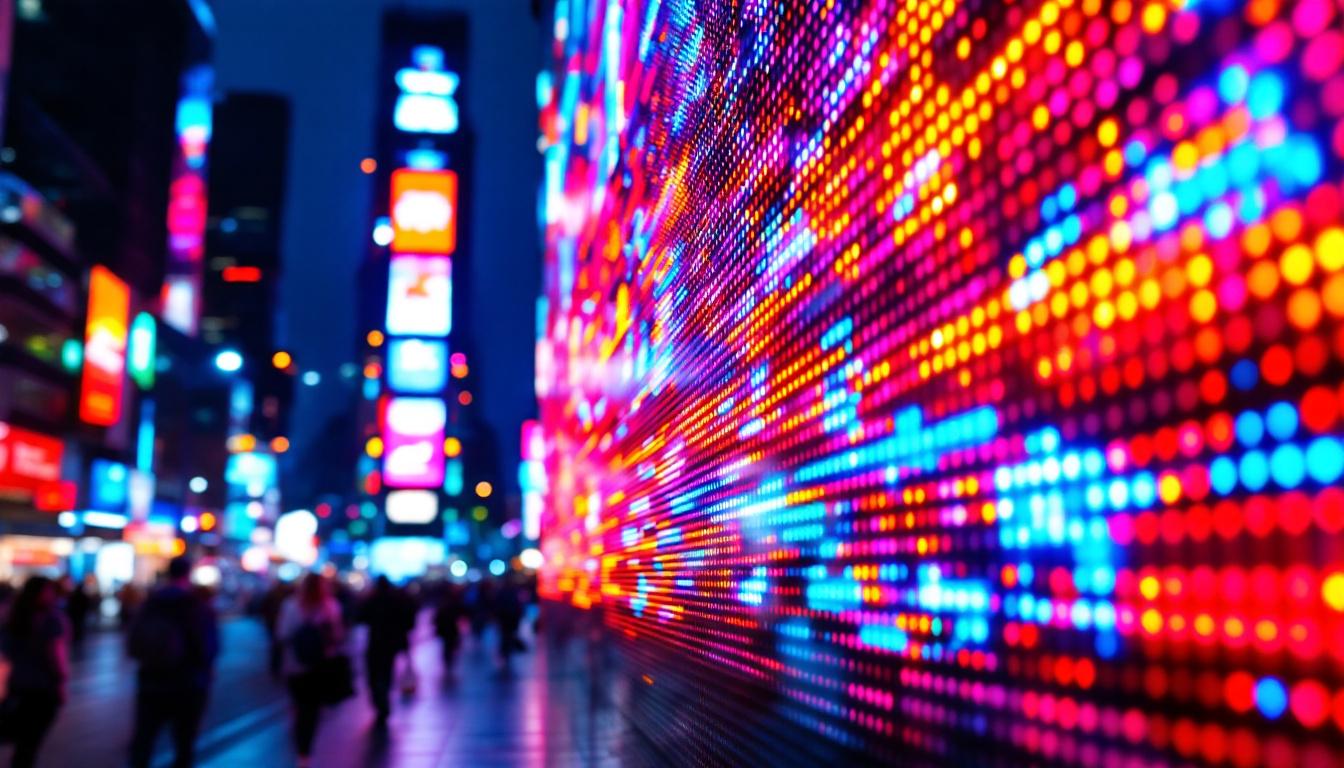
In today’s digital age, LED displays have become ubiquitous, from giant billboards in city centers to the screens on smartphones and televisions. Understanding pixel resolution in LED displays is crucial for professionals in advertising, design, event management, and technology, as well as for consumers seeking the best visual experience. This article delves into the fundamentals of pixel resolution, how it applies to LED displays, and why it matters in various contexts.
Understanding Pixel Resolution: The Basics
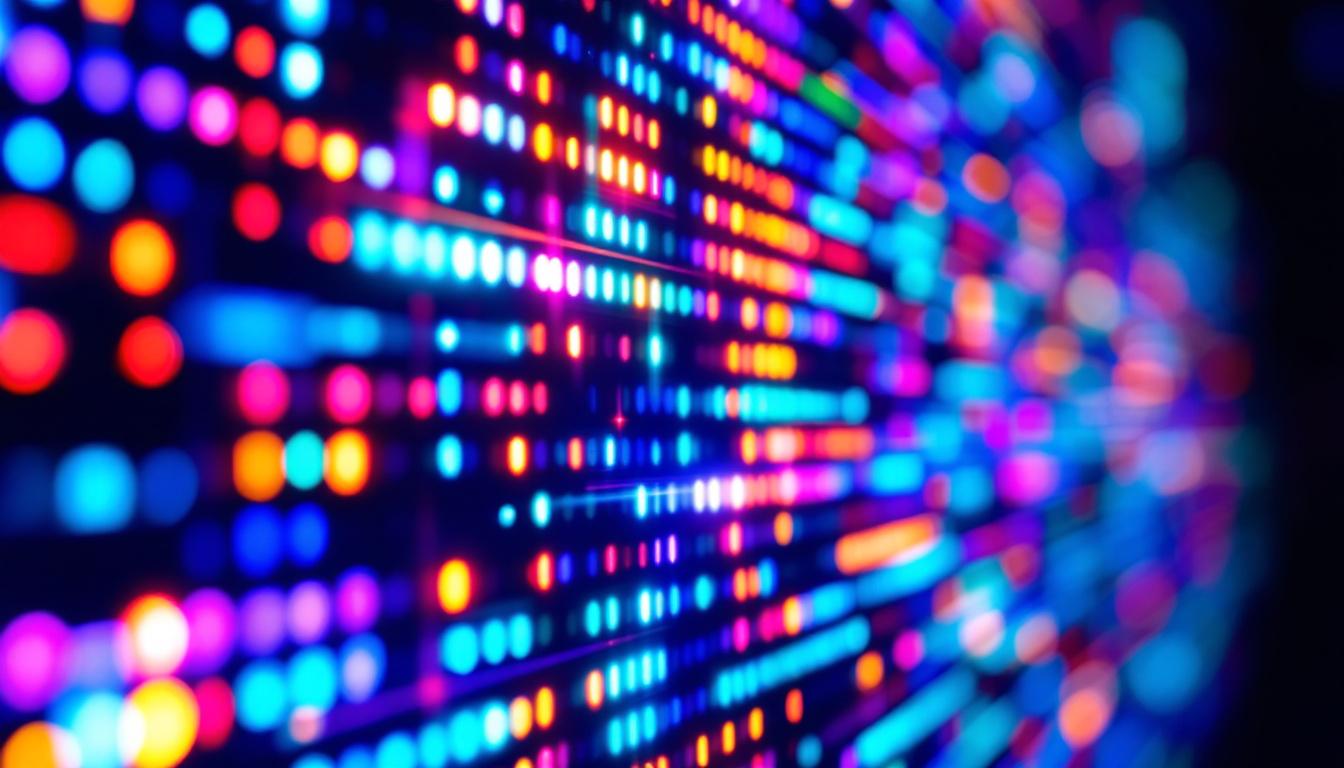
Pixel resolution refers to the number of individual pixels that compose a digital display. Each pixel is a tiny dot that emits light and color, collectively forming the images and videos we see. The resolution is usually expressed in terms of width by height, such as 1920×1080 pixels, indicating the number of pixels horizontally and vertically.
The higher the pixel count, the more detailed and sharper the image appears. However, resolution alone does not determine image quality; factors like pixel pitch, brightness, and color accuracy also play significant roles. For instance, a display with a high resolution but poor color reproduction may not deliver the vibrant visuals that users expect. This interplay of factors is crucial for applications ranging from gaming to professional graphic design, where precision and clarity are paramount.
What is Pixel Pitch?
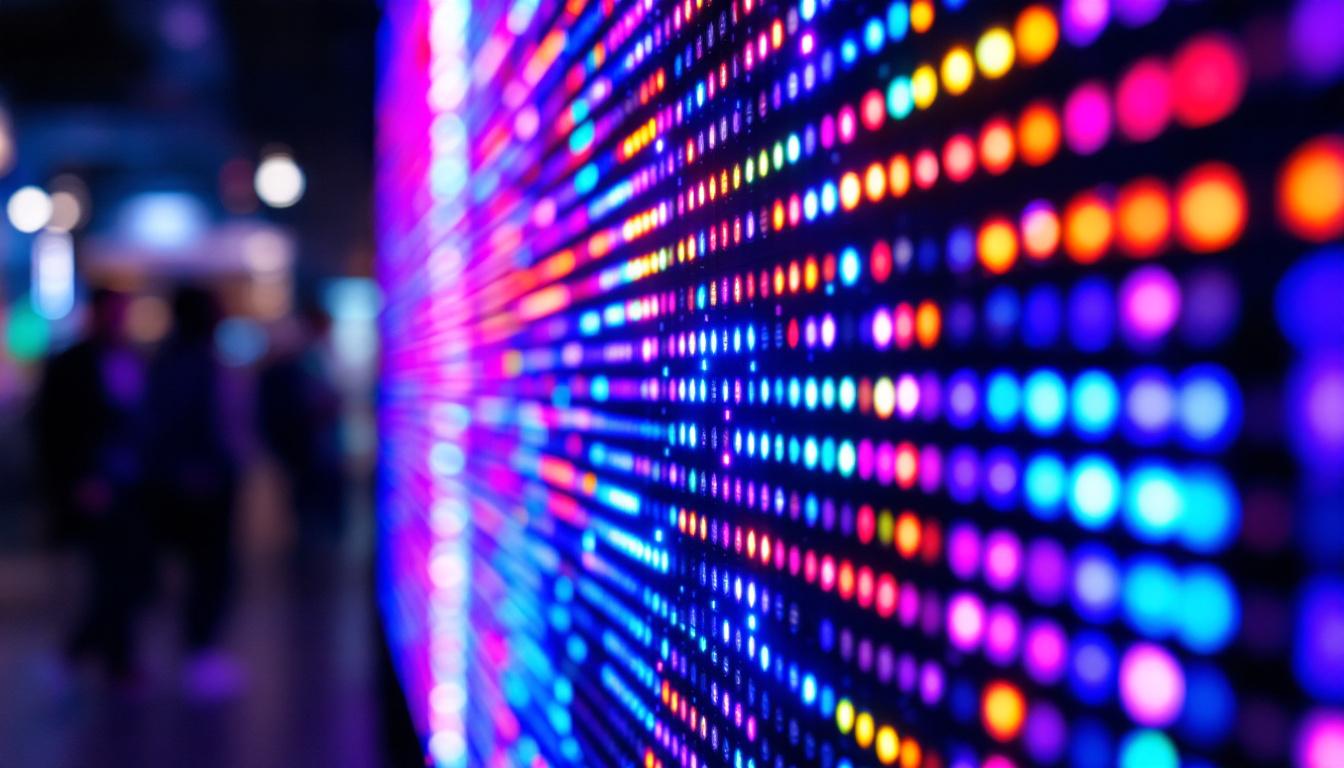
Pixel pitch is the distance between the centers of two adjacent pixels, typically measured in millimeters. It directly influences the viewing distance and image clarity. Smaller pixel pitch means pixels are closer together, resulting in finer detail and smoother images, especially at close range.
For example, an LED display with a 1.5mm pixel pitch is ideal for indoor applications where viewers are close, such as retail stores or control rooms. Conversely, a 10mm pixel pitch might be used for large outdoor billboards viewed from hundreds of feet away. Understanding pixel pitch is essential for designers and engineers when planning installations, as it affects not only the visual experience but also the overall cost and feasibility of the project. Additionally, advancements in technology have led to the development of ultra-fine pixel pitches, allowing for stunning displays that can be viewed comfortably from various distances without sacrificing clarity.
Resolution vs. Screen Size
Resolution must be considered relative to screen size. A 1920×1080 resolution on a 24-inch monitor provides crisp visuals, but the same resolution stretched across a 100-inch LED screen will appear pixelated. This is why large LED displays often have lower resolutions but compensate with larger pixel pitches suited for distant viewing.
Moreover, the aspect ratio of the screen also plays a critical role in how resolution is perceived. For instance, a widescreen display with a 16:9 aspect ratio will present images differently than a 4:3 display, even if both have the same resolution. This difference can impact everything from cinematic experiences to gaming performance, where immersion and field of view are essential. As technology evolves, manufacturers are continually exploring new resolutions and screen sizes, leading to innovations such as 4K and 8K displays that push the boundaries of what is visually possible, offering viewers an experience that is increasingly lifelike and engaging.
Types of LED Displays and Their Resolutions
LED displays come in various forms, each tailored for specific uses and environments. Understanding the types helps in selecting the right resolution and pixel pitch for a given application.
Indoor LED Displays
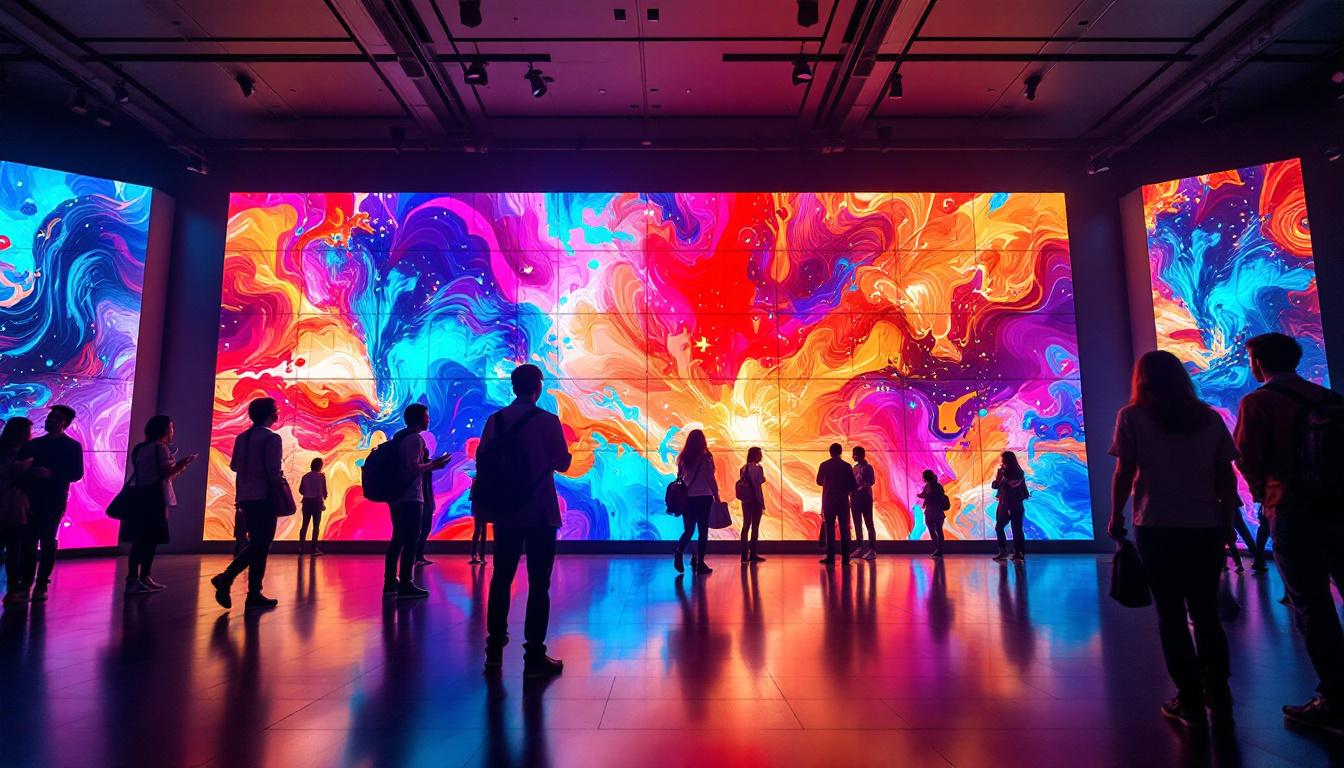
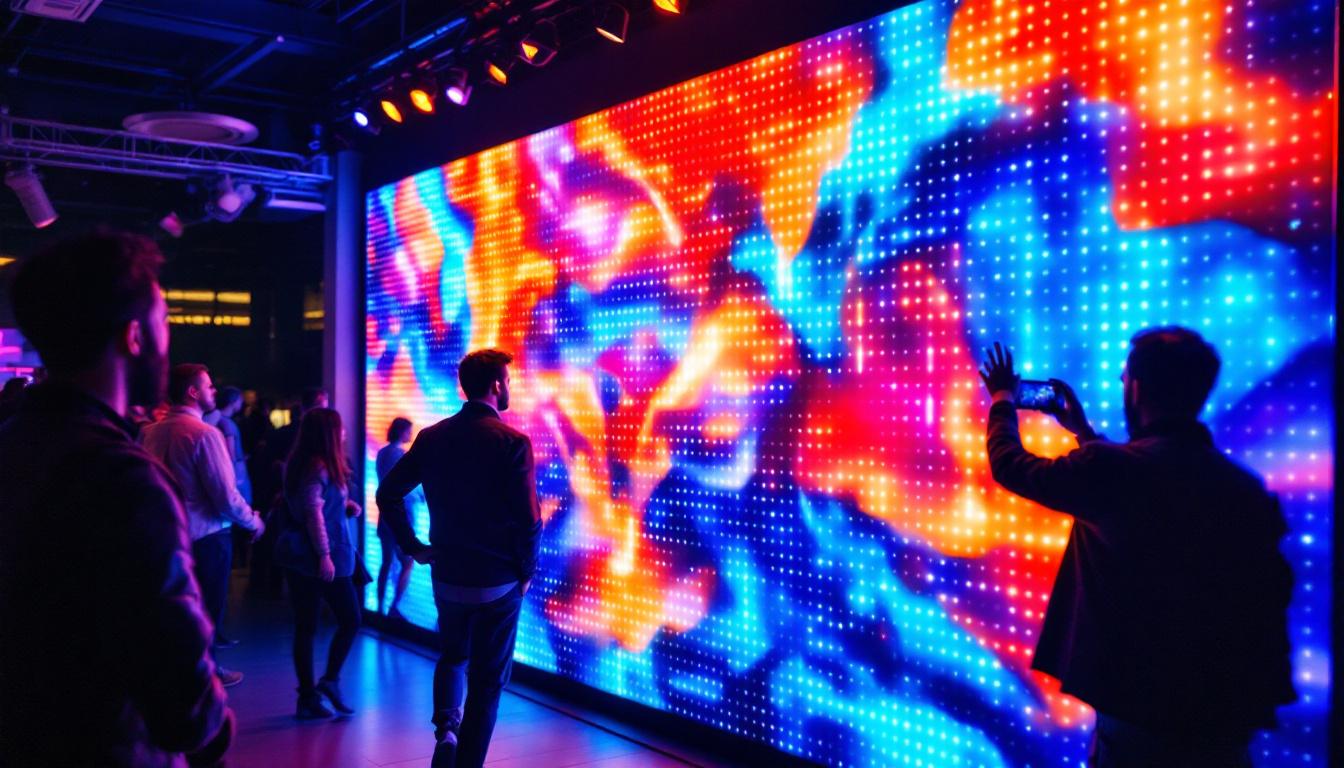
Indoor LED displays are designed for controlled lighting environments, such as conference rooms, retail spaces, and event venues. They typically feature high resolutions with small pixel pitches ranging from 0.9mm to 4mm, delivering sharp images at close viewing distances.
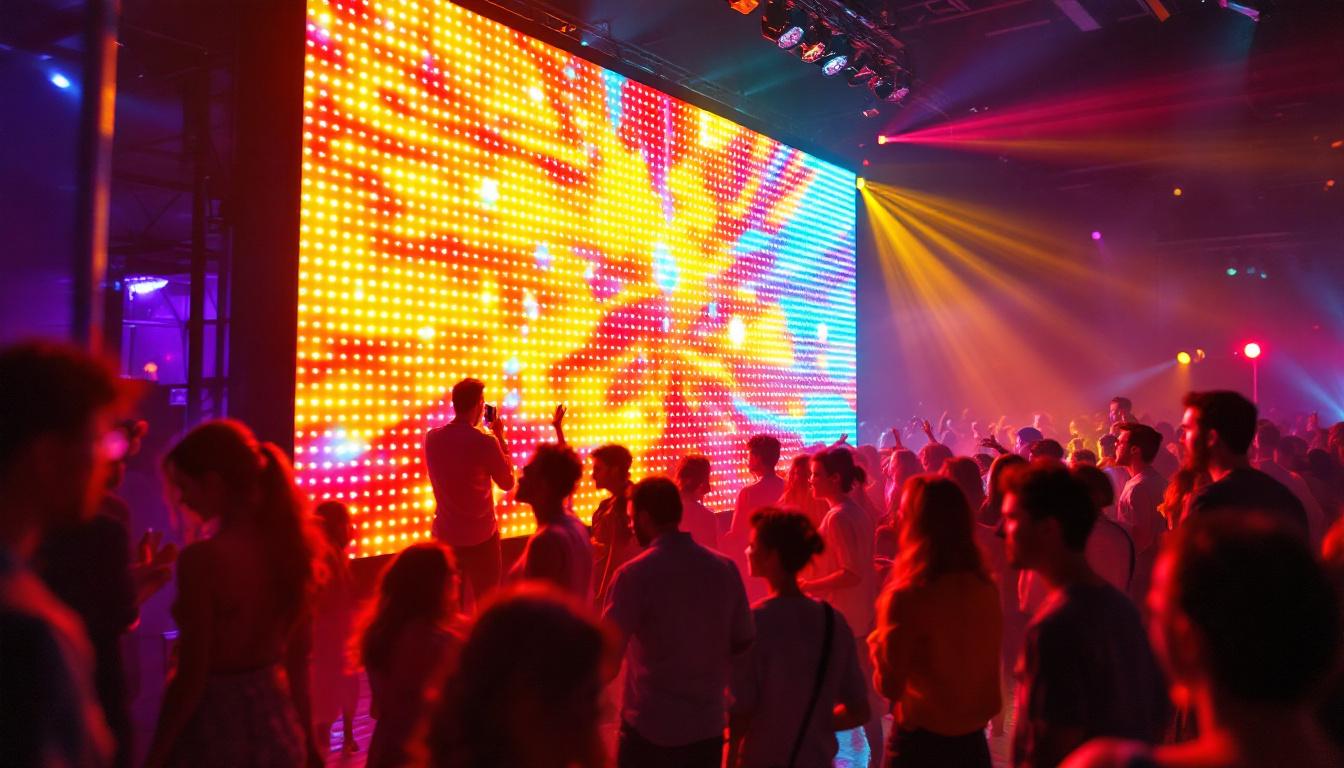
For instance, a 2mm pixel pitch LED panel with a resolution of 1920×1080 pixels is common for indoor video walls, providing vibrant visuals for presentations and advertisements. These displays are often used in high-traffic areas where engagement is crucial, such as shopping malls and airports, allowing brands to captivate their audience with dynamic content. Additionally, many indoor LED displays support advanced features like touch interactivity and integration with content management systems, enhancing user experience and allowing for real-time updates.
Outdoor LED Displays
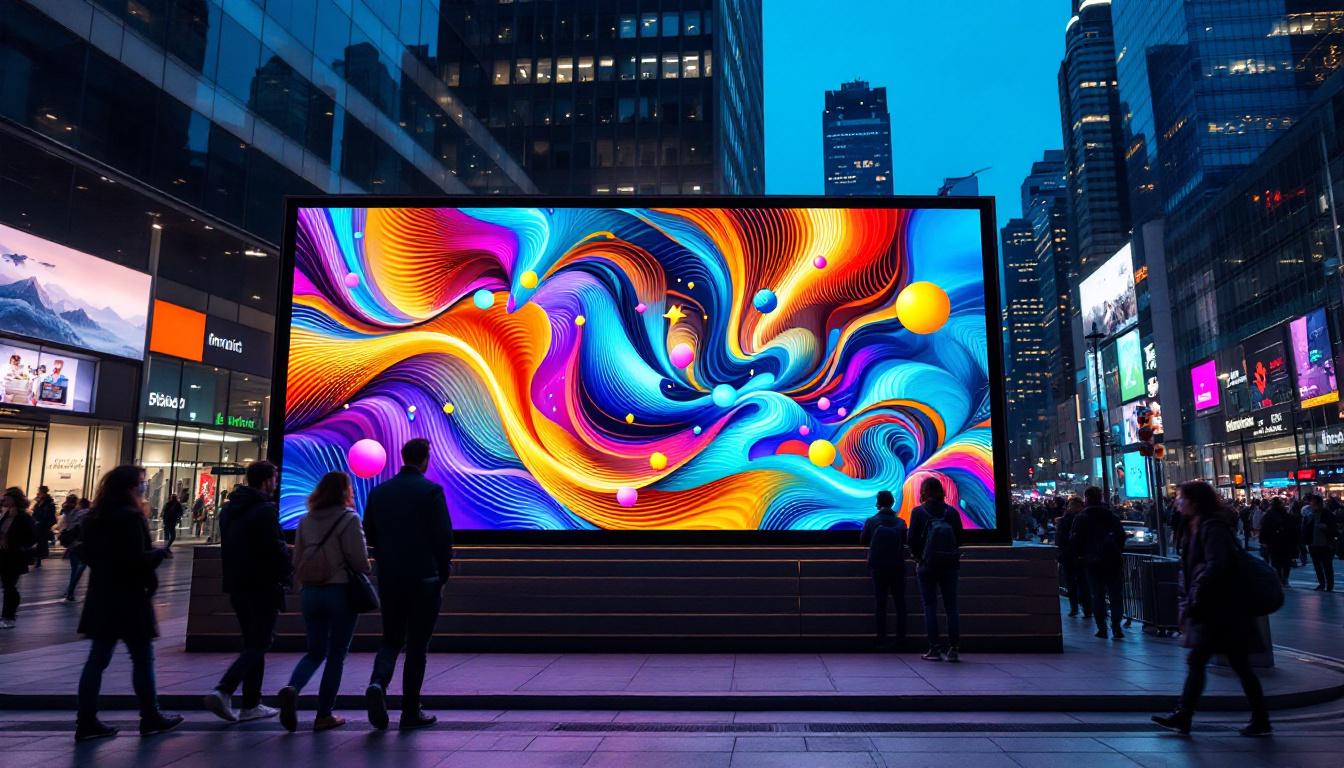
Outdoor LED displays must withstand weather conditions and ambient light, requiring higher brightness and durability. They usually have larger pixel pitches, from 6mm to 20mm or more, to ensure visibility from long distances.
Resolutions for outdoor displays vary widely. A 10mm pixel pitch billboard might have a resolution of 960×540 pixels on a 10×5 meter screen, which is sufficient for viewers several hundred meters away. These displays are commonly used for advertising and public announcements, often strategically placed in high-traffic areas to maximize visibility. Furthermore, outdoor LED displays are designed with robust housing to protect against rain, wind, and dust, ensuring longevity and consistent performance. Some models even incorporate energy-efficient technologies, reducing operational costs while maintaining high brightness levels necessary for daylight visibility.
Transparent and Flexible LED Displays
Emerging technologies include transparent LED displays, which allow light to pass through, and flexible LED panels that can curve around surfaces. These displays often have unique resolution requirements depending on their application, such as retail windows or architectural installations.
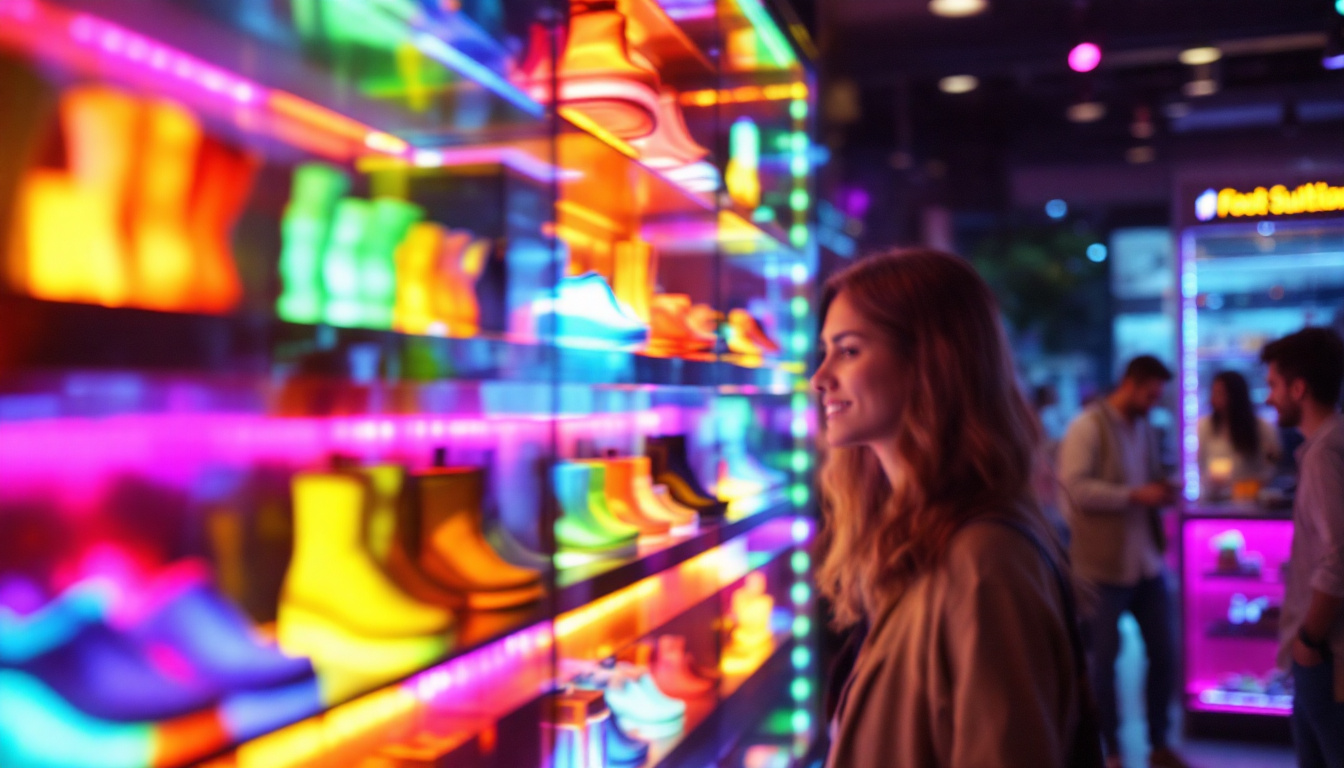
Transparent LED displays are particularly innovative, enabling retailers to showcase products while maintaining visibility through the glass. This technology is revolutionizing storefronts, as it allows for immersive advertising without obstructing the view of the merchandise. On the other hand, flexible LED panels are gaining traction in creative industries, as they can be molded into various shapes and sizes, offering designers unprecedented freedom to create eye-catching installations. These flexible displays can be used in a variety of settings, from concerts and festivals to art exhibitions, where they can adapt to the contours of the environment, enhancing the overall aesthetic appeal.
Why Pixel Resolution Matters in LED Displays
Choosing the correct pixel resolution and pitch is essential for achieving the desired visual impact and ensuring cost-effectiveness. Several factors highlight the importance of resolution in LED displays.
Visual Clarity and Viewer Experience
High-resolution LED displays provide crisp, detailed images that engage viewers and convey messages effectively. In advertising, for example, sharper images can increase brand recall and customer interest. In control rooms, precise visuals are critical for monitoring and decision-making.
Viewing Distance Considerations
Resolution must align with the typical viewing distance. A display with too high a resolution but large pixel pitch may waste resources, while a low-resolution display viewed up close will appear blurry. Industry guidelines often recommend a minimum viewing distance roughly equal to the pixel pitch multiplied by 1000.
Cost Implications
Higher resolution LED displays with smaller pixel pitches are more expensive due to the increased number of LEDs and more complex manufacturing. Balancing resolution needs with budget constraints is a key consideration for buyers.
How to Calculate and Choose the Right Resolution
Selecting the appropriate resolution involves understanding the intended use, viewing environment, and physical size of the LED display.
Step 1: Determine Viewing Distance
Identify the typical distance from which the audience will view the display. For example, a retail store window display may be viewed from 3 to 10 feet, while a roadside billboard is seen from hundreds of feet away.
Step 2: Select Pixel Pitch
Based on viewing distance, choose a pixel pitch that ensures image clarity. A common rule is that the minimum viewing distance (in meters) should be approximately equal to the pixel pitch (in millimeters) multiplied by 1.5 to 2. For example, a 3mm pixel pitch is suitable for viewing distances of about 4.5 to 6 meters.
Step 3: Calculate Resolution
Divide the physical width and height of the display by the pixel pitch to find the resolution. For instance, a 3-meter wide screen with a 3mm pixel pitch would have approximately 1000 pixels horizontally (3000mm / 3mm).
Step 4: Consider Content Type
High-definition video content requires higher resolution displays to avoid pixelation. Static images or simple text may not demand as high a resolution.
Recent Trends and Innovations in LED Display Resolution
The LED display industry continues to evolve rapidly, with innovations improving resolution, brightness, and energy efficiency.
MicroLED and MiniLED Technologies
MicroLED displays feature extremely small LEDs, enabling pixel pitches below 1mm and ultra-high resolutions. These displays offer superior brightness, contrast, and lifespan compared to traditional LEDs and OLEDs. Although currently expensive, MicroLED is poised to revolutionize premium displays in the coming years.
Higher Refresh Rates and HDR Support
Modern LED displays increasingly support higher refresh rates (120Hz and above) and High Dynamic Range (HDR), enhancing motion clarity and color depth. These features are particularly important for sports broadcasting, gaming, and immersive advertising.
Integration with Smart Technologies
Smart LED displays with integrated sensors and AI-driven content management systems optimize resolution and brightness dynamically based on ambient conditions and viewer behavior, improving energy efficiency and user engagement.
Practical Applications: Case Studies
Examining real-world examples helps illustrate how pixel resolution impacts LED display effectiveness.
Times Square Digital Billboards
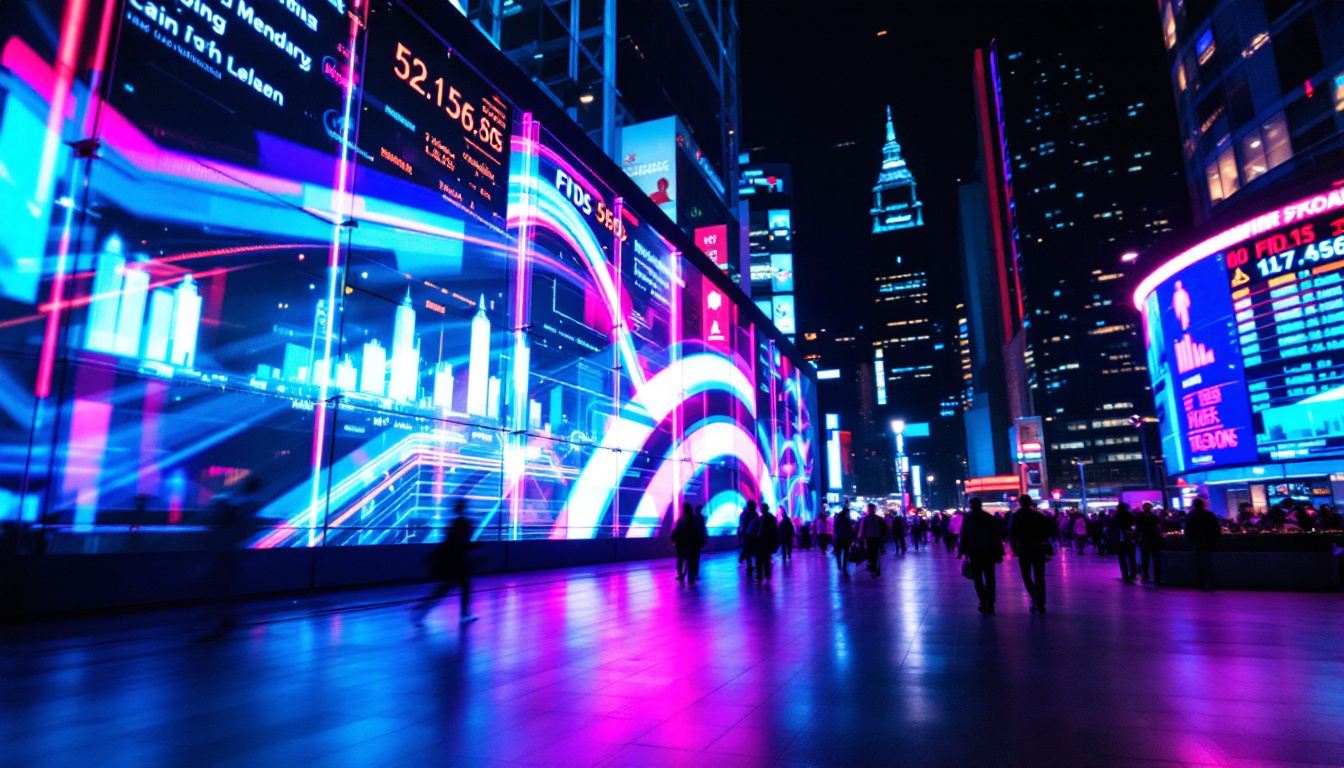
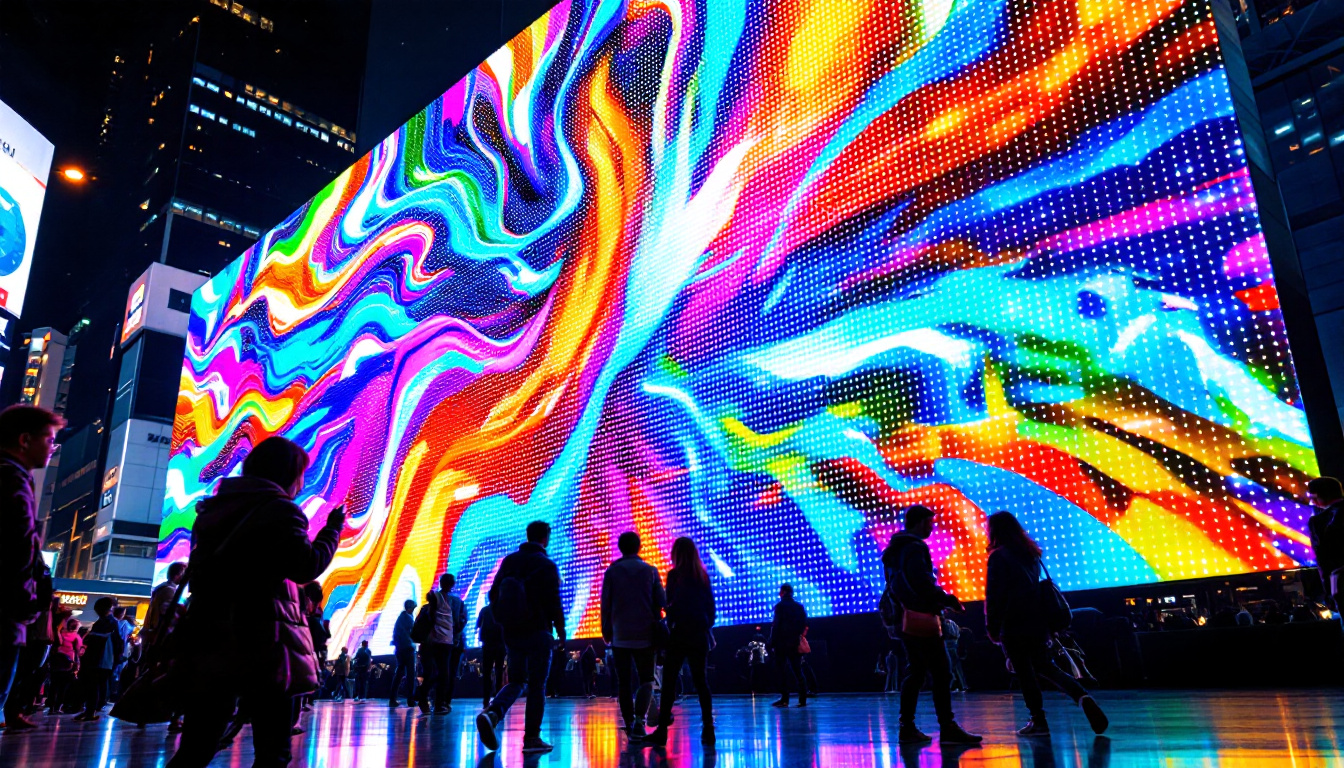
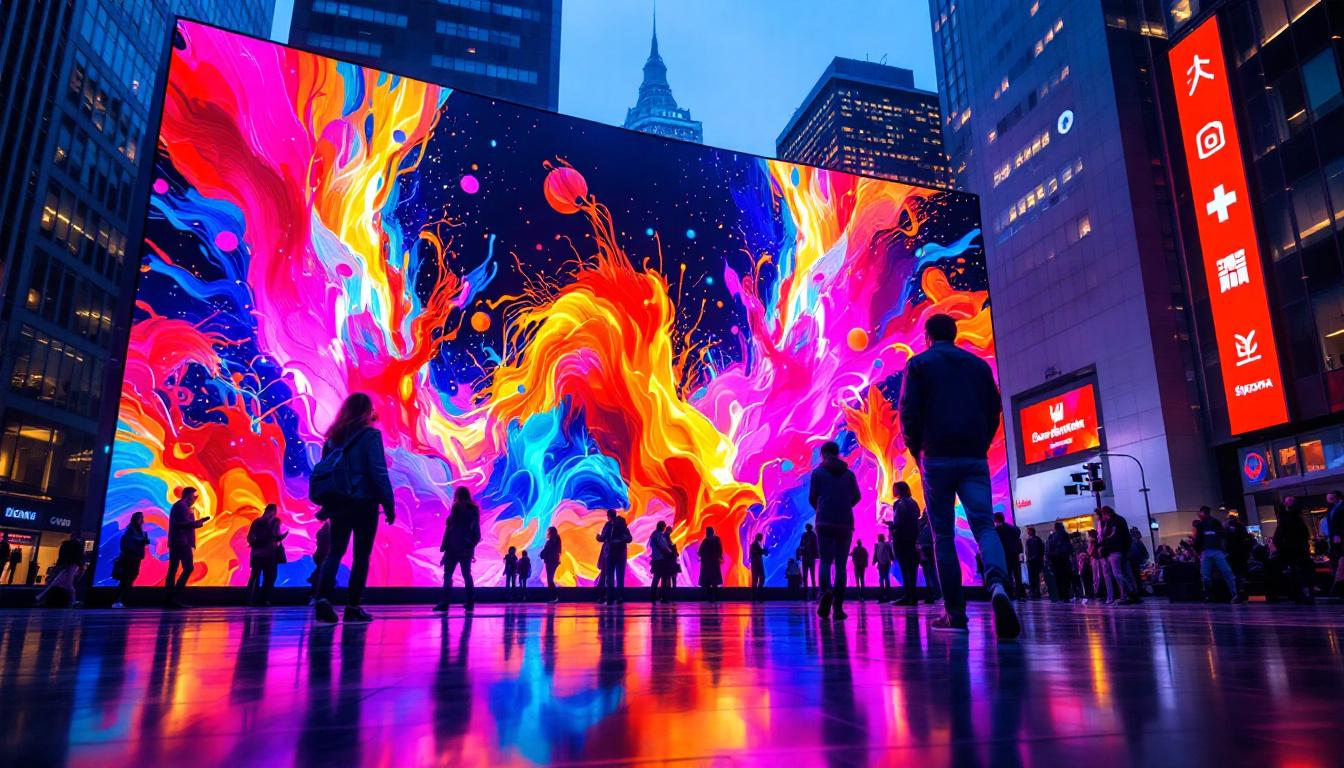
Times Square in New York City features some of the world’s largest and most advanced LED billboards. These displays typically use pixel pitches ranging from 6mm to 10mm, balancing resolution with massive screen sizes (often exceeding 100 square meters). The high brightness and resolution ensure visibility amidst the bright urban environment and attract millions of viewers daily.
Indoor Video Walls in Corporate Settings
Many corporations install indoor LED video walls in lobbies and conference rooms with pixel pitches as small as 1.2mm to 2mm. This allows for detailed presentations, video conferencing, and branding with sharp imagery that impresses visitors and enhances communication.
Sports Arenas and Stadiums
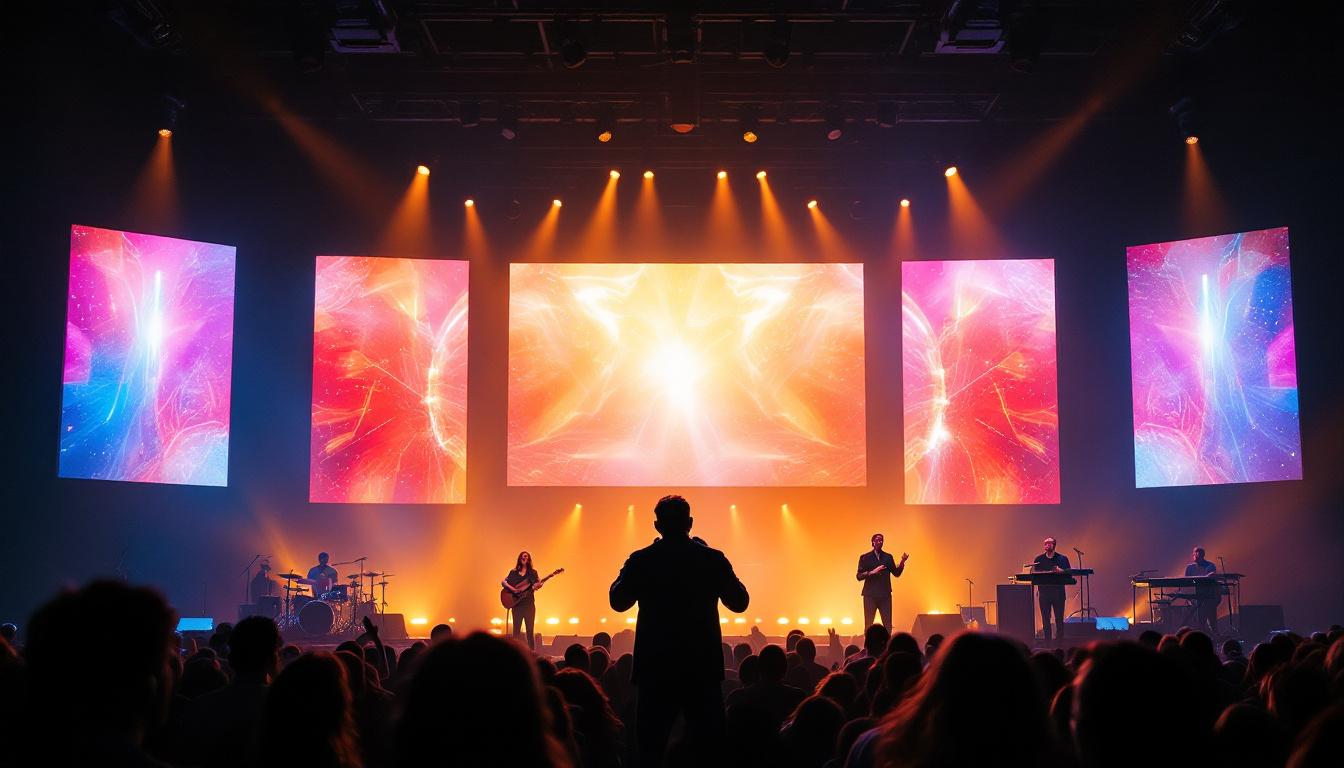
Sports venues use large LED screens with pixel pitches around 6mm to 10mm to display live action, replays, and advertisements. These resolutions ensure that spectators, even those seated far from the screen, can clearly see the content.
Conclusion: Making Informed Decisions About LED Display Resolution
Pixel resolution is a fundamental aspect of LED display technology that directly affects image quality, viewer experience, and cost. By understanding pixel pitch, resolution, and their relationship to viewing distance and application, businesses and consumers can choose the most appropriate LED displays for their needs.
As LED technology advances, the options for higher resolution, greater brightness, and smarter displays continue to expand, offering exciting possibilities for digital communication and entertainment. Staying informed about these developments ensures that investments in LED displays deliver maximum impact and value.
Discover Cutting-Edge LED Display Solutions with LumenMatrix
Ready to elevate your visual experience with the latest in LED display technology? LumenMatrix is at the forefront of innovation, offering a wide range of LED display solutions tailored to your needs. Whether you’re looking to enhance brand visibility with an Indoor LED Wall Display, captivate passersby with an Outdoor LED Wall Display, or create dynamic visual experiences with our Custom and All-in-One LED Displays, we have the expertise to bring your vision to life. Experience the revolution in visual communication and make a lasting impression with our LED Sports Displays, Floor LED Displays, and LED Transparent Displays. Check out LumenMatrix LED Display Solutions today and empower your business to communicate with impact and clarity.