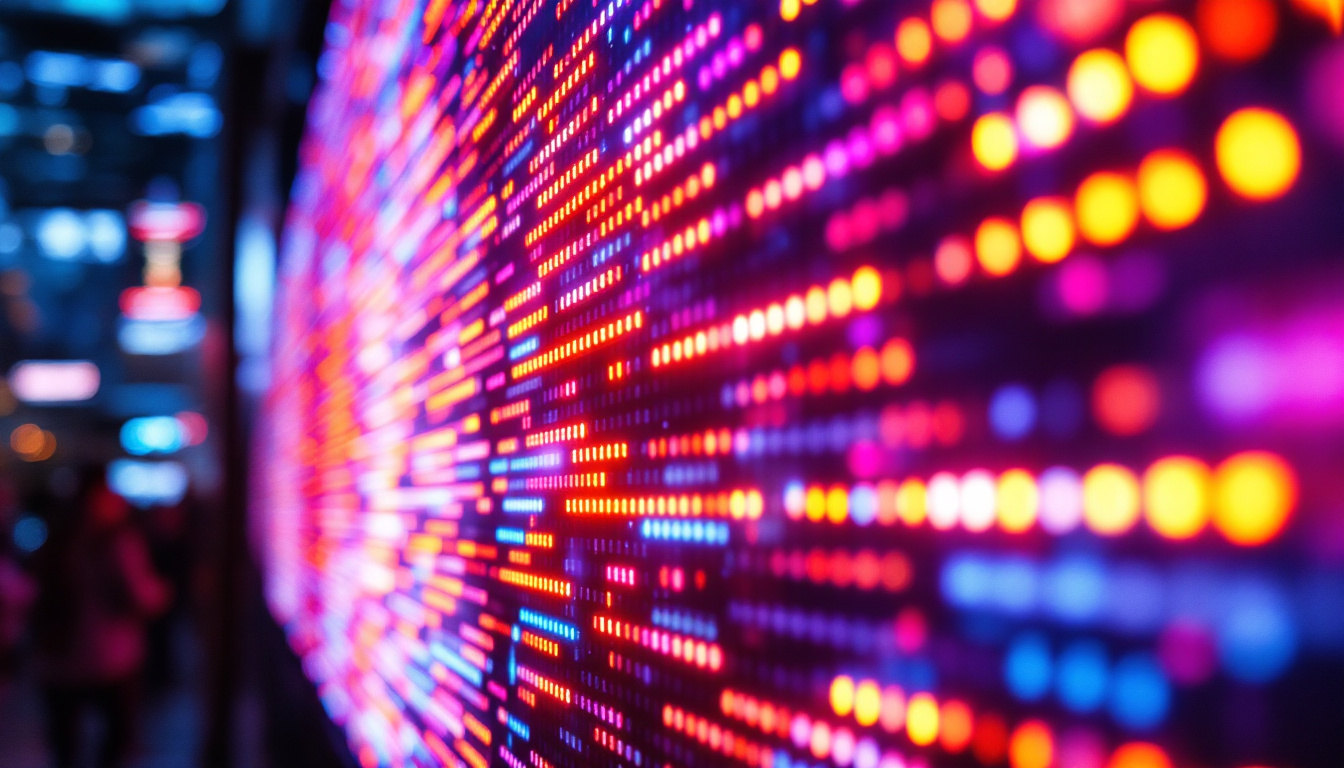
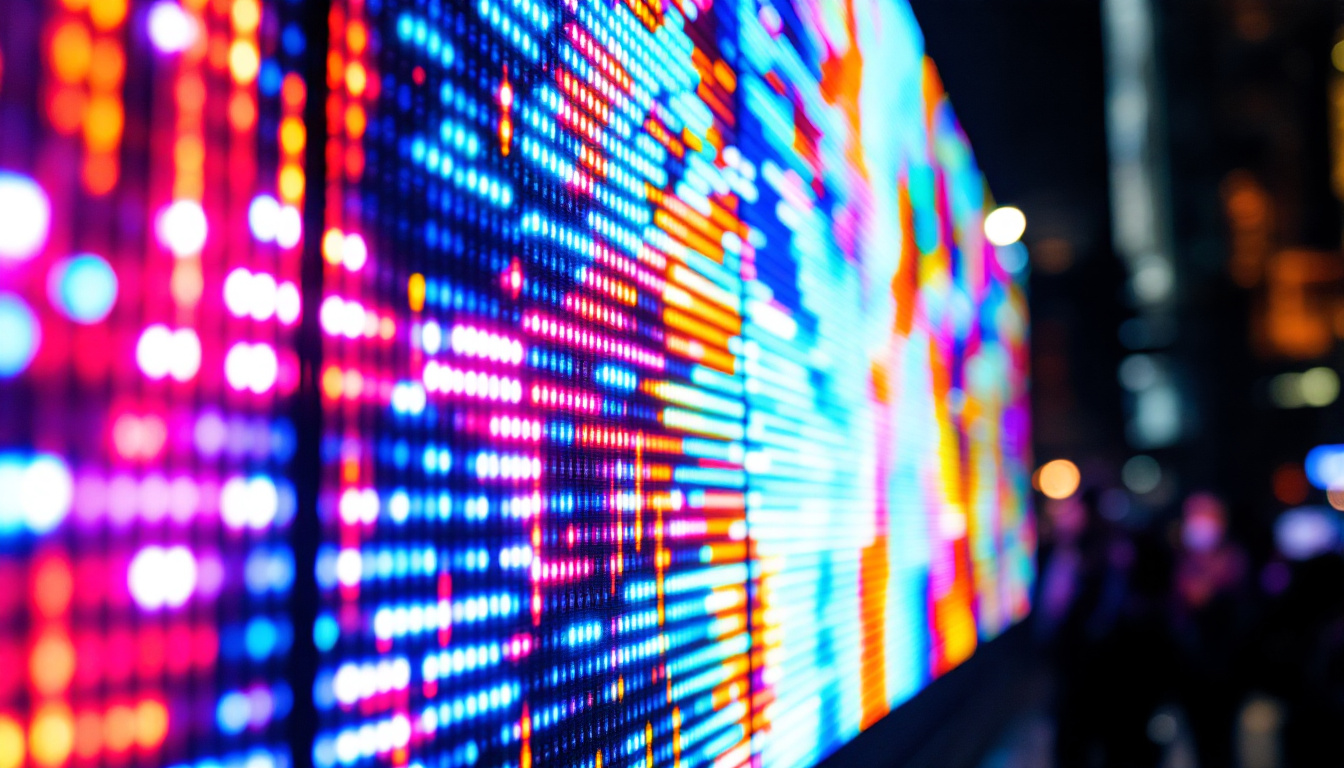
In today’s fast-paced digital world, visual communication plays a crucial role in capturing attention and conveying messages effectively. Videowalls, particularly those using LED display technology, have emerged as a powerful medium in various industries—from advertising and entertainment to control rooms and corporate environments. This article delves into the fundamentals of LED videowalls, exploring their technology, applications, benefits, and considerations for choosing the right solution.
Understanding LED Videowalls: The Basics
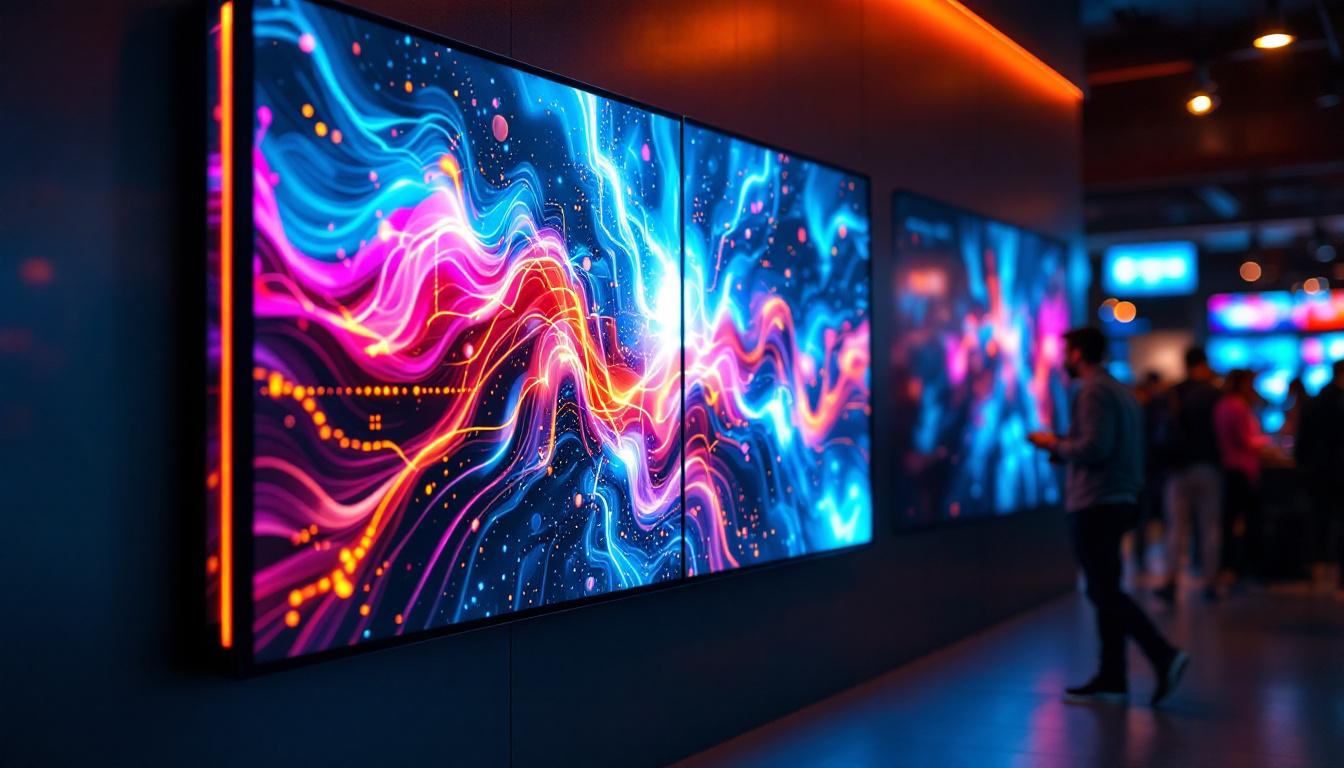
A videowall is essentially a large display surface composed of multiple smaller display units tiled together to form one seamless screen. When these units are LED panels, the result is an LED videowall. Unlike traditional LCD or projection-based videowalls, LED videowalls use light-emitting diodes to create bright, vibrant images with exceptional clarity. This technology has revolutionized the way visual content is displayed, making it a popular choice for a variety of applications, from advertising to entertainment and information dissemination.
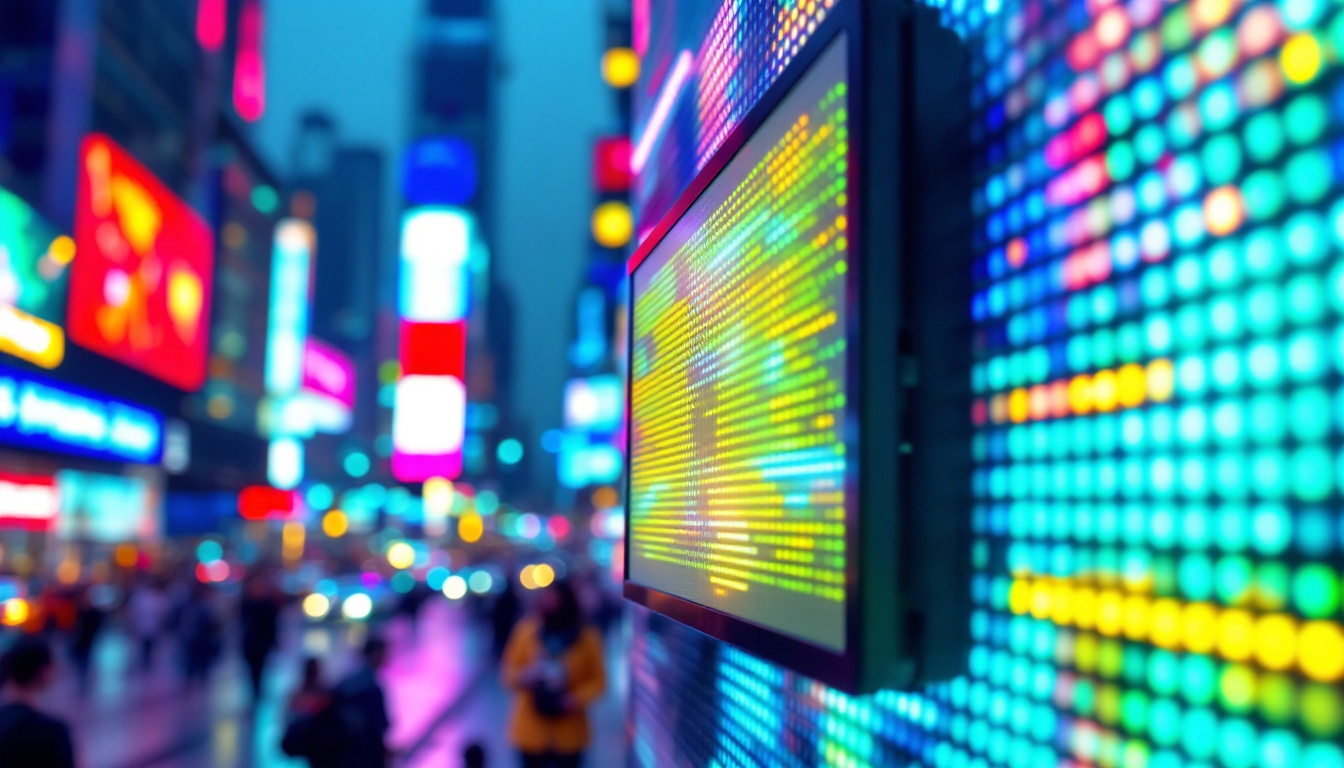
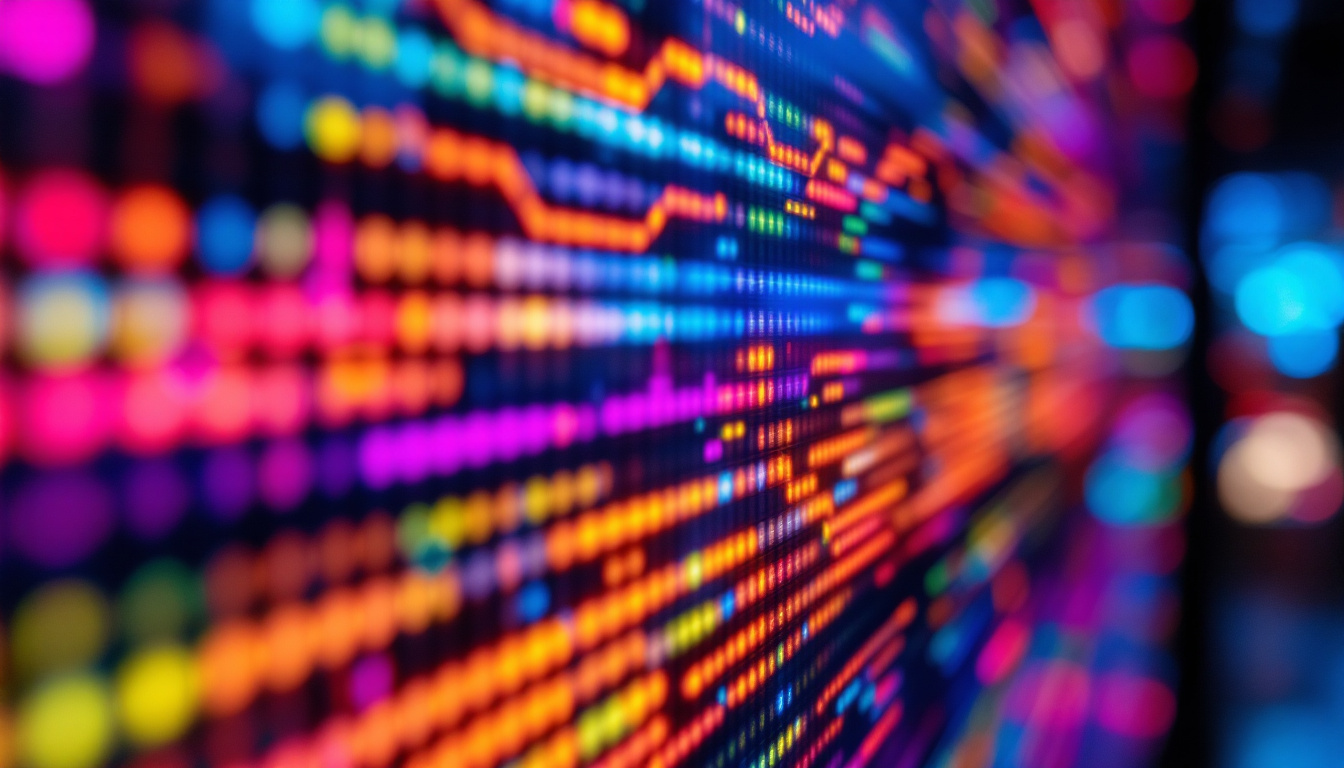
LED technology is based on tiny semiconductor diodes that emit light when an electric current passes through them. These diodes are arranged in clusters called pixels, with each pixel typically containing red, green, and blue LEDs. By varying the intensity of each color, the display can produce a full spectrum of colors and high contrast ratios. The result is a visual experience that is not only striking but also highly engaging, capturing the attention of viewers in ways that traditional displays often cannot.
How LED Videowalls Work
Each LED panel in a videowall is a self-contained unit with its own LEDs, circuitry, and power supply. These panels are designed to fit together with minimal gaps, creating a nearly continuous image across the entire surface. The videowall controller synchronizes the input signal and distributes the content across the panels, ensuring smooth, high-resolution visuals. This synchronization is crucial, especially in live event settings where timing and precision are paramount. Advanced software solutions allow for real-time adjustments and content management, enabling operators to create dynamic presentations that can adapt to the audience’s needs.
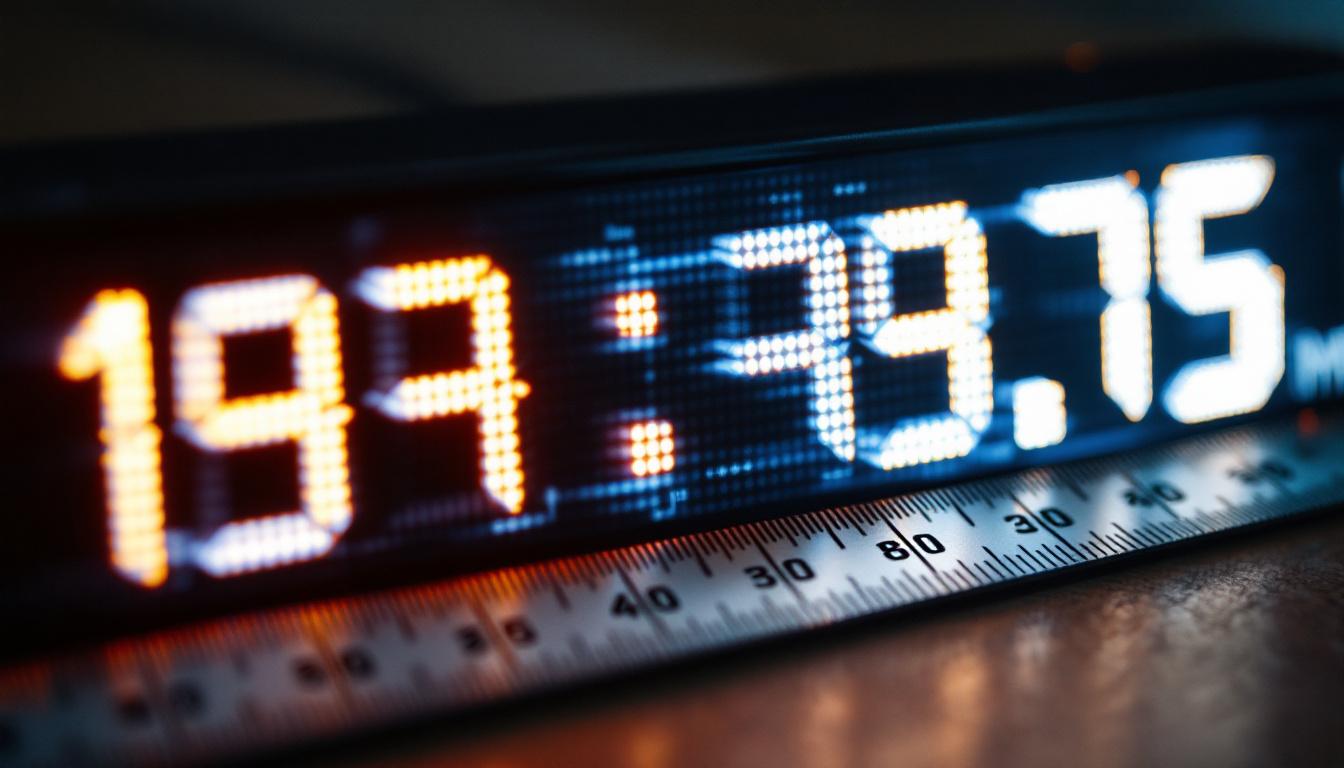
One of the key technical specifications of an LED videowall is the pixel pitch—the distance between the centers of two adjacent pixels. Pixel pitch directly influences the display’s resolution and viewing distance. Smaller pixel pitches (e.g., 1.2mm to 2.5mm) offer higher resolution and are suitable for close viewing, while larger pitches (e.g., 4mm to 10mm) are ideal for outdoor or large venue applications where viewers are farther away. This flexibility allows designers to tailor the videowall to specific environments, ensuring optimal performance and viewer experience.
Types of LED Videowalls
LED videowalls come in various forms tailored to different environments and needs:
- Indoor LED Videowalls: Designed for controlled lighting conditions, these typically feature smaller pixel pitches for crisp, detailed images in conference rooms, retail stores, and broadcast studios. Their versatility allows them to be used for everything from corporate presentations to immersive art installations.
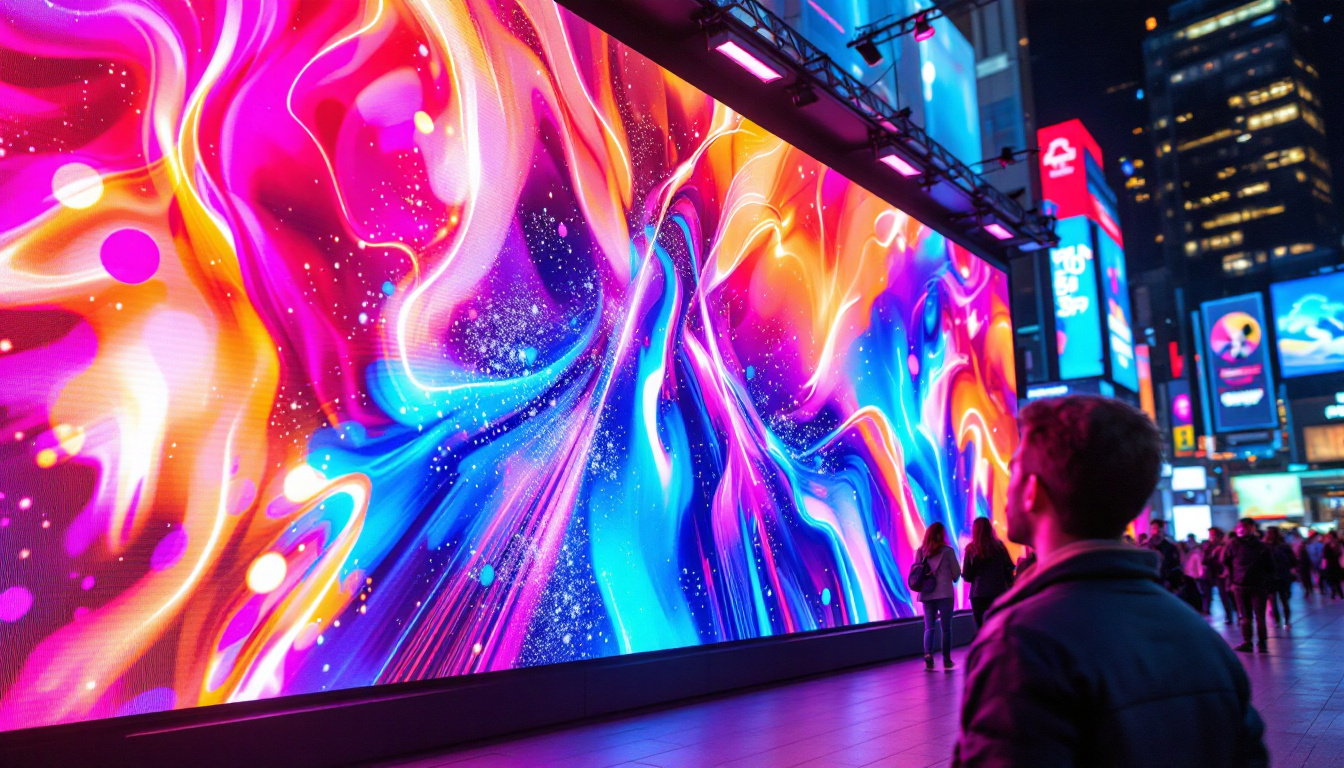
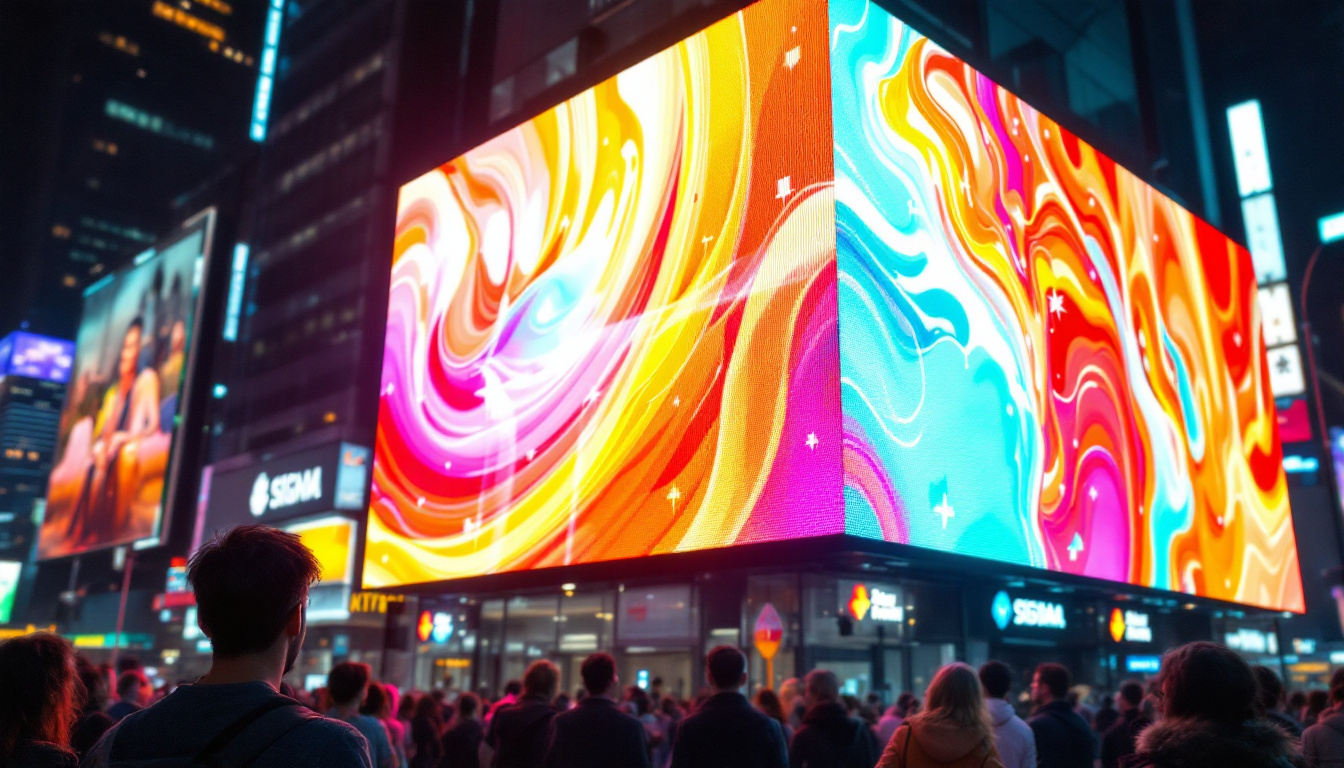
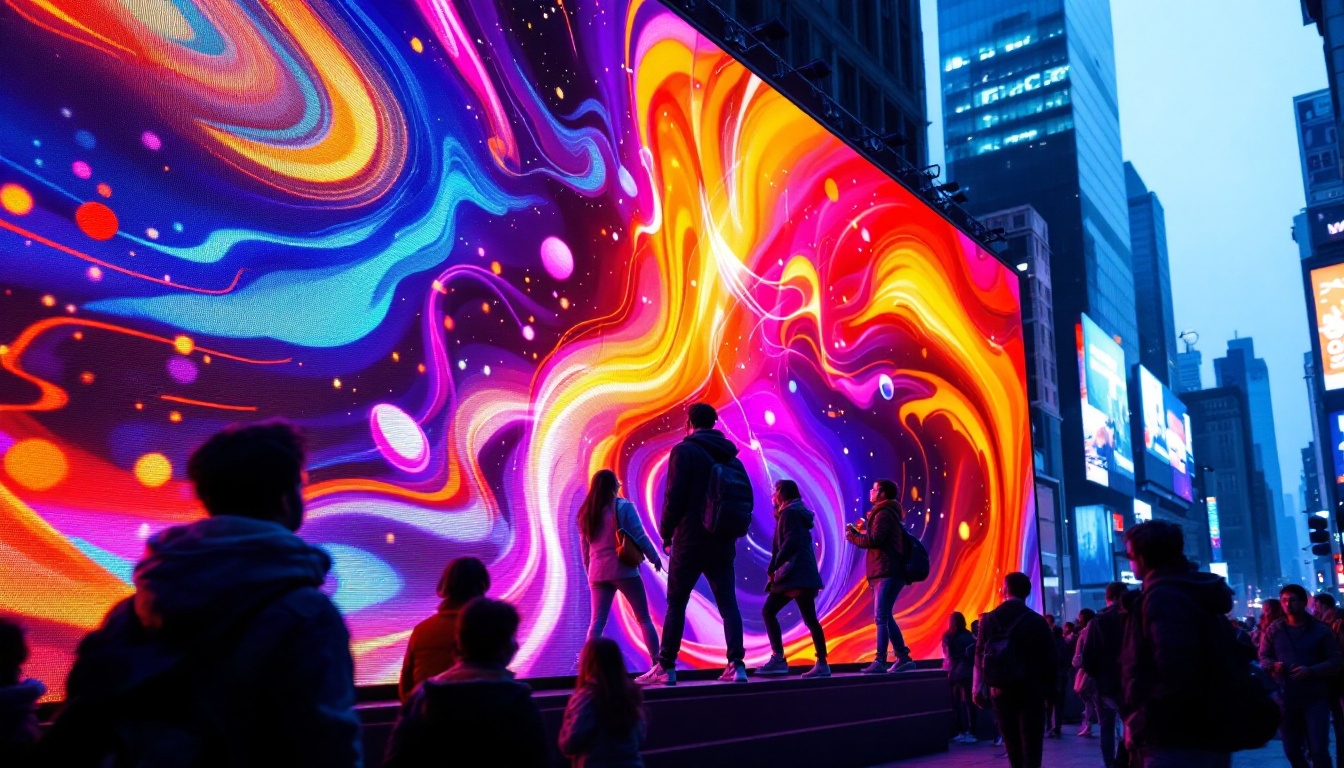
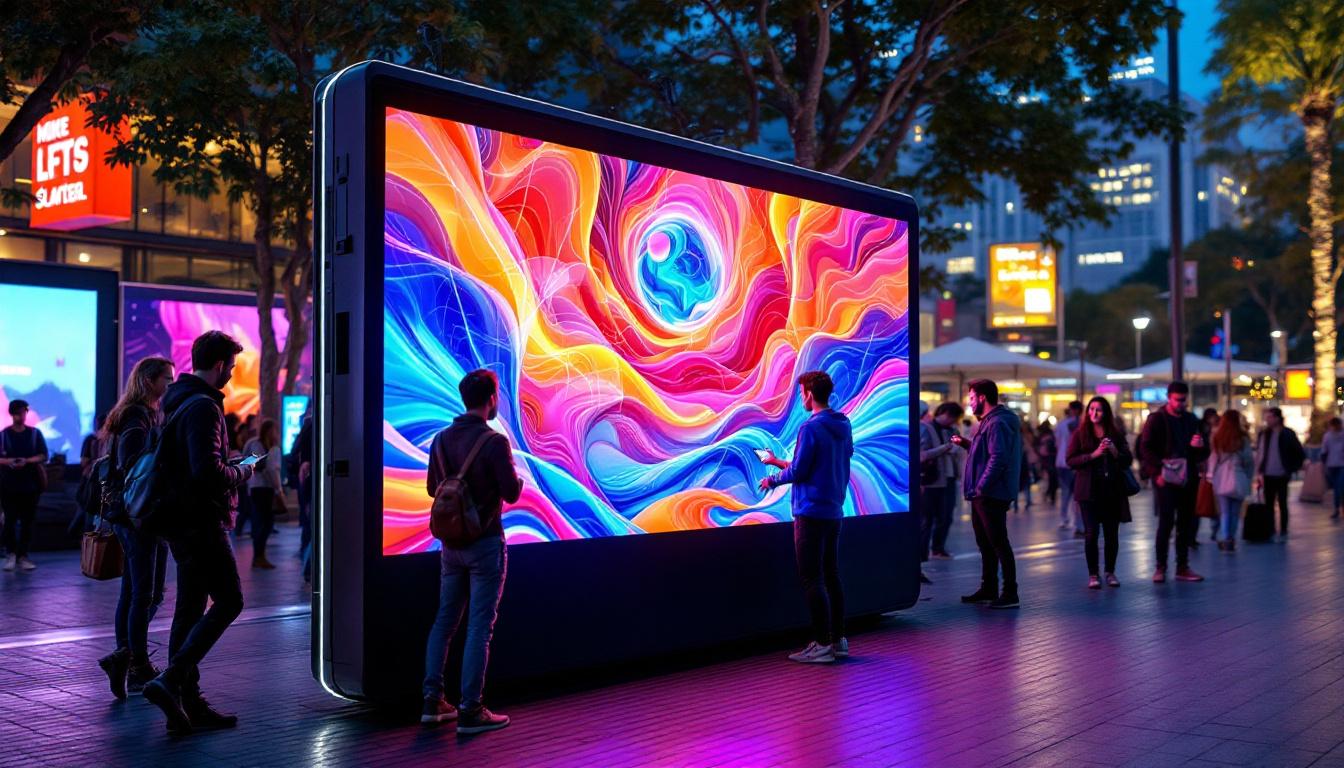
- Outdoor LED Videowalls: Built to withstand weather conditions, these have higher brightness levels (often exceeding 5,000 nits) to combat sunlight glare and larger pixel pitches to maintain visibility from a distance. They are commonly seen in sports arenas, concerts, and public squares, where they serve as focal points for entertainment and information dissemination.
- Transparent LED Videowalls: These innovative displays allow light to pass through, making them ideal for storefront windows or architectural installations without obstructing views. Their unique design not only enhances aesthetics but also provides a modern solution for advertising, allowing brands to engage consumers while maintaining the visual integrity of the space.
In addition to these types, there are also flexible LED videowalls that can be curved or shaped to fit unique architectural designs. This adaptability opens up new possibilities for creative installations, allowing designers to push the boundaries of traditional display technology. Furthermore, advancements in LED technology continue to improve energy efficiency and reduce the environmental impact of these displays, making them a sustainable choice for businesses and organizations looking to make a statement.
Applications of LED Videowalls Across Industries
LED videowalls have revolutionized how businesses and organizations communicate visually. Their versatility and impact make them a popular choice in many sectors.
Advertising and Retail
In the advertising world, grabbing consumer attention is paramount. LED videowalls deliver bright, dynamic content that can be updated in real time, making them perfect for digital billboards, shopping malls, and storefront displays. According to a report by Grand View Research, the global digital signage market, which includes LED videowalls, is expected to reach USD 32.84 billion by 2028, driven by demand for engaging visual content.
Retailers use LED videowalls to enhance customer experiences, promote products, and create immersive environments. For example, flagship stores of major brands often feature large LED walls showcasing promotional videos and interactive content to entice shoppers.
Corporate and Control Rooms
In corporate settings, LED videowalls facilitate presentations, video conferencing, and data visualization. Their ability to display multiple inputs simultaneously allows teams to monitor real-time information effectively. Control rooms in sectors such as transportation, utilities, and security rely heavily on LED videowalls to display critical data, surveillance feeds, and operational dashboards.
For instance, air traffic control centers use large LED videowalls to provide controllers with comprehensive situational awareness, improving safety and efficiency.
Entertainment and Events
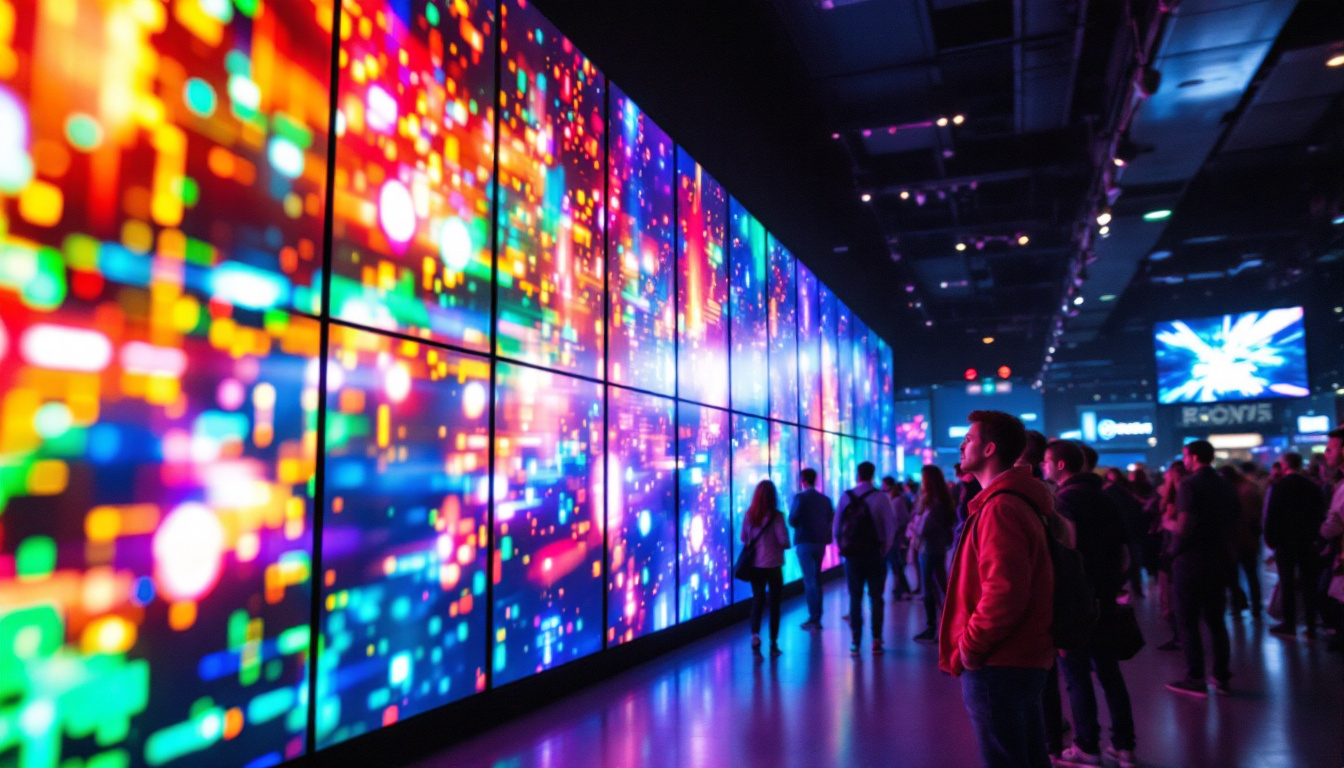
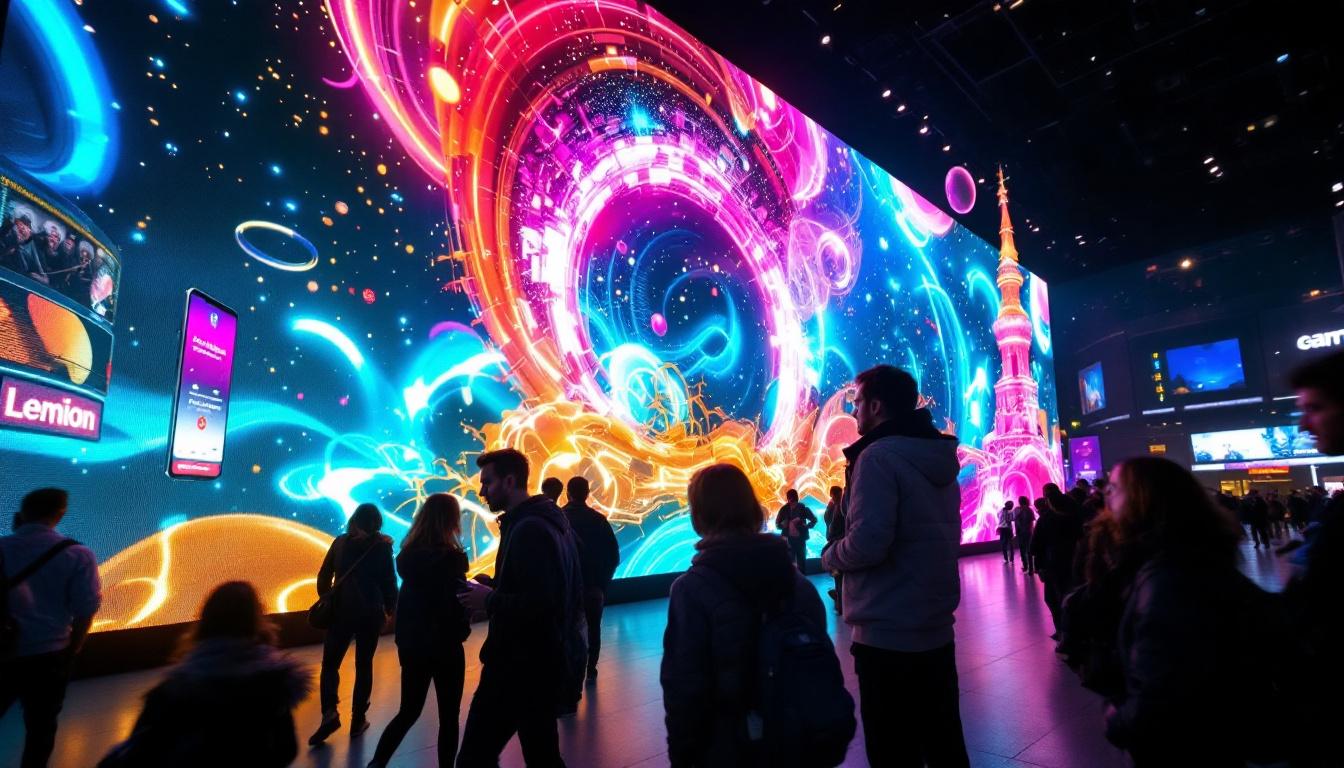
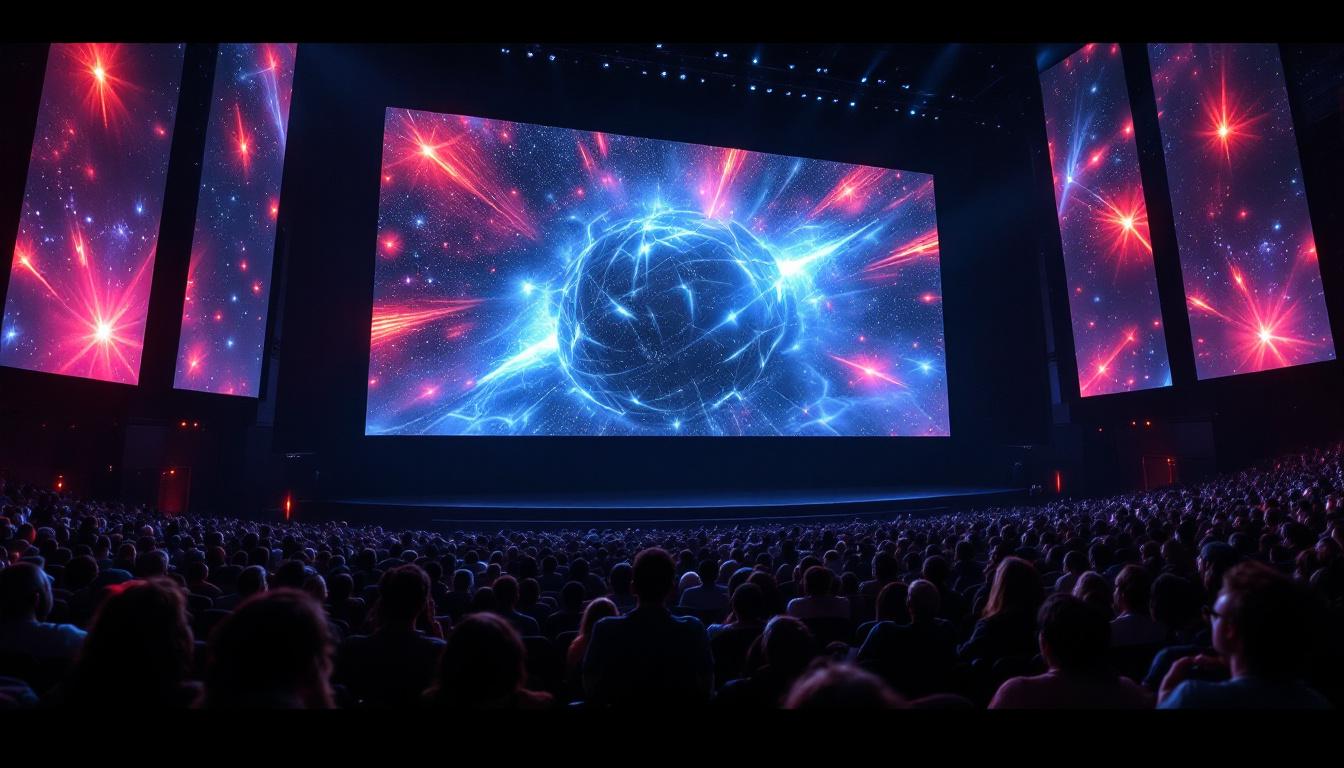
Concerts, sports arenas, and live events utilize LED videowalls to deliver spectacular visuals that enhance audience engagement. Their modular nature allows for custom shapes and sizes, adapting to various stage designs and venue requirements.
Major events such as the Super Bowl halftime show or music festivals often feature massive LED videowalls that display high-definition video, animations, and live feeds, creating immersive experiences for attendees.
Education and Public Spaces
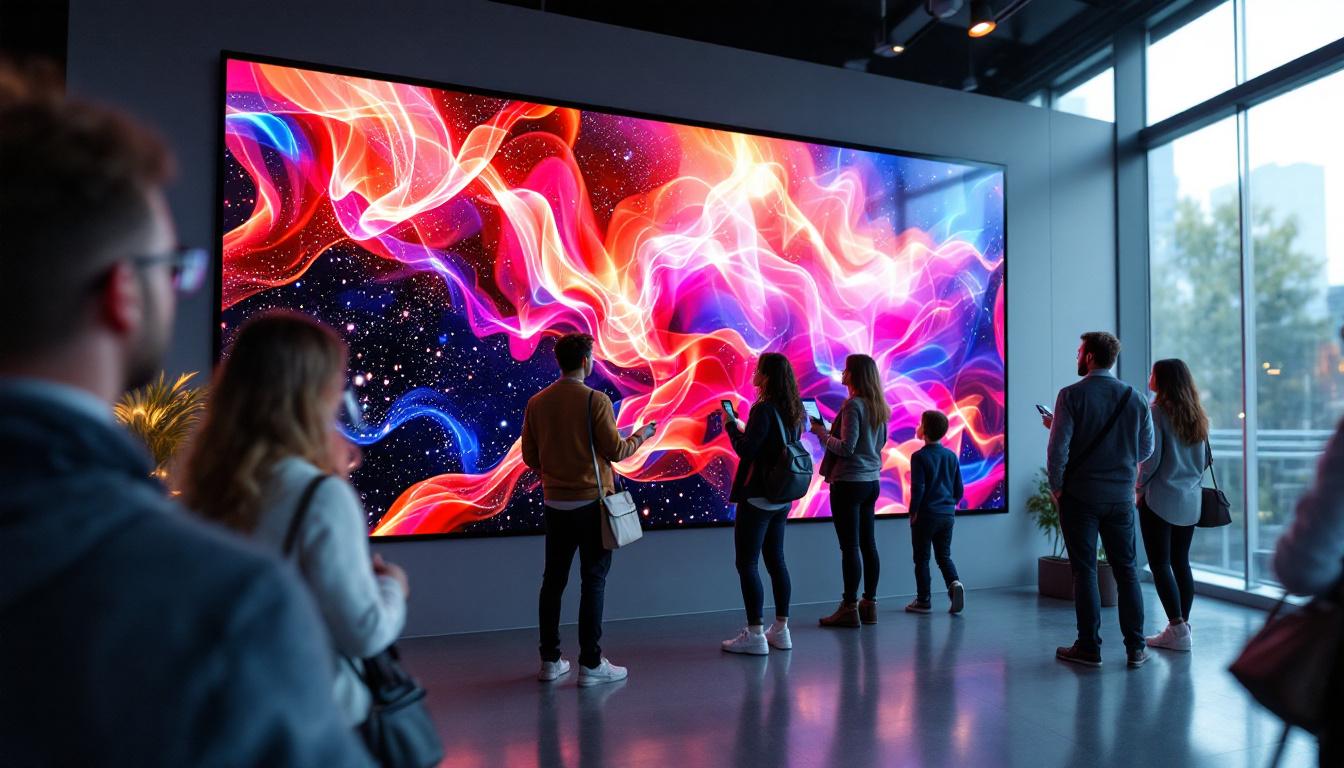
Universities and museums employ LED videowalls for educational displays, interactive exhibits, and information dissemination. Public spaces such as airports and train stations use them for wayfinding, announcements, and advertising.
These applications benefit from the durability and brightness of LED videowalls, ensuring visibility and reliability in busy environments.
Advantages of LED Videowalls Over Other Display Technologies
While there are several types of large-format displays, LED videowalls offer distinct advantages that have contributed to their growing popularity.
Superior Brightness and Visibility
LED displays can achieve brightness levels far exceeding those of LCD or projection systems, often reaching over 1,000 nits for indoor models and up to 10,000 nits for outdoor units. This high brightness ensures clear visibility even in direct sunlight or brightly lit environments.
Seamless and Scalable Design
LED videowalls can be scaled to virtually any size by adding or removing panels. Their bezel-less or ultra-thin bezel design minimizes visual interruptions, creating a nearly seamless image. This flexibility allows for creative configurations and large-scale installations.
Energy Efficiency and Longevity
Modern LED technology is energy-efficient compared to traditional lighting and projection systems. LEDs have long lifespans—often exceeding 100,000 hours—reducing maintenance costs and downtime.
Wide Viewing Angles and Color Accuracy
LED videowalls provide consistent image quality from wide viewing angles, making them ideal for public spaces where viewers may be positioned at various locations. Additionally, they offer excellent color reproduction and contrast ratios, enhancing the visual experience.
Fast Refresh Rates and Low Latency
For applications such as live events or gaming, LED videowalls support high refresh rates and low latency, ensuring smooth motion and real-time responsiveness.
Key Considerations When Choosing an LED Videowall
Selecting the right LED videowall requires careful evaluation of technical specifications, environmental factors, and budget constraints.
Pixel Pitch and Resolution
Determining the appropriate pixel pitch depends on the typical viewing distance. For close-up viewing, such as in control rooms or retail displays, a pixel pitch of 1.2mm to 2.5mm is recommended. For large outdoor signage viewed from afar, pixel pitches of 6mm or greater are suitable.
Brightness and Contrast Requirements
Consider the ambient lighting conditions where the videowall will be installed. Outdoor installations need higher brightness levels to remain visible in daylight, while indoor environments may prioritize contrast and color accuracy.
Physical Size and Installation Constraints
Measure the available space and plan the videowall size accordingly. Structural support, mounting options, and access for maintenance should also be factored into the installation plan.
Content Management and Connectivity
Modern LED videowalls often integrate with content management systems (CMS) that allow dynamic scheduling, remote updates, and multi-source inputs. Ensure the videowall supports the necessary connectivity options and software compatibility for your content needs.
Budget and Total Cost of Ownership
While LED videowalls can be a significant investment, it is important to consider not only the initial purchase cost but also installation, maintenance, and operational expenses. Energy efficiency and panel longevity can reduce long-term costs.
Future Trends in LED Videowall Technology
The LED videowall industry continues to evolve, driven by advances in materials, manufacturing, and digital integration.
MicroLED and MiniLED Innovations
Emerging technologies like MicroLED and MiniLED promise even higher resolution and brightness with improved energy efficiency. These smaller LEDs enable finer pixel pitches and thinner displays, pushing the boundaries of image quality.
Flexible and Curved Displays
Flexible LED panels allow for curved, cylindrical, or irregularly shaped videowalls, opening new possibilities for creative architectural designs and immersive environments.
AI and Interactive Capabilities
Integration of artificial intelligence and sensor technologies enables interactive videowalls that respond to audience behavior, gestures, or environmental changes, enhancing engagement and personalization.
Improved Sustainability
Manufacturers are focusing on environmentally friendly materials and energy-saving designs to reduce the carbon footprint of LED videowall installations.
Conclusion
LED videowalls represent a dynamic and versatile display technology that has transformed visual communication across multiple industries. Their superior brightness, scalability, and image quality make them an ideal choice for applications ranging from advertising and entertainment to corporate and public information systems.
Understanding the technical aspects, applications, and future trends of LED videowalls empowers businesses and organizations to make informed decisions when investing in this impactful technology. As LED technology continues to advance, videowalls will become even more immersive, interactive, and sustainable, shaping the future of digital displays.
Discover LumenMatrix LED Display Solutions
As you consider the power of LED videowalls to transform your visual communication, LumenMatrix stands ready to bring your vision to life. With our expertise in cutting-edge LED display modules, we are committed to enhancing your brand’s visibility and creating immersive visual experiences that captivate and engage. From versatile indoor and outdoor displays to innovative solutions like transparent and custom LED displays, our range of products is designed to meet the diverse needs of any application. Embrace the future of digital displays with LumenMatrix and revolutionize the way you connect with your audience. Check out LumenMatrix LED Display Solutions today and see the difference for yourself.