Virtual production has revolutionized the way filmmakers create immersive worlds, blending physical and digital environments seamlessly. At the heart of this transformation lies LED display technology, a powerful tool that has reshaped traditional filmmaking methods. This article delves into the role of LED displays in virtual production, explaining their technology, benefits, and impact on the future of content creation.
Understanding Virtual Production and Its Evolution
Virtual production is a filmmaking technique that integrates live-action footage with computer-generated imagery (CGI) in real time. Unlike traditional green screen methods, virtual production allows filmmakers to visualize and interact with digital environments on set. This approach enhances creativity, reduces post-production time, and improves collaboration between departments.
The evolution of virtual production has been driven by advances in real-time rendering engines, camera tracking, and display technologies. Among these, LED displays have emerged as a game-changer, replacing green screens with dynamic, high-resolution backgrounds that respond naturally to camera movements and lighting conditions.
The Shift from Green Screens to LED Walls
Green screens have long been the standard for compositing digital backgrounds, but they come with limitations. Actors often struggle to visualize the environment, leading to less authentic performances. Additionally, lighting the green screen and matching it with CGI elements can be complex and time-consuming.
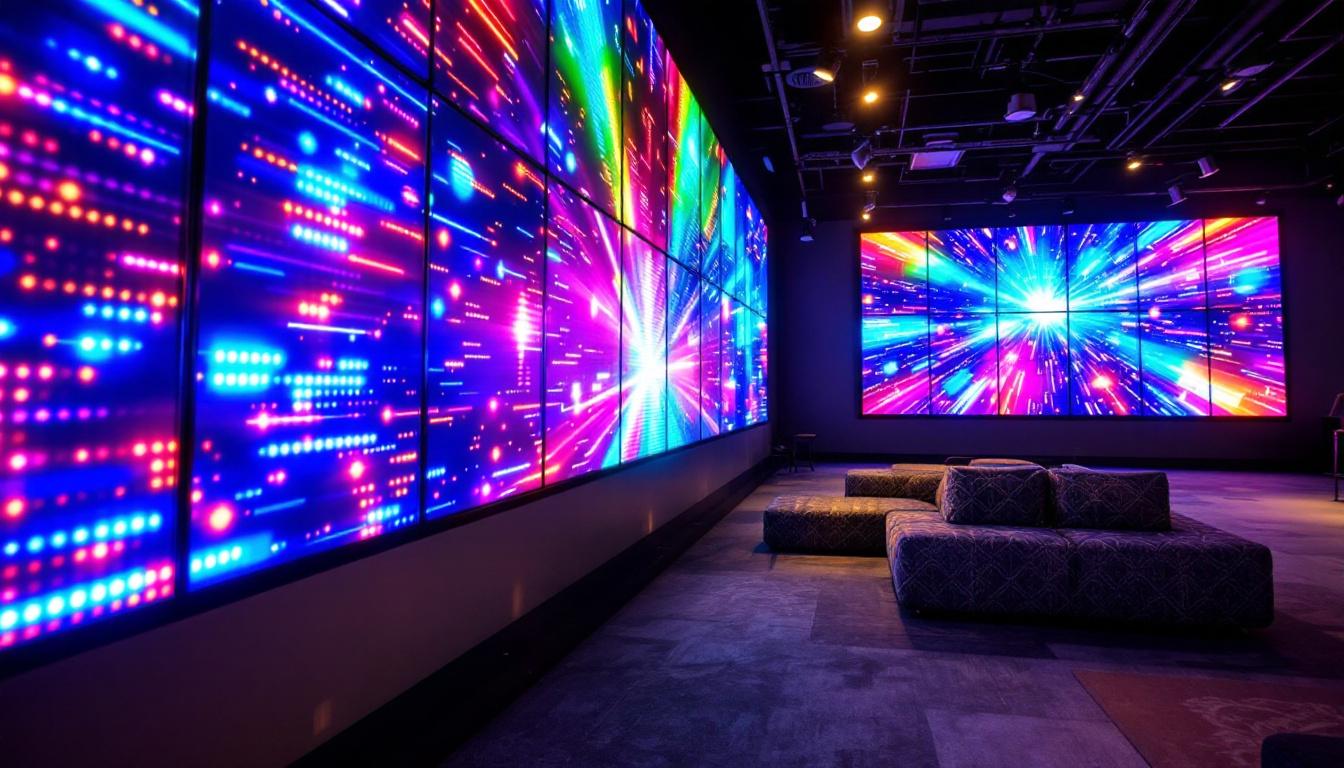
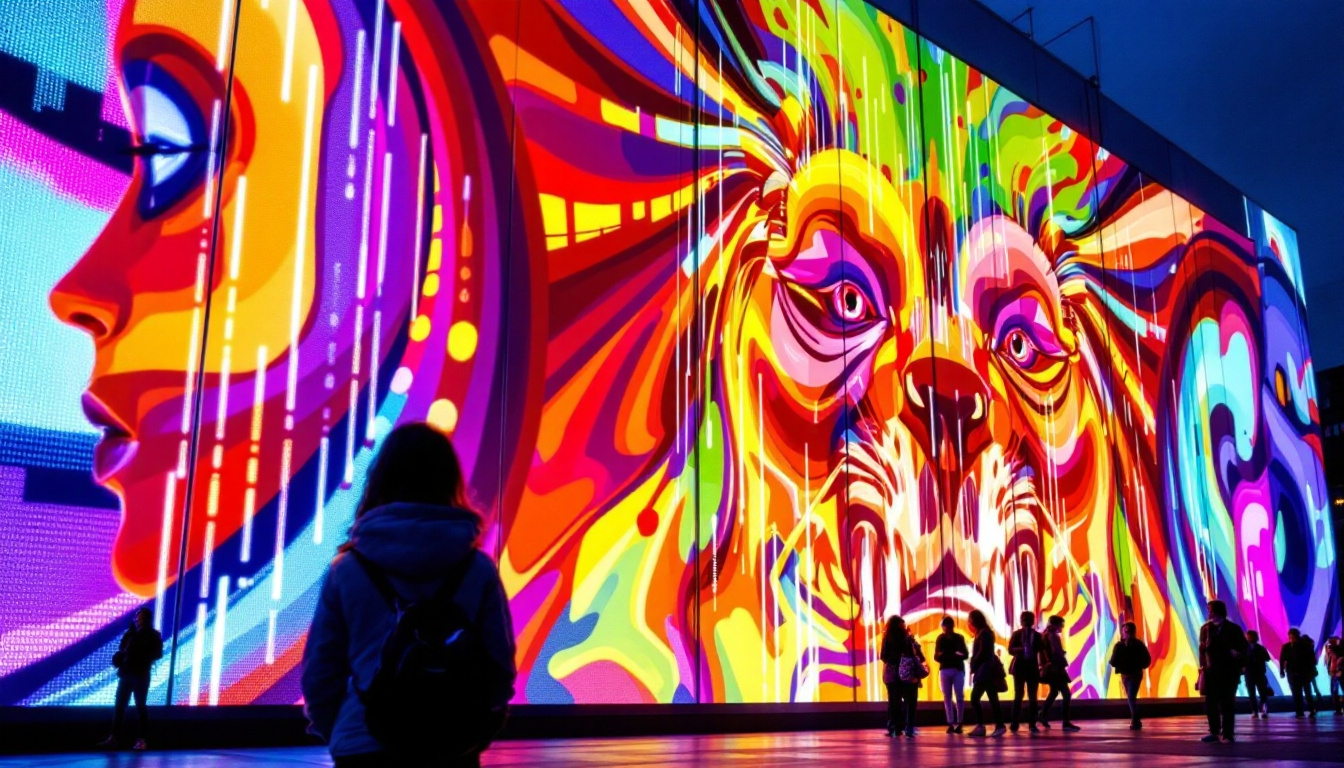
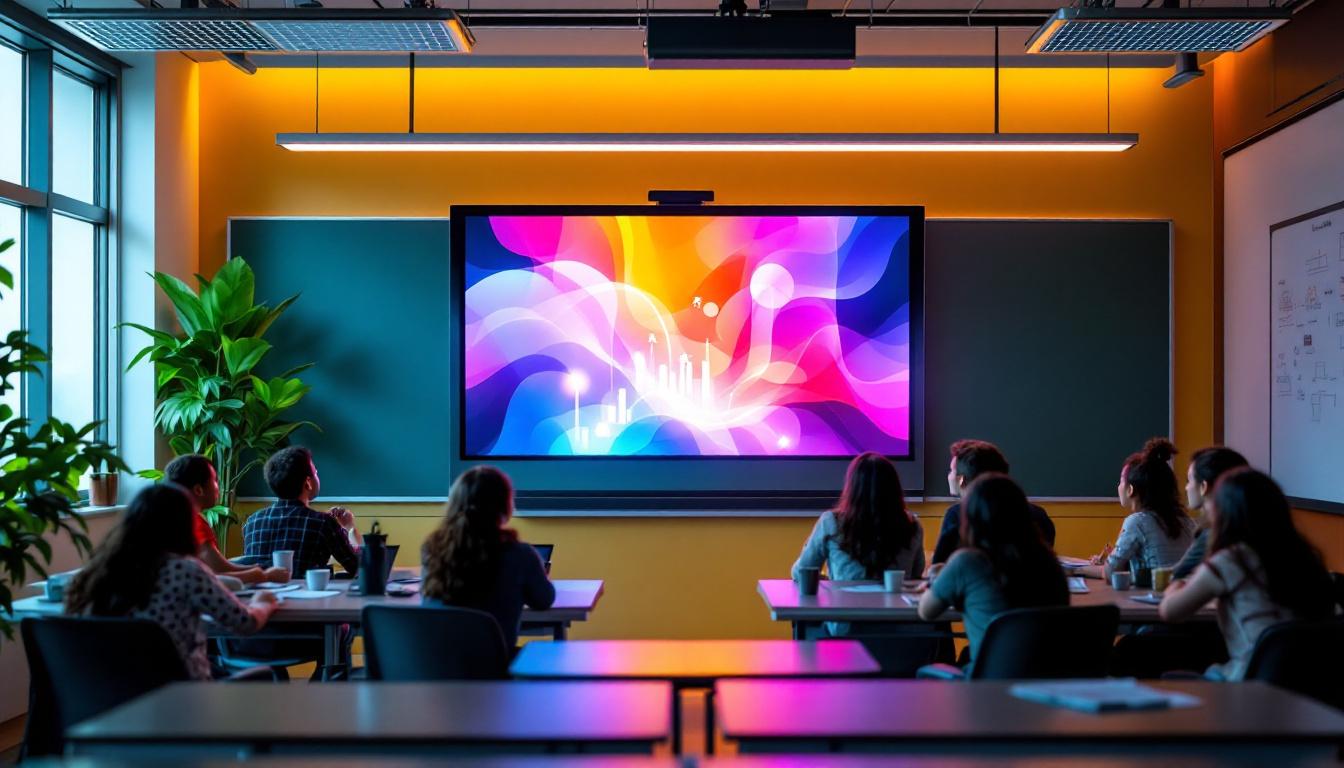
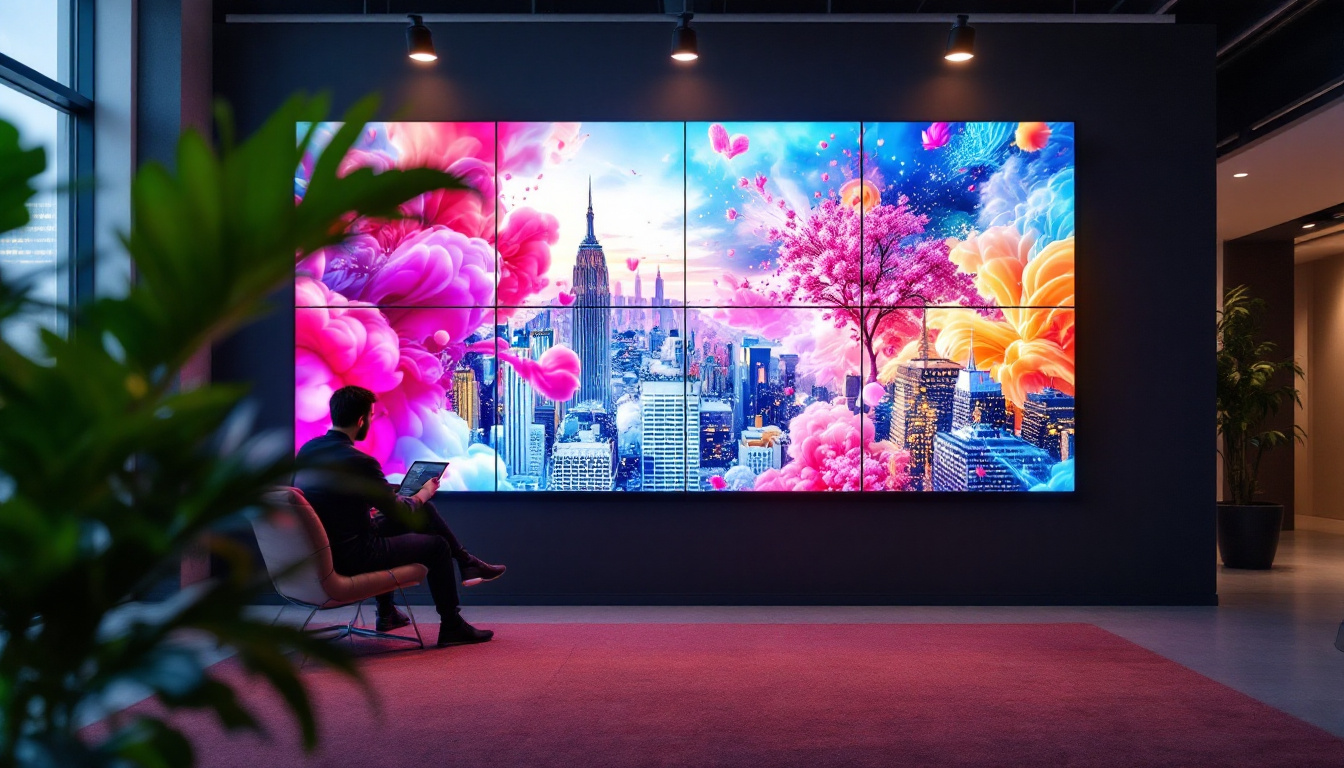
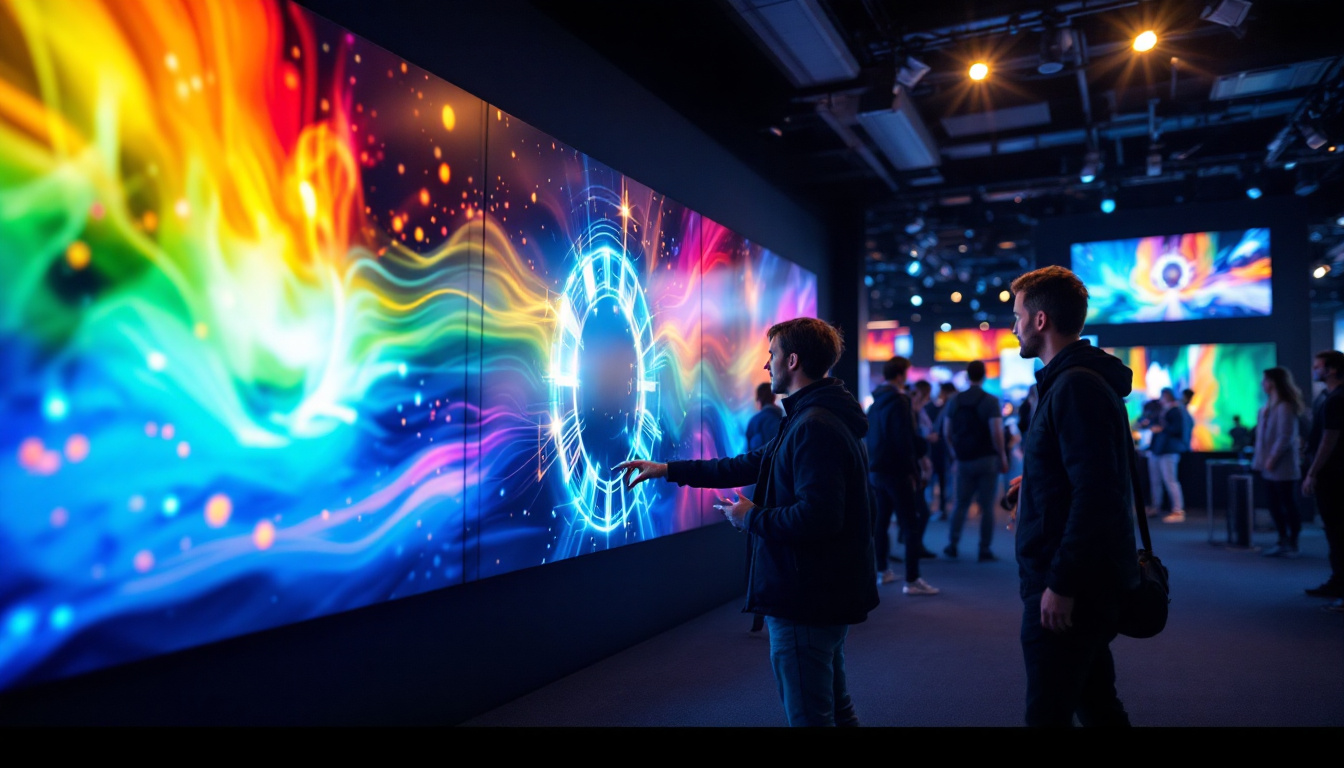
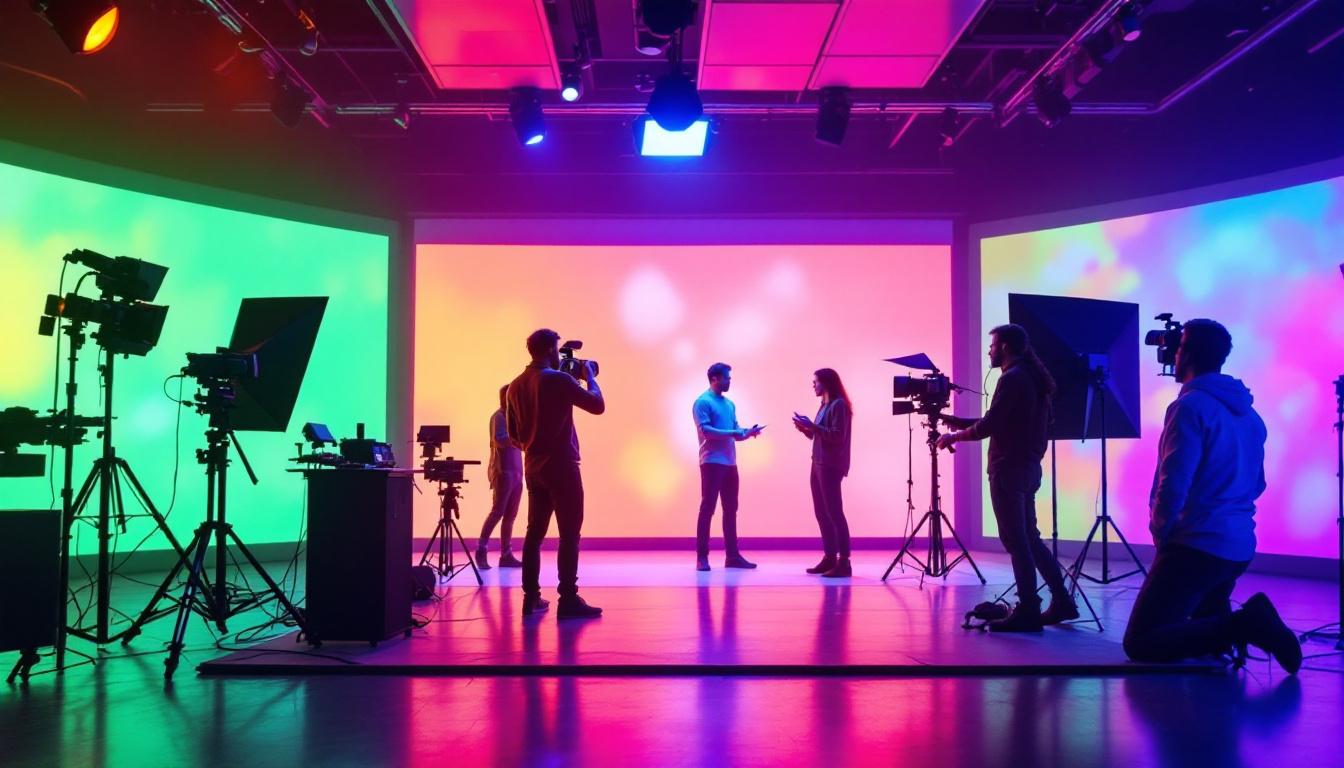
LED walls offer a compelling alternative by displaying photorealistic backgrounds directly on set. These large-scale LED panels create a live backdrop that can change instantly, providing realistic reflections and lighting on actors and physical props. This innovation not only enhances the visual quality but also streamlines the production workflow. Furthermore, the use of LED technology allows for greater flexibility in shooting angles and camera movements, as the background can be adjusted in real time to maintain continuity and perspective, which is particularly beneficial in fast-paced shooting schedules.
Moreover, the integration of virtual production techniques has opened up new avenues for storytelling. Filmmakers can now experiment with complex scenes that would have been prohibitively expensive or logistically challenging to shoot in traditional settings. For instance, entire worlds can be created and manipulated at will, allowing for a level of creativity that was previously unimaginable. This has led to a surge in innovative projects across various genres, from epic sci-fi adventures to intimate character-driven dramas, all benefiting from the immersive capabilities of virtual production.
How LED Display Technology Works in Virtual Production
LED displays used in virtual production are composed of thousands of tiny light-emitting diodes arranged in panels. These panels can be combined to form massive walls or ceilings, creating an immersive environment that surrounds the actors and crew. The key to their effectiveness lies in their ability to render high-resolution, high-dynamic-range images with accurate color reproduction and brightness.
Key Components of LED Display Systems
Several technical components make LED displays suitable for virtual production:
- Pixel Pitch: This refers to the distance between individual LEDs. Smaller pixel pitch means higher resolution and sharper images, which is crucial for close-up shots.
- Brightness and Contrast: LED panels must be bright enough to compete with on-set lighting and maintain contrast to ensure image clarity.
- Refresh Rate: A high refresh rate prevents flickering and motion artifacts, especially important when filming at various frame rates.
- Color Accuracy: Accurate color reproduction ensures that the digital background matches the director’s vision and integrates seamlessly with physical elements.
Integration with Real-Time Rendering Engines
LED walls are driven by real-time rendering engines such as Unreal Engine or Unity. These engines generate the virtual environment and update the imagery dynamically based on camera position and movement. Camera tracking systems feed positional data to the rendering engine, allowing the background perspective to shift realistically as the camera moves.
This synchronization creates a parallax effect, enhancing the illusion of depth and making the virtual environment feel tangible. The result is a more immersive experience for actors and a more efficient production process for filmmakers.
Moreover, the use of LED displays in virtual production allows for greater creative freedom. Filmmakers can design intricate and varied environments without the logistical challenges of traditional set construction. For instance, a single LED wall can depict a bustling cityscape, a serene forest, or even an alien planet, all within the same shooting day. This versatility not only saves time and resources but also enables directors to experiment with lighting and atmosphere in real-time, adjusting the visual elements to match the emotional tone of each scene.
Additionally, the technology has advanced to include features like interactive elements and augmented reality overlays. This means that not only can the backgrounds change dynamically, but they can also respond to the actors’ movements and actions. For example, if an actor reaches out to touch a virtual object, the display can simulate the interaction, creating a more engaging performance. This level of interactivity blurs the lines between reality and fiction, pushing the boundaries of storytelling in film and television.
Benefits of Using LED Displays in Virtual Production
The adoption of LED display technology in virtual production offers numerous advantages that address common challenges in traditional filmmaking.
Enhanced Realism and Immersion
LED walls provide dynamic, photorealistic backgrounds that respond naturally to lighting and camera angles. This realism helps actors deliver more authentic performances, as they can see and interact with their environment rather than imagining it against a green screen.
Moreover, the LED backdrop produces accurate reflections and ambient lighting on actors and props, eliminating the need for extensive post-production adjustments. This integration of physical and digital elements elevates the overall visual fidelity of the final product.
Improved Production Efficiency
Virtual production with LED displays significantly reduces the reliance on location shoots and extensive post-production compositing. Directors can make creative decisions on set, previewing scenes with the final background in place. This immediacy accelerates the decision-making process and reduces costly reshoots.
Additionally, the flexibility of LED walls allows for rapid scene changes without moving to different locations, saving time and budget. Productions can simulate diverse environments—from alien planets to historical cities—within a single studio space.
Cost Savings Over Time
While the initial investment in LED display technology and associated equipment can be substantial, the long-term savings are significant. Reduced travel, location fees, and post-production expenses contribute to lower overall costs.
Furthermore, as LED technology continues to advance and become more accessible, smaller productions can leverage these tools, democratizing high-quality virtual production capabilities.
Challenges and Considerations in Implementing LED Displays
Despite their advantages, integrating LED displays into virtual production comes with its own set of challenges that need careful consideration.
Technical Complexity and Expertise
Setting up and calibrating LED walls requires specialized knowledge in display technology, color science, and real-time rendering. Ensuring seamless synchronization between the LED display, camera tracking, and rendering engine demands a skilled technical team.
Moreover, maintaining consistent color and brightness across large LED surfaces can be challenging, especially in varying ambient lighting conditions. Continuous calibration and quality control are essential to achieve the desired visual outcomes.
Initial Capital Investment
The cost of high-resolution LED panels, powerful rendering hardware, and tracking systems can be prohibitive for some productions. Budgeting for these expenses, along with training and infrastructure upgrades, is a critical step in adopting virtual production workflows.
However, many studios view this investment as a strategic move to stay competitive and future-proof their production capabilities.
Physical Space Requirements
LED walls and ceilings occupy significant studio space, which may not be available in all production environments. Designing a set that accommodates these structures while allowing for camera movement and lighting setups requires careful planning.
Additionally, the weight and power consumption of LED panels must be managed to ensure safety and operational efficiency on set.
Case Studies: LED Displays in Action
Several high-profile productions have demonstrated the transformative power of LED displays in virtual production.
“The Mandalorian” and the Volume Stage
One of the most cited examples is the Disney+ series “The Mandalorian,” which utilized a custom-built LED volume stage. This setup featured a massive LED wall that displayed real-time rendered environments, allowing the cast to perform within fully immersive digital worlds.
The use of LED displays enabled complex visual effects to be captured in-camera, reducing post-production time and costs. The success of “The Mandalorian” has inspired many studios to adopt similar virtual production techniques.
Feature Films and Commercials
Beyond television, feature films and commercials have embraced LED virtual production to create stunning visuals. Productions ranging from sci-fi blockbusters to automotive advertisements have leveraged LED walls to simulate exotic locations and dynamic lighting conditions.
These applications highlight the versatility of LED displays in accommodating diverse creative needs and production scales.
The Future of LED Displays in Virtual Production
As technology advances, LED displays are poised to become even more integral to virtual production workflows.
Higher Resolution and Miniaturization
Emerging LED technologies promise finer pixel pitches and higher resolutions, enabling even more detailed and realistic virtual environments. Smaller, lighter panels will facilitate more flexible and modular stage designs, expanding creative possibilities.
Integration with Emerging Technologies
Combining LED displays with augmented reality (AR), artificial intelligence (AI), and advanced camera systems will further enhance virtual production. For instance, AI-driven real-time adjustments could optimize lighting and rendering based on scene requirements, improving efficiency and visual quality.
Broader Accessibility
As costs decrease and workflows simplify, LED virtual production will become accessible to independent filmmakers and smaller studios. This democratization will foster innovation and diversity in storytelling, pushing the boundaries of what is possible in visual media.
Conclusion
LED display technology has fundamentally transformed virtual production, offering filmmakers unprecedented control over their creative environments. By replacing traditional green screens with dynamic, high-fidelity digital backdrops, LED walls enhance realism, improve efficiency, and open new avenues for storytelling.
While challenges remain in terms of cost and technical complexity, the benefits of LED displays in virtual production are undeniable. As the technology continues to evolve, it will play a central role in shaping the future of film, television, and interactive media, enabling creators to bring their visions to life with greater authenticity and agility.
Discover the Future of Visual Storytelling with LumenMatrix
Embrace the cutting-edge of virtual production with LumenMatrix’s advanced LED display solutions. As a pioneer in the industry, LumenMatrix offers an extensive range of LED display modules, from Indoor and Outdoor LED Walls to innovative Transparent and Custom LED Displays. Whether for film, television, or interactive media, our technology is designed to captivate audiences and amplify your message with unparalleled clarity and impact. Check out LumenMatrix LED Display Solutions today and join the revolution in visual communication.